Drug Policy Form For Oncology
Description
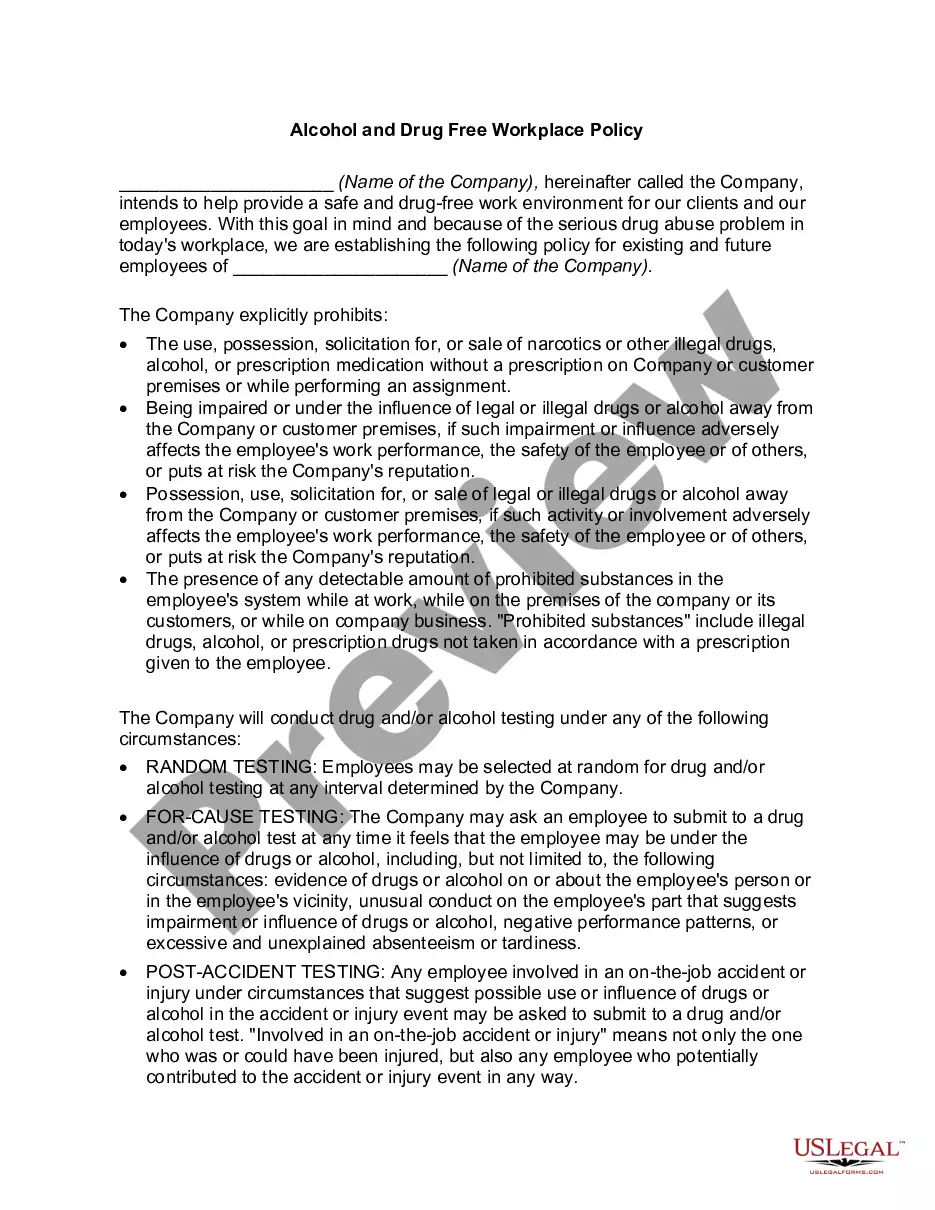
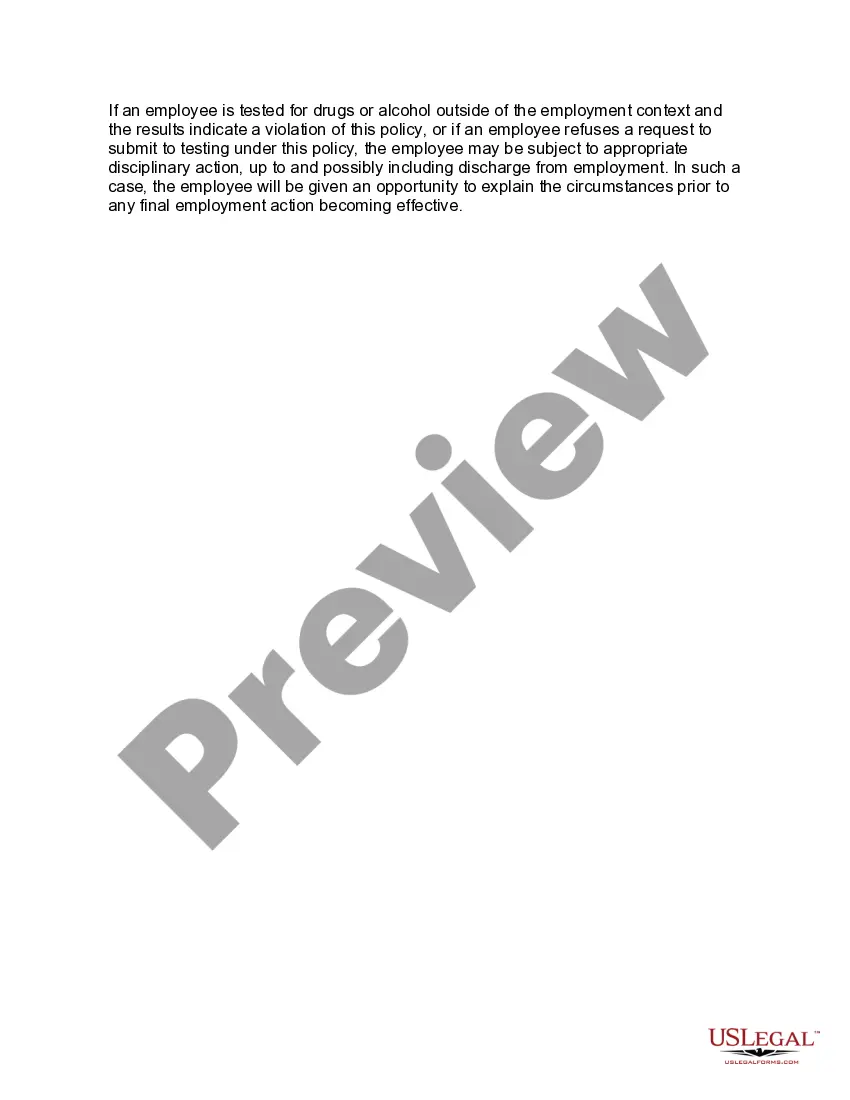
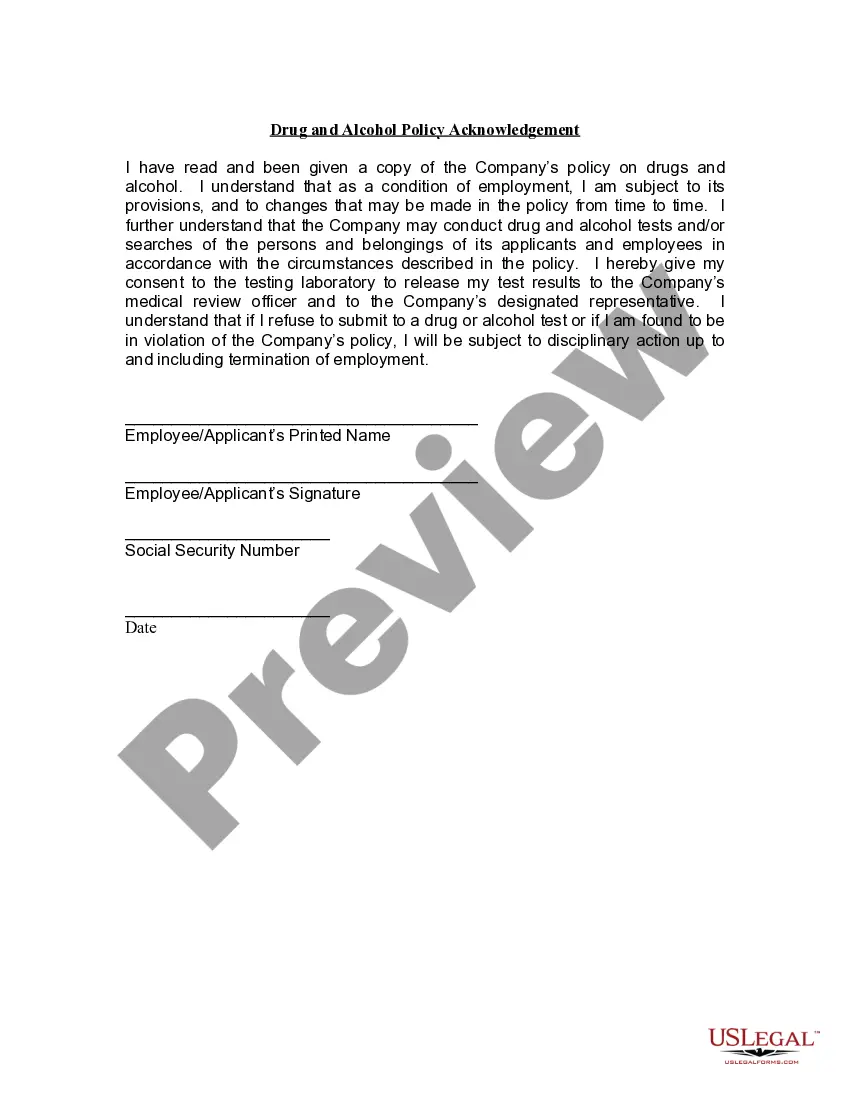
Get your form ready online
Our built-in tools help you complete, sign, share, and store your documents in one place.
Make edits, fill in missing information, and update formatting in US Legal Forms—just like you would in MS Word.
Download a copy, print it, send it by email, or mail it via USPS—whatever works best for your next step.
Sign and collect signatures with our SignNow integration. Send to multiple recipients, set reminders, and more. Go Premium to unlock E-Sign.
If this form requires notarization, complete it online through a secure video call—no need to meet a notary in person or wait for an appointment.
We protect your documents and personal data by following strict security and privacy standards.

Make edits, fill in missing information, and update formatting in US Legal Forms—just like you would in MS Word.

Download a copy, print it, send it by email, or mail it via USPS—whatever works best for your next step.

Sign and collect signatures with our SignNow integration. Send to multiple recipients, set reminders, and more. Go Premium to unlock E-Sign.

If this form requires notarization, complete it online through a secure video call—no need to meet a notary in person or wait for an appointment.

We protect your documents and personal data by following strict security and privacy standards.
Looking for another form?

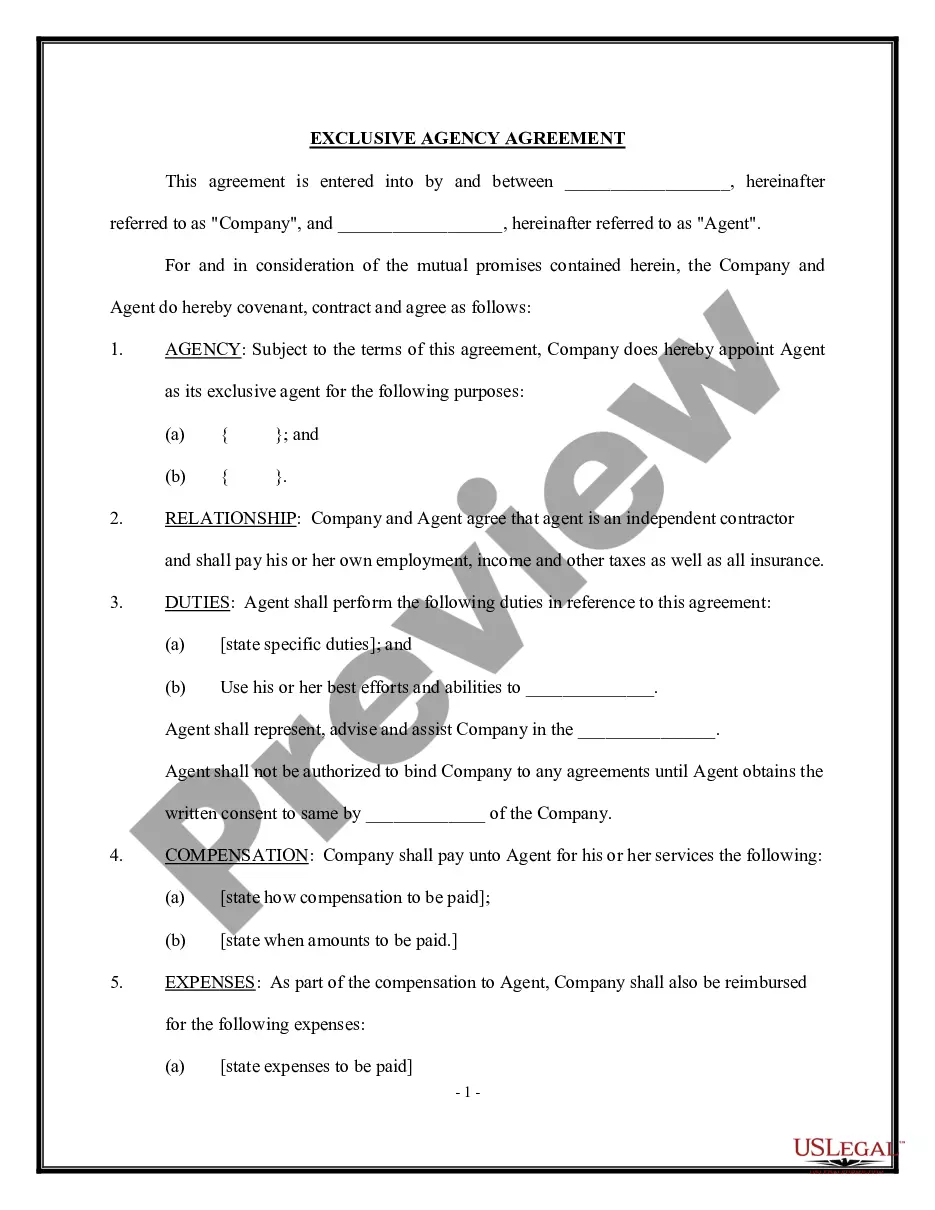




How to fill out Alcohol And Drug Free Workplace Policy?
- If you're an existing user, log in to your account and locate the Drug Policy Form for Oncology under the available templates. Ensure your subscription is up to date to access the document.
- For first-time users, start by exploring the preview and description of the form to ensure it meets your needs and complies with local regulations.
- If adjustments are needed or you can't find the right form, utilize the search feature to locate the appropriate document.
- Proceed to purchase your selected form by clicking the Buy Now button. You will need to create an account to access our extensive library.
- Complete your order by entering your payment details or using your PayPal account, then confirm your subscription.
- Finally, download the required form to your device, and you can access it anytime in the My Forms section.
By leveraging US Legal Forms, users benefit from over 85,000 fillable templates, ensuring precise and legally sound documentation.
Ready to simplify your legal documentation process? Start today with US Legal Forms for hassle-free access to your Drug Policy Form for Oncology!
Form popularity
FAQ
The IND submission is the first step for new drug development and focuses on clinical trial approval, while the BLA is aimed at obtaining approval for biologic products. Each submission has its unique requirements and processes, reflecting the nature of the drug. Utilizing an effective drug policy form for oncology can help clarify these requirements, ensuring you meet the necessary criteria for both IND and BLA submissions.
The NDA focuses on small-molecule drugs, while the BLA, or Biologics License Application, is intended for biologic products derived from living organisms. Each application requires distinct regulatory paths and documentation. For professionals working in oncology, knowing the differences between these applications is essential for selecting the appropriate drug policy form for oncology that fits your product type.
The NDA submission package is a collection of documents that include data on the drug's clinical results, manufacturing processes, and proposed labeling. This comprehensive package is vital for the FDA to evaluate the drug's safety, efficacy, and production quality. A well-prepared drug policy form for oncology can streamline the creation of your NDA submission package, helping you stay organized and compliant.
An IND application allows a sponsor to initiate clinical trials with an investigational drug. It includes details about the drug's composition, how it works, and data from previous studies. For those working with drug policy forms for oncology, an IND application is a pivotal step in ensuring the drug can undergo human testing while adhering to regulatory guidelines.
The NDA application for investigational new drugs is a comprehensive document submitted to the FDA to secure the approval needed for marketing a new drug. This application includes data from clinical trials, providing evidence of the drug's safety and effectiveness. Utilizing a drug policy form for oncology can aid in organizing the required information succinctly within your NDA submission.
The IND, or Investigational New Drug application, is used to obtain permission to start clinical trials for a new drug in humans. On the other hand, the NDA, or New Drug Application, is submitted to seek approval for marketing the drug after successful trials. Understanding these differences is crucial for anyone involved with drug policy forms for oncology, as precise documentation can significantly impact the approval timeline.
Each prescription label should include the medication name, dosage instructions, and the patient’s name. These components foster adherence to the prescribed treatment plan and minimize the risk of errors. Using a drug policy form for oncology ensures that these essential details are clearly documented, helping you and your healthcare provider track your progress efficiently.