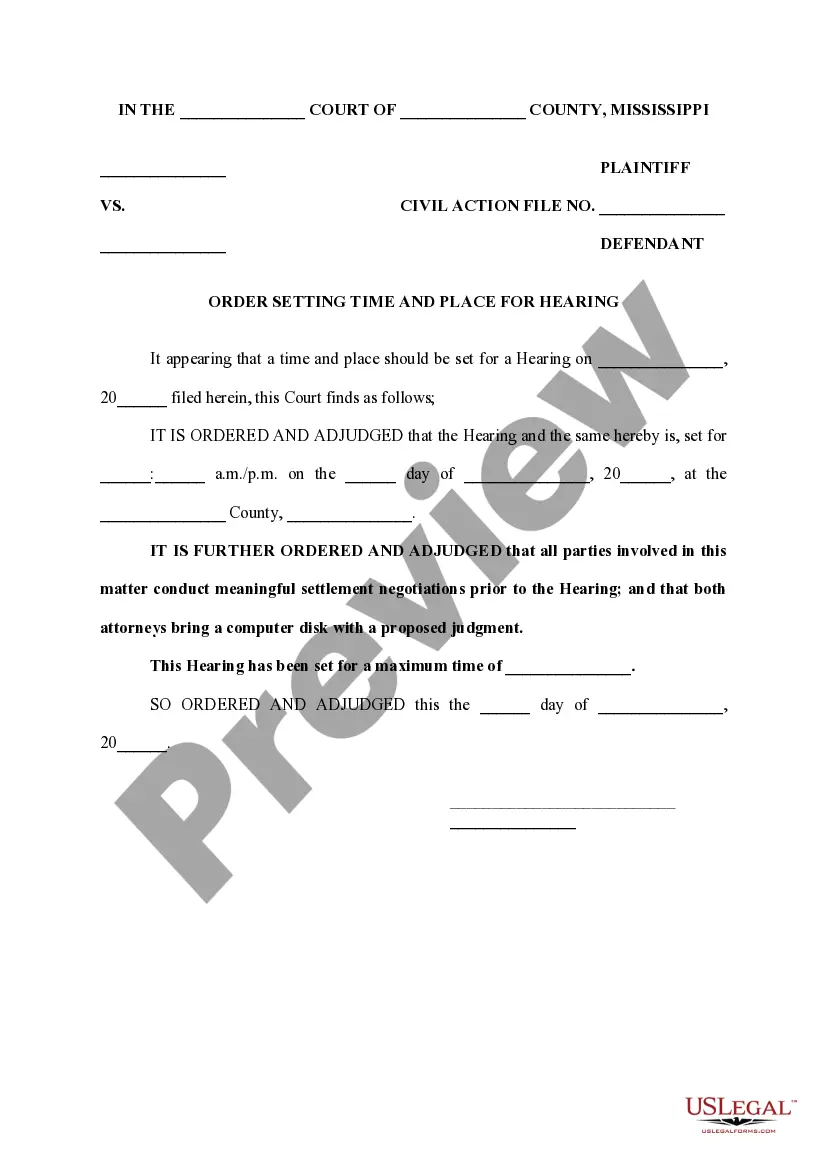
Louisiana Attorney Letter unable to certify title opinion
What is this form?
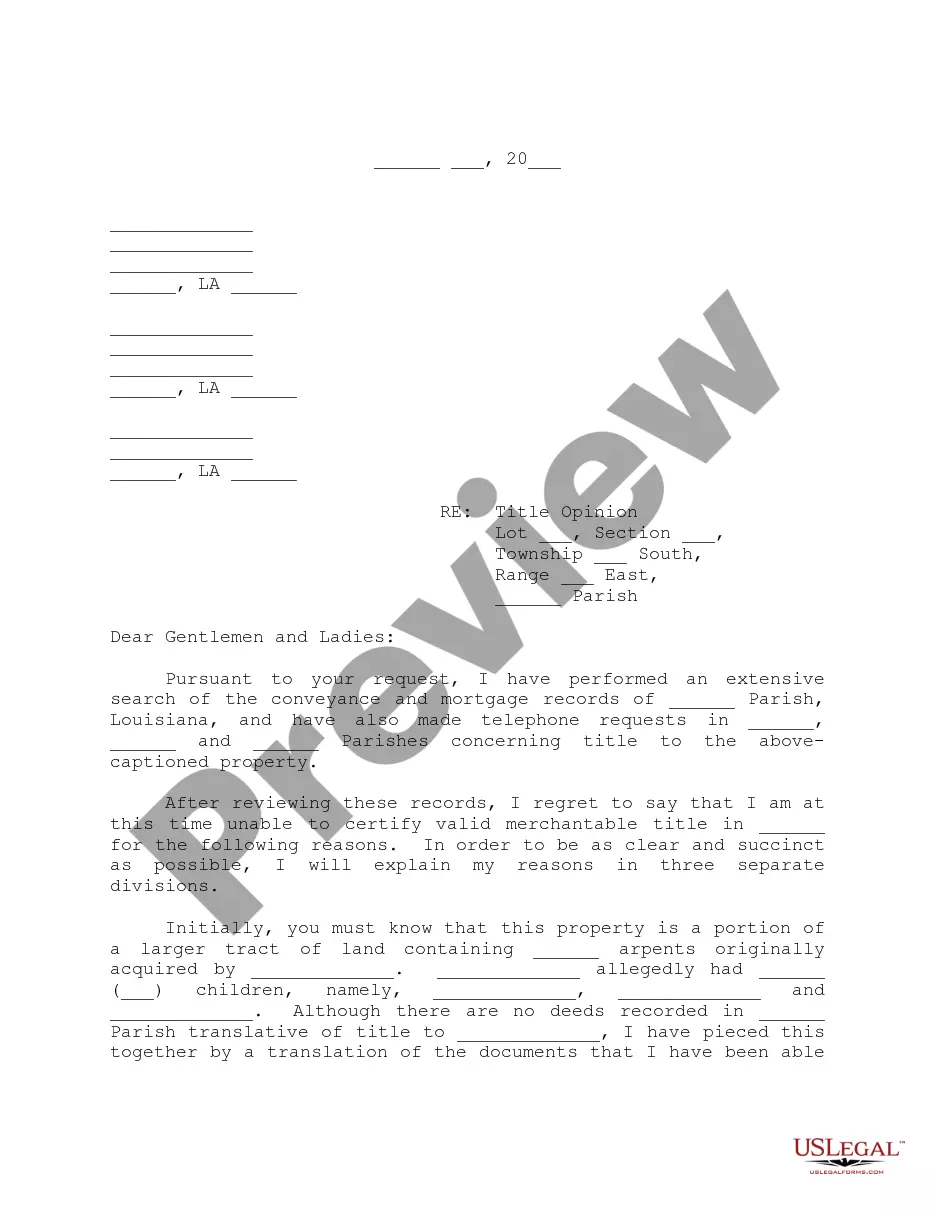
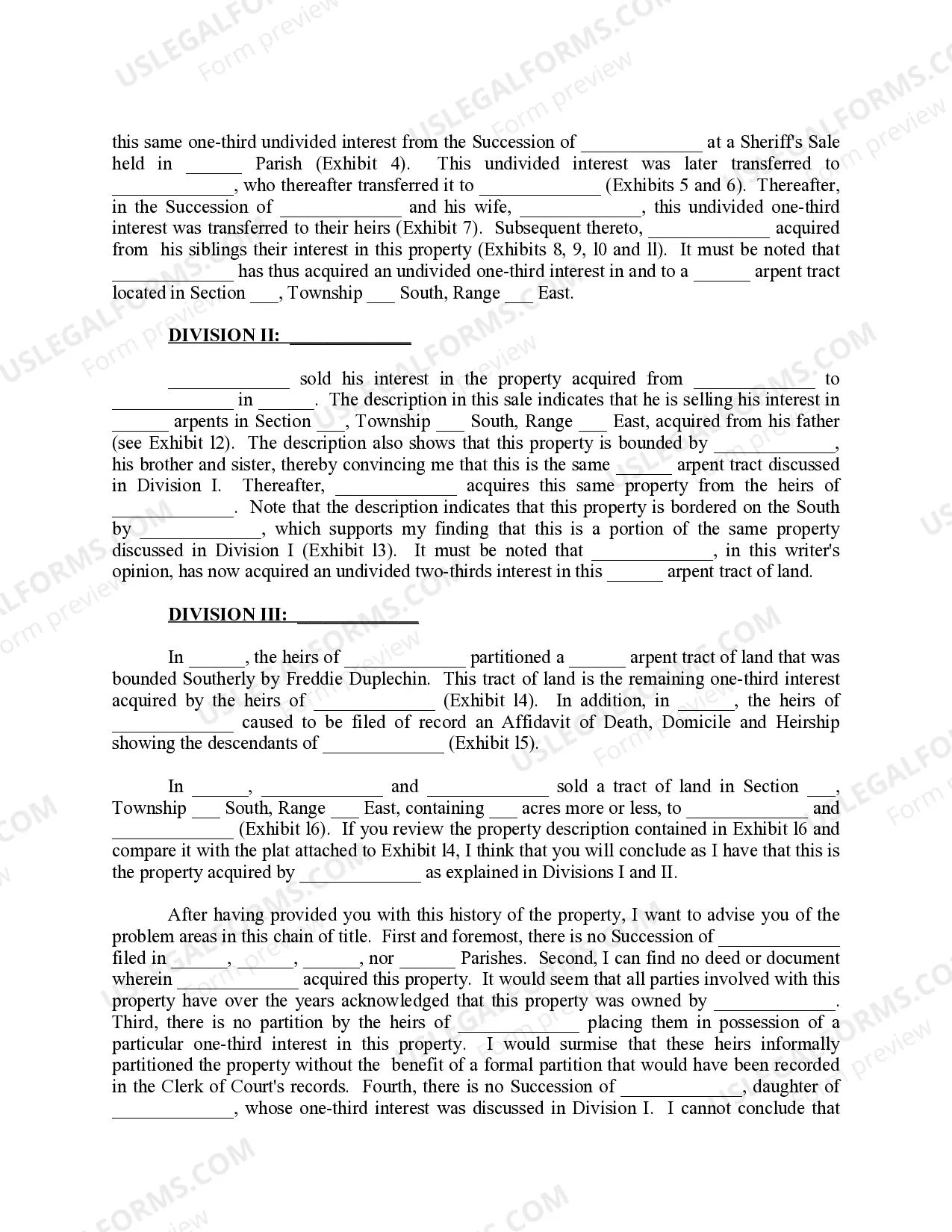
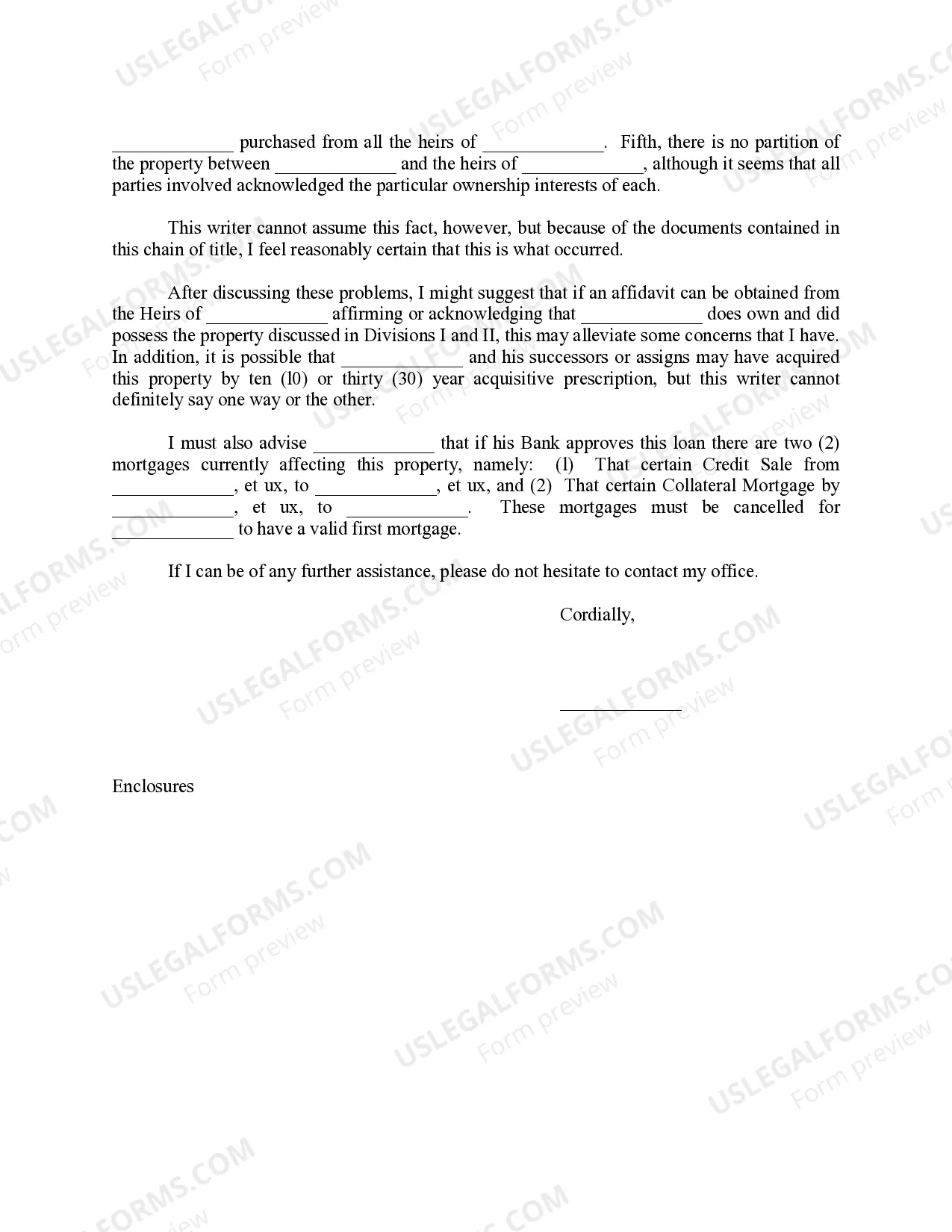
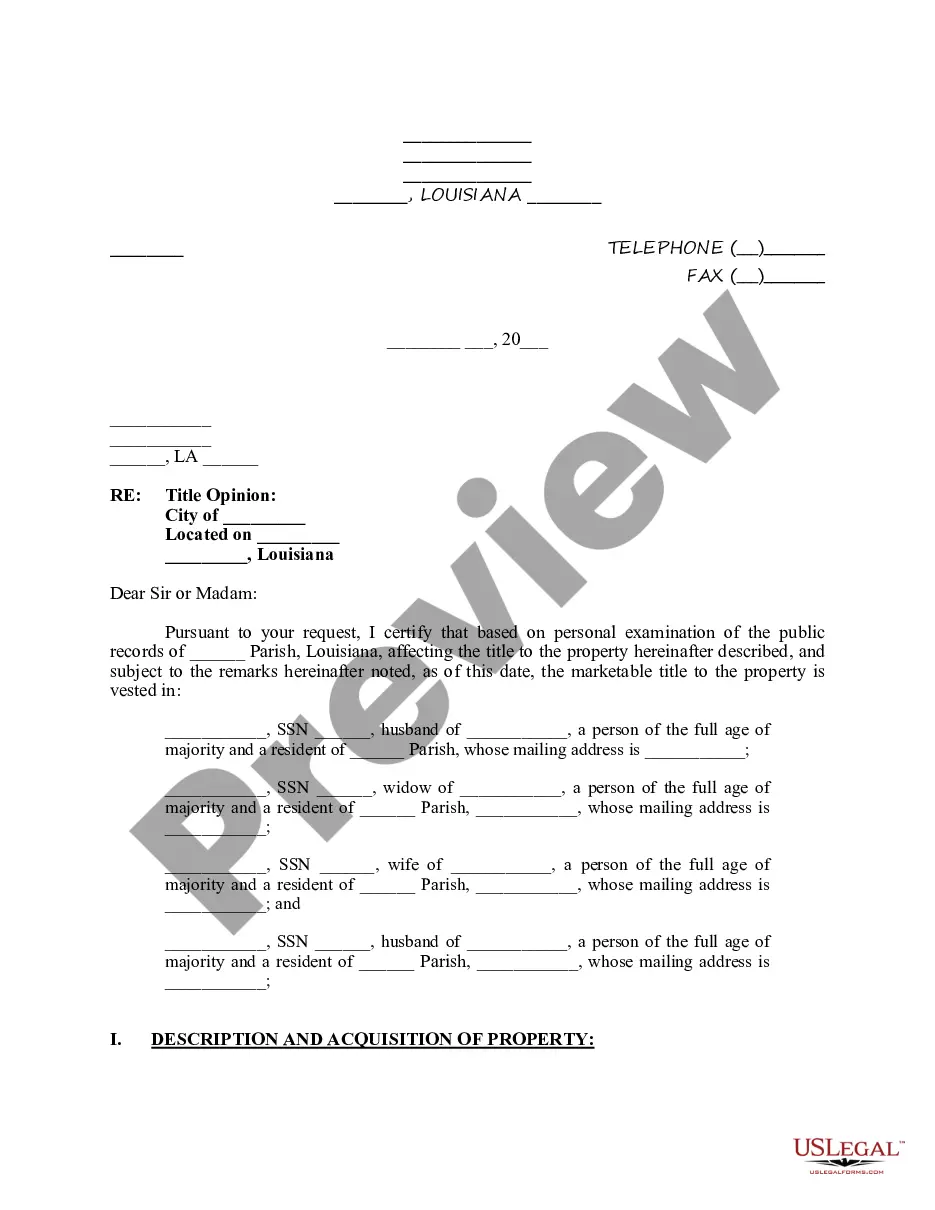
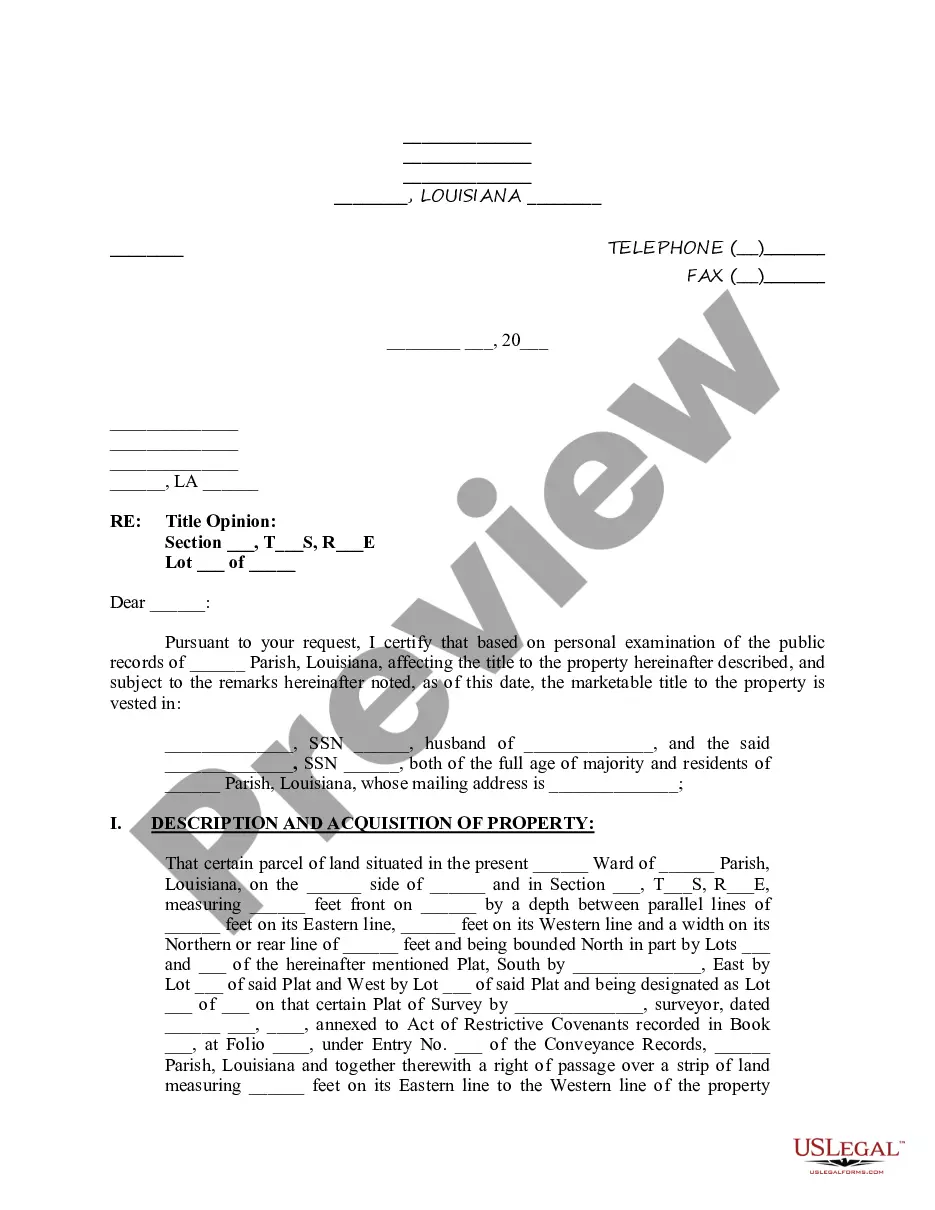
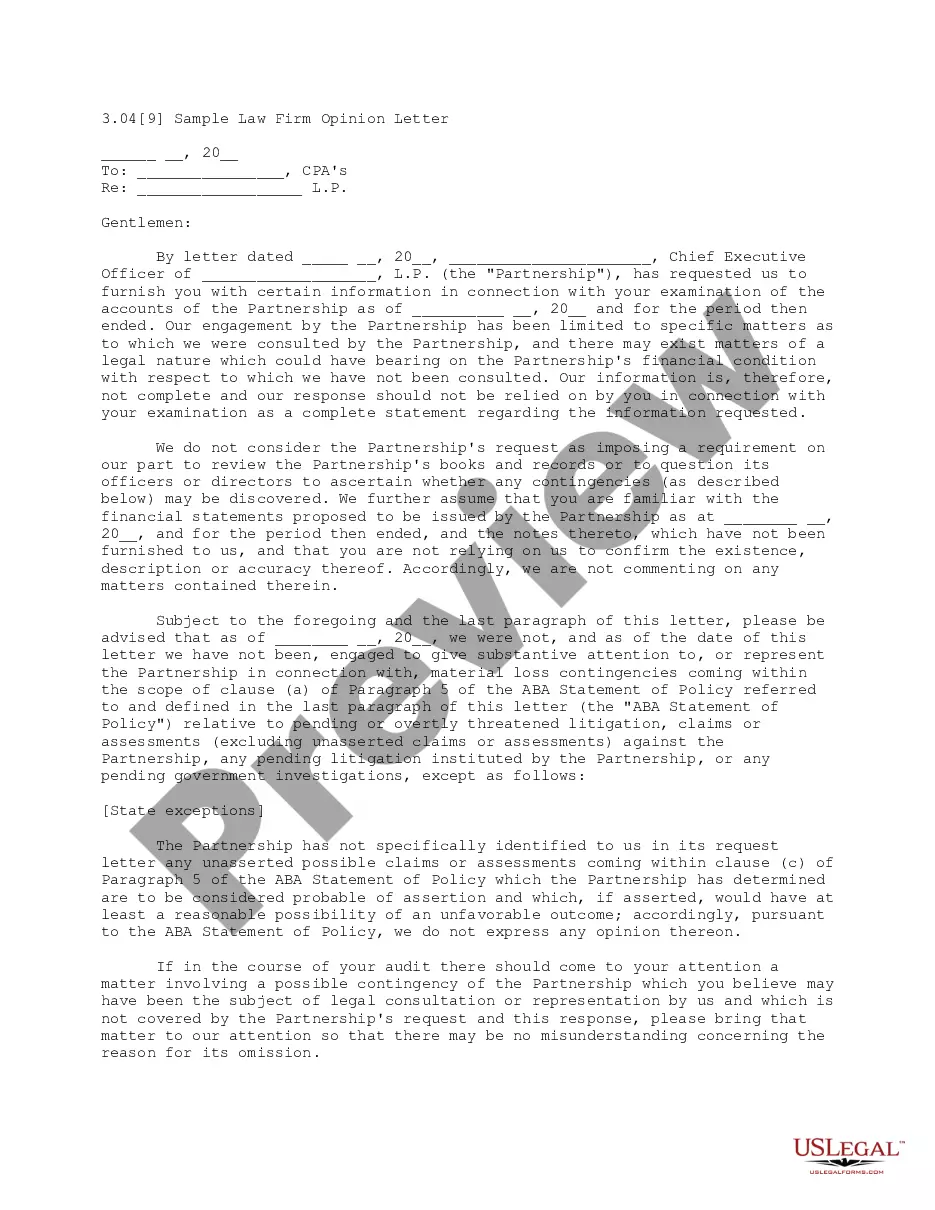
The Attorney Letter Unable to Certify Title Opinion is a legal document prepared by an attorney that provides an opinion on the merchantability of a property title. This form is essential when there are issues that prevent the attorney from certifying a clear title, summarizing findings about ownership and any exceptions detected in the title chain. Unlike a typical title opinion, this letter specifically addresses the inability to certify title and outlines the reasons behind this conclusion.
Form components explained
- Date of the opinion
- Recipient information (addressed parties)
- Property description (lot, section, township, range)
- Details of the attorney's search and findings
- Division sections outlining specific title issues
- Signatures of the attorney and possibly enclosures for supporting documents
Situations where this form applies
This form should be used in scenarios where a bank or mortgage company requires a title opinion before issuing a loan or mortgage. It is specifically applicable when an attorney has identified problems with the property title, preventing them from certifying it as valid. This may include cases of unclear ownership, lack of recorded deeds, or issues arising from succession matters.
Intended users of this form
This form is intended for:
- Real estate attorneys conducting title searches
- Title companies verifying property ownership
- Mortgage lenders requiring detailed title assessments
- Property buyers needing to understand title issues before closing
Instructions for completing this form
- Enter the date of the opinion at the top of the letter.
- Provide the names and addresses of the recipients.
- Specify the detailed property description, including lot, section, township, and range.
- Outline the results of the title search, including any divisions detailing title complications.
- Conclude with your signature and any necessary enclosures supporting your findings.
Is notarization required?
To make this form legally binding, it must be notarized. Our online notarization service, powered by Notarize, lets you verify and sign documents remotely through an encrypted video session.
Get your form ready online
Our built-in tools help you complete, sign, share, and store your documents in one place.
Make edits, fill in missing information, and update formatting in US Legal Forms—just like you would in MS Word.
Download a copy, print it, send it by email, or mail it via USPS—whatever works best for your next step.
Sign and collect signatures with our SignNow integration. Send to multiple recipients, set reminders, and more. Go Premium to unlock E-Sign.
If this form requires notarization, complete it online through a secure video call—no need to meet a notary in person or wait for an appointment.
We protect your documents and personal data by following strict security and privacy standards.

Make edits, fill in missing information, and update formatting in US Legal Forms—just like you would in MS Word.

Download a copy, print it, send it by email, or mail it via USPS—whatever works best for your next step.

Sign and collect signatures with our SignNow integration. Send to multiple recipients, set reminders, and more. Go Premium to unlock E-Sign.

If this form requires notarization, complete it online through a secure video call—no need to meet a notary in person or wait for an appointment.

We protect your documents and personal data by following strict security and privacy standards.
Avoid these common issues
- Failing to include all necessary legal descriptions of the property.
- Not clearly outlining the reasons for not certifying title.
- Leaving out important attachment exhibits that support the findings.
- Not properly addressing the recipients of the letter.
Benefits of completing this form online
- Convenience of downloading the form immediately.
- Editable fields allow for customization to fit specific situations.
- Access to reliable templates drafted by licensed attorneys.
- Increased efficiency by avoiding potential errors associated with handwritten completion.
Legal use & context
- The Attorney Letter Unable to Certify Title Opinion is a formal document that can have significance in real estate transactions.
- It is essential for disclosing potential title issues to all relevant parties.
- Consulting with an attorney when issuing or receiving this opinion is recommended to address any legal implications.
Main things to remember
- This form outlines an attorney's inability to certify a property's title and details underlying issues.
- It serves as a critical document for parties involved in real estate transactions to understand title risks.
- Proper completion and accuracy are essential to avoid common mistakes and potential legal challenges.
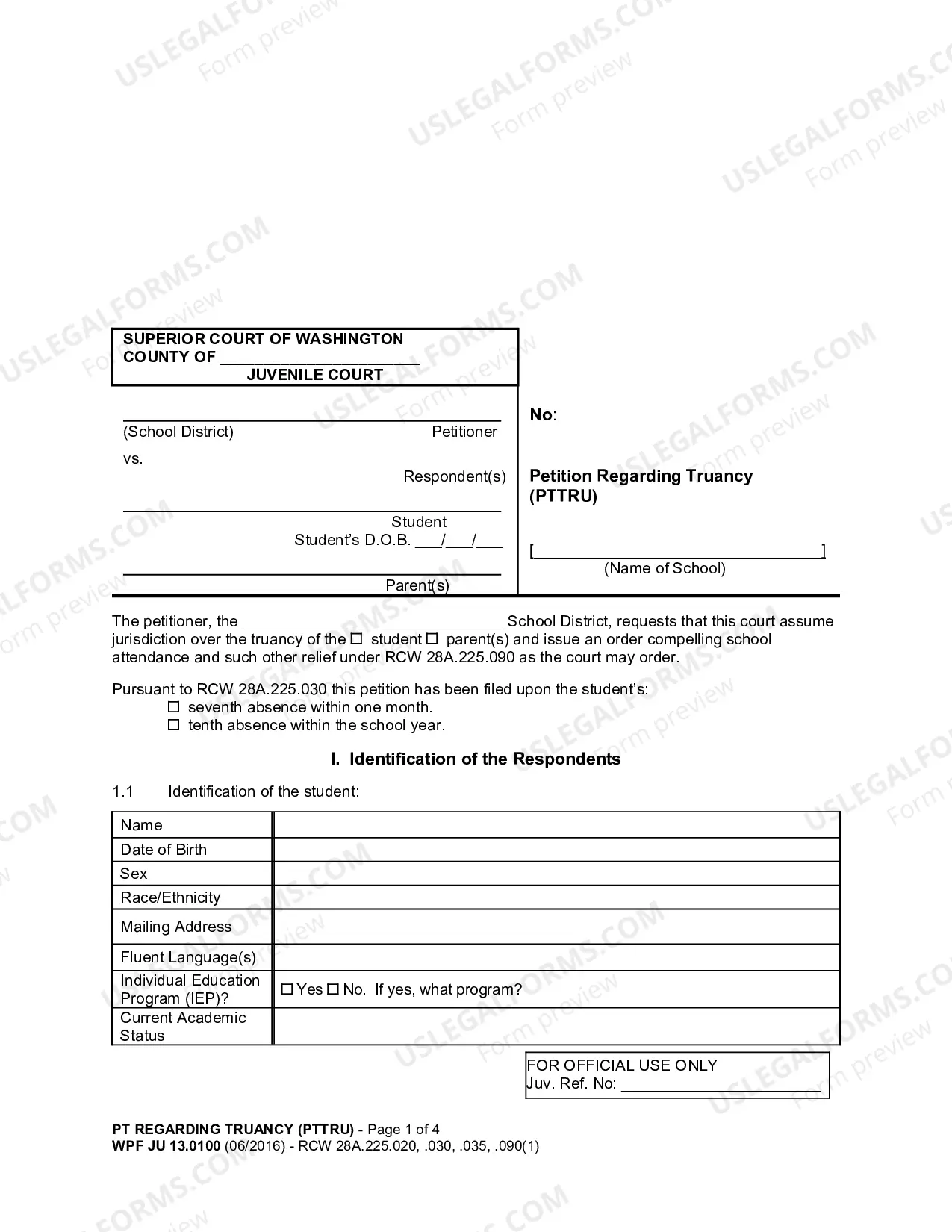
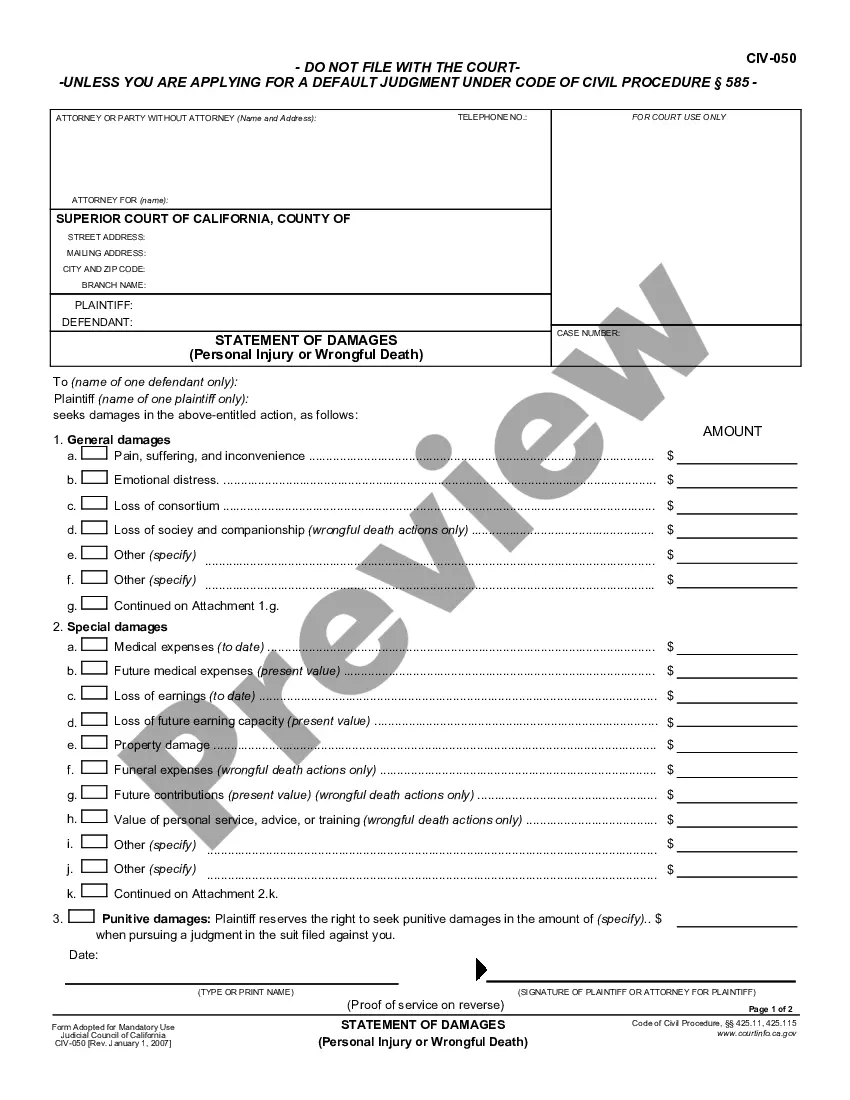
Looking for another form?

Form popularity
FAQ
An opinion letter is a formal expression of a judgment or advice based on the attorneys' legal knowledge and expertise in an area of law. The term "legal opinion" is commonly used to refer to a document containing a lawyer's or law firm's understanding of the law that applies to a particular case.
State the facts: The facts are the answers to the client's questions. Analysis: For an easy analysis, first set out the provision of the law and the law itself. Answer the query: To answer the query, you will rely on the fact and analysis sections.
An opinion letter, also called a legal opinion, is a letter issued by a legal counsel that facilitates a lender's due diligence process in a transaction.Lenders often require an opinion letter to act as proof of legal counsel's advice and conclusions regarding the loan documents relevant to the transaction.
The opinion letter is a formal letter drafted by an attorney. The aim is to verify the legal status of either you or your business. Some situations that might require an opinion letter include: Verifying a person's lack of criminal status.
A legal opinion letter is a formal letter by an attorney verifying the legal status of a person or entity.At Tsang & Associates, we can provide a legal opinion letter for persons or entities in the state of California.
The California Supreme Court and Court of Appeal are state agencies authorized to request opinions. Requests should come from the chief justice or a presiding justice of the court or, as is usually the case, be submitted by the Administrative Office of the Courts.
The date it was written. a salutation or greeting (who the letter is to) an introduction explaining your topic and opinion. a body with reasons that support your opinion. a conclusion restating your opinion or telling why it is important. closing. your signature.
Clarity defines good writing. A legal opinion will often contain a complicated set of facts which will have to be sorted into specific legal issues and defined in legal terms. Clarity of expression is therefore vital.Each section will culminate into an opinion and each opinion must be fully explained.