No Representation Without Taxation
Description
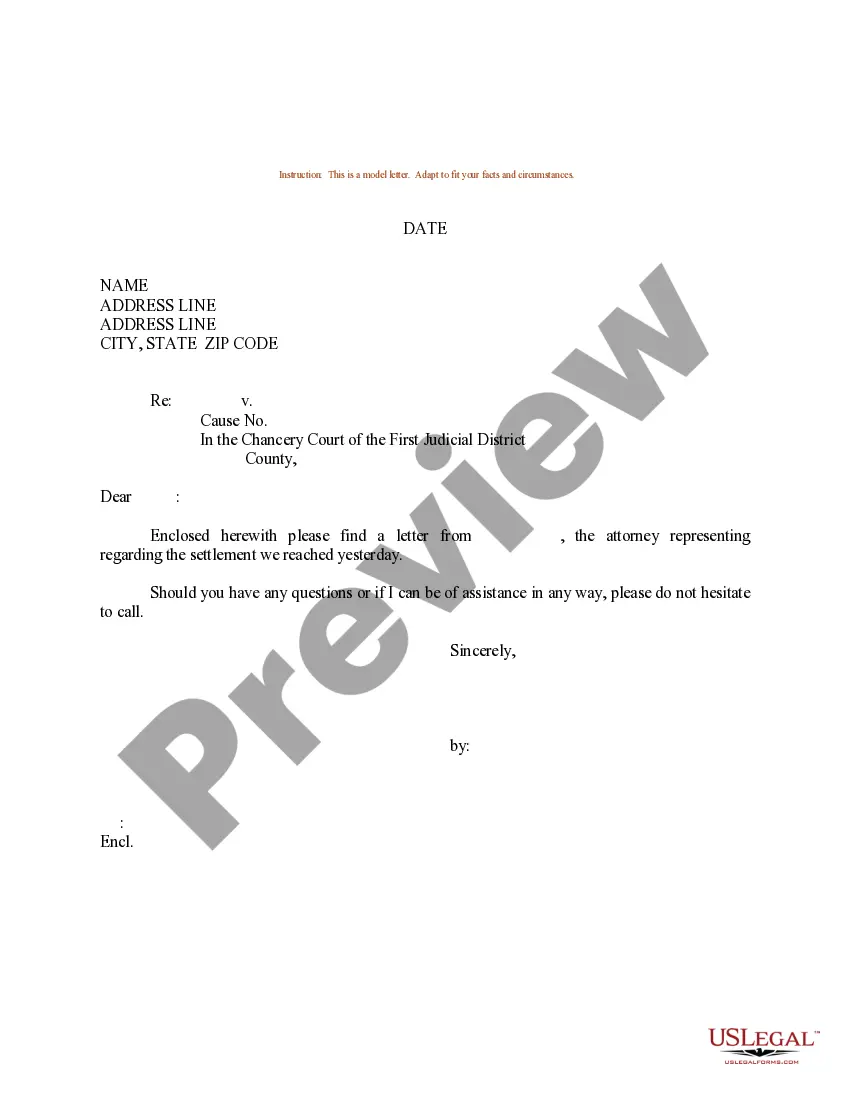

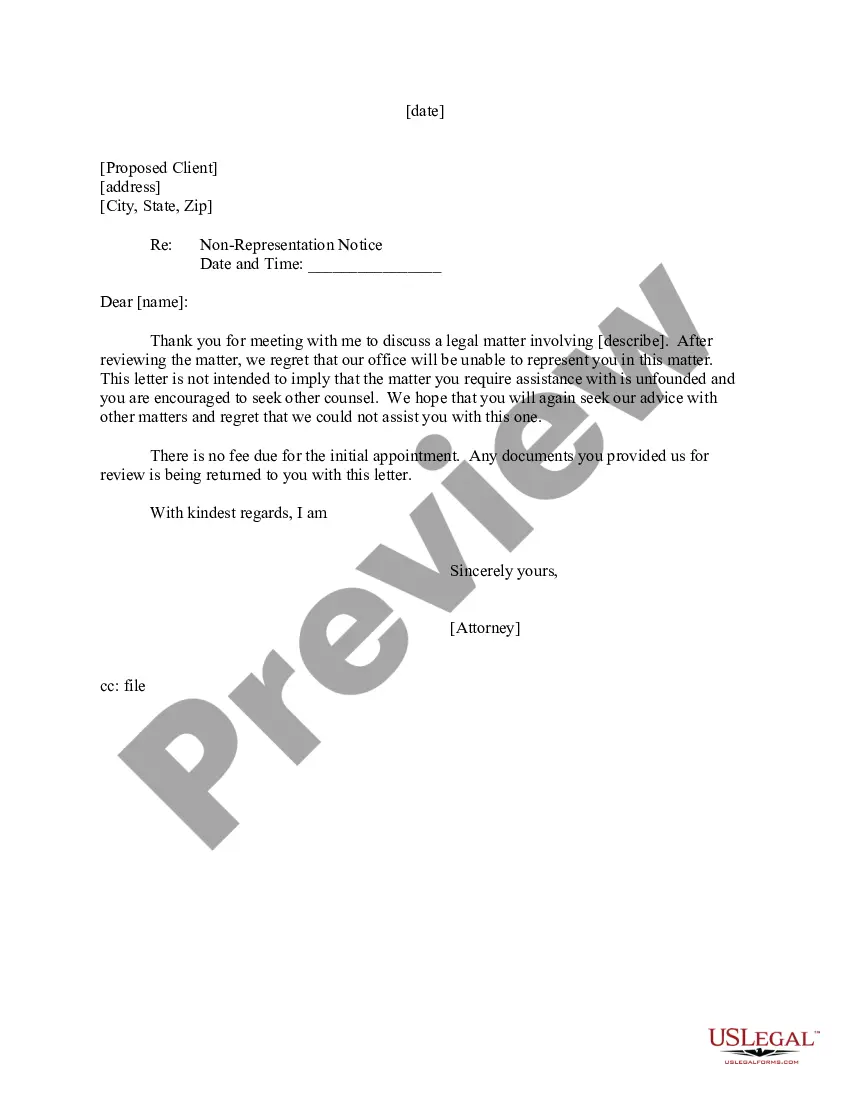
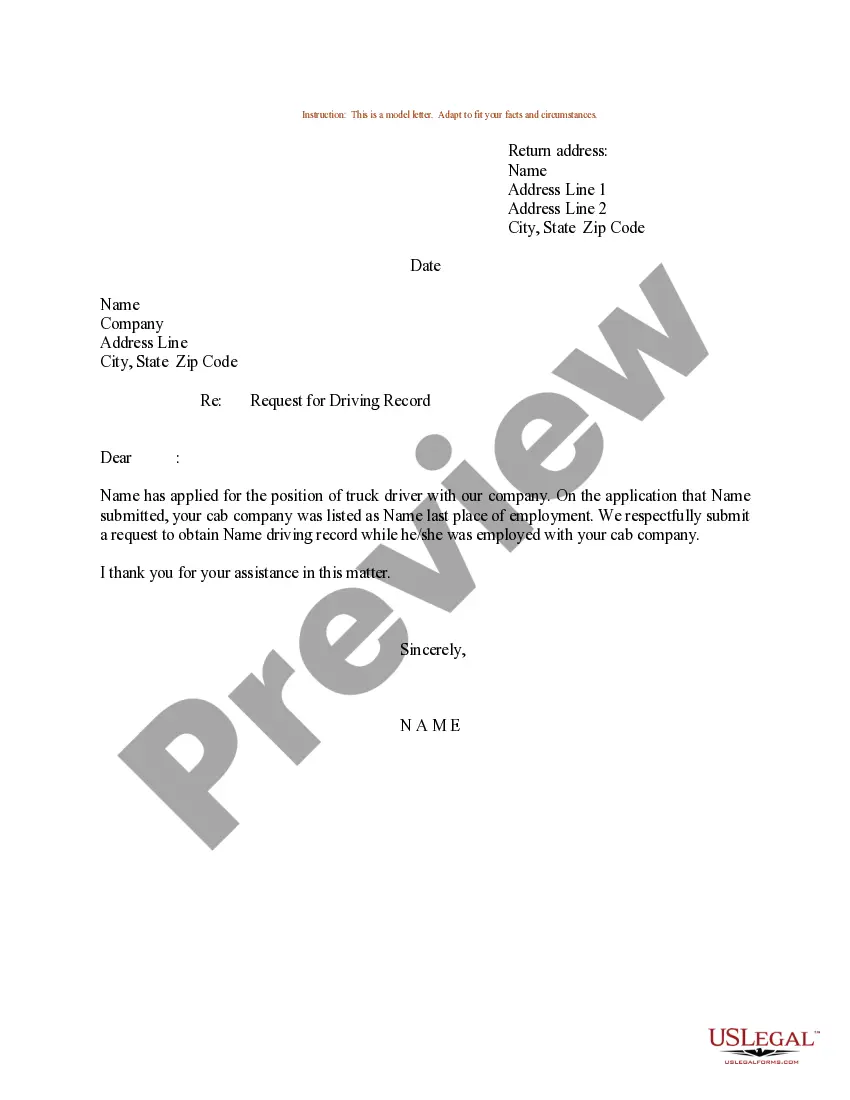
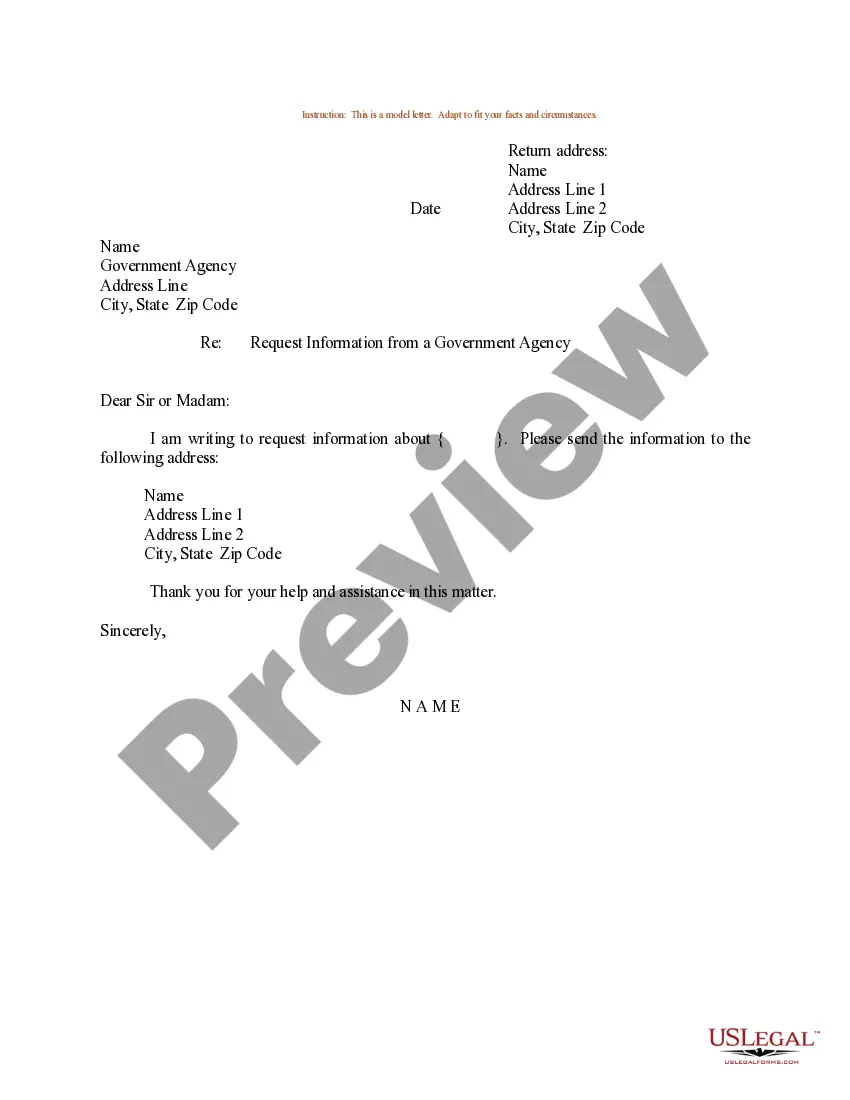

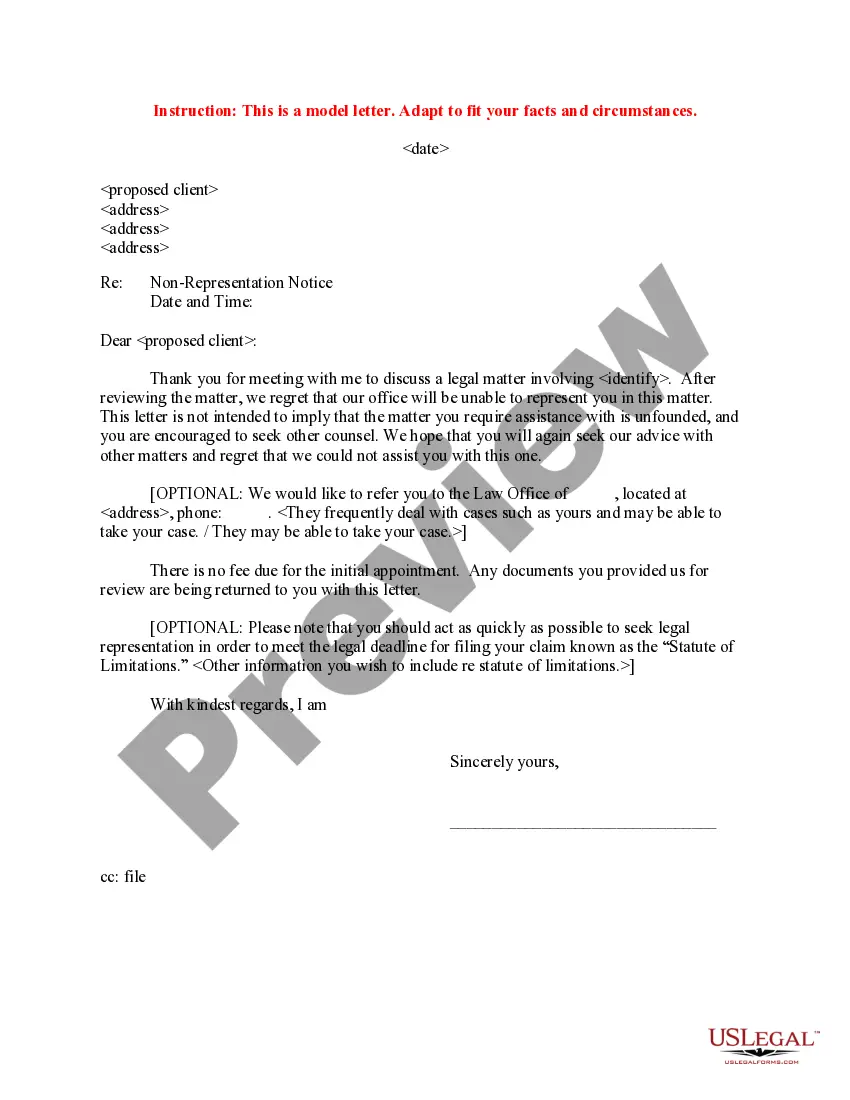
How to fill out Sample Letter To Proposed Client - Non-Representation Sample Letter?
Creating legal documents from the ground up can frequently be intimidating.
Certain situations may require extensive research and substantial financial investment.
If you are looking for a simpler and more economical method of generating No Representation Without Taxation or any other documents without unnecessary complications, US Legal Forms is always available to assist you.
Our online repository of more than 85,000 current legal forms encompasses nearly every element of your financial, legal, and personal affairs.
However, before you proceed to download No Representation Without Taxation, keep these suggestions in mind: Review the document preview and details to confirm that you have located the correct form. Ensure the template you select complies with your state and county’s laws and regulations. Pick the appropriate subscription plan to purchase the No Representation Without Taxation. Download the file, then fill it out, sign it, and print it. US Legal Forms has an impeccable reputation and over 25 years of experience. Join us now and make document completion a straightforward and efficient process!
- With just a few clicks, you can effortlessly obtain state- and county-specific forms meticulously prepared by our legal experts.
- Utilize our website whenever you need a dependable and trustworthy service through which you can conveniently find and download the No Representation Without Taxation.
- If you are already familiar with our site and have previously established an account, simply Log In, choose the template, and download it right away or access it again later in the My documents section.
- Not signed up yet? No worries. Setting up an account is quick and easy, allowing you to browse the catalog.
Form popularity
FAQ
The phrase 'no taxation without representation' highlights the principle that citizens should not be taxed by a government unless they have elected representatives to speak on their behalf. This concept emerged from the American Revolution, reflecting the belief that taxation imposed without consent violates the rights of individuals. Essentially, it reinforces the idea that fair taxation comes with representation, ensuring citizens have a voice in the laws that govern them.
? Understanding taxation without representation In 1765, the British Parliament passed the Stamp Act, which required colonists in what would become the United States to pay taxes on printed material. The problem was that the colonists didn't have the right to elect representatives in Parliament.
At present, we have taxation without representation, which is not healthy. Maintaining 18 as the legal minimum age for voting not only goes against the mantra of 'no taxation without representation'.
The protests were based on a legal principle that the colonial legislatures only had the power to tax residents who had representatives in those legislatures. And even though some colonies had official agents to Parliament, like Benjamin Franklin, no colonies had sitting representatives in the British Parliament.
In short, many colonists believed that as they were not represented in the distant British parliament, any taxes it imposed on the colonists (such as the Stamp Act and the Townshend Acts) were unconstitutional and were a denial of the colonists' rights as Englishmen.