Template To Document Employee Issues
Description
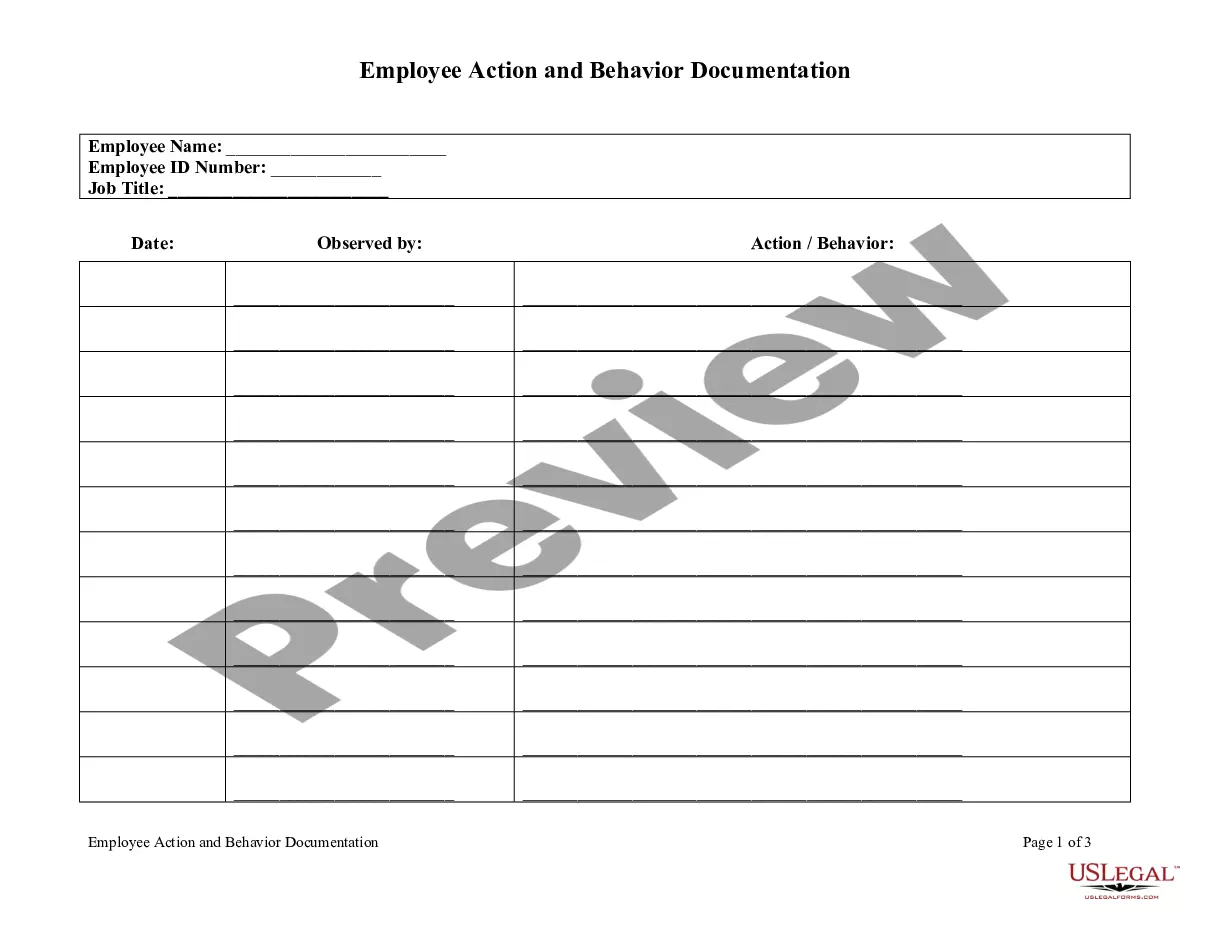
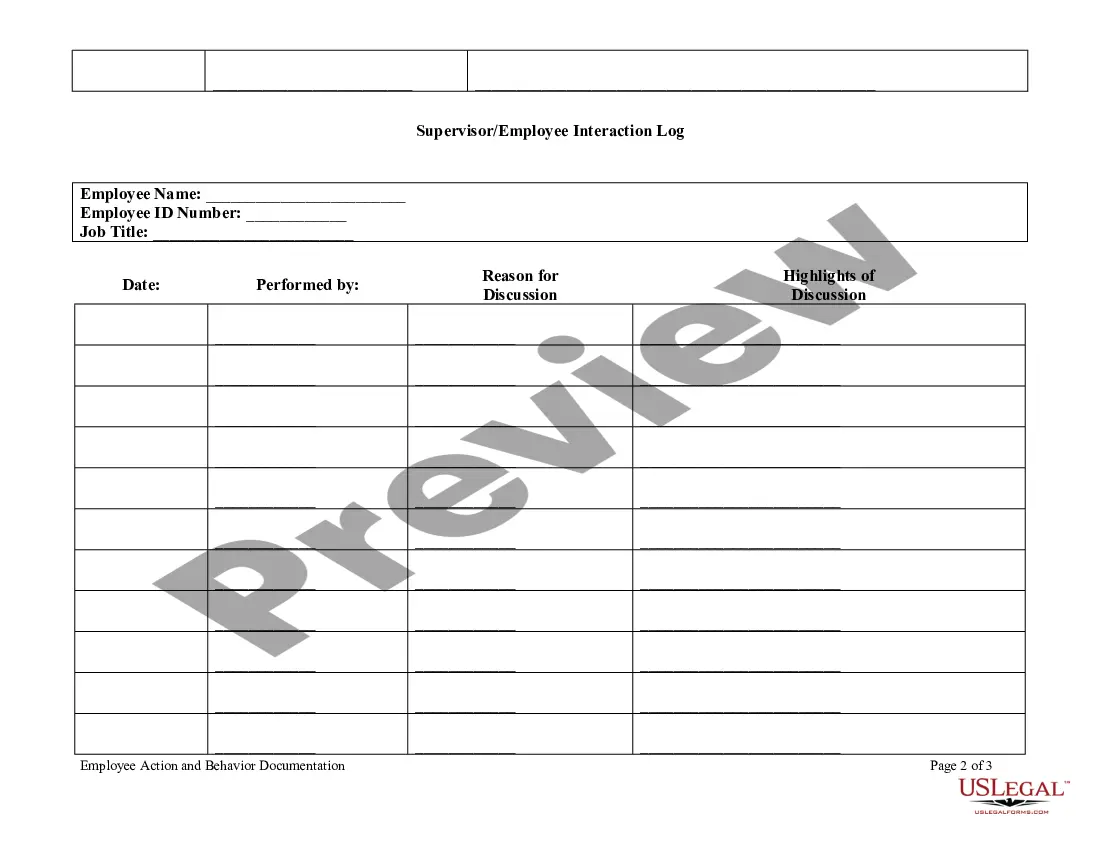
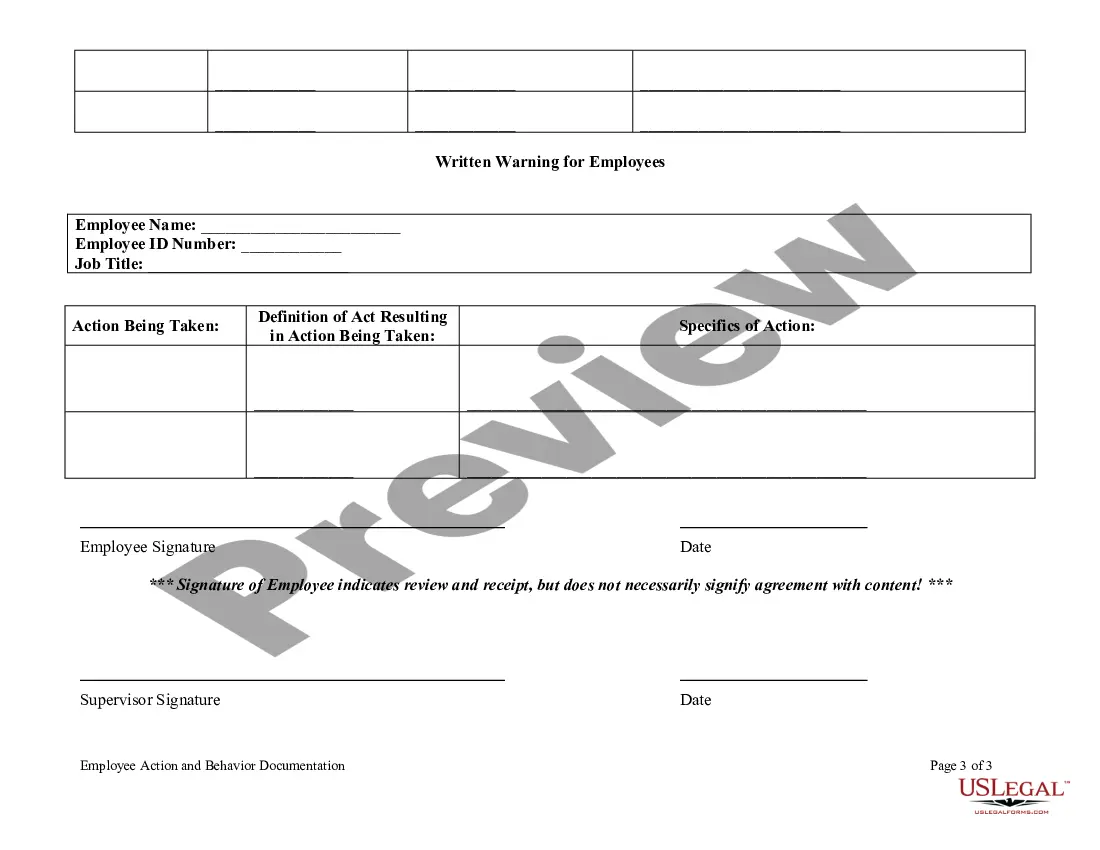
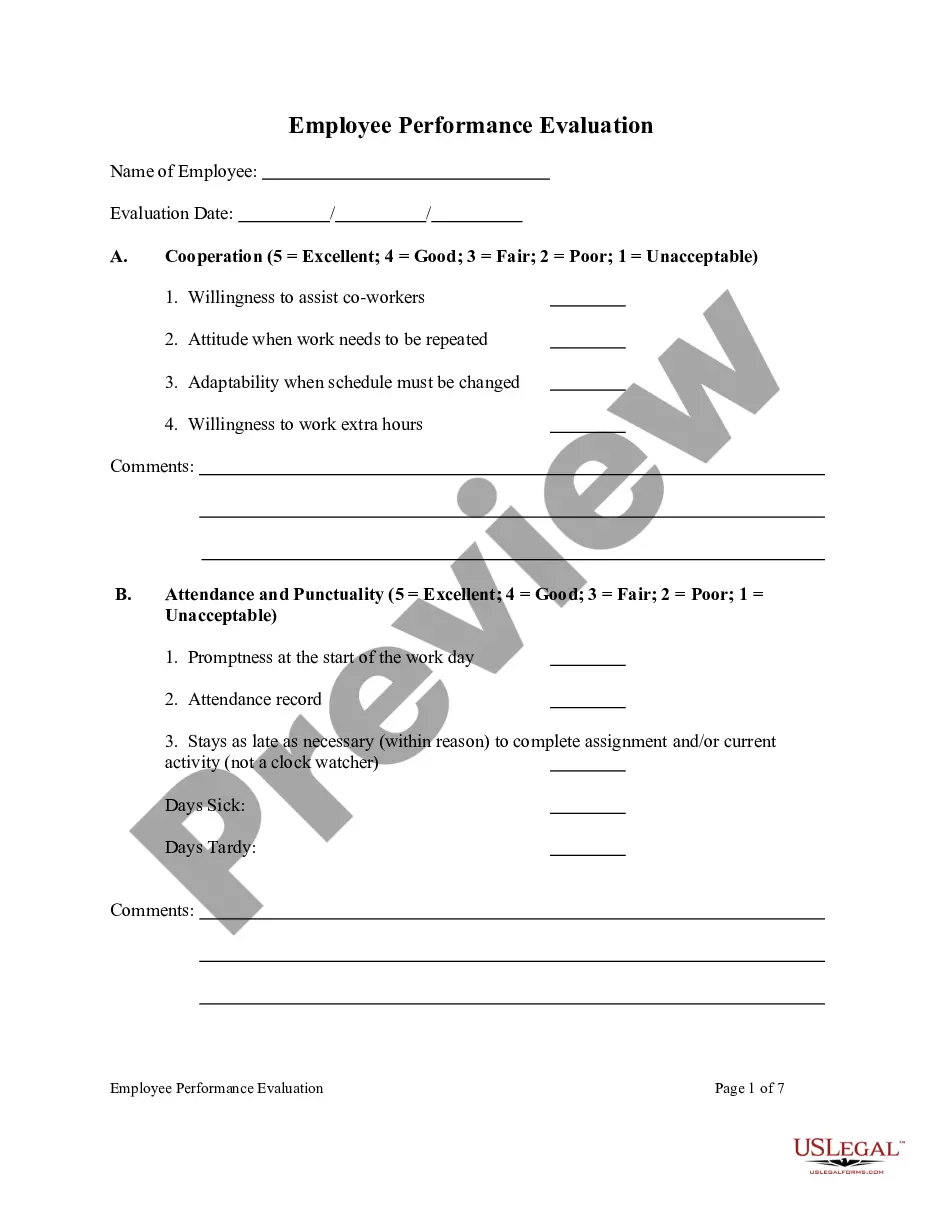
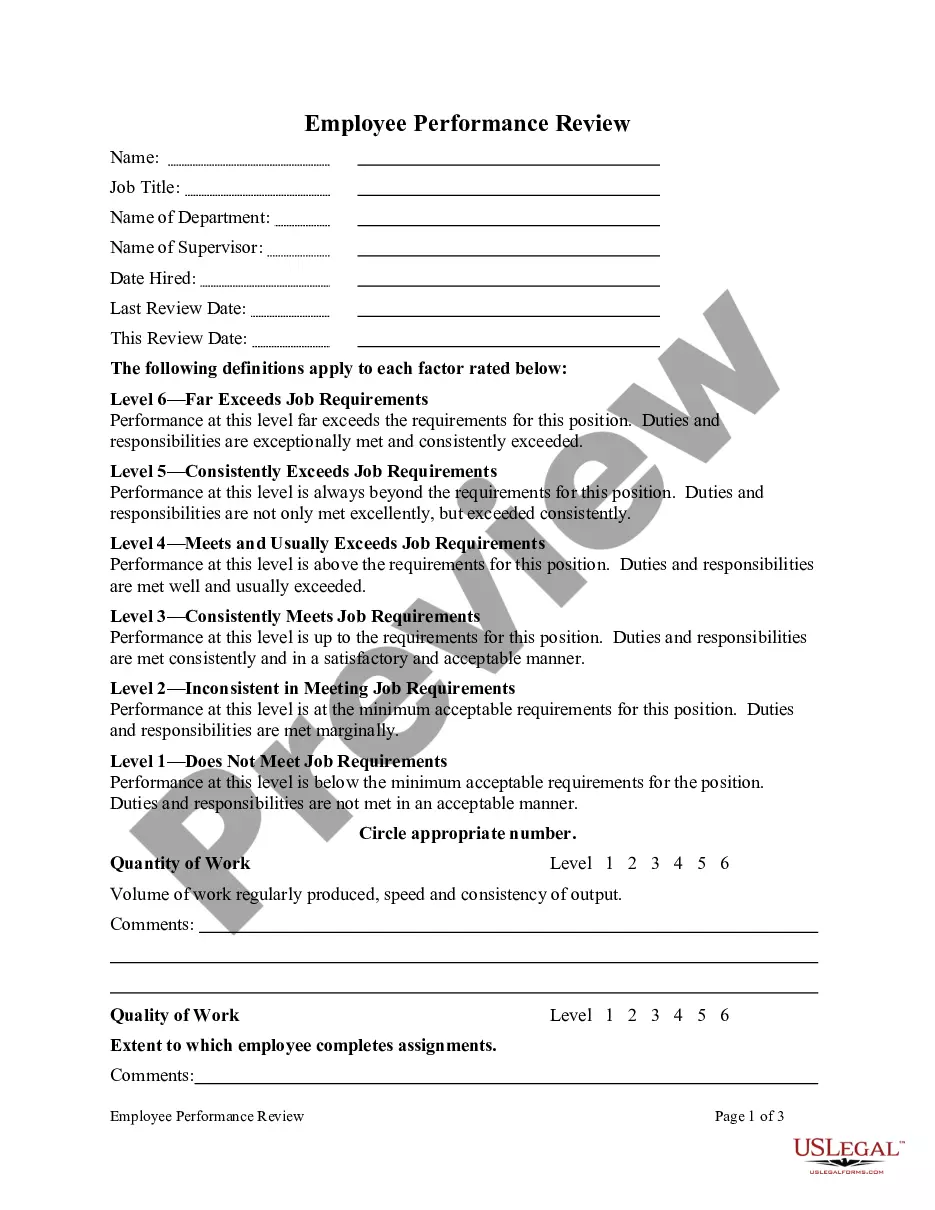
Get your form ready online
Our built-in tools help you complete, sign, share, and store your documents in one place.
Make edits, fill in missing information, and update formatting in US Legal Forms—just like you would in MS Word.
Download a copy, print it, send it by email, or mail it via USPS—whatever works best for your next step.
Sign and collect signatures with our SignNow integration. Send to multiple recipients, set reminders, and more. Go Premium to unlock E-Sign.
If this form requires notarization, complete it online through a secure video call—no need to meet a notary in person or wait for an appointment.
We protect your documents and personal data by following strict security and privacy standards.

Make edits, fill in missing information, and update formatting in US Legal Forms—just like you would in MS Word.

Download a copy, print it, send it by email, or mail it via USPS—whatever works best for your next step.

Sign and collect signatures with our SignNow integration. Send to multiple recipients, set reminders, and more. Go Premium to unlock E-Sign.

If this form requires notarization, complete it online through a secure video call—no need to meet a notary in person or wait for an appointment.

We protect your documents and personal data by following strict security and privacy standards.
Looking for another form?
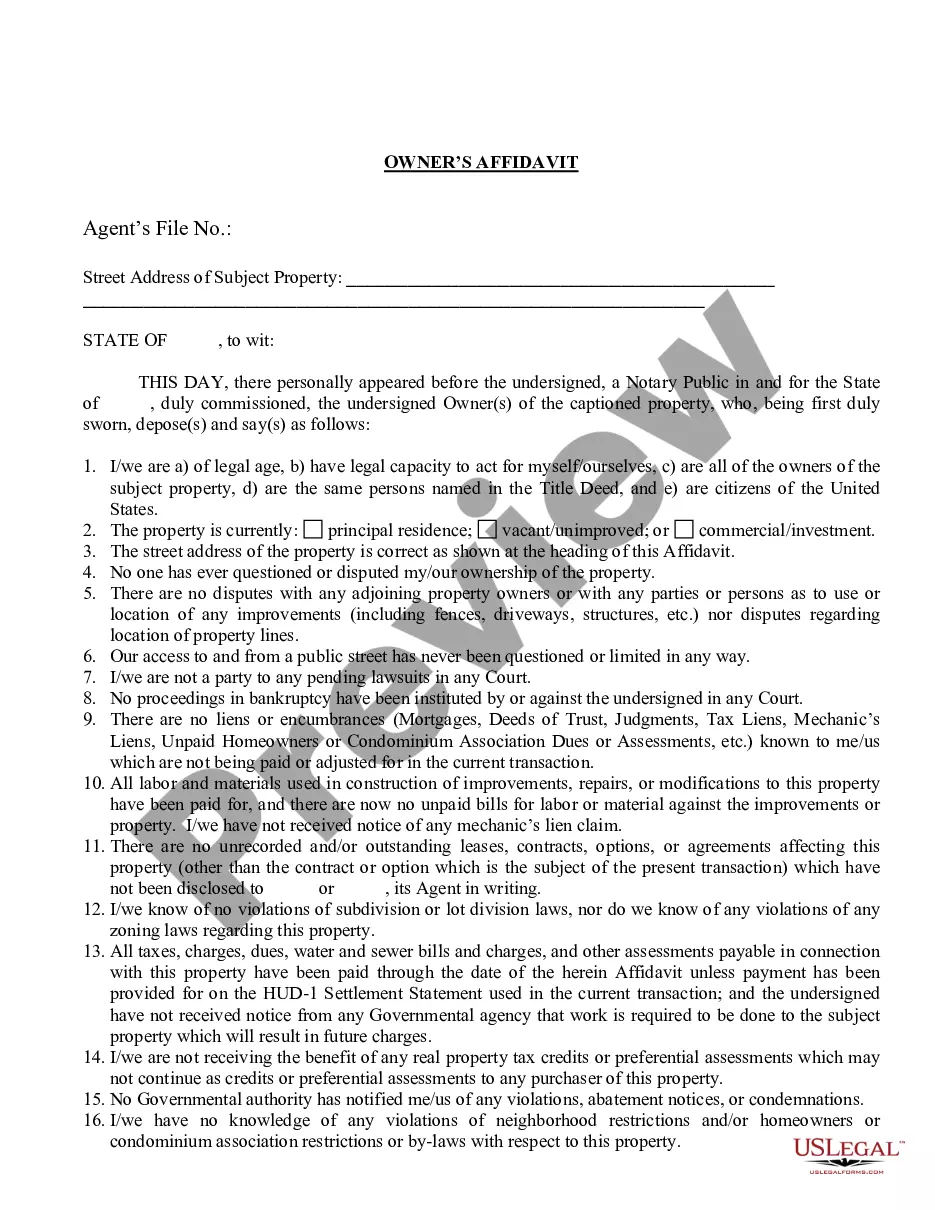

How to fill out Employee Action And Behavior Documentation?
Locating a reliable source for obtaining the most up-to-date and pertinent legal templates constitutes a significant part of navigating bureaucracy. Identifying the correct legal documents demands precision and meticulousness, which is why it is crucial to source samples of Template To Document Employee Issues from trusted providers, such as US Legal Forms. An incorrect template can squander your time and hinder the resolution of your situation.
With US Legal Forms, you have minimal concerns. You can access and review all the information related to the document's applicability and importance for both your circumstances and your jurisdiction.
Remove the hassle associated with your legal paperwork. Explore the extensive US Legal Forms library to discover legal templates, verify their applicability to your circumstances, and download them promptly.
- Utilize the library navigation or search feature to find your template.
- Check the form's details to confirm its alignment with your state and local requirements.
- Examine the form preview, if available, to ensure it matches your expectations.
- Return to the search to locate a more suitable template if the Template To Document Employee Issues does not meet your needs.
- If you are confident in the form's applicability, proceed to download it.
- For registered users, click Log in to verify your identity and access your selected forms in My documents.
- If you don't possess an account, click Buy now to acquire the template.
- Choose the pricing plan that best fits your needs.
- Proceed with the registration to complete your purchase.
- Finalize your purchase by selecting a payment method (credit card or PayPal).
- Select the document format while downloading Template To Document Employee Issues.
- After obtaining the form on your device, you can edit it using the editor or print it to fill out by hand.
Form popularity
FAQ
Although it is not always practical to expect a manager or supervisor to fill out a form every time they need to document a discussion, sending an email with a receipt of notification to the employee involved in the conversation, confirming what was discussed, or sending the email to another manager confirming the ...
Write documentation that is factual, fair, legal, objective, complete, and consistent. Avoid opinions, name-calling, editorializing and labeling. When discussing performance, be sure to provide the employee with a clear set of facts regarding the behavior that is being discussed.
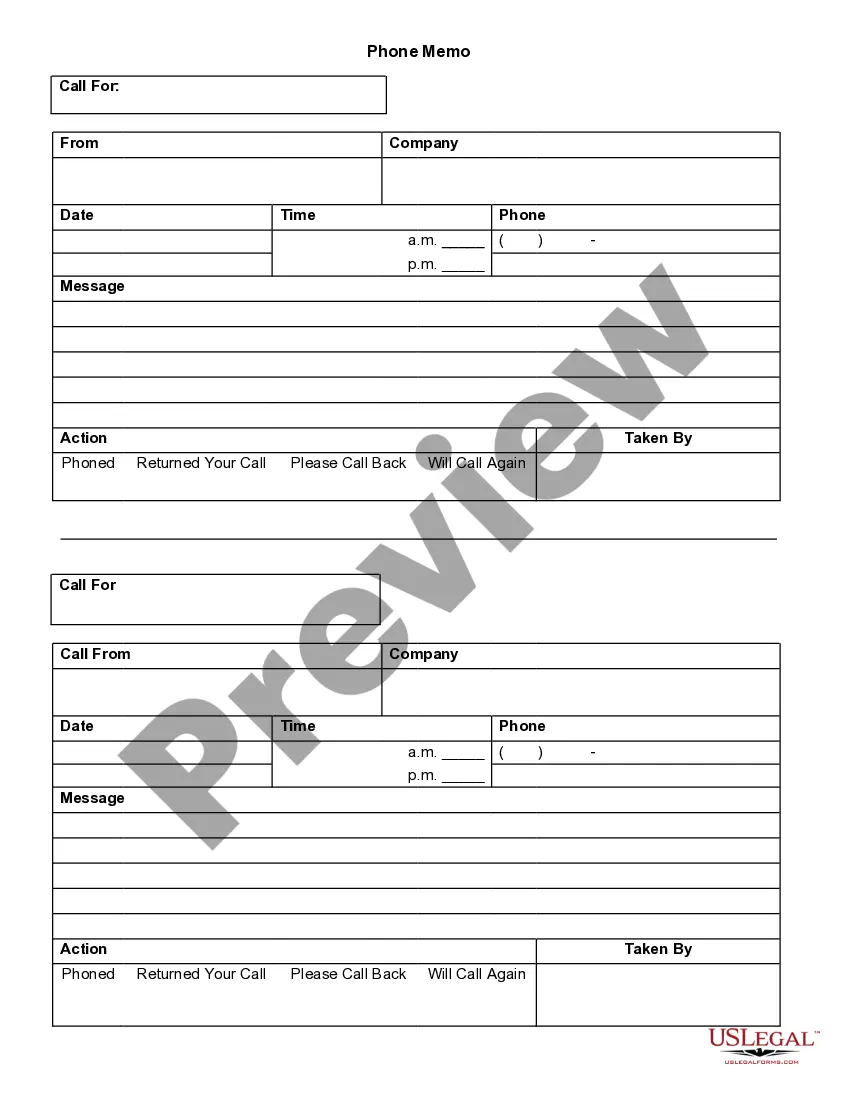
Regardless of how the conversation is documented, it is important to include the following information: the date and approximate time when the conversation occurred; exactly who was present and participated in the discussion; a clear summary of the key issues discussed; any responses given by the employee; and any ...
How to document employee performance issues Stick to the facts and underline expectations. Emphasize behavior. Align records of past performance. Describe proof of misconduct. Identify and present consequences. Meet in person and get a signature.
Dealing with difficult employees: a practical guide Critique behavior, not people. ... Identify the causes of the problem. ... Be open to feedback. ... Give clear directions. ... Write down expectations and specific consequences. ... Monitor progress. ... Plan ahead. ... Stay calm and show respect.