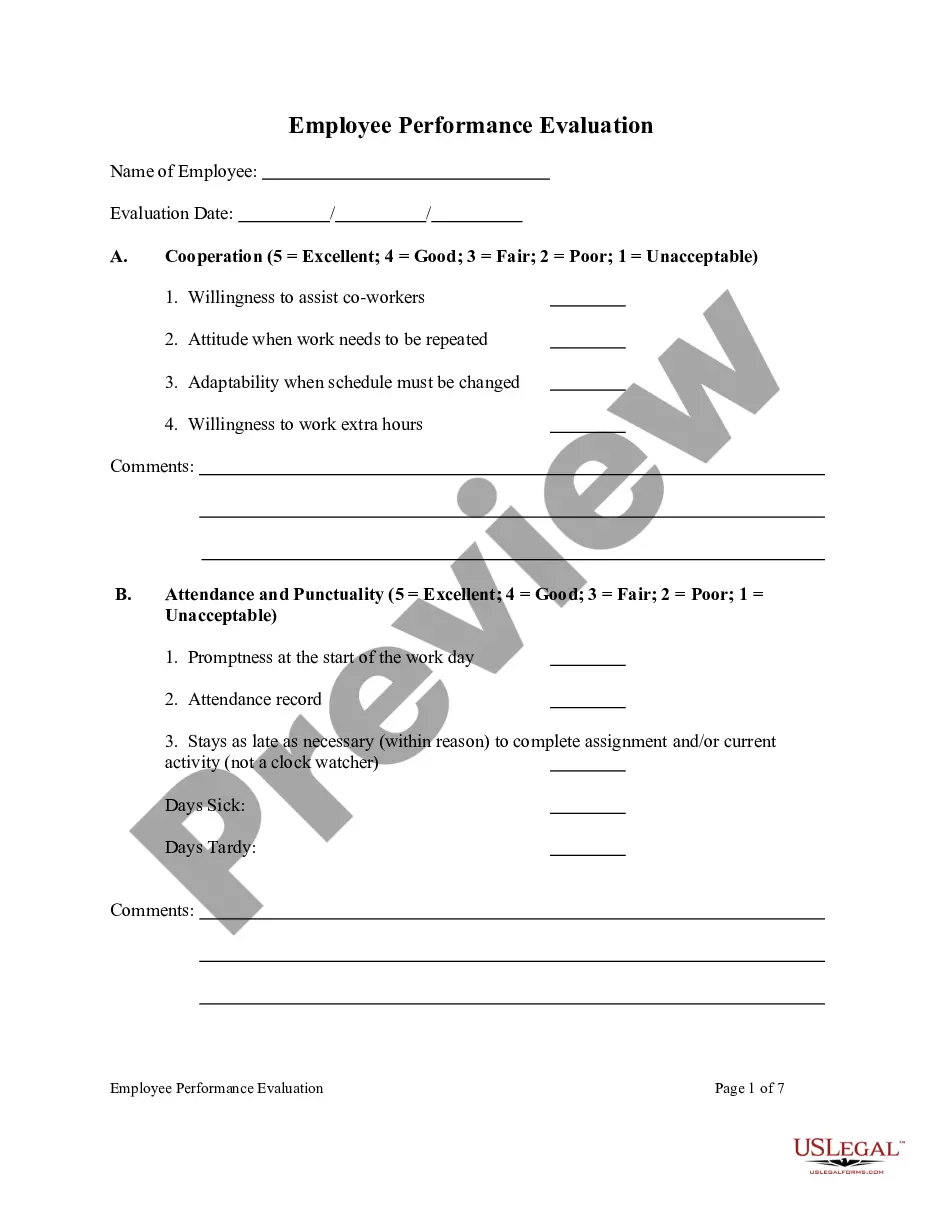
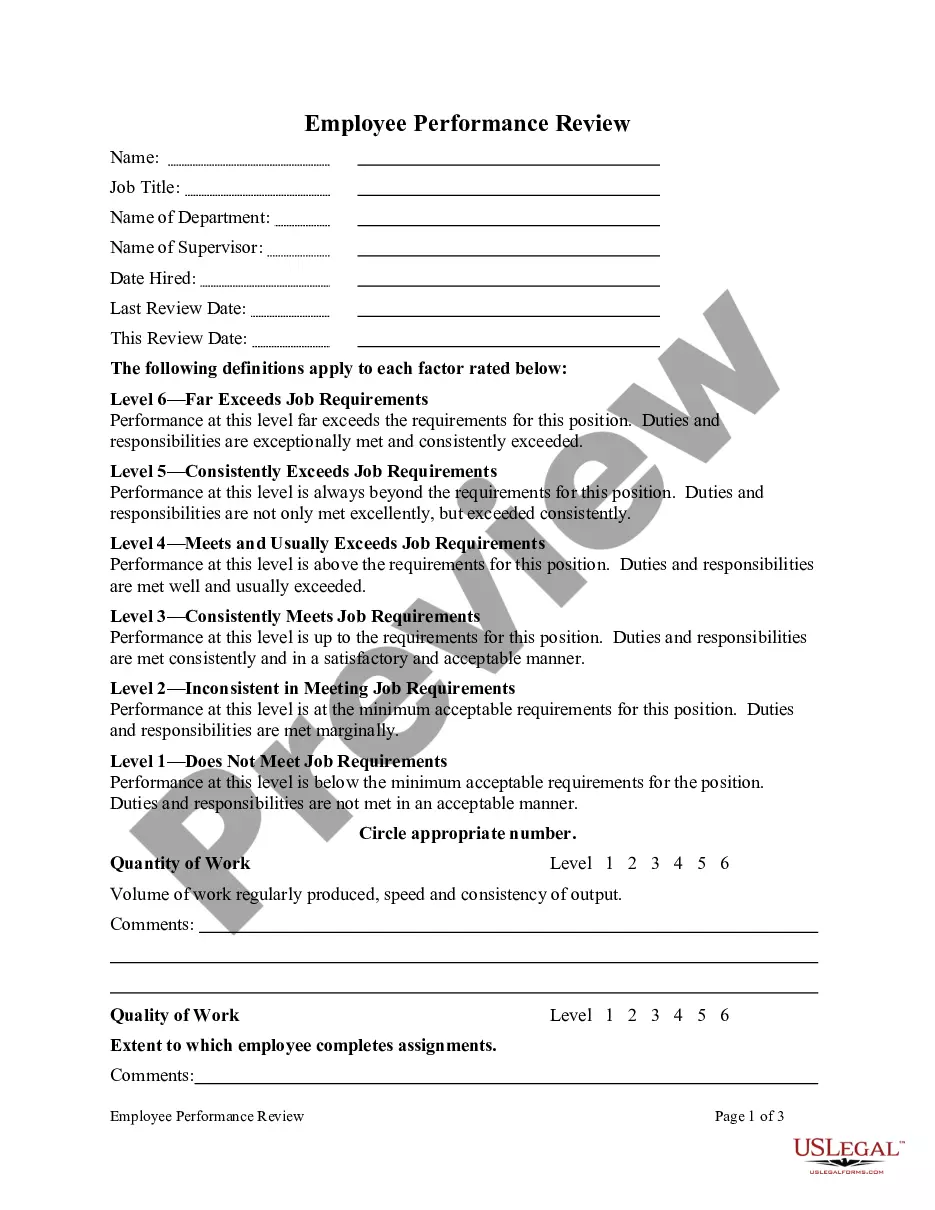
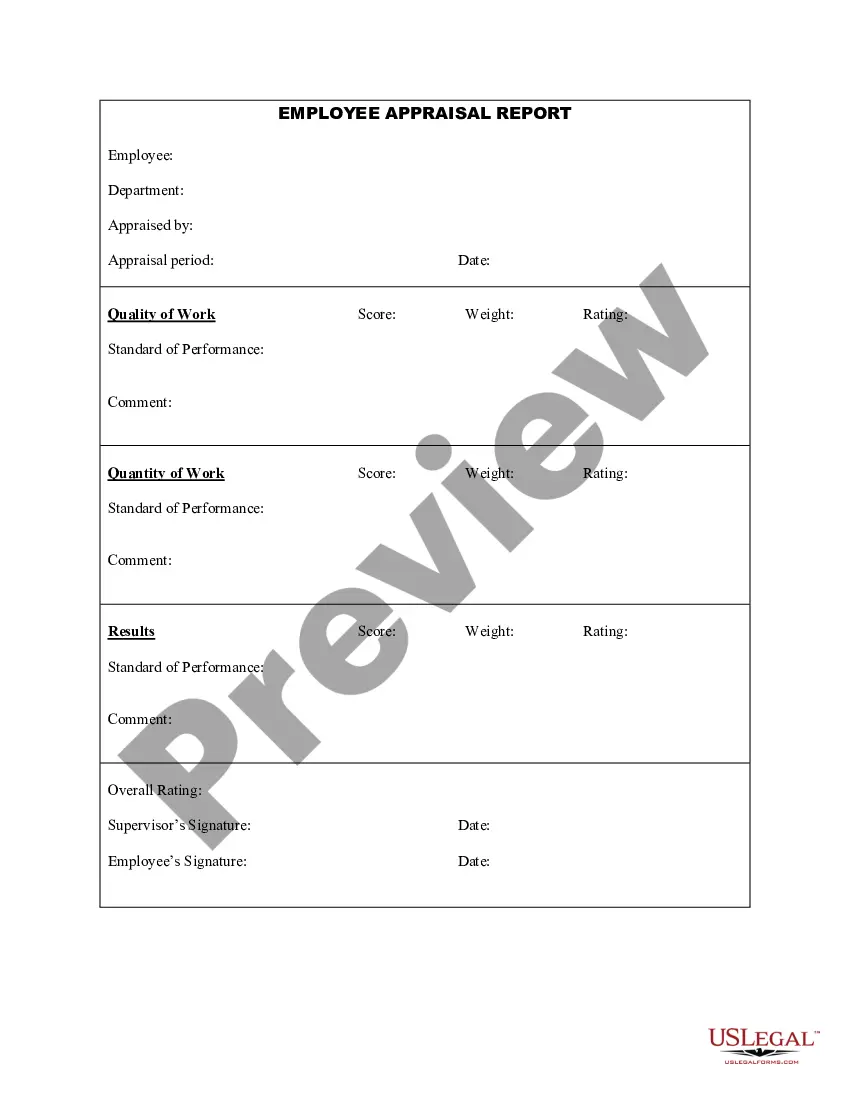
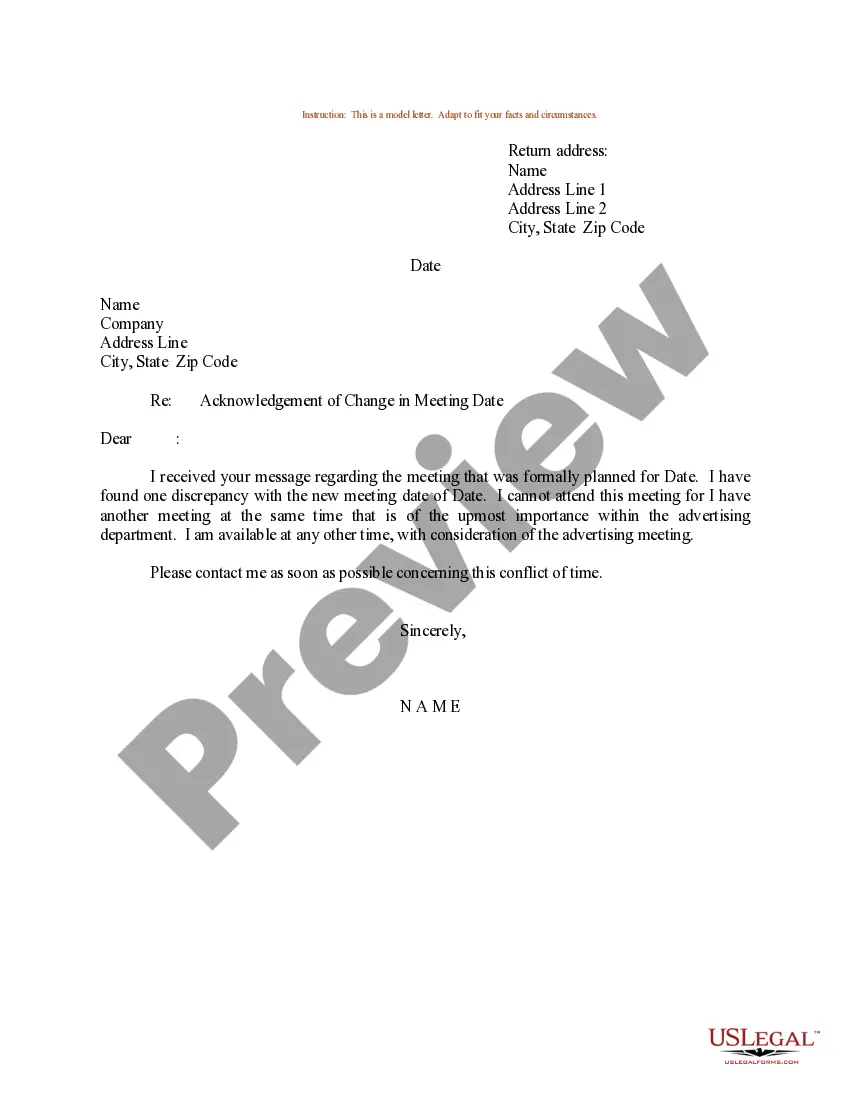
Employee Behavior Documentation Template For Physical Therapist
Description
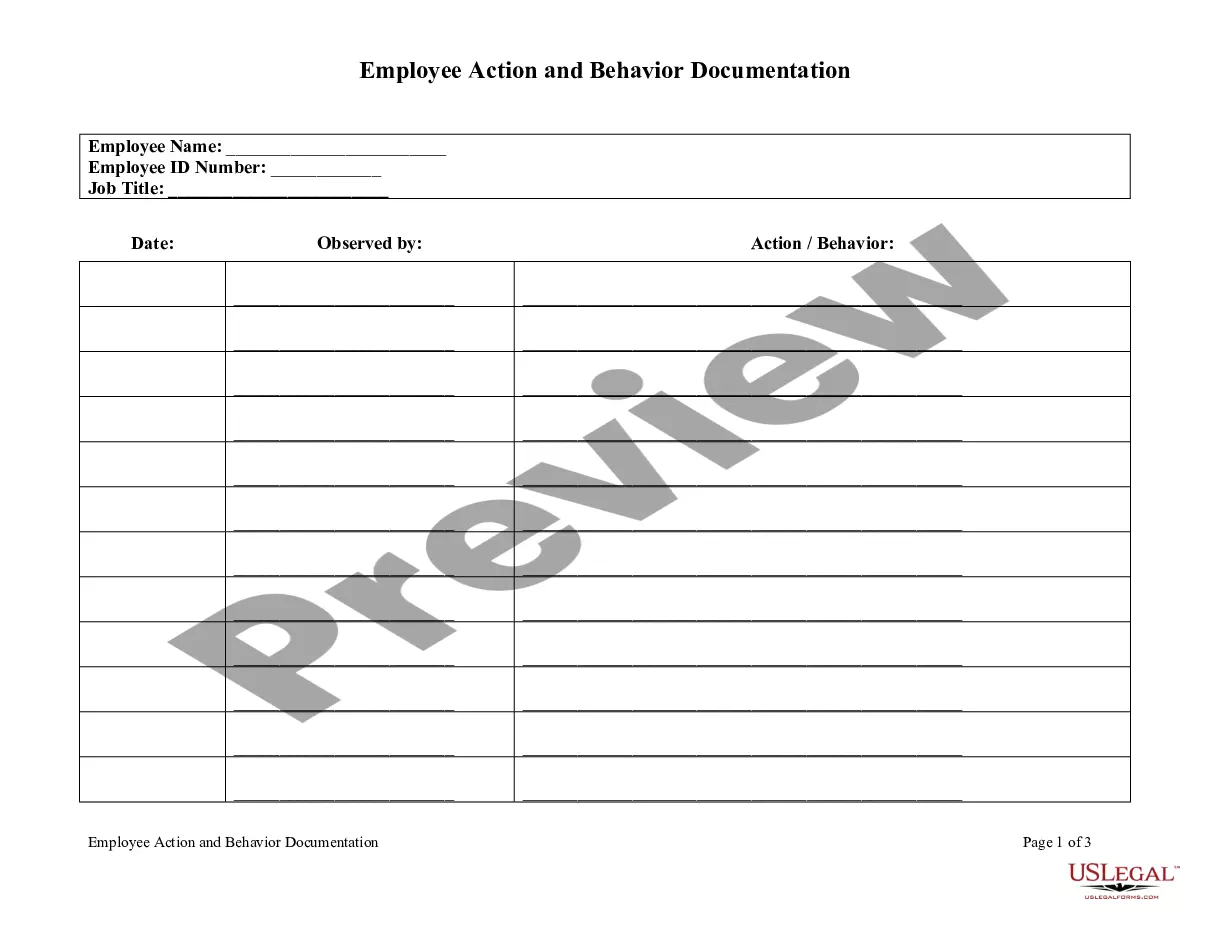
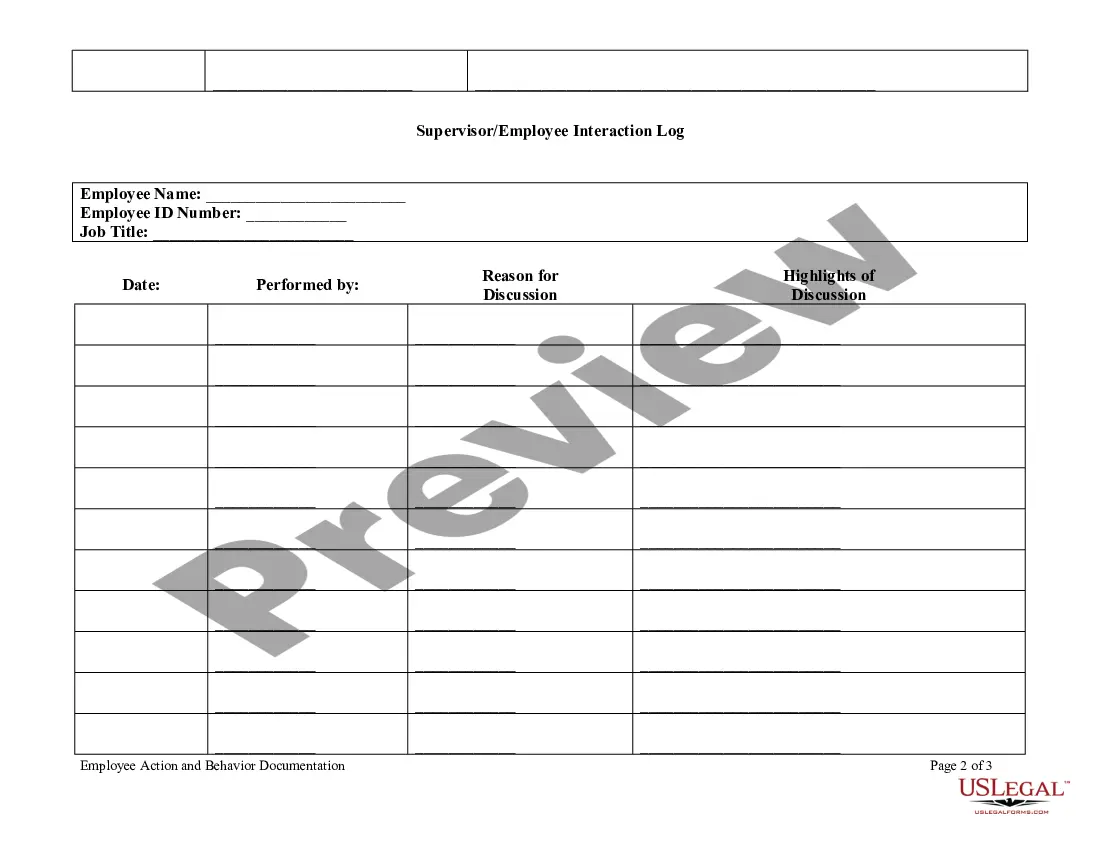
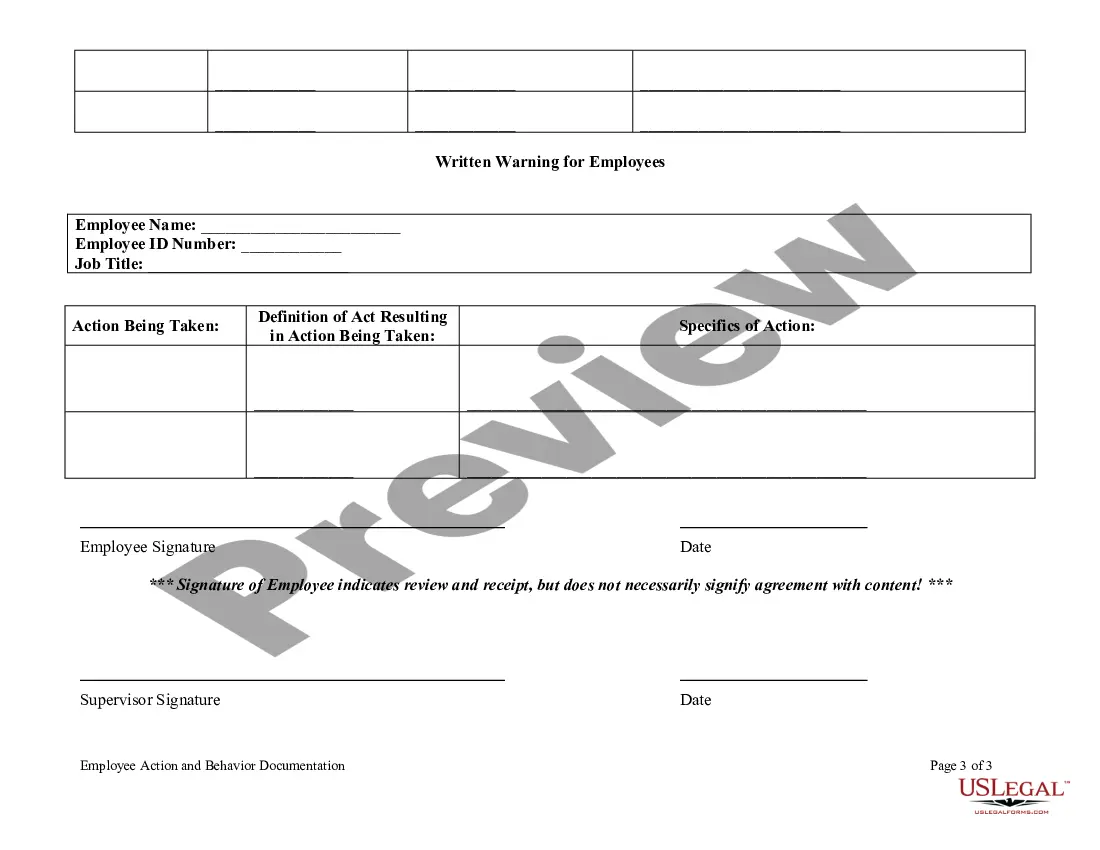
Get your form ready online
Our built-in tools help you complete, sign, share, and store your documents in one place.
Make edits, fill in missing information, and update formatting in US Legal Forms—just like you would in MS Word.
Download a copy, print it, send it by email, or mail it via USPS—whatever works best for your next step.
Sign and collect signatures with our SignNow integration. Send to multiple recipients, set reminders, and more. Go Premium to unlock E-Sign.
If this form requires notarization, complete it online through a secure video call—no need to meet a notary in person or wait for an appointment.
We protect your documents and personal data by following strict security and privacy standards.

Make edits, fill in missing information, and update formatting in US Legal Forms—just like you would in MS Word.

Download a copy, print it, send it by email, or mail it via USPS—whatever works best for your next step.

Sign and collect signatures with our SignNow integration. Send to multiple recipients, set reminders, and more. Go Premium to unlock E-Sign.

If this form requires notarization, complete it online through a secure video call—no need to meet a notary in person or wait for an appointment.

We protect your documents and personal data by following strict security and privacy standards.
Looking for another form?







Form popularity
FAQ
PT documentation refers to the record-keeping process that physical therapists use to track patient evaluations, treatments, and progress. Clear and accurate documentation is vital for continuity of care and legal protection. It also helps communicate essential information among healthcare providers. Utilizing an Employee behavior documentation template for physical therapist can improve the consistency and quality of PT documentation.
The principles of the code of ethics typically encompass integrity, accountability, objectivity, and transparency. These principles serve as crucial guidelines for professional behavior across various fields, including physical therapy. Adhering to these principles fosters trust and respect between therapists and their clients. Implementing an Employee behavior documentation template for physical therapist can enhance adherence to these ethical guidelines.
The six elements of the patient-client management process include examination, evaluation, diagnosis, prognosis, intervention, and outcomes. Each element plays a vital role in delivering comprehensive care and ensuring patient satisfaction. Proper documentation throughout this process is essential for tracking progress and outcomes. An Employee behavior documentation template for physical therapist can streamline this documentation, making it easier to follow each step.
The principles of ethics in the APTA focus on promoting the well-being of patients and practicing with integrity. These principles guide physical therapists in decision-making processes, ensuring that they prioritize patient needs. Emphasizing ethical behavior also contributes to a positive workplace culture. An Employee behavior documentation template for physical therapist can be a valuable tool in supporting these ethical standards.
Writing effective physical therapy notes involves being clear, concise, and comprehensive. Start by documenting patient evaluations, treatments provided, and any changes in patient condition. Include measurable outcomes to demonstrate progress. Using an Employee behavior documentation template for physical therapist can enhance the consistency and accuracy of these notes, ensuring that all critical information is captured.
The 8 guiding principles of the APTA include accountability, altruism, compassion, excellence, integrity, professional duty, social responsibility, and transparency. These principles serve as the foundation for ethical practice and guide physical therapists in their daily work. Utilizing an Employee behavior documentation template for physical therapist can reinforce these principles in practice, ensuring compliance and clarity in actions.
The IESBA Code of Ethics promotes ethical behavior across the accounting profession. Its principles include integrity, objectivity, professional competence, confidentiality, and professional behavior. Adopting these principles reinforces ethical standards and enhances trust. By applying the guidelines outlined, physical therapists can better document employee behavior, aligning with their ethical obligations.
The APTA Code of Ethics outlines essential principles for physical therapists. These principles emphasize integrity, accountability, and respect for patient autonomy. Implementing these principles is crucial for creating a safe environment, where therapists can document employee behavior effectively. An Employee behavior documentation template for physical therapist can help ensure adherence to these ethical standards.
The 15-minute rule for physical therapy refers to the standard practice of billing in increments of 15 minutes for therapeutic services. This model allows therapists to accurately account for time spent on patient treatments and specific interventions. Understanding this rule is important for proper billing and compensation. An Employee behavior documentation template for physical therapist can assist in tracking time effectively.
Physical therapy documentation is the process of systematically recording patient assessments, treatment plans, and progress. This documentation serves multiple purposes, including legal compliance, continuity of care, and support for billing procedures. Keeping detailed records is essential for both the therapist and the patient. An Employee behavior documentation template for physical therapist can ensure you capture all necessary details.
