Behavior Documentation Example For Projects
Description
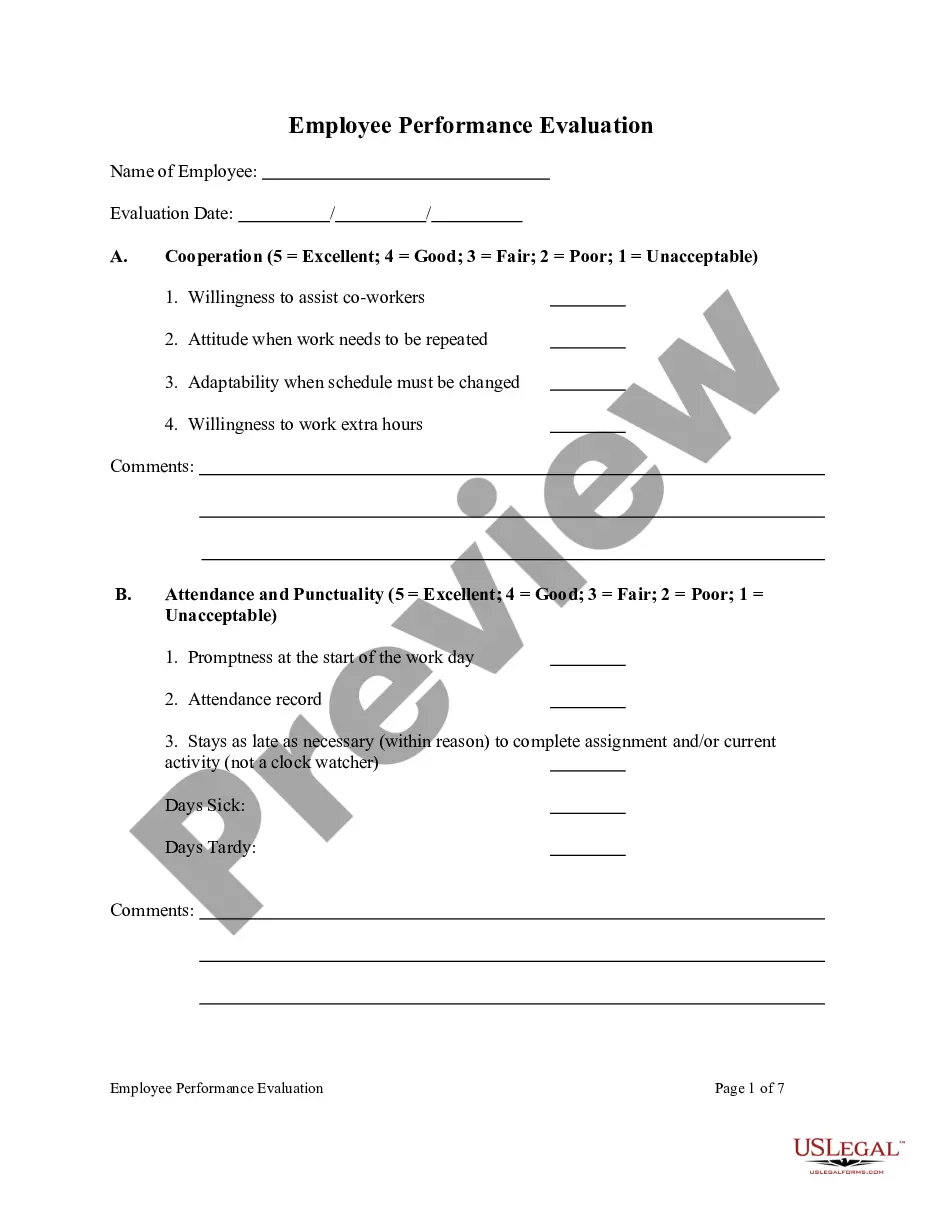
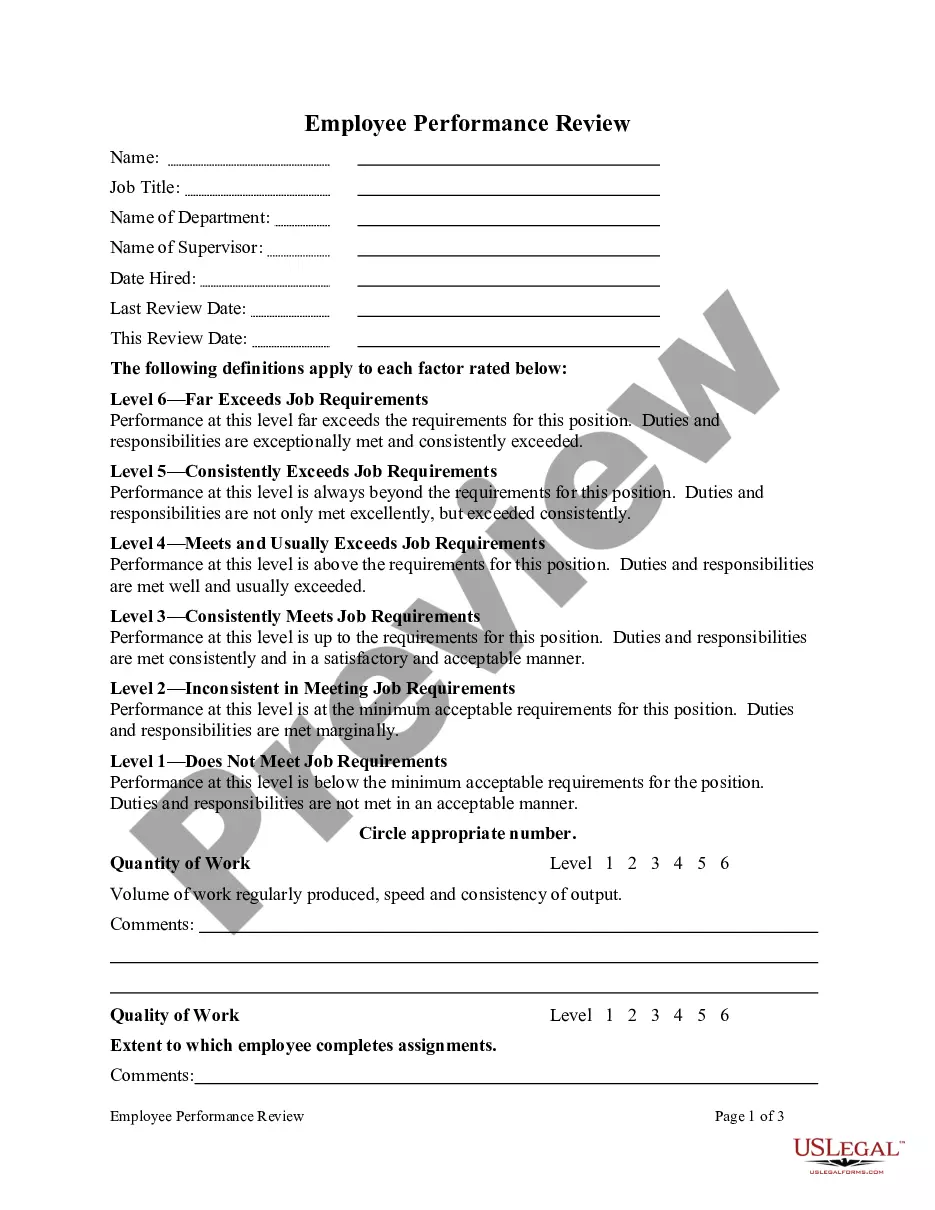
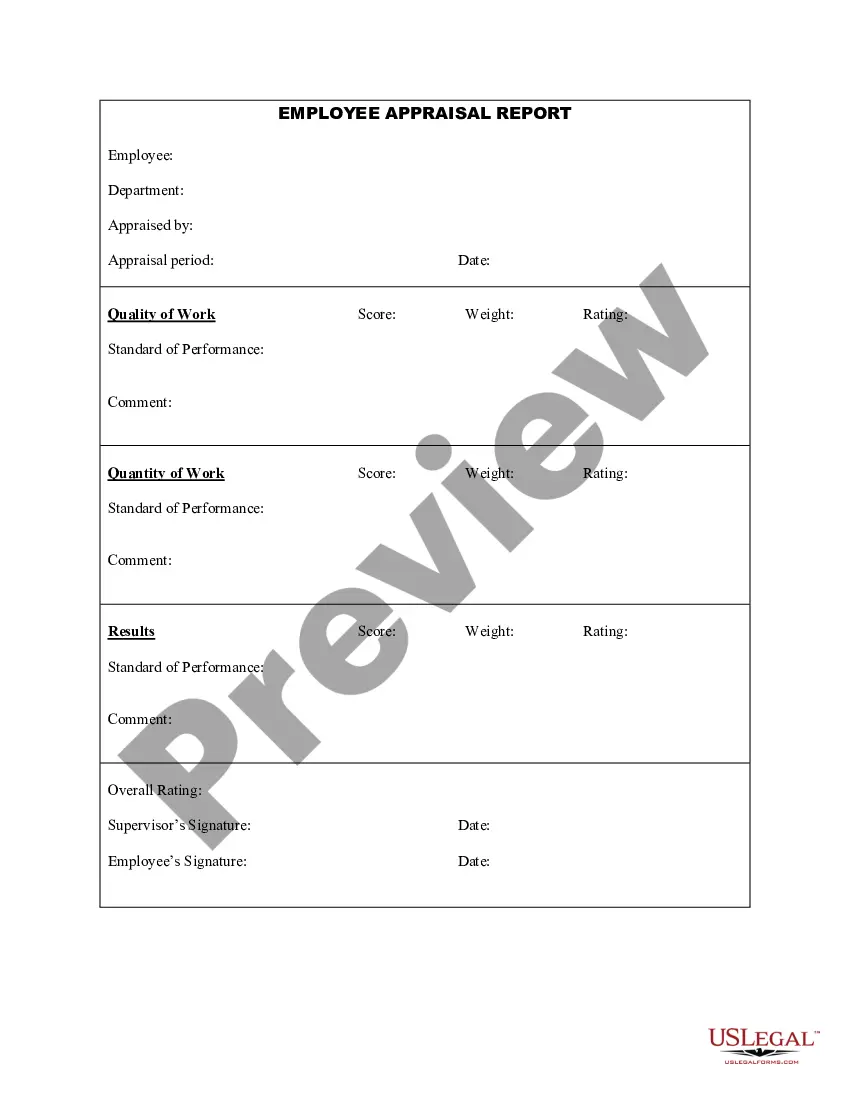
Get your form ready online
Our built-in tools help you complete, sign, share, and store your documents in one place.
Make edits, fill in missing information, and update formatting in US Legal Forms—just like you would in MS Word.
Download a copy, print it, send it by email, or mail it via USPS—whatever works best for your next step.
Sign and collect signatures with our SignNow integration. Send to multiple recipients, set reminders, and more. Go Premium to unlock E-Sign.
If this form requires notarization, complete it online through a secure video call—no need to meet a notary in person or wait for an appointment.
We protect your documents and personal data by following strict security and privacy standards.

Make edits, fill in missing information, and update formatting in US Legal Forms—just like you would in MS Word.

Download a copy, print it, send it by email, or mail it via USPS—whatever works best for your next step.

Sign and collect signatures with our SignNow integration. Send to multiple recipients, set reminders, and more. Go Premium to unlock E-Sign.

If this form requires notarization, complete it online through a secure video call—no need to meet a notary in person or wait for an appointment.

We protect your documents and personal data by following strict security and privacy standards.
Looking for another form?
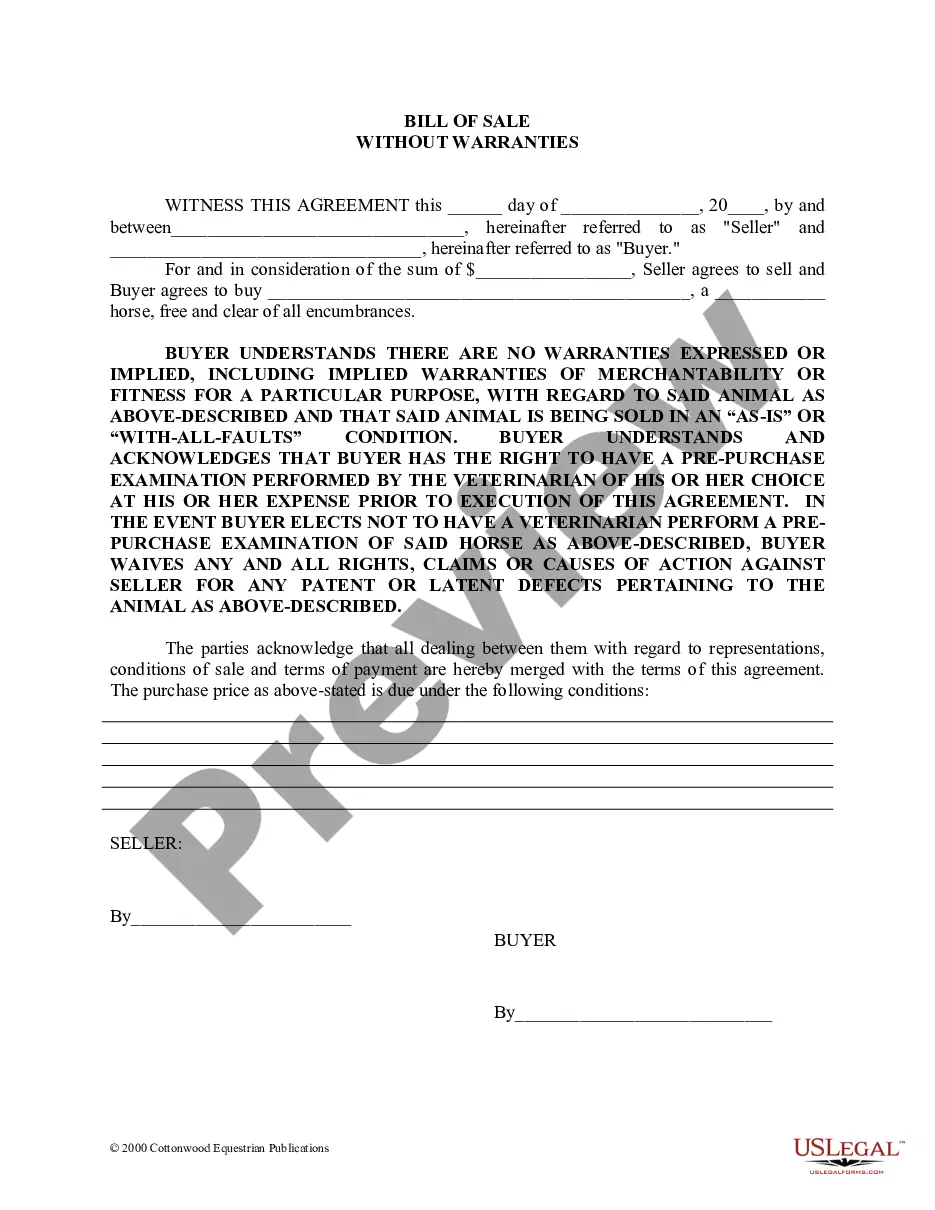

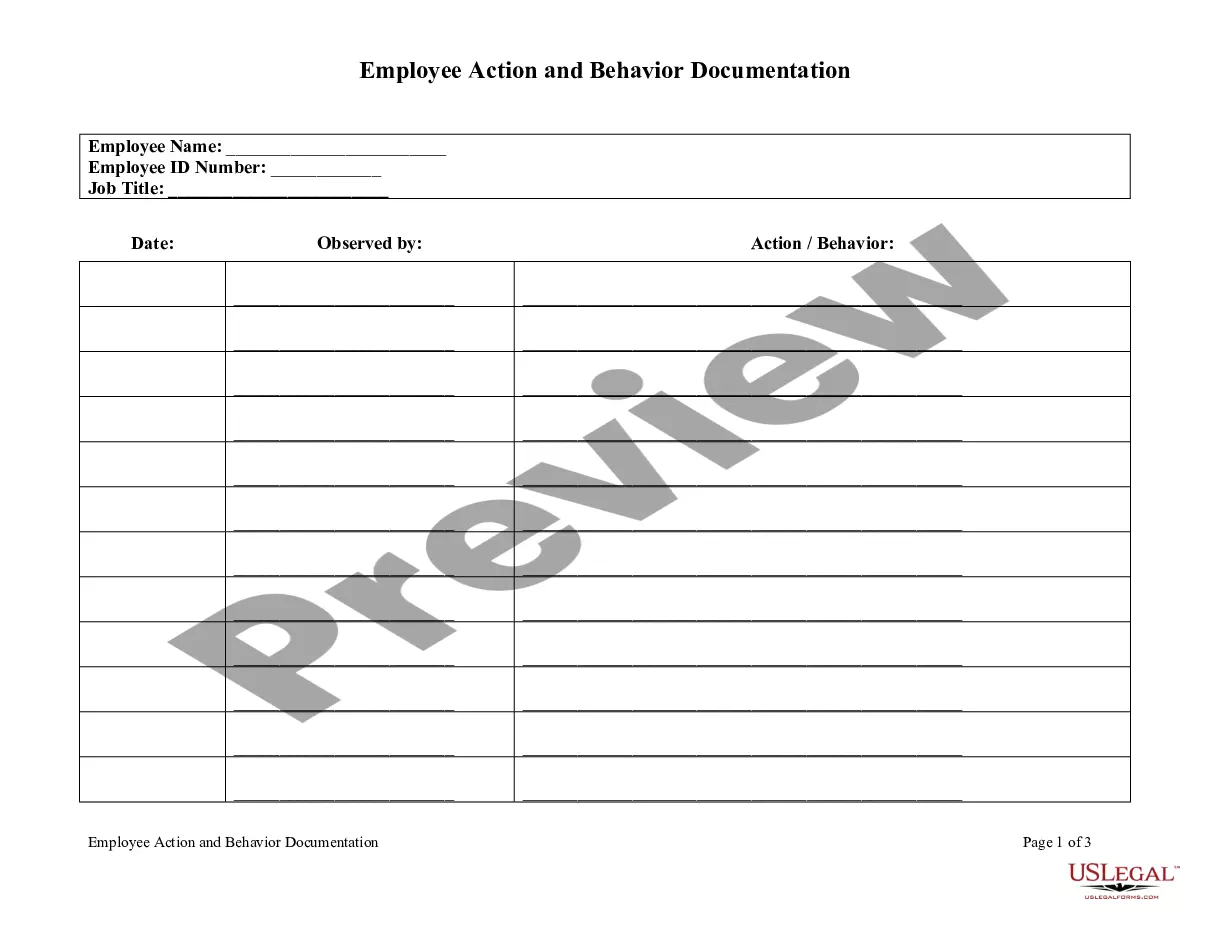
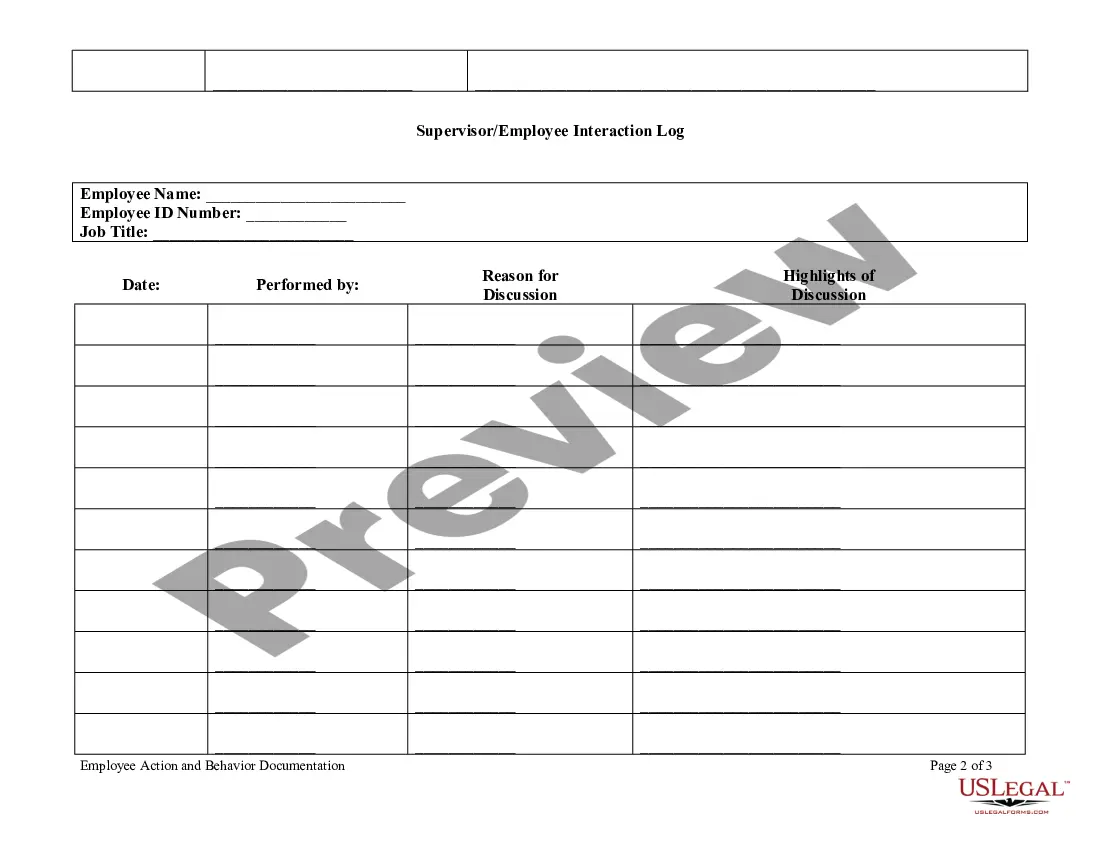
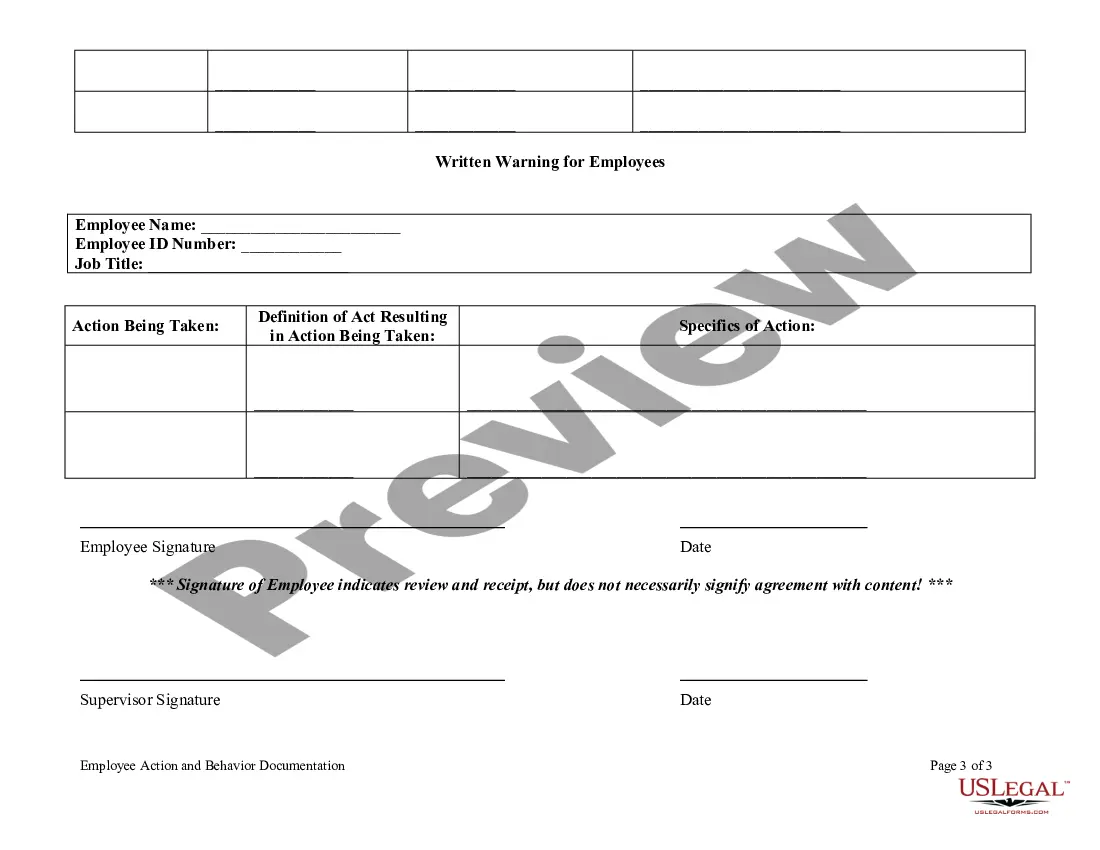
How to fill out Employee Action And Behavior Documentation?
It’s clear that you cannot become a legal expert right away, nor can you quickly learn how to prepare Behavior Documentation Example For Projects without a specialized background.
Creating legal documents is a lengthy process that demands specific education and expertise. So why not entrust the preparation of the Behavior Documentation Example For Projects to the specialists.
With US Legal Forms, one of the largest legal document collections, you can find everything from court filings to templates for internal business communication. We understand how vital compliance and adherence to federal and local regulations are.
Sign up for a free account and select a subscription plan to purchase the template.
Click Buy now. After the payment is processed, you can access the Behavior Documentation Example For Projects, fill it out, print it, and deliver or send it by mail to the relevant individuals or organizations.
- That’s why all templates on our website are location-specific and current.
- Begin with our platform and obtain the form you require in just a few minutes.
- Locate the document you need using the search bar at the top of the page.
- Preview it (if this option is available) and read the accompanying description to see if Behavior Documentation Example For Projects is what you're seeking.
- If you need another form, restart your search.
Form popularity
FAQ
6 Ways to Collect Data on Your Students' Behavior Frequency counts. To monitor behavior in real time in your classroom, you might consider using a tally and adding to it each time a behavior of concern occurs. ... Interval recording. ... Anecdotal recording. ... Reviews of school records.
The ABC's of Documentation: About the Person (name, student identification, relationship to the University) Behaviors Observed (body language, words, tone of voice, actions) Context (when, what class did this take place in, where on campus, any unique factors of the setting)
How to make the most of behaviour reports Be specific. The report shouldn't be used to judge the whole child. ... Back it up. A report that places all the emphasis on the child to improve is a demanding one. ... Prioritise. ... Be realistic. ... Recognise progress. ... Avoid rewards. ... Involve parents. ... Review and refine.
Steps to Writing a Behavior Plan Acquire informed consent from the parent or guardian. Collect baseline data. Collect FBA or FA data. Analyze the data to identify a hypothesized or tested function of the target behavior(s) Research appropriate interventions. Assemble the components of the plan.
When trying to determine the cause of a challenging behavior it can be helpful to document when the behavior occurred, where the behavior occurred, what happened before the behavior, and what happened after the behavior.