Opposing Counsel Regarding For Defamation
Description
Get your form ready online
Our built-in tools help you complete, sign, share, and store your documents in one place.
Make edits, fill in missing information, and update formatting in US Legal Forms—just like you would in MS Word.
Download a copy, print it, send it by email, or mail it via USPS—whatever works best for your next step.
Sign and collect signatures with our SignNow integration. Send to multiple recipients, set reminders, and more. Go Premium to unlock E-Sign.
If this form requires notarization, complete it online through a secure video call—no need to meet a notary in person or wait for an appointment.
We protect your documents and personal data by following strict security and privacy standards.

Make edits, fill in missing information, and update formatting in US Legal Forms—just like you would in MS Word.

Download a copy, print it, send it by email, or mail it via USPS—whatever works best for your next step.

Sign and collect signatures with our SignNow integration. Send to multiple recipients, set reminders, and more. Go Premium to unlock E-Sign.

If this form requires notarization, complete it online through a secure video call—no need to meet a notary in person or wait for an appointment.

We protect your documents and personal data by following strict security and privacy standards.
Looking for another form?







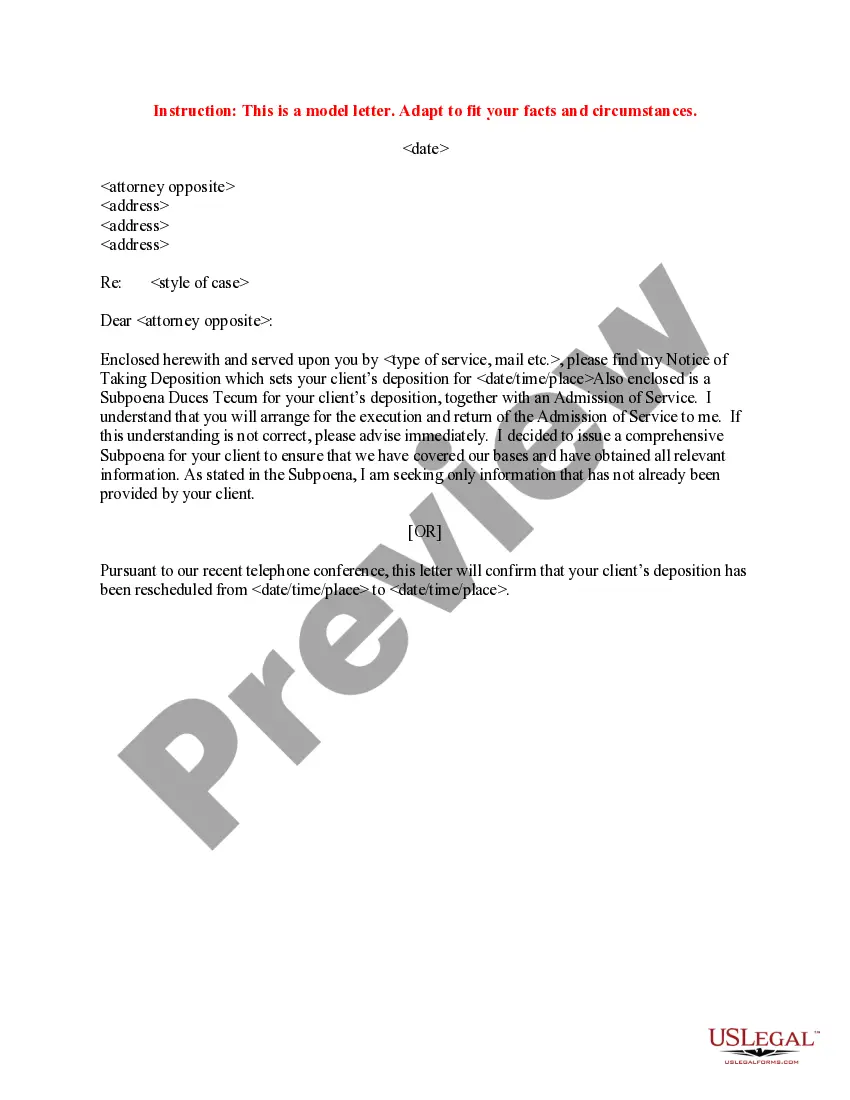
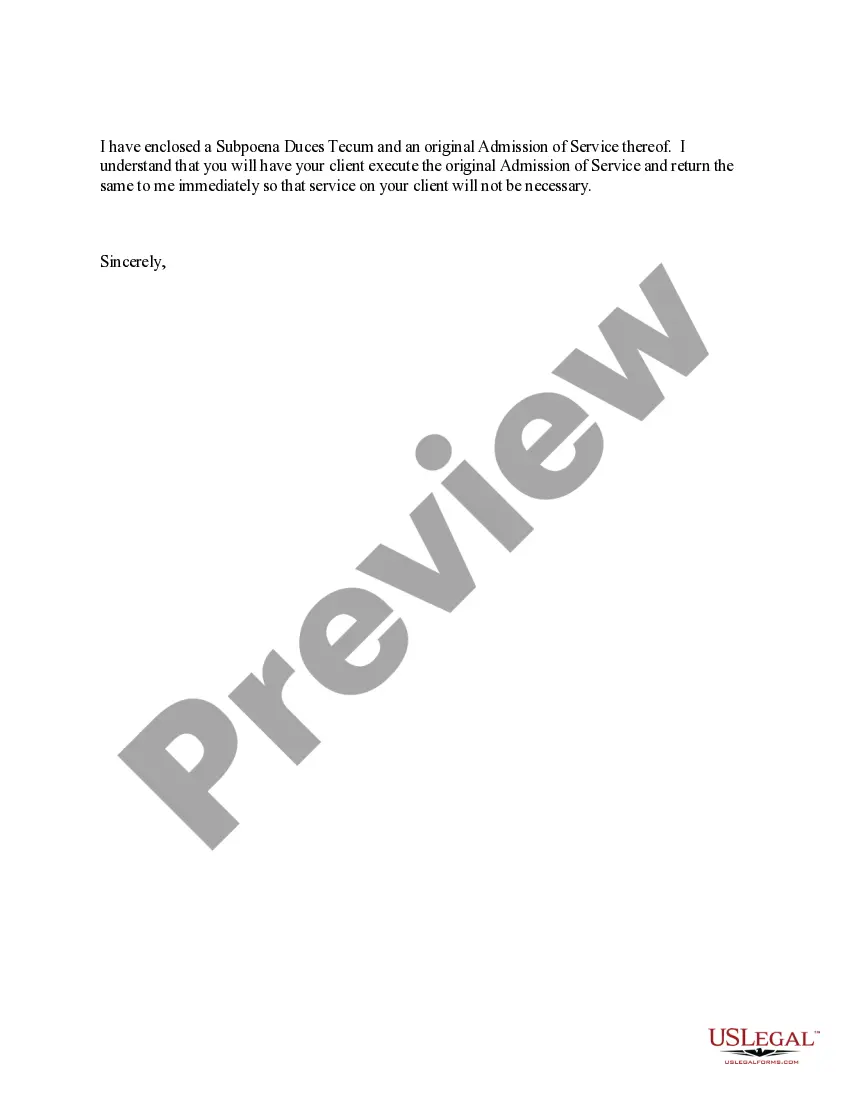
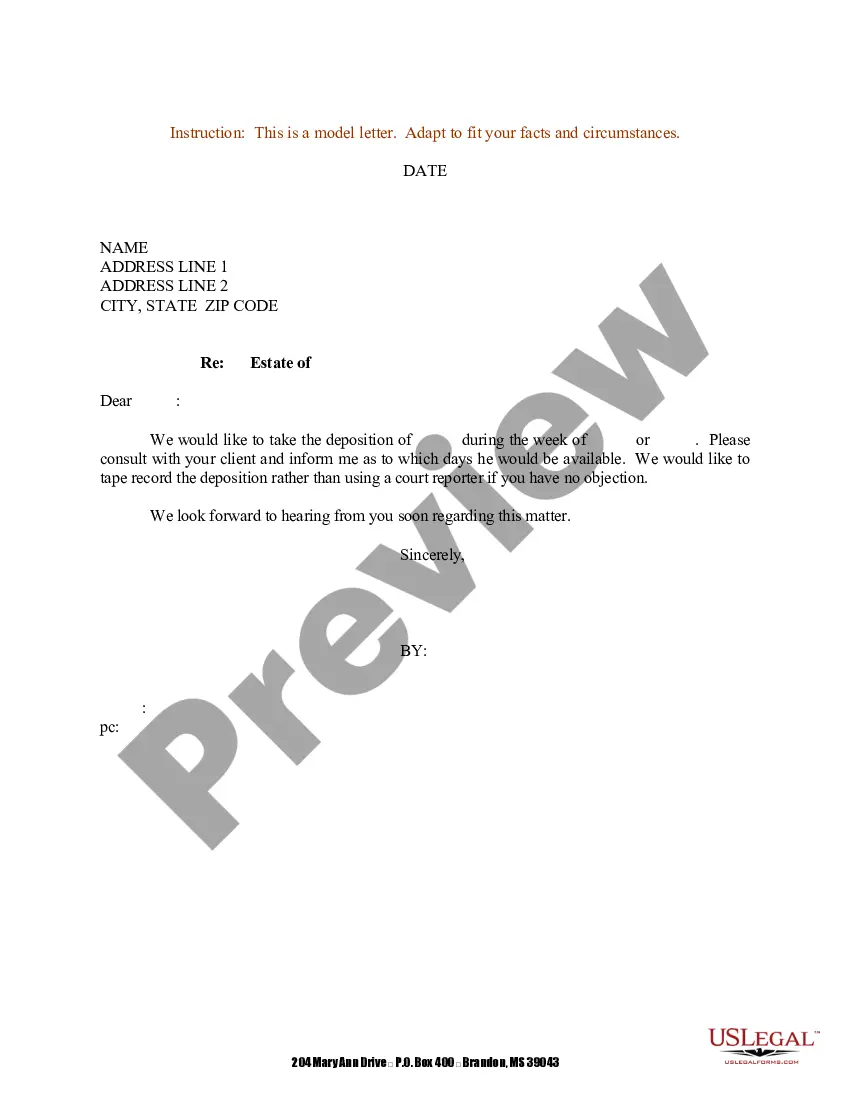
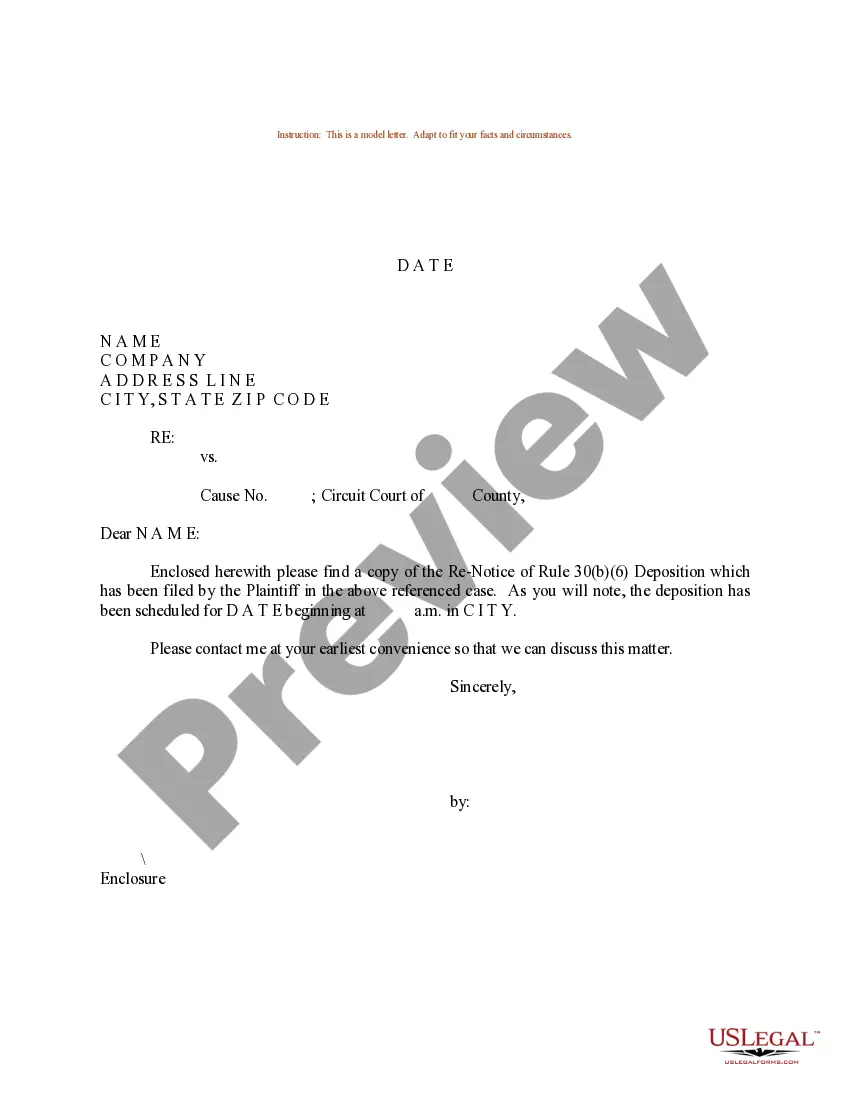
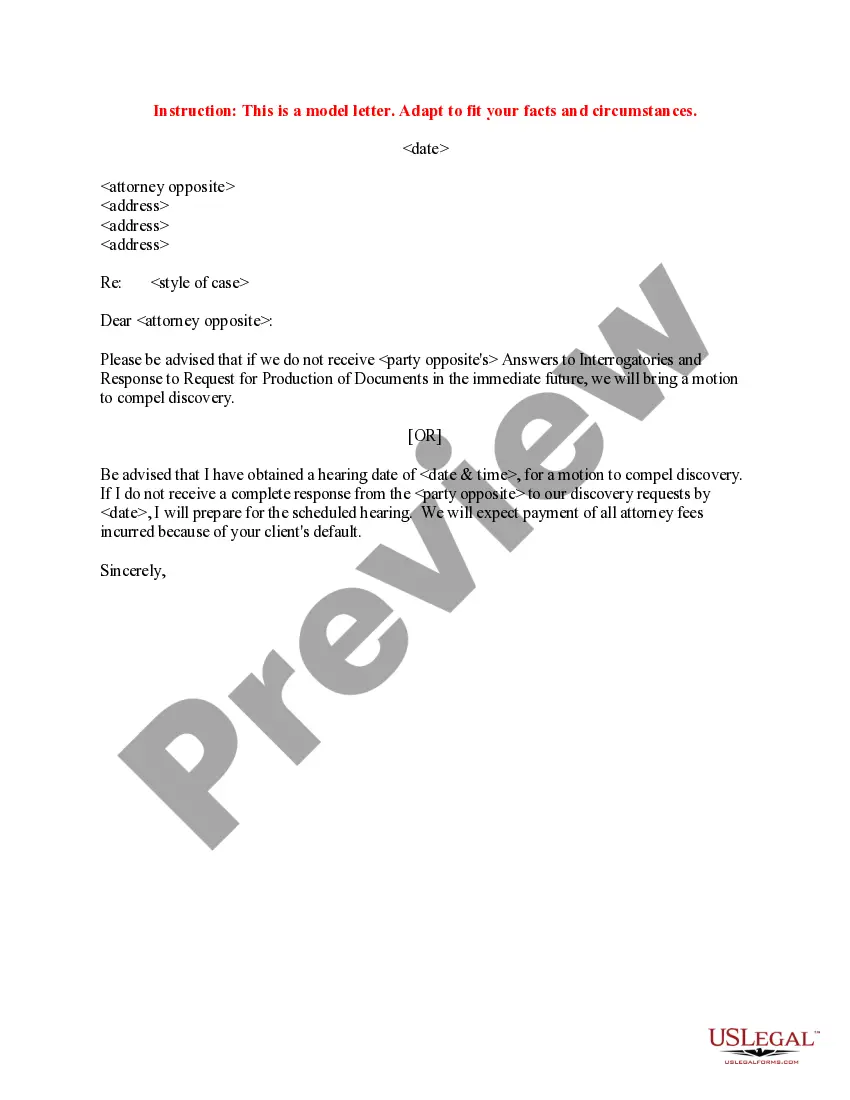
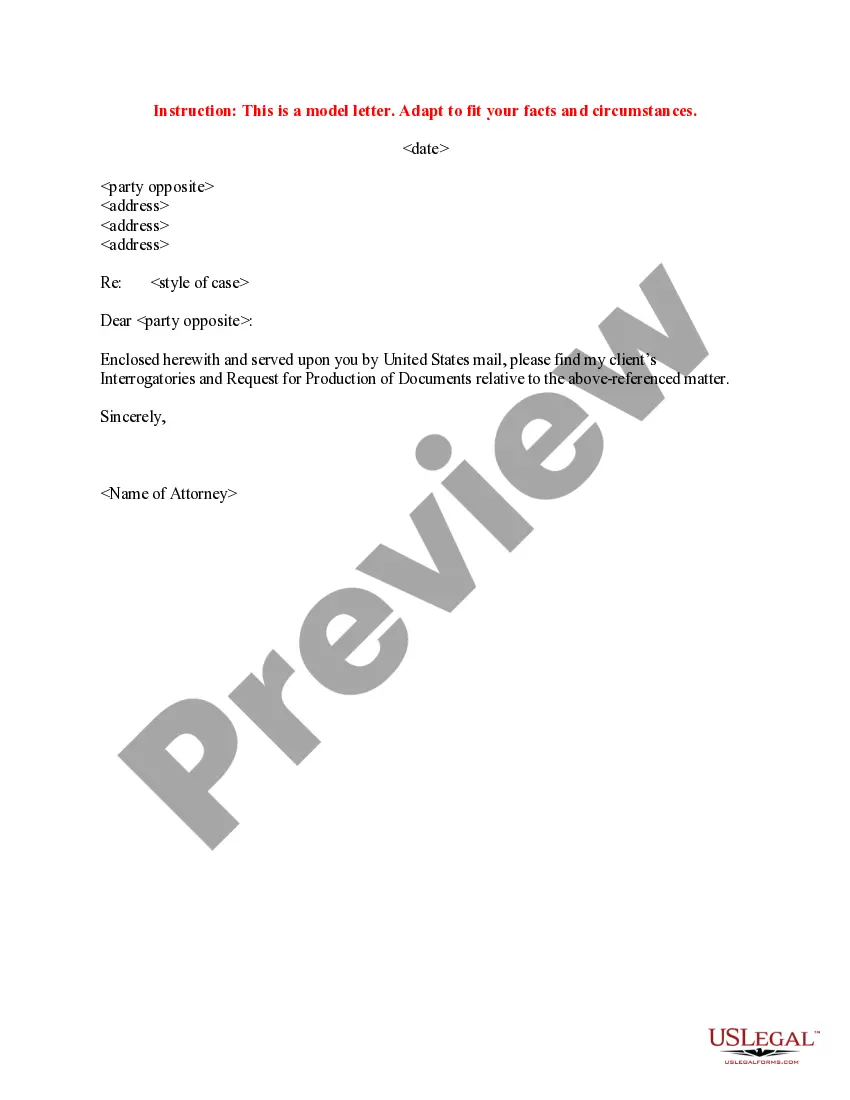
How to fill out Discovery - Sample Letter To Opposing Counsel Regarding Deposition And Subpoena Duces Tecum?
Whether for business purposes or for individual matters, everybody has to handle legal situations sooner or later in their life. Completing legal documents demands careful attention, starting with picking the right form template. For example, when you choose a wrong edition of a Opposing Counsel Regarding For Defamation, it will be rejected when you send it. It is therefore essential to have a dependable source of legal documents like US Legal Forms.
If you have to get a Opposing Counsel Regarding For Defamation template, stick to these easy steps:
- Find the sample you need by utilizing the search field or catalog navigation.
- Check out the form’s information to make sure it matches your situation, state, and county.
- Click on the form’s preview to see it.
- If it is the incorrect document, return to the search function to locate the Opposing Counsel Regarding For Defamation sample you require.
- Download the template if it meets your requirements.
- If you already have a US Legal Forms account, simply click Log in to access previously saved documents in My Forms.
- If you don’t have an account yet, you can download the form by clicking Buy now.
- Pick the correct pricing option.
- Finish the account registration form.
- Choose your payment method: use a bank card or PayPal account.
- Pick the file format you want and download the Opposing Counsel Regarding For Defamation.
- After it is saved, you can complete the form with the help of editing applications or print it and finish it manually.
With a vast US Legal Forms catalog at hand, you don’t have to spend time searching for the appropriate sample across the internet. Use the library’s straightforward navigation to get the right template for any situation.
Form popularity
FAQ
Reiterate to opposing counsel that you understand they are not your attorney. Make it very clear that you know opposing counsel represents the opposing party and not you. Let them know you understand they cannot give you legal advice or help you with your side of the case.
The lawyers' closing arguments or summations discuss the evidence and properly drawn inferences. The lawyers cannot talk about issues outside the case or about evidence that was not presented.
Five More Ways to Irritate Opposing Counsel Being a Technophobe. Yeah, old-timer. ... Not Returning Calls. This goes without saying: pick up the dang phone and return a call. ... Abusive Discovery Dump. We asked for credit card statements. ... Inflexibility. ... General Hard*** (Catch-All)
The defending party may respond to a defamation claim by: Proving the statements were true; Showing the statements constituted a fair comment; Claiming absolute or qualified privilege; or. Showing the statements were responsible communication on matters of public interest.
The conventions for addressing opposing counsel may vary by jurisdiction and court rules, but here are some common practices and guidelines: Use of Titles and Last Names: Lawyers often address each other by their last names and may include a professional title, such as "Mr. Smith" or "Ms.