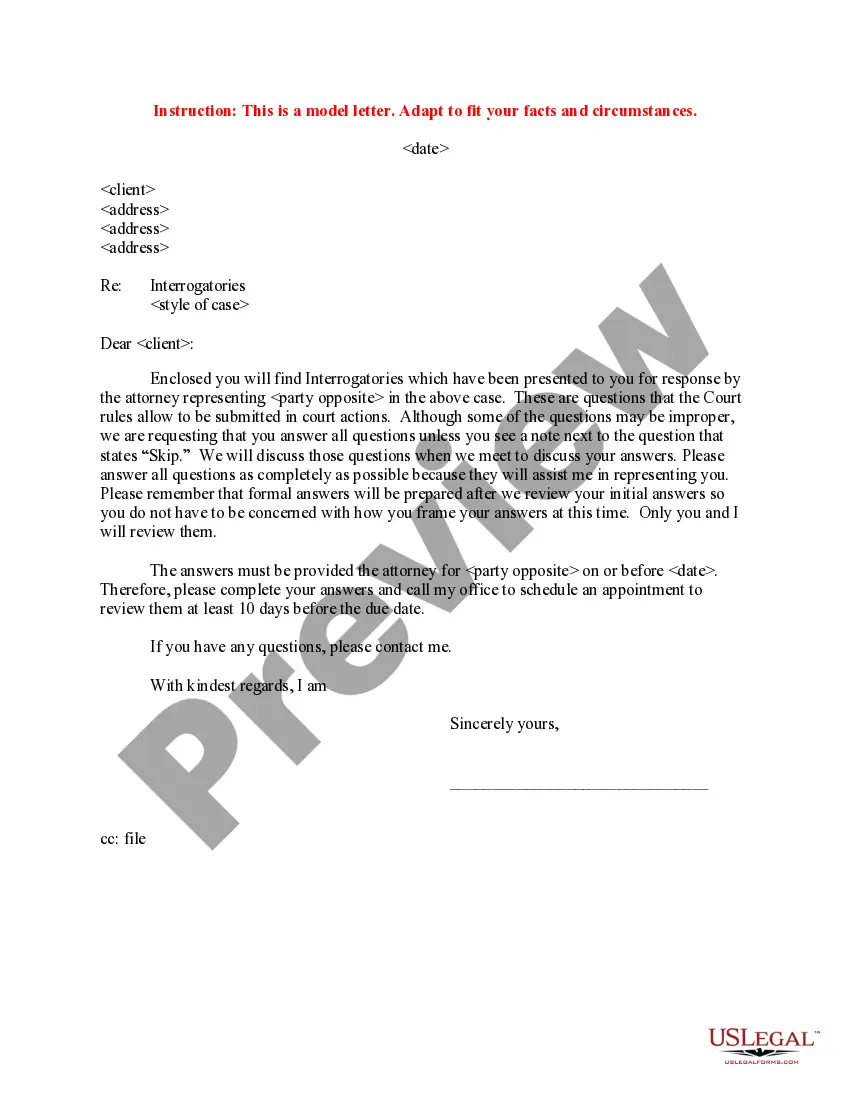
Discovery Letter Sample With Greetings
Description
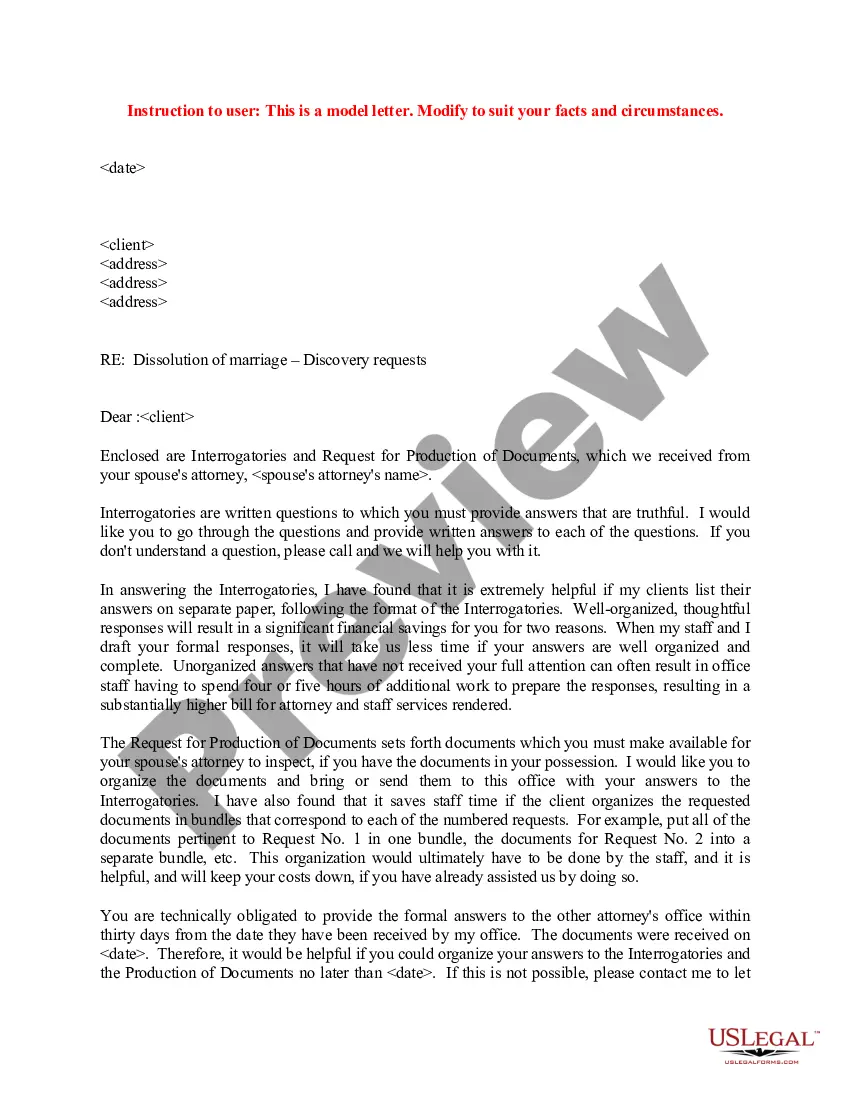
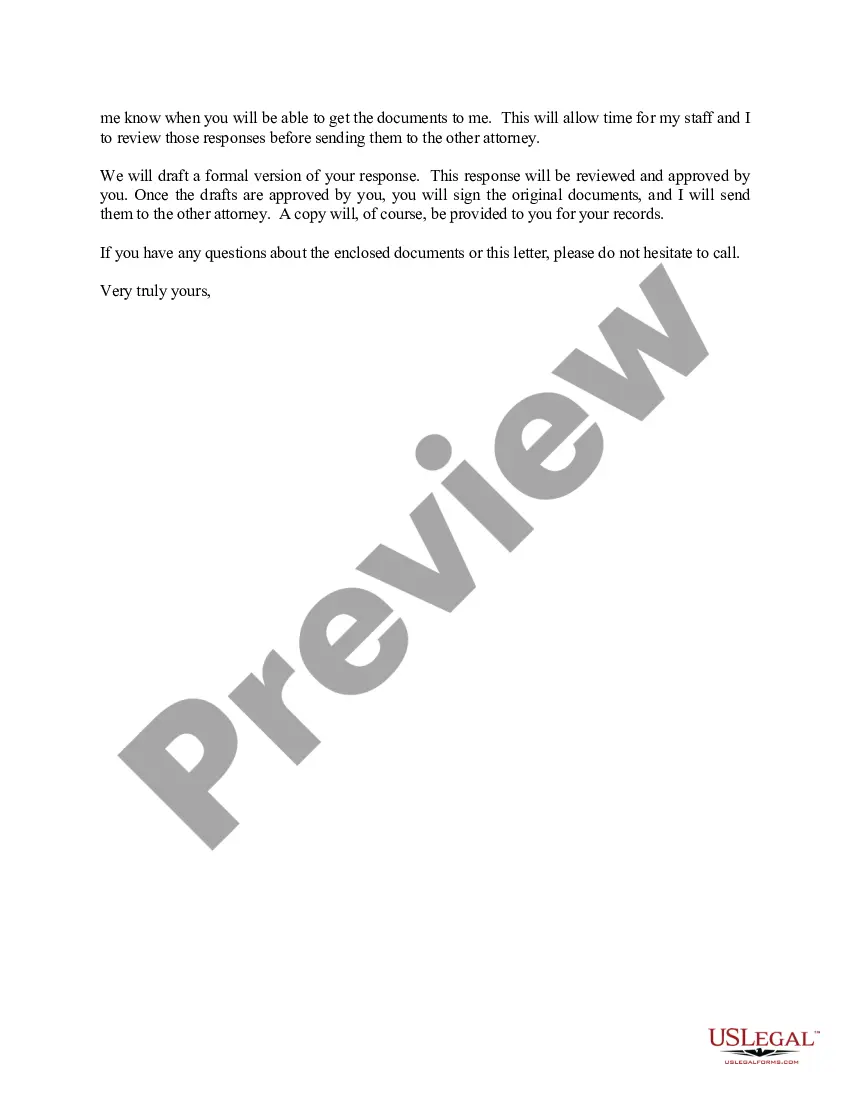

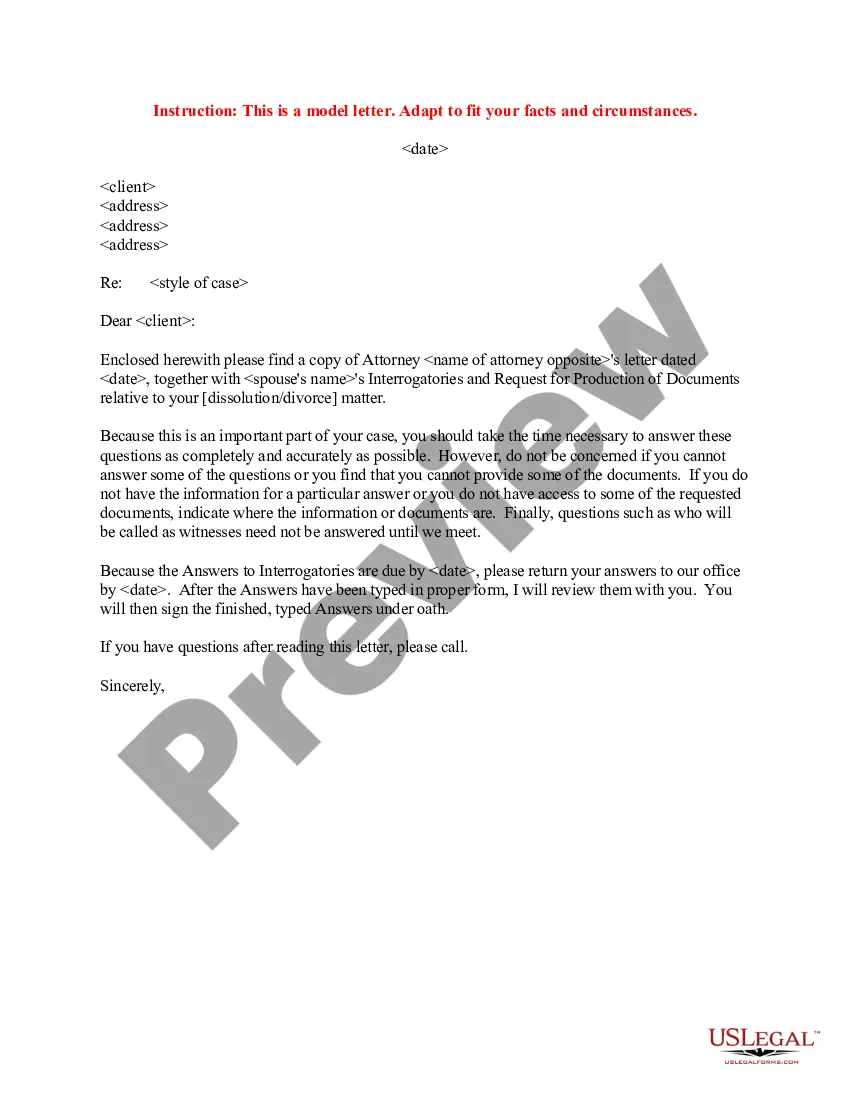
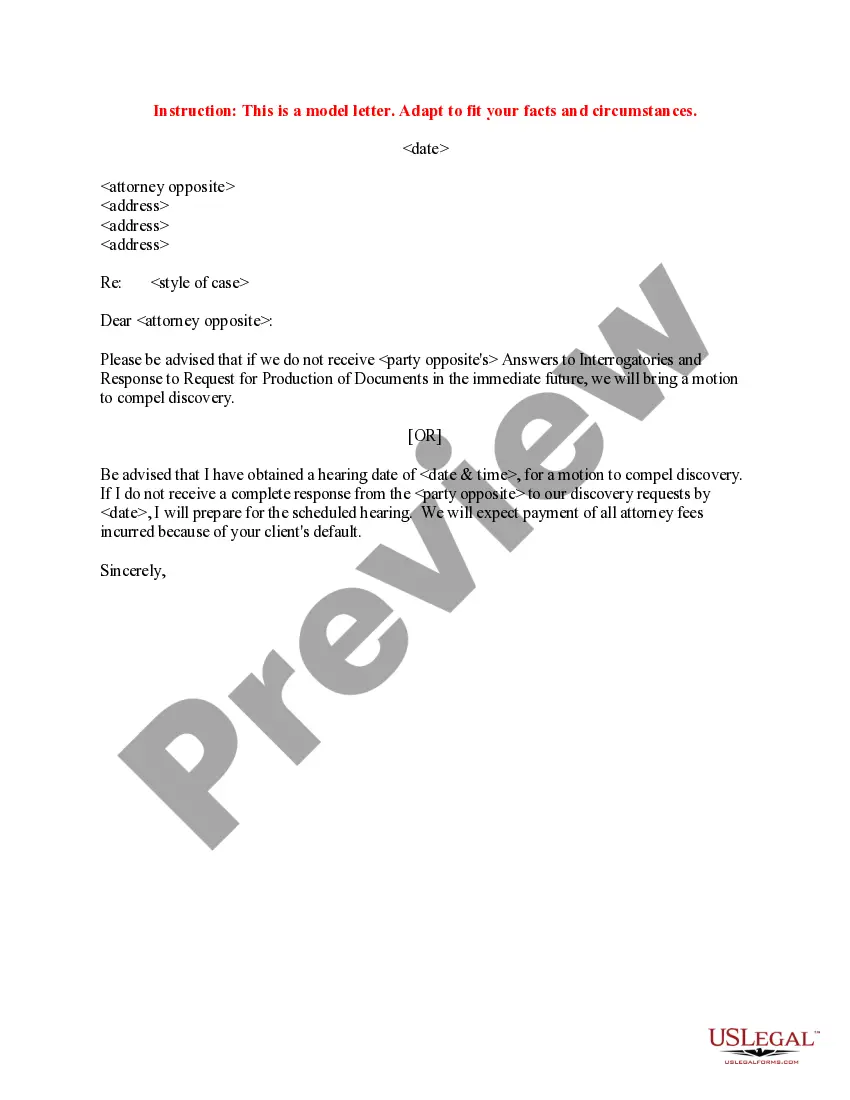
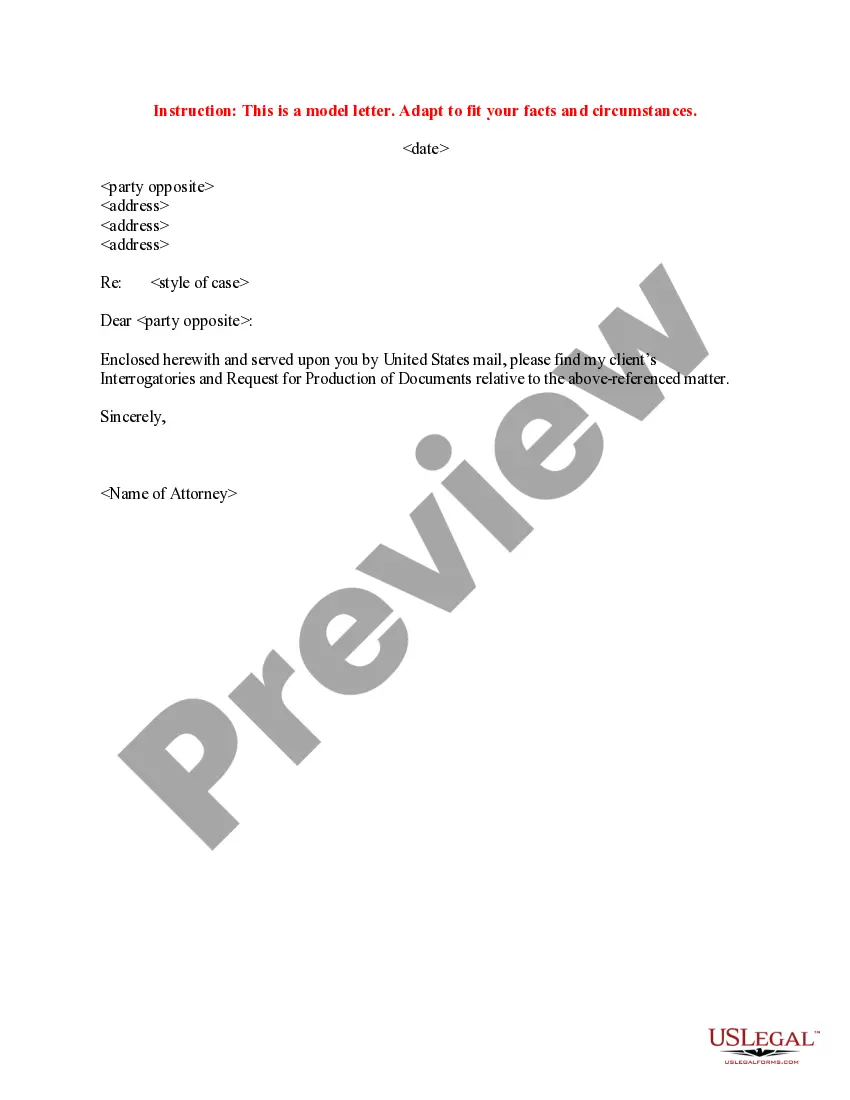
Get your form ready online
Our built-in tools help you complete, sign, share, and store your documents in one place.
Make edits, fill in missing information, and update formatting in US Legal Forms—just like you would in MS Word.
Download a copy, print it, send it by email, or mail it via USPS—whatever works best for your next step.
Sign and collect signatures with our SignNow integration. Send to multiple recipients, set reminders, and more. Go Premium to unlock E-Sign.
If this form requires notarization, complete it online through a secure video call—no need to meet a notary in person or wait for an appointment.
We protect your documents and personal data by following strict security and privacy standards.

Make edits, fill in missing information, and update formatting in US Legal Forms—just like you would in MS Word.

Download a copy, print it, send it by email, or mail it via USPS—whatever works best for your next step.

Sign and collect signatures with our SignNow integration. Send to multiple recipients, set reminders, and more. Go Premium to unlock E-Sign.

If this form requires notarization, complete it online through a secure video call—no need to meet a notary in person or wait for an appointment.

We protect your documents and personal data by following strict security and privacy standards.
Looking for another form?







How to fill out Sample Letter To Client Instructing On Answering Discovery?
Whether for professional reasons or personal matters, everyone must face legal circumstances at some stage in their lives.
Completing legal paperwork necessitates meticulous focus, starting from selecting the appropriate form example.
With an extensive US Legal Forms repository available, you never need to waste time searching for the right template online. Take advantage of the library’s user-friendly navigation to find the suitable template for any circumstance.
- Locate the template you require by using the search box or browsing the catalog.
- Review the form's details to ensure it aligns with your situation, jurisdiction, and area.
- Click on the form's preview to examine it.
- If it is not the correct form, return to the search feature to find the Discovery Letter Sample With Greetings template you need.
- Obtain the file when it satisfies your requirements.
- If you possess a US Legal Forms account, click Log in to access your previously saved documents in My documents.
- If you haven't created an account yet, you can acquire the form by clicking Buy now.
- Select the appropriate pricing option.
- Complete the profile registration form.
- Choose your payment method: you can utilize a credit card or PayPal account.
- Select the document format you desire and download the Discovery Letter Sample With Greetings.
- After downloading, you can fill out the form using editing software or print it and complete it manually.
Form popularity
FAQ
Write out each fact you wish the other party to admit is true. When writing these facts, be as clear and concise as possible. Each request must be for a single fact; do not include multiple facts, compound questions, or subparts.
Read and answer the questions Read the question very carefully. Answer only the question that is asked, and avoid the temptation to over-explain your answer. If the question contains several parts, you may break your answer into parts as well. It is also possible that you might object to the question.
Informal discovery basically entails requesting specified information and documents and then accepting what is offered. It's less expensive than formal discovery and may also be faster and easier.
Methods of informal discovery may include witness interviews, police departments, the Department of Motor Vehicles, telephone directories, public universities, credit reporting services, county tax records, libraries, newspapers, federal government offices, internet research, and the post office.
This letter is often called a good faith letter. And it is needed under many courts' rules before you can file a motion to compel discovery if the other party ignores your requests or provides evasive responses or move for sanctions if your opponent refuses to comply with the court's discovery order.