Trust Dissolution Document Without Comments
Description
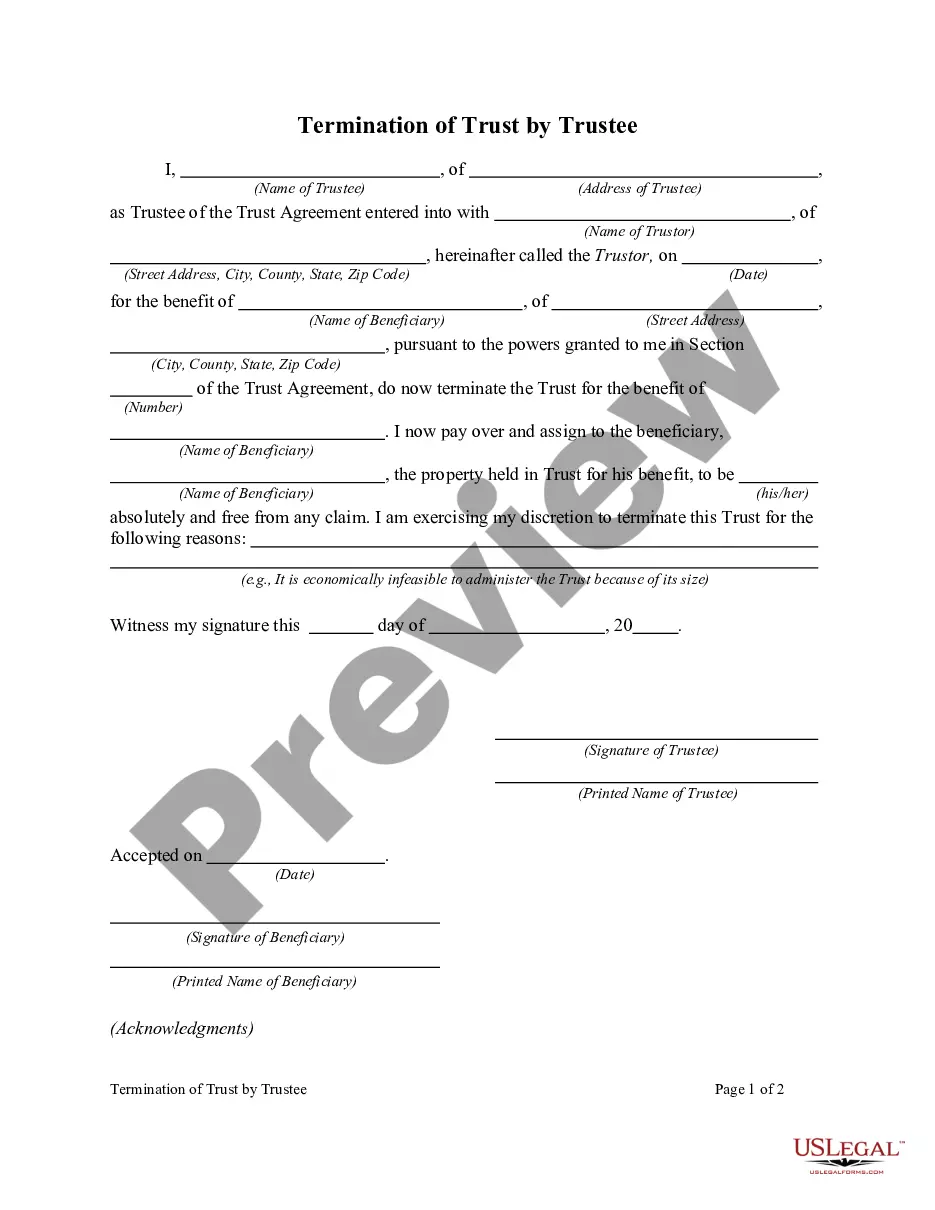

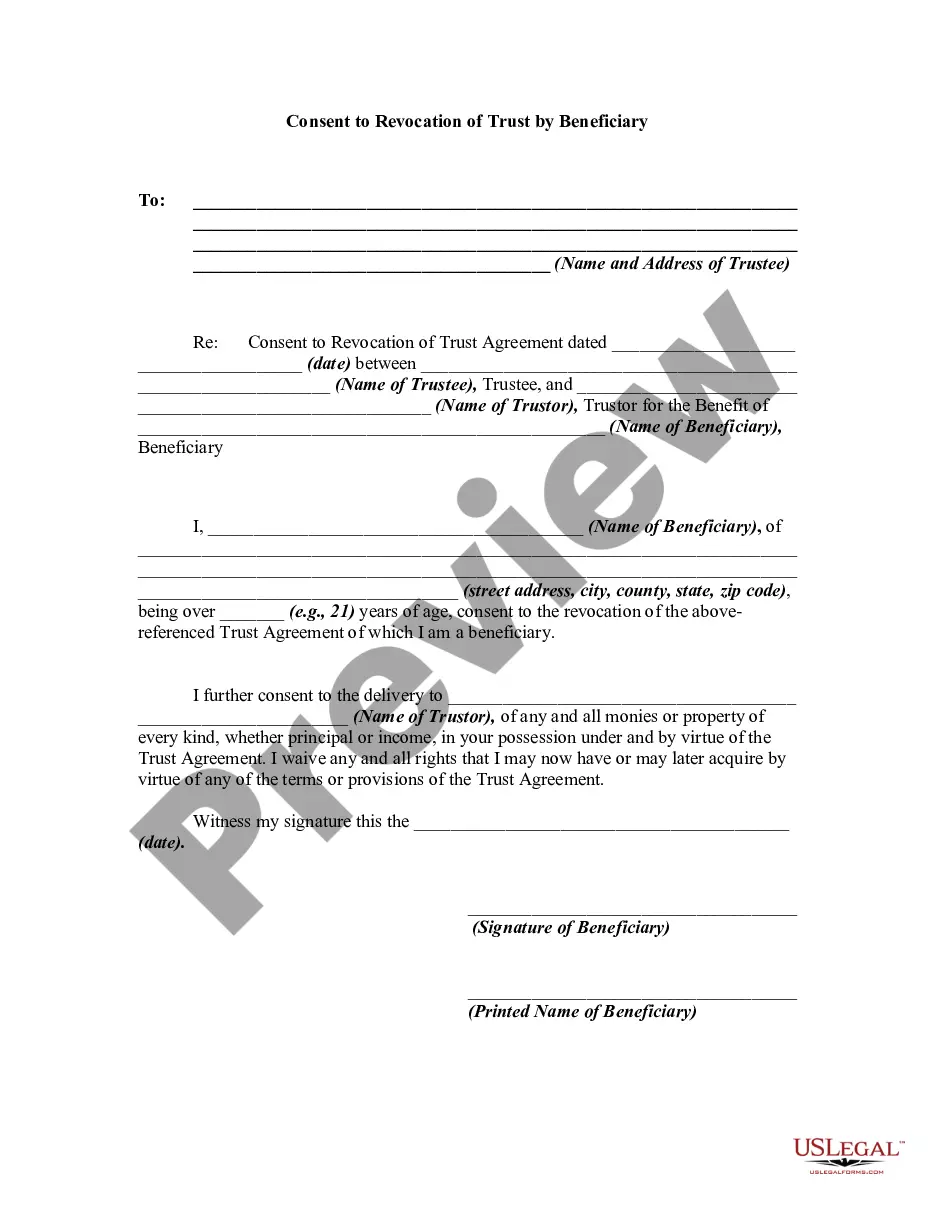
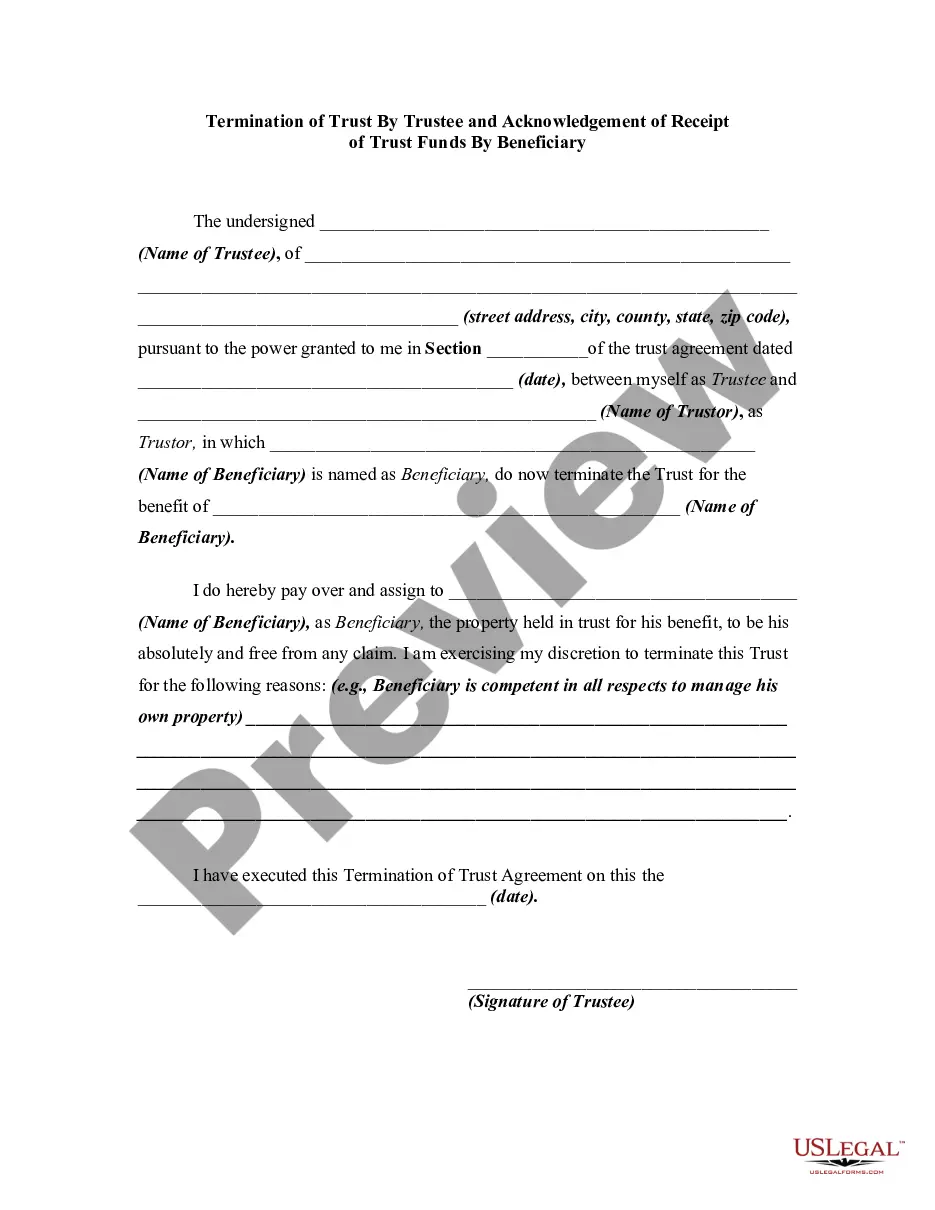
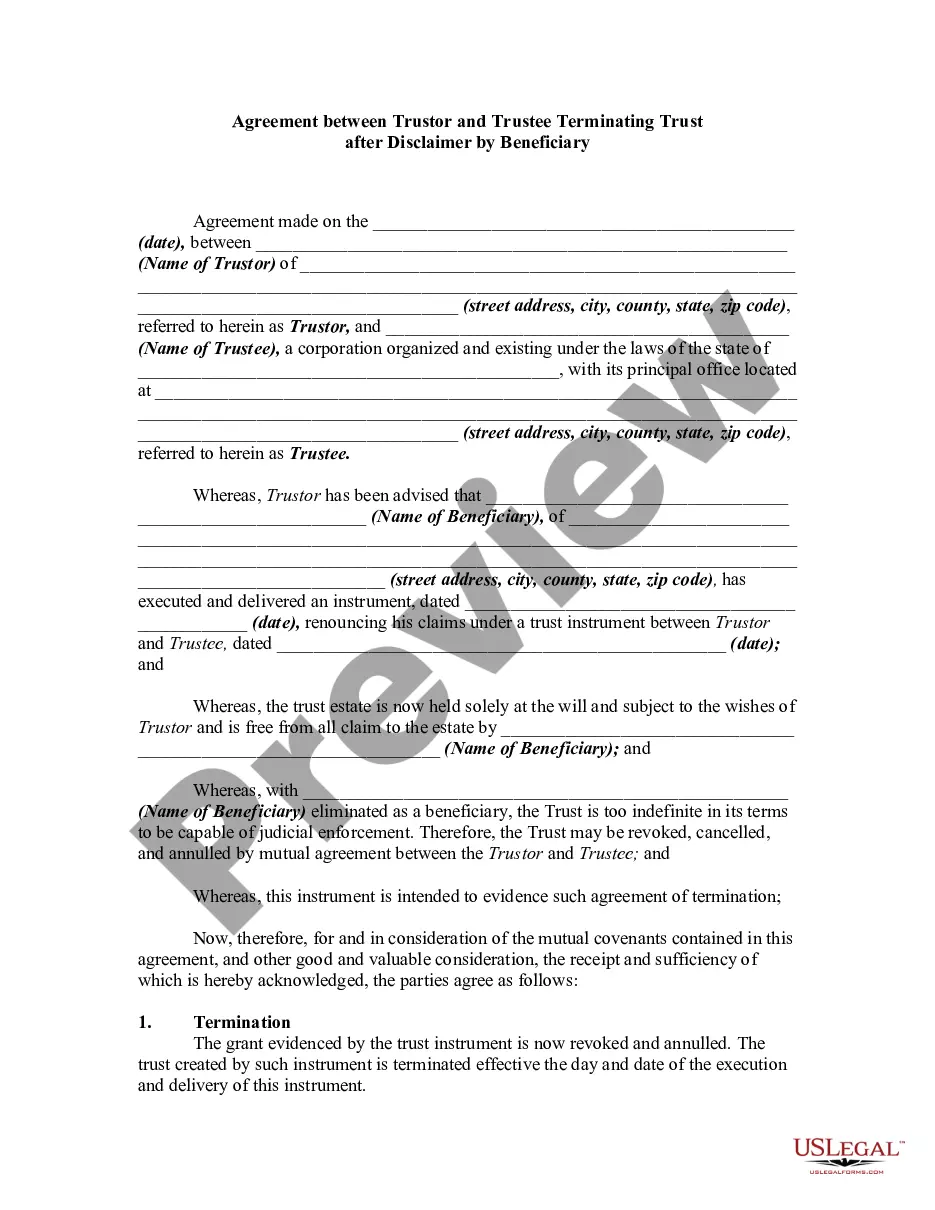

Get your form ready online
Our built-in tools help you complete, sign, share, and store your documents in one place.
Make edits, fill in missing information, and update formatting in US Legal Forms—just like you would in MS Word.
Download a copy, print it, send it by email, or mail it via USPS—whatever works best for your next step.
Sign and collect signatures with our SignNow integration. Send to multiple recipients, set reminders, and more. Go Premium to unlock E-Sign.
If this form requires notarization, complete it online through a secure video call—no need to meet a notary in person or wait for an appointment.
We protect your documents and personal data by following strict security and privacy standards.

Make edits, fill in missing information, and update formatting in US Legal Forms—just like you would in MS Word.

Download a copy, print it, send it by email, or mail it via USPS—whatever works best for your next step.

Sign and collect signatures with our SignNow integration. Send to multiple recipients, set reminders, and more. Go Premium to unlock E-Sign.

If this form requires notarization, complete it online through a secure video call—no need to meet a notary in person or wait for an appointment.

We protect your documents and personal data by following strict security and privacy standards.
Looking for another form?
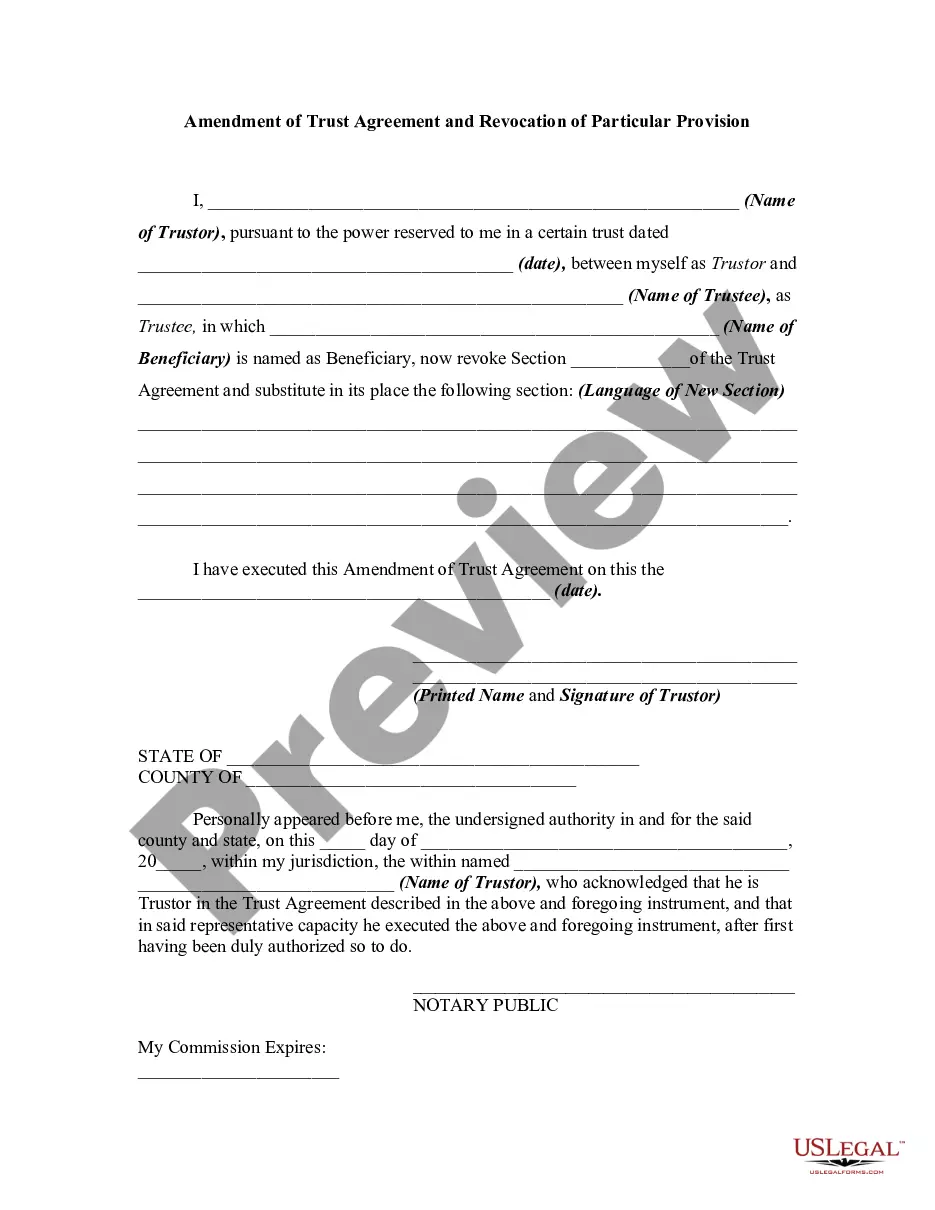
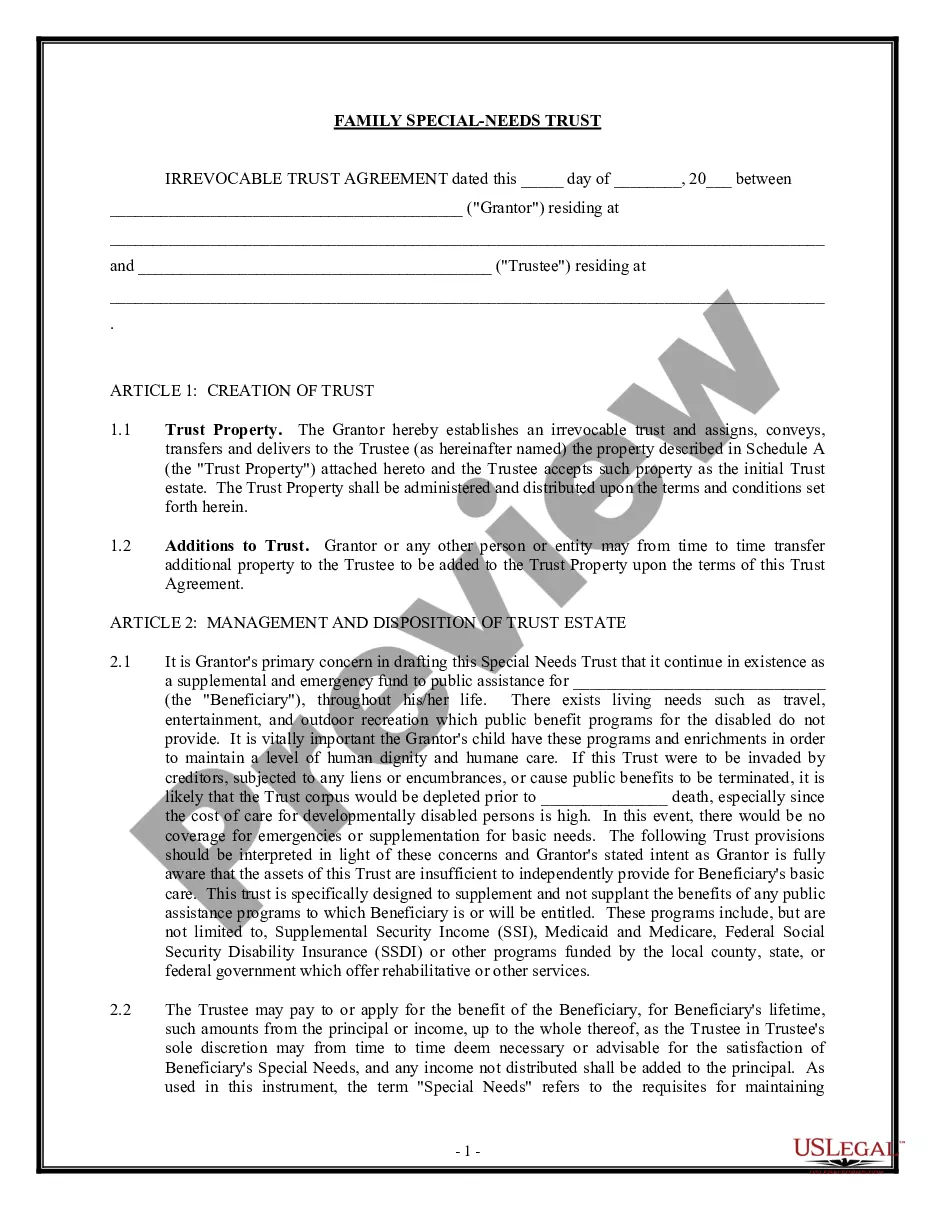
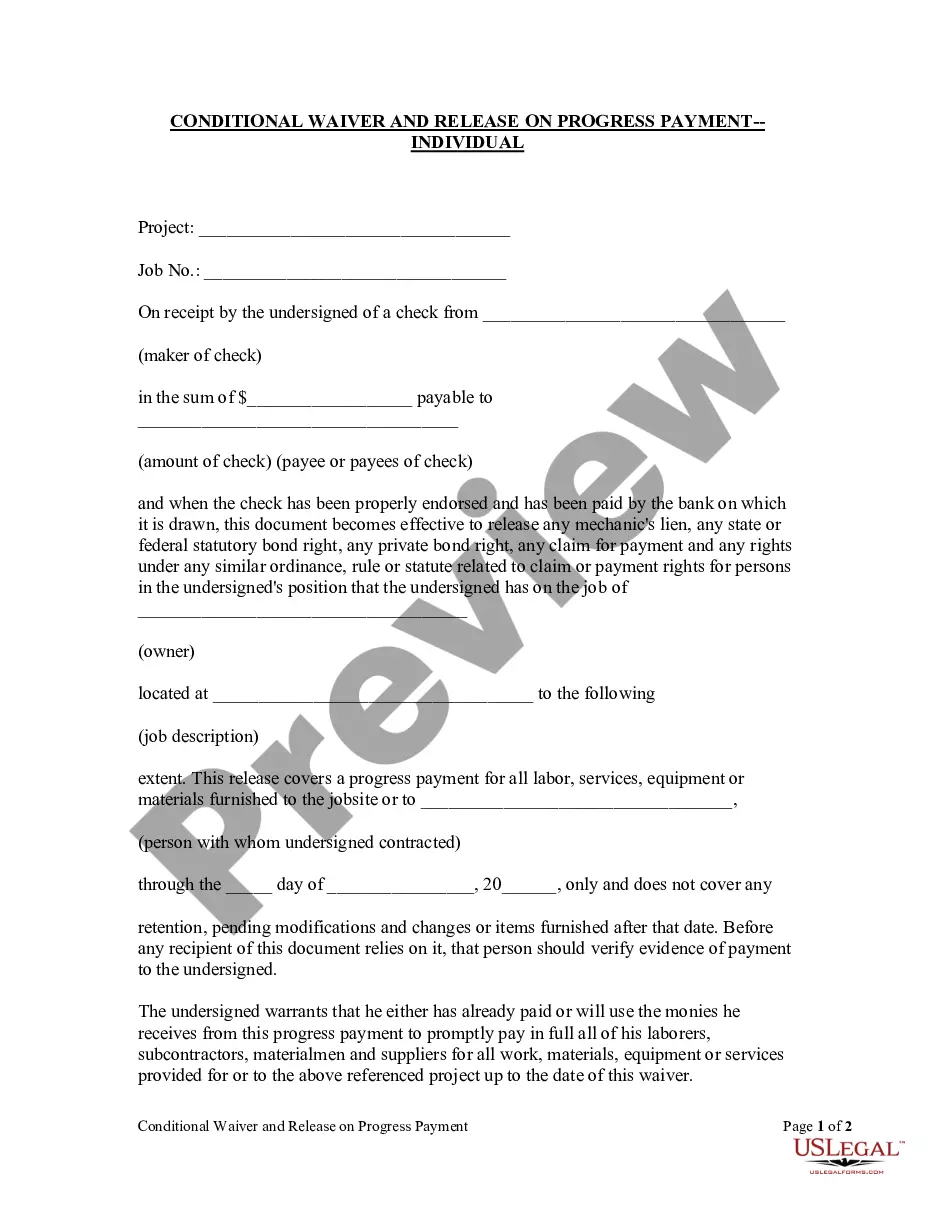
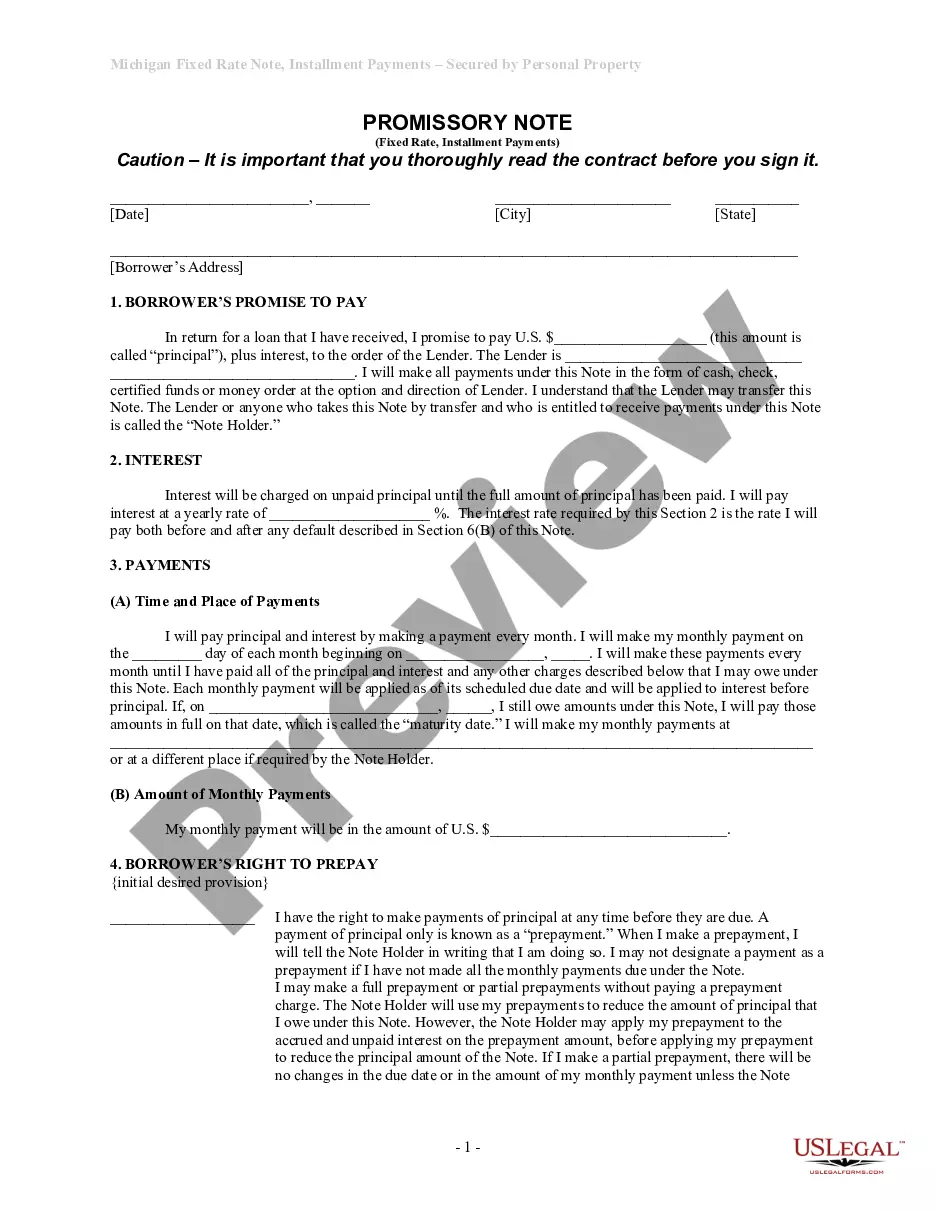





How to fill out Termination Of Trust By Trustee?
It’s well known that you cannot transform into a legal authority instantly, nor can you comprehend how to swiftly assemble a Trust Dissolution Document Without Comments without having an expertise in the field.
Drafting legal materials is a labor-intensive task that demands specific training and proficiency.
So why not let the professionals handle the drafting of the Trust Dissolution Document Without Comments.
Examine it (if this feature is available) and review the accompanying description to ascertain whether the Trust Dissolution Document Without Comments meets your needs.
Initiate a new search if you require a different document.
- With US Legal Forms, one of the largest collections of legal documents, you can locate anything from judicial forms to templates for office correspondence.
- We recognize how important compliance and observance of federal and state regulations are.
- That’s the reason why, on our site, all documents are tailored to specific locations and are current.
- Here’s how to begin with our website and acquire the document you need in just a few minutes.
- Find the form you require by utilizing the search bar located at the top of the webpage.
Form popularity
FAQ
A release and waiver agreement is an enforceable promise not to pursue legal action in exchange for compensation. The releasee gives money or some other form of compensation to the releasor, who then agrees not to press charges, sue, or take any other legal action against the releasee.
Follow these steps to write your document: Fill in the information of both parties, including each person's name and address. Include the details of the event. ... Add if there is a payment required by the releasee. ... Write a section for signatures, which will contain the names and dates of both parties.
Release Versus Waiver The main difference between releases and waivers is the transferring of ownership. When rights are released, they are transferred to another party. When rights are waived, they are gone altogether.
Key Takeaways On How To Write A Waiver Choose a waiver template. Determine the type of activity or service. State the purpose of the waiver. Identify the risks. Include a title. Include customer information. Include waiver terms. Include a statement of understanding.
Examples of waivers include the waiving of parental rights, waiving liability, tangible goods waivers, and waivers for grounds of inadmissibility. Waivers are common when finalizing lawsuits, as one party does not want the other pursuing them after a settlement is transferred.
The liability release form, also known as the waiver form, contains a legally binding agreement between two parties, stating that one of them (the releasor) promises not to sue the other side (the releasee) for past, current, or future damages, losses, or injuries.
?If I need medical treatment as a result of my participation in this Activity, travel to and from the Activity (including air travel), or any events incidental to this Activity, I agree to be financially responsible for any costs incurred as a result of such treatment.
An example of a written waiver is a disclaimer, which becomes a waiver when accepted. When the right to hold a person liable through a lawsuit is waived, the waiver may be called an exculpatory clause, liability waiver, legal release, or hold harmless clause.