Beneficiary Trustee Trust For Estate
Description
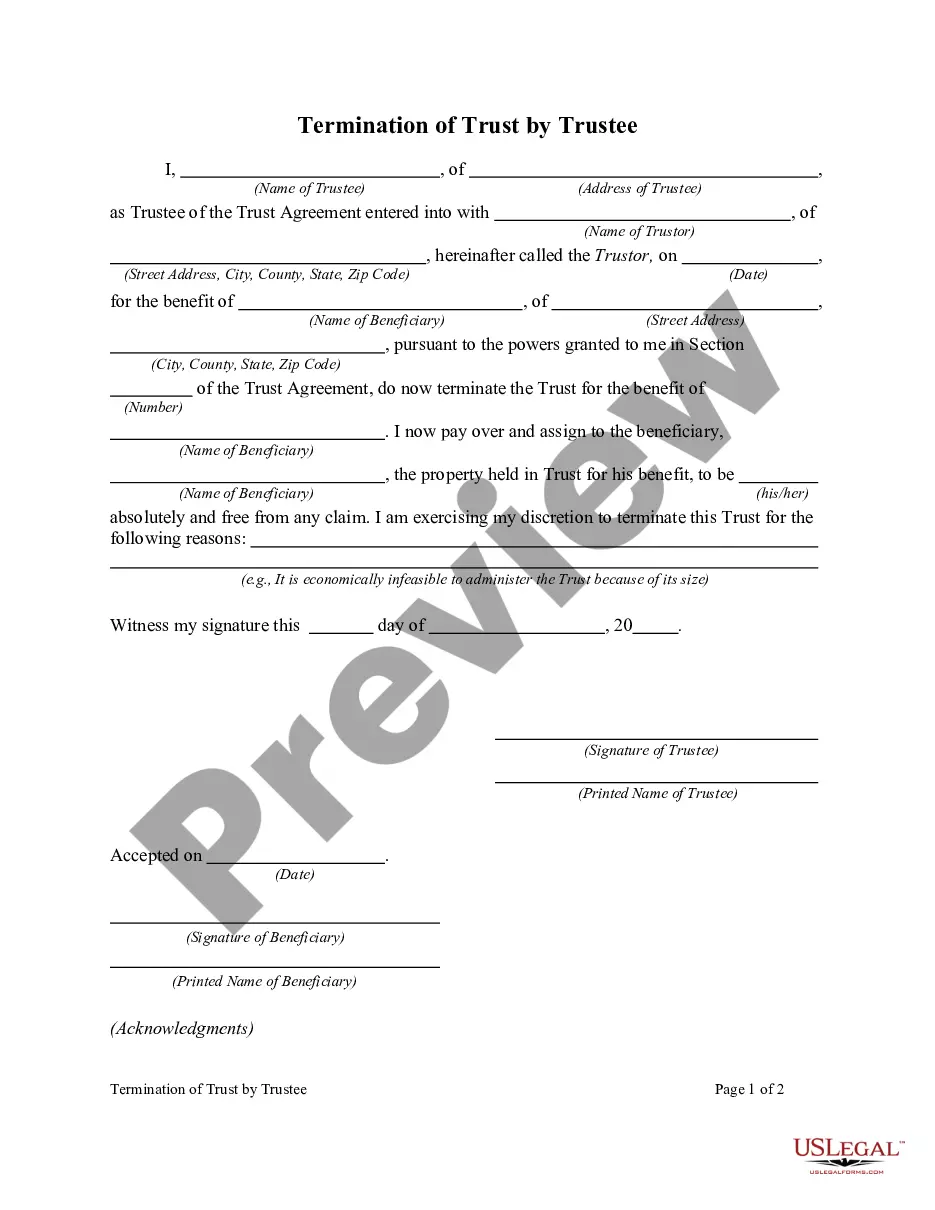

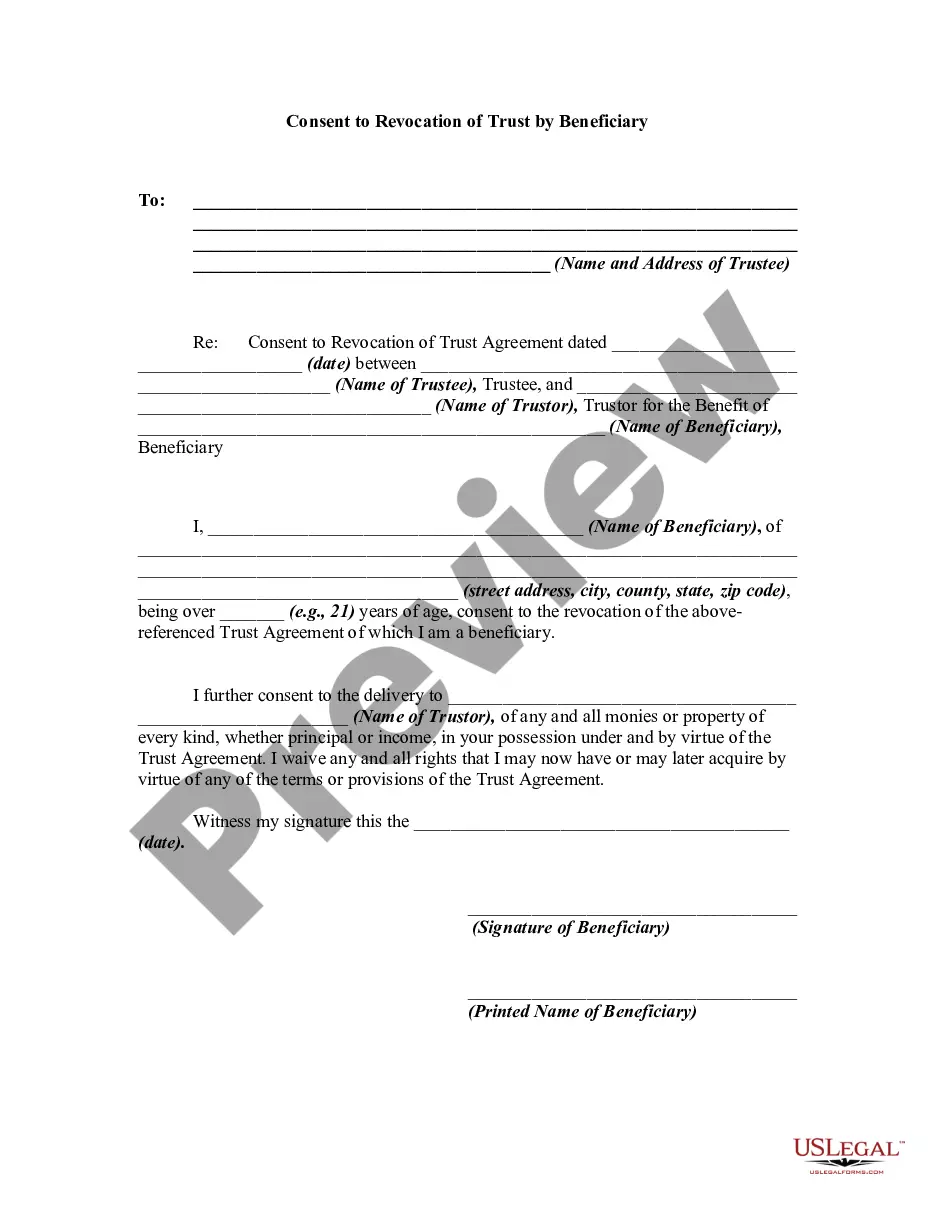
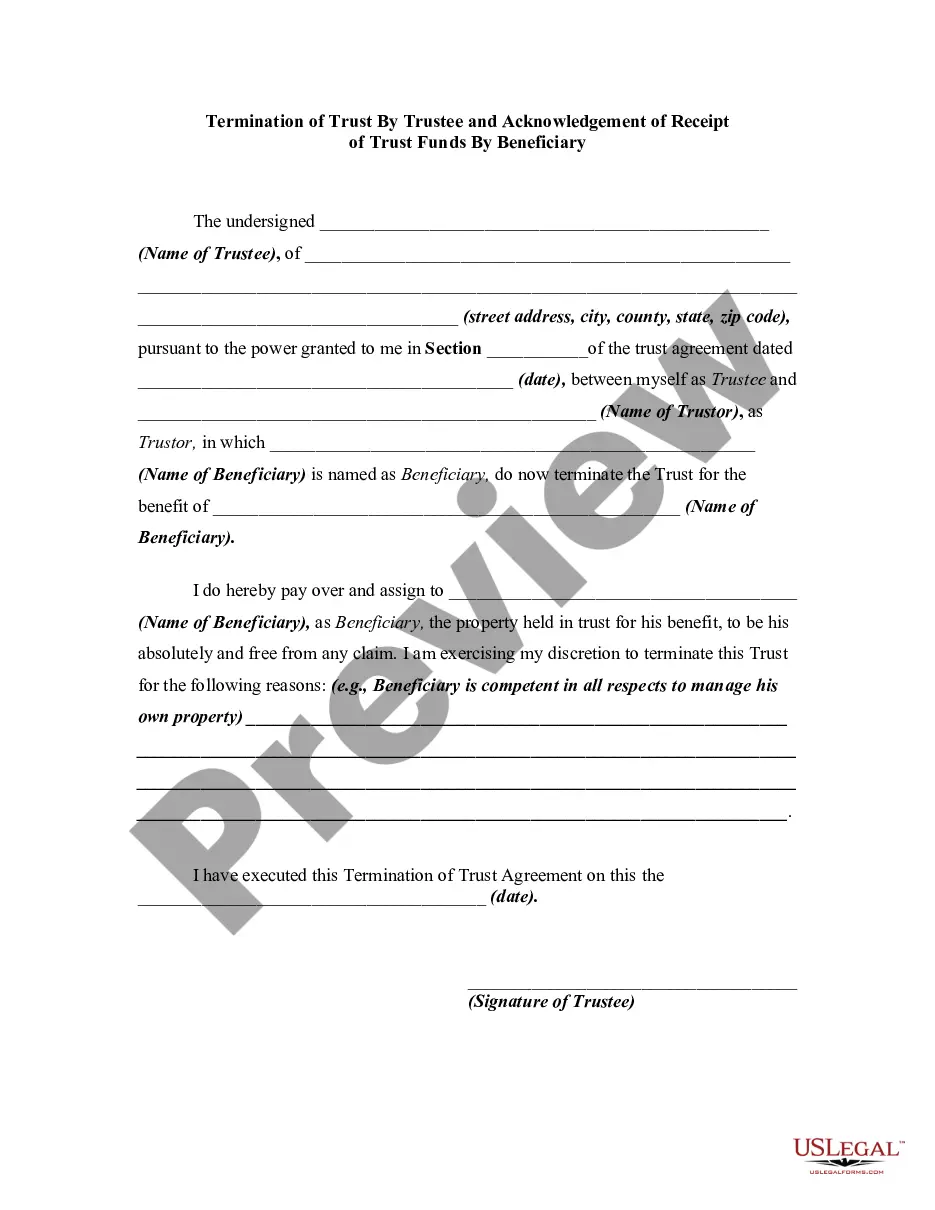
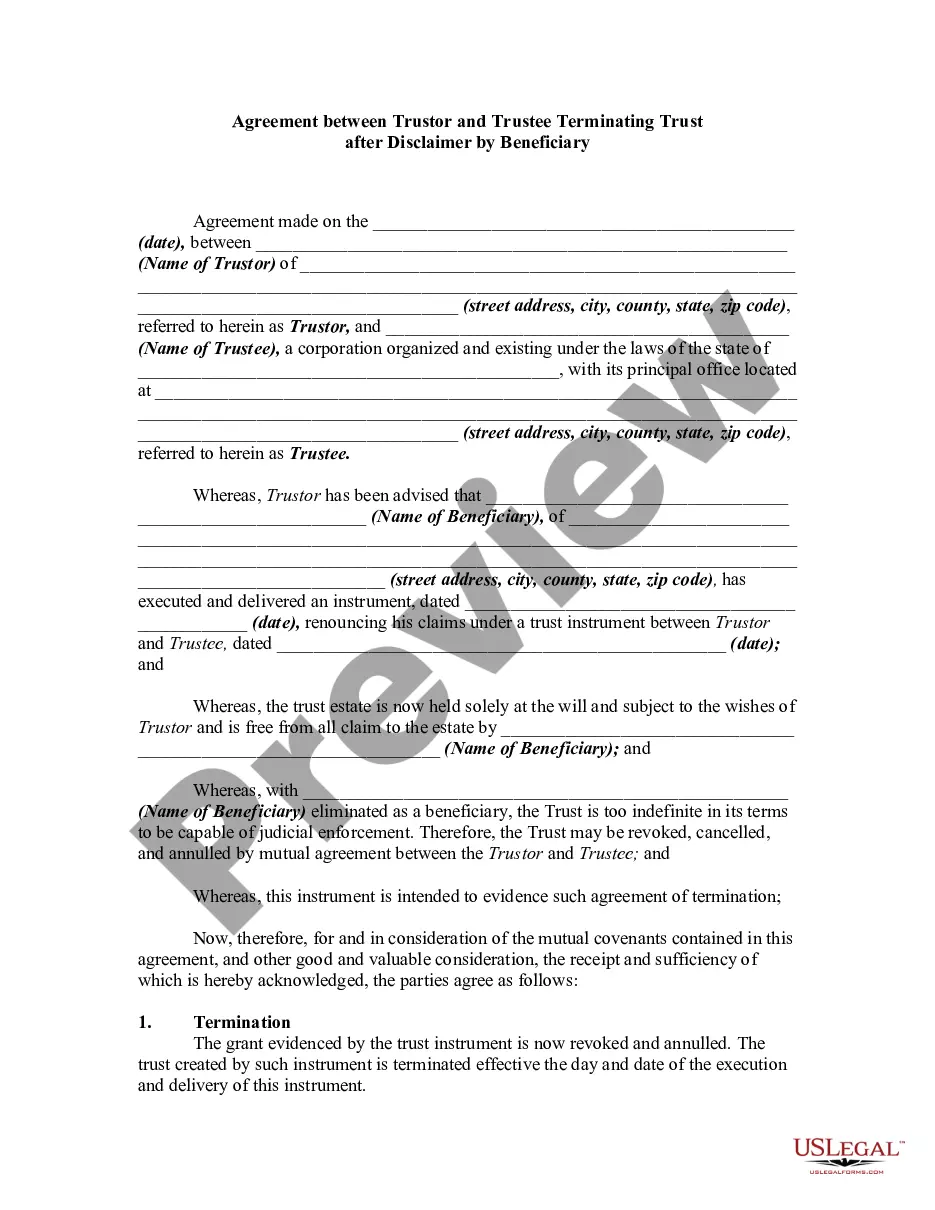

Get your form ready online
Our built-in tools help you complete, sign, share, and store your documents in one place.
Make edits, fill in missing information, and update formatting in US Legal Forms—just like you would in MS Word.
Download a copy, print it, send it by email, or mail it via USPS—whatever works best for your next step.
Sign and collect signatures with our SignNow integration. Send to multiple recipients, set reminders, and more. Go Premium to unlock E-Sign.
If this form requires notarization, complete it online through a secure video call—no need to meet a notary in person or wait for an appointment.
We protect your documents and personal data by following strict security and privacy standards.

Make edits, fill in missing information, and update formatting in US Legal Forms—just like you would in MS Word.

Download a copy, print it, send it by email, or mail it via USPS—whatever works best for your next step.

Sign and collect signatures with our SignNow integration. Send to multiple recipients, set reminders, and more. Go Premium to unlock E-Sign.

If this form requires notarization, complete it online through a secure video call—no need to meet a notary in person or wait for an appointment.

We protect your documents and personal data by following strict security and privacy standards.
Looking for another form?








How to fill out Termination Of Trust By Trustee?
- If you're already a user, log in to your account and download the required template by clicking the Download button. Ensure your subscription is active; if not, renew it based on your current plan.
- For new users, start by reviewing the Preview mode and description of the desired form. Confirm it's the right match for your needs and local jurisdiction requirements.
- If you encounter any discrepancies, utilize the Search tab to find an alternative template that suits you better. Once you find the correct one, proceed to the next step.
- Select the Purchase option. Click on the Buy Now button and pick a subscription plan that fits your needs. Creating an account is necessary to access the library’s resources.
- Complete your transaction by providing your credit card information or using PayPal for a seamless purchase process.
- Download your form and save it to your device. You can access it anytime from your profile under the My Forms menu.
In conclusion, leveraging US Legal Forms not only allows you to save time but also empowers you to produce legally sound documents with ease.
Start your estate planning journey today by visiting US Legal Forms!
Form popularity
FAQ
The decision to file a trust as an estate depends on the specific circumstances surrounding the trust and its activities. If the trust earns income above the required filing threshold, you may need to file Form 1041. If you are dealing with a beneficiary trustee trust for estate, it’s often beneficial to consult with a tax professional for tailored advice on filing requirements. This proactive step can help you navigate complex tax obligations effectively.
Yes, an estate can be named as a beneficiary of a trust. This arrangement can help streamline the distribution of assets after a person's passing. In the context of a beneficiary trustee trust for estate, this dynamic can simplify the management of the estate’s assets and ensure that they are distributed according to the decedent’s wishes. It's crucial to understand how these designations affect tax liabilities and administration processes.
Beneficiaries do not file Form 1041; instead, this form is specifically for the estate or trust itself. However, beneficiaries may receive a Schedule K-1 that reports their share of the income, deductions, and credits. It is beneficial for those involved in a beneficiary trustee trust for estate to be aware of these details, as it informs them how their inheritance impacts their personal taxes. Keeping track of this information can help prevent surprises at tax time.
The exemption for an estate on Form 1041 typically allows a basic exclusion amount, which is currently $600 for most estates. This exemption can help reduce the taxable income of the estate significantly. When dealing with a beneficiary trustee trust for estate, it's essential to understand how this exemption applies to your specific situation. Always keep abreast of the current tax laws to ensure accurate filings.
Yes, you generally need to file Form 1041 for an estate if it has a gross income of $600 or more during the tax year. This form helps ensure proper tax compliance and reporting for the estate income. If you're managing a beneficiary trustee trust for estate, understanding your filing obligations is crucial for maintaining accurate records. Consulting with a professional can also provide helpful guidance.
The estate pays the tax on Form 1041, known as the U.S. Income Tax Return for Estates and Trusts. This tax is typically applicable to the income the estate generates during its administration. A beneficiary trustee trust for estate can also clarify how the income is managed and reported. Understanding these responsibilities is important for all parties involved.
Yes, it is possible to be both a trustee and a beneficiary of a trust. However, this arrangement can create potential conflicts of interest, so it is crucial to approach this situation thoughtfully. A well-structured beneficiary trustee trust for estate, along with professional advice, can help address these concerns and ensure proper management of the trust.
A trustee is typically chosen through a careful evaluation process that considers personal traits and financial acumen. Trustworthiness and good decision-making skills are crucial qualities to look for. Establishing a beneficiary trustee trust for estate requires thoughtful selection to ensure that your assets are managed properly and distributed as you intended.
To pick a trustee for your estate, assess potential candidates based on their ability to manage finances and act in the best interest of beneficiaries. It is important to consider their availability and willingness to take on the responsibilities of a trustee. Using services like US Legal Forms can guide you in creating a strong beneficiary trustee trust for estate, complete with clear instructions for your selected trustee.
A common mistake parents make when establishing a trust fund is failing to communicate their intentions to their children. If beneficiaries do not understand the purpose of the beneficiary trustee trust for estate, it can lead to confusion and disputes later on. Clear communication helps ensure that everyone involved knows and respects your wishes.