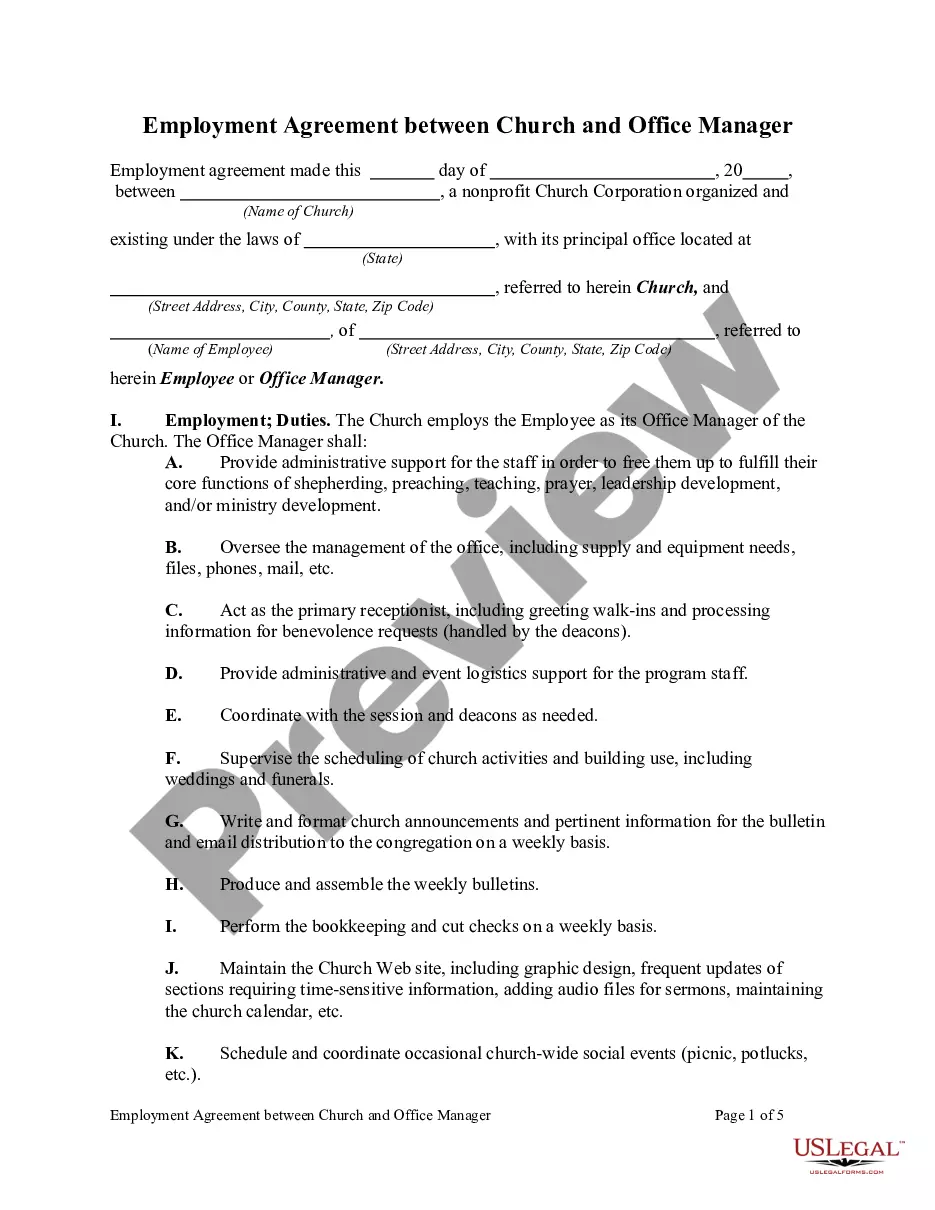
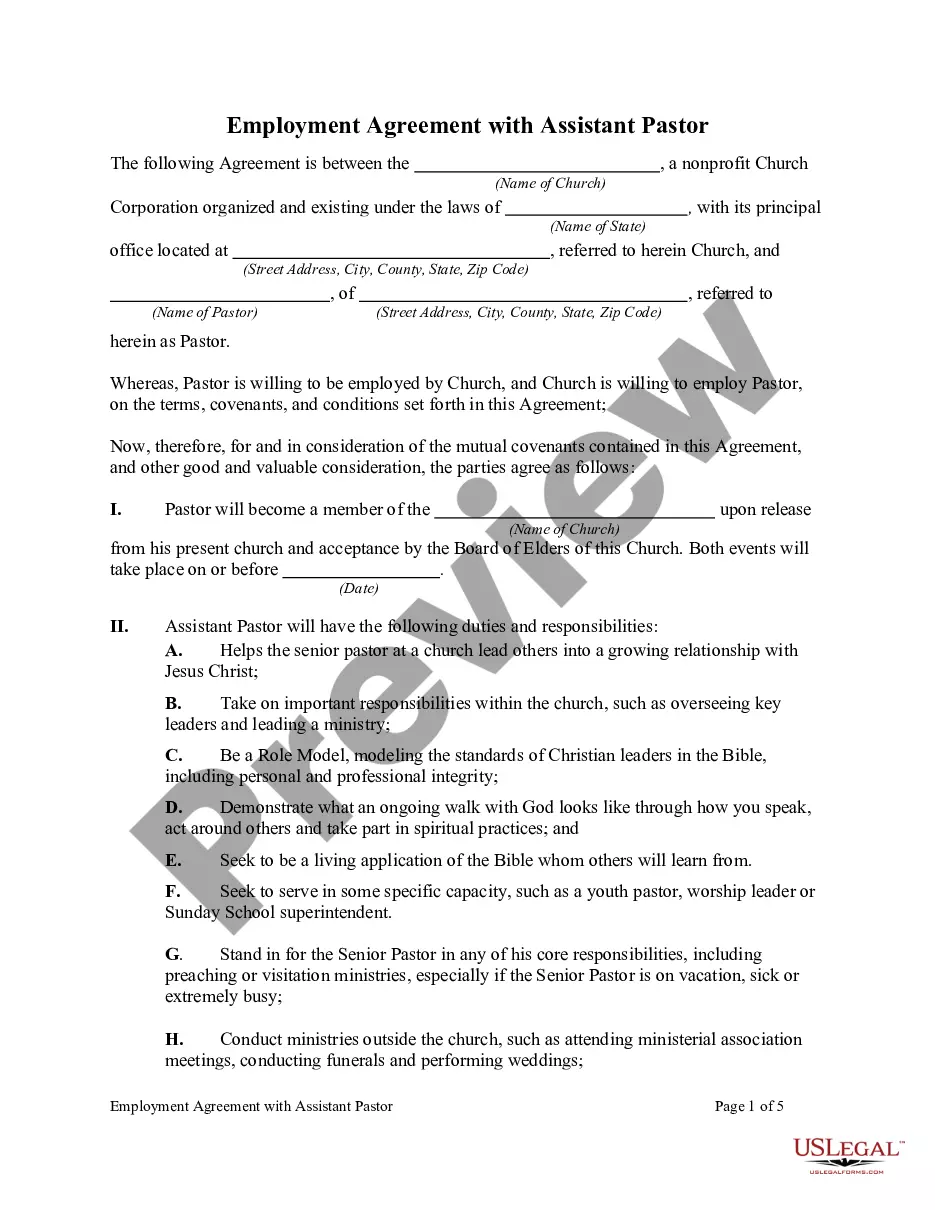
Pastor Form Contract With Church
Description
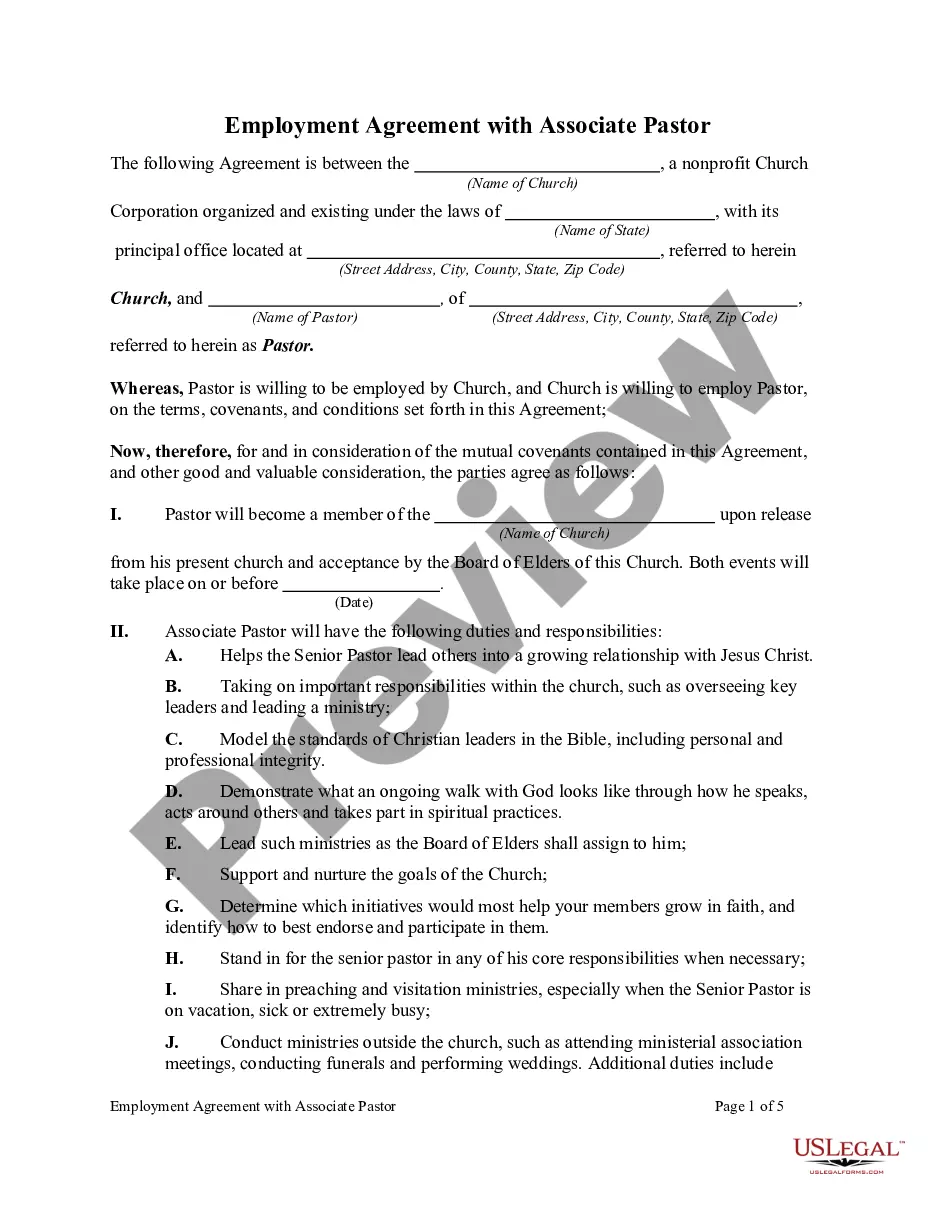
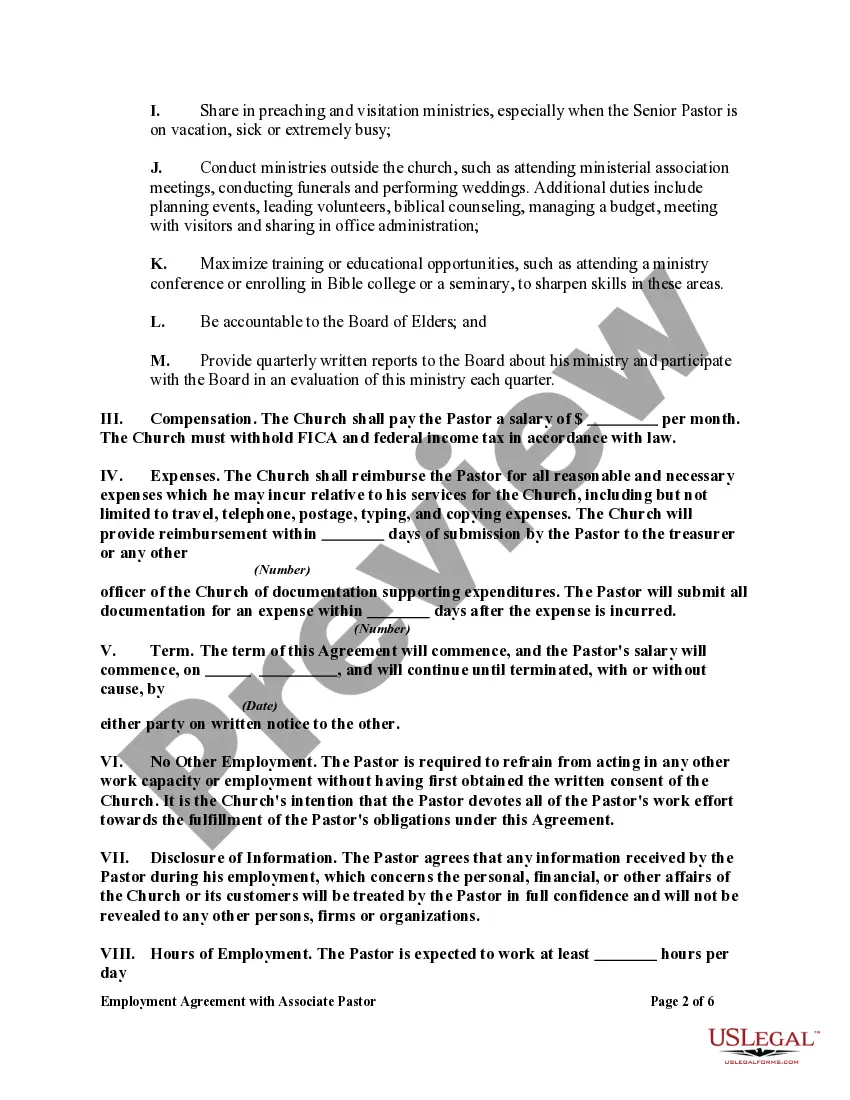
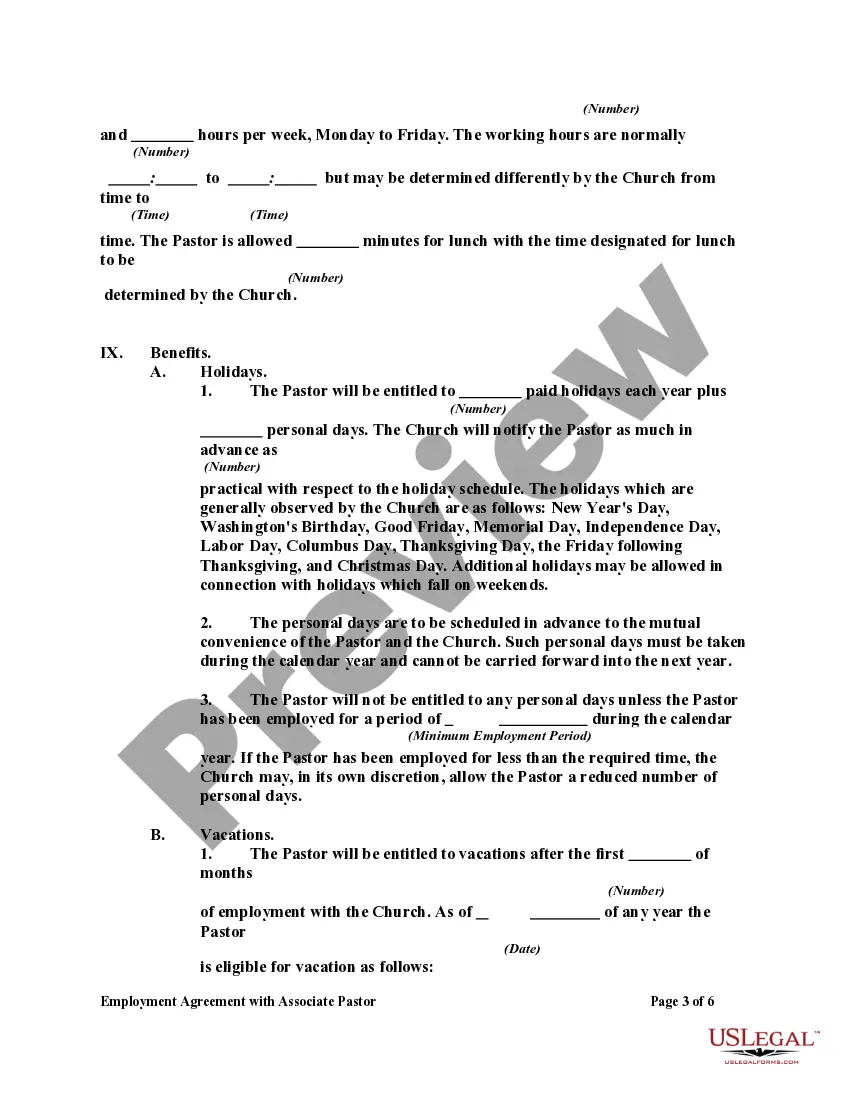
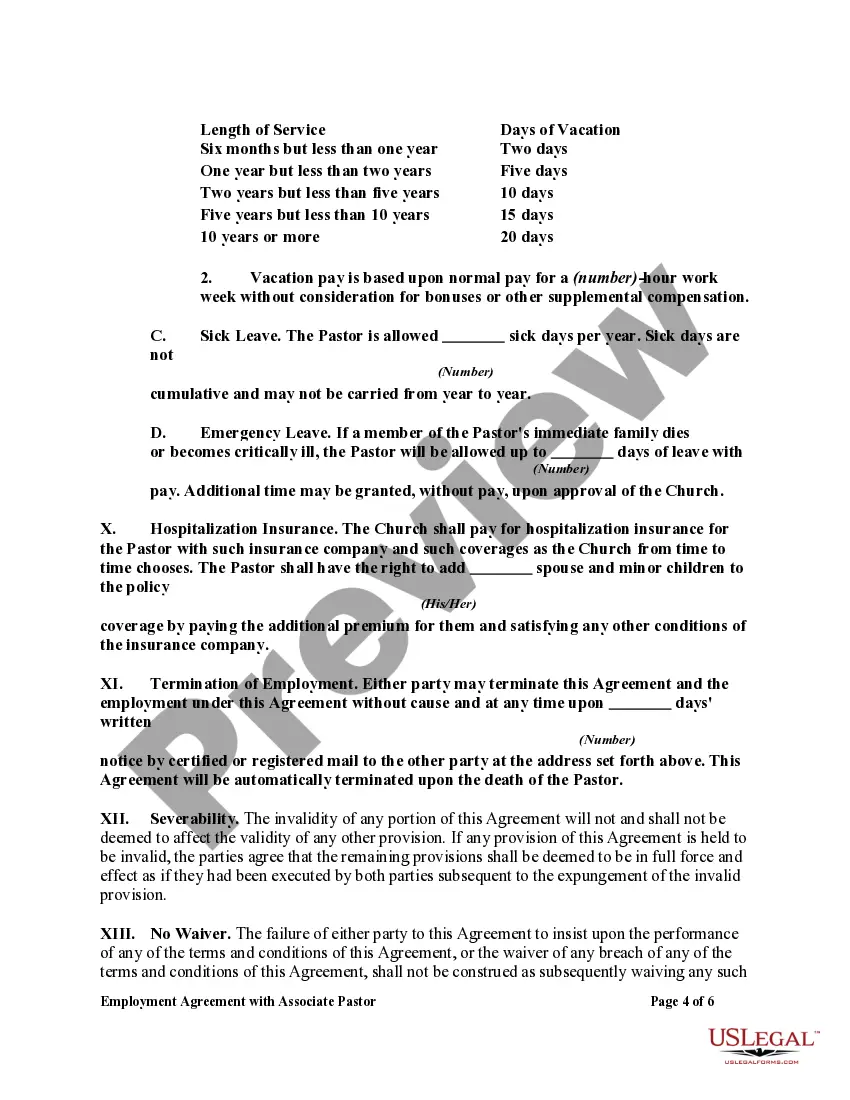

Get your form ready online
Our built-in tools help you complete, sign, share, and store your documents in one place.
Make edits, fill in missing information, and update formatting in US Legal Forms—just like you would in MS Word.
Download a copy, print it, send it by email, or mail it via USPS—whatever works best for your next step.
Sign and collect signatures with our SignNow integration. Send to multiple recipients, set reminders, and more. Go Premium to unlock E-Sign.
If this form requires notarization, complete it online through a secure video call—no need to meet a notary in person or wait for an appointment.
We protect your documents and personal data by following strict security and privacy standards.

Make edits, fill in missing information, and update formatting in US Legal Forms—just like you would in MS Word.

Download a copy, print it, send it by email, or mail it via USPS—whatever works best for your next step.

Sign and collect signatures with our SignNow integration. Send to multiple recipients, set reminders, and more. Go Premium to unlock E-Sign.

If this form requires notarization, complete it online through a secure video call—no need to meet a notary in person or wait for an appointment.

We protect your documents and personal data by following strict security and privacy standards.
Looking for another form?








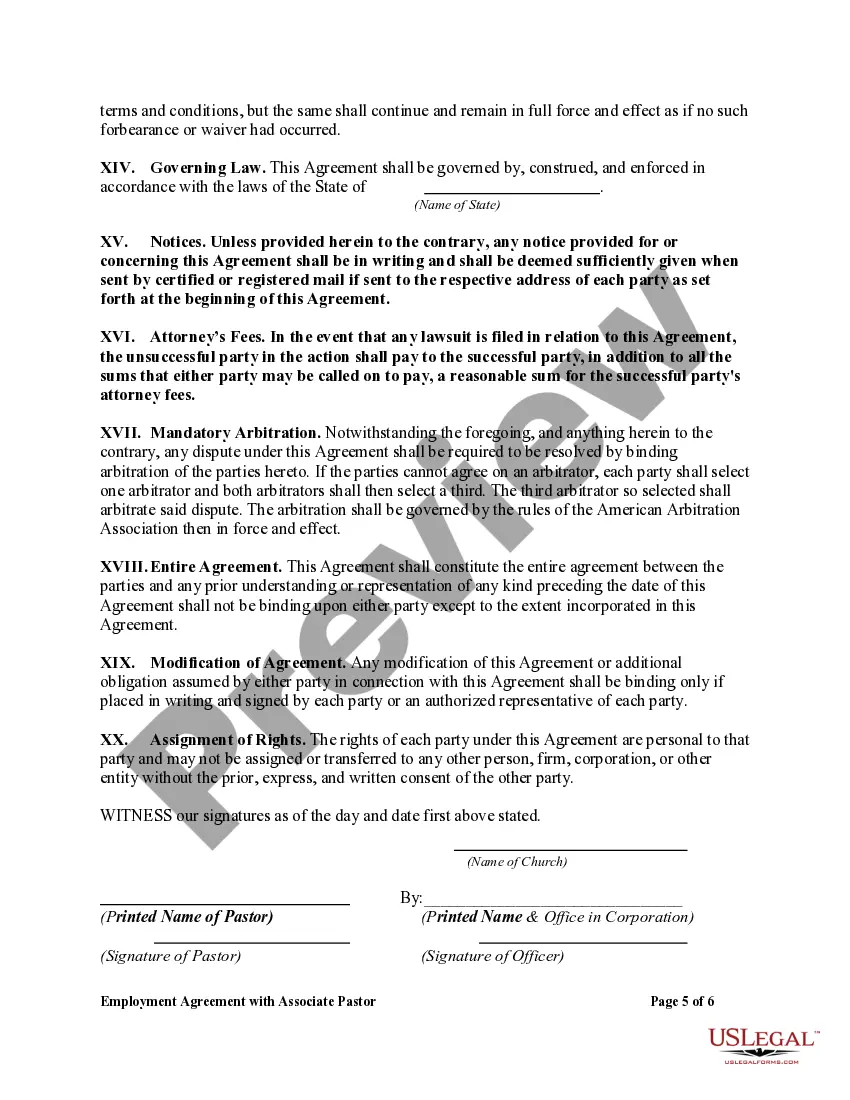
How to fill out Employment Agreement With Associate Pastor?
Individuals frequently link legal documentation with something intricate that solely an expert can handle.
In a certain respect, this is accurate, as formulating the Pastor Form Contract With Church necessitates significant understanding of subject matter specifications, such as state and local regulations.
However, with US Legal Forms, everything has become simpler: pre-made legal templates for any personal and business circumstance tailored to state laws are compiled in a single online directory and are now accessible to everyone.
All templates in our catalog are reusable: once bought, they remain saved in your account. You can access them anytime via the My documents tab. Discover all the benefits of using the US Legal Forms platform. Subscribe today!
- US Legal Forms offers over 85,000 current forms categorized by state and use case, so searching for the Pastor Form Contract With Church or any specific template only requires a few minutes.
- Previously registered users with an active subscription must Log In to their account and click Download to retrieve the form.
- New users of the service will need to create an account and subscribe before they can download any documents.
- Here’s a step-by-step guide on how to obtain the Pastor Form Contract With Church.
- Review the page carefully to ensure it aligns with your requirements.
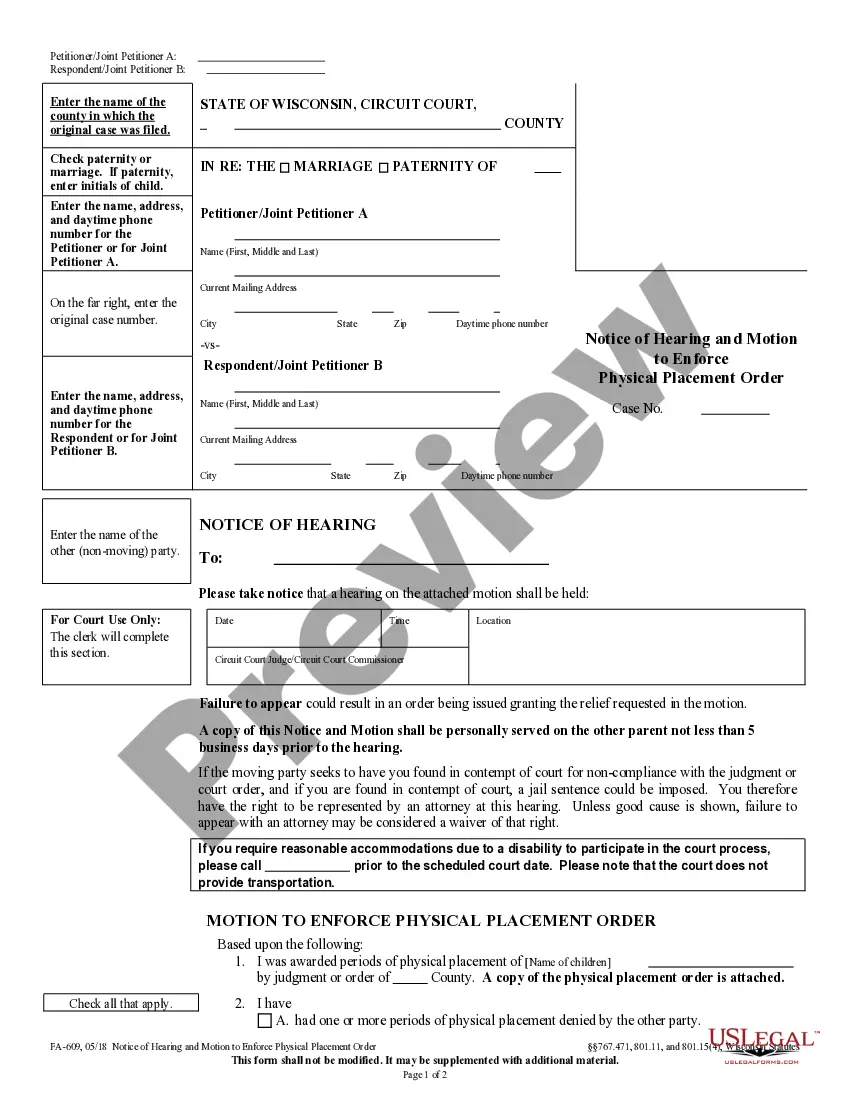
- Read the form description or check it via the Preview option.
- If the previous sample does not fit your needs, search for another one using the Search bar in the header.
- When you identify the appropriate Pastor Form Contract With Church, click Buy Now.
- Select a pricing plan that suits your preferences and financial situation.
- Log In or create an account to proceed to the payment section.
- Complete the payment for your subscription using PayPal or a credit card.
- Choose the format for your document and click Download.
Form popularity
FAQ
Thus, for pastoral compensation, a church needs to consider not just salary but also adequate benefits for a pastor to support his family. The OPC's Committee on Ministerial Care has provided an online tool to help churches and sessions as they consider pastoral compensation.
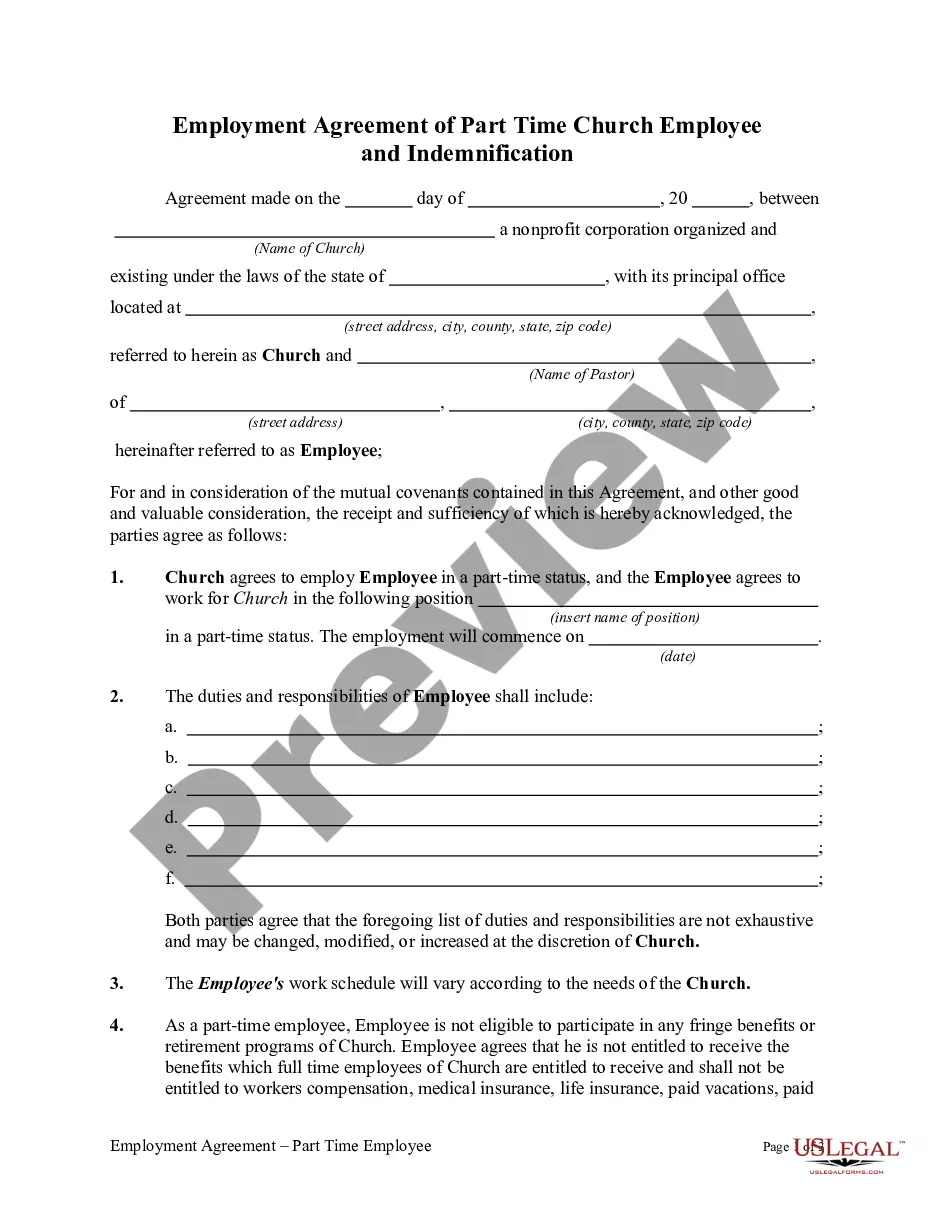
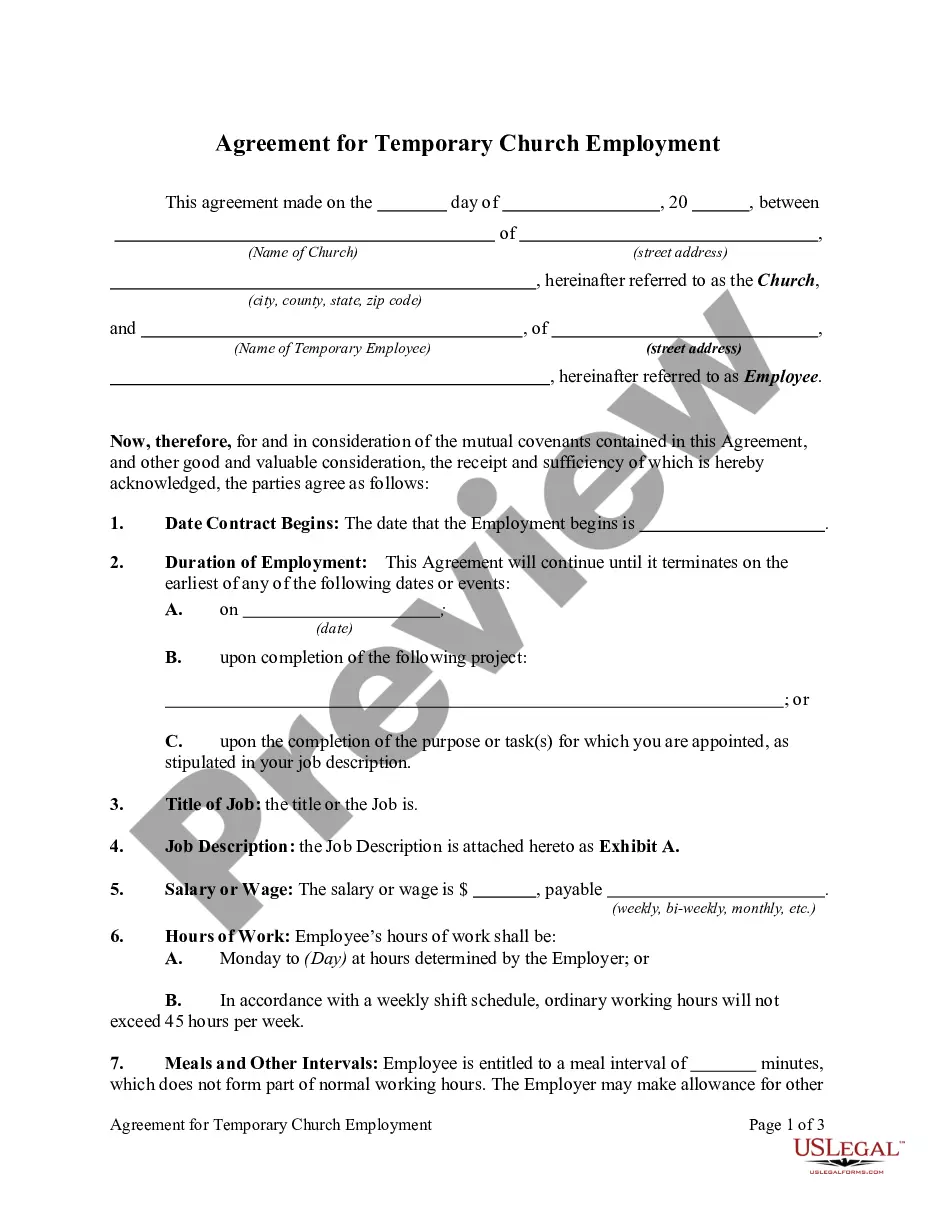
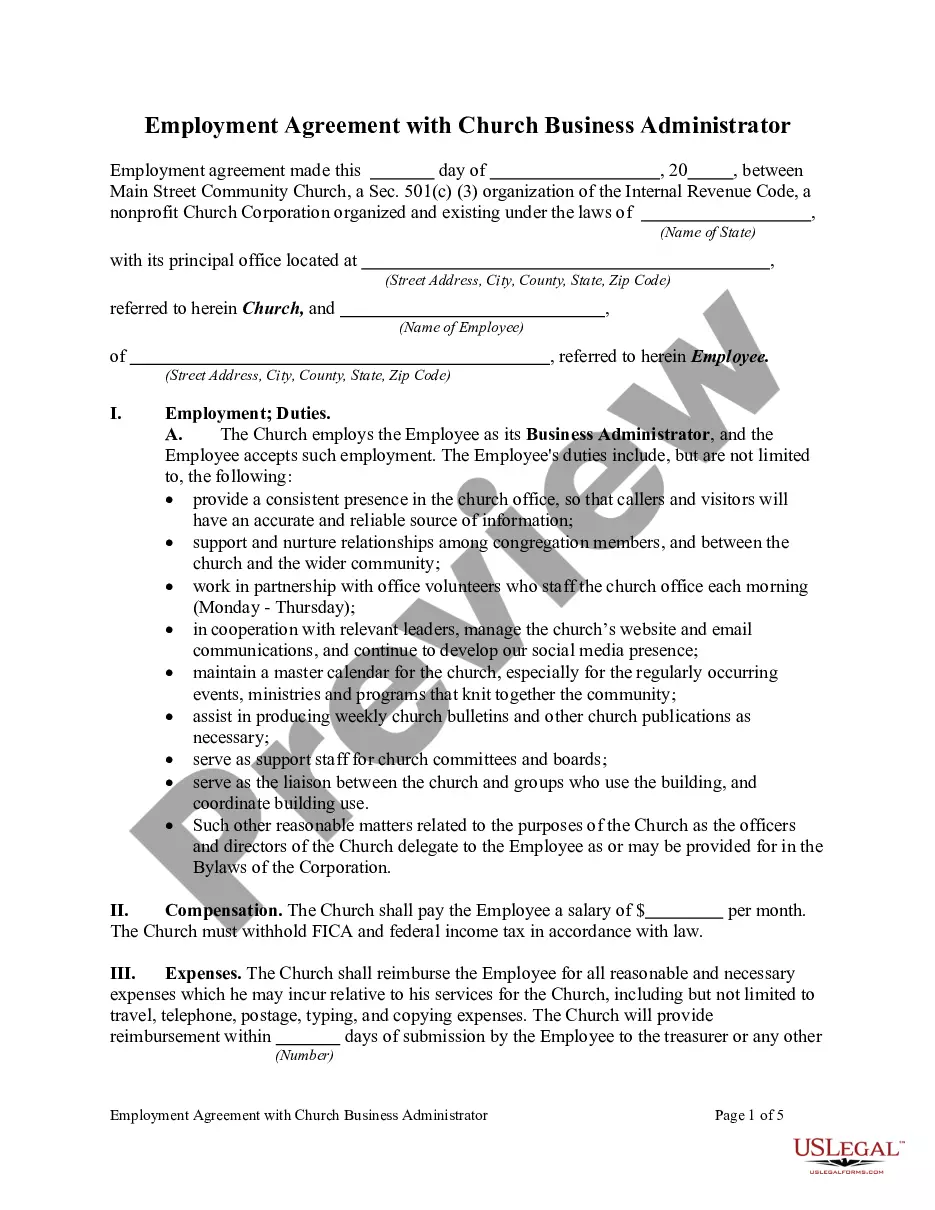
For many churches the pastor's employment agreement creates significant financial and legal obligations. Given their importance, such contracts should be negotiated with the help of an attorney who is retained to protect the interests of the church as an institution.
1 To determine usual requirements. Review contracts for other pastors in your denomination to determine usual requirements.2 Specify basic employment elements : start date.3 Delineate the church-specific goals and responsibilities.4 Identify additional items.5 Review the contract.
Pastor Salary According to Contract Most churches pay a pastor salary that is established by contract. The amount of salary varies based on the size of the church and the congregation. Mega-churches have congregations in excess of 5,000 members.
For many churches the pastor's employment agreement creates significant financial and legal obligations. Given their importance, such contracts should be negotiated with the help of an attorney who is retained to protect the interests of the church as an institution.
