Non Denominal Church
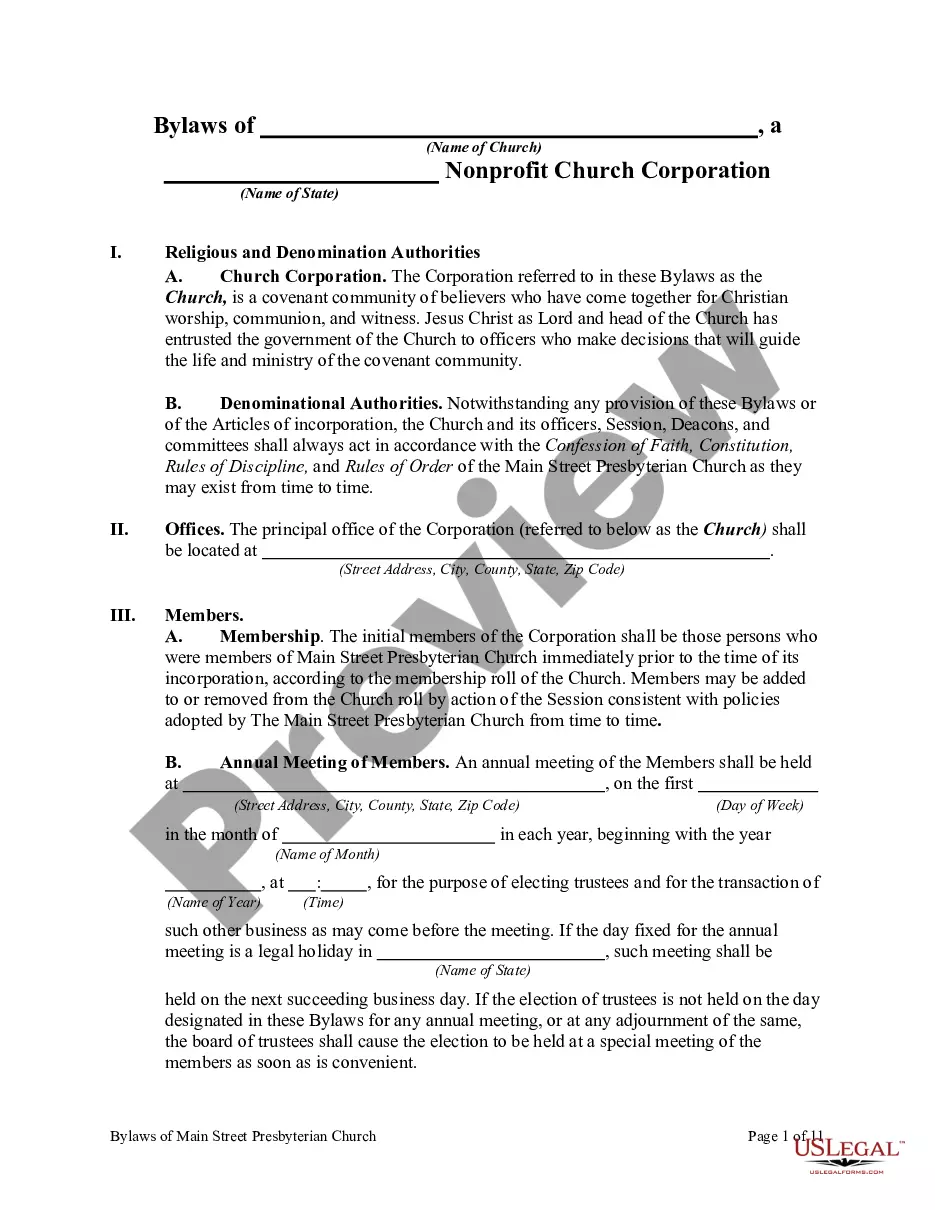
Description
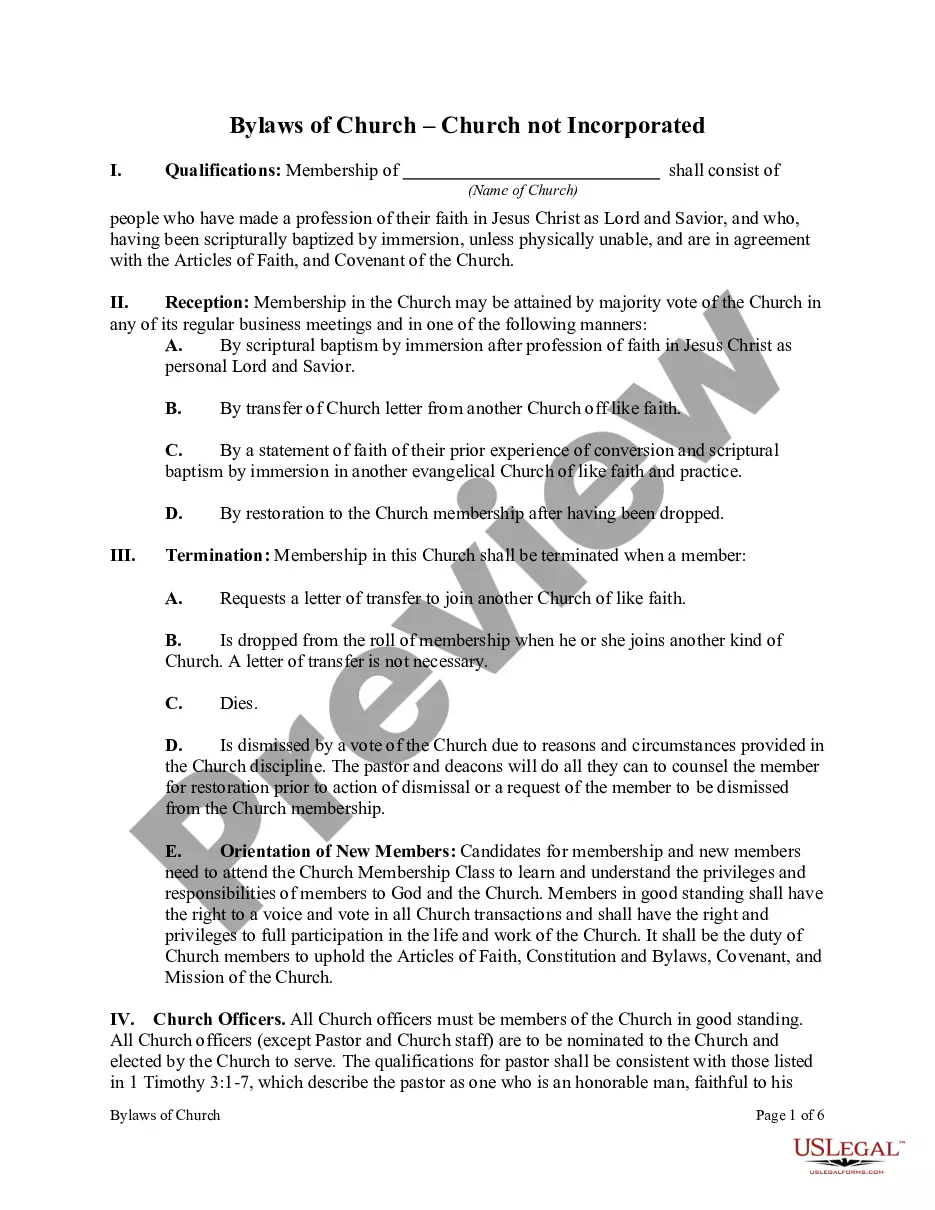
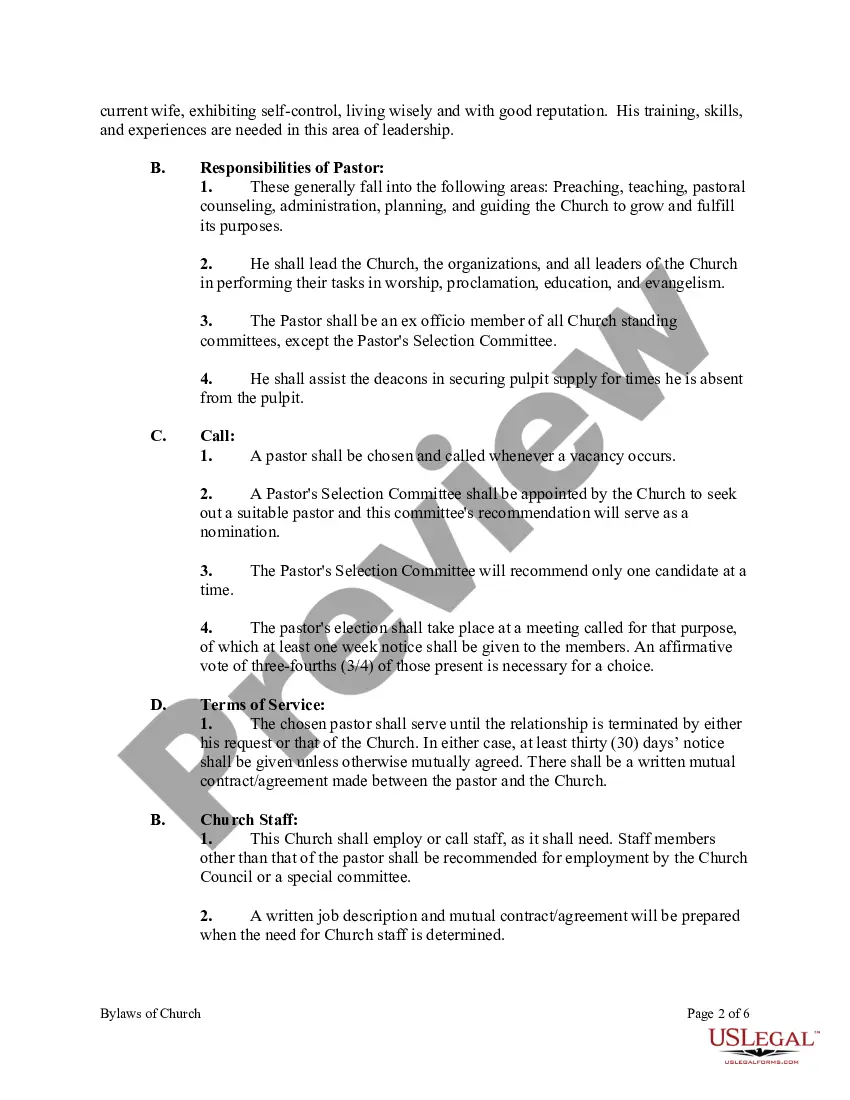
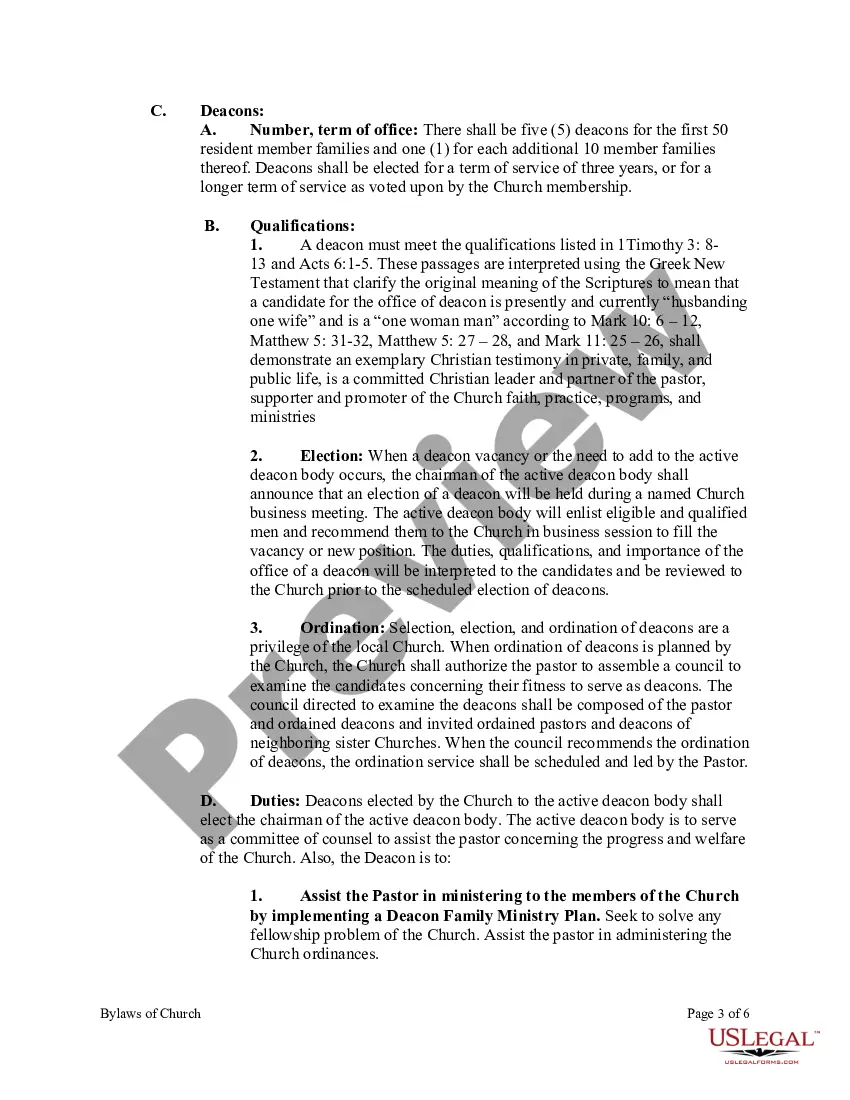
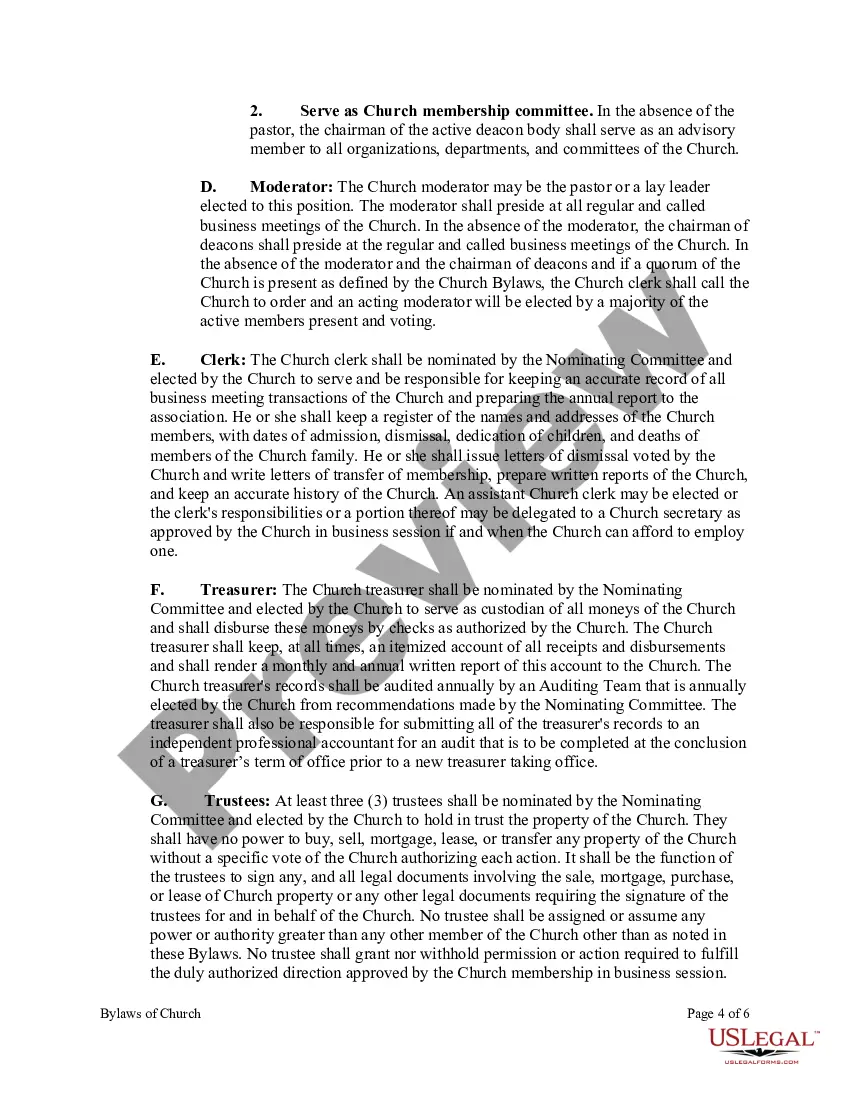
Get your form ready online
Our built-in tools help you complete, sign, share, and store your documents in one place.
Make edits, fill in missing information, and update formatting in US Legal Forms—just like you would in MS Word.
Download a copy, print it, send it by email, or mail it via USPS—whatever works best for your next step.
Sign and collect signatures with our SignNow integration. Send to multiple recipients, set reminders, and more. Go Premium to unlock E-Sign.
If this form requires notarization, complete it online through a secure video call—no need to meet a notary in person or wait for an appointment.
We protect your documents and personal data by following strict security and privacy standards.

Make edits, fill in missing information, and update formatting in US Legal Forms—just like you would in MS Word.

Download a copy, print it, send it by email, or mail it via USPS—whatever works best for your next step.

Sign and collect signatures with our SignNow integration. Send to multiple recipients, set reminders, and more. Go Premium to unlock E-Sign.

If this form requires notarization, complete it online through a secure video call—no need to meet a notary in person or wait for an appointment.

We protect your documents and personal data by following strict security and privacy standards.
Looking for another form?



How to fill out Bylaws Of Church - Church Not Incorporated?
- Log in to your account if you're a returning user. Ensure your subscription is active to access and download your chosen template.
- For first-time users, check the Preview mode to review the form description and confirm that it meets your needs and local jurisdiction requirements.
- If you can't find the correct document, use the Search tab to discover other templates available in our extensive library.
- Select your desired form and click the Buy Now button to choose your preferred subscription plan. Ensure you create an account to gain full access.
- Complete your purchase by providing payment details via credit card or PayPal.
- Download the legal document to your device. You can revisit and edit this form anytime through the My Forms section of your profile.
By following these straightforward steps, you can efficiently access and download legal documents tailored for your non denominal church needs.
Start your journey with US Legal Forms today and ensure your legal documentation is precise and lawful!
Form popularity
FAQ
To start a non-denominational church, begin by establishing a clear mission and vision that resonates with your intended congregation. Gather a core group of supportive individuals who share your beliefs and values. Additionally, consider creating a website and social media presence to reach a broader audience and build community. You can utilize resources from US Legal Forms to help navigate the legal requirements and ensure your new non-denominational church complies with all regulations.
Yes, anyone can start their own church, including a non-denominational church. The process typically involves defining your vision, gathering a community, and creating a supportive environment for worship. While there are legal requirements, such as registering as a nonprofit organization, the overall focus should be on fostering a welcoming space for spiritual growth. Platforms like US Legal Forms can assist you with the necessary documentation to streamline the process.
denominational church refers to a Christian church that does not align itself with any specific denomination. These churches usually focus on the core tenets of Christianity, encouraging personal faith and community involvement. Many people are drawn to nondenominational churches because they offer a welcoming environment and prioritize personal relationships with God over formal traditions. This approach allows for a diverse congregation with varying beliefs while maintaining a shared foundation in faith.
The Bible does not specifically mention non-denominational churches, but it emphasizes the importance of unity among believers. Scriptures encourage Christians to come together in faith, regardless of denominational boundaries. Non denominal churches strive to embody this principle, focusing on the love and teachings of Jesus Christ as a foundation for community life. Resources like US Legal Forms can help you navigate any legal considerations when establishing or joining such a church.
The term 'non denominal religions' typically refers to faiths that operate independently of established denominations. This includes many Christian groups that prioritize spiritual freedom and personal interpretation of scripture. Additionally, some individuals align with more universal principles that transcend traditional religious boundaries. Engaging with a non denominal church can provide an opportunity to explore these beliefs in a supportive environment.
Non-denominational religions often center around the teachings of Christianity but do not align with traditional denominational structures. These faith communities emphasize personal faith and direct relationships with God, often valuing scripture above doctrinal differences. Some non-denominational religions also explore spiritual values shared across various traditions without strict adherence to a particular set of beliefs, embodying inclusivity and diversity.
denominational church is not affiliated with any specific religious denomination. It embraces a belief in Jesus Christ while allowing for a variety of beliefs and practices. People often find nondenominational churches welcoming, as they focus on the core teachings of Christianity without the constraints of a formal denomination. This flexibility can make a non denominal church an appealing choice for those seeking a community that fosters spiritual growth.
You do not need 501c3 status to start a church. Many non denominal churches begin without this designation and focus on building their community and outreach first. However, applying for 501c3 status later can help establish credibility and facilitate donations. Understanding your goals will help you determine the best path for your church's formation.
Filing church tithes as a donor involves reporting your contributions on your personal tax return. You should keep detailed records of your donations, especially if your non denominal church provides you with a donation receipt. These donations can be claimed as deductions, reducing your taxable income. It's always wise to consult a tax professional to ensure all filing requirements are met.
To report a non denominal church to the IRS, you can use Form 13909, which is a Tax-Exempt Organization Complaint (Referral) Form. This process helps ensure that the church complies with relevant tax laws. Providing as much detail as possible about your concerns will assist the IRS in addressing the issue. Remember that this step should only be taken if there are significant violations of tax regulations.