Church Samples
Description
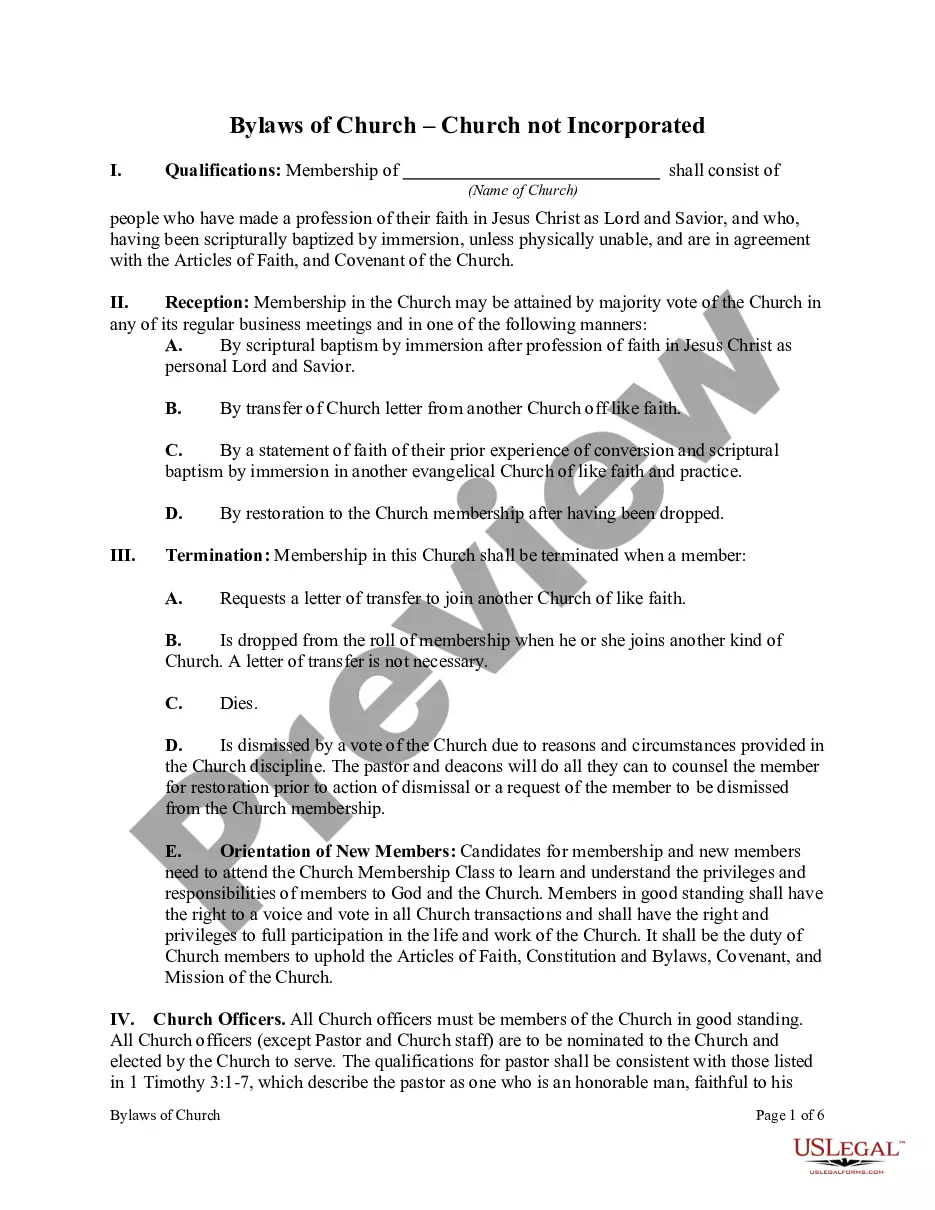
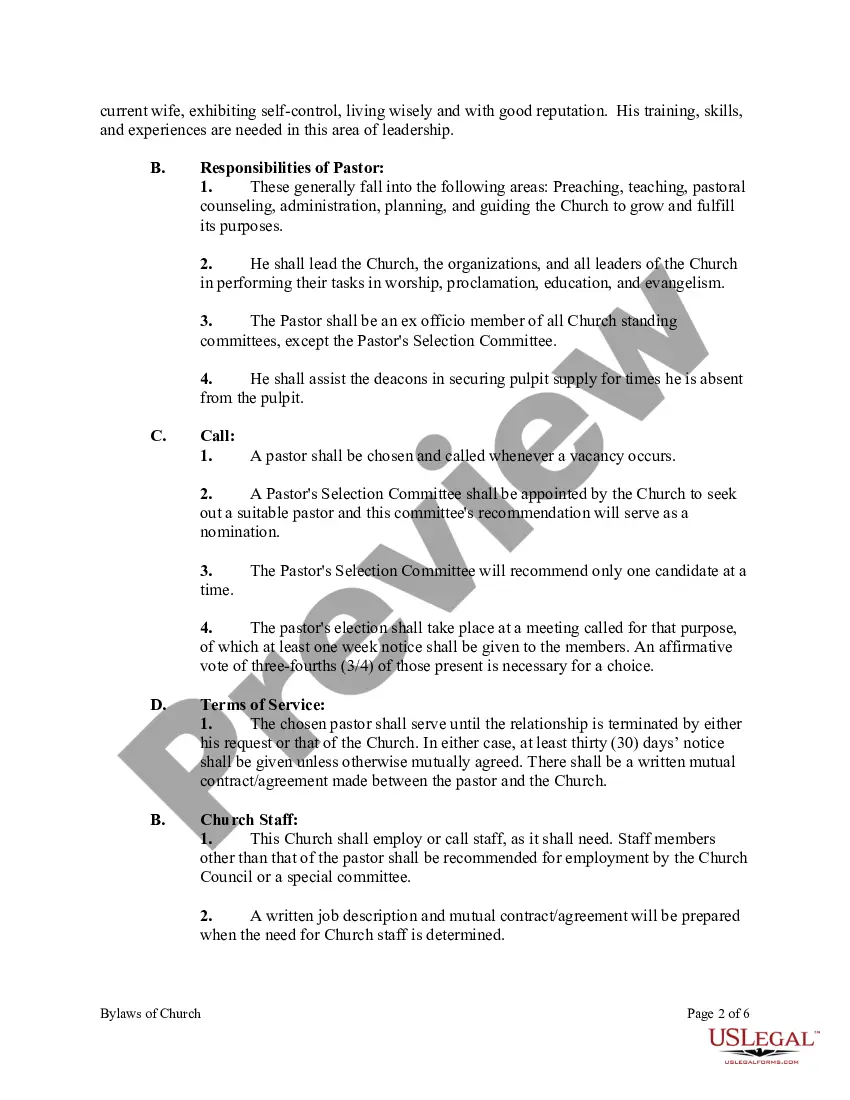
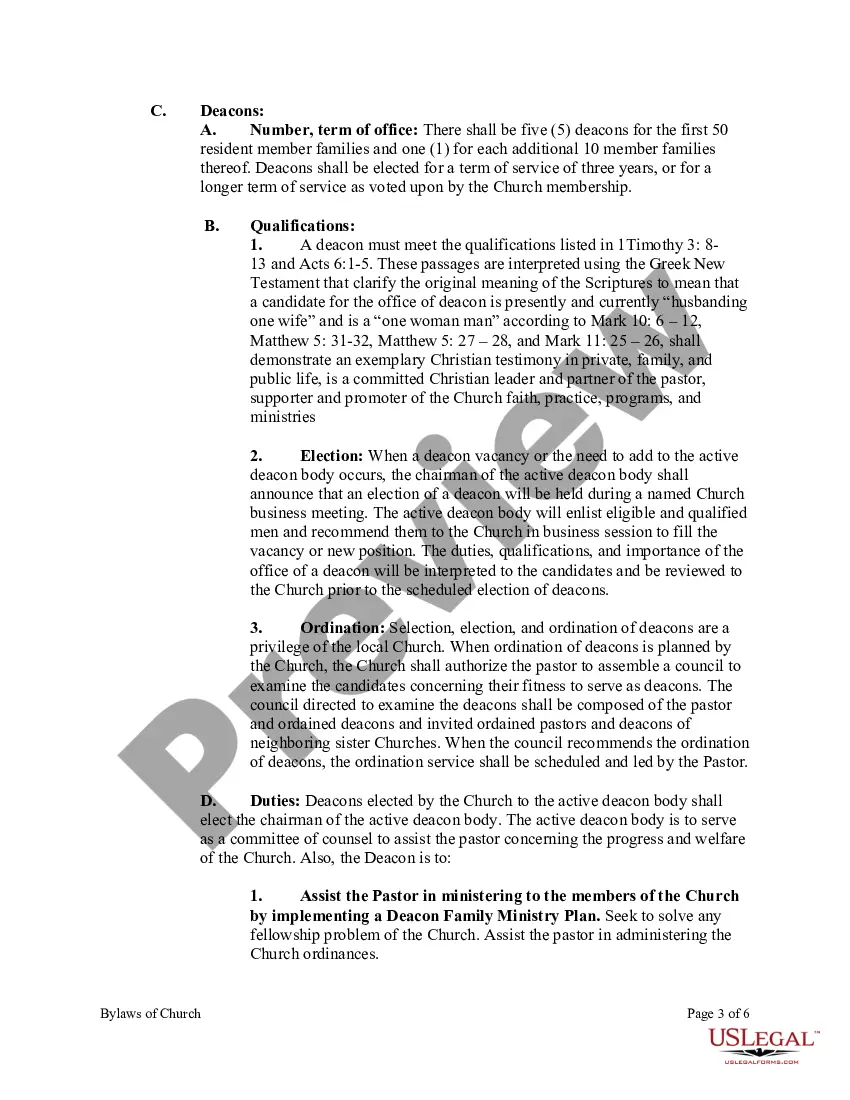
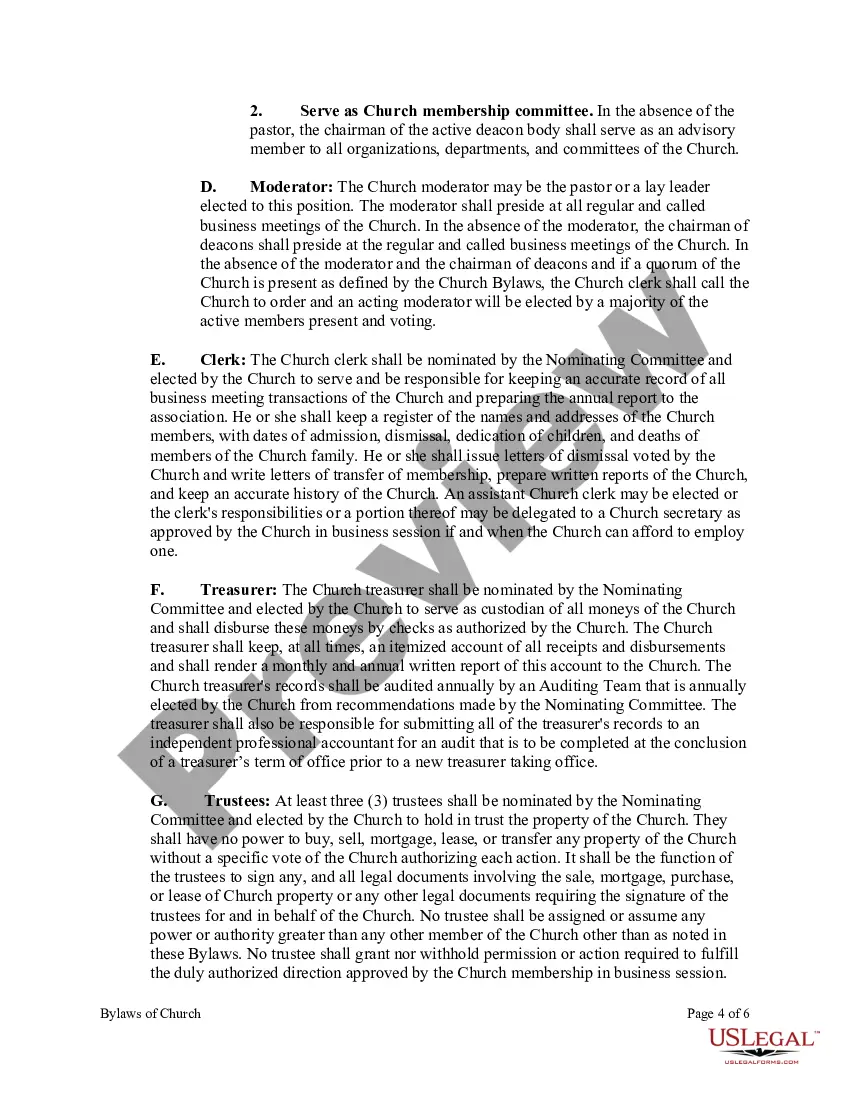
Get your form ready online
Our built-in tools help you complete, sign, share, and store your documents in one place.
Make edits, fill in missing information, and update formatting in US Legal Forms—just like you would in MS Word.
Download a copy, print it, send it by email, or mail it via USPS—whatever works best for your next step.
Sign and collect signatures with our SignNow integration. Send to multiple recipients, set reminders, and more. Go Premium to unlock E-Sign.
If this form requires notarization, complete it online through a secure video call—no need to meet a notary in person or wait for an appointment.
We protect your documents and personal data by following strict security and privacy standards.

Make edits, fill in missing information, and update formatting in US Legal Forms—just like you would in MS Word.

Download a copy, print it, send it by email, or mail it via USPS—whatever works best for your next step.

Sign and collect signatures with our SignNow integration. Send to multiple recipients, set reminders, and more. Go Premium to unlock E-Sign.

If this form requires notarization, complete it online through a secure video call—no need to meet a notary in person or wait for an appointment.

We protect your documents and personal data by following strict security and privacy standards.
Looking for another form?



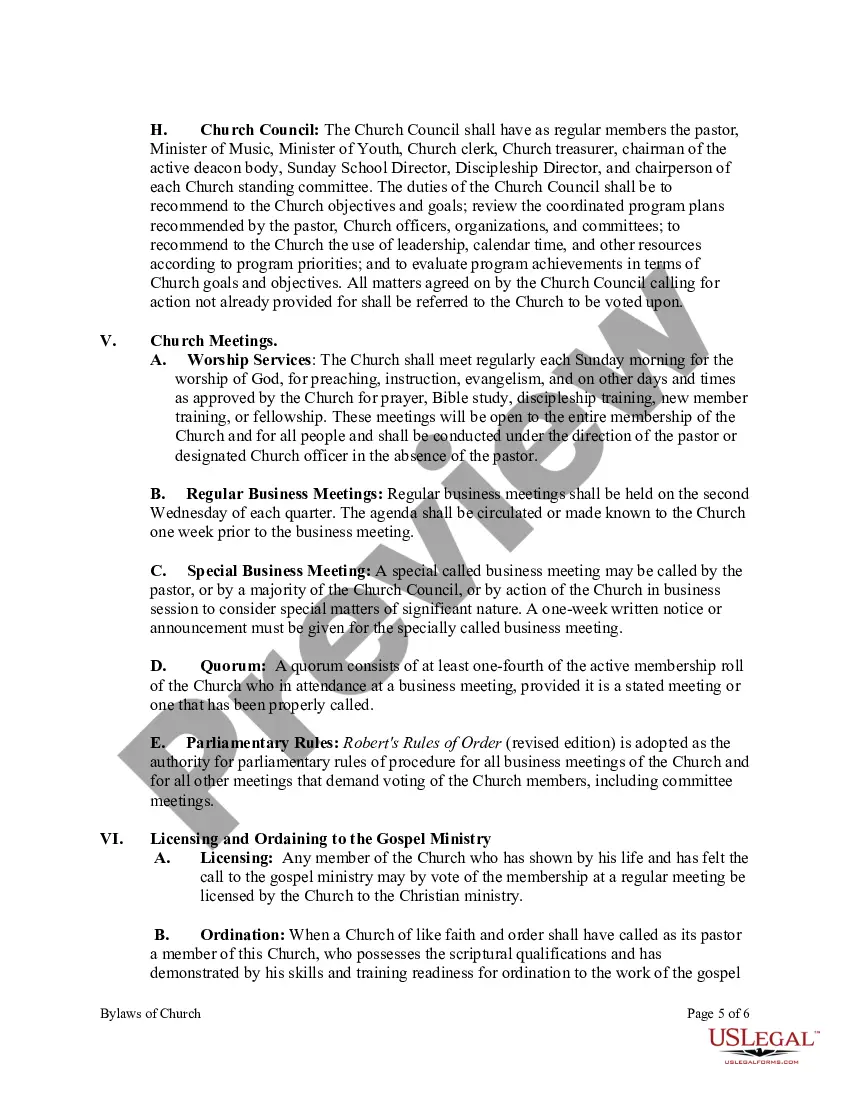
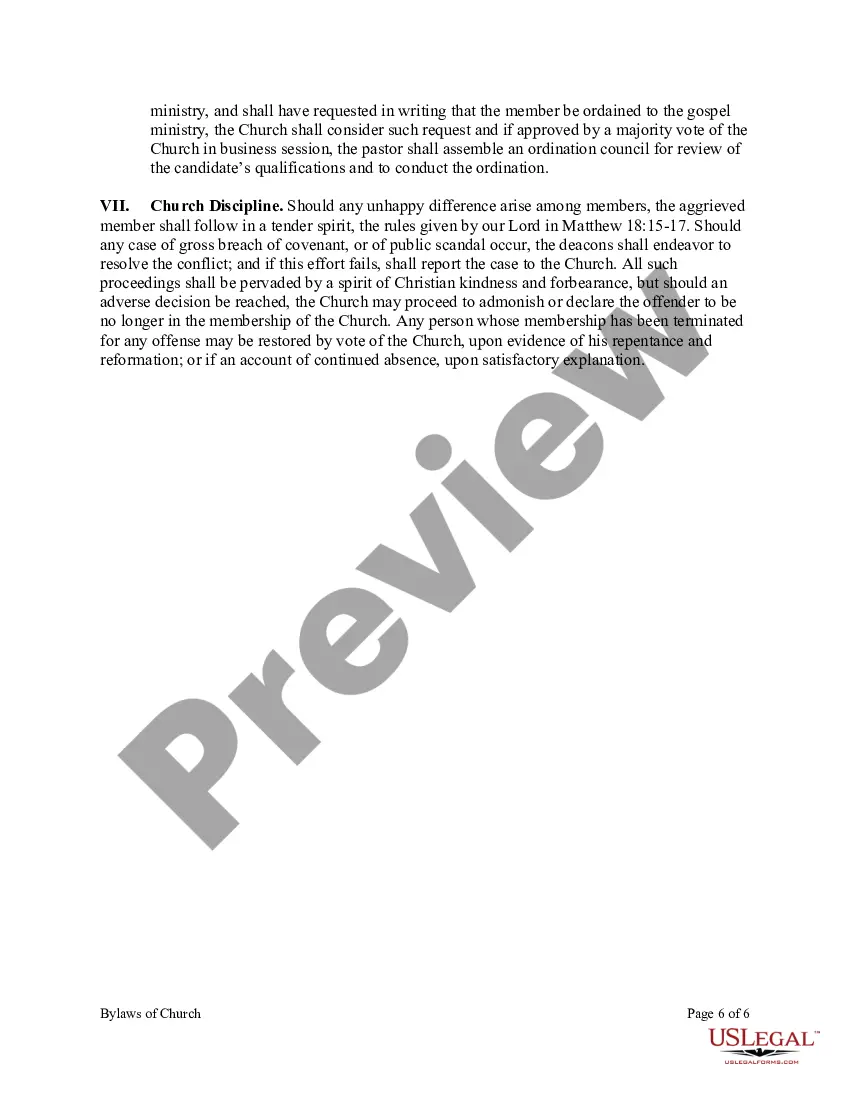
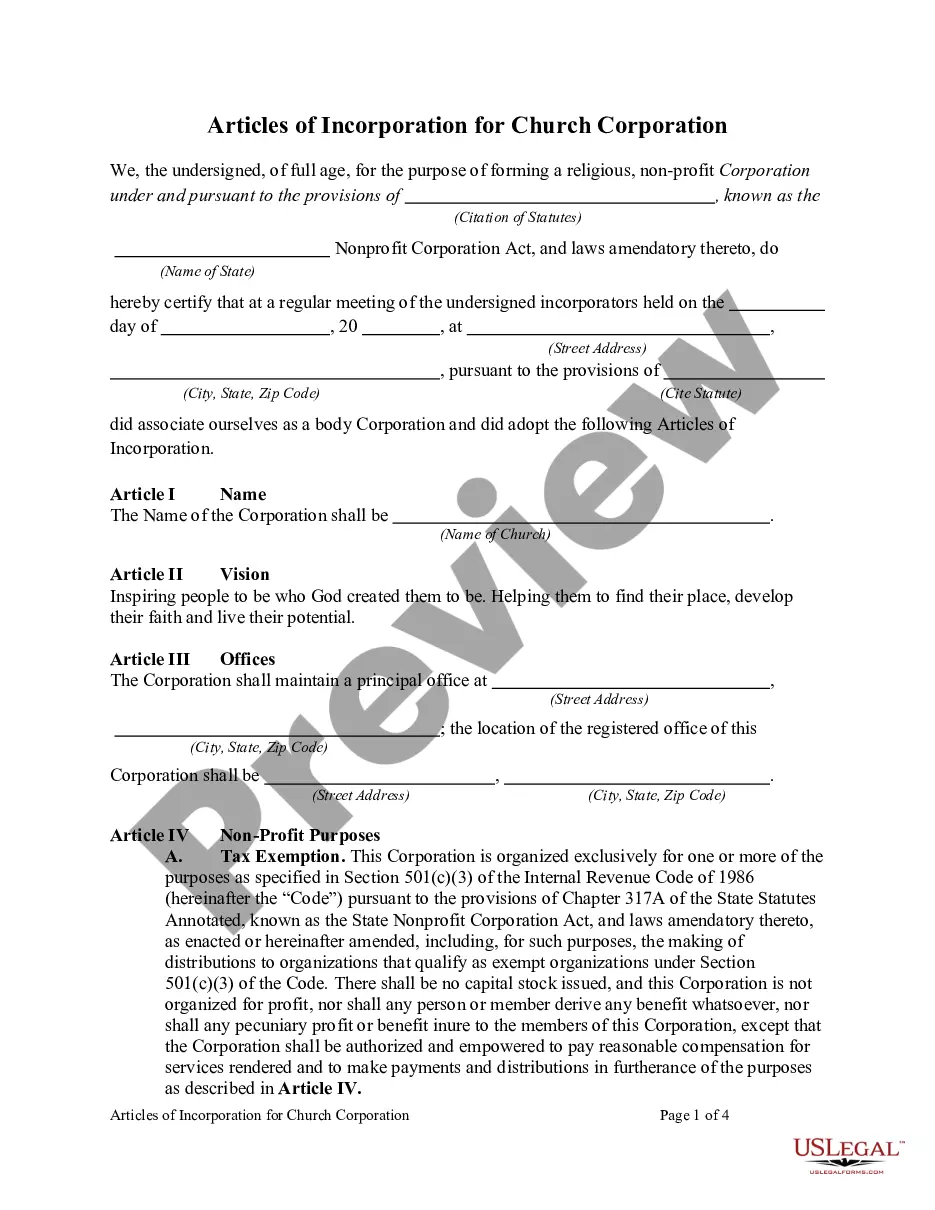
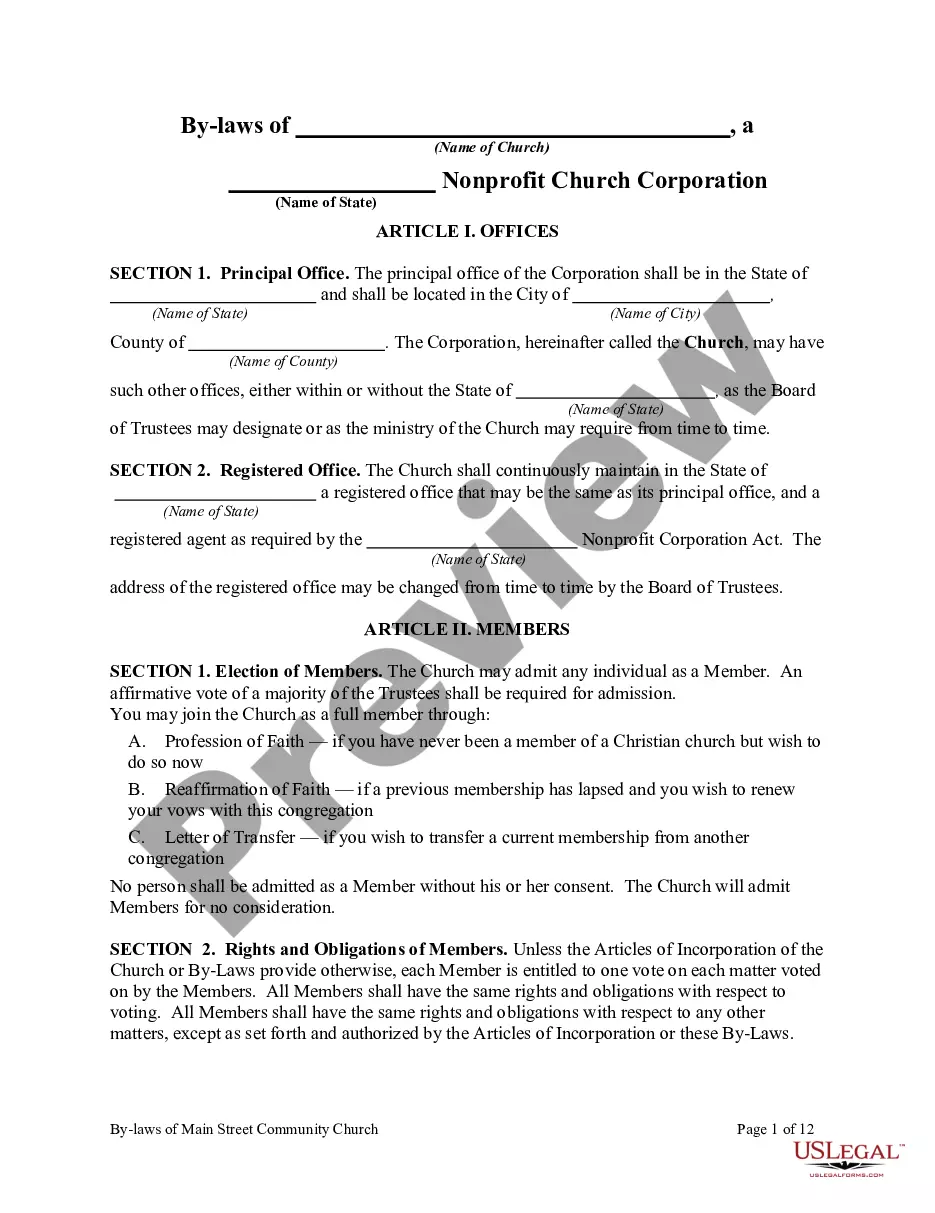
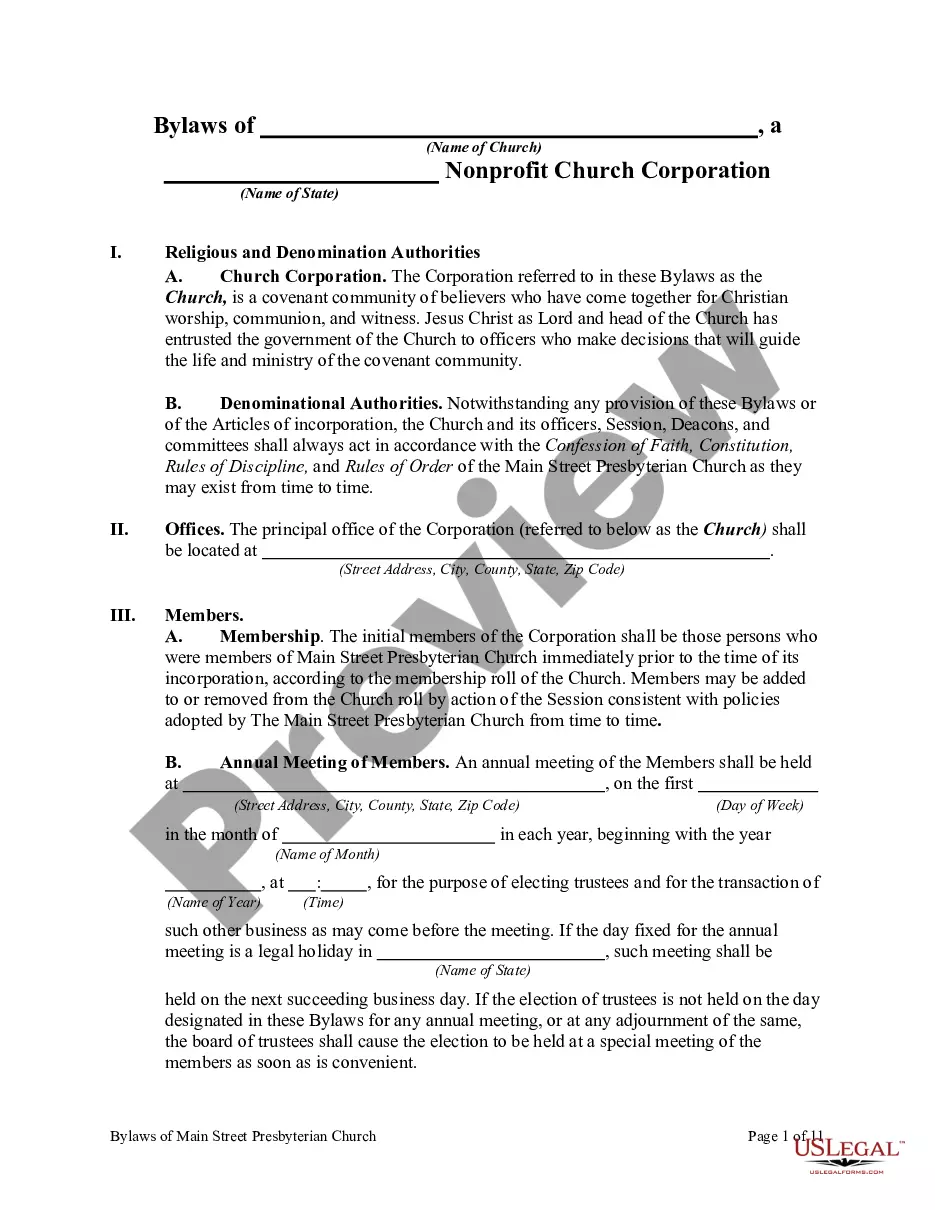
How to fill out Bylaws Of Church - Church Not Incorporated?
- Log in to your US Legal Forms account, or create a new one if it's your first time.
- Explore the Preview mode to ensure you're viewing the correct church sample that fits your local jurisdiction's requirements.
- If the sample doesn’t meet your needs, utilize the Search bar to find other relevant templates.
- Select the desired document and click the Buy Now button, picking a subscription plan suitable for your needs.
- Enter your payment information to complete your purchase.
- After your purchase, download the form and save it to your device. Access it anytime from the My Forms section of your account.
By following these steps, you will be able to efficiently obtain the legal documents necessary for your church or organization.
Start navigating the extensive library of US Legal Forms today and ensure your documents are perfect and legally sound. Visit US Legal Forms now!
Form popularity
FAQ
To increase donations to your church, start by engaging your congregation with clear communication about needs and goals. Create church samples that demonstrate how funds will be used, making the impact tangible to potential donors. Additionally, consider hosting events and providing multiple giving methods to accommodate various preferences, fostering a culture of generosity within your community.
The 80/20 rule in the church illustrates that a minority of members often drive most of the church’s growth and engagement. Recognizing this principle allows church leadership to strategize more effectively, focusing on empowering this key group. By using church samples, leaders can develop programs that resonate with both active and less active members, fostering a more inclusive community.
In churches, the 80/20 rule reflects the observation that about 20% of members typically contribute to 80% of the church's activities and resources. This pattern encourages church leaders to identify and engage these active members, ensuring their efforts are appreciated and supported. Church samples can serve as valuable tools in this effort, showcasing the contributions of these key individuals and inspiring others to get involved.
While the Bible does not explicitly state the 80/20 principle, many religious leaders interpret passages to show that a small portion of the faithful often supports the broader community. This can be seen in the stories of generosity and the disproportionate impact of individual contributions. By applying this concept, churches can create church samples that highlight how a few can make a substantial difference in their mission and outreach.
The 80/20 rule, or Pareto Principle, suggests that 80% of results come from 20% of efforts. For example, in a church setting, a small number of members may contribute the most significant portion of donations or volunteer hours. Understanding this can help church leaders focus on nurturing relationships with key contributors. By utilizing church samples, you can identify and engage these vital members effectively.
A spiritual report captures the spiritual progress and activities of your church community. Begin with personal testimonials, spiritual growth initiatives, and ministry impacts, presenting them in a structured format. Using church samples can help you identify themes and areas to focus on, making your report relatable and inspirational to church members.
Writing a church report involves gathering information about church activities, attendance, and community impact over a specific period. Organize your report with clear sections, including an introduction and conclusion, that highlight key outcomes. Explore church samples to guide your structure, and make sure your tone reflects your church's values.
To write a simple church financial report, start with a summary of income and expenses, detailing where funds came from and how they were spent. Use clear headers and categories to break down information, making it easy to understand. Review church samples for formatting ideas, ensuring your report remains transparent and professional.
An example of a church announcement could be a call for volunteers for an upcoming community service event. This announcement should convey the who, what, when, and where, and aim to engage the congregation to participate. You can craft similar announcements using various church samples to ensure clarity and effectiveness in communication.
A good report requires clear organization and a focus on factual information. Begin by defining the report's purpose, then gather relevant data to support your points. Make use of headings and bullet points to enhance readability, and refer to church samples to see effective formats that resonate with your audience.