Assembly Of God Bylaws On Divorce
Description
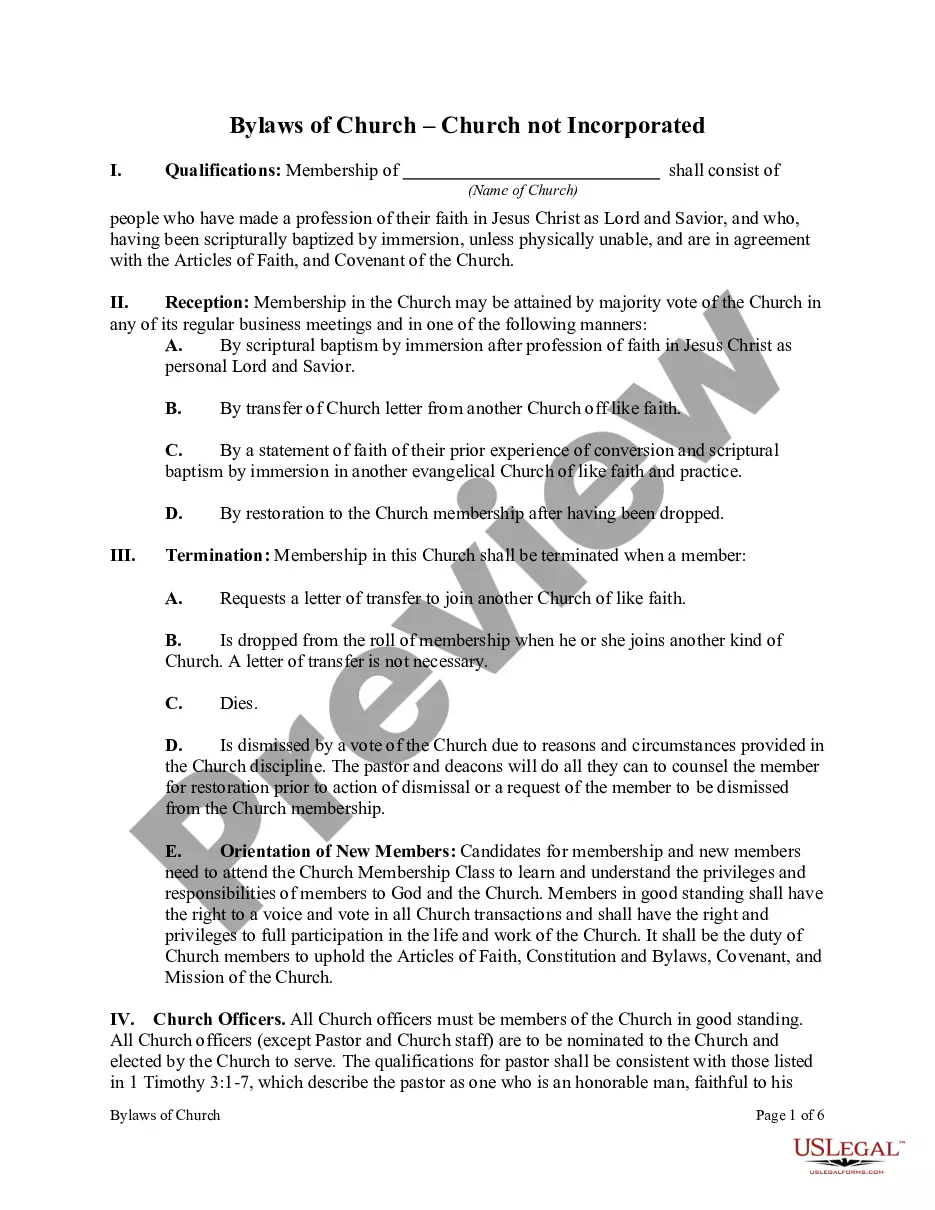
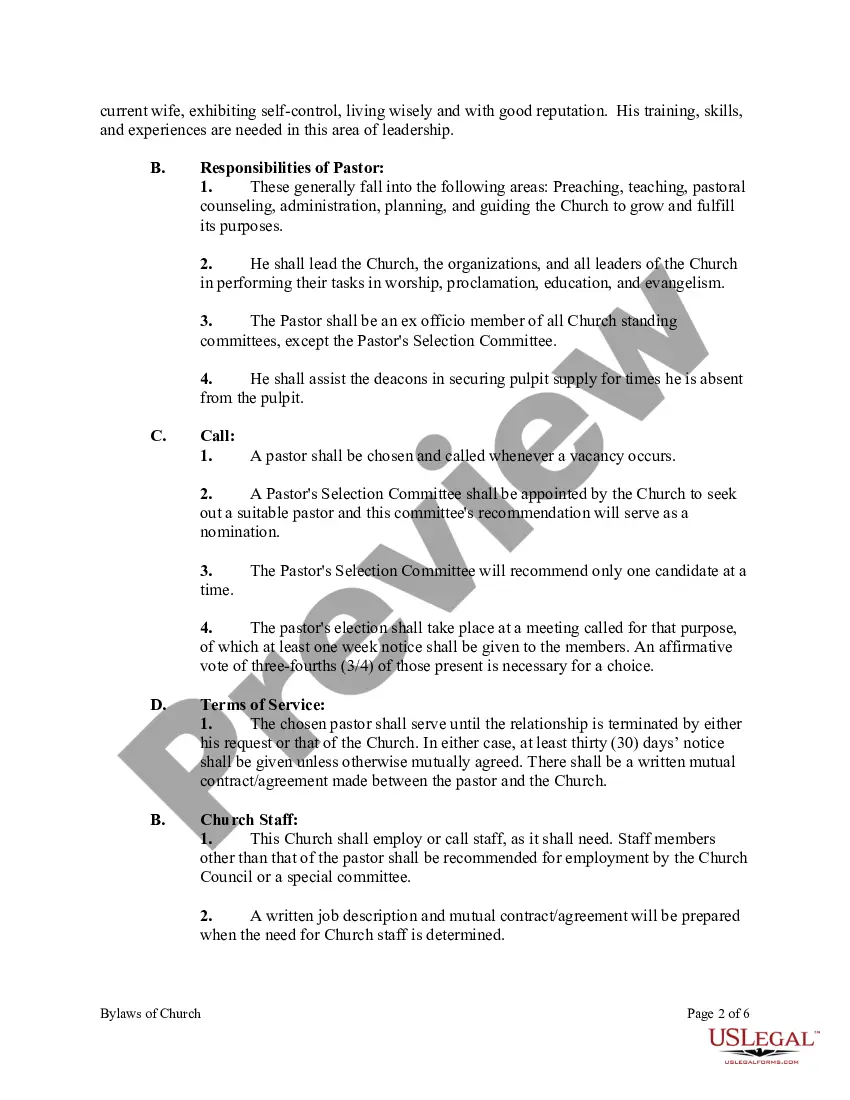
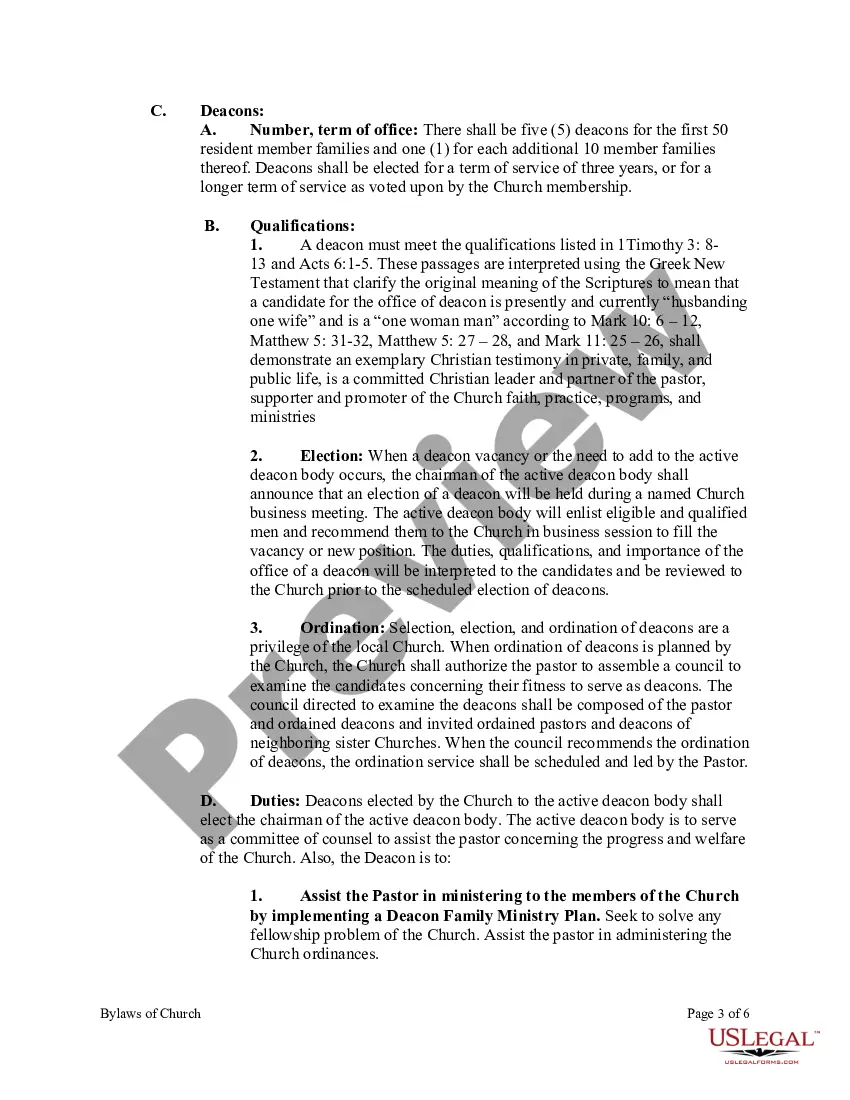
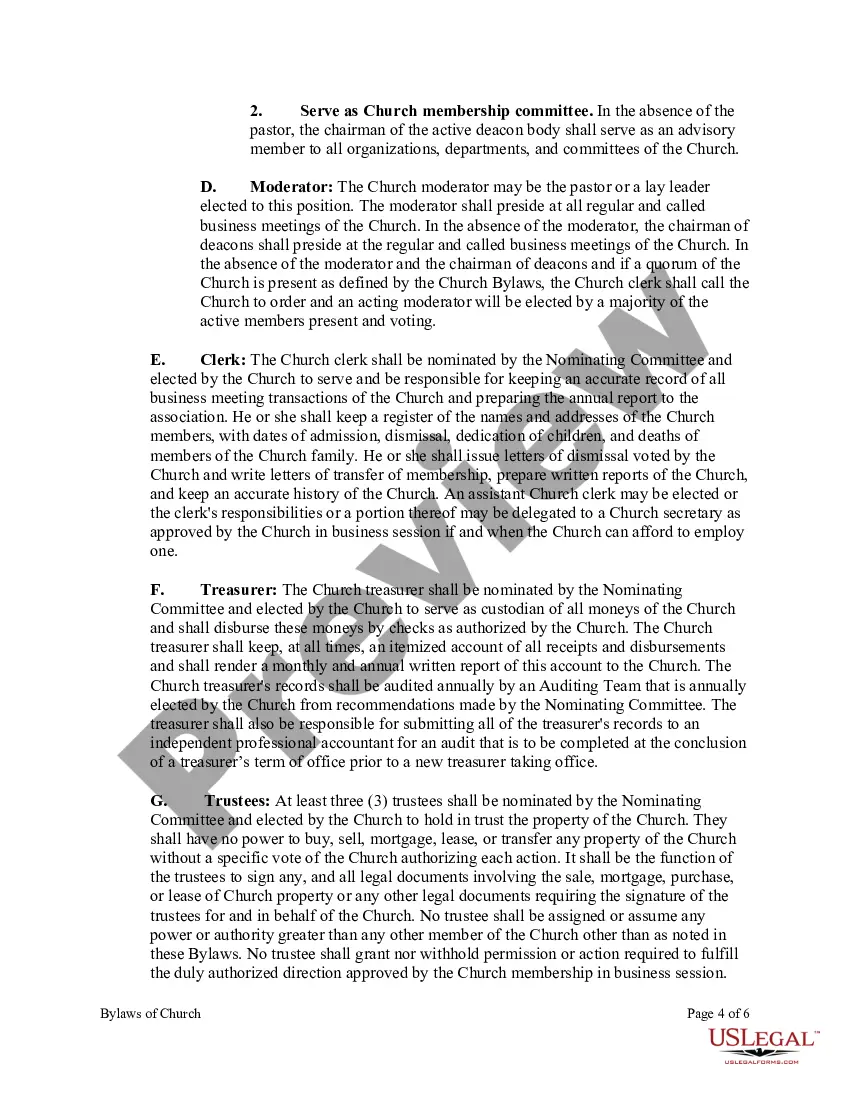
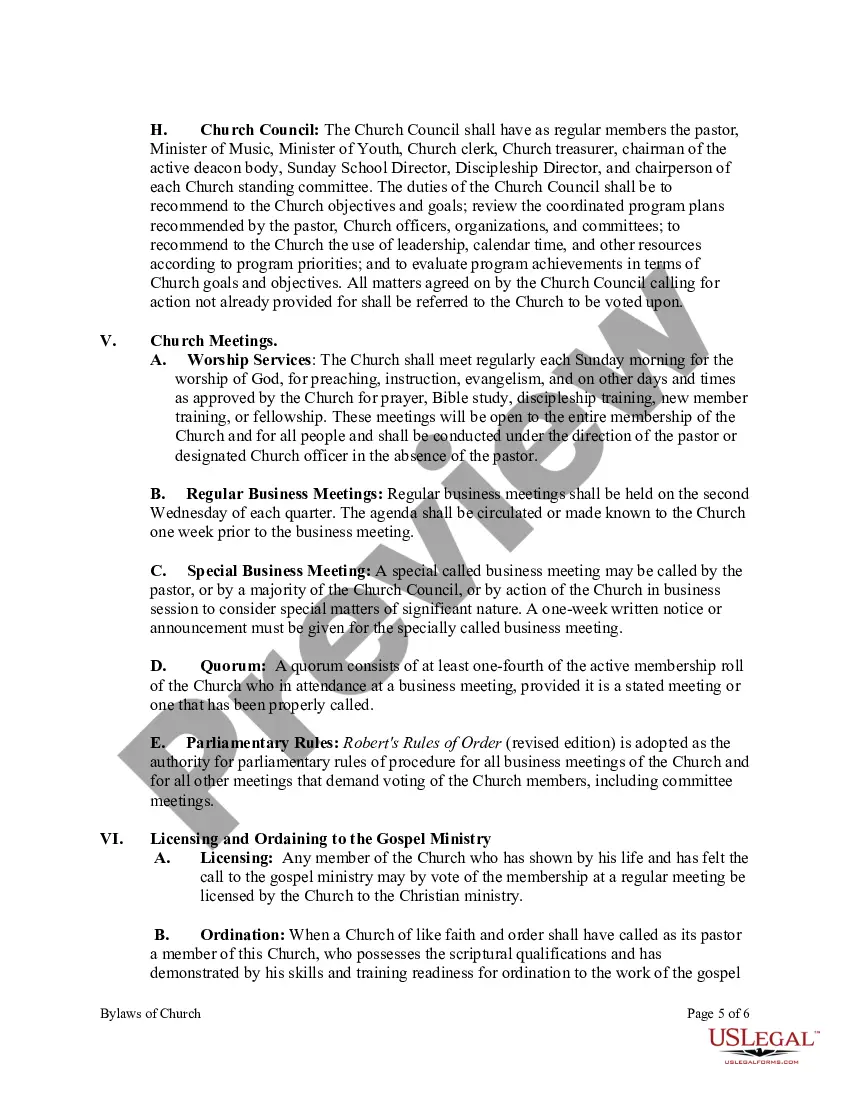
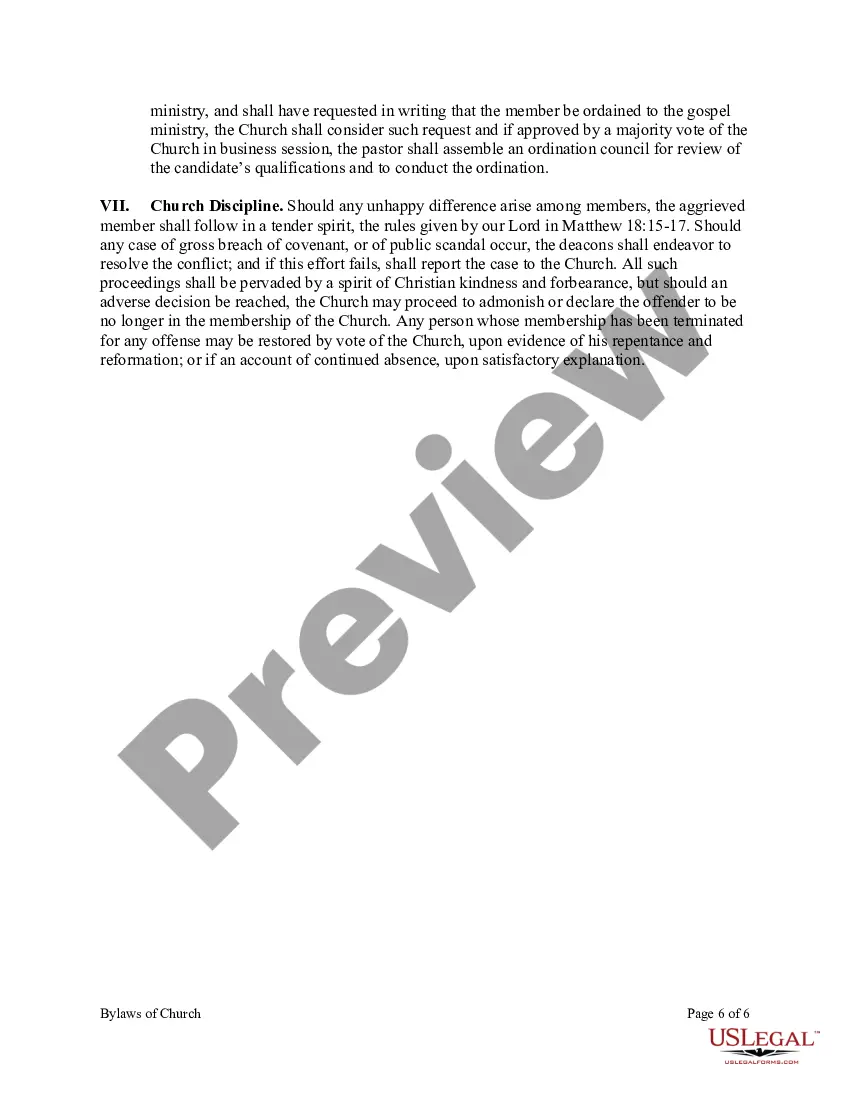
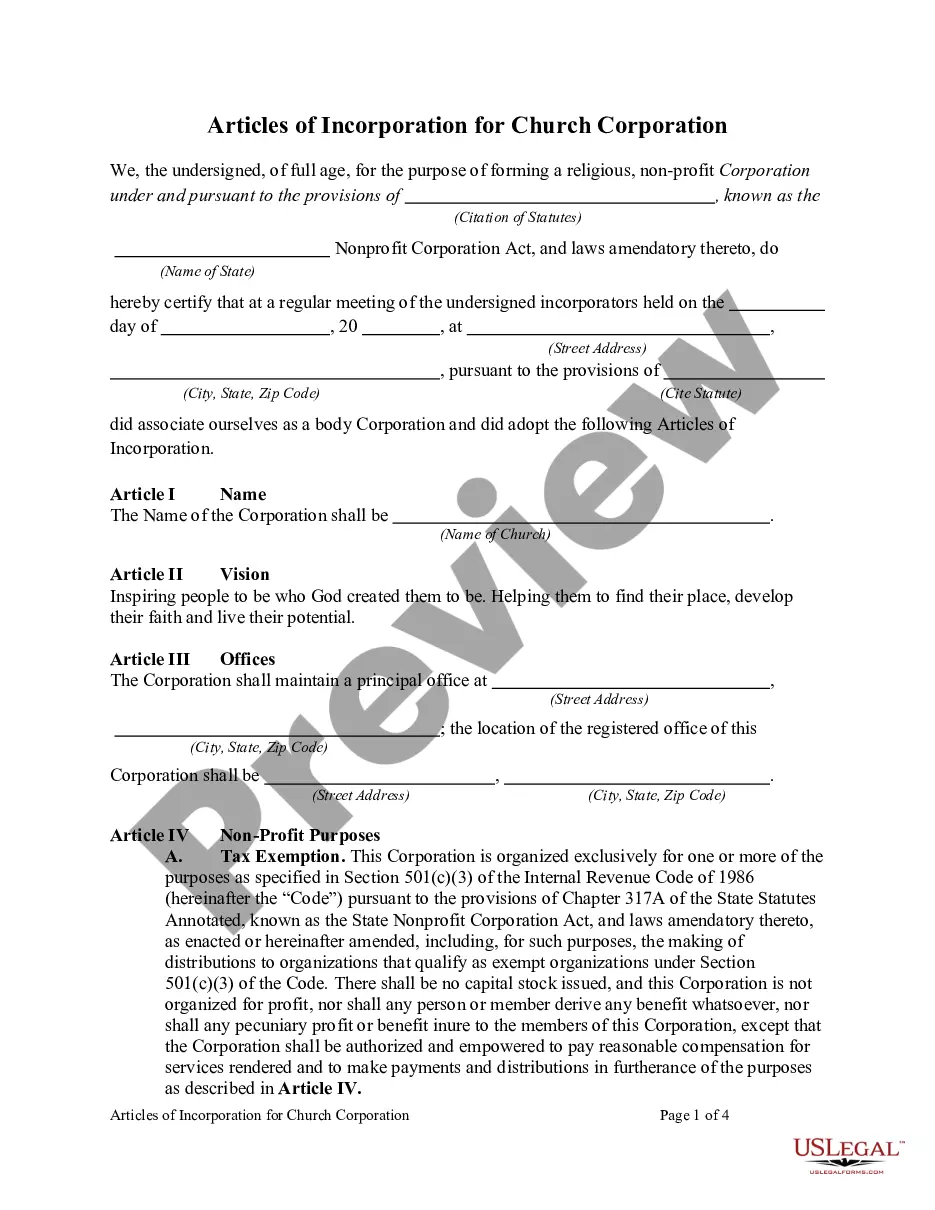
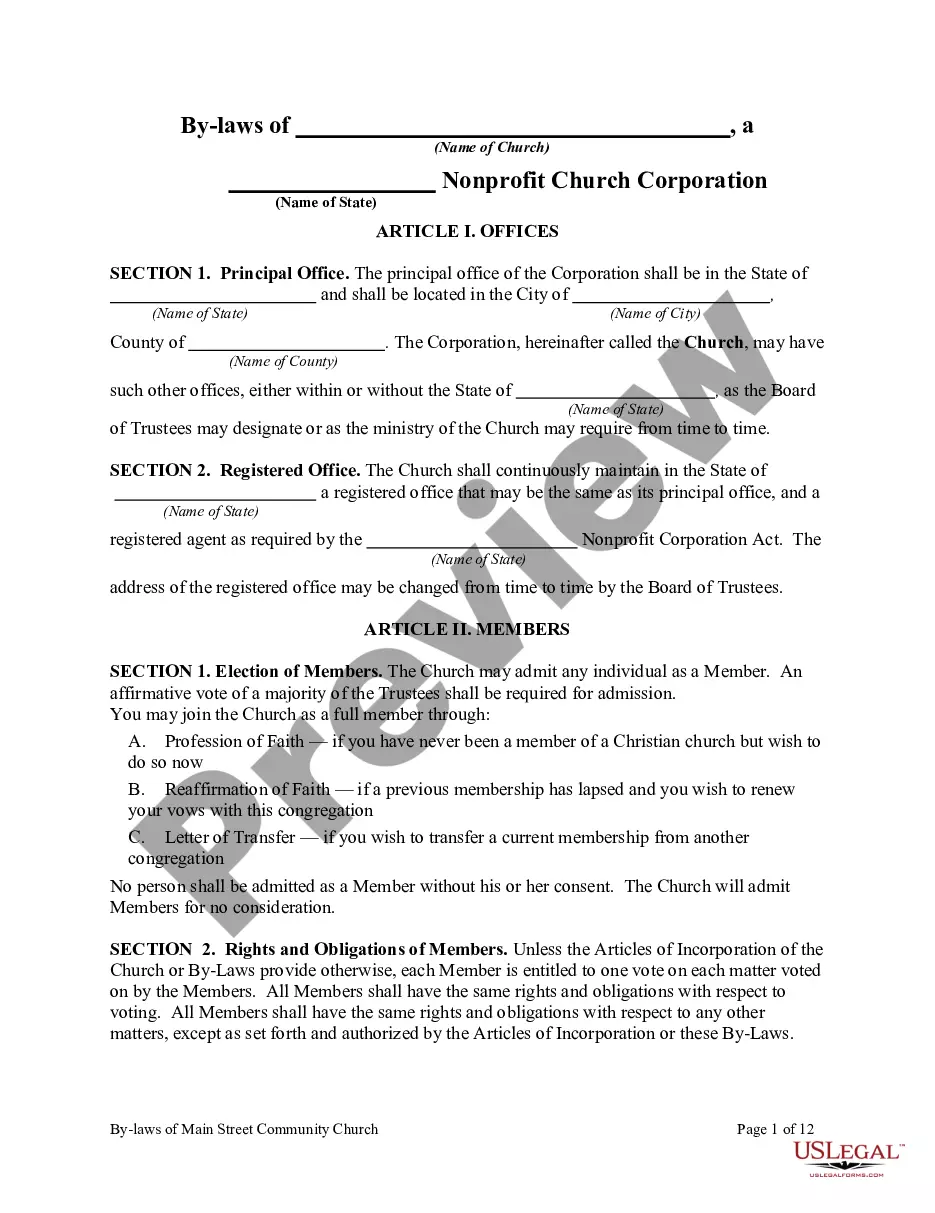
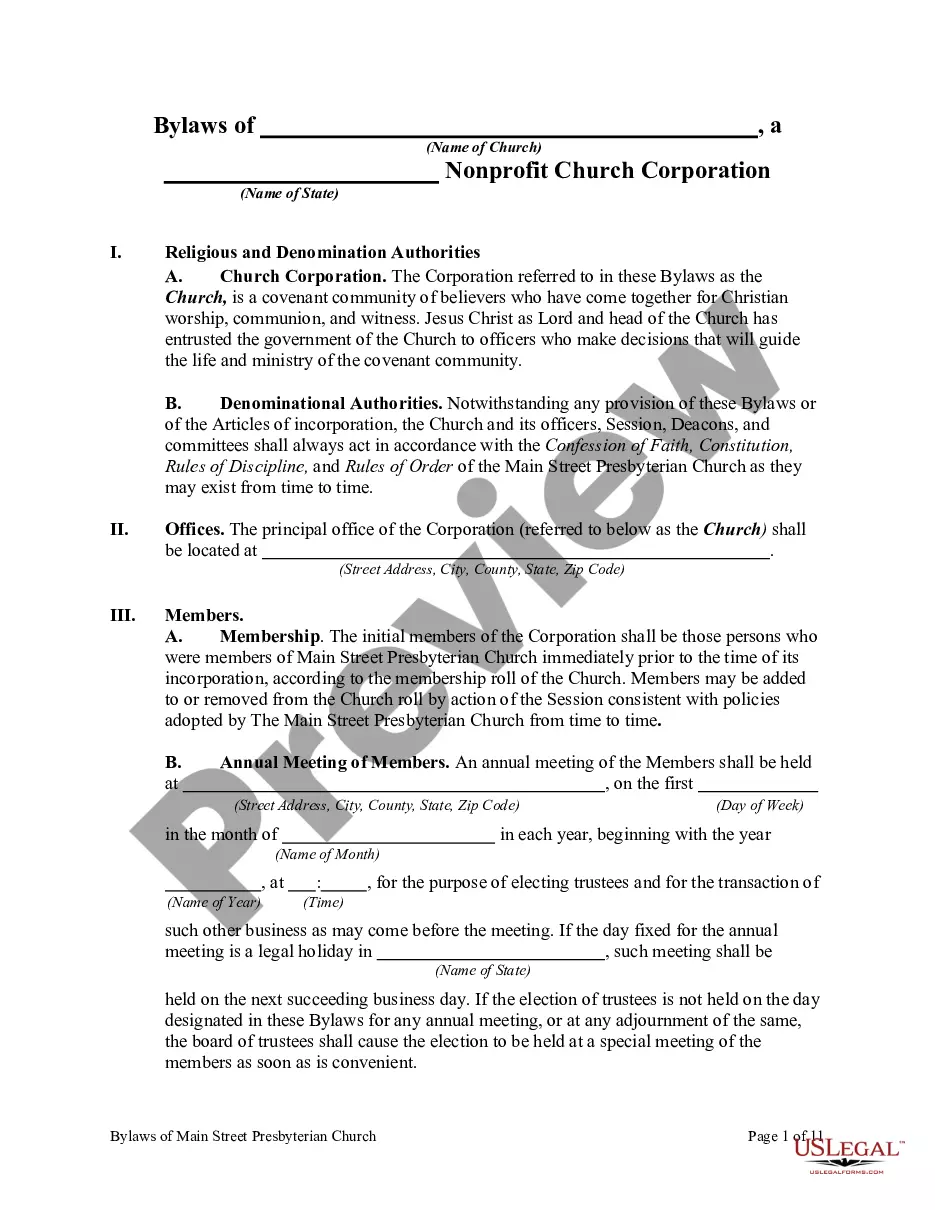
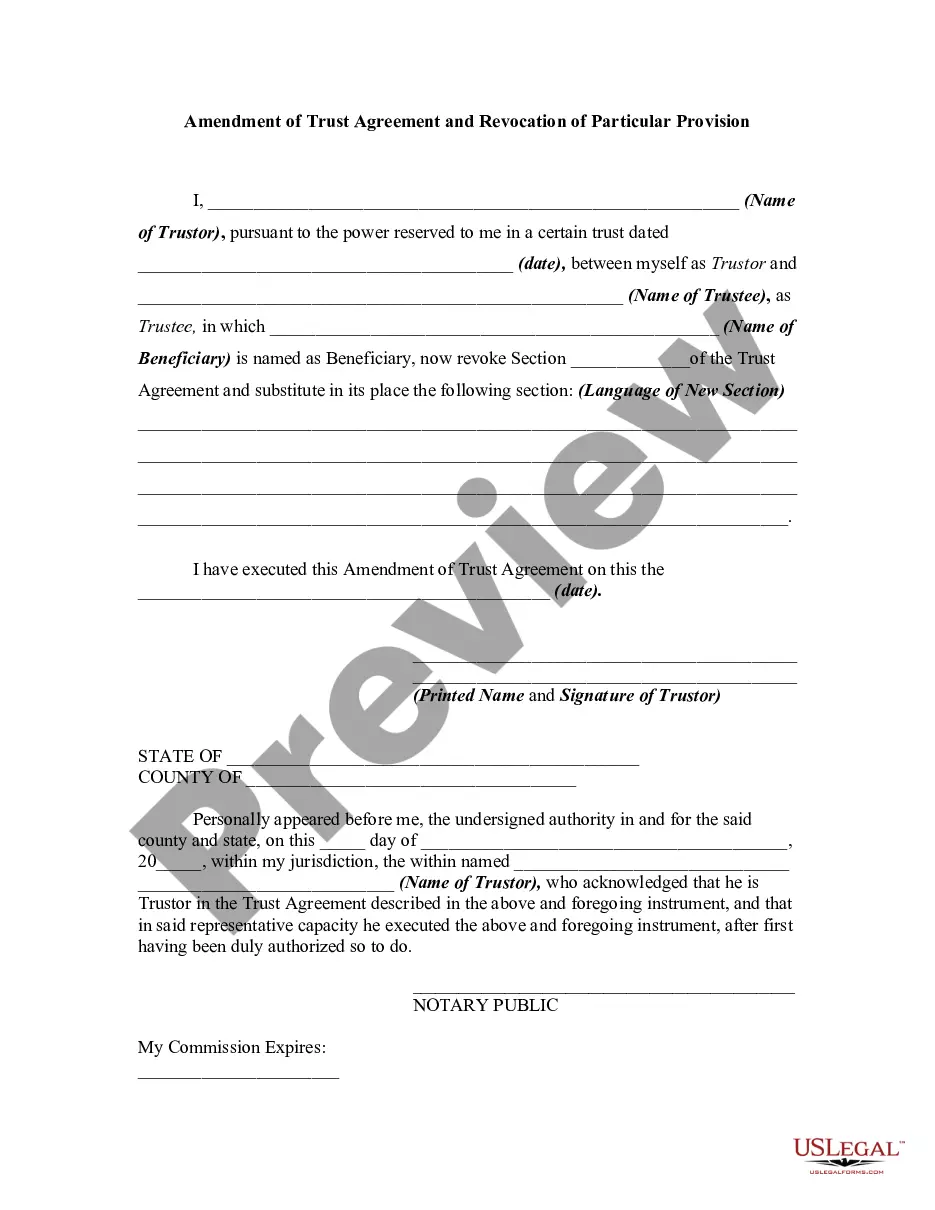
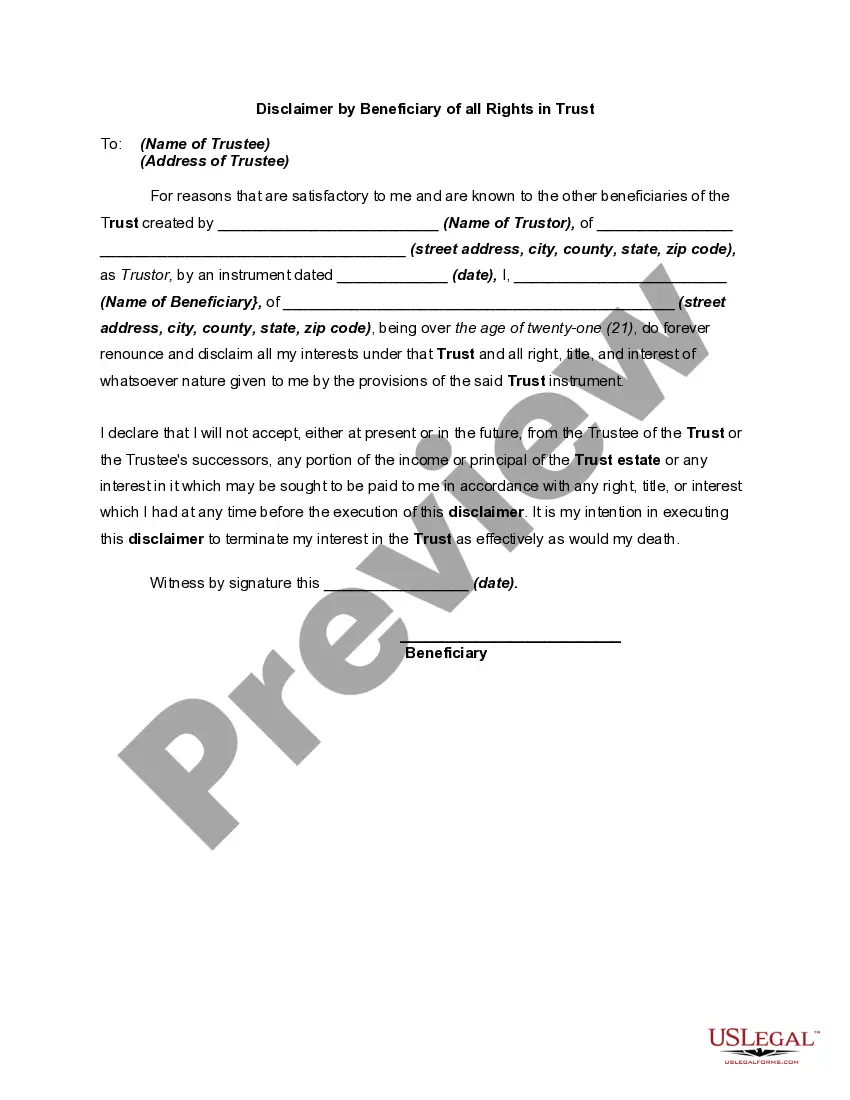
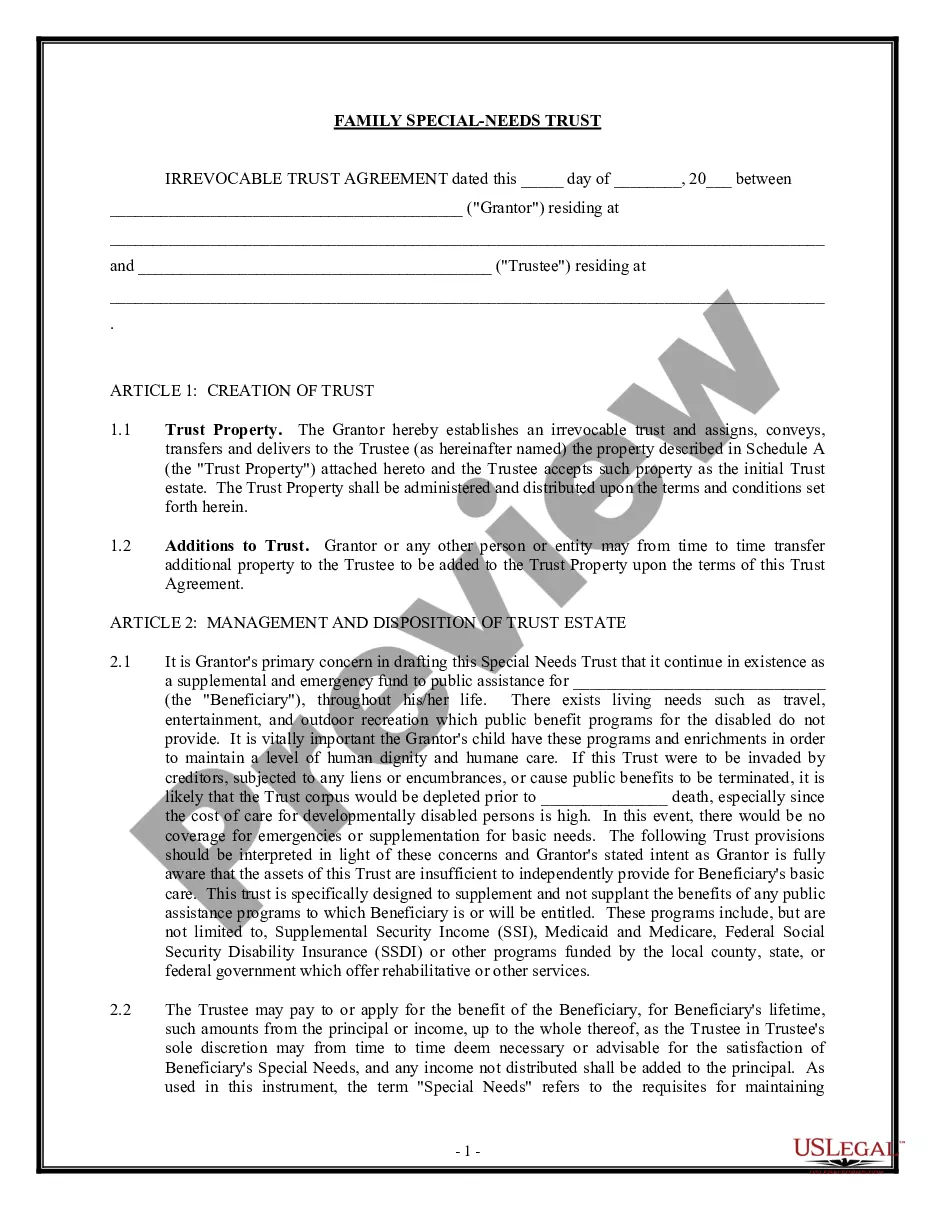
How to fill out Bylaws Of Church - Church Not Incorporated?
Creating legal documents from the ground up can frequently be overwhelming.
Certain situations may require extensive research and significant financial investment.
If you are seeking a simpler and more cost-effective method for generating Assembly Of God Bylaws On Divorce or any other paperwork without unnecessary obstacles, US Legal Forms is readily accessible.
Our online repository of over 85,000 current legal forms encompasses nearly every aspect of your financial, legal, and personal affairs.
Examine the form preview and descriptions to confirm that you have located the document you seek.
- With just a few clicks, you can promptly obtain state- and county-compliant documents meticulously assembled by our legal experts.
- Utilize our website whenever you require a dependable and reliable service through which you can conveniently locate and download the Assembly Of God Bylaws On Divorce.
- If you are already familiar with our services and have set up an account with us previously, simply Log In to your account, select the form and download it or re-download it anytime via the My documents tab.
- Not registered yet? No problem. It requires minimal time to establish your account and browse the library.
- However, before directly downloading the Assembly Of God Bylaws On Divorce, adhere to these recommendations.
Form popularity
FAQ
When drafting the Assembly of God bylaws on divorce, it's essential to include clear policies regarding the process and conditions for divorce within the congregation. These bylaws should outline the church's stance on reconciliation efforts, membership status during divorce proceedings, and any necessary counseling or support programs. Including these elements ensures that members understand the church’s expectations and provides a framework for addressing sensitive situations with compassion and clarity.
The Assembly of God bylaws on divorce emphasize the importance of marriage as a sacred covenant. However, they acknowledge that circumstances may arise, such as infidelity or abandonment, which can lead to divorce. The church encourages couples to seek guidance and reconciliation through prayer and counseling before pursuing separation. Ultimately, the Assembly of God advocates for healing and restoration while recognizing that divorce may be necessary in certain situations.
Divorce does not automatically disqualify someone from ministry within the Assemblies of God. The Assembly of God bylaws on divorce provide a framework for addressing issues of divorce while emphasizing grace and restoration. Each situation is considered individually, allowing for the possibility of continued ministry service after meaningful reflection and personal growth.
Church bylaws, including those related to the Assembly of God bylaws on divorce, are generally considered legally binding within the context of the church community. However, their enforceability may vary based on state laws and specific circumstances. It is essential for church leaders and members to understand that while these bylaws guide church governance, they do not override civil law.
Pentecostals, including those in the Assemblies of God, may allow divorce under specific circumstances, such as in cases of infidelity or abuse. The Assembly of God bylaws on divorce are meant to provide clarity and support to those facing such difficult situations. Ultimately, the church encourages couples to pursue reconciliation and prayer before making any final decisions.
The Assemblies of God holds a traditional view on divorce, emphasizing that God intended marriage to be a lifelong union. According to the Assembly of God bylaws on divorce, divorce may be permissible in cases of infidelity or abandonment. The focus is on reconciliation and healing within the church community, urging members to seek guidance and support during difficult times.
Therefore, we discourage divorce by all lawful means and teaching. We positively disapprove of Christians getting divorces for any cause except fornication and adultery (Matthew ).
If a pastor and his spouse divorce because they do not get along, our policy would allow a minister to keep his credentials as long as he does not remarry. But if he remarries and has no biblical reason for the divorce, then he must yield his credentials.
?I [Jesus] tell you that anyone who divorces his wife, except for sexual immorality, makes her the victim of adultery.? Here, Jesus gives an exception to the teaching against divorce. If one's spouse enters into sexual immorality, God allows for, but does not require, divorce.
Divorce in the Bible is only considered under the only exceptional circumstance of sexual immorality. If either spouse remarries a person not divorced under this rule, or if they have not been divorced because of immoral behavior, then they will have committed adultery.