Assemblies Of God Rules And Regulations
Description
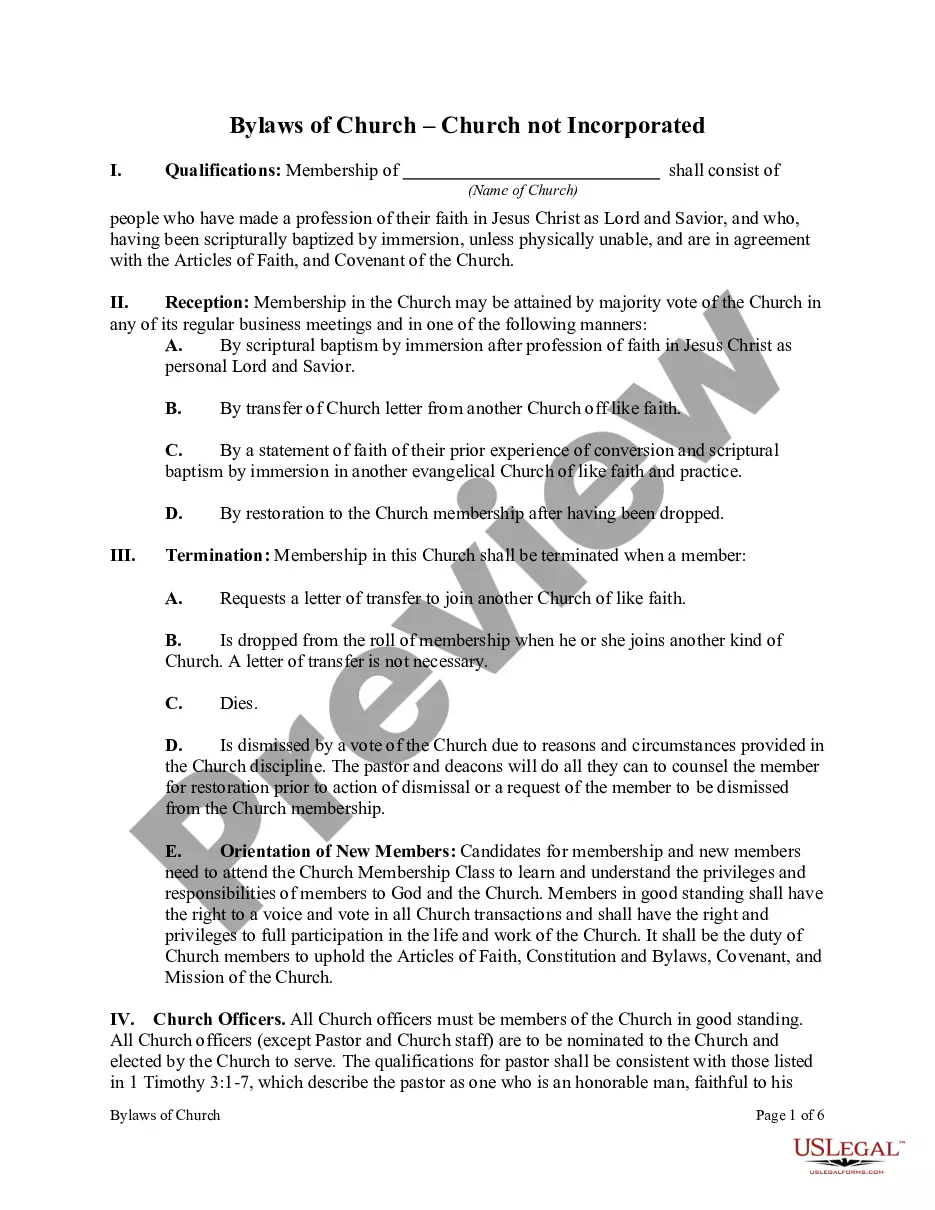
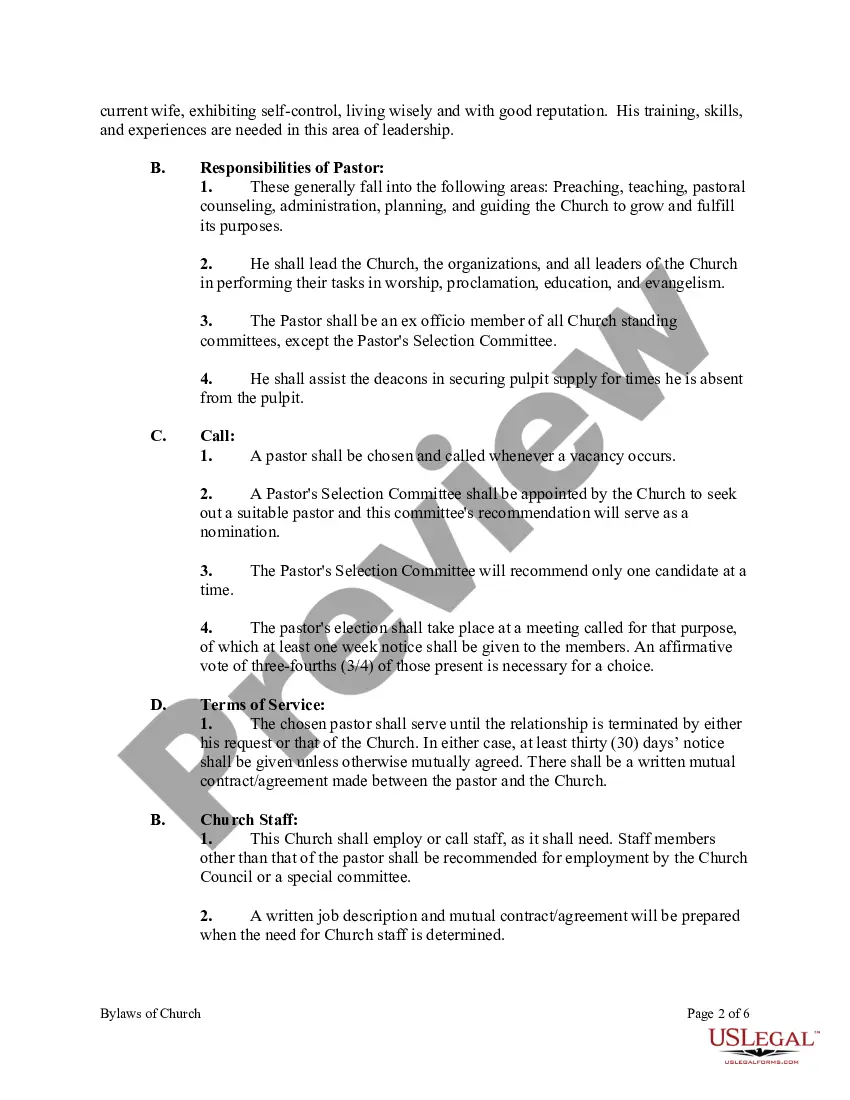
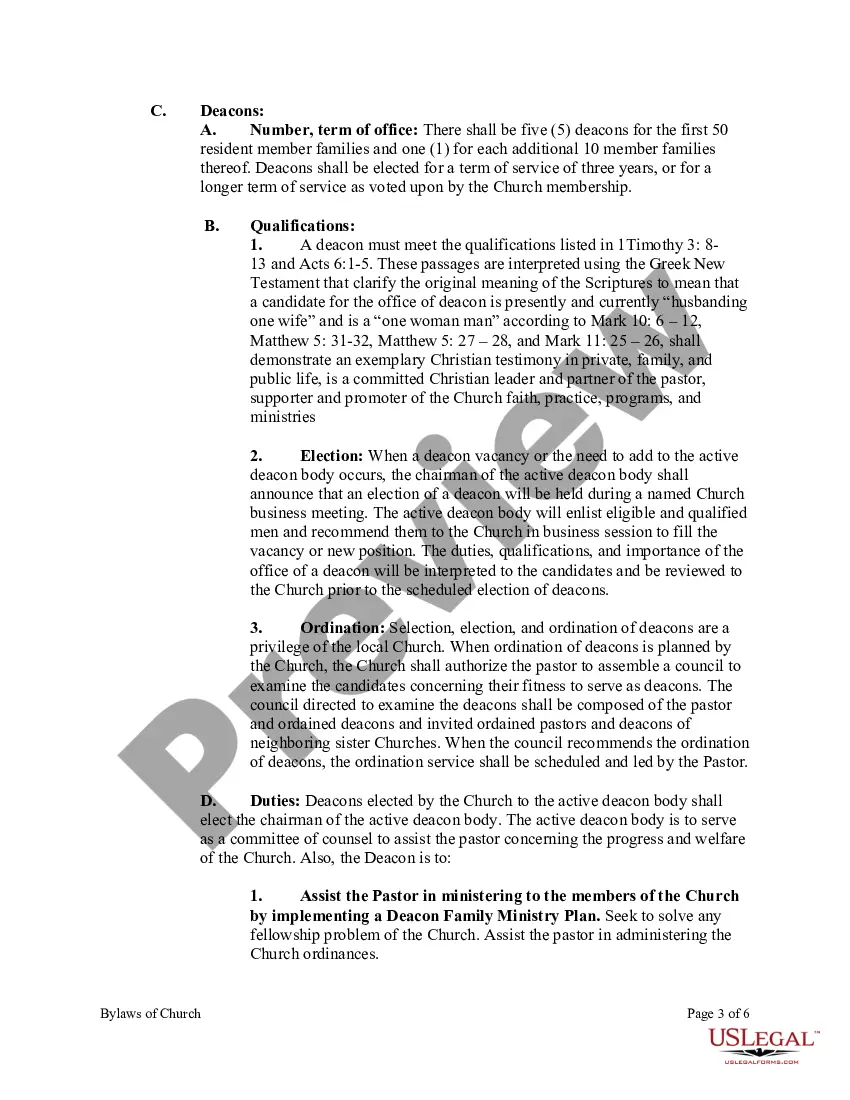
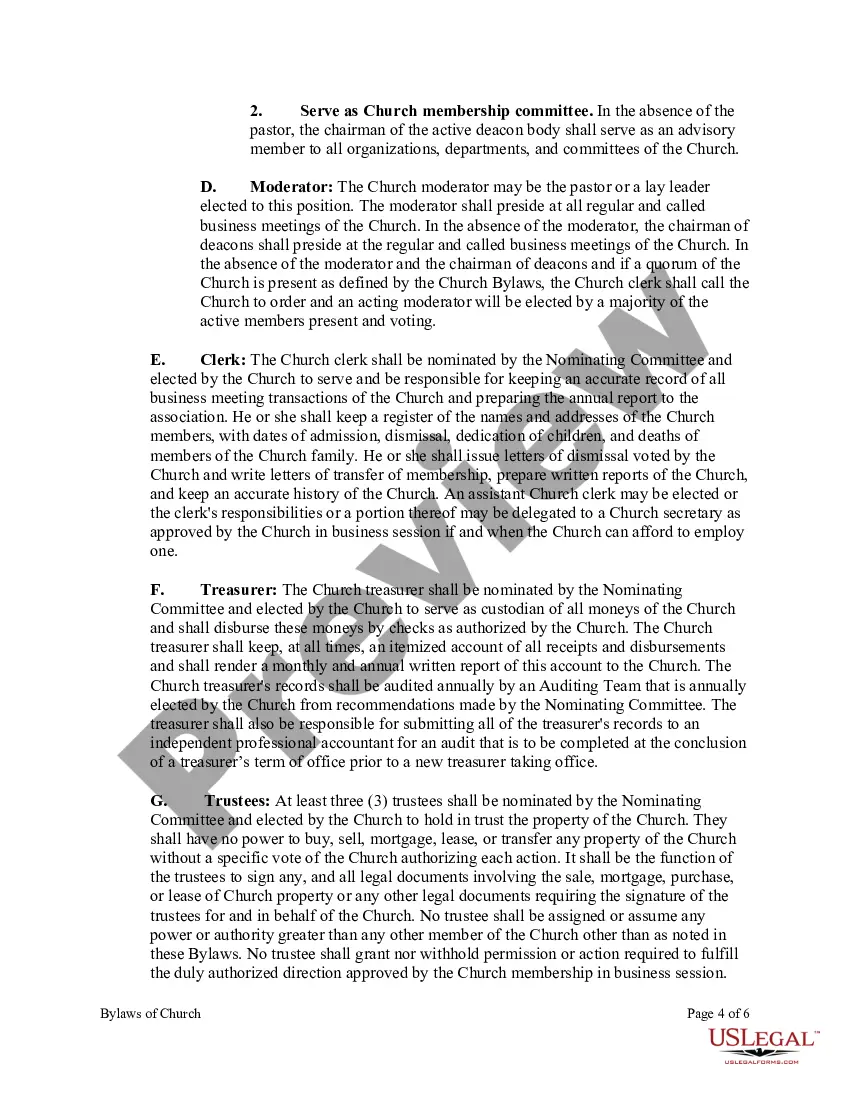
Get your form ready online
Our built-in tools help you complete, sign, share, and store your documents in one place.
Make edits, fill in missing information, and update formatting in US Legal Forms—just like you would in MS Word.
Download a copy, print it, send it by email, or mail it via USPS—whatever works best for your next step.
Sign and collect signatures with our SignNow integration. Send to multiple recipients, set reminders, and more. Go Premium to unlock E-Sign.
If this form requires notarization, complete it online through a secure video call—no need to meet a notary in person or wait for an appointment.
We protect your documents and personal data by following strict security and privacy standards.

Make edits, fill in missing information, and update formatting in US Legal Forms—just like you would in MS Word.

Download a copy, print it, send it by email, or mail it via USPS—whatever works best for your next step.

Sign and collect signatures with our SignNow integration. Send to multiple recipients, set reminders, and more. Go Premium to unlock E-Sign.

If this form requires notarization, complete it online through a secure video call—no need to meet a notary in person or wait for an appointment.

We protect your documents and personal data by following strict security and privacy standards.
Looking for another form?


How to fill out Bylaws Of Church - Church Not Incorporated?
It’s clear that you cannot transform into a legal specialist instantly, nor can you acquire the ability to swiftly compose Assemblies Of God Rules And Regulations without the necessity of a specialized foundation.
Drafting legal documents is an elaborate endeavor that demands particular training and expertise. Therefore, why not entrust the preparation of the Assemblies Of God Rules And Regulations to the experts.
With US Legal Forms, one of the most extensive libraries of legal documents, you can access everything from litigation documents to templates for internal communication.
If you need a different template, restart your search.
Sign up for a free account and choose a subscription plan to purchase the template.
- We recognize how crucial it is to comply with and follow federal and local regulations.
- That’s the reason all templates on our site are tailored to specific locations and are up-to-date.
- Let’s begin with our website and quickly acquire the document you need.
- Find the form you require using the search bar at the top of the page.
- Review it (if this choice is available) and examine the supporting description to determine if Assemblies Of God Rules And Regulations is what you seek.
Form popularity
FAQ
The core values of the Assembly of God revolve around faith, community, and service. This denomination prioritizes a genuine relationship with God, discipleship, and the mission to spread the Gospel. Engaging in fellowship and community service further solidifies the commitment to these values. Learning about assemblies of god rules and regulations can help you understand how to actively participate in these core values.
In the Assemblies of God, practices that contradict biblical teachings are typically not allowed in the church. This includes actions such as promoting violence, advocating against the core beliefs of Christianity, or engaging in divisive behavior. Communities also discourage misconduct that impacts the integrity of worship. Familiarity with assemblies of god rules and regulations helps help maintain a welcoming environment for all.
The Assemblies of God tends to maintain conservative values, especially in matters of faith and ethics. Members often adhere to traditional biblical teachings regarding family, morality, and social issues. However, the community also encourages compassion and outreach, focusing on helping those in need. It's essential to explore how these assemblies of god rules and regulations shape community standards.
The Assemblies of God emphasizes the essential teachings of Jesus Christ and the Bible. Core beliefs include the necessity of personal salvation through faith, the significance of the Holy Spirit, and the practice of baptism. Additionally, the Assemblies of God upholds the importance of Christian community and mission work. Understanding these assemblies of god rules and regulations can enhance your spiritual journey.
While it is possible to lead a church without formal credentials, the Assemblies of God strongly encourages credentialing for pastors. Credentials signify adherence to theological and ethical standards set forth by the church. By following Assemblies of God rules and regulations, credentialed pastors can provide leadership that aligns with the denomination's vision.
Getting Assembly of God credentials requires commitment and preparation. Applicants should enroll in an accredited ministerial education program, followed by an application process that includes interviews and evaluations. By adhering closely to Assemblies of God rules and regulations, candidates can successfully navigate the credentialing path and pursue their calling.
To obtain credentials with the Assemblies of God, individuals must meet certain educational and experiential requirements. This often includes completing ministerial training and undergoing an interview with the church board. Understanding the Assemblies of God rules and regulations is crucial during this process, as it helps candidates align their ministry vision with church standards.
The timeframe for ordination within the Assemblies of God varies. Typically, it can take anywhere from a few months to several years, depending on one's educational background and church involvement. Following the Assemblies of God rules and regulations, individuals must complete specific training and mentorship before receiving ordination, ensuring they are well-prepared for ministry.
To become a member of the Assemblies of God, individuals must express their faith in Jesus Christ and commit to the church's beliefs. Candidates often undergo a process of baptism and participate in membership classes that explain Assemblies of God rules and regulations. This ensures that all members understand the doctrinal foundation and expectations of the church community.
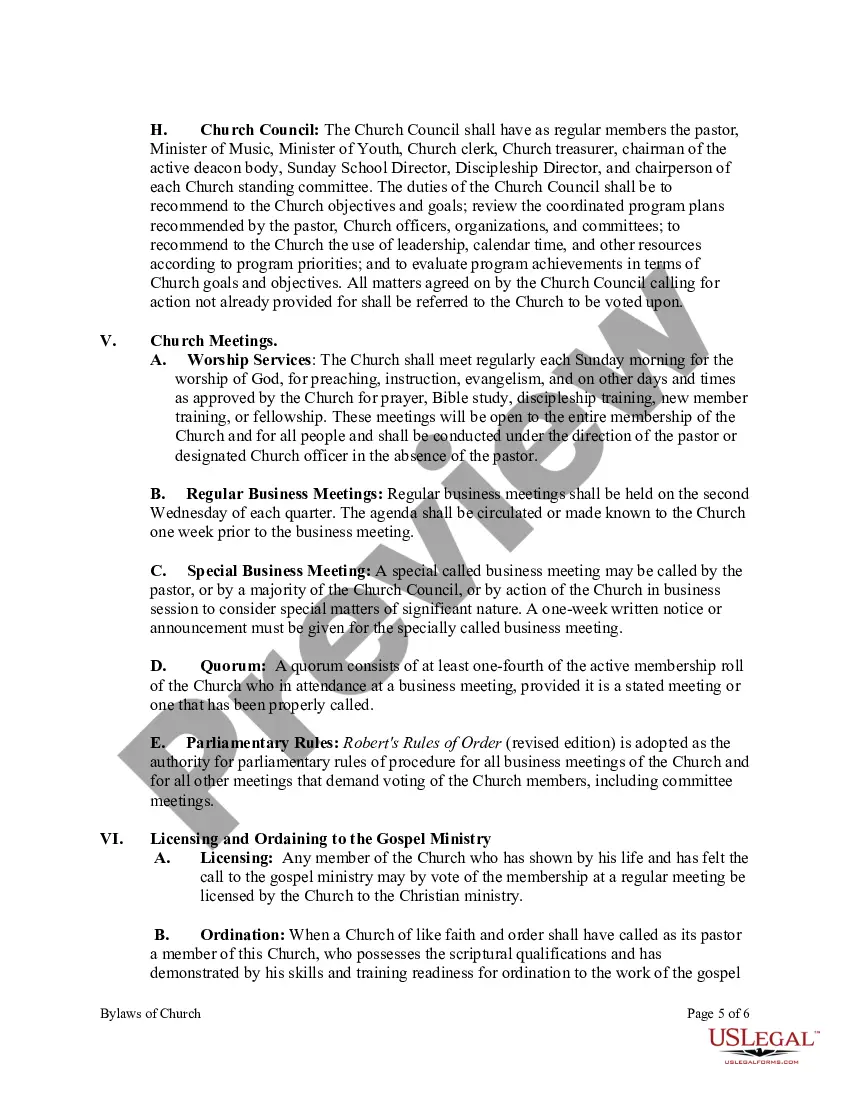
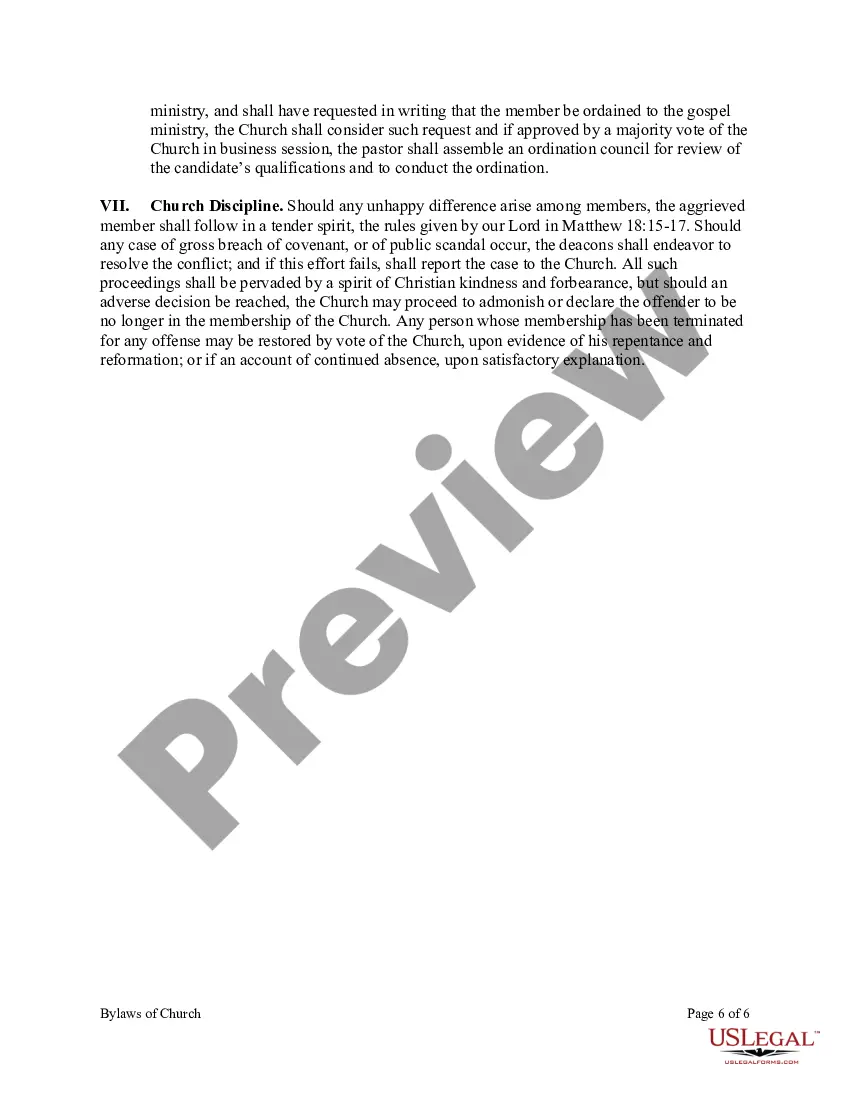
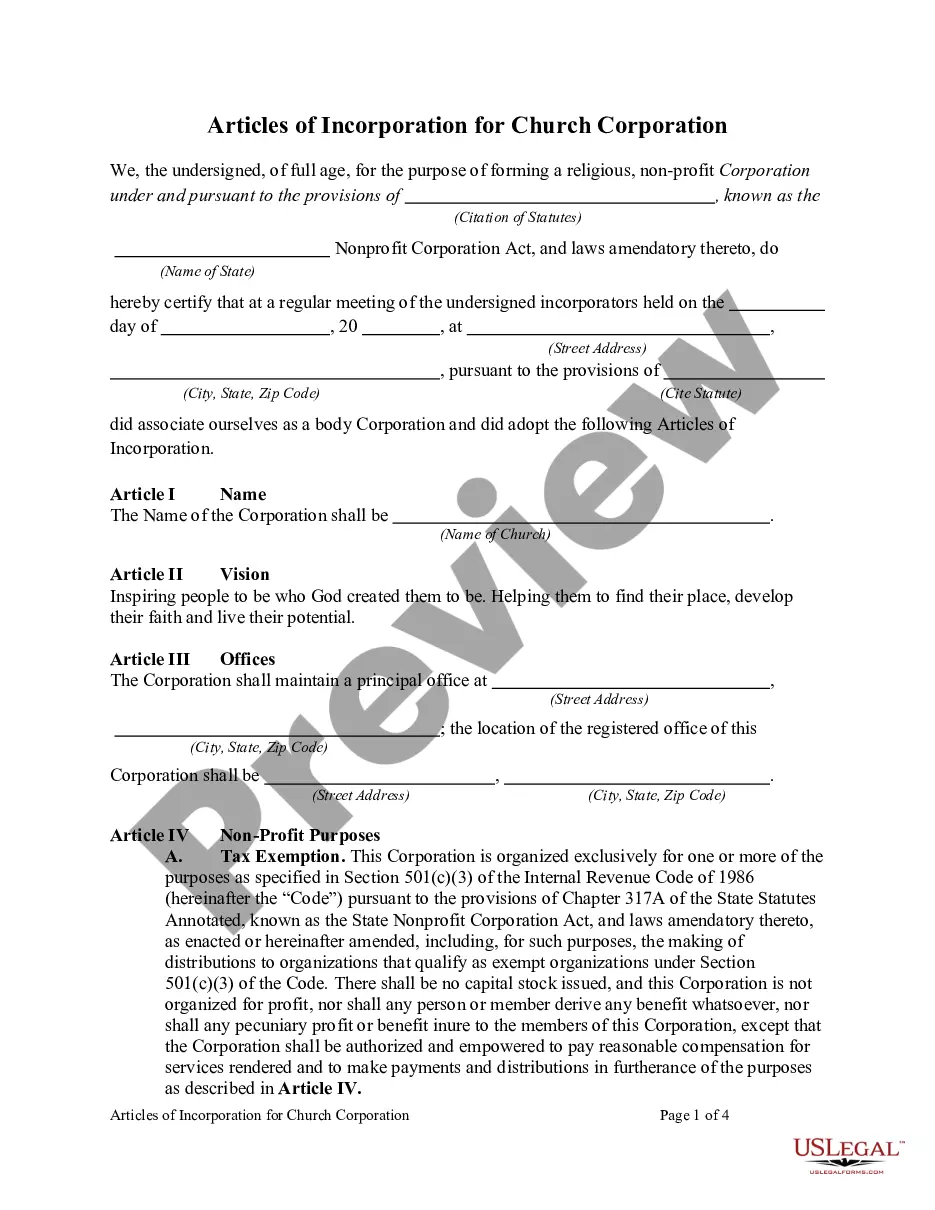
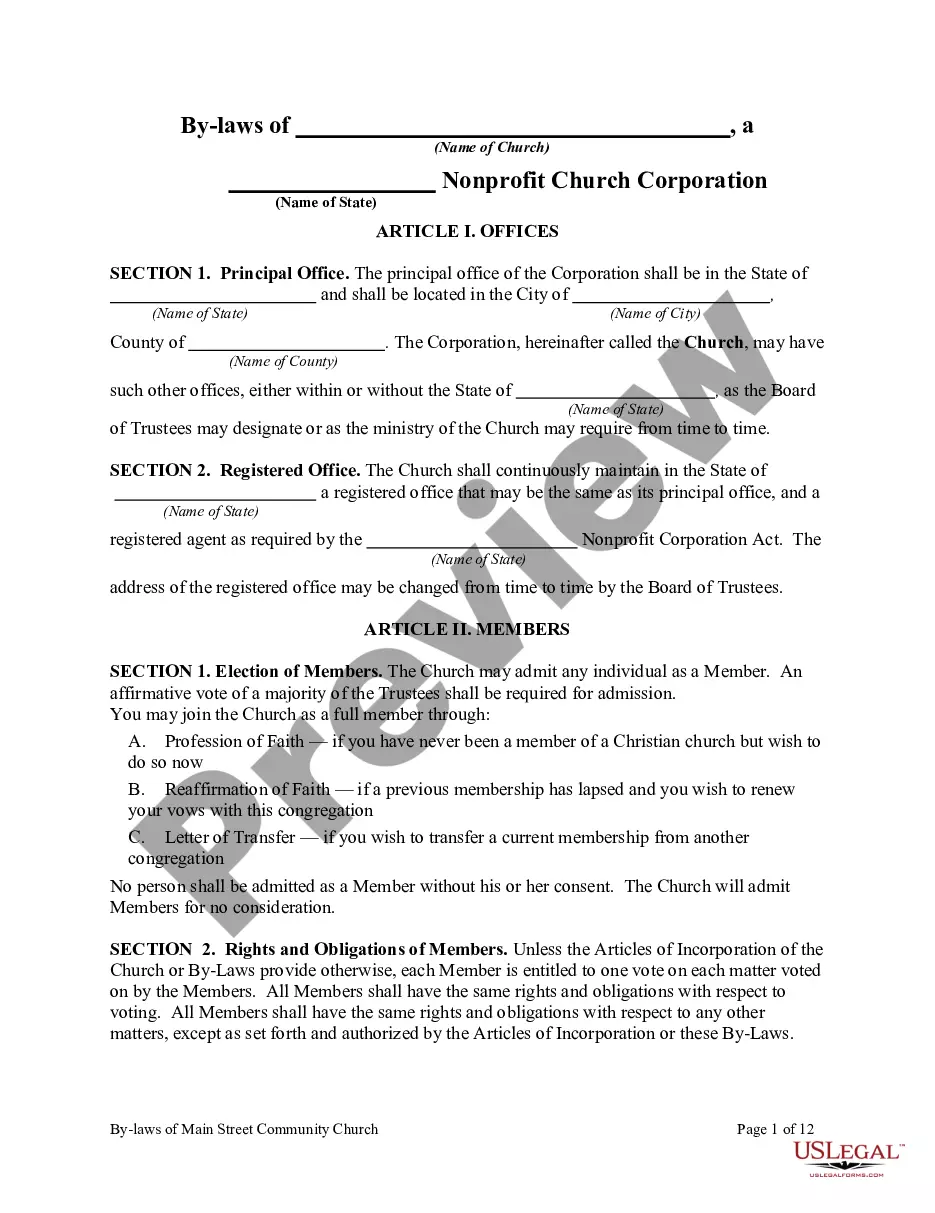
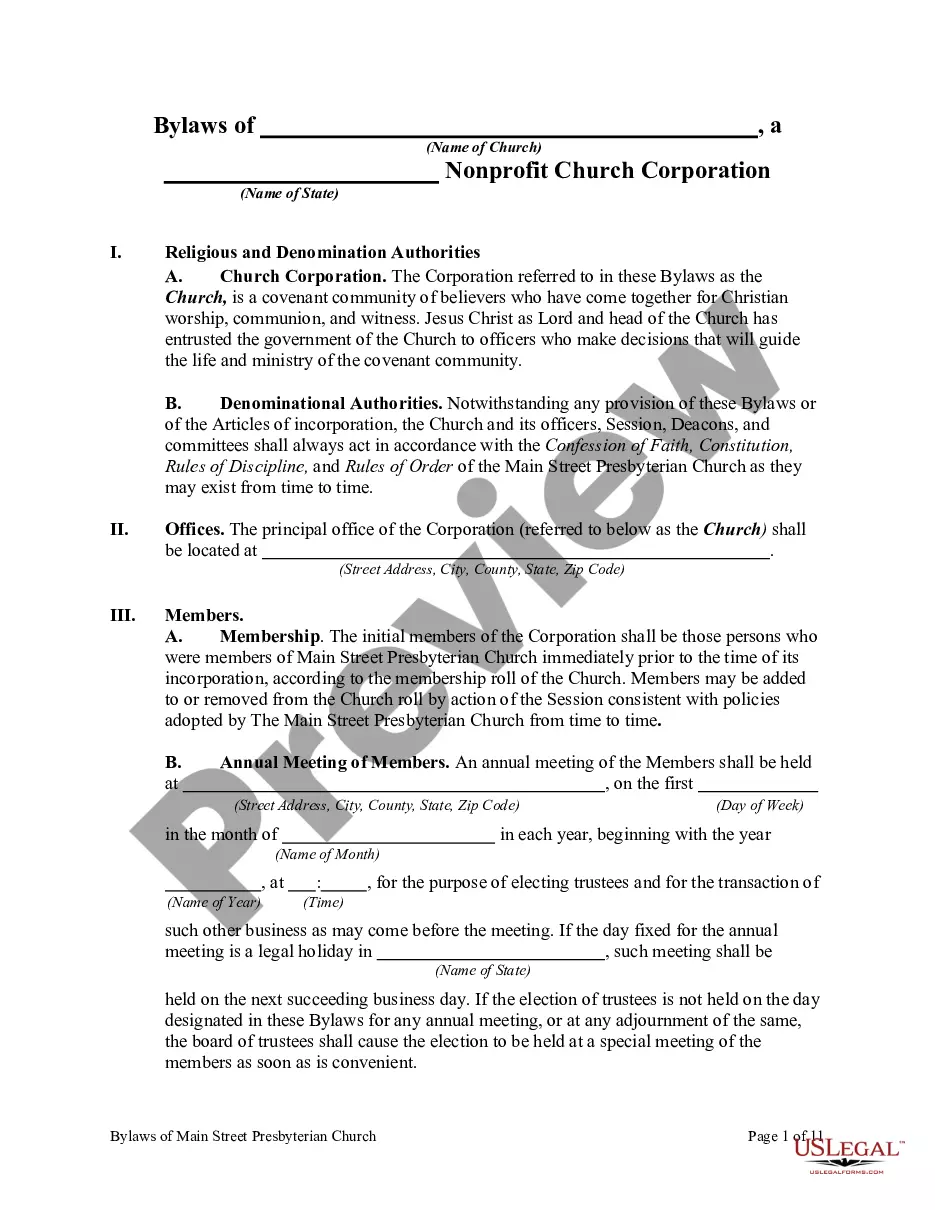
Churches within the Assemblies of God are encouraged to have bylaws. Bylaws help outline the church's governance and operational procedures. They provide clarity regarding leadership roles and member responsibilities, supporting adherence to Assemblies of God rules and regulations. Having clear bylaws can strengthen the church's structure and community engagement.