Nonprofit Corporation
Description
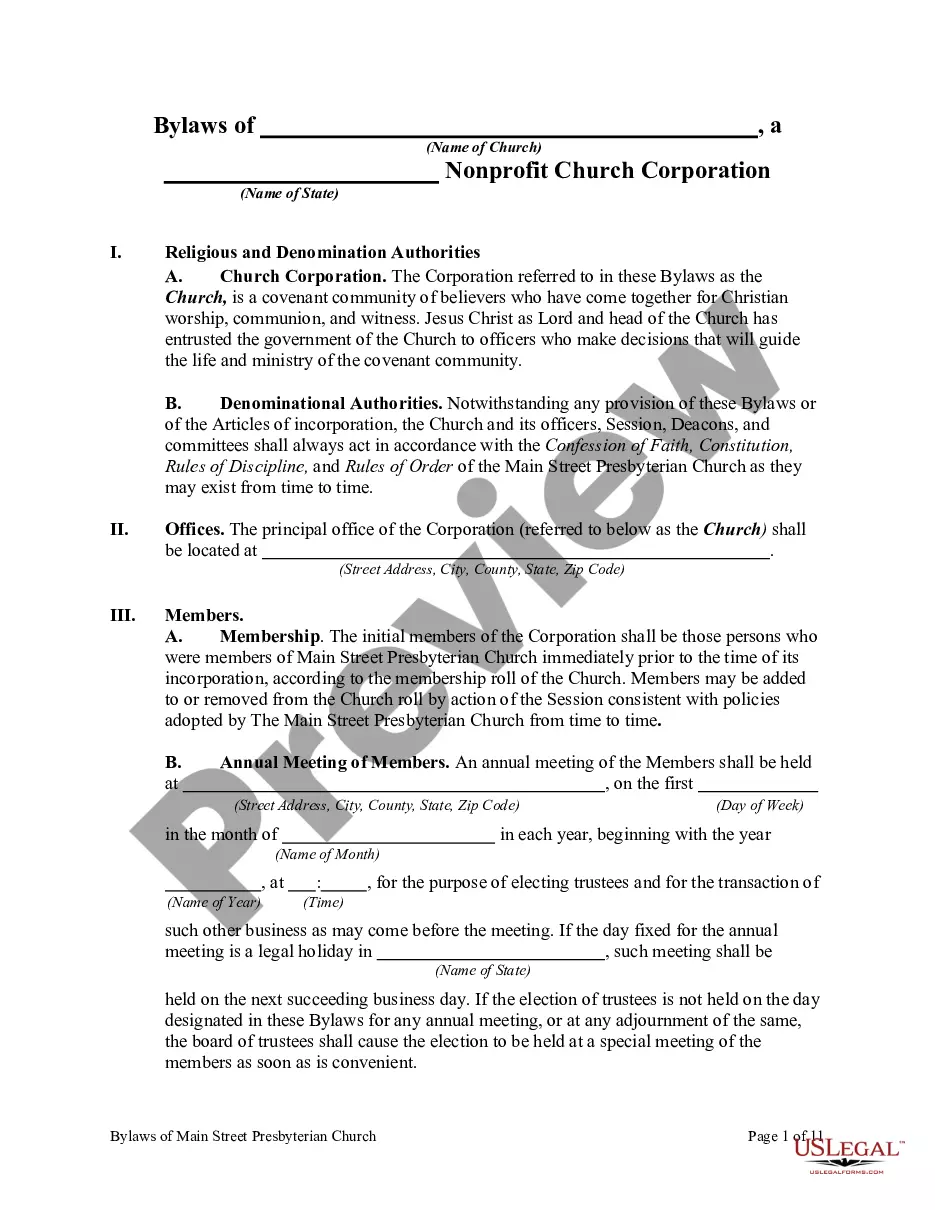
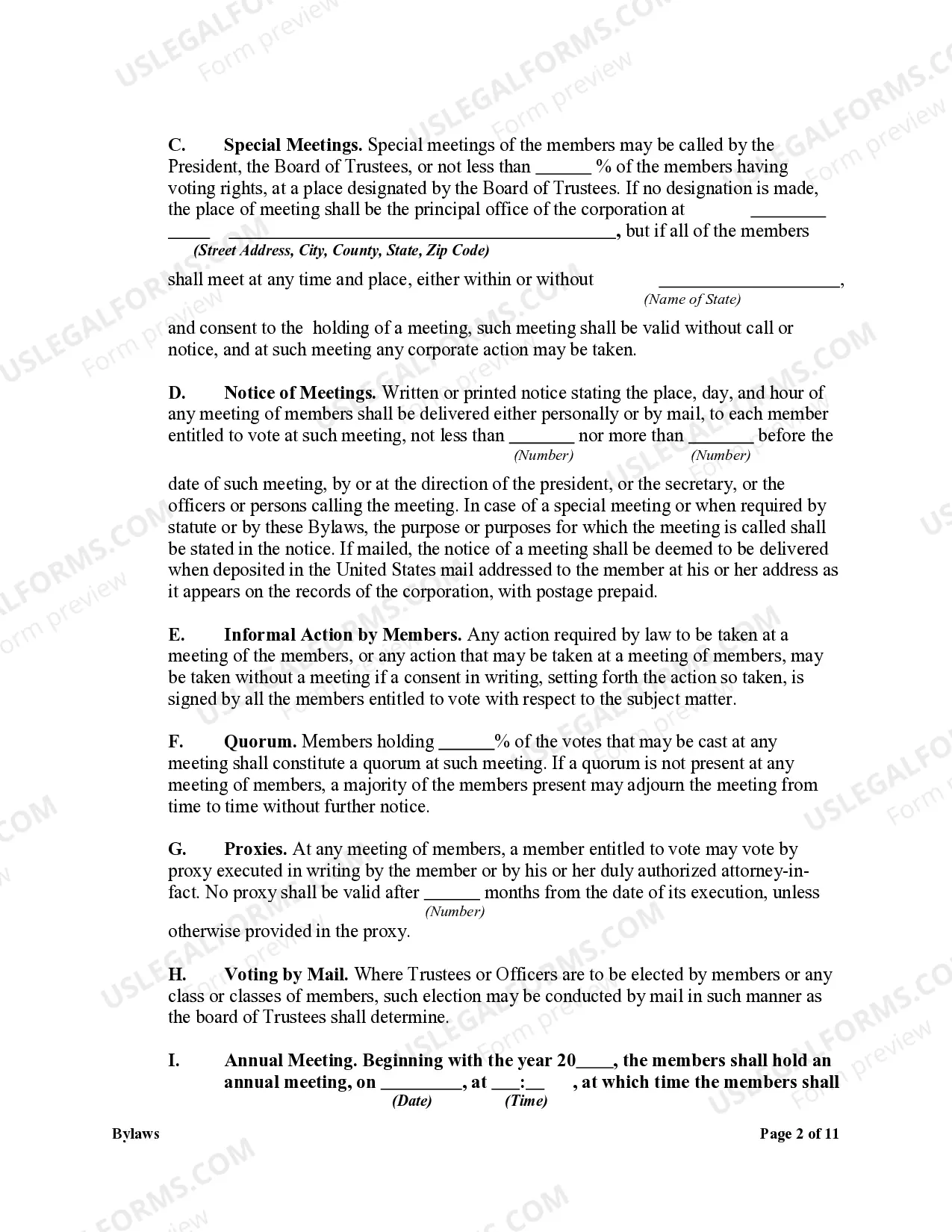
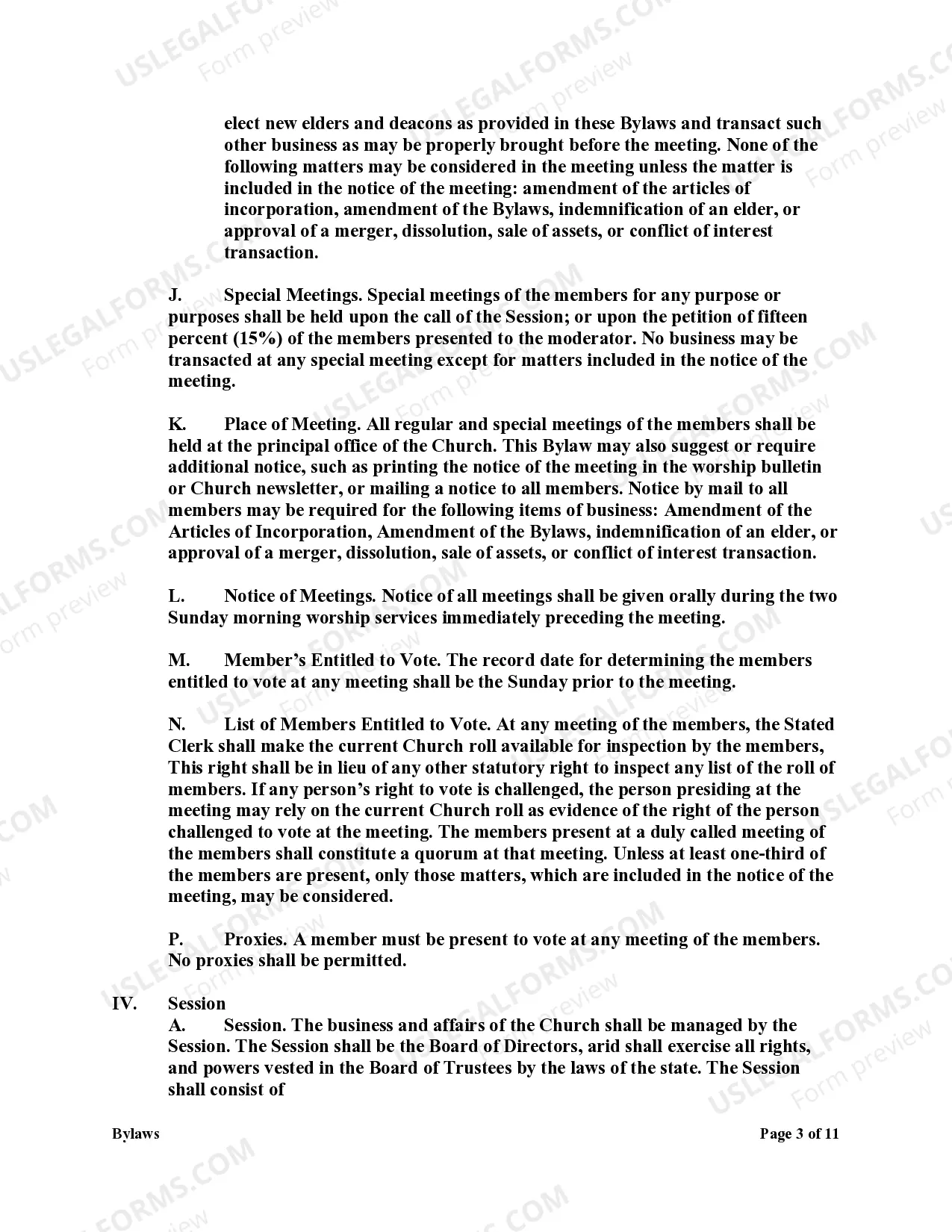
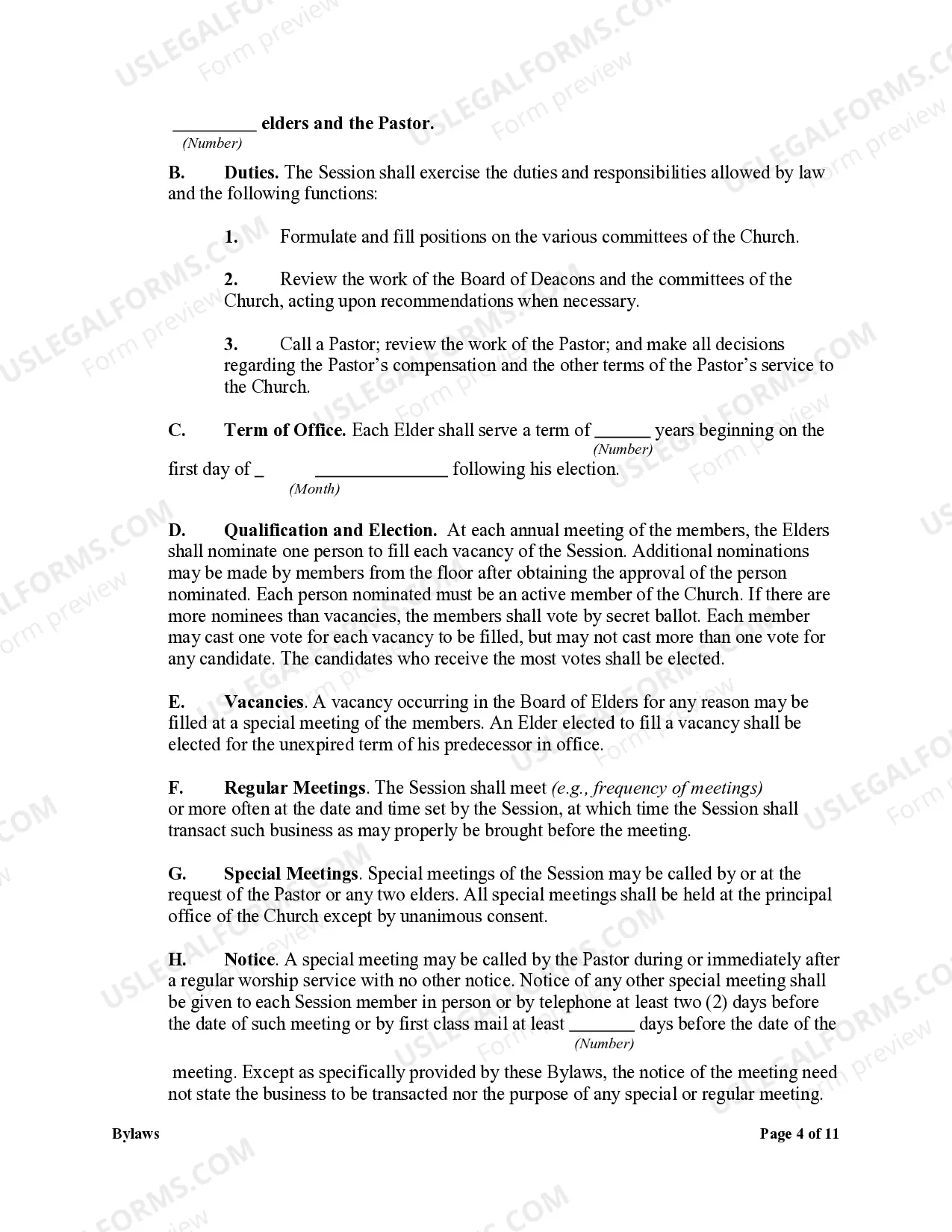



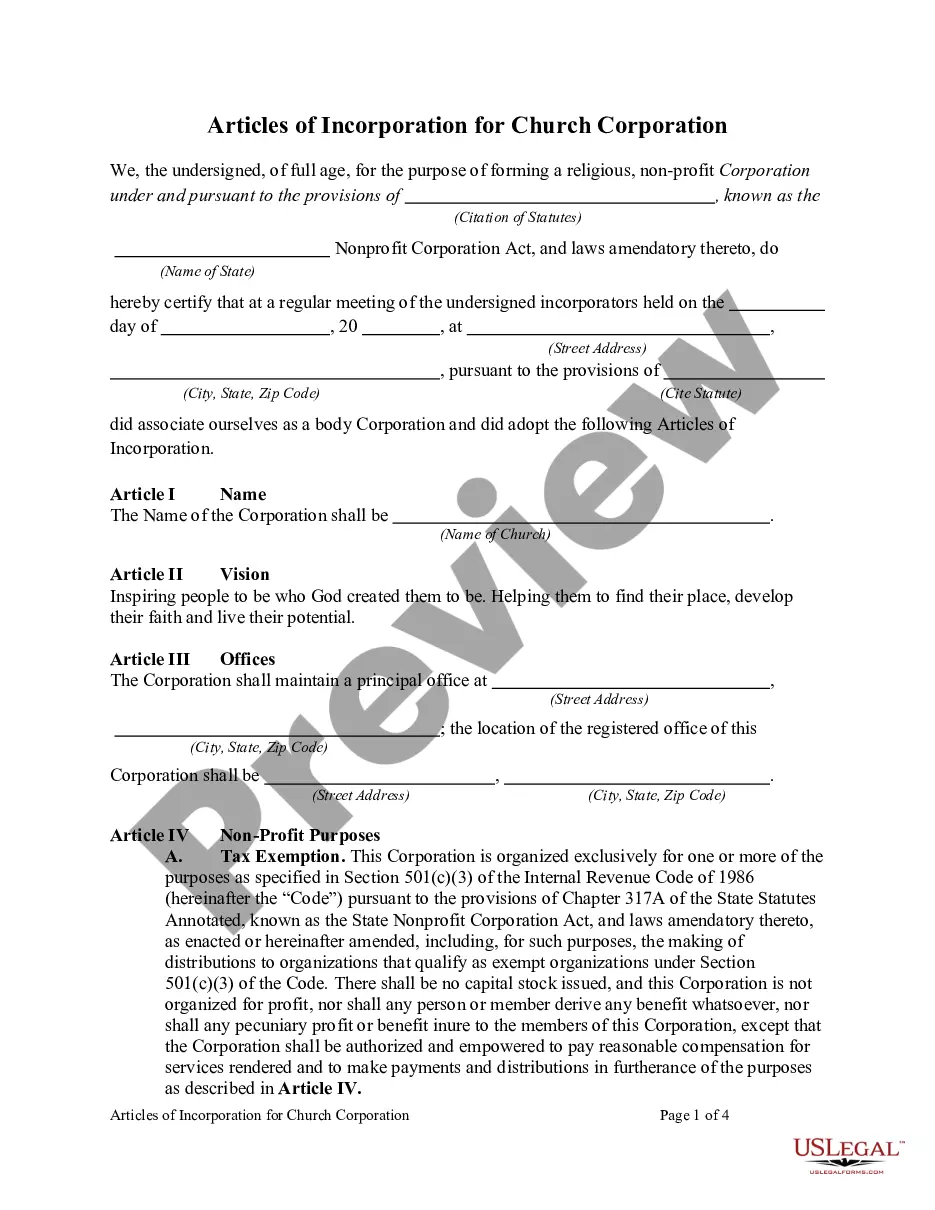
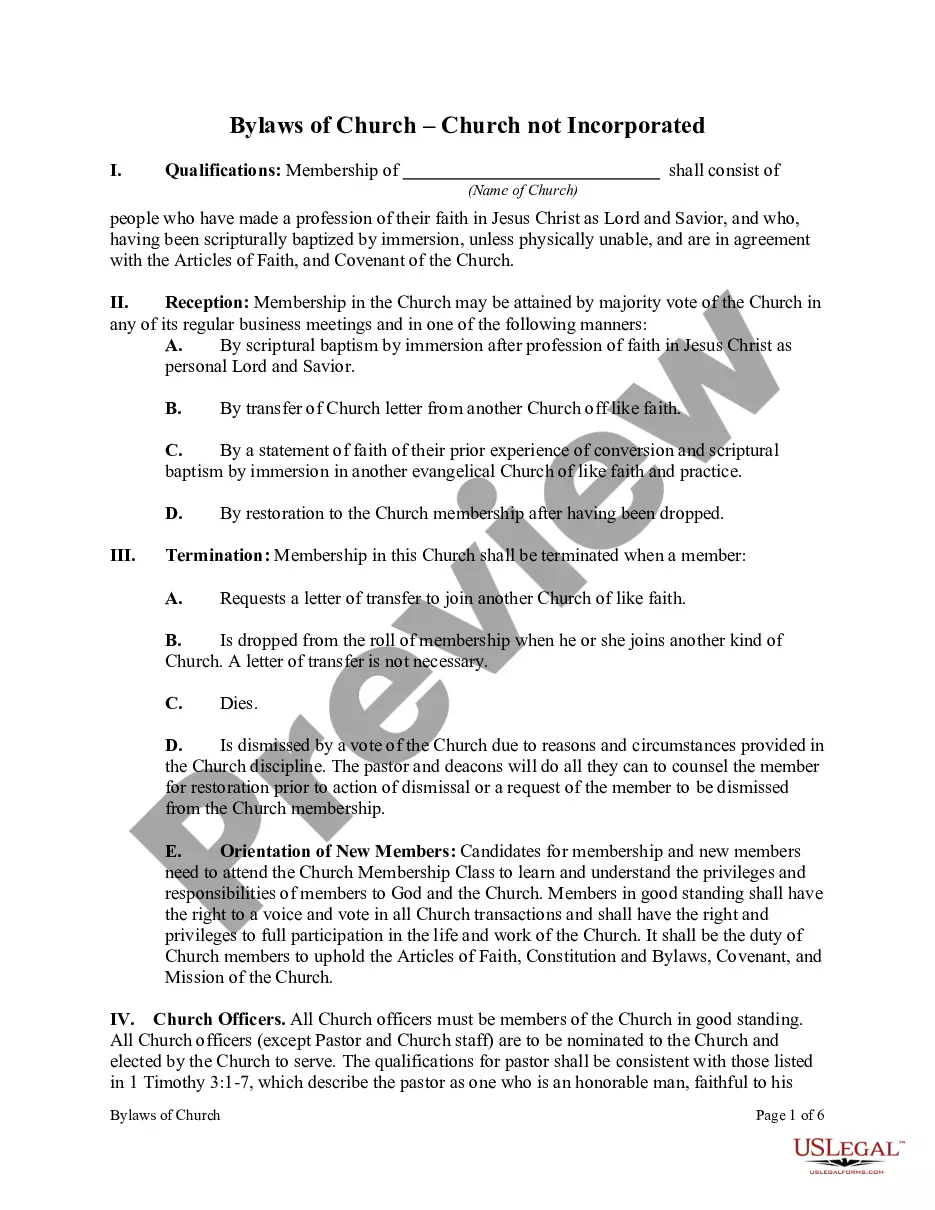
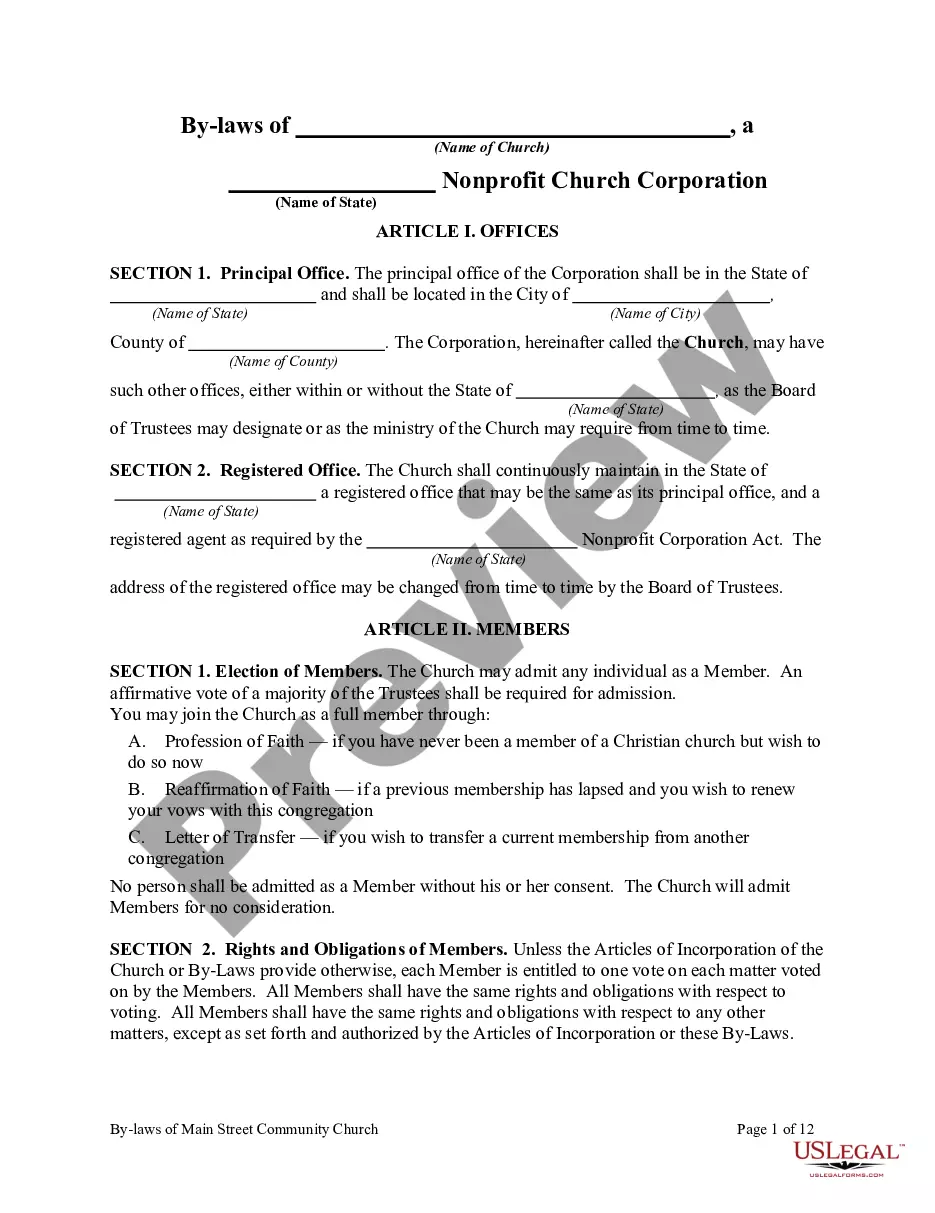
Get your form ready online
Our built-in tools help you complete, sign, share, and store your documents in one place.
Make edits, fill in missing information, and update formatting in US Legal Forms—just like you would in MS Word.
Download a copy, print it, send it by email, or mail it via USPS—whatever works best for your next step.
Sign and collect signatures with our SignNow integration. Send to multiple recipients, set reminders, and more. Go Premium to unlock E-Sign.
If this form requires notarization, complete it online through a secure video call—no need to meet a notary in person or wait for an appointment.
We protect your documents and personal data by following strict security and privacy standards.

Make edits, fill in missing information, and update formatting in US Legal Forms—just like you would in MS Word.

Download a copy, print it, send it by email, or mail it via USPS—whatever works best for your next step.

Sign and collect signatures with our SignNow integration. Send to multiple recipients, set reminders, and more. Go Premium to unlock E-Sign.

If this form requires notarization, complete it online through a secure video call—no need to meet a notary in person or wait for an appointment.

We protect your documents and personal data by following strict security and privacy standards.
Looking for another form?

Form popularity
FAQ
The 33% rule for nonprofits refers to a guideline suggesting that a nonprofit should ideally spend at least 33% of its total budget directly on its programs and services. This measure helps ensure that funds are allocated effectively and that the nonprofit corporation remains accountable to its mission. By adhering to this rule, donors can be more confident in how their contributions support the organization. Understanding and following this guideline can enhance transparency and trust.
Some states, such as Colorado, do not require nonprofits to register with the state if they are only conducting local activities. Additionally, states like Massachusetts and South Dakota have exemptions based on small income levels or limited fundraising. This can ease the burden for smaller groups looking to operate as a nonprofit corporation. However, maintaining compliance with local laws is essential to avoid unforeseen issues.
The easiest state to incorporate a nonprofit organization, as noted earlier, is usually Delaware. It features a user-friendly incorporation process and doesn’t require physical presence for formation. Consequently, businesses can focus on their missions instead of navigating complicated legalities. Exploring all available states is beneficial; consider specific needs when deciding.
The easiest nonprofit to start tends to be a charitable organization focused on a specific community need. Simple structures, like a 501(c)(3) nonprofit corporation, allow for straightforward filing and limited governing requirements. You can create a nonprofit with minimal resources and basic planning. Remember, organizations that have clear missions often gain support more easily.
When considering the easiest state to incorporate a nonprofit corporation, Delaware often comes to mind. It offers a streamlined process and no minimum capital requirement. Additionally, Delaware is known for its business-friendly laws and established legal framework, making it a popular choice. However, other states like Nevada and Wyoming also provide simple incorporation processes, so it’s worth exploring multiple options.
In the dictionary, 'nonprofit' describes an organization that does not distribute profits to its owners or shareholders. Instead, the revenue generated goes towards furthering its philanthropic goals and initiatives. Nonprofit corporations are essential for driving social change and fostering community support, making them a vital part of the social and economic fabric of society.
A nonprofit organization, or nonprofit corporation, is established primarily to serve the public interest rather than to earn profits for shareholders. These organizations focus on causes such as education, health, arts, and community services, and they reinvest any surplus revenue back into their mission. By doing so, nonprofit corporations help to tackle various social issues while fostering community engagement.
known example of a nonprofit corporation is the Red Cross. This organization focuses on providing emergency assistance, disaster relief, and education in the United States and around the world. Nonprofit corporations like the Red Cross rely on donations, volunteers, and grants to support their mission, which is typically centered around addressing community needs and enhancing public welfare.
The correct way to write non profit is as two separate words, 'non profit,' though the acronym 'nonprofit' is increasingly popular. This format underscores the absence of profit motives in an organization's operational strategy. For clarity, many prefer to use the single word 'nonprofit,' particularly in official documents related to nonprofit corporations. Choosing the right format contributes to clear communication within your organization.
The term non-profit can be written with or without a hyphen, but non-profit is commonly accepted in American English. Using the hyphen helps clarify that the organization is not primarily driven by profit motives. Whether you choose one style over the other, consistently using the term throughout your documentation for nonprofit corporations is advisable. Maintaining consistency improves professionalism and clarity.
