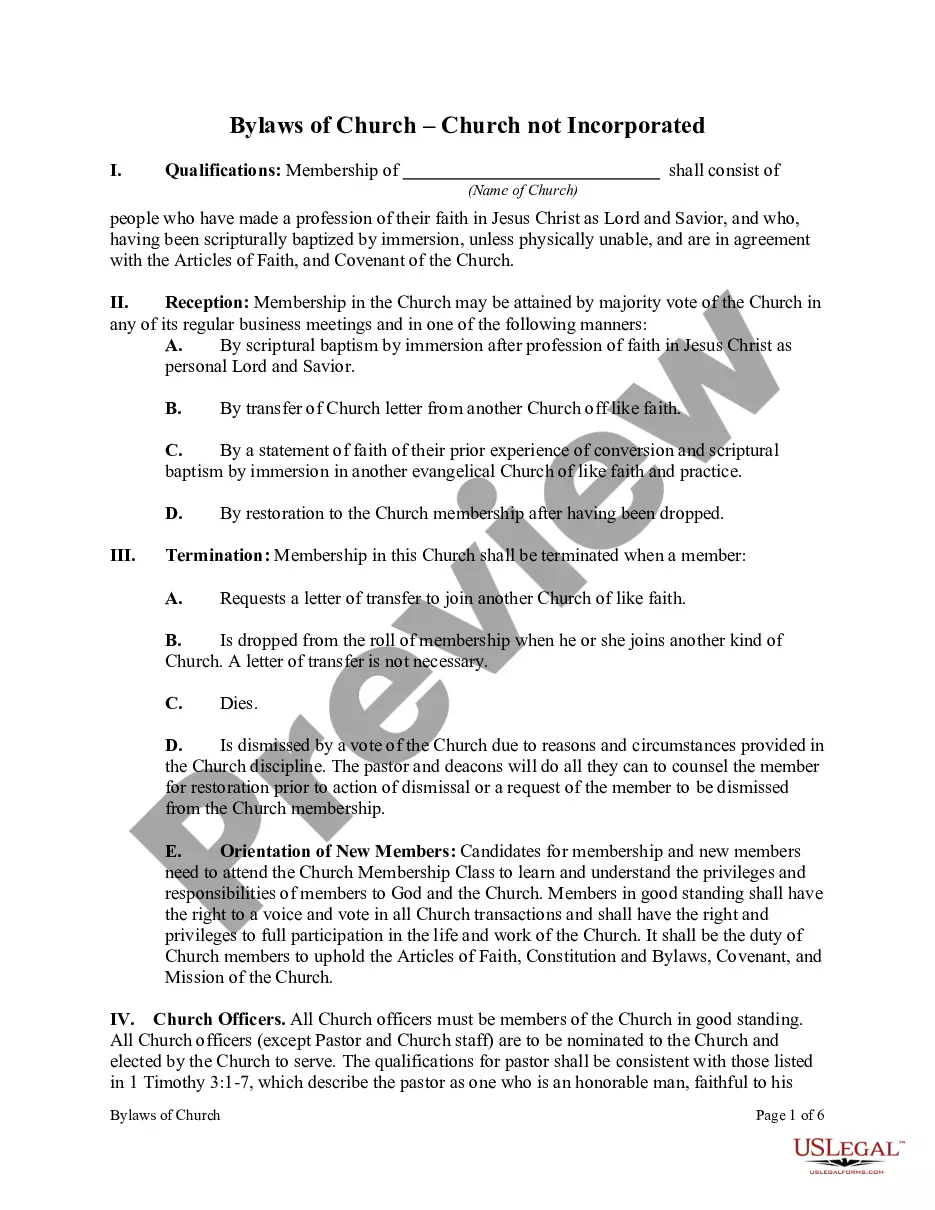
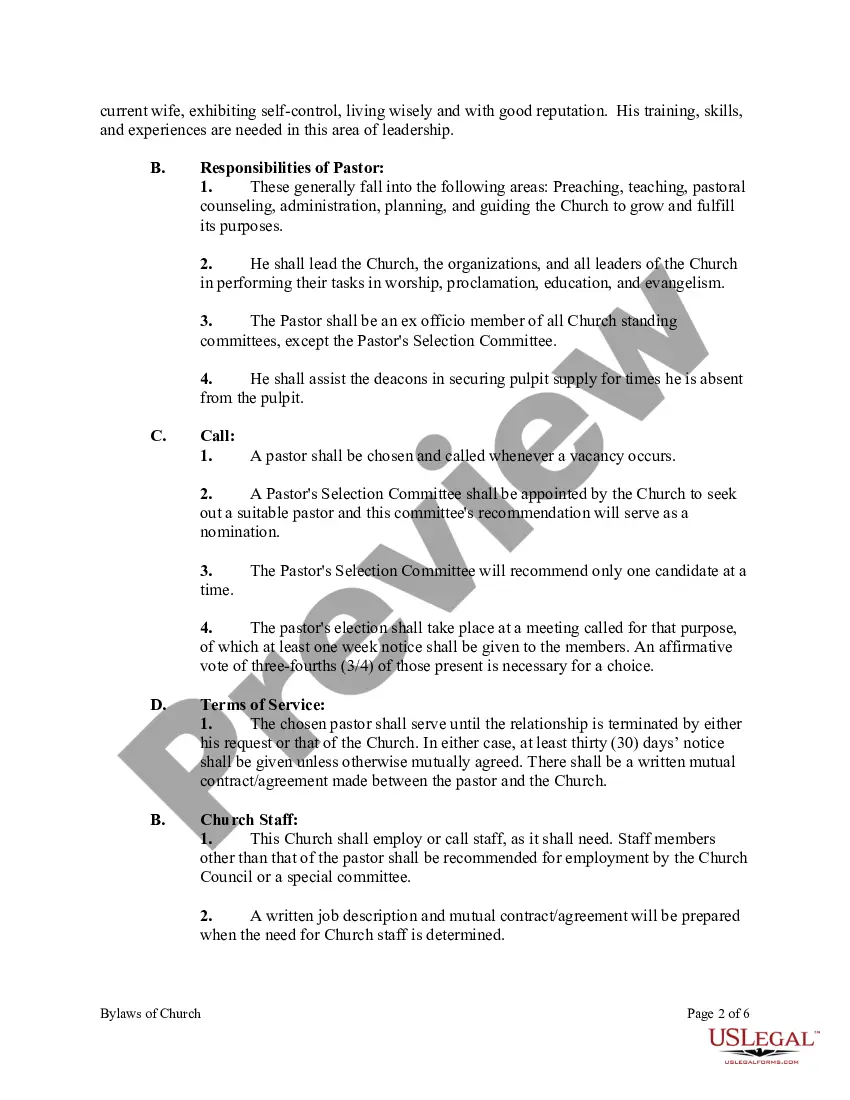
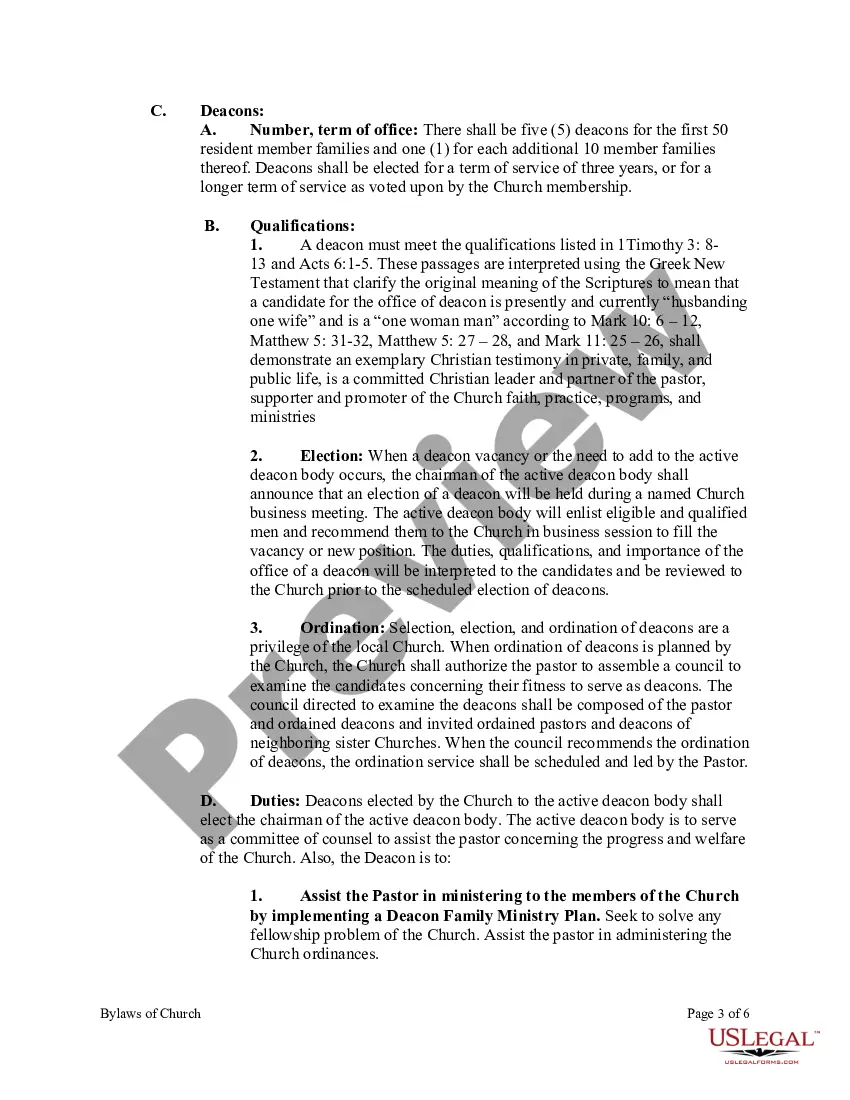
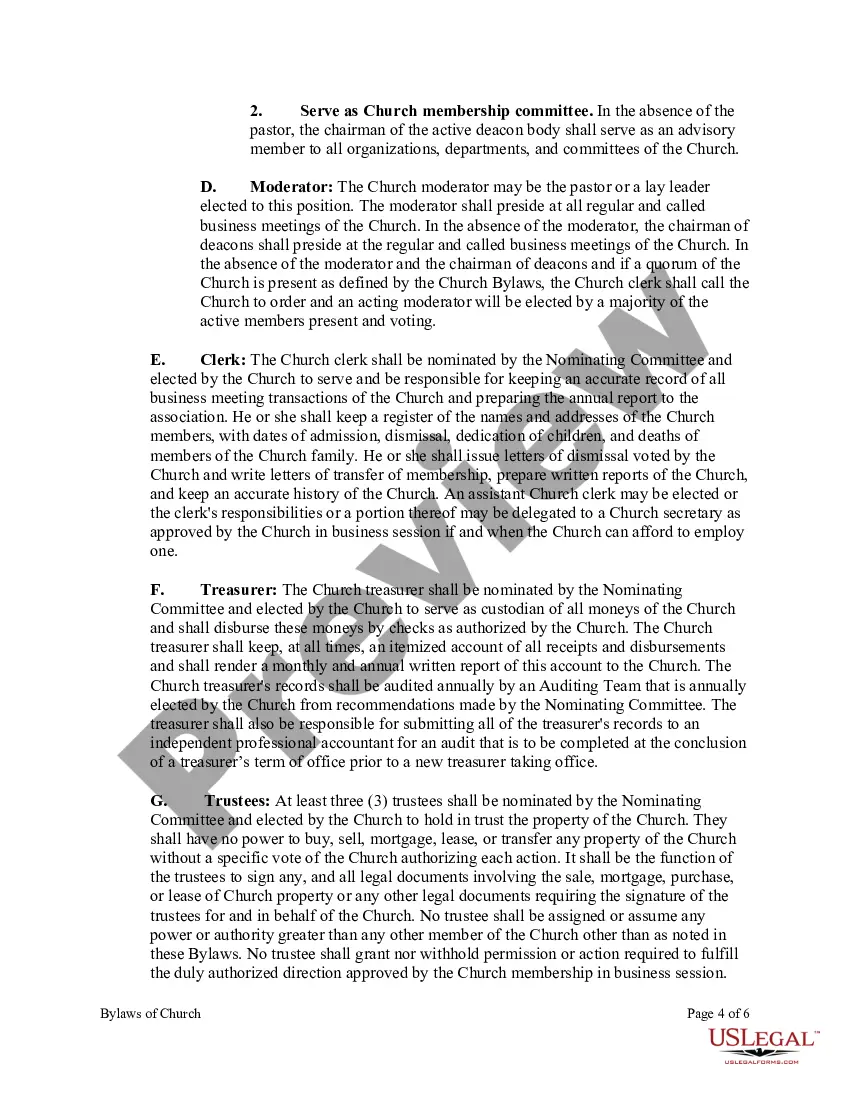
Assemblies Of God Bylaws And Constitution
Description
Get your form ready online
Our built-in tools help you complete, sign, share, and store your documents in one place.
Make edits, fill in missing information, and update formatting in US Legal Forms—just like you would in MS Word.
Download a copy, print it, send it by email, or mail it via USPS—whatever works best for your next step.
Sign and collect signatures with our SignNow integration. Send to multiple recipients, set reminders, and more. Go Premium to unlock E-Sign.
If this form requires notarization, complete it online through a secure video call—no need to meet a notary in person or wait for an appointment.
We protect your documents and personal data by following strict security and privacy standards.

Make edits, fill in missing information, and update formatting in US Legal Forms—just like you would in MS Word.

Download a copy, print it, send it by email, or mail it via USPS—whatever works best for your next step.

Sign and collect signatures with our SignNow integration. Send to multiple recipients, set reminders, and more. Go Premium to unlock E-Sign.

If this form requires notarization, complete it online through a secure video call—no need to meet a notary in person or wait for an appointment.

We protect your documents and personal data by following strict security and privacy standards.
Looking for another form?

How to fill out Bylaws Of Church - Church Not Incorporated?
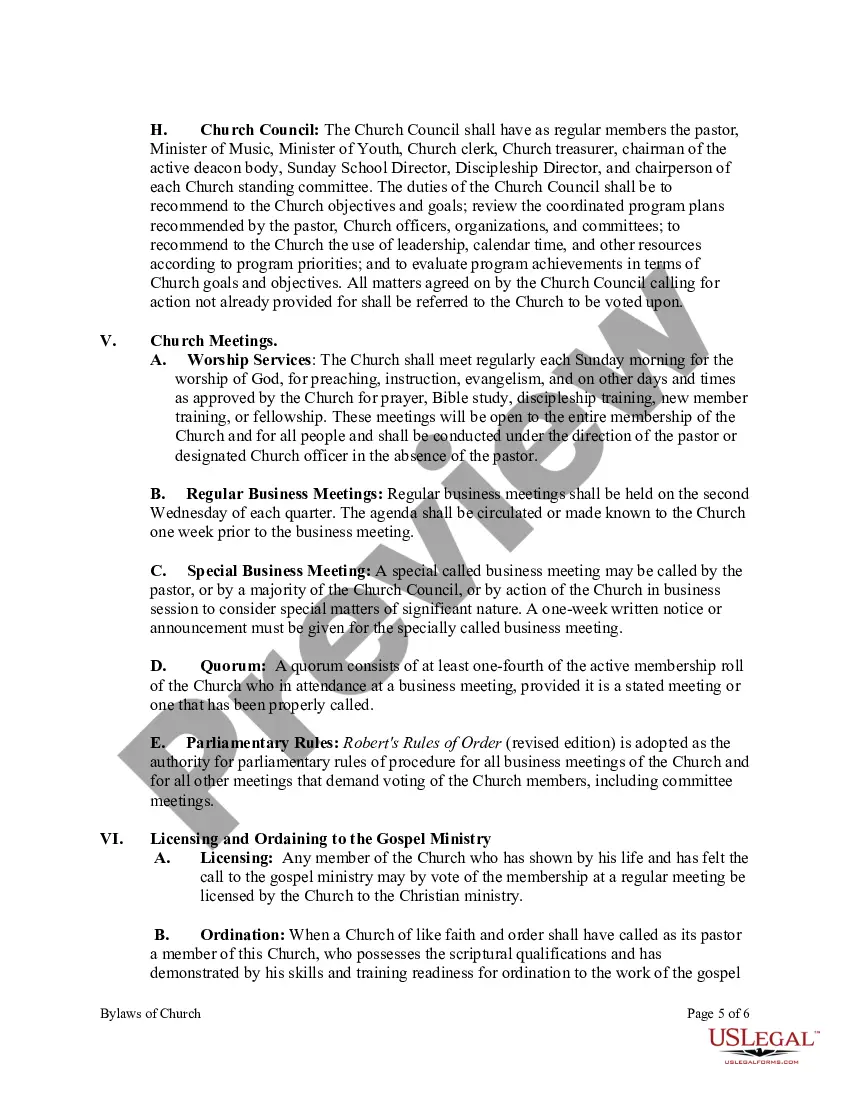
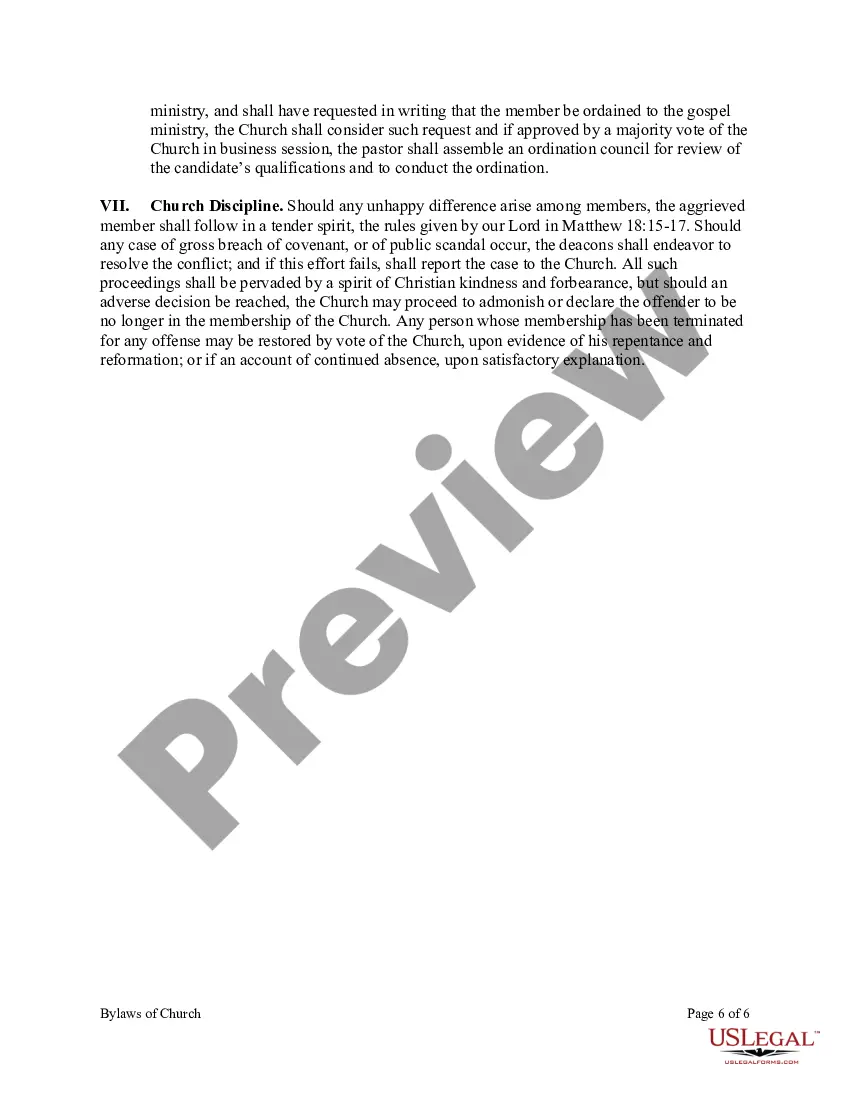
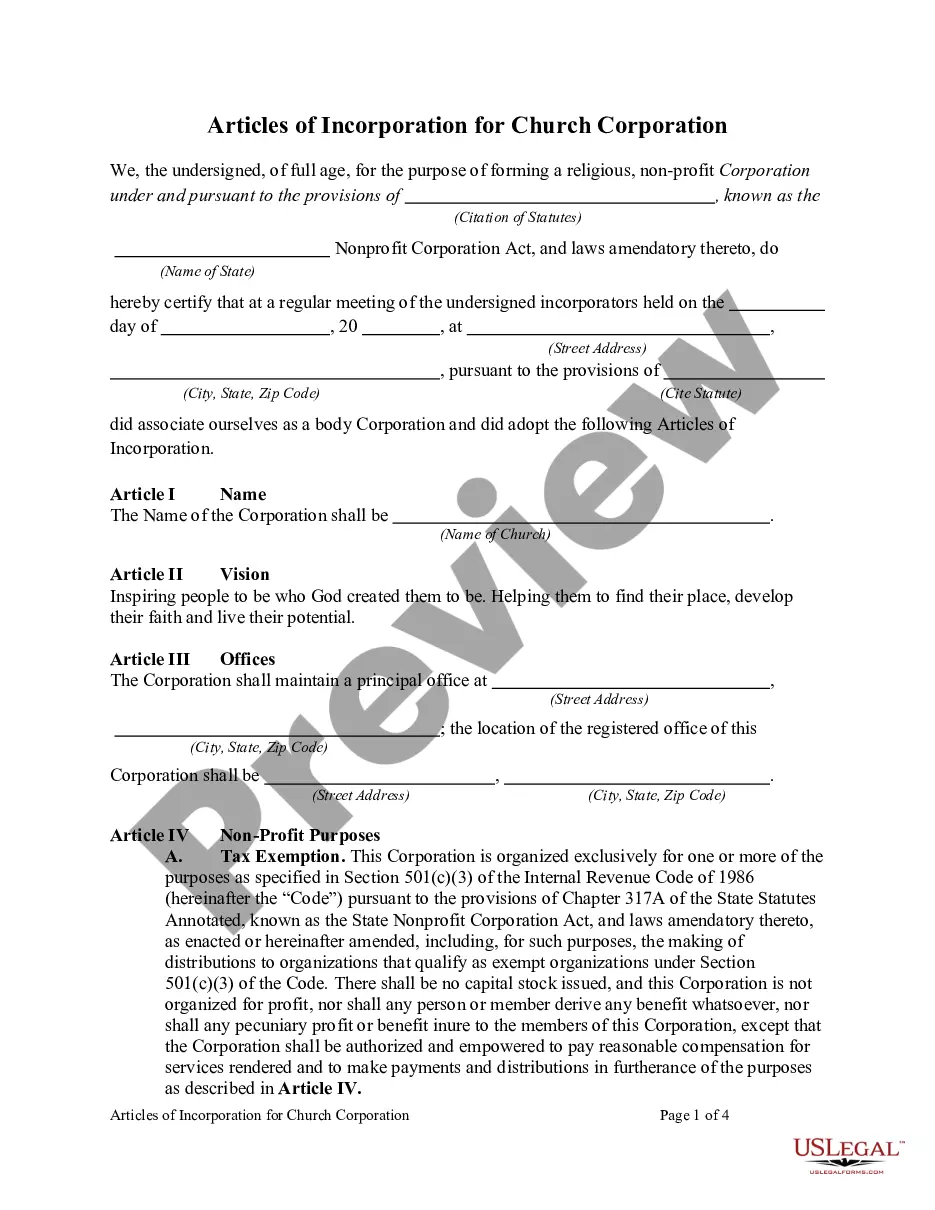
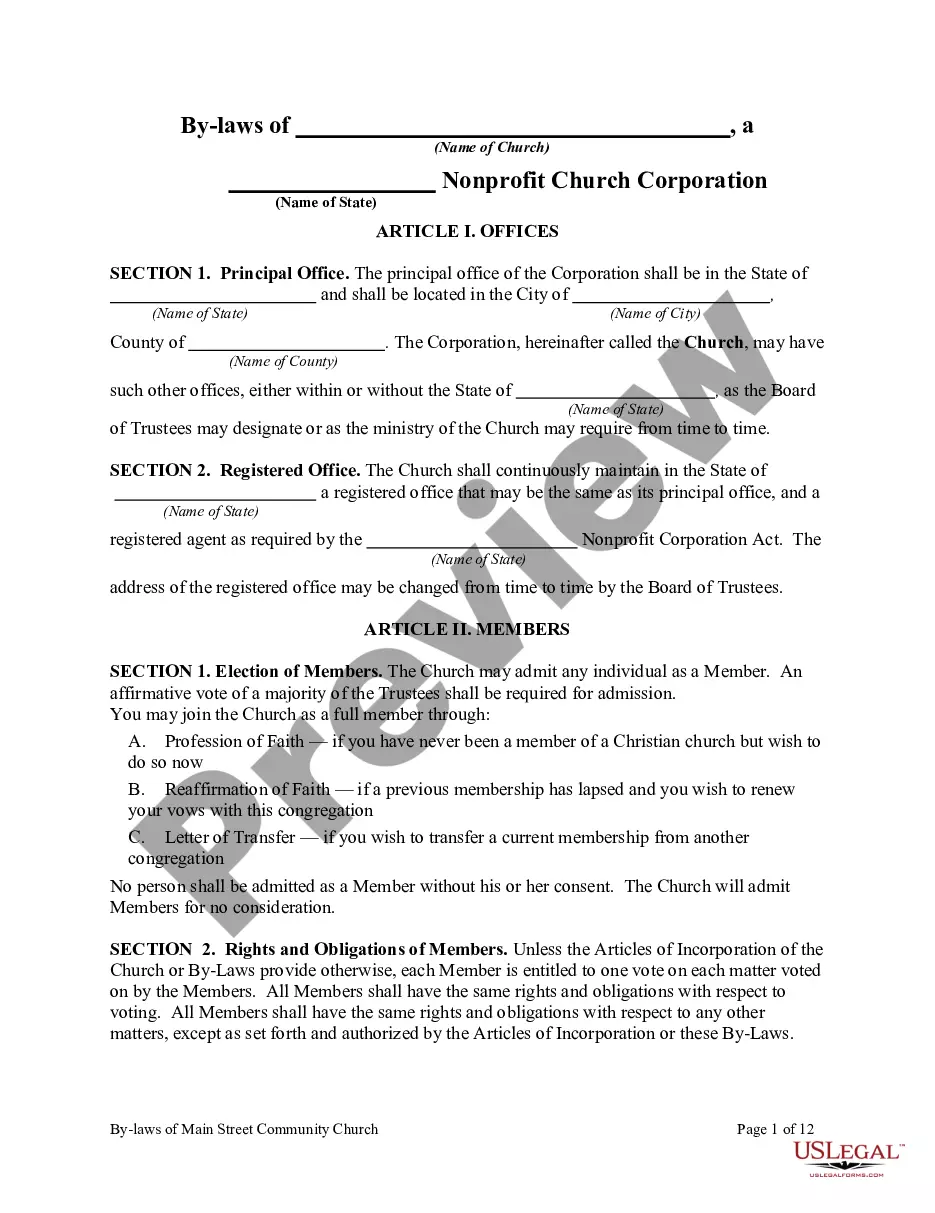
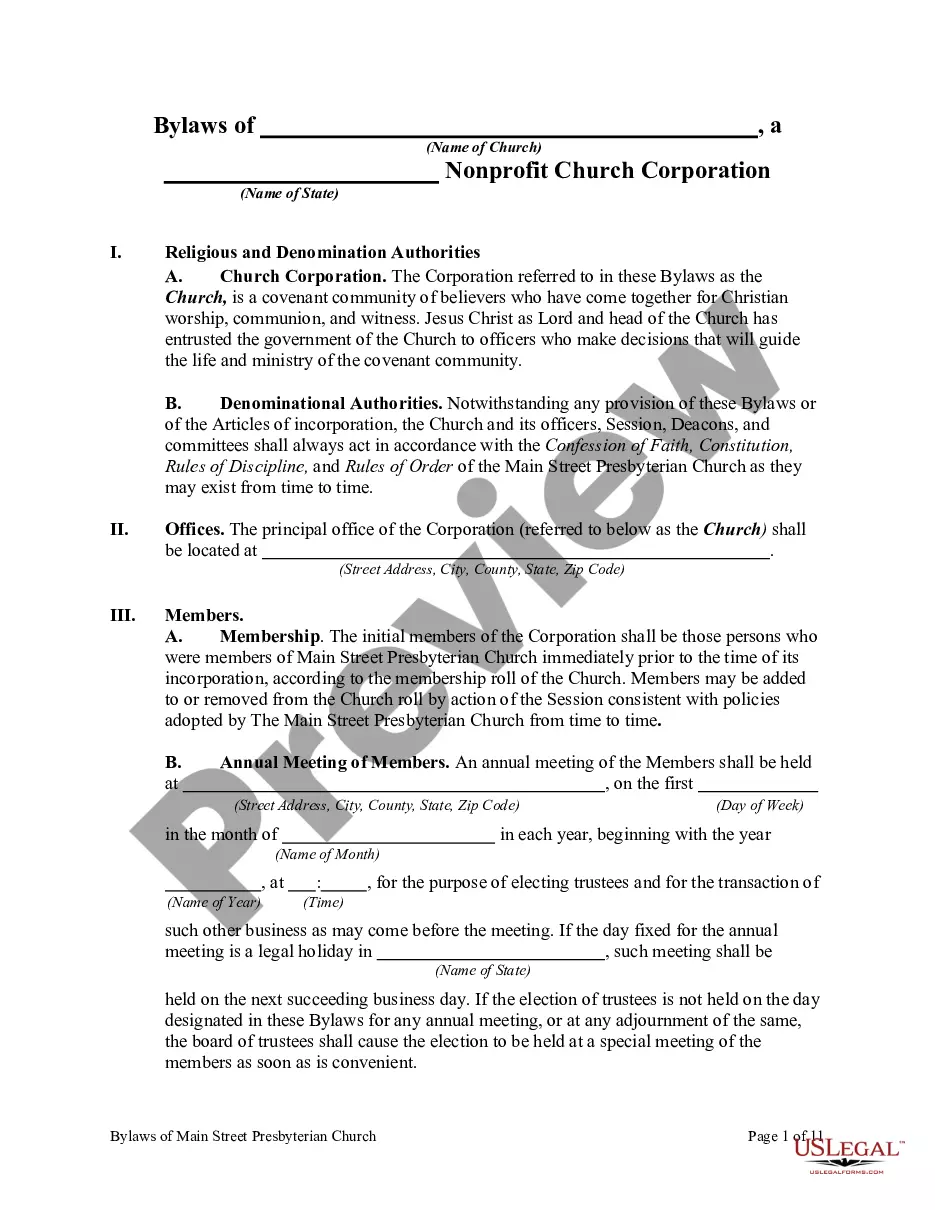
The Assemblies Of God Guidelines and Constitution you find on this page is a reusable legal framework crafted by professional attorneys in accordance with federal and state laws and regulations.
For over 25 years, US Legal Forms has offered individuals, organizations, and lawyers more than 85,000 verified, state-specific documents for various business and personal circumstances. It’s the fastest, easiest, and most reliable method to obtain the forms you require, as the service ensures bank-level data protection and anti-malware defense.
Select the format you prefer for your Assemblies Of God Guidelines and Constitution (PDF, DOCX, RTF) and download the document onto your device.
- Search for the document you need and evaluate it.
- Browse through the sample you looked for and preview it or check the form description to ensure it meets your requirements. If it doesn’t, utilize the search feature to find the correct one. Click 'Buy Now' once you have identified the template required.
- Sign up and Log In.
- Select the pricing option that best fits you and create an account. Use PayPal or a credit card to make an immediate payment. If you already have an account, Log In and verify your subscription to proceed.
- Receive the editable template.
Form popularity
FAQ
Drafting a constitution for a group is a straightforward process that requires careful planning. Start by outlining the purpose and objectives of your group. Next, clearly define the roles and responsibilities of members, as well as the decision-making process. Utilizing the Assemblies of God bylaws and constitution as a reference can help ensure your constitution is both comprehensive and effective.
To obtain Assembly of God credentials, individuals must typically complete specific educational and ministerial requirements set by the denomination. They should also demonstrate their understanding of the Assemblies of God bylaws and constitution. Engaging with resources like uslegalforms can guide prospective ministers through the credentialing process, helping them understand necessary steps and documentation.
If a church fails to follow its bylaws, it may face internal conflicts, legal challenges, or loss of credibility among its members. Non-compliance with the Assemblies of God bylaws and constitution can lead to disputes regarding leadership and decision-making. Therefore, it is crucial for churches to adhere to their established bylaws to maintain trust and ensure smooth operations.
Yes, bylaws are legally enforceable as they serve as an agreement among members of the organization. When disputes arise within a church, these bylaws outline how to resolve issues, ensuring fair treatment for all involved. Following the Assemblies of God bylaws and constitution helps to foster a harmonious church environment by establishing clear guidelines.
Indeed, church bylaws are considered legal documents. They serve as a foundation for how a church conducts its affairs and delineates the rights and responsibilities of its members. By adhering to the Assemblies of God bylaws and constitution, churches can maintain their legal status and fulfill their mission effectively.
Yes, church bylaws are legally binding documents that govern the operations of a church. These bylaws outline the rules and procedures for the organization, including membership, meetings, and decision-making processes. It is essential for churches to follow their Assemblies of God bylaws and constitution to ensure legal protection and accountability.
Generally, bylaws do not supersede the constitution; rather, they complement it. In the context of Assemblies of God bylaws and constitution, the constitution holds the ultimate authority, and bylaws should operate within that framework. Understanding this hierarchy helps ensure that all governing documents work together effectively to guide an organization.
The ordinances of the Assembly of God include baptism and communion, which are essential practices within the faith. These ordinances reflect the teachings and values outlined in the Assemblies of God bylaws and constitution. By adhering to these practices, congregations can strengthen their community and commitment to their beliefs.
Bylaws can become invalid if they contradict the constitution or violate applicable laws. In the context of the Assemblies of God bylaws and constitution, it is crucial that bylaws reflect the greater mission and adhere to legal standards. Ensuring your bylaws are consistent with your constitution helps maintain their validity and effectiveness.
Generally, a constitution has priority over bylaws in organizational governance. In the context of the Assemblies of God bylaws and constitution, the constitution lays down the essential rules that explain the purpose and intentions of the organization. Bylaws must align with the constitution, but they can provide more detailed information on procedures and activities.