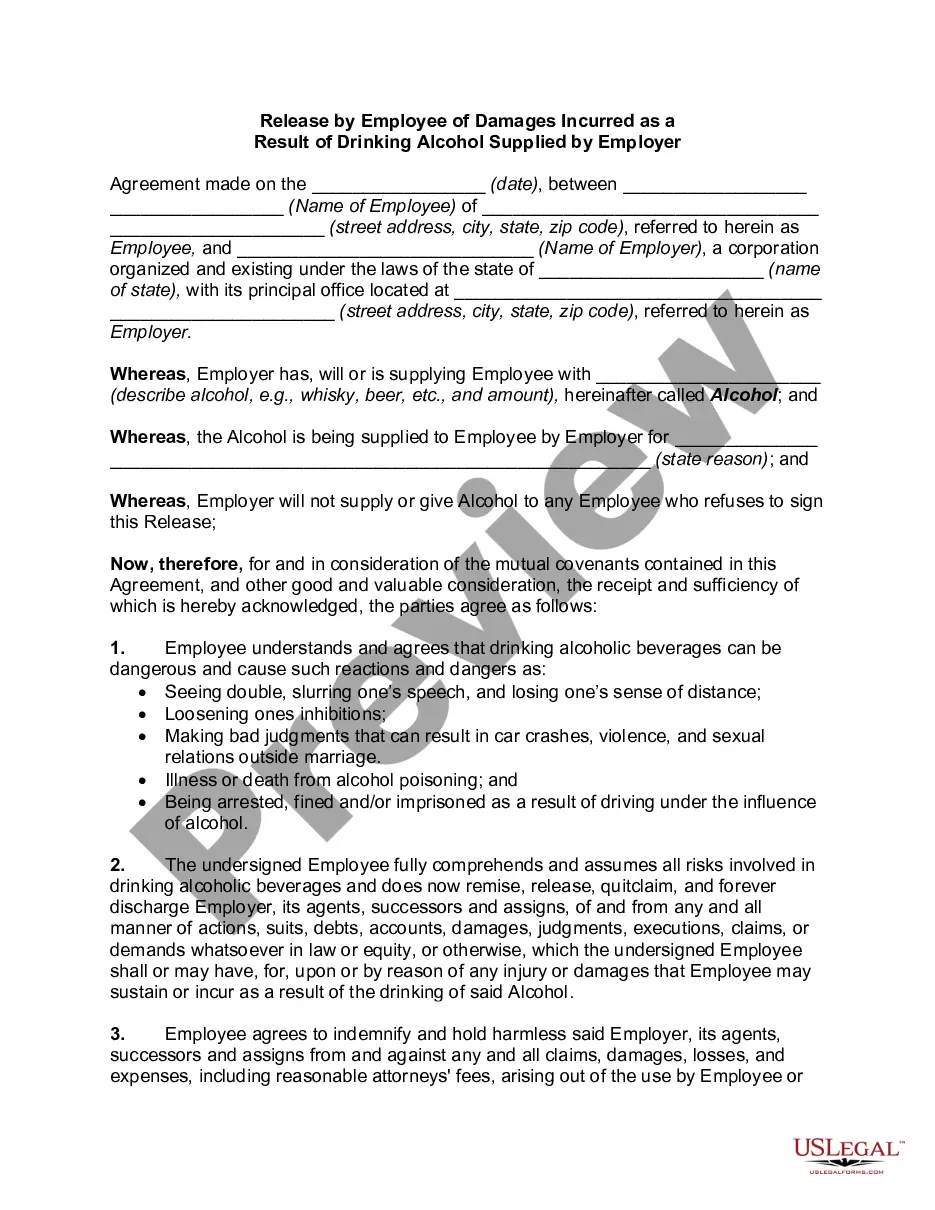
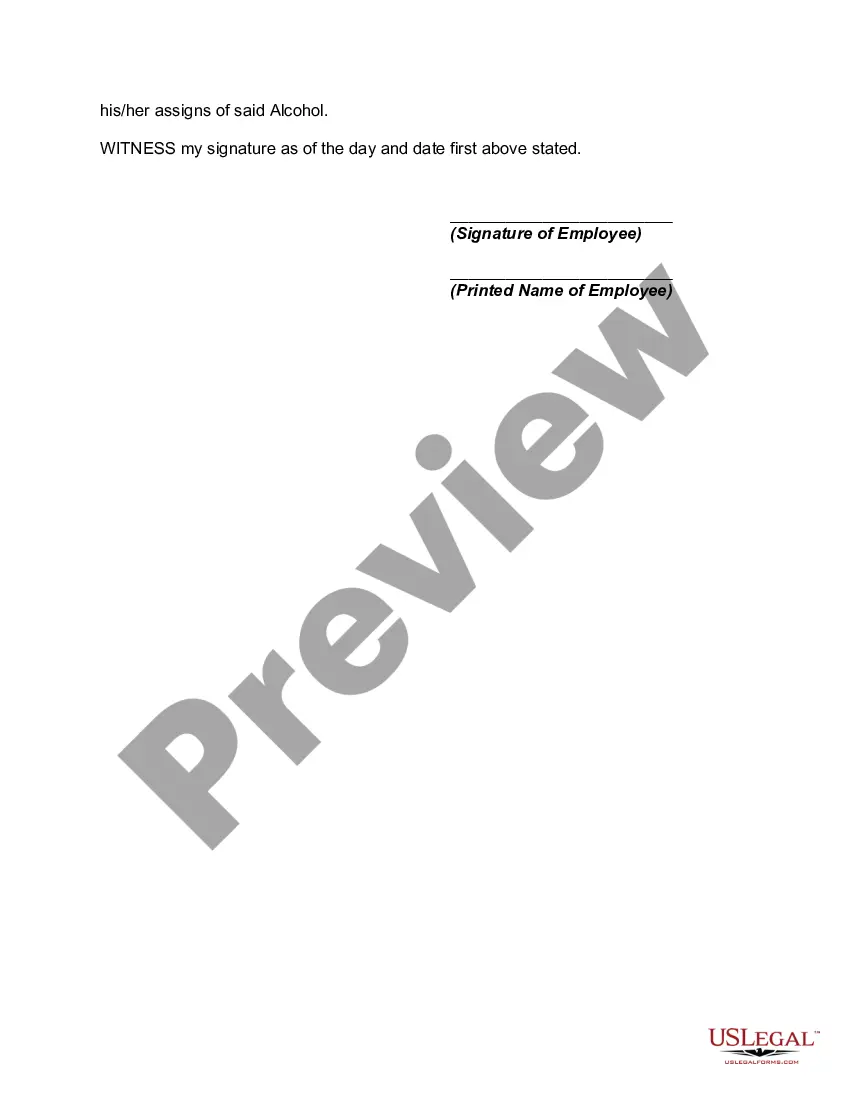
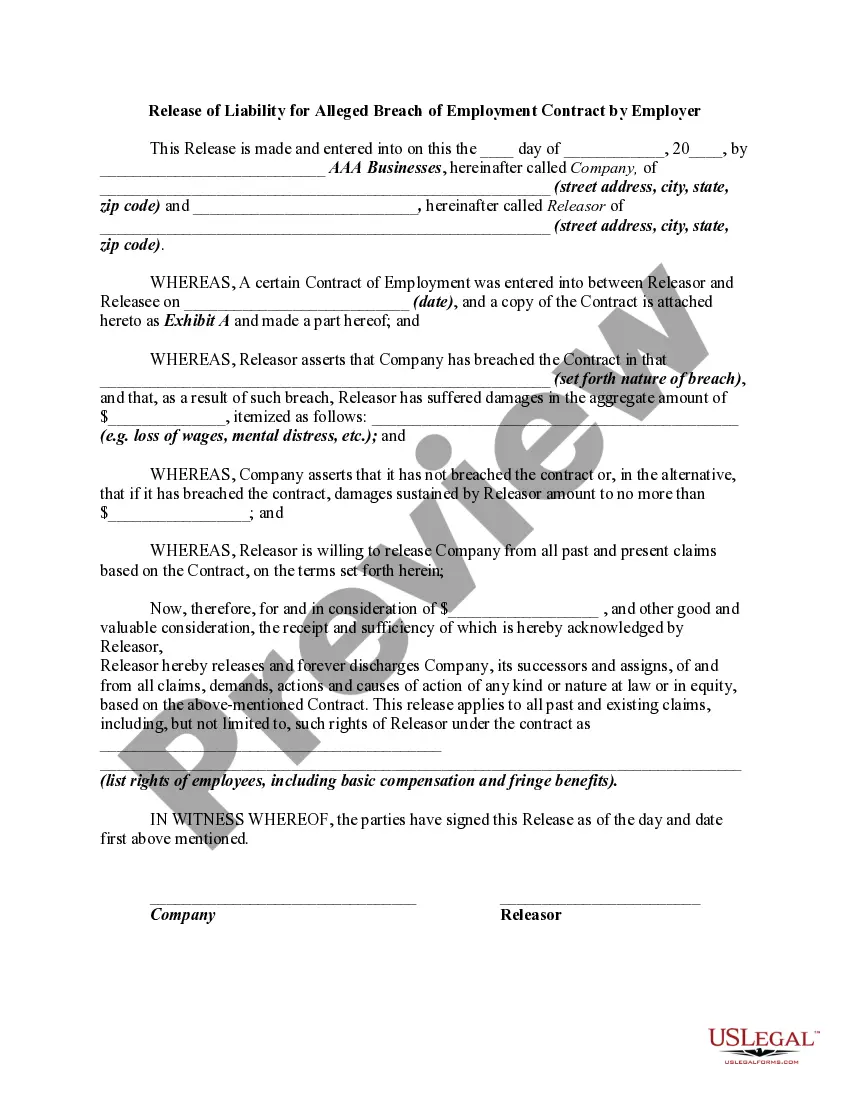
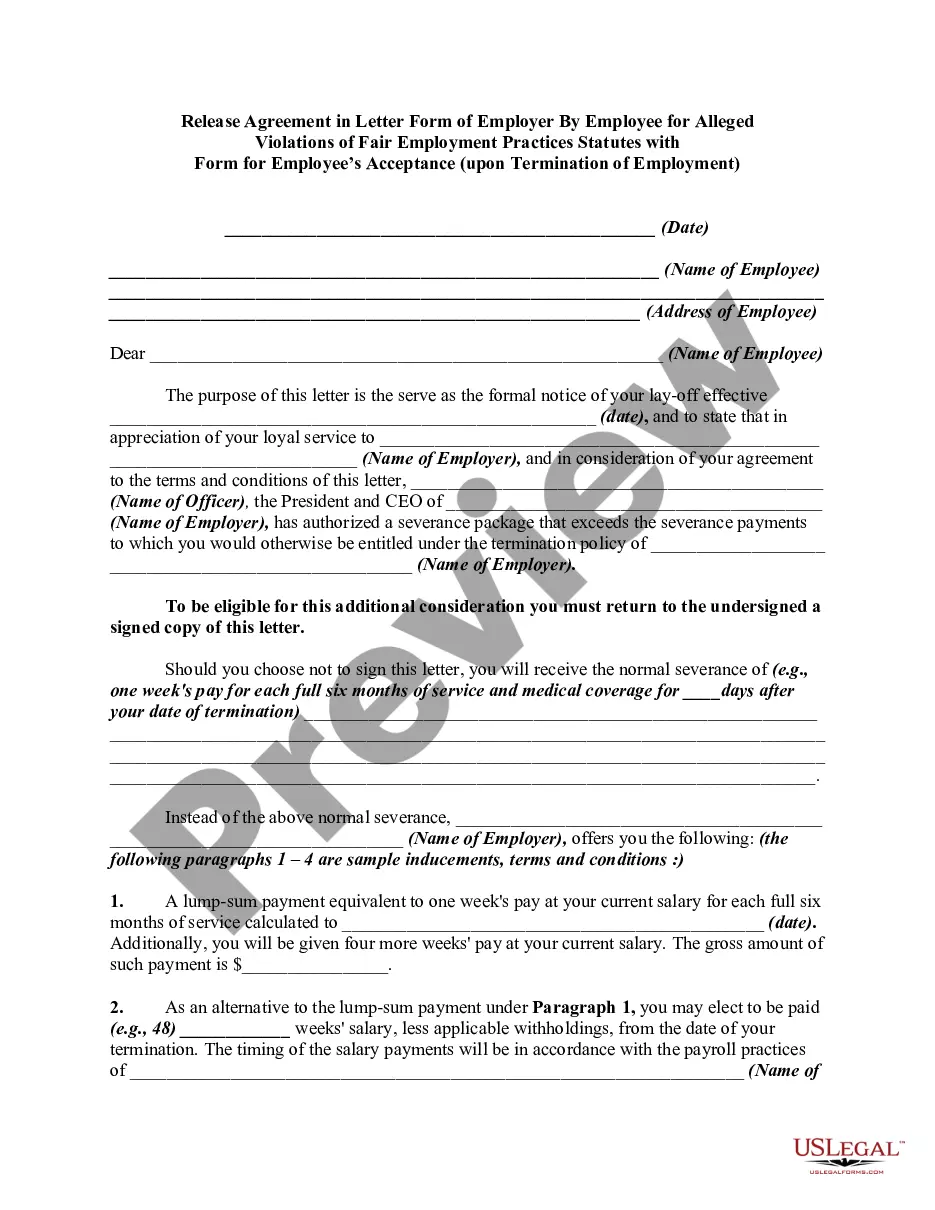
Employee Responsible For Damages
Description
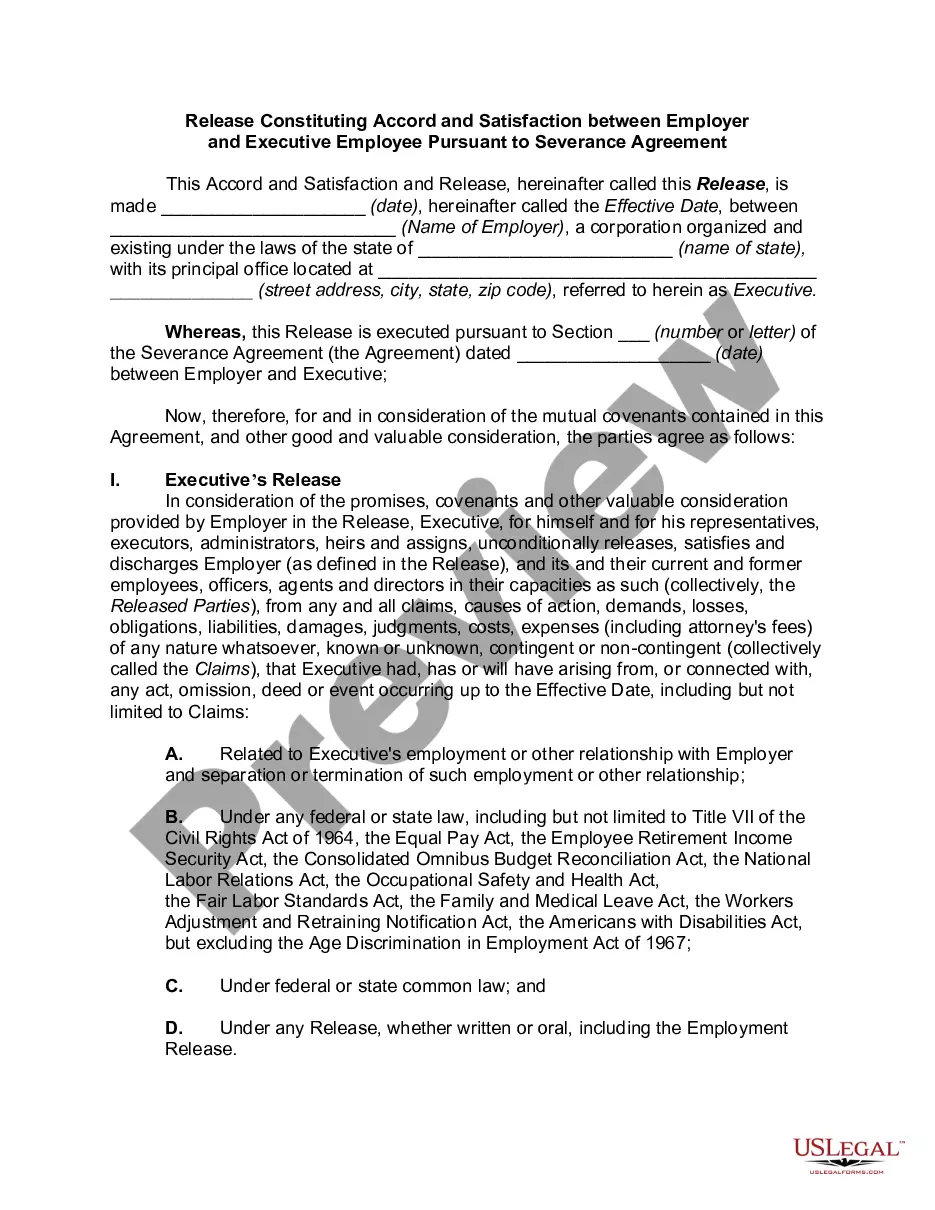
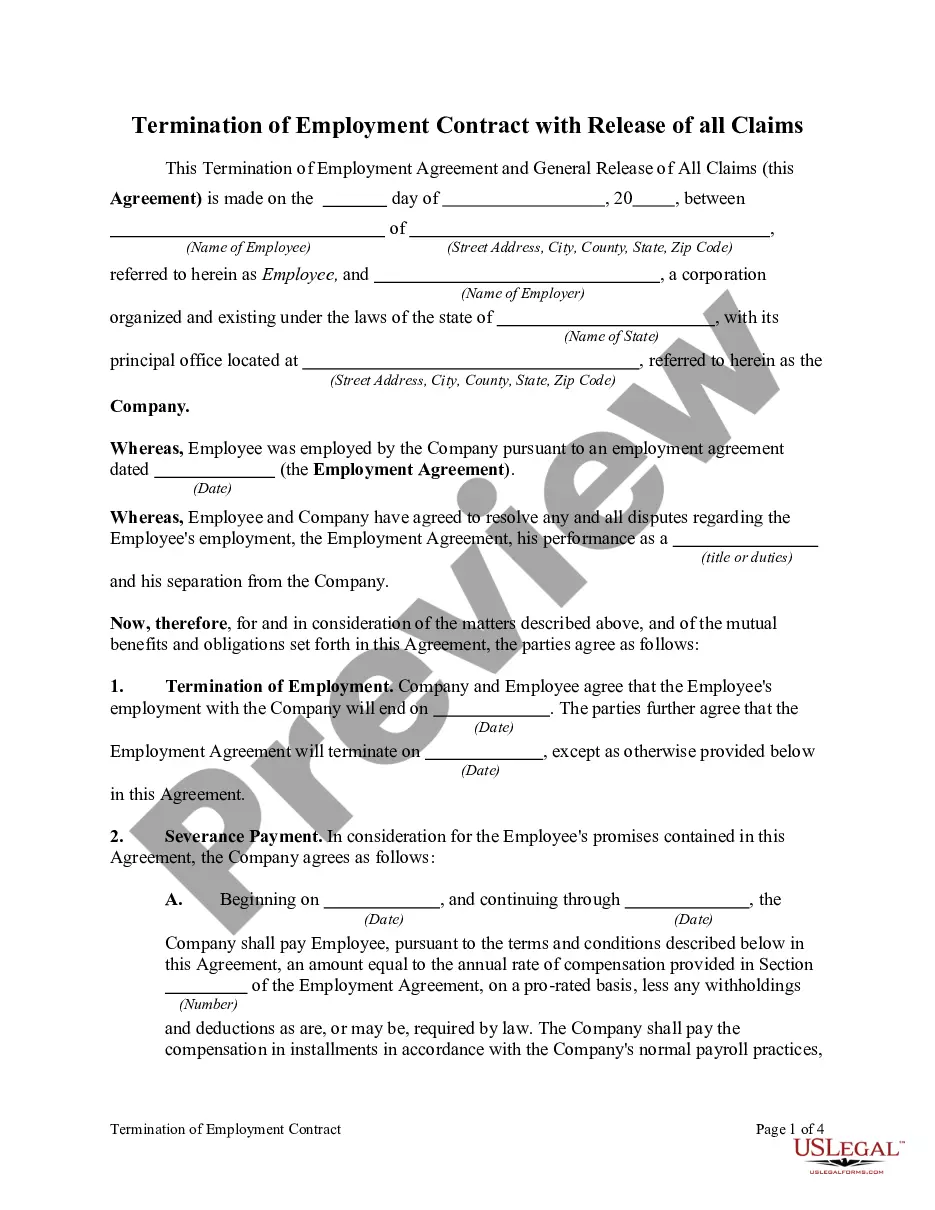
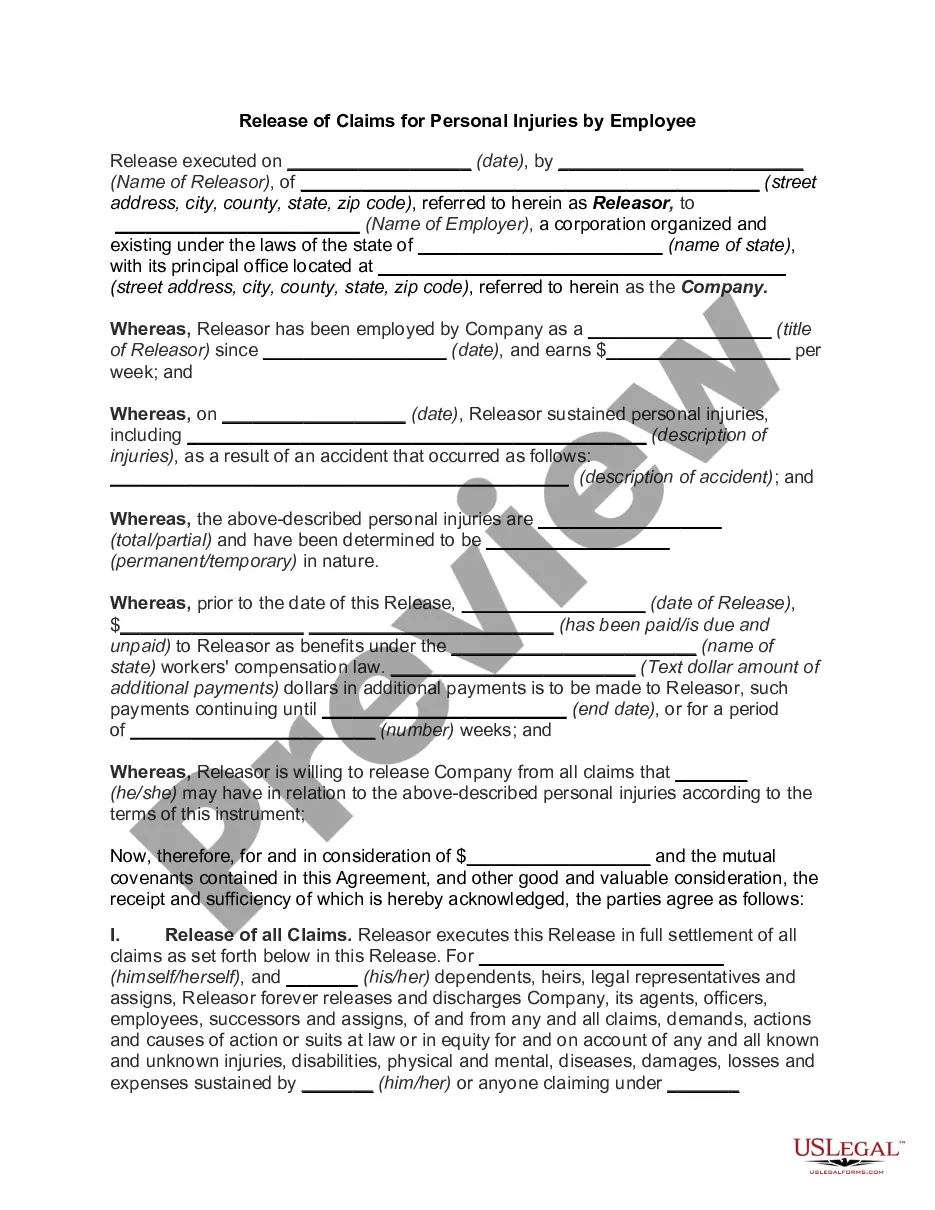
Get your form ready online
Our built-in tools help you complete, sign, share, and store your documents in one place.
Make edits, fill in missing information, and update formatting in US Legal Forms—just like you would in MS Word.
Download a copy, print it, send it by email, or mail it via USPS—whatever works best for your next step.
Sign and collect signatures with our SignNow integration. Send to multiple recipients, set reminders, and more. Go Premium to unlock E-Sign.
If this form requires notarization, complete it online through a secure video call—no need to meet a notary in person or wait for an appointment.
We protect your documents and personal data by following strict security and privacy standards.

Make edits, fill in missing information, and update formatting in US Legal Forms—just like you would in MS Word.

Download a copy, print it, send it by email, or mail it via USPS—whatever works best for your next step.

Sign and collect signatures with our SignNow integration. Send to multiple recipients, set reminders, and more. Go Premium to unlock E-Sign.

If this form requires notarization, complete it online through a secure video call—no need to meet a notary in person or wait for an appointment.

We protect your documents and personal data by following strict security and privacy standards.
Looking for another form?






Form popularity
FAQ
To write a claim example, start by introducing the context of the incident. Clearly specify the employee responsible for the damages and describe the nature of the loss. Keep the example straightforward, emphasizing essential facts without unnecessary details. Remember, a well-structured claim will help others understand their obligations and rights regarding damages.
A letter of responsibility for damages is a formal document outlining an employee's accountability for property or financial loss. It details the specifics of the incident, confirming that the employee is responsible for the damages and any resultant costs. This document can serve as a vital record in case of disputes. Using clear, professional language can reinforce the seriousness of the matter.
Writing a claim for damages involves clearly outlining the nature of the damages and the cause. Include details such as the date of the incident and the employee responsible for the damages. Be sure to attach relevant evidence, like photographs or receipts, to substantiate your claim. Following this structured format can help in resolving disputes effectively.
When drafting a formal letter of claim, begin by including your contact information and the date, followed by the recipient's details. State the purpose of the letter clearly by specifying the damages and identifying the employee responsible for them. Use a professional tone and include a deadline for a response to foster timely communication. Conclude with your contact information for any further discussion.
To write an effective claim for damages, start by stating clearly the facts of the incident. Detail how the employee is responsible for the damages incurred and the amount you are claiming. Additionally, provide supporting documentation, like photos or repair estimates, to strengthen your case. This structured approach helps convey your message effectively.
A damage claim refers to a request for compensation for loss or injury. For example, if an employee accidentally damages company property while performing their duties, the employer may file a claim against that employee. This process clarifies who is responsible for the costs associated with the damage. Making this clear helps both sides understand their rights and obligations.
Liability typically stems from a person's actions that cause harm or loss to another individual or entity. An employee responsible for damages can become liable if their negligence or intentional misconduct leads to such harm. Key factors driving liability include the existence of a duty owed, a breach of that duty, and a direct link between the breach and the damages incurred. By understanding these factors, individuals and organizations can take proactive steps to minimize risks.
A liability for damage clause is a provision in contracts that outlines the responsibilities regarding damages caused by one of the parties. This clause defines how an employee responsible for damages can be held accountable and clarifies consequences for breaches of duty. Including such clauses in contracts helps speak to the importance of accountability in workplace agreements. It fosters a culture of responsibility and risk awareness among all employees.
Various parties can be liable for damages, including employees, employers, and third parties. If an employee responsible for damages acts within the scope of their employment, they may bear liability for their actions. However, employers often carry primary liability for their employees’ conduct under the doctrine of vicarious liability. Understanding potential liabilities helps organizations prepare and protect against claims.
In the context of job responsibilities, an employee responsible for damages may be held liable if their actions directly lead to negative outcomes. This liability often extends to employees whose performance falls short of contractual obligations or company policies. Additionally, employers may share some responsibility, especially if proper training and resources were not provided. It is essential to establish clear expectations to minimize potential liabilities.
