Employee Liable For Damages
Description
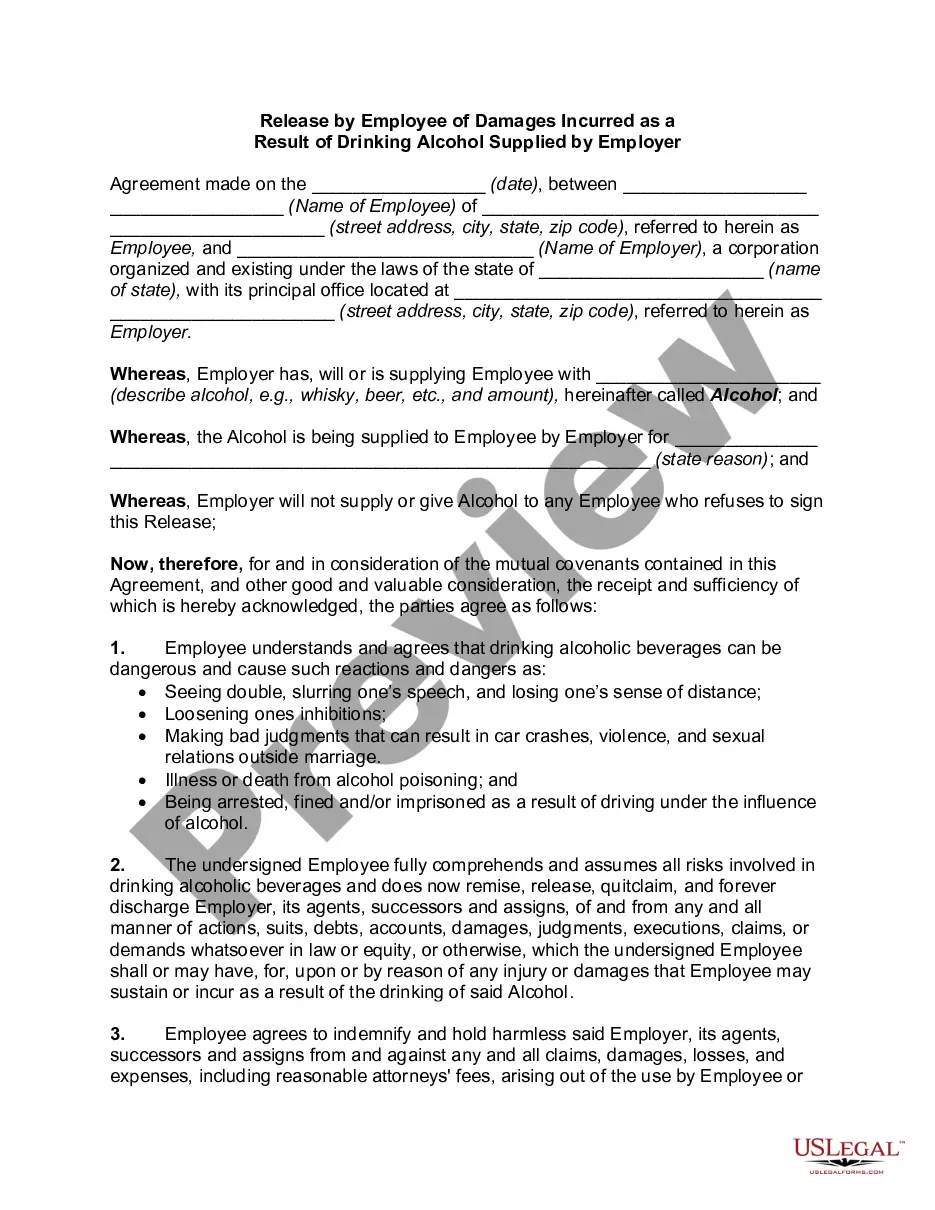
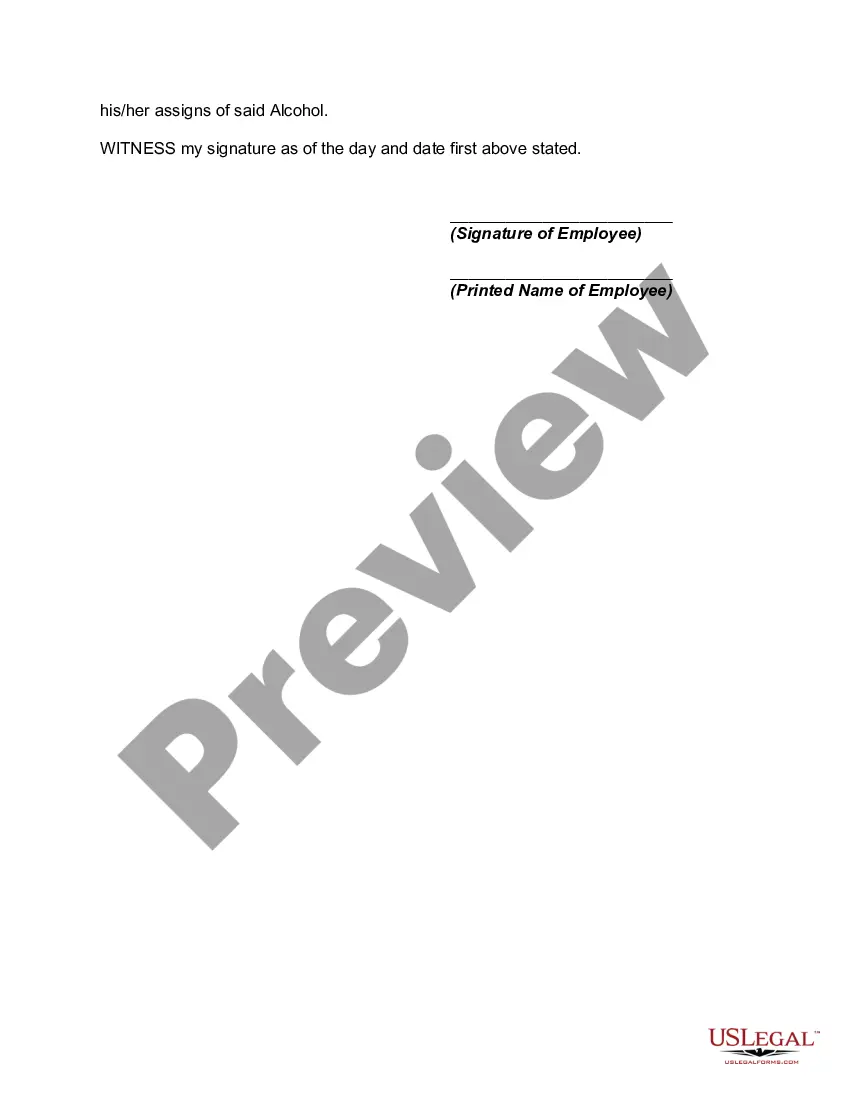
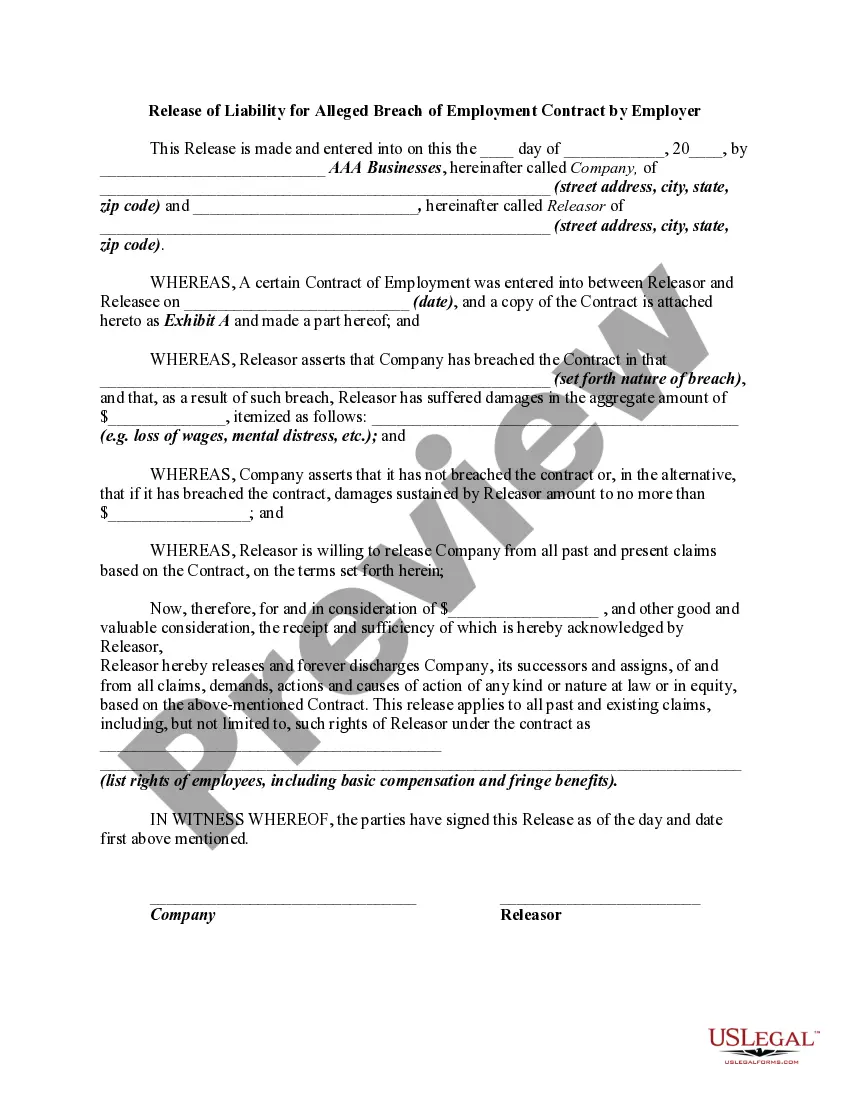
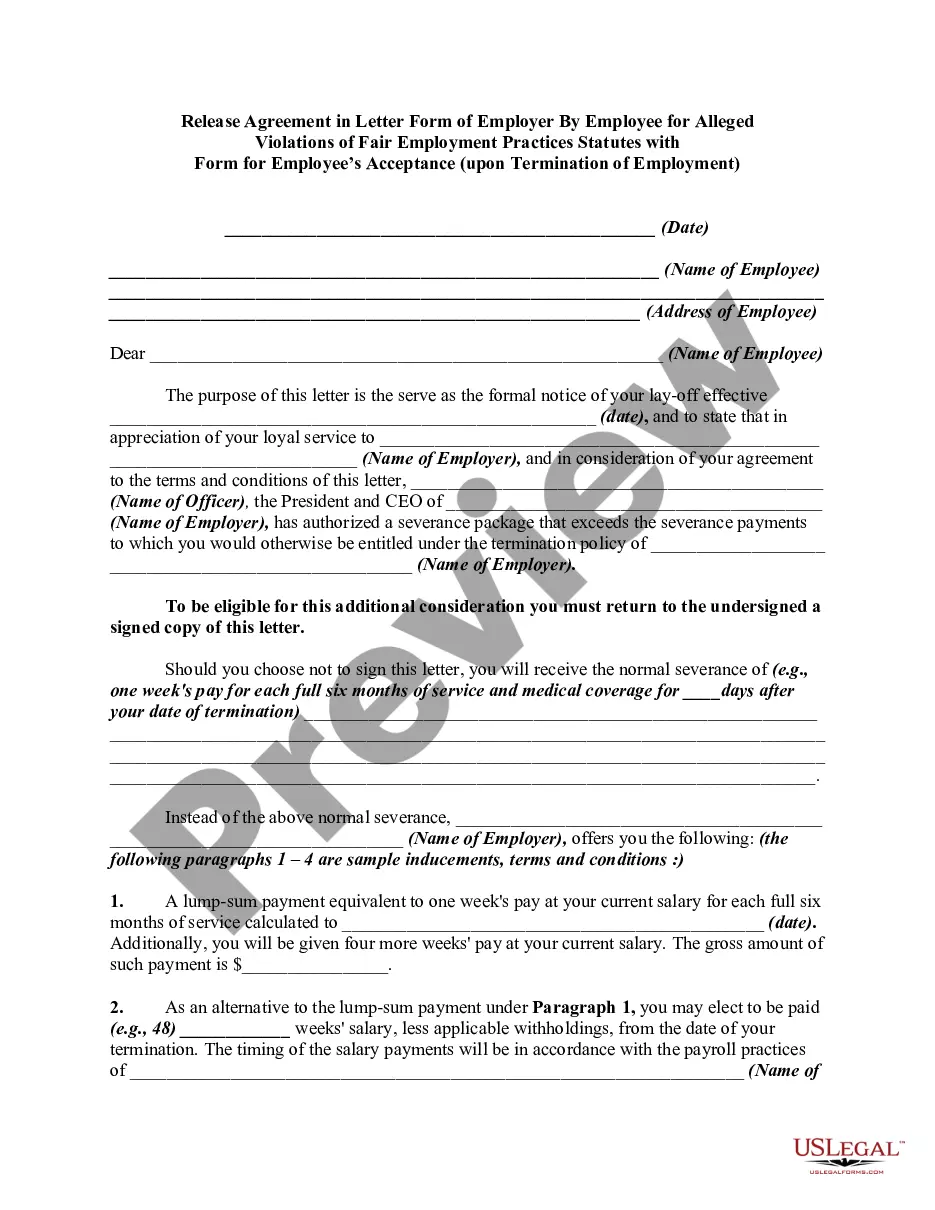
Get your form ready online
Our built-in tools help you complete, sign, share, and store your documents in one place.
Make edits, fill in missing information, and update formatting in US Legal Forms—just like you would in MS Word.
Download a copy, print it, send it by email, or mail it via USPS—whatever works best for your next step.
Sign and collect signatures with our SignNow integration. Send to multiple recipients, set reminders, and more. Go Premium to unlock E-Sign.
If this form requires notarization, complete it online through a secure video call—no need to meet a notary in person or wait for an appointment.
We protect your documents and personal data by following strict security and privacy standards.

Make edits, fill in missing information, and update formatting in US Legal Forms—just like you would in MS Word.

Download a copy, print it, send it by email, or mail it via USPS—whatever works best for your next step.

Sign and collect signatures with our SignNow integration. Send to multiple recipients, set reminders, and more. Go Premium to unlock E-Sign.

If this form requires notarization, complete it online through a secure video call—no need to meet a notary in person or wait for an appointment.

We protect your documents and personal data by following strict security and privacy standards.
Looking for another form?






Form popularity
FAQ
Yes, an employee can be held liable for damages resulting from their actions, particularly if those actions are deemed negligent. This liability often extends to situations where the employee acted outside the scope of their job duties. However, employers also need to assess their own responsibilities during such incidents. For navigating these complexities, platforms like USLegalForms can provide valuable resources and legal forms to help clarify liability issues.
When an employee causes damage due to his own negligence, employers may find themselves facing complex legal challenges. In many cases, the employee may be held liable for damages. However, it often depends on the specific circumstances of the incident and the applicable laws. Understanding these factors can help employers navigate potential liabilities.
An employer can sue an employee for damages, particularly if the employee acted with intent to cause harm or showed gross negligence. However, this situation is less common, as employers generally handle liability claims through insurance. Understanding your rights and responsibilities in such scenarios is vital. If you find yourself in a position where there may be disputes about liability, resources like USLegalForms can help you navigate the complexities involved.
Liability for damages may fall upon multiple parties, including both the employer and the employee. Depending on the circumstances, third parties may also be held accountable. It is essential to evaluate the situation to determine who bears responsibility for the damages caused. Familiarizing yourself with the nuances of who may be liable for damages can help minimize risks associated with the concept of employees liable for damages.
Yes, an employee can be held responsible for damage they cause while performing their job duties. If the employee acts in a negligent or reckless manner, they may face personal liability for the resulting damages. This aspect is important, as the concept of an employee liable for damages is tied closely to their actions. Additionally, it's beneficial for both employees and employers to understand these responsibilities to protect their interests.
An employer may be liable for the negligence of an employee when the employee acts within the scope of their employment. This includes situations where the employee performs their job duties, even if the actions are negligent. In such cases, the employer may be held accountable for the damages caused by the employee. Understanding the principles behind employer liability is crucial for navigating legal responsibilities, especially regarding the concept of an employee liable for damages.
Yes, employers can also be held liable for damages caused by their employees in many instances. This concept, known as 'vicarious liability,' means that employers may be responsible if their employees' actions fall within the scope of their job duties. Understanding this aspect of liability is crucial for both employees and employers. For more clarity on potential liabilities, consider exploring the offerings from uslegalforms, which can guide you through legal complexities.
Yes, employees can indeed be held liable for damages that occur during the course of their work. If an employee acts negligently or engages in willful misconduct, they may be responsible for the financial consequences of their actions. It's important to understand that liability may vary based on the specifics of each case. For those facing this situation, uslegalforms offers resources to help determine liability and understand employee rights.
