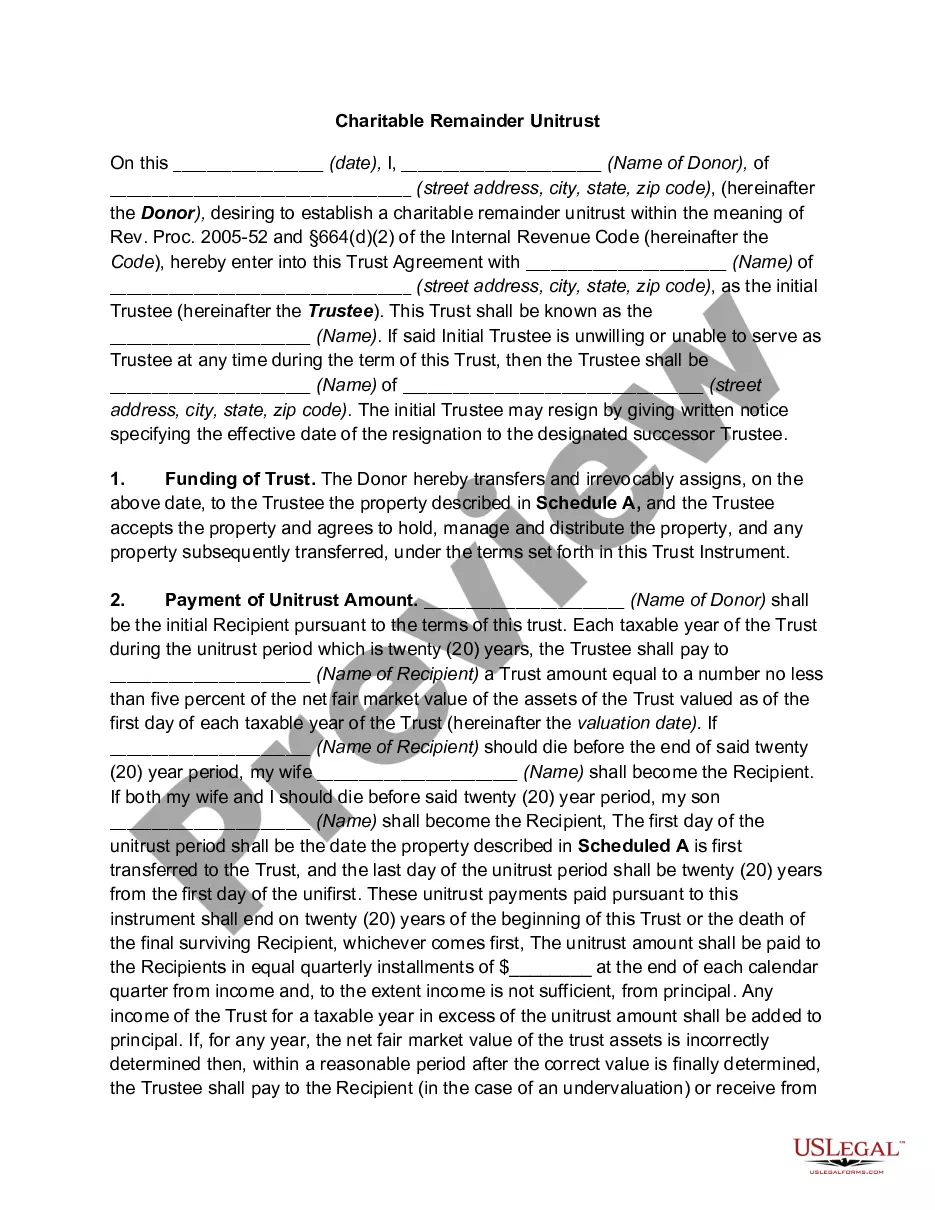
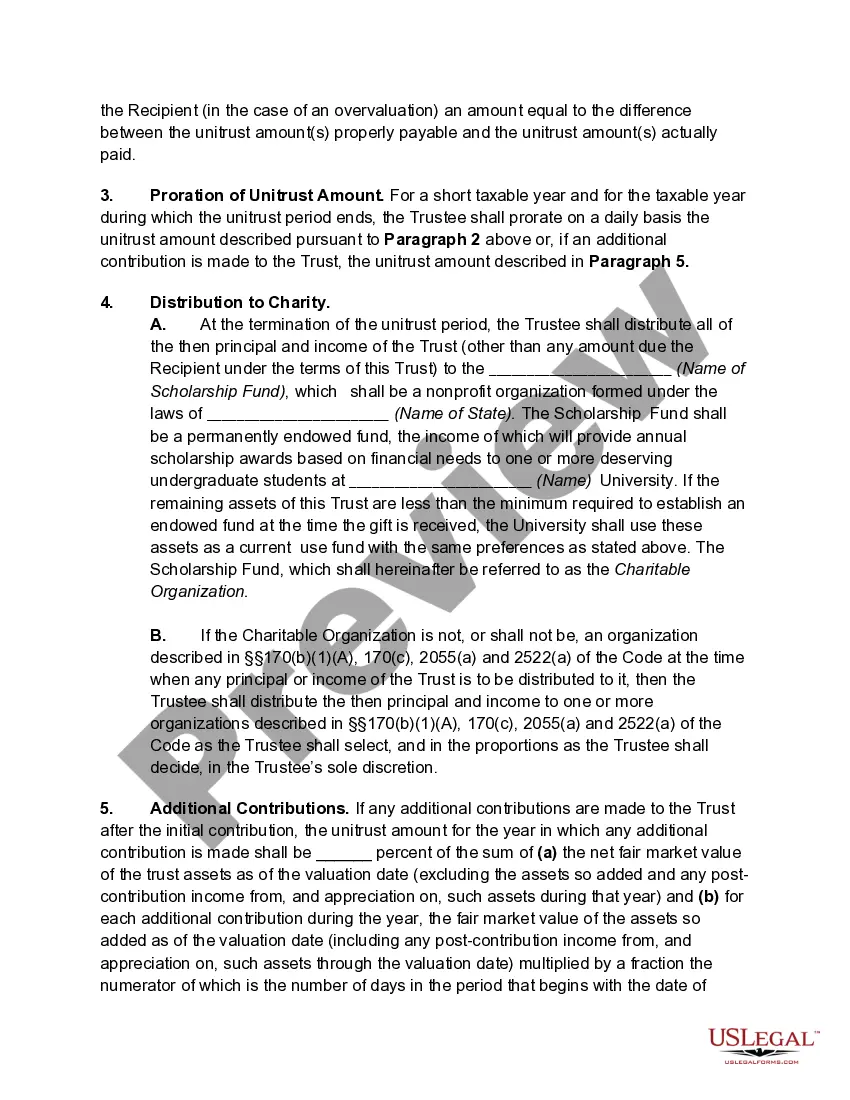
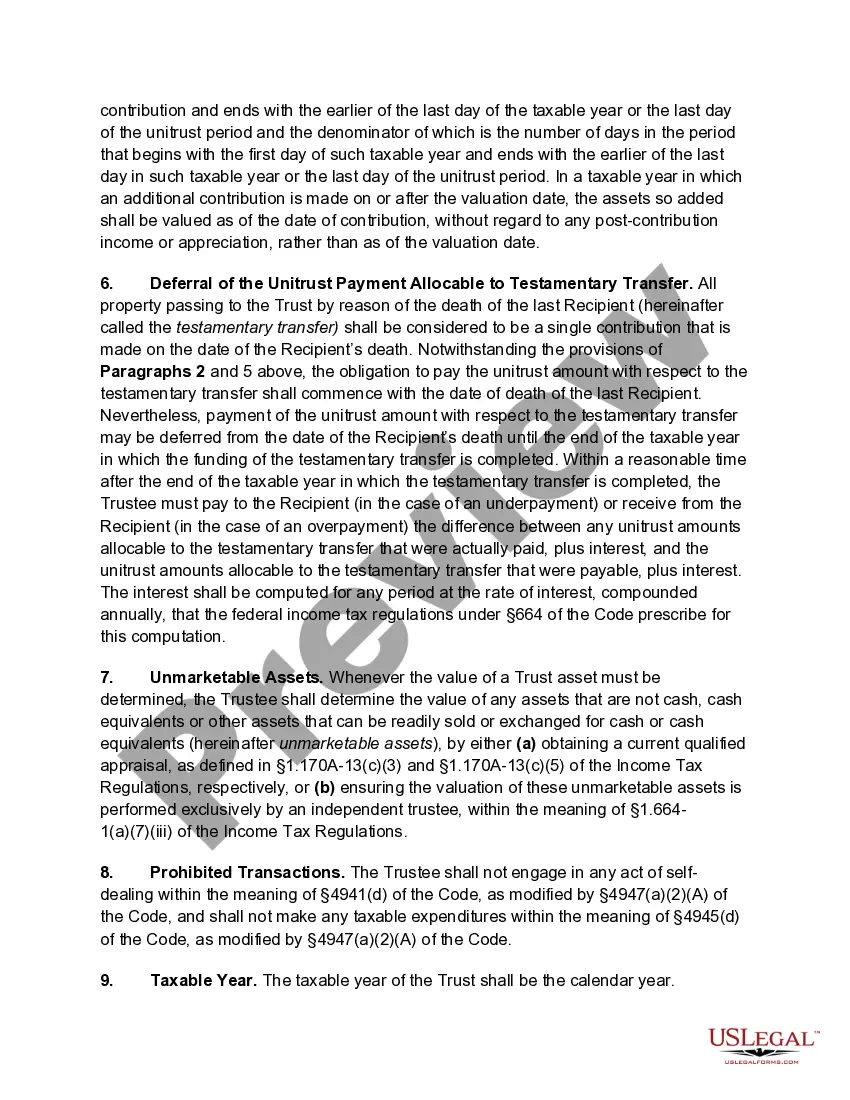
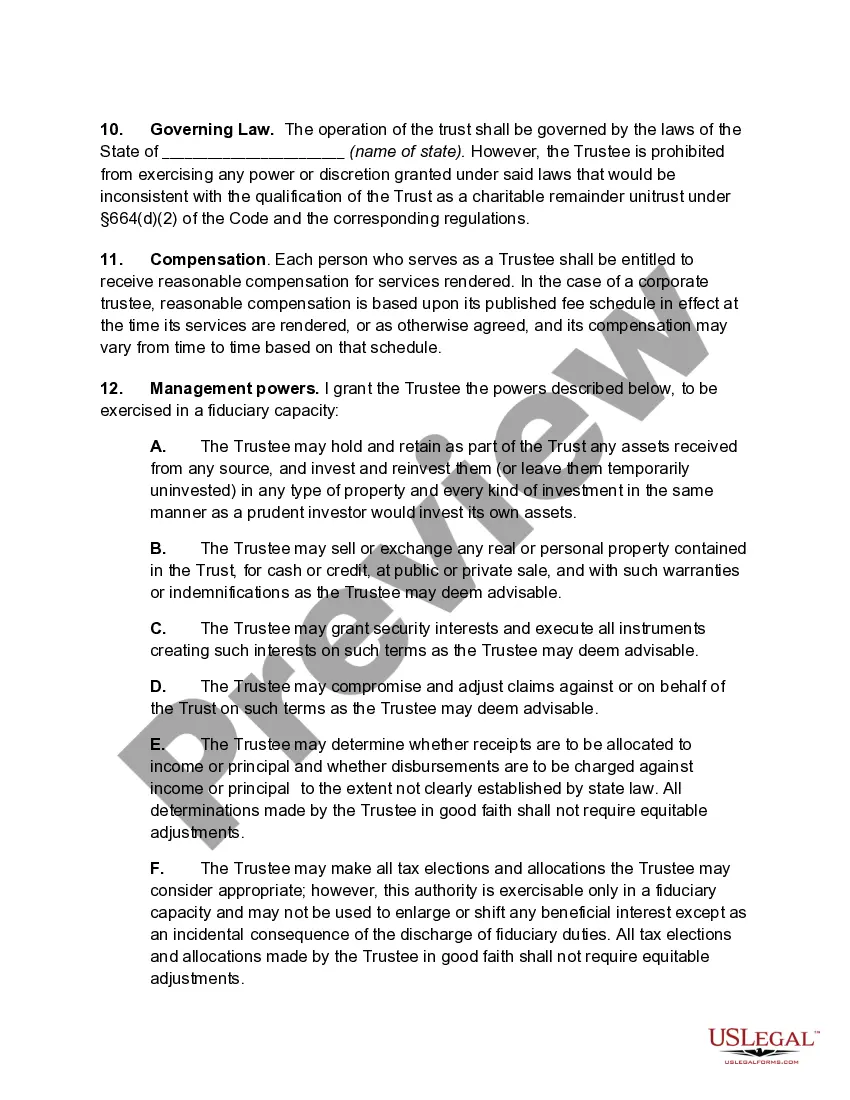
Charitable Remainder Trust Funded With Real Estate
Description
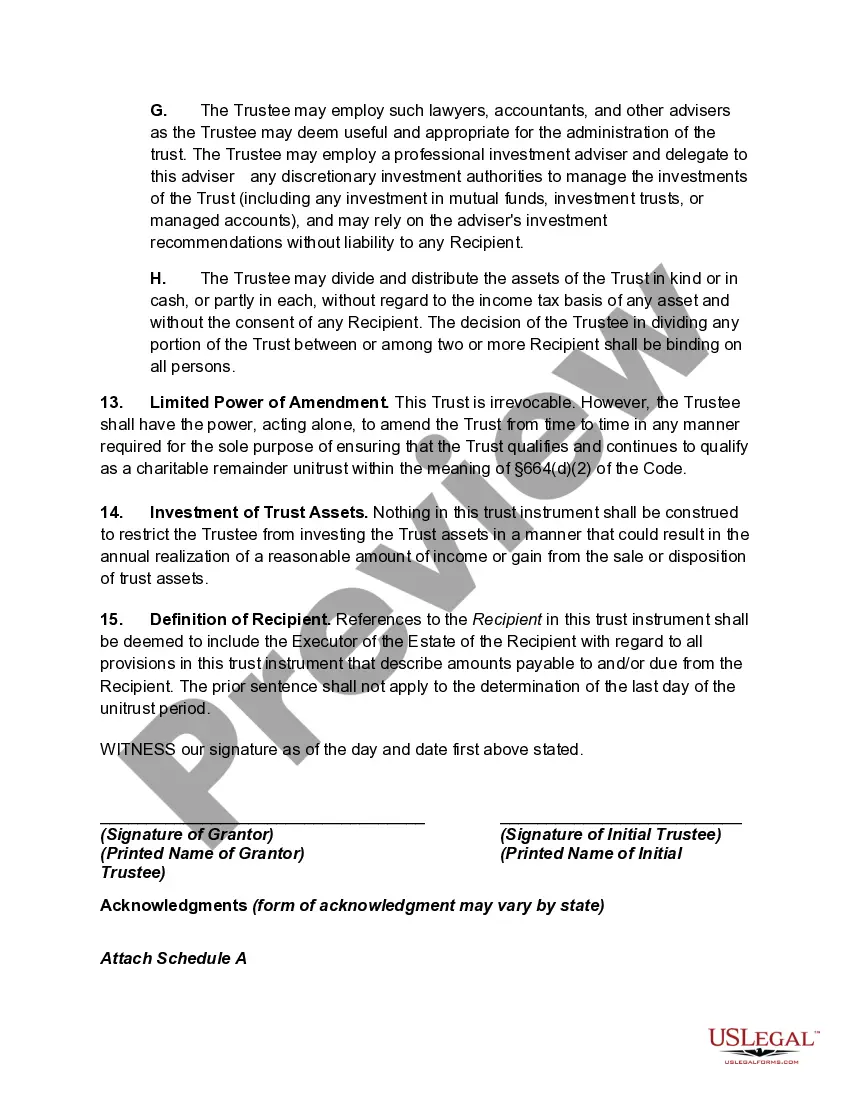

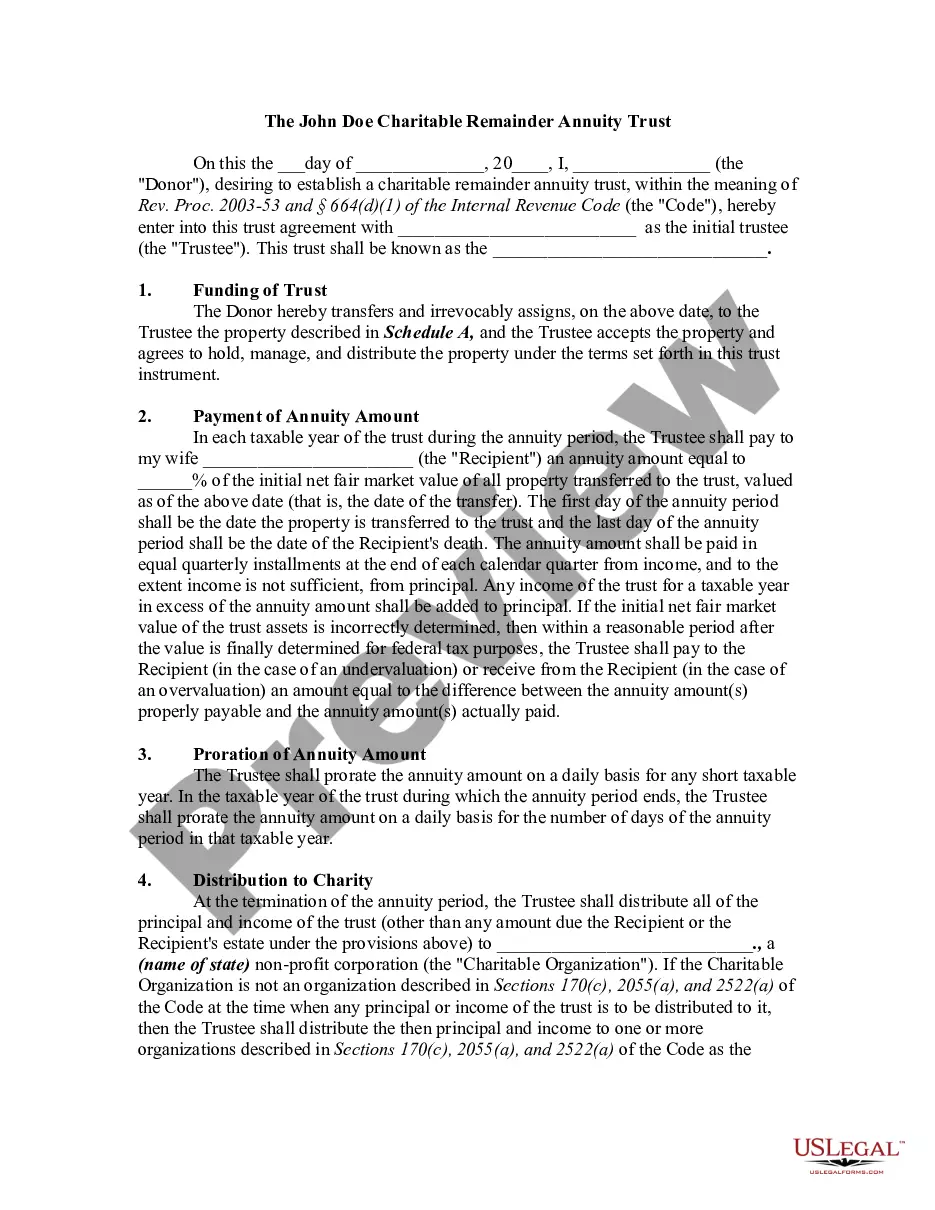
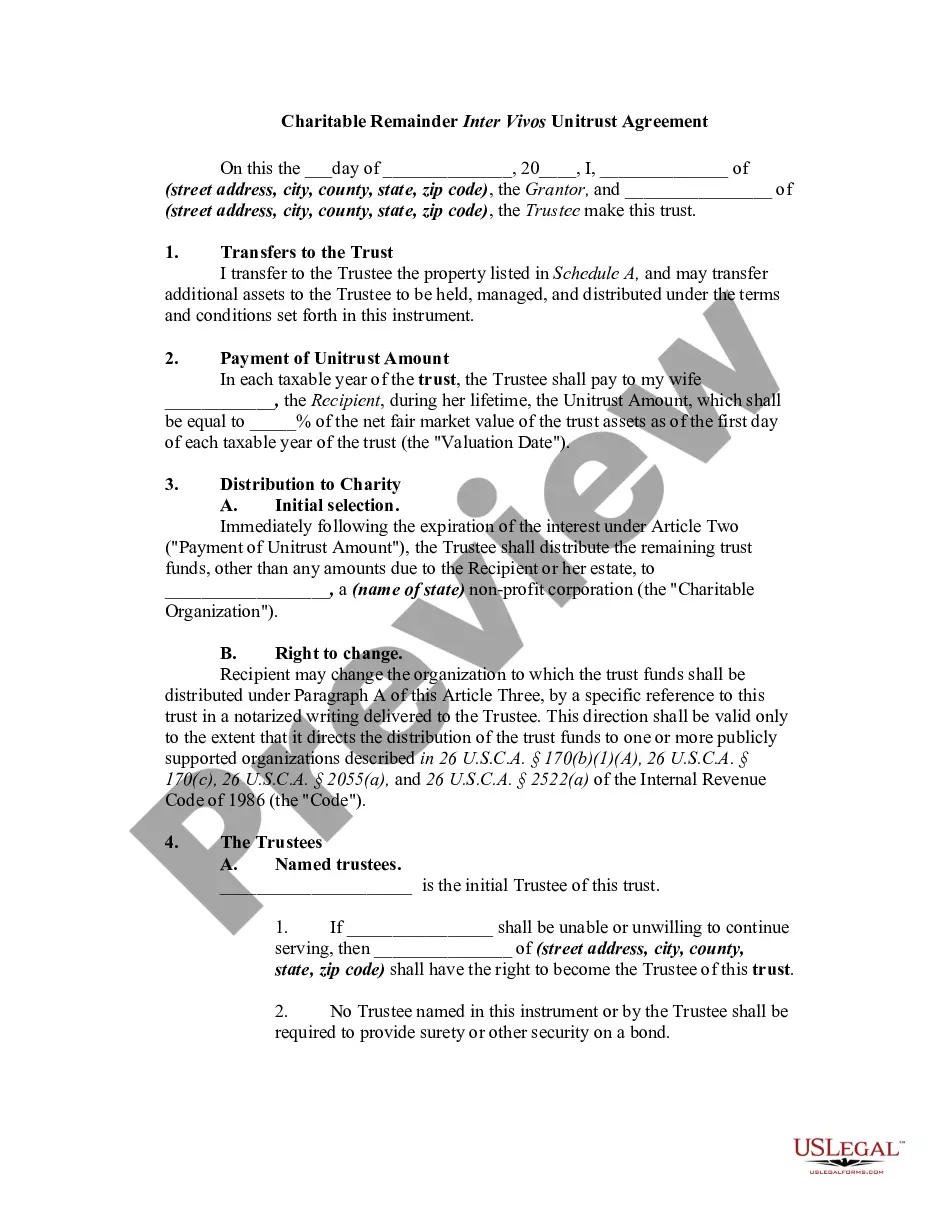
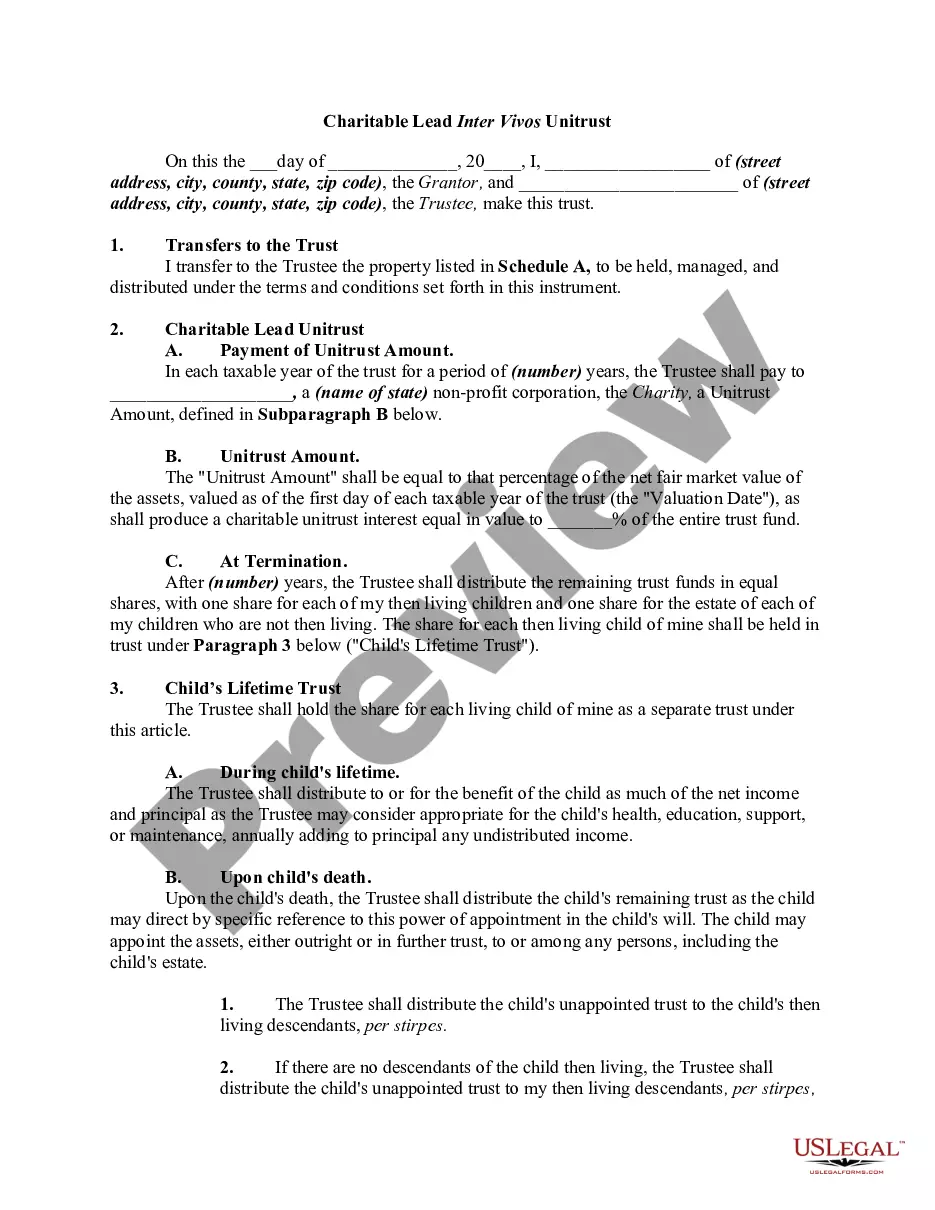
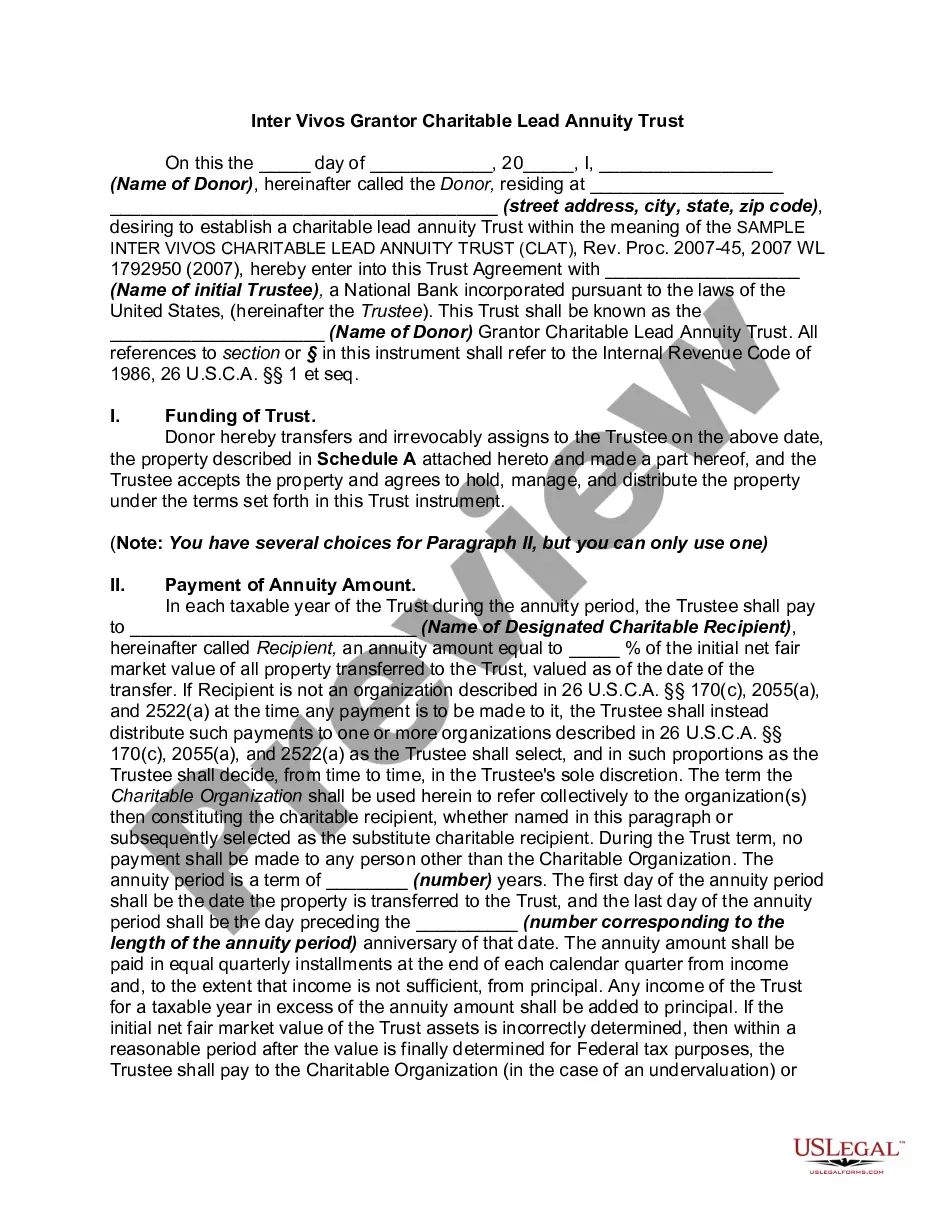
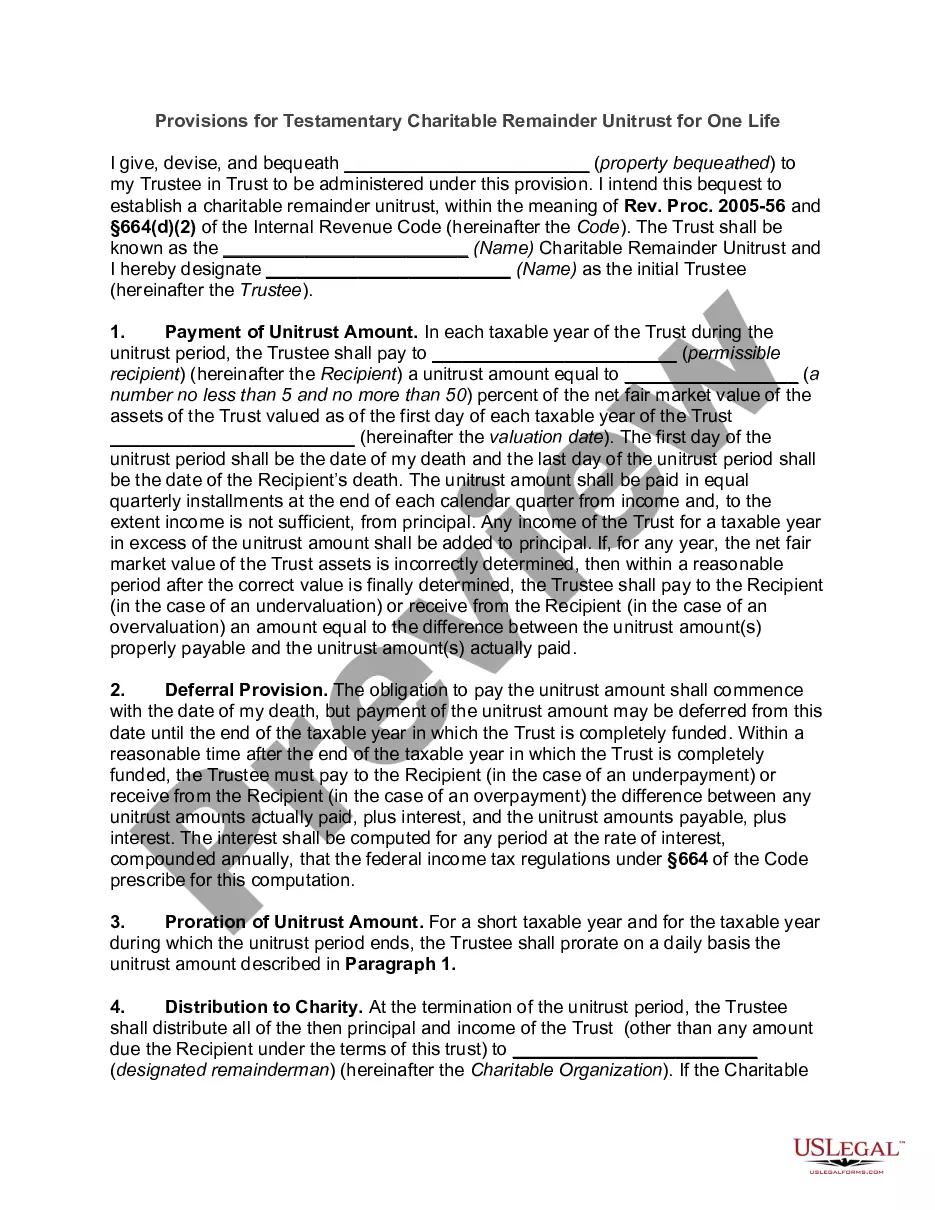
Get your form ready online
Our built-in tools help you complete, sign, share, and store your documents in one place.
Make edits, fill in missing information, and update formatting in US Legal Forms—just like you would in MS Word.
Download a copy, print it, send it by email, or mail it via USPS—whatever works best for your next step.
Sign and collect signatures with our SignNow integration. Send to multiple recipients, set reminders, and more. Go Premium to unlock E-Sign.
If this form requires notarization, complete it online through a secure video call—no need to meet a notary in person or wait for an appointment.
We protect your documents and personal data by following strict security and privacy standards.

Make edits, fill in missing information, and update formatting in US Legal Forms—just like you would in MS Word.

Download a copy, print it, send it by email, or mail it via USPS—whatever works best for your next step.

Sign and collect signatures with our SignNow integration. Send to multiple recipients, set reminders, and more. Go Premium to unlock E-Sign.

If this form requires notarization, complete it online through a secure video call—no need to meet a notary in person or wait for an appointment.

We protect your documents and personal data by following strict security and privacy standards.
Looking for another form?

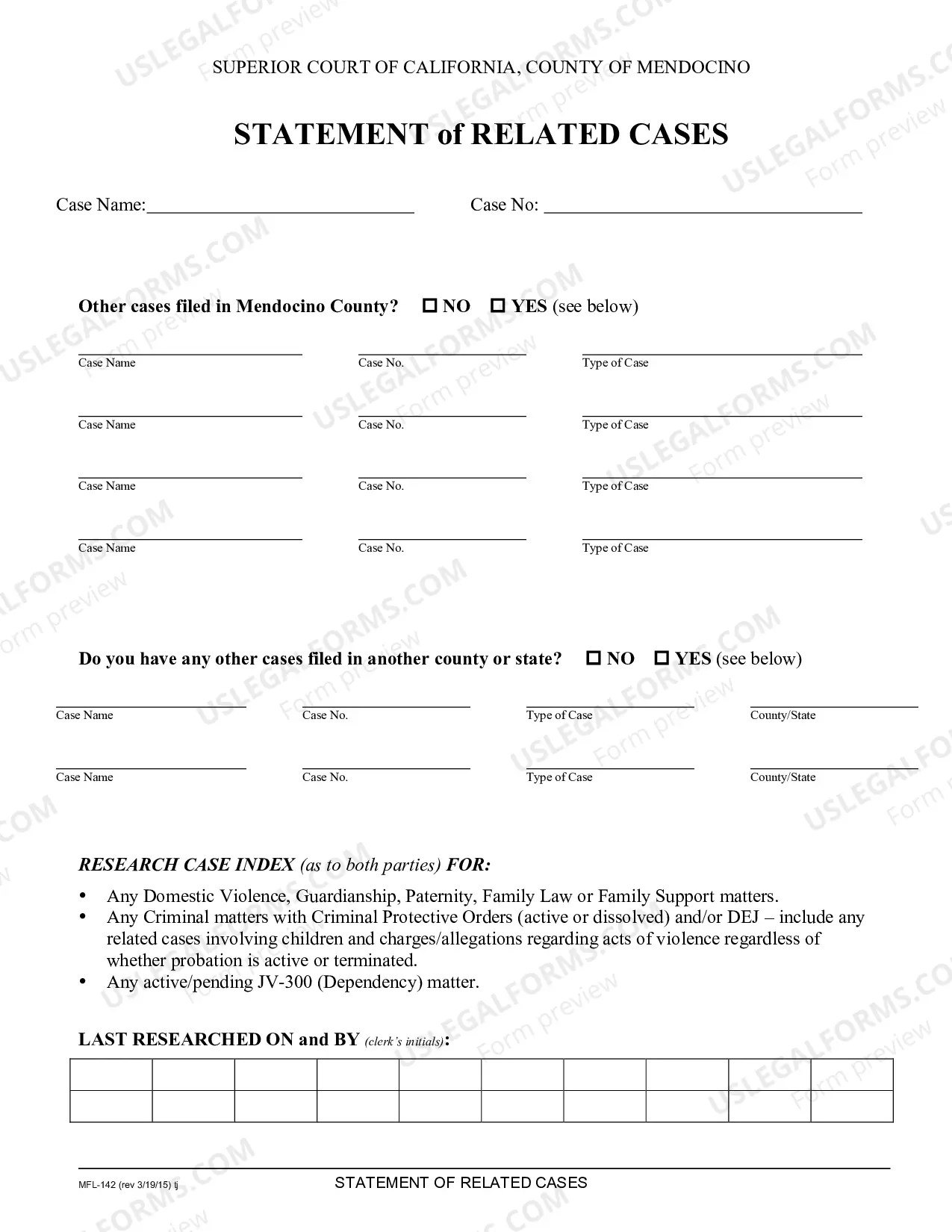
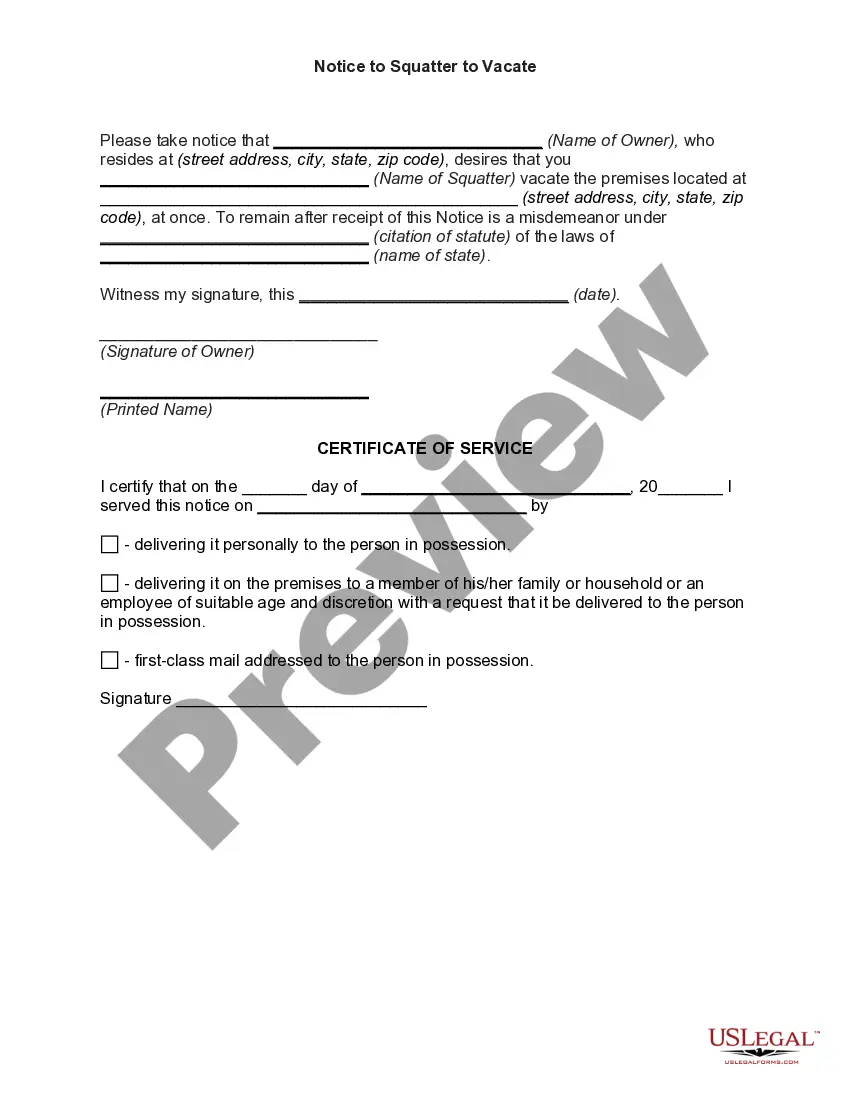



How to fill out Charitable Remainder Unitrust?
Whether for corporate objectives or personal issues, everyone must confront legal matters at some stage in their life.
Completing legal papers requires meticulous scrutiny, starting with choosing the right form template.
With a comprehensive US Legal Forms catalog available, you won’t need to waste time hunting for the suitable template online. Utilize the library’s straightforward navigation to find the right template for any circumstance.
- Acquire the template you require through the search bar or catalog navigation.
- Review the form’s details to confirm it aligns with your situation, state, and county.
- Click on the form’s preview to examine it.
- If it is the incorrect form, return to the search feature to locate the Charitable Remainder Trust Funded With Real Estate template you need.
- Obtain the template when it fulfills your requirements.
- If you already possess a US Legal Forms account, simply click Log in to access previously saved templates in My documents.
- If you haven’t created an account yet, you can acquire the form by clicking Buy now.
- Select the appropriate pricing option.
- Complete the account registration form.
- Choose your payment method: you can opt for a credit card or PayPal account.
- Select the document format you prefer and download the Charitable Remainder Trust Funded With Real Estate.
- Once saved, you can fill out the form using editing software or print it and fill it out manually.
Form popularity
FAQ
Setting up a charitable remainder trust involves several steps, starting with defining your charitable goals. You’ll need to choose the type of trust that suits your needs, fund it with assets like a charitable remainder trust funded with real estate, and prepare legal documents. Working with a qualified attorney or financial advisor can simplify the process and ensure that your trust complies with all relevant laws.
The 10% rule for a charitable remainder trust ensures that the charitable portion of the trust must equal at least 10% of the initial trust's value. This rule is crucial when you are considering a charitable remainder trust funded with real estate, as it helps maintain the trust's tax-exempt status while providing a benefit to both the donor and the charity.
Ohio's statute of limitations is six years no matter the type of debt. And the six years is counted from the date a debt became overdue or when you last made a payment, whichever was more recent. If the timeframe is more than six years, a creditor cannot sue to collect the debt.
FILING THE MOTION FOR COURT HEARING File the motion with the Clerk of Court located in Room 35 on the ground floor of the Cuyahoga County Courthouse, 1 Lakeside Avenue, Cleveland, Ohio 44113. You will be required to pay a ?filing fee? to the Clerk of Court at the time you file the motion.
When a creditor gets a court order against you for collection, it must send you a letter between 15 and 45 days after the judgment informing you of the judgment and listing your options: pay the debt or expect wage garnishment.
Code Sections 2716.11 and 2716.13 govern non-wage garnishment. This usually involves garnishing of a bank account. Debtors should be aware that their bank may freeze their account as soon as they receive notice of the non-wage garnishment.
In the state of Ohio, the statute of limitations is six years to file a lawsuit regarding an uncollected debt, regardless of the type of debt. This time begins when the debt became overdue, or from when you made your last payment?whichever is more recent.
Regardless of whether any payments are made, your judgment does not last forever. In Ohio, judgments go ?dormant? in 5 years after the latter of: (a) when the judgment was issued, or (b) the last time it was used to create a lien, generate a seizure, obtain a garnishment order, or any other similar effort.
The United States District Court for the Southern District of Ohio serves over 5 million citizens in 48 of the 88 counties in Ohio. The Eastern Division sits at Columbus, and the Western Division at Cincinnati and Dayton.
Custody Petition, (Form 580, Parent or Non-Parent) & (Visitation Petition) (Form 585), is simply a sworn request of the Hamilton County Juvenile Court to grant temporary legal custody or parenting rights to the petitioner. Motions are applicable when a modification action is filed on an existing case.