Repayment Letter To Creditors
Description
Get your form ready online
Our built-in tools help you complete, sign, share, and store your documents in one place.
Make edits, fill in missing information, and update formatting in US Legal Forms—just like you would in MS Word.
Download a copy, print it, send it by email, or mail it via USPS—whatever works best for your next step.
Sign and collect signatures with our SignNow integration. Send to multiple recipients, set reminders, and more. Go Premium to unlock E-Sign.
If this form requires notarization, complete it online through a secure video call—no need to meet a notary in person or wait for an appointment.
We protect your documents and personal data by following strict security and privacy standards.

Make edits, fill in missing information, and update formatting in US Legal Forms—just like you would in MS Word.

Download a copy, print it, send it by email, or mail it via USPS—whatever works best for your next step.

Sign and collect signatures with our SignNow integration. Send to multiple recipients, set reminders, and more. Go Premium to unlock E-Sign.

If this form requires notarization, complete it online through a secure video call—no need to meet a notary in person or wait for an appointment.

We protect your documents and personal data by following strict security and privacy standards.
Looking for another form?









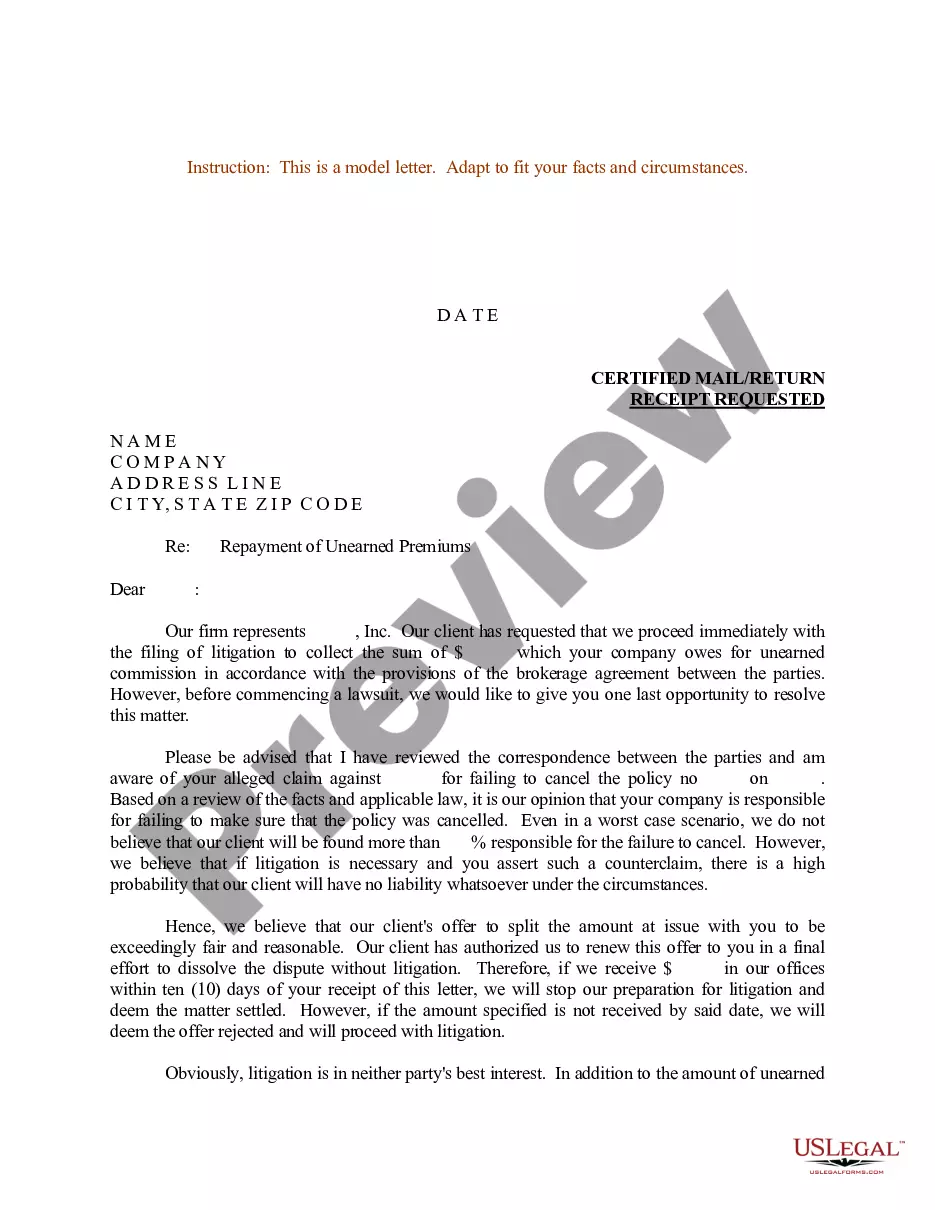
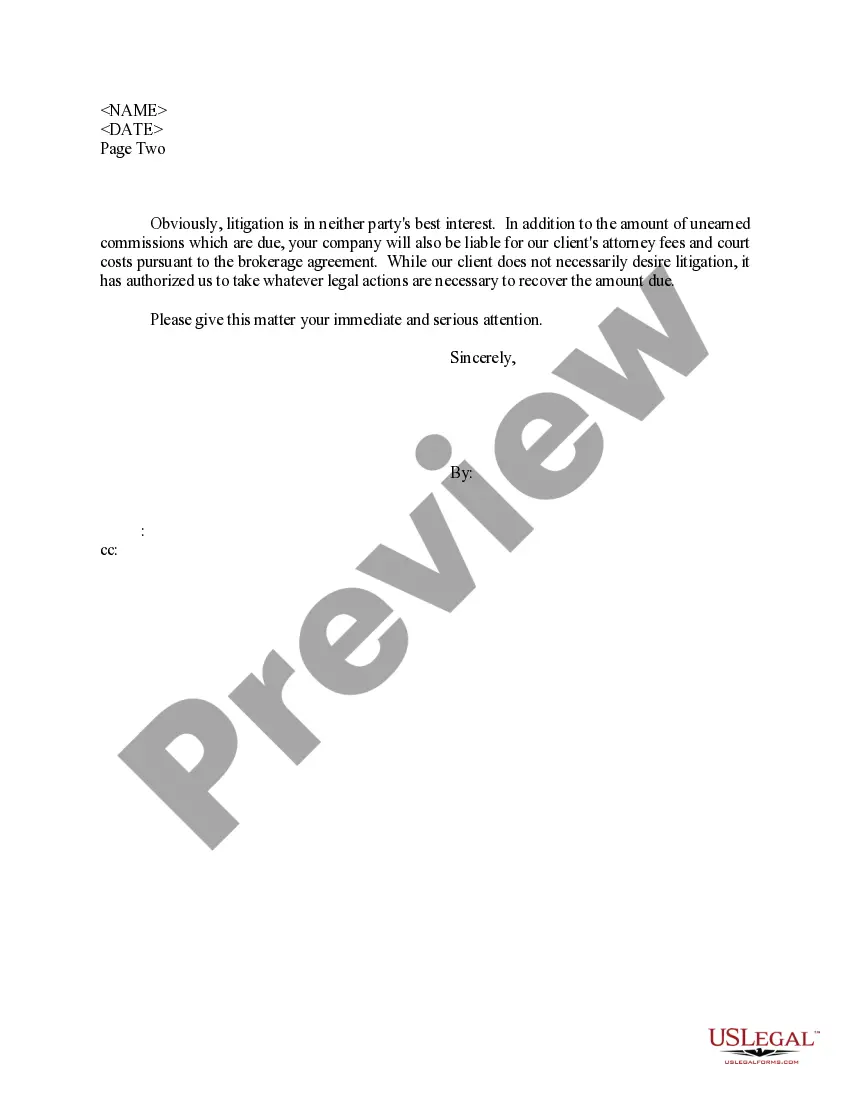
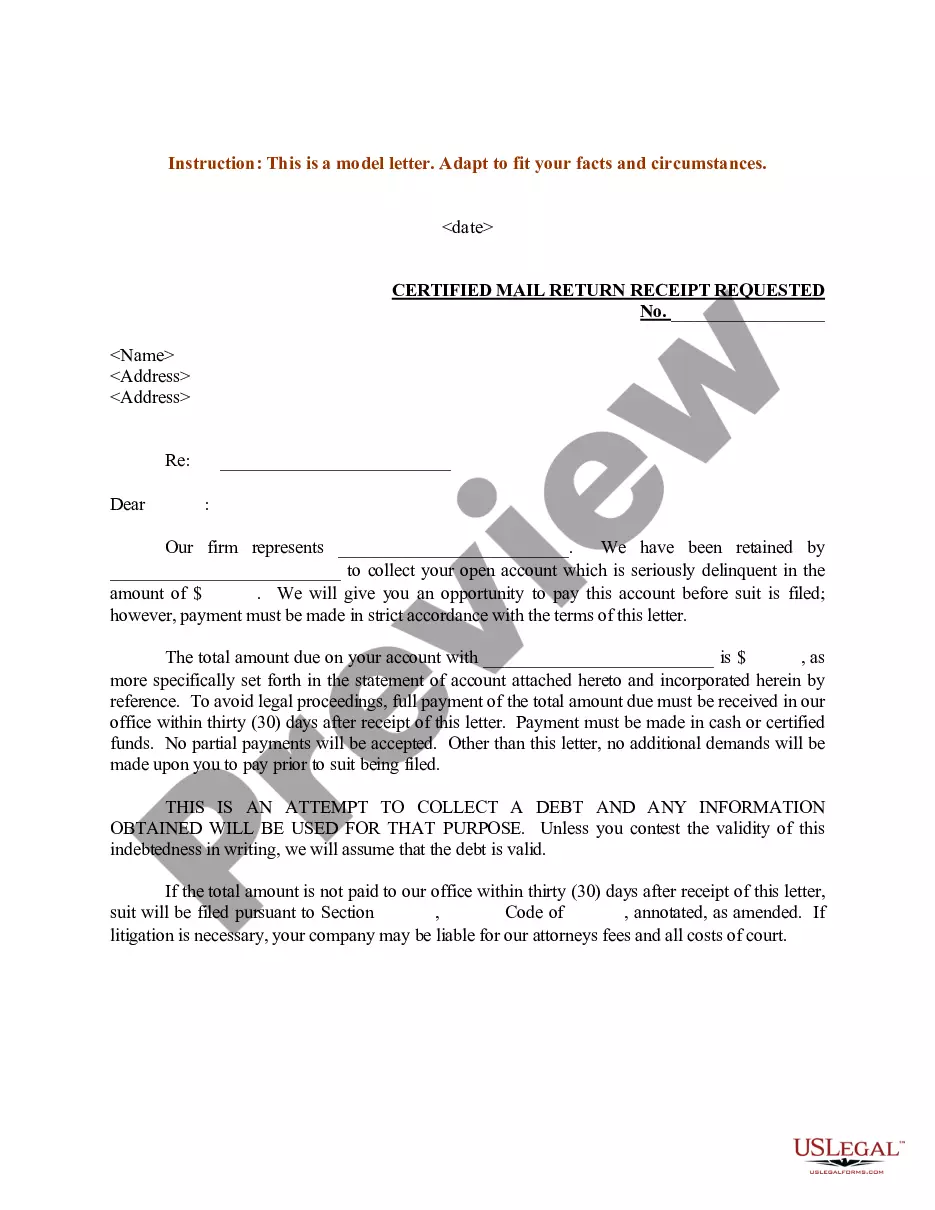
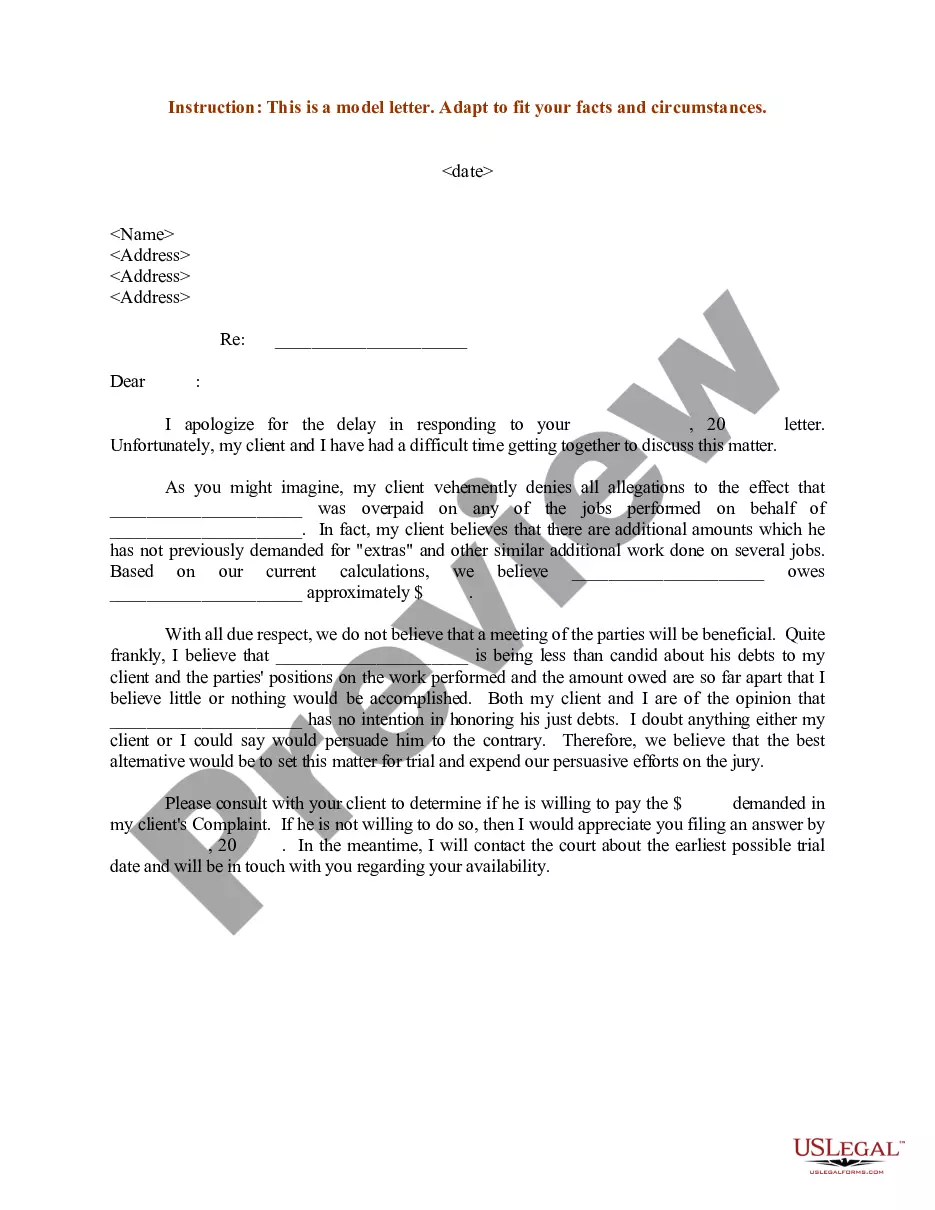
How to fill out Sample Letter To Defendant Concerning Repayment Of Unearned Premiums?
What is the most dependable service to acquire the Repayment Letter To Creditors and other up-to-date versions of legal documents? US Legal Forms is the answer!
It boasts the largest array of legal templates for any purpose. Each document is meticulously drafted and verified for adherence to federal and state laws.
Check the form compliance. Before acquiring any template, verify if it meets your use case requirements and your state or county's regulations. Review the form description and utilize the Preview if it is available.
- They are organized by area and state of application, making it simple to find the one you require.
- Experienced users of the site only need to Log In to the platform, ensure their subscription is active, and click the Download button next to the Repayment Letter To Creditors to obtain it.
- Once saved, the template is accessible for future use within the My documents section of your account.
- If you do not currently have an account in our library, follow these steps to create one.
Form popularity
FAQ
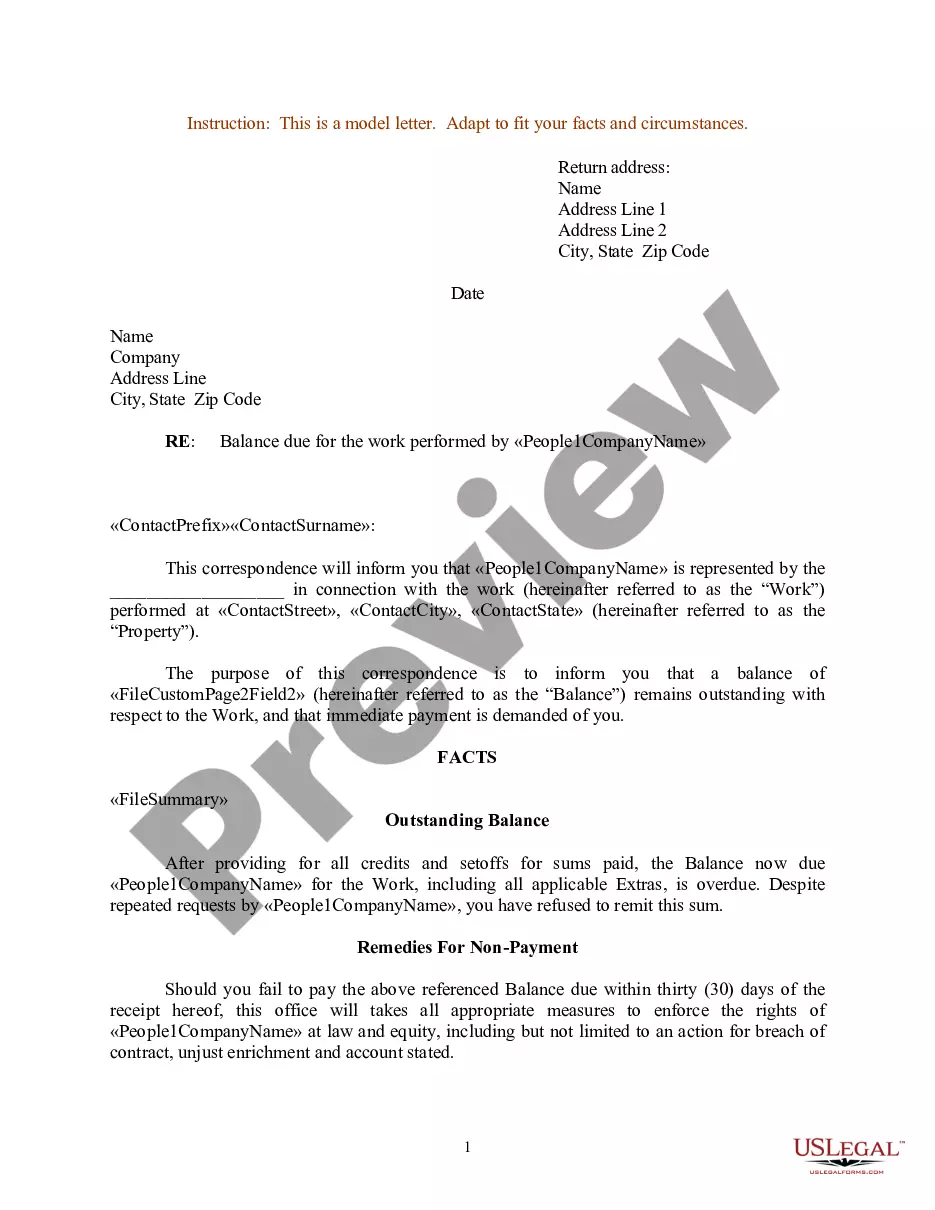
To propose a payment plan, first gather all necessary information about your debt, such as balances and due dates. Write a clear and concise repayment letter to creditors that outlines your proposed repayment amounts, frequencies, and duration. Present your case with supporting details about your financial situation and why this plan is viable. Be willing to negotiate terms and make adjustments based on the creditor's response.
To negotiate a payment plan with a creditor, start by reviewing your financial situation and what you can afford. Prepare to discuss your circumstances openly and respectfully, as this builds trust. Present a repayment letter to creditors outlining your proposed payment plan, including amounts and timelines. Be honest and demonstrate your intent to repay the debt, showing how this plan benefits both you and the creditor.
To request a write-off, start your repayment letter to creditors by explaining your financial difficulties clearly. Provide any supporting documents that illustrate your situation, such as income statements or medical bills. Politely ask if they can consider writing off a portion or the entirety of your debt based on your circumstances.
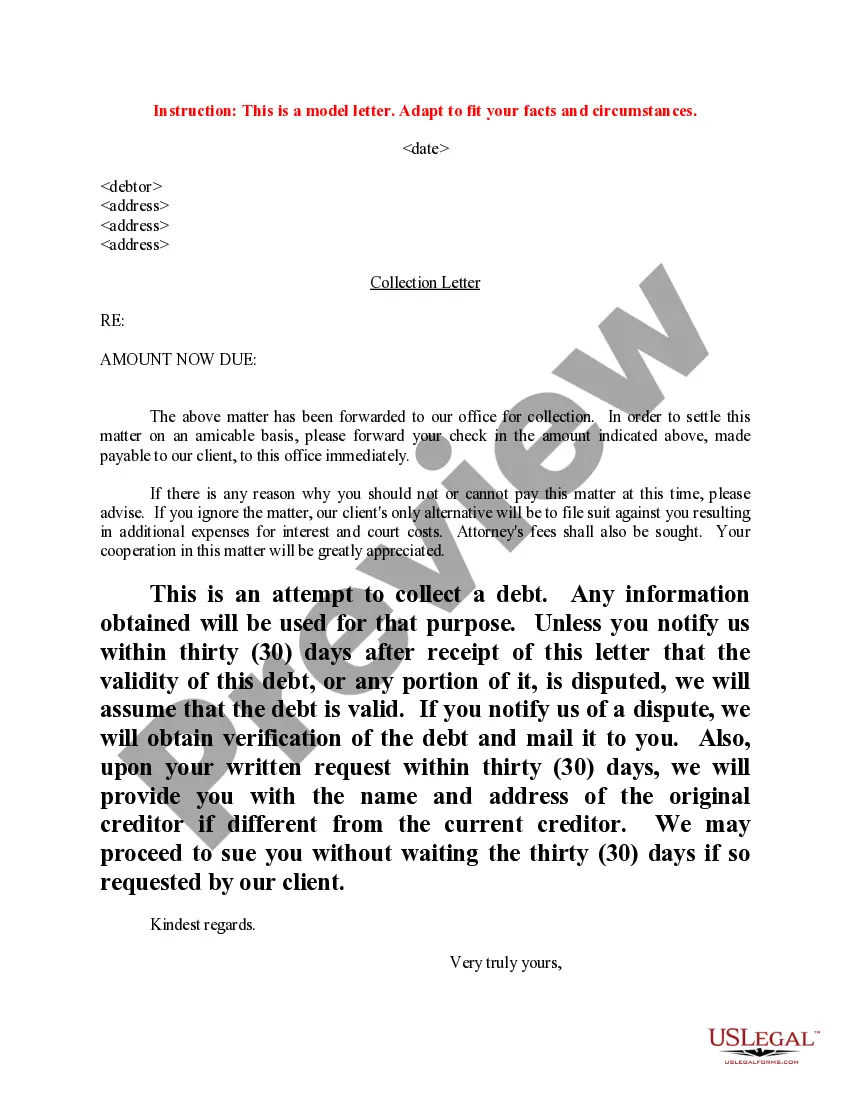
A proof of debt letter to a creditor is a formal request that verifies the amount of debt you owe. This letter serves as a way to confirm the legitimacy of the debt and often includes request for detailed account information. It is essential to keep records of such correspondence when managing financial obligations.
When proposing a payment plan to creditors, start with your contact details and the creditor's information. Outline your proposed payment structure, clearly detailing the amounts and dates. Mention any changes to your financial situation that support your request, and emphasize your commitment to honoring the agreement.
In a letter of debt relief, include your personal information, the creditor's information, and the date. Explain your financial difficulties and request relief from the full amount owed. Highlight your willingness to collaborate on a solution, which can encourage a more favorable response from creditors.
To write a full and final settlement letter, start with your details and the creditor's information. Clearly state that the amount you are offering is a full and final settlement of your debt. Include the terms you expect when the settlement is accepted, such as removal of negative marks from your credit history.
To craft a good debt settlement letter, ensure it includes your personal information, the creditor's details, and the date. Clearly state the amount you can offer as a settlement and provide a rationale for your proposal. Additionally, express your commitment to paying off your debts, making it clear you wish to maintain a positive relationship.
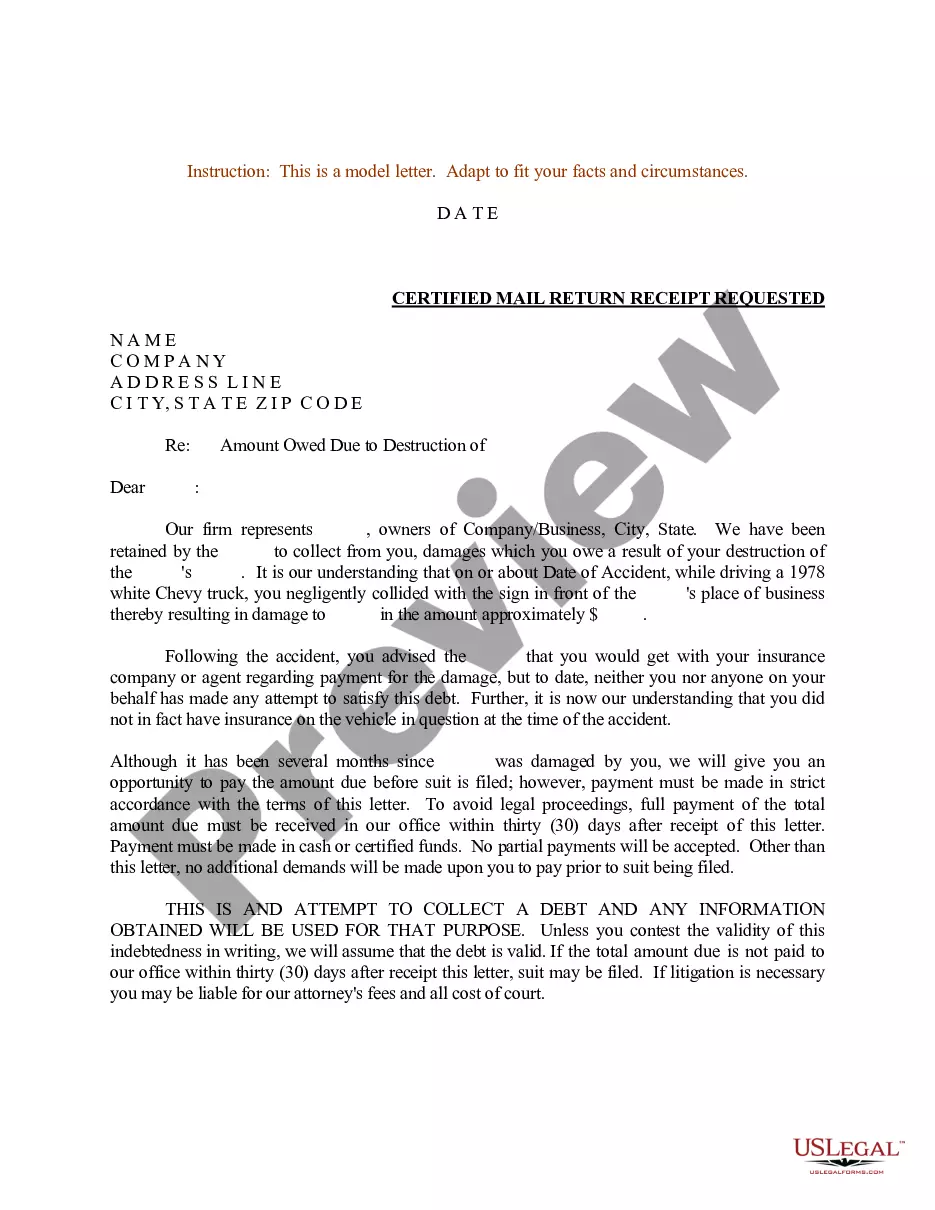
To write a repayment letter to creditors, start by clearly stating your name, address, and the date at the top of the letter. Next, include the creditor's name and address, then introduce the purpose of the letter by acknowledging the debt. Provide specific details, such as the amount owed, and outline a repayment plan that works for you. Finally, express gratitude for their understanding and willingness to work with you.
A repayment letter to creditors is a formal document that outlines your intention to repay a debt. This letter typically includes details about the debt, such as the amount owed and the proposed repayment plan. By sending this letter, you show creditors your commitment to settling your obligations, which may help improve your relationship with them. It's a crucial step in managing your finances and keeping communication clear.