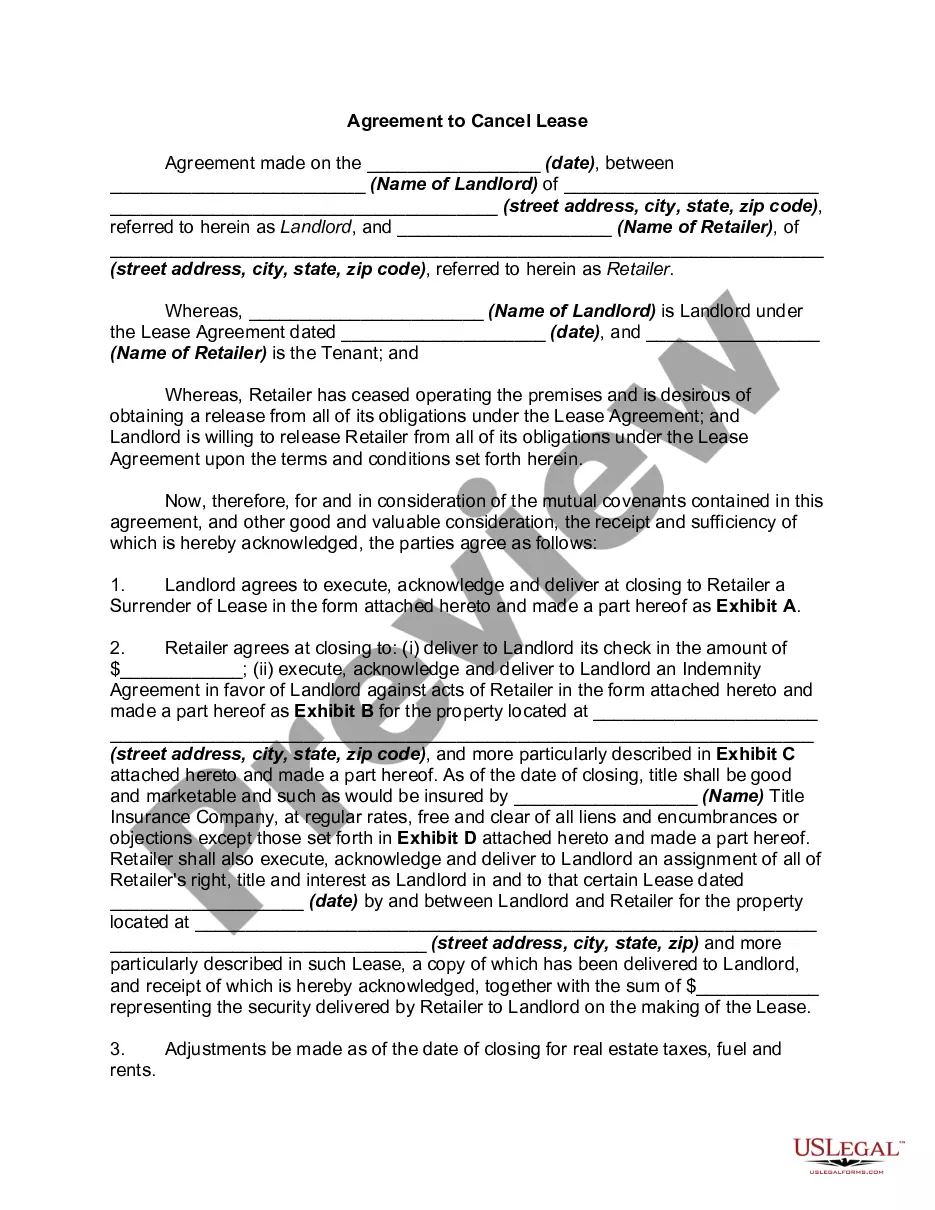
Sample Property Co-ownership Agreement For Two Parties In New York
Description






Get your form ready online
Our built-in tools help you complete, sign, share, and store your documents in one place.
Make edits, fill in missing information, and update formatting in US Legal Forms—just like you would in MS Word.
Download a copy, print it, send it by email, or mail it via USPS—whatever works best for your next step.
Sign and collect signatures with our SignNow integration. Send to multiple recipients, set reminders, and more. Go Premium to unlock E-Sign.
If this form requires notarization, complete it online through a secure video call—no need to meet a notary in person or wait for an appointment.
We protect your documents and personal data by following strict security and privacy standards.

Make edits, fill in missing information, and update formatting in US Legal Forms—just like you would in MS Word.

Download a copy, print it, send it by email, or mail it via USPS—whatever works best for your next step.

Sign and collect signatures with our SignNow integration. Send to multiple recipients, set reminders, and more. Go Premium to unlock E-Sign.

If this form requires notarization, complete it online through a secure video call—no need to meet a notary in person or wait for an appointment.

We protect your documents and personal data by following strict security and privacy standards.
Looking for another form?







Form popularity
FAQ
Community property under California state law, such as real estate purchased during a marriage or domestic partnership, is a joint tenancy arrangement. Each of the owners shares equal interest in the property and are both named on the same deed.
owner can be an individual or a group that owns a percentage of an asset in conjunction with another individual or group. The revenue, tax, legal, and financial obligations can be different for each coowner and will depend on the coownership agreement and nature of the asset.
Joint Tenancy Has Some Disadvantages They include: Control Issues. Since every owner has a co-equal share of the asset, any decision must be mutual. You might not be able to sell or mortgage a home if your co-owner does not agree. Creditor Issues.
Also, because your shared home represents a major economic investment, you should hire a lawyer to help you prepare an agreement that meets your needs.
Medicaid rules provide that for jointly owned real estate, such as a home or farm land, the entire value of the property can, in certain circumstances, be disregarded as a non-countable resource, meaning it will not count against the applicant.
Outlining the rights and obligations of each party Agree on what rights and responsibilities each party will have. Ensure that each party understands and agrees to the duties and obligations assigned to them. Identify what each party is responsible for, including any financial contributions.
Ownership of real property by two or more persons is commonly referred to as “co-ownership,” “cotenancy” or “concurrent ownership.” There are four traditional forms of co-ownership in California: (a) tenancy in common, (b) joint tenancy, (c) partnership, and (d) community property.
Co-ownership might entail more complex legal agreements, specifically outlining each party's rights and responsibilities. Joint property ownership usually involves a simpler, more standardised agreement.
How to draft a contract between two parties: A step-by-step checklist Know your parties. Agree on the terms. Set clear boundaries. Spell out the consequences. Specify how you will resolve disputes. Cover confidentiality. Check the legality of the contract. Open it up to negotiation.
