Contract International Purchase Sample For Job Application In Arizona
Description

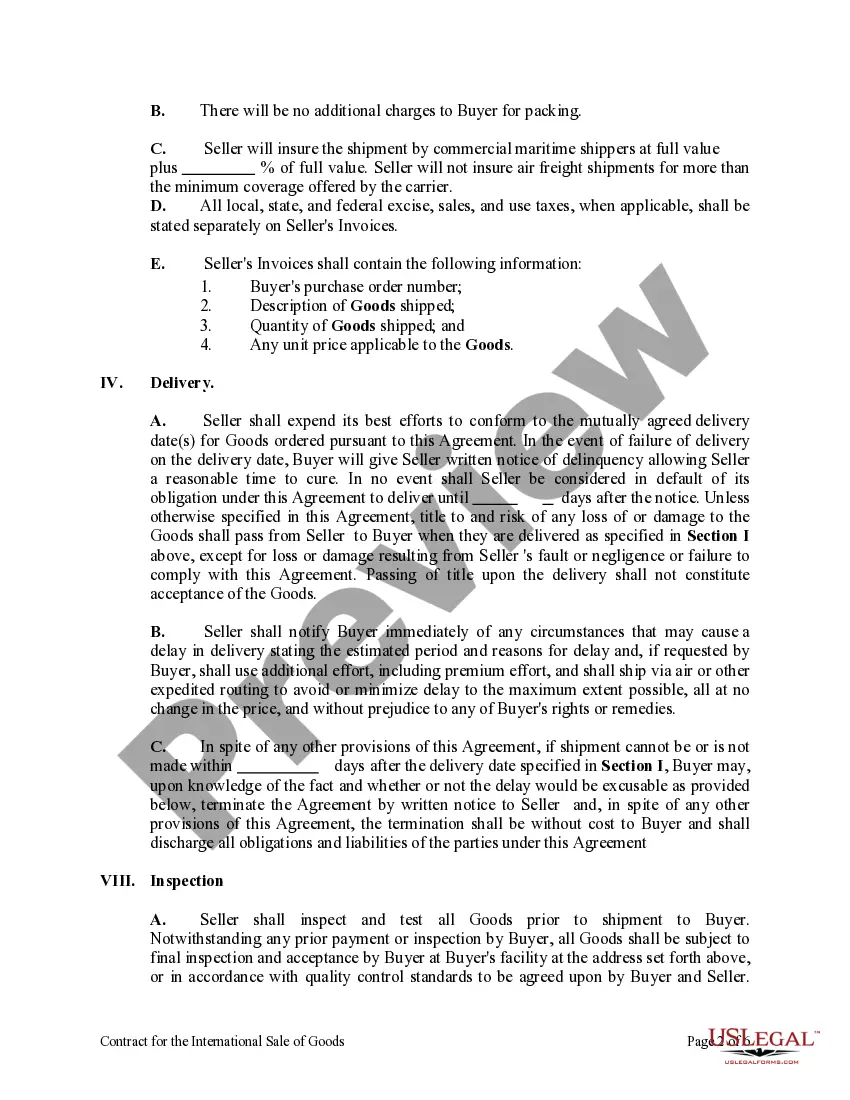
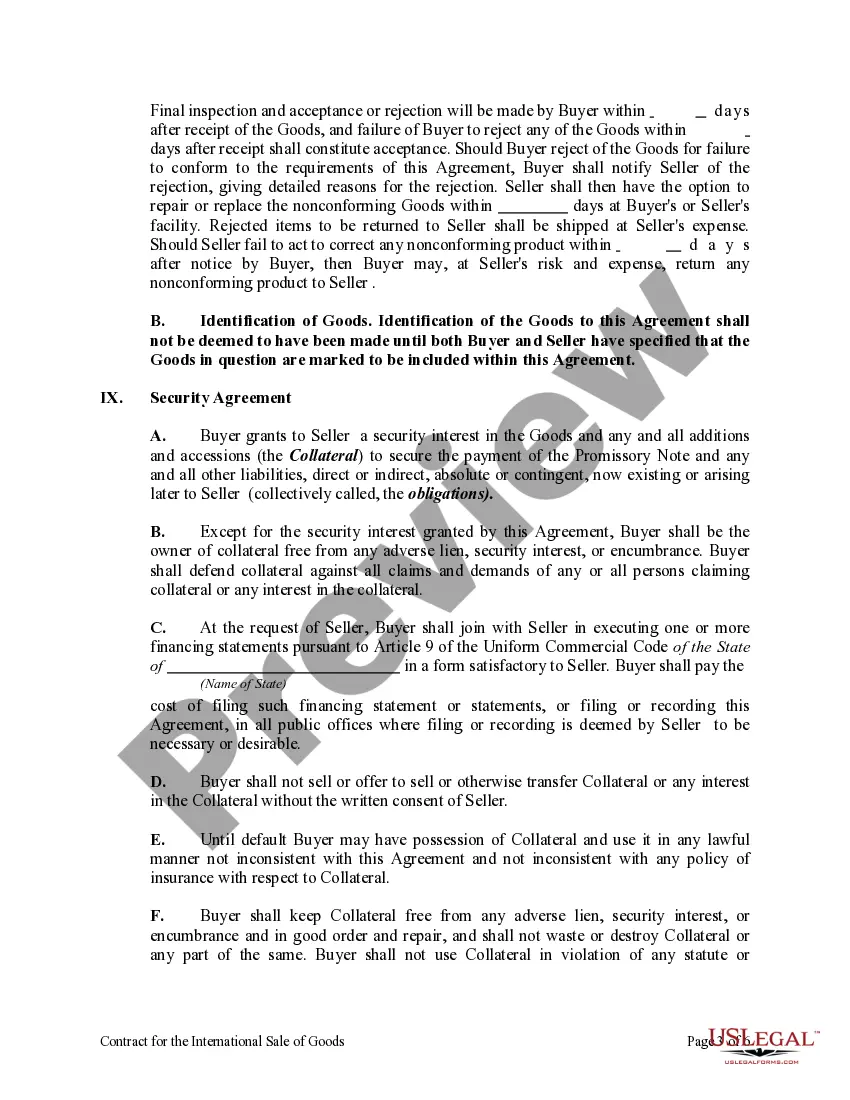
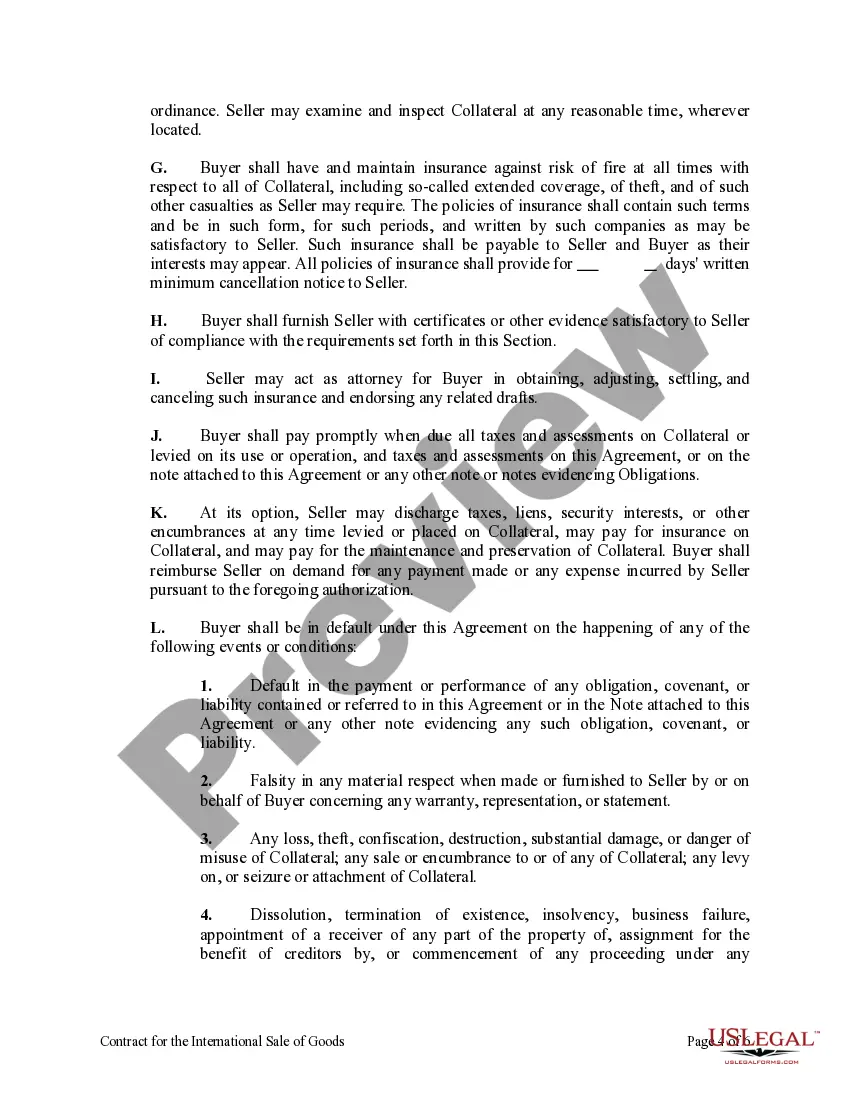

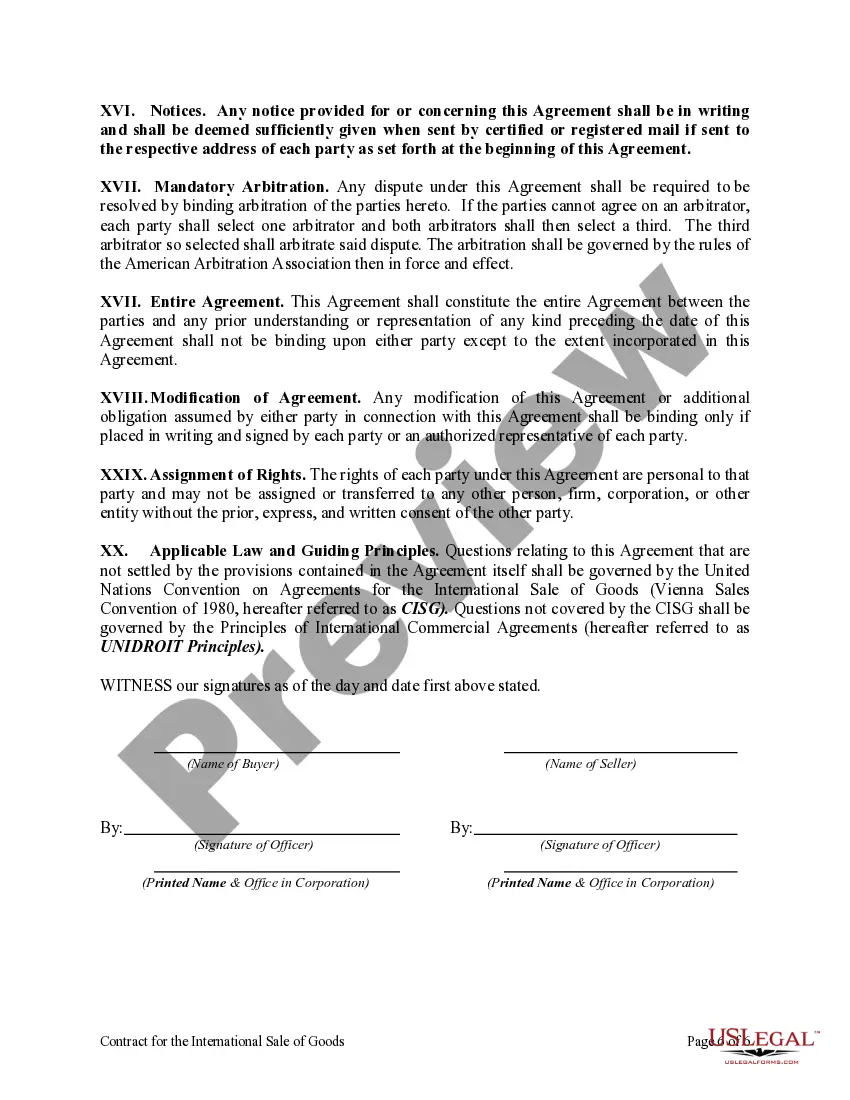
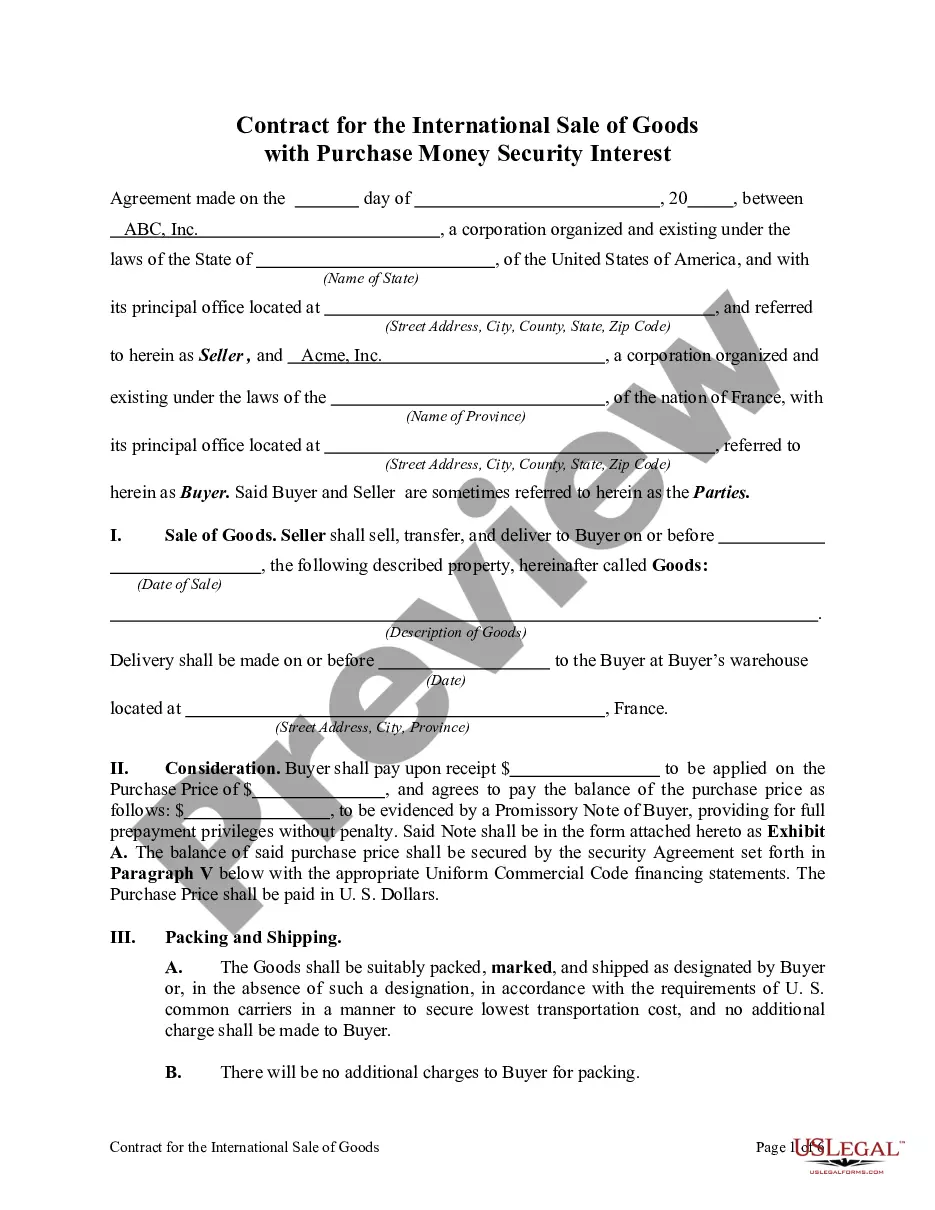
Get your form ready online
Our built-in tools help you complete, sign, share, and store your documents in one place.
Make edits, fill in missing information, and update formatting in US Legal Forms—just like you would in MS Word.
Download a copy, print it, send it by email, or mail it via USPS—whatever works best for your next step.
Sign and collect signatures with our SignNow integration. Send to multiple recipients, set reminders, and more. Go Premium to unlock E-Sign.
If this form requires notarization, complete it online through a secure video call—no need to meet a notary in person or wait for an appointment.
We protect your documents and personal data by following strict security and privacy standards.

Make edits, fill in missing information, and update formatting in US Legal Forms—just like you would in MS Word.

Download a copy, print it, send it by email, or mail it via USPS—whatever works best for your next step.

Sign and collect signatures with our SignNow integration. Send to multiple recipients, set reminders, and more. Go Premium to unlock E-Sign.

If this form requires notarization, complete it online through a secure video call—no need to meet a notary in person or wait for an appointment.

We protect your documents and personal data by following strict security and privacy standards.
Looking for another form?









Form popularity
FAQ
Following this step-by-step checklist will mean that you can write your contract with confidence: Know your parties. Agree on the terms. Set clear boundaries. Spell out the consequences. Specify how you will resolve disputes. Cover confidentiality. Check the legality of the contract. Open it up to negotiation.
How to write a perfect job proposal in 7 easy steps to get the best match to your team Define the company's challenge. Emphasize the value of your position. Clarify the responsibilities. Explain your qualifications. Describe your history with the company. Create a written proposal.
Here are some steps you may use to guide you when you write an employment contract: Title the employment contract. Identify the parties. List the term and conditions. Outline the job responsibilities. Include compensation details. Use specific contract terms. Consult with an employment lawyer.
Acceptance of an offer: After one party makes an offer, it's up to the other party to accept it. If someone offers you $600 to walk their dogs, for example, you enter into a contractual agreement the moment you accept their offer in exchange for your services.
Top ten tips in drafting and negotiating an international contract Avoiding retaliation claims. The language of the contract. Clear contract prose. Common law versus civil law. Jurisdictional issues. Terms of art. Personnel. In negotiations, expect the unexpected.
Can I write my own contract? Yes, you can write your own contract. However, including all necessary elements is crucial to make it legally binding.
Verbal agreements can be considered legal contracts and will stand up in court so long as they do not fall under the statute of frauds A.R.S. Section 44-101.
When is a contract legally binding? Typically, a document that includes an offer, acceptance, and appropriate consideration will be considered legally binding. In most cases, a contract is binding in Arizona even if the parties signed it in another state.
Under Arizona Statutes governing labor, employment contracts are enforceable, but they must be written and signed by both the employer and the employee. Arizona employment contracts can include a variety of terms and conditions, but the terms of the agreement cannot violate state statutes or public policy.
A verbal contract or a handshake agreement may be just as enforceable as a written contract. Verbal or handshake contracts are subject to the same principles of contract law that apply to written contracts.
