Promissory Note Tuition Fee Reason With Example
Description
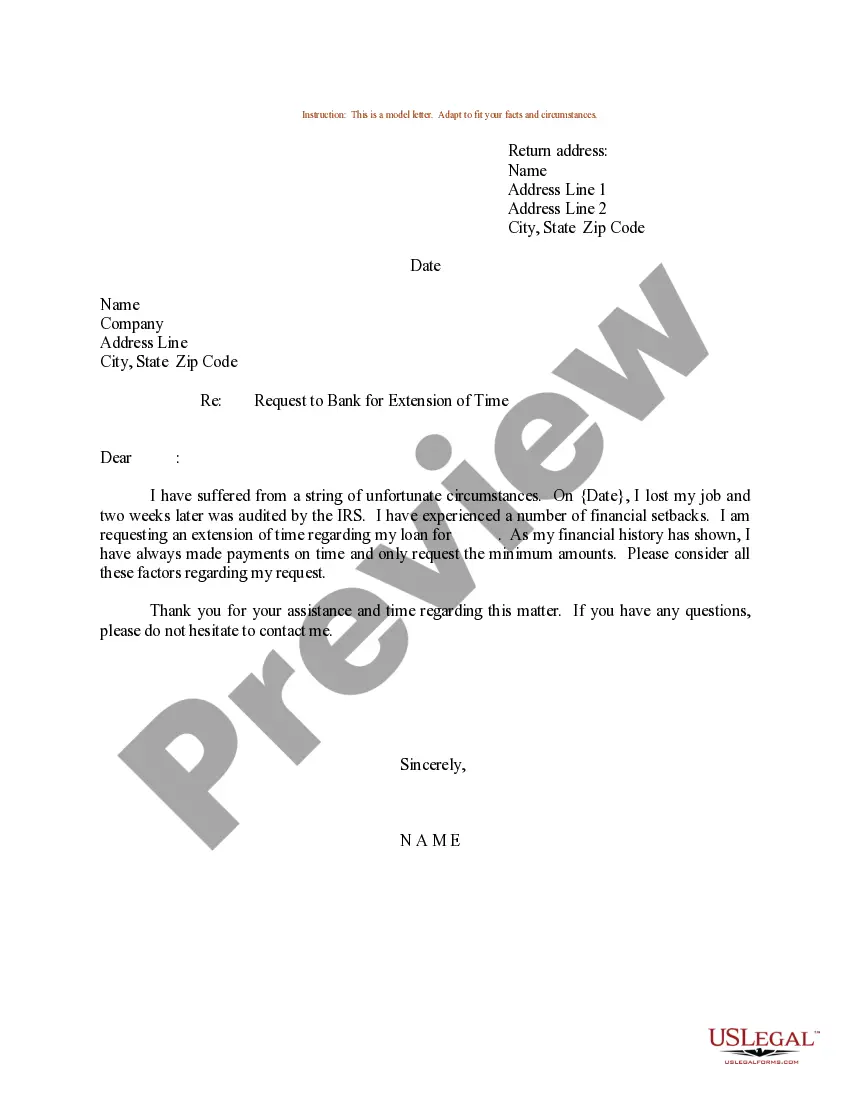
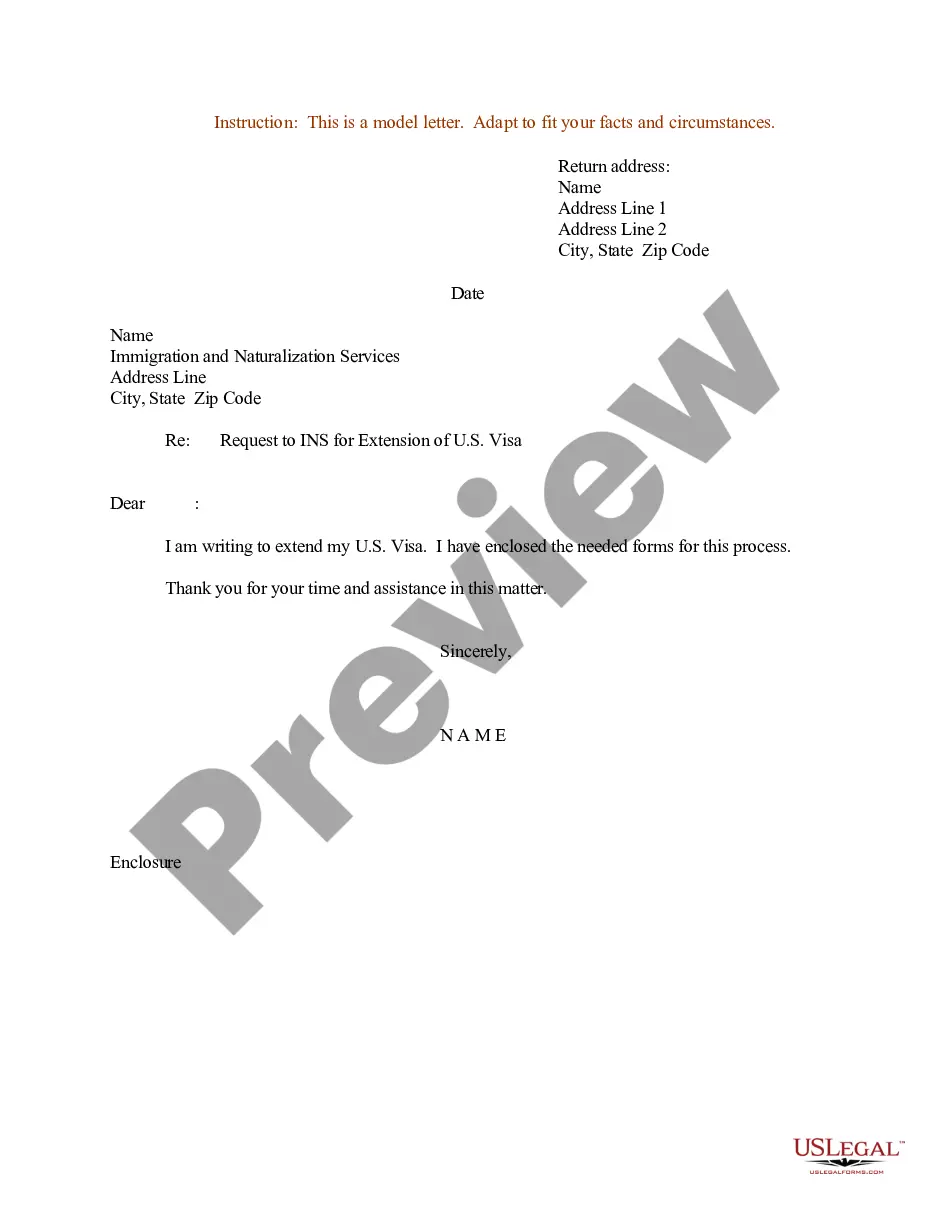



How to fill out Sample Letter For Request For Extension Of Time On Promissory Note?
The Promissory Note Tuition Fee Justification With Example you observe on this page is a reusable legal template crafted by expert attorneys in compliance with federal and local laws.
For over 25 years, US Legal Forms has supplied individuals, enterprises, and lawyers with more than 85,000 authenticated, state-specific documents for any business and personal scenario. It’s the quickest, easiest, and most dependable method to acquire the paperwork you require, as the service ensures bank-level data security and anti-malware safeguards.
Subscribe to US Legal Forms to have verified legal templates for every aspect of life readily available.
- Search for the document you require and examine it.
- Choose the pricing plan that fits you and create an account.
- Select the format you prefer for your Promissory Note Tuition Fee Justification With Example (PDF, Word, RTF) and save the sample on your device.
- Print the template to complete it manually or use an online multifunctional PDF editor to swiftly and accurately fill out and sign your form with a legally-binding electronic signature.
- Access the same document again whenever necessary by revisiting the My documents tab in your profile to redownload any previously purchased forms.
Form popularity
FAQ
When asking for tuition fees, it’s best to approach the subject with clarity and respect. You can start by explaining the importance of timely payments for your education and how they contribute to your academic progress. A polite request might include a brief reminder of the due date and the outstanding amount. Remember, using a clear and respectful tone helps maintain a positive relationship with your financial aid office or educational institution.
Promissory notes can take various forms, including personal loans, student loans, and business loans. For instance, a student might sign a promissory note to cover tuition fees, outlining the amount borrowed and the repayment terms. This document serves as a legal commitment, ensuring both parties understand their obligations. An example of a promissory note tuition fee reason with example could be a student agreeing to repay $10,000 for their education over five years.
A promissory note is a key piece of a home loan application and mortgage agreement. It ensures that a borrower agrees to be indebted to a lender for loan repayment. Ultimately, it serves as a necessary piece of the legal puzzle that helps guarantee that sums are repaid in full and in a timely fashion.
At its most basic, a promissory note should include the following things: Date. Name of the lender and borrower. Loan amount. Whether the loan is secured or unsecured. If it's secured with collateral: What is the collateral? ... Payment amount and frequency. Payment due date. Whether the loan has a cosigner, and if so, who.
While each state has its rules governing what must be in the document, standard items that you may expect to see within a promissory note include: Borrower's name and contact information. Lender details and contact information. Total amount of money to be borrowed.
In India, a promissory note can be issued under Section 4 of the Negotiable Instruments Act, 1881, therefore making it a legal instrument and binding the parties by law, the source of funds being an unregulated method. Even so, promissory notes are classified into secured and unsecured notes.
For e.g. Ram is considered a drawer if he promises to pay Shyam Rs. 5000 (Shyam is the drawee). However, if the same promissory note is transferred in favour of Rohan, then Rohan becomes the payee. Payee: A payee is someone to whom the payment is made.