Ad Valorem Fees For Charge Creation
Description

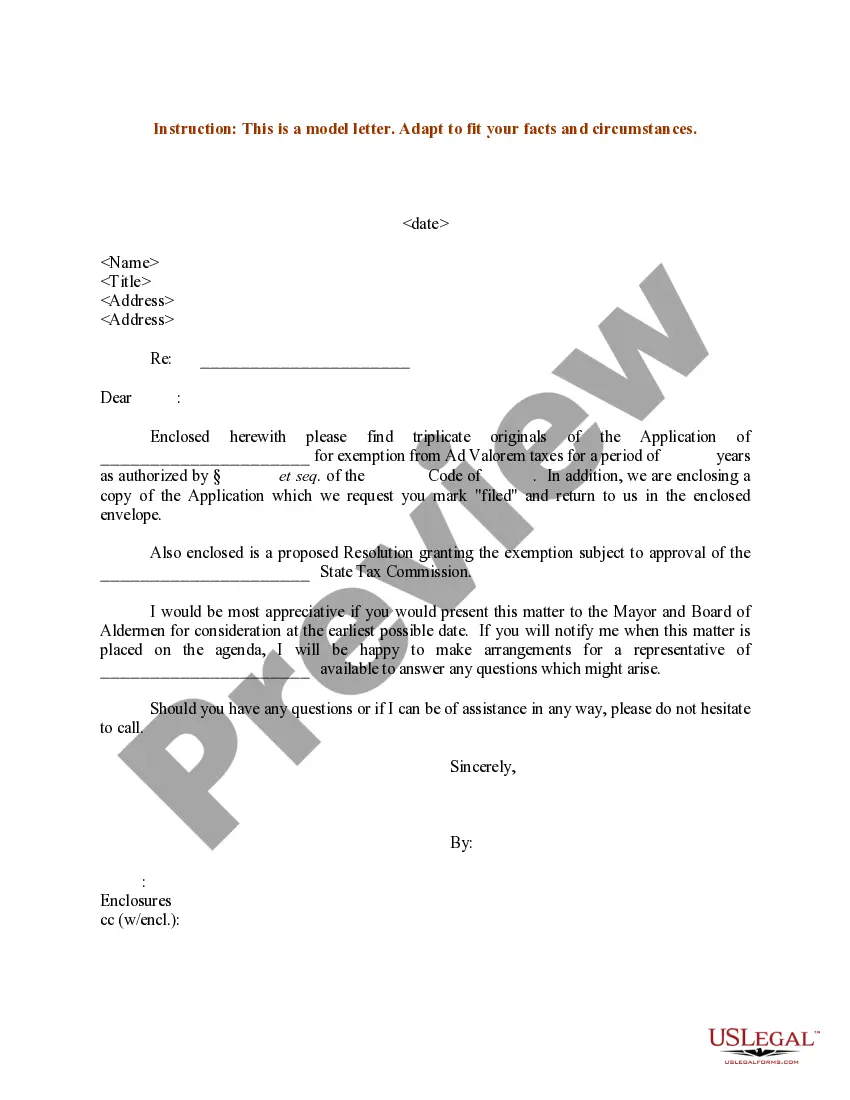
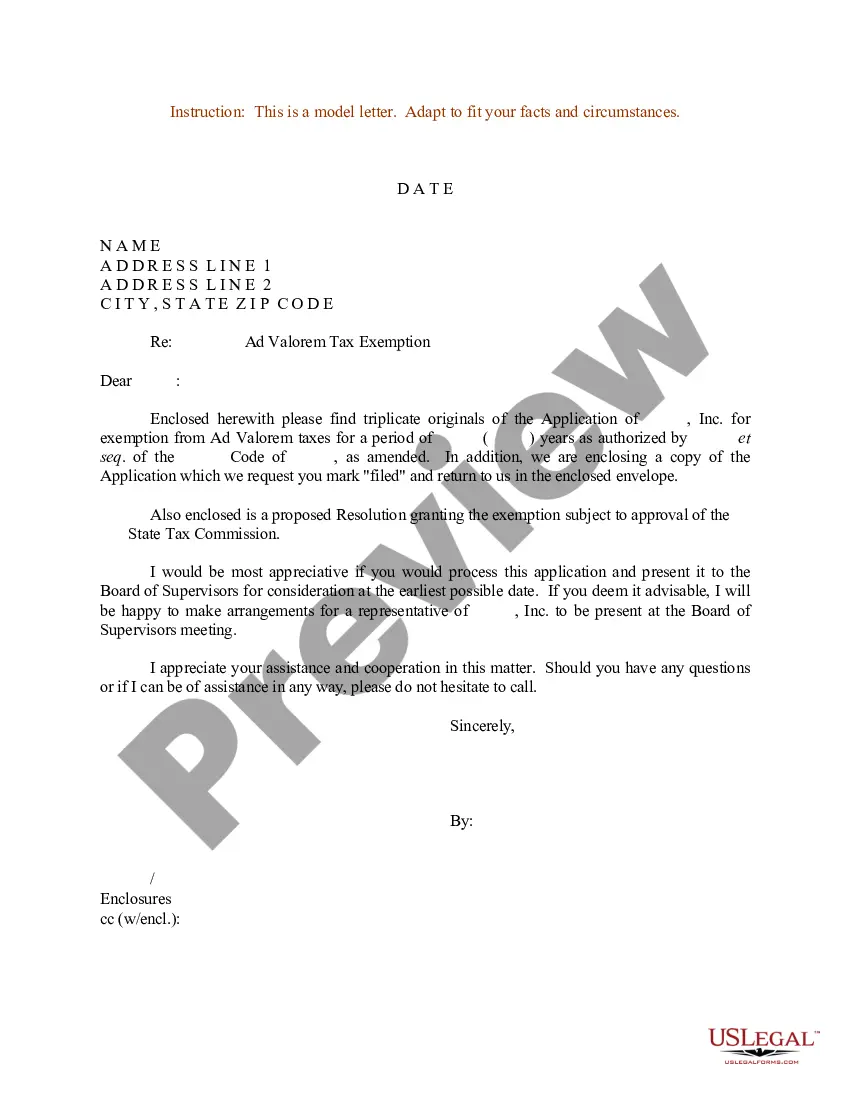
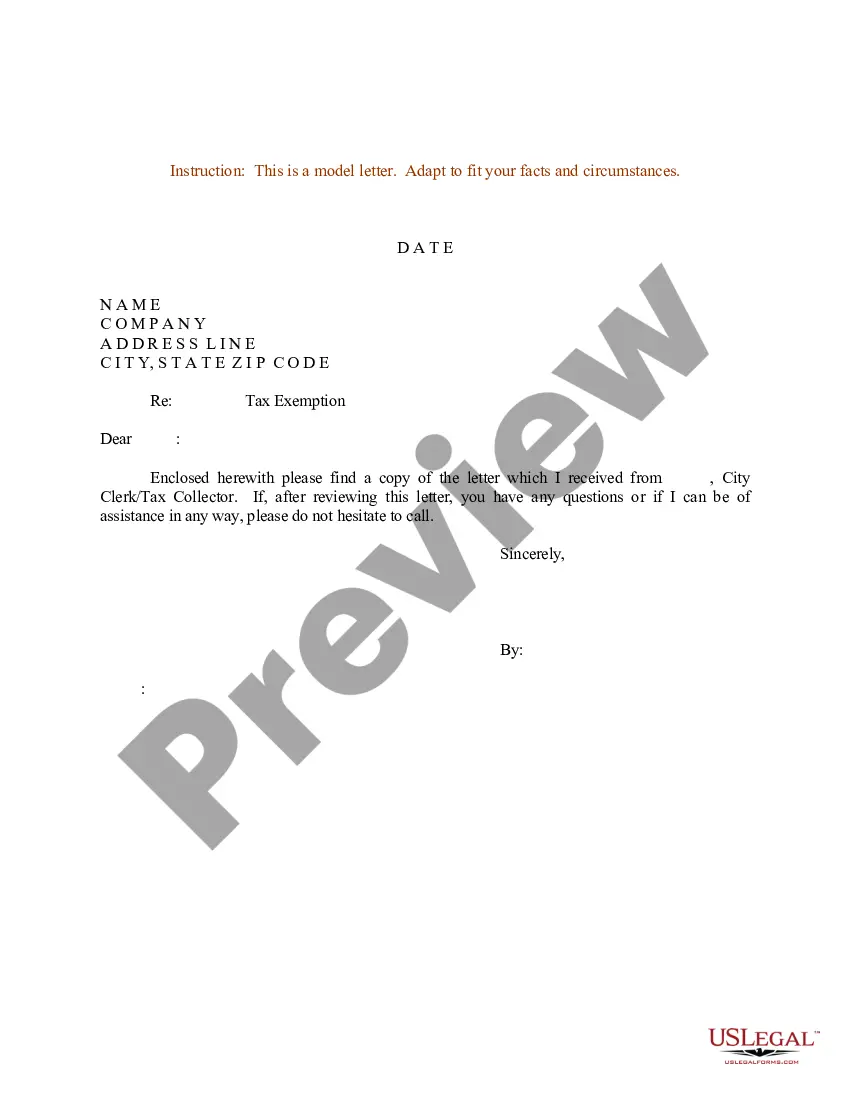
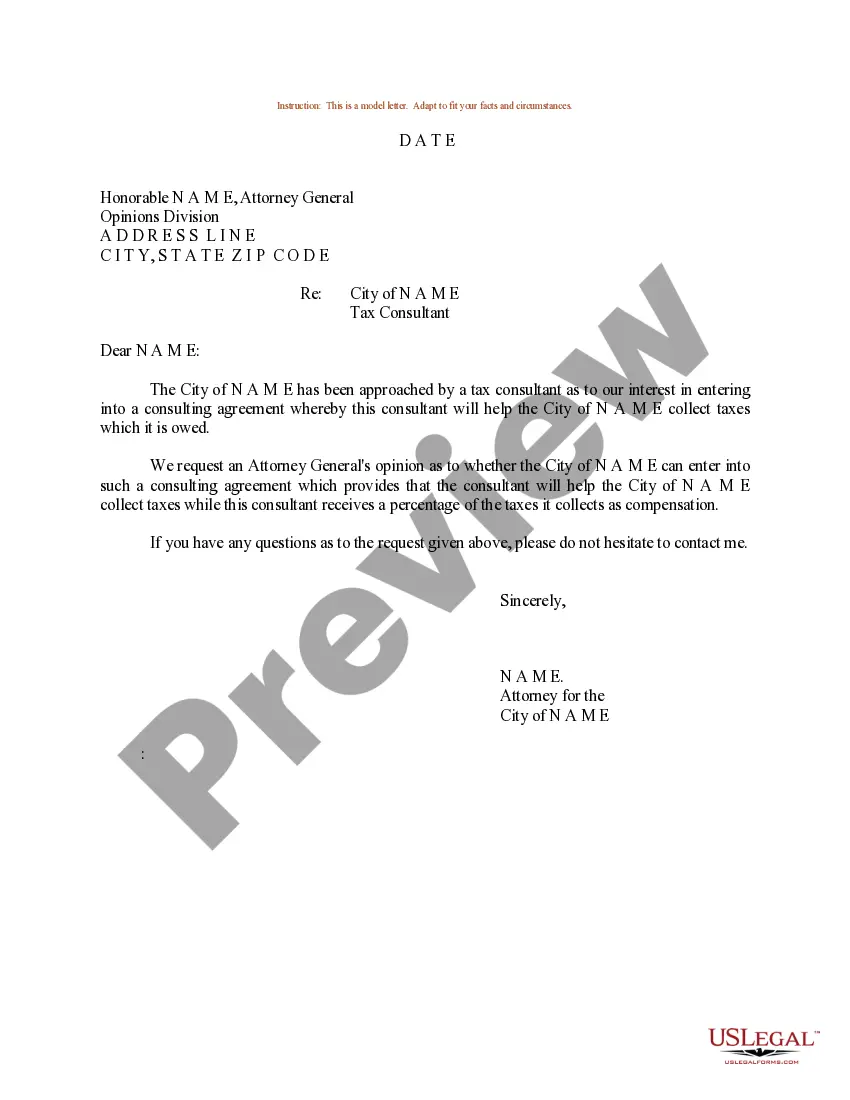
Get your form ready online
Our built-in tools help you complete, sign, share, and store your documents in one place.
Make edits, fill in missing information, and update formatting in US Legal Forms—just like you would in MS Word.
Download a copy, print it, send it by email, or mail it via USPS—whatever works best for your next step.
Sign and collect signatures with our SignNow integration. Send to multiple recipients, set reminders, and more. Go Premium to unlock E-Sign.
If this form requires notarization, complete it online through a secure video call—no need to meet a notary in person or wait for an appointment.
We protect your documents and personal data by following strict security and privacy standards.

Make edits, fill in missing information, and update formatting in US Legal Forms—just like you would in MS Word.

Download a copy, print it, send it by email, or mail it via USPS—whatever works best for your next step.

Sign and collect signatures with our SignNow integration. Send to multiple recipients, set reminders, and more. Go Premium to unlock E-Sign.

If this form requires notarization, complete it online through a secure video call—no need to meet a notary in person or wait for an appointment.

We protect your documents and personal data by following strict security and privacy standards.
Looking for another form?








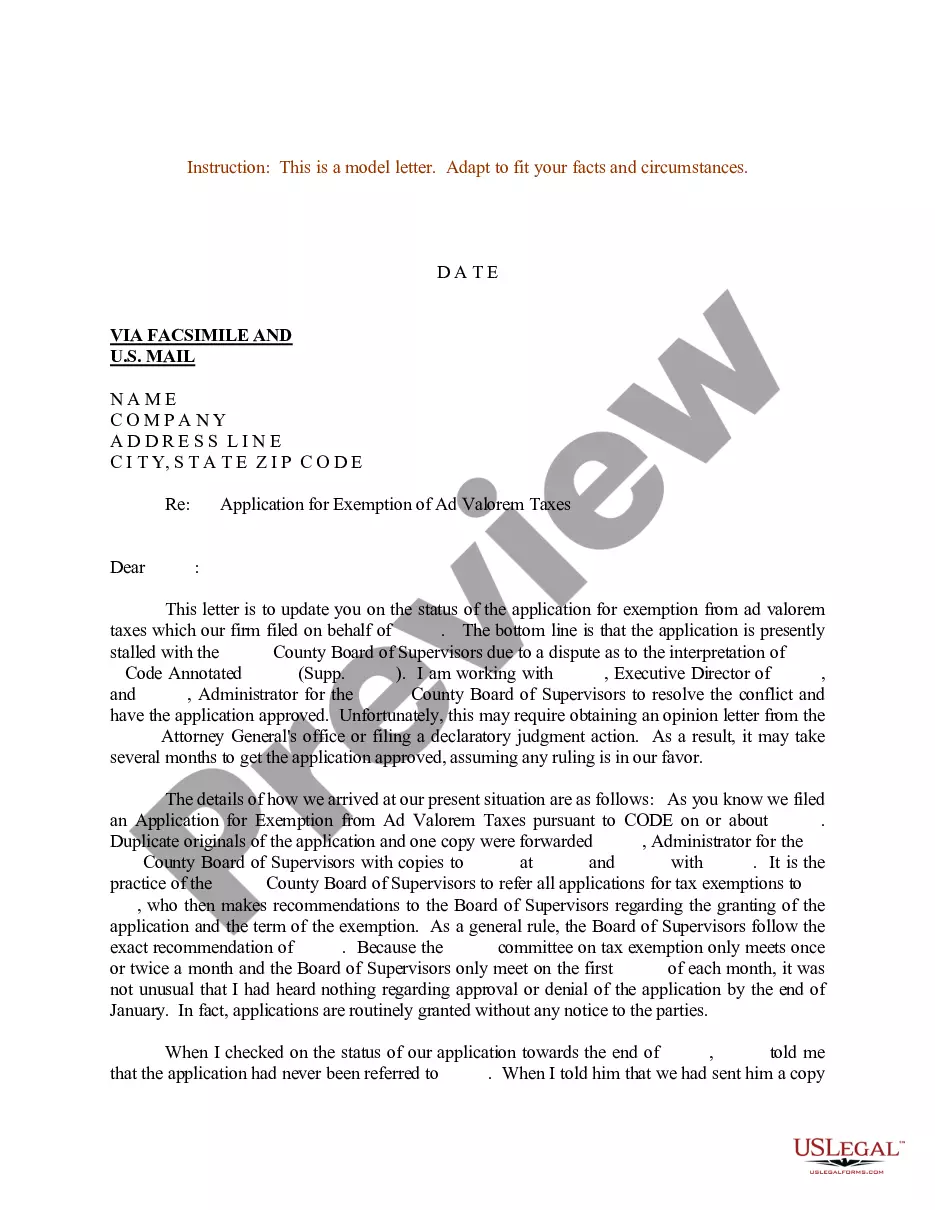
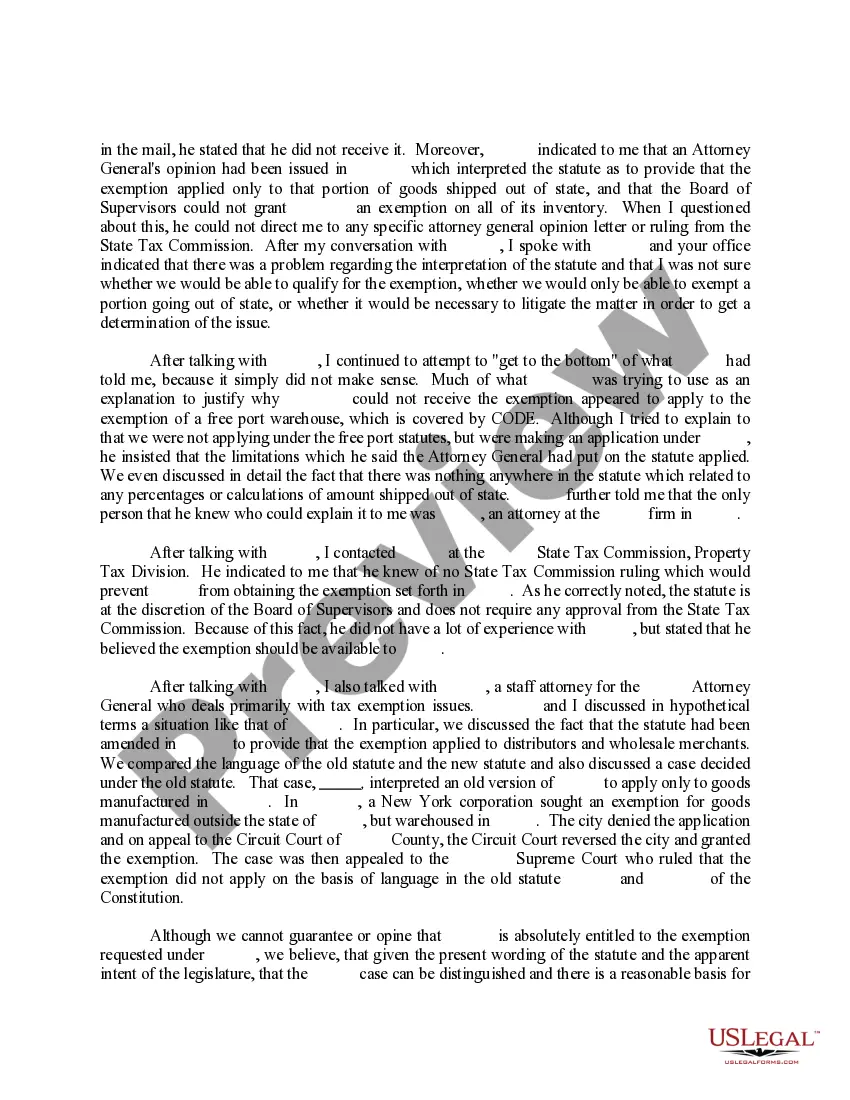
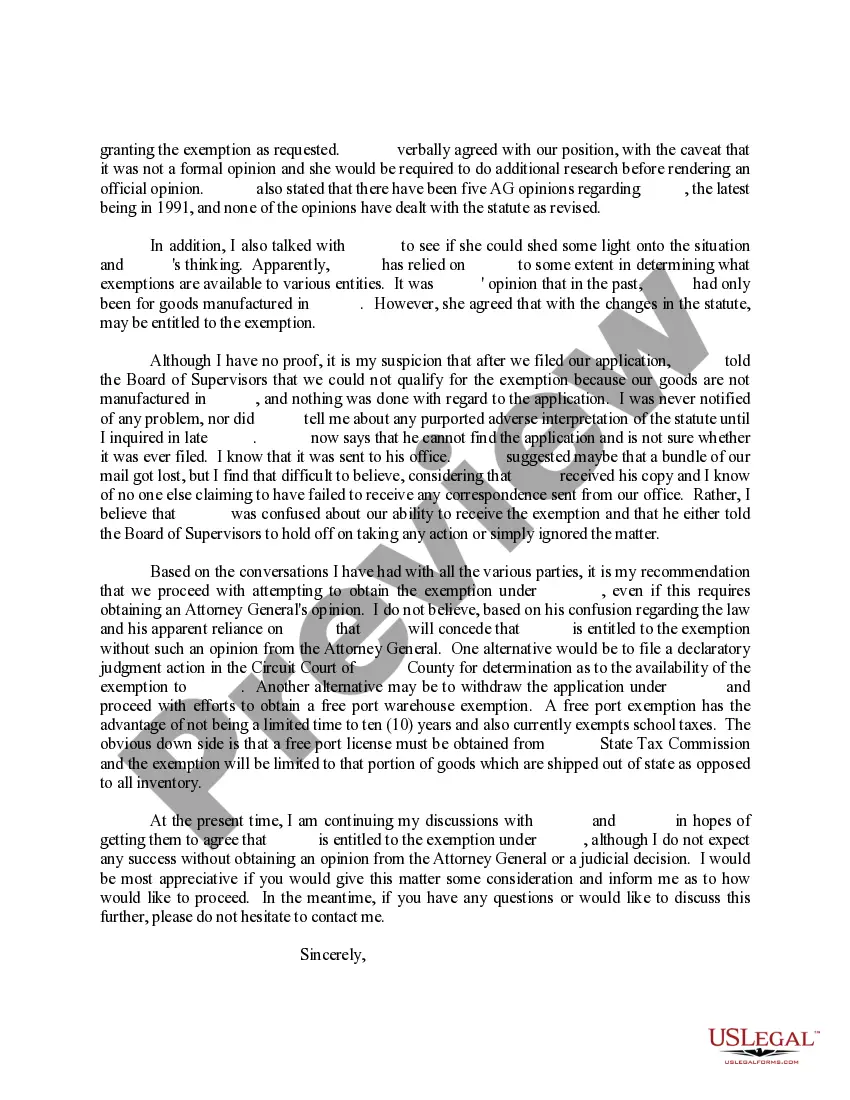
How to fill out Sample Letter For Exemption Of Ad Valorem Taxes?
Whether for corporate reasons or personal matters, everyone must confront legal issues at some stage in their lives.
Filling out legal documents requires careful consideration, commencing with selecting the correct template.
With a comprehensive US Legal Forms catalog at your disposal, you never have to waste time searching for the correct template online. Utilize the library’s straightforward navigation to locate the suitable template for any situation.
- Locate the template you require by utilizing the search bar or browsing the catalog.
- Review the form’s description to confirm that it fits your situation, state, and locality.
- Click on the form’s preview to inspect it.
- If it is not the correct document, return to the search feature to find the Ad Valorem Fees For Charge Creation example you need.
- Acquire the template if it aligns with your requirements.
- If you possess a US Legal Forms account, simply click Log in to access previously stored templates in My documents.
- If you do not have an account yet, you can purchase the form by clicking Buy now.
- Choose the appropriate pricing option.
- Complete the profile registration form.
- Select your payment method: you can use a credit card or PayPal account.
- Choose the document format you prefer and download the Ad Valorem Fees For Charge Creation.
- Once downloaded, you can fill out the form using editing software or print it and complete it manually.
Form popularity
FAQ
Certain properties may qualify for exemptions from ad valorem taxes, such as some non-profit organizations, schools, and places of worship. Additionally, senior citizens and disabled persons might receive special exemptions, easing their financial responsibilities. To explore potential exemptions for your property, refer to local tax regulations, as policies can differ across regions. We've helped many navigate these issues with our uslegalforms platform.
The liability release form, also known as the waiver form, contains a legally binding agreement between two parties, stating that one of them (the releasor) promises not to sue the other side (the releasee) for past, current, or future damages, losses, or injuries.
Conditional Waiver and Release Upon Final Payment Use this form when the claimant is required to sign a waiver and release in exchange for, or in order to, induce a final payment, and the claimant has not yet been paid. This release is only binding if there is evidence of payment to the claimant.
North Carolina lien waivers do not need to be notarized to be effective.
Must Ohio lien waivers be notarized? No. Ohio's lien law does not require that a lien waiver be notarized to be valid.
New Jersey lien waivers do not need to be notarized, in order to be valid.
Florida Waivers Don't Have to Be Notarized The Florida statutes related to lien waivers do not require waivers to be notarized in order to be effective or enforceable. In fact, only 3 states ? Mississippi, Texas, and Wyoming ? enforce such a requirement.
Lien waivers in Massachusetts do not need to be notarized, but they must be signed ?under the penalties of perjury.?
When you have the correct template for the conditional progress payment waiver, simply fill in the required information: Name of Claimant. Write your full business name. Name of Customer. Write the full name of the party who hired you. Job Location. ... Owner. ... Through Date. ... Maker of Check. ... Amount of Check $ ... Check Payable to.