Summary Judgement Vs Motion To Dismiss
Description
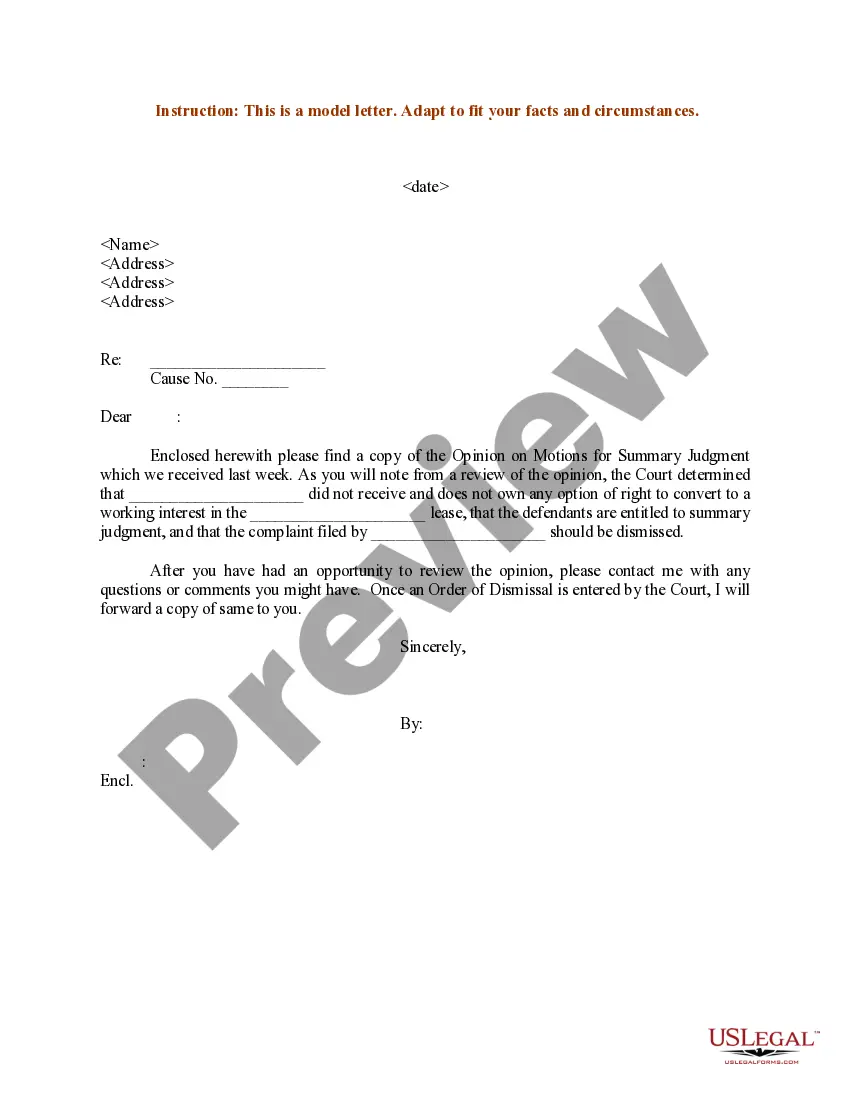
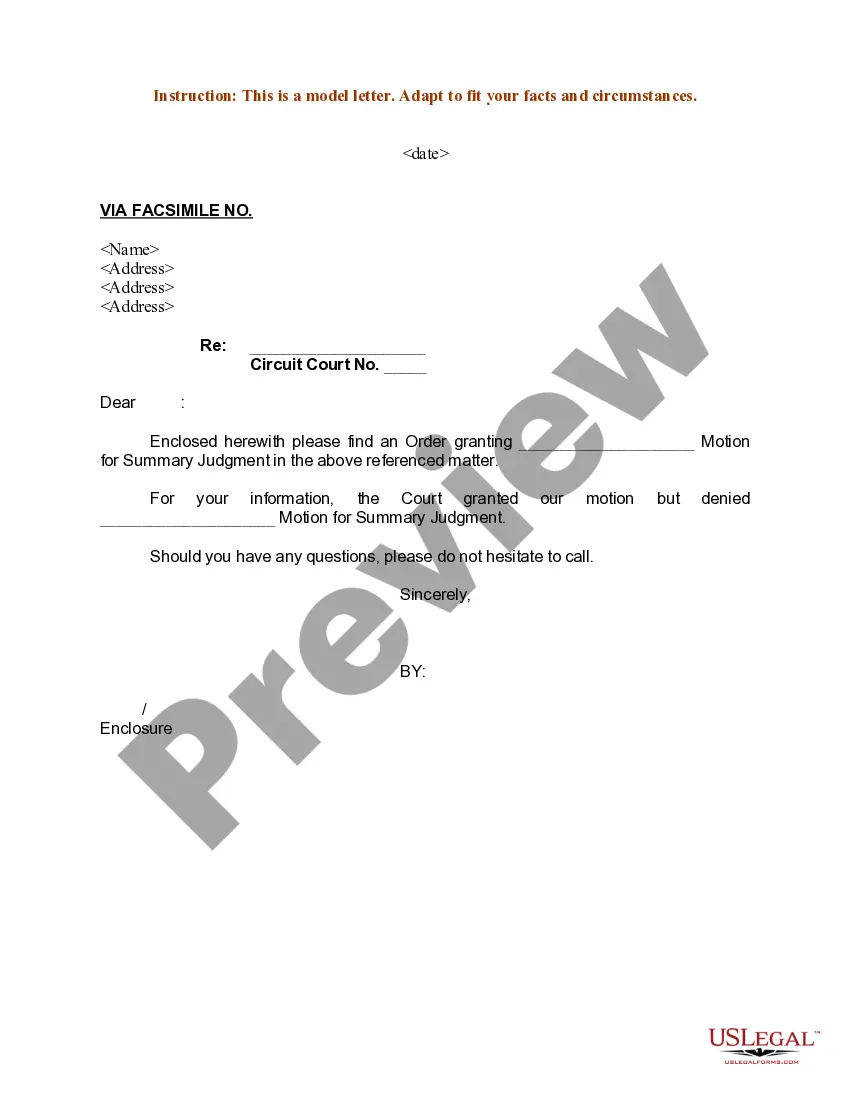
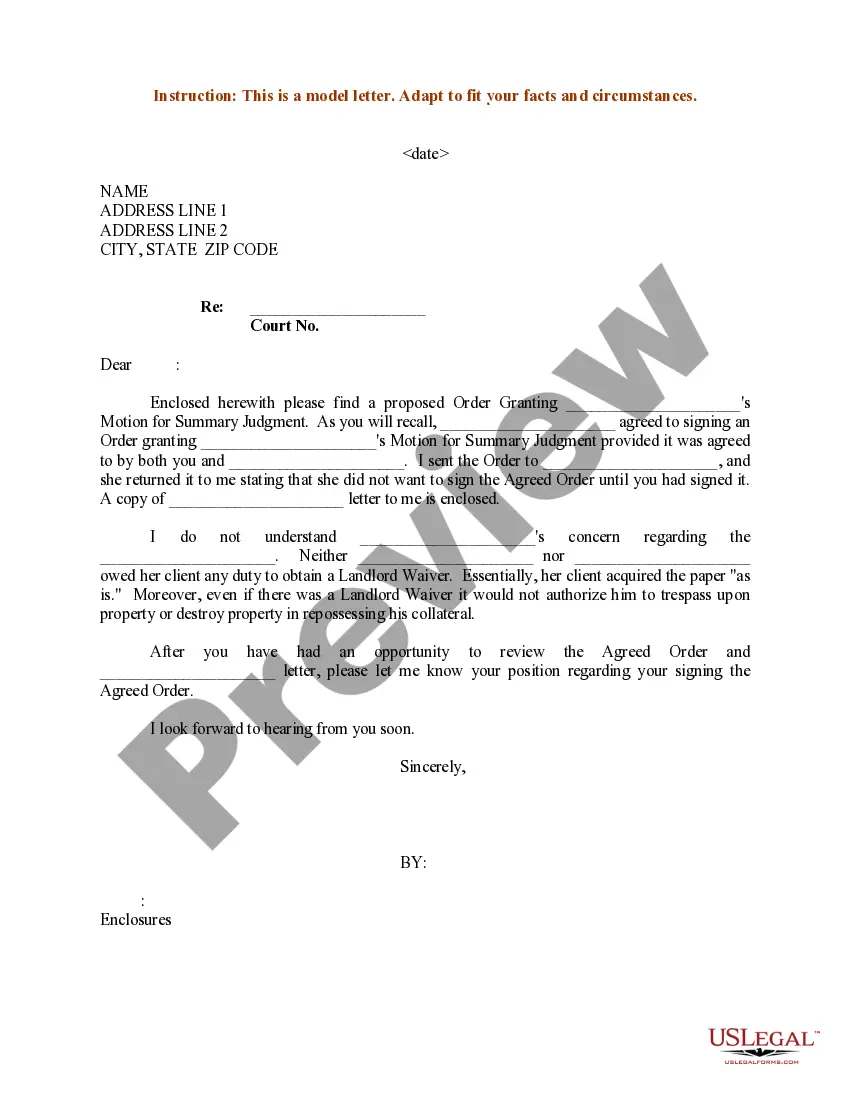
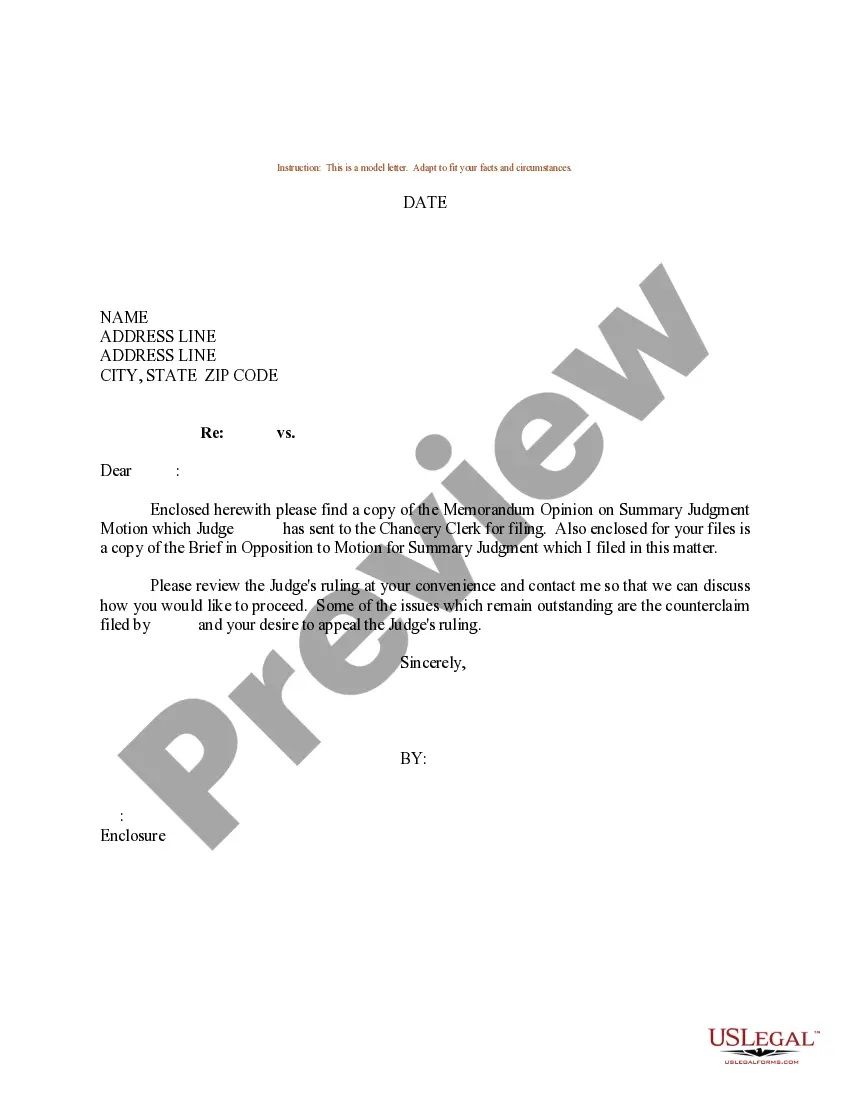
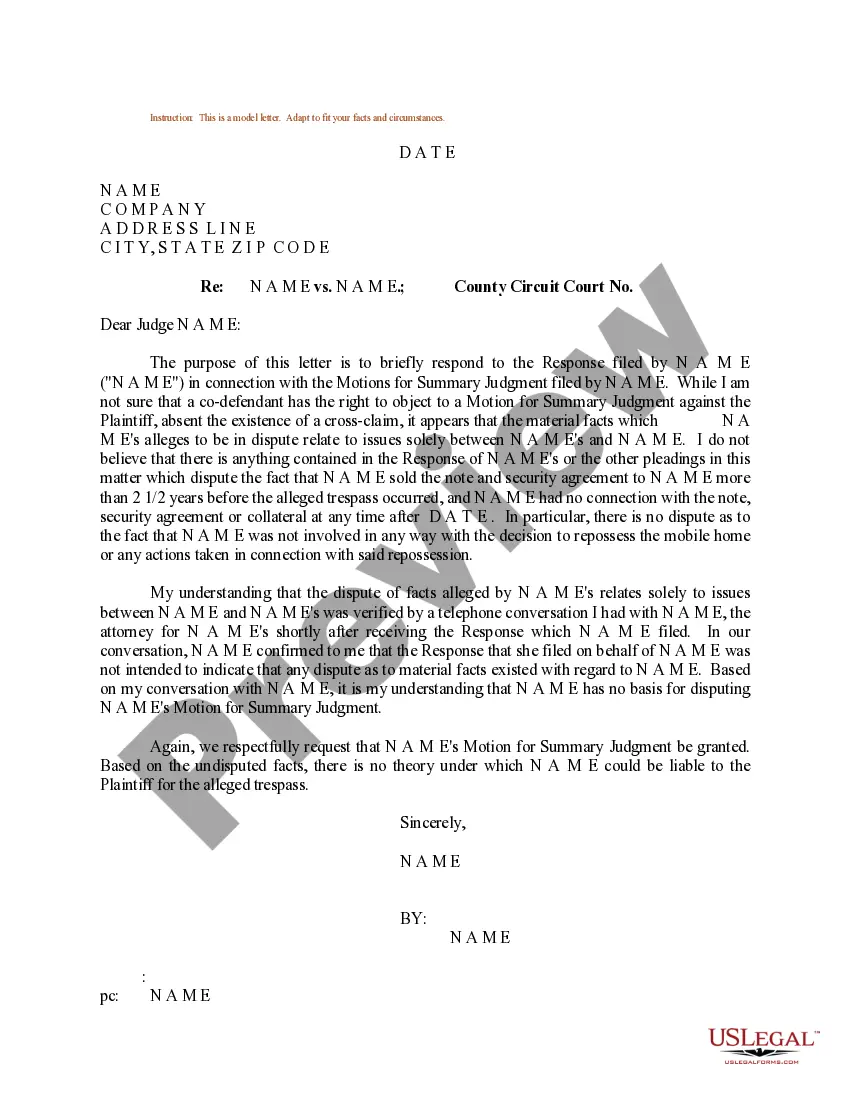



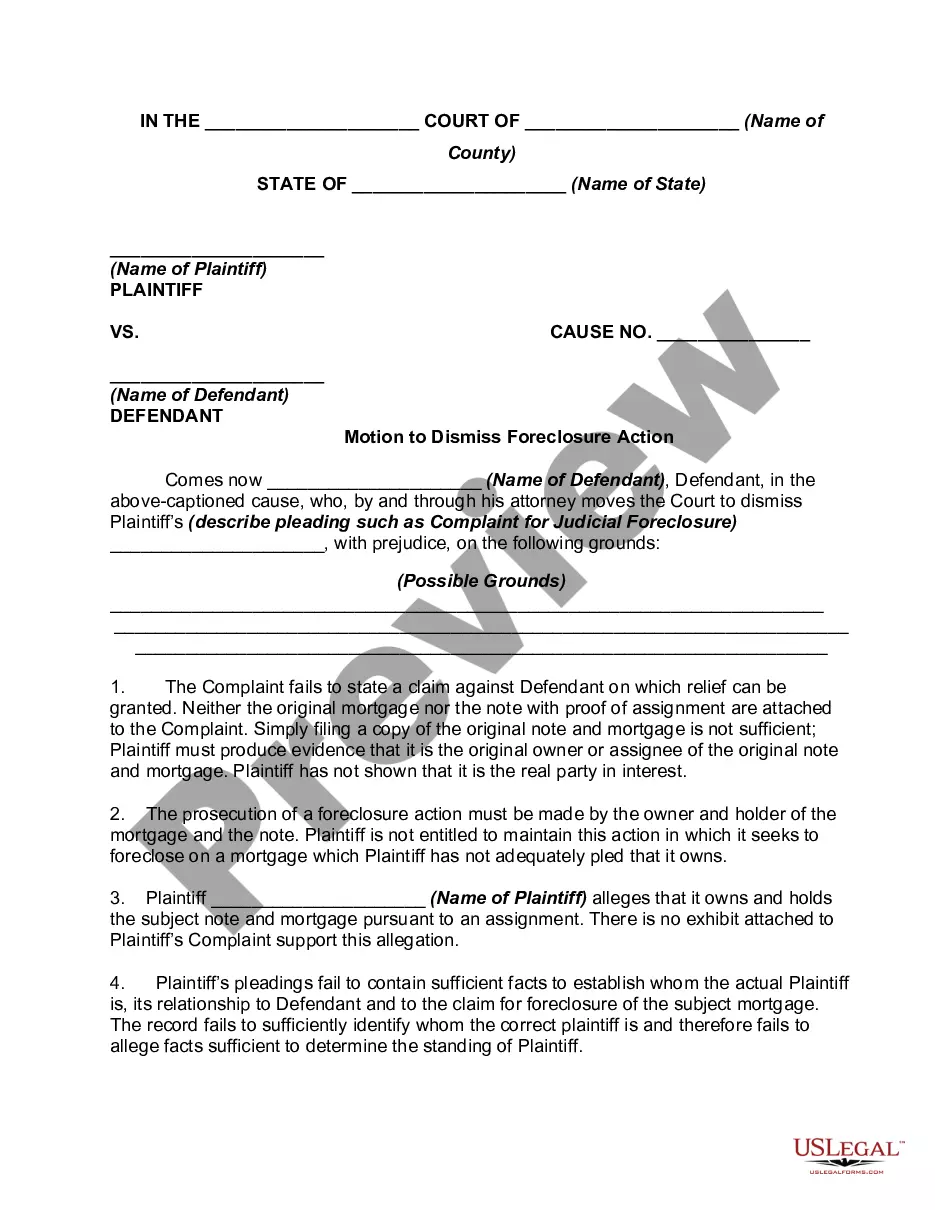




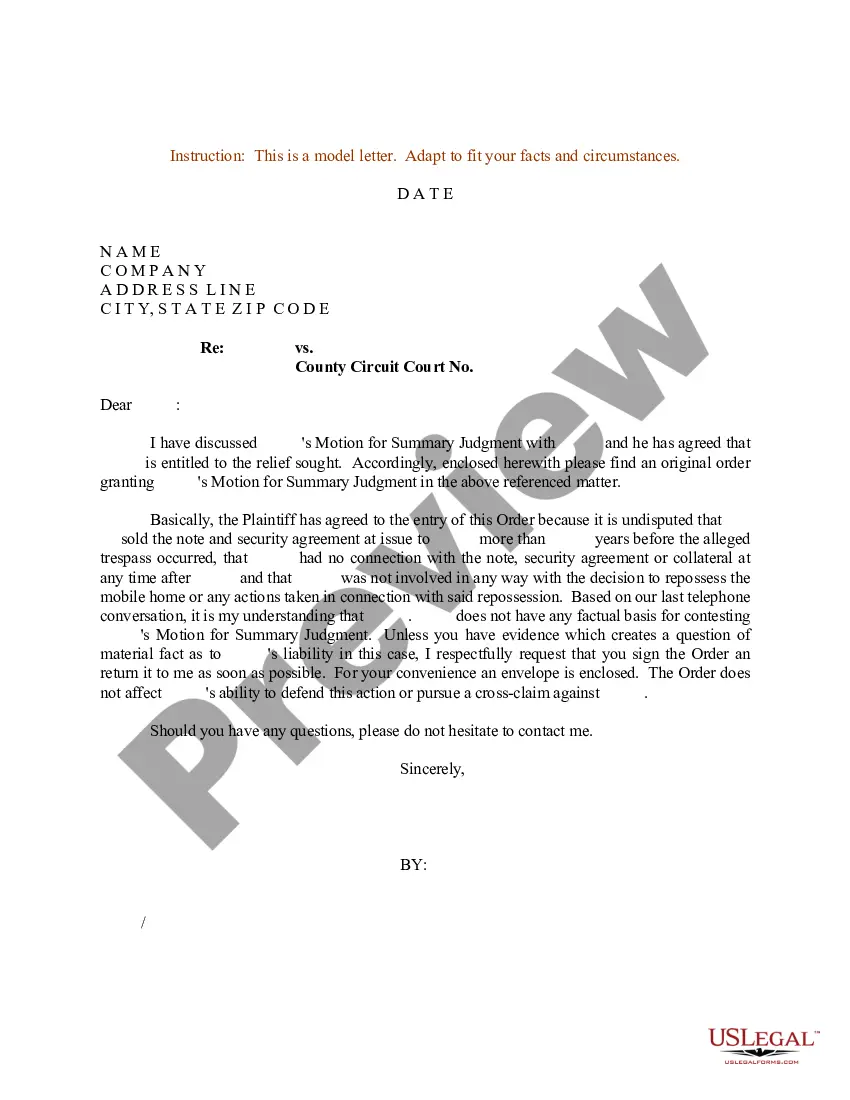
How to fill out Sample Letter For Motion For Summary Judgment?
It's clear that you cannot become a legal expert instantly, nor can you quickly learn how to prepare Summary Judgement Vs Motion To Dismiss without specialized knowledge.
Drafting legal documents is a lengthy process that demands specific training and expertise.
So why not entrust the preparation of the Summary Judgement Vs Motion To Dismiss to the professionals.
Preview it (if this option is available) and review the accompanying description to determine if Summary Judgement Vs Motion To Dismiss is what you're looking for.
If you need a different form, start your search again. Create a free account and select a subscription plan to purchase the form. Click Buy now. Once the payment is completed, you can download the Summary Judgement Vs Motion To Dismiss, complete it, print it, and send or mail it to the required individuals or organizations.
- With US Legal Forms, one of the largest legal template collections, you can access everything from court documents to templates for internal business communication.
- We recognize the significance of compliance and adherence to federal and state regulations.
- Therefore, on our platform, all templates are location-specific and current.
- Here’s how to get started with our platform and acquire the document you need in just minutes.
- Find the form you require using the search bar at the top of the page.
Form popularity
FAQ
Despite the final ruling, the losing party can still ask the court to reconsider the ruling or grant a new trial. If desired, they can appeal the summary judgment to a higher court for review. However, keep in mind that strict time limits apply to these appeals procedures.
A motion for judgment on the pleadings will occur before the trial and, unlike a motion for summary judgment, does not concern any matters other than what is contained within the pleadings.
It is much more difficult for plaintiffs to win this type of summary judgment. Rather than knocking out a single element to doom a cause of action, like a defendant, every element of each claim as to which the plaintiff wishes to achieve summary judgment must be proven by admissible evidence.
Replies should be succinctly stated. If the response to a fact is ?undisputed,? the reply should also state ?undisputed.? If you contend that despite a response of ?disputed,? the non-moving party has failed to raise a genuine dispute of material fact, you should succinctly state why.
Show that the law does not support judgment on the undisputed facts. Your legal research may reveal case law that shows judgment isn't warranted in your case, even when no facts are in dispute. Show that discovery is incomplete and could raise a disputed material fact when completed.