Employer-provided
Description
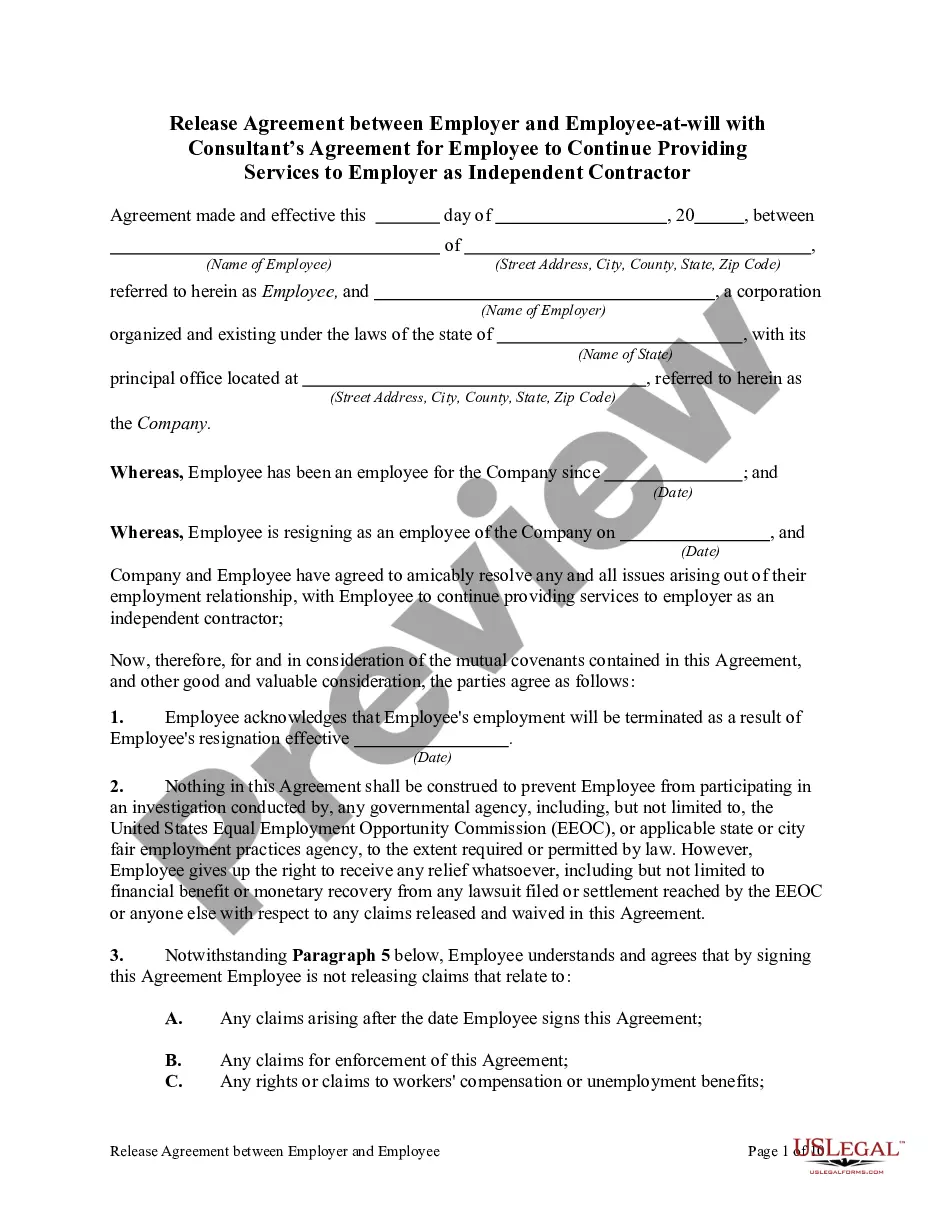
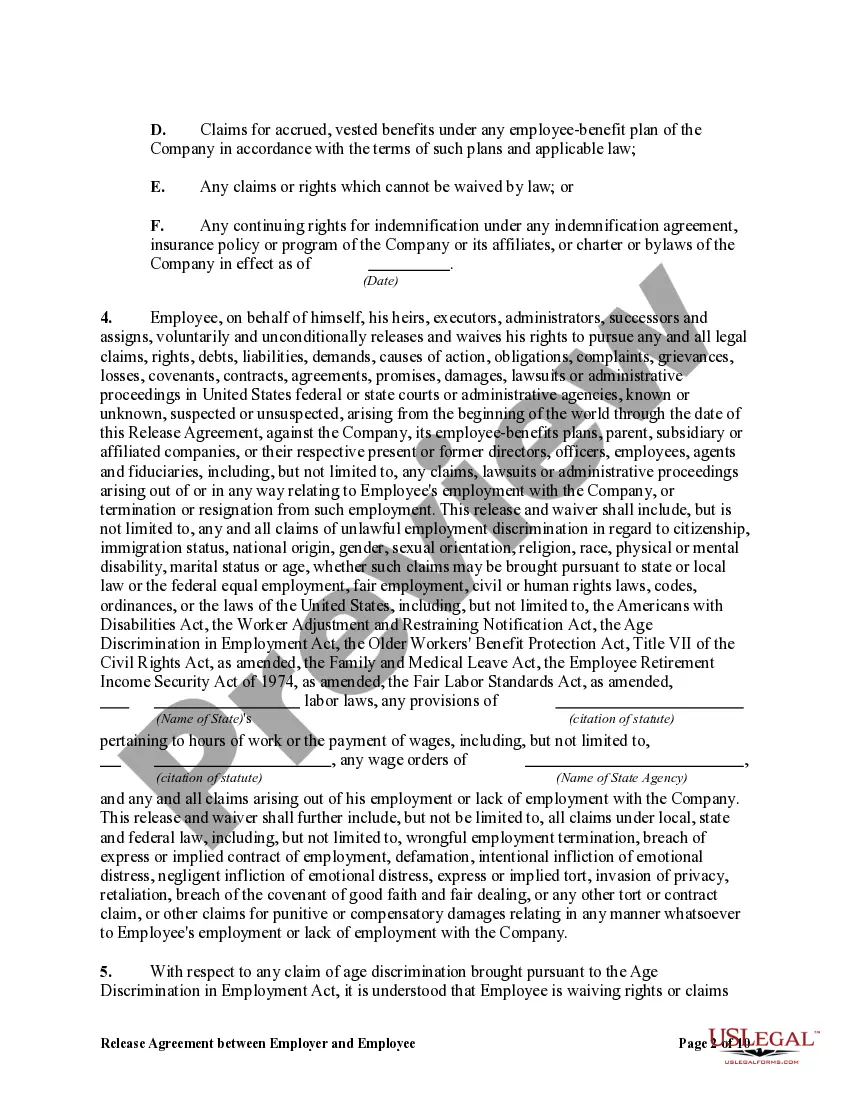
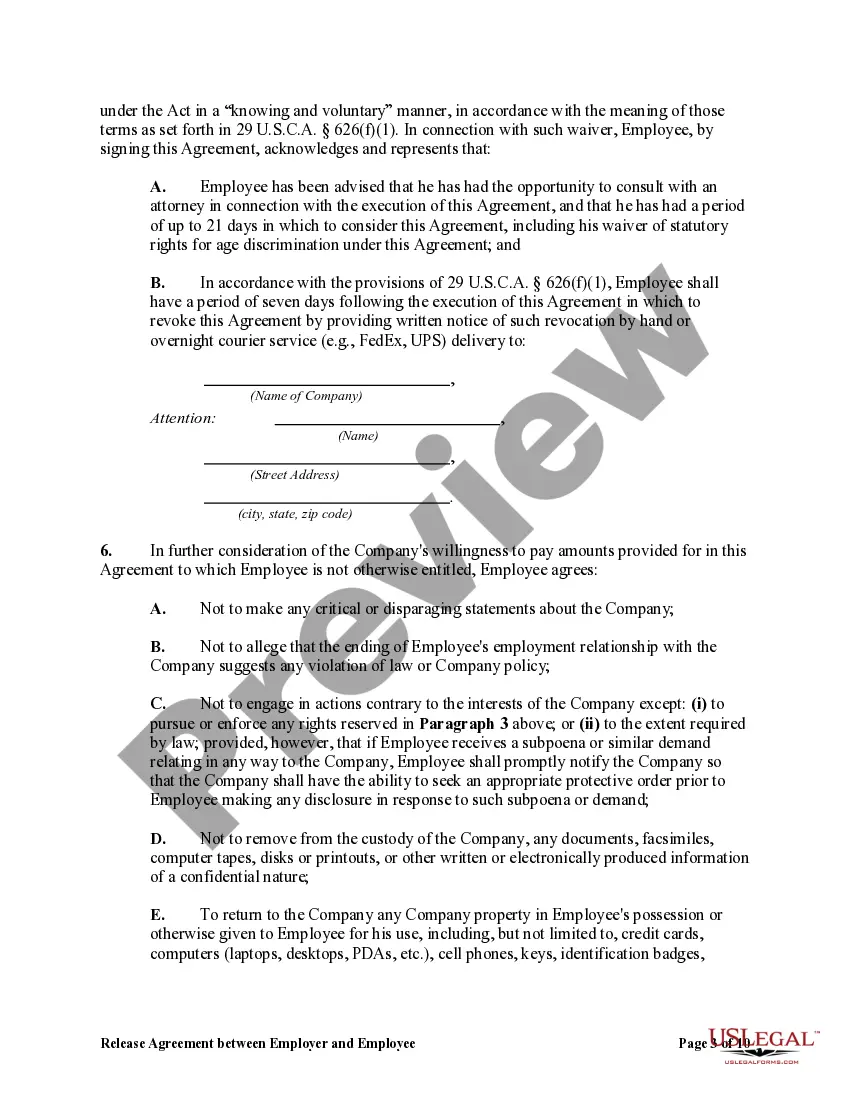
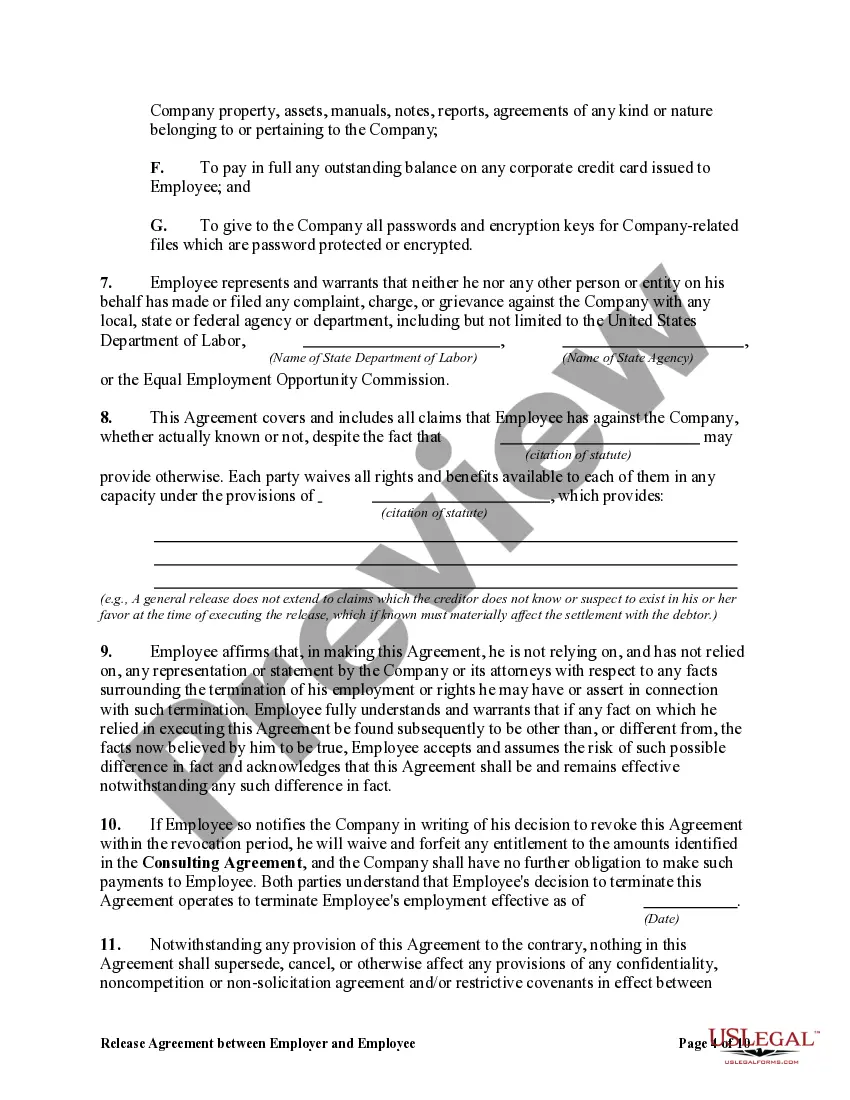
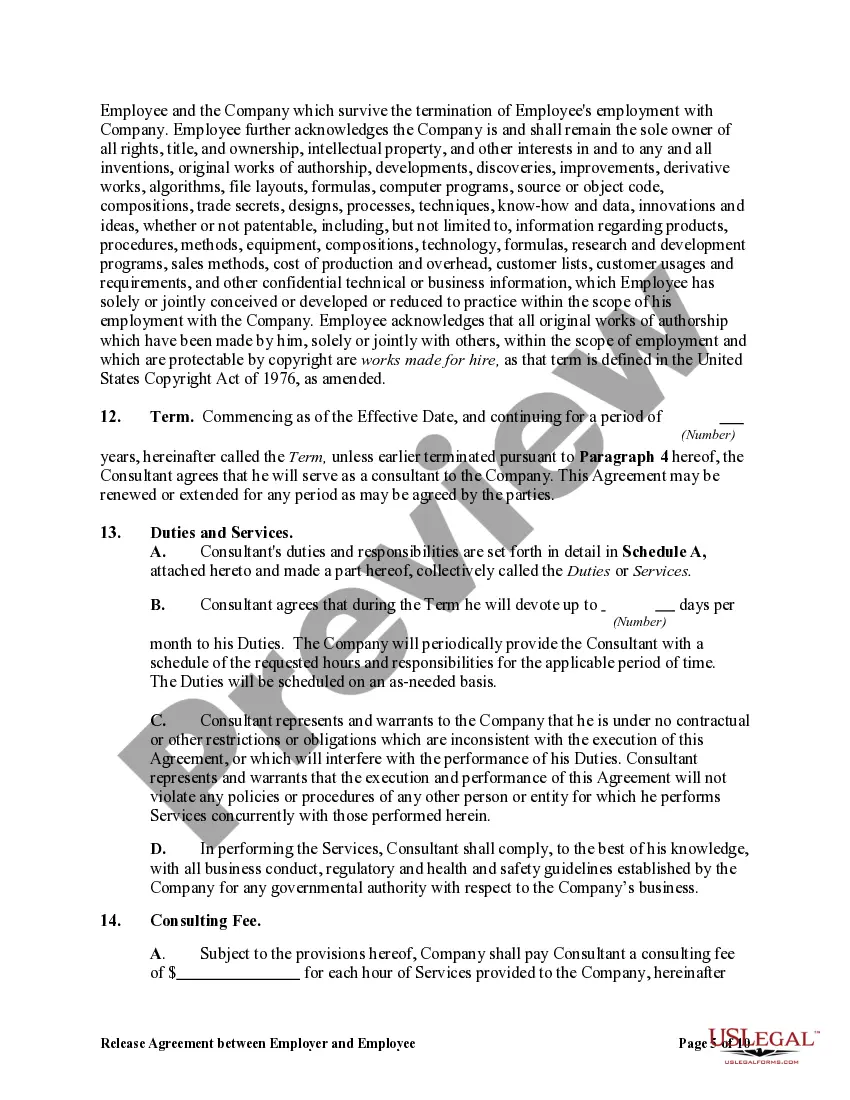
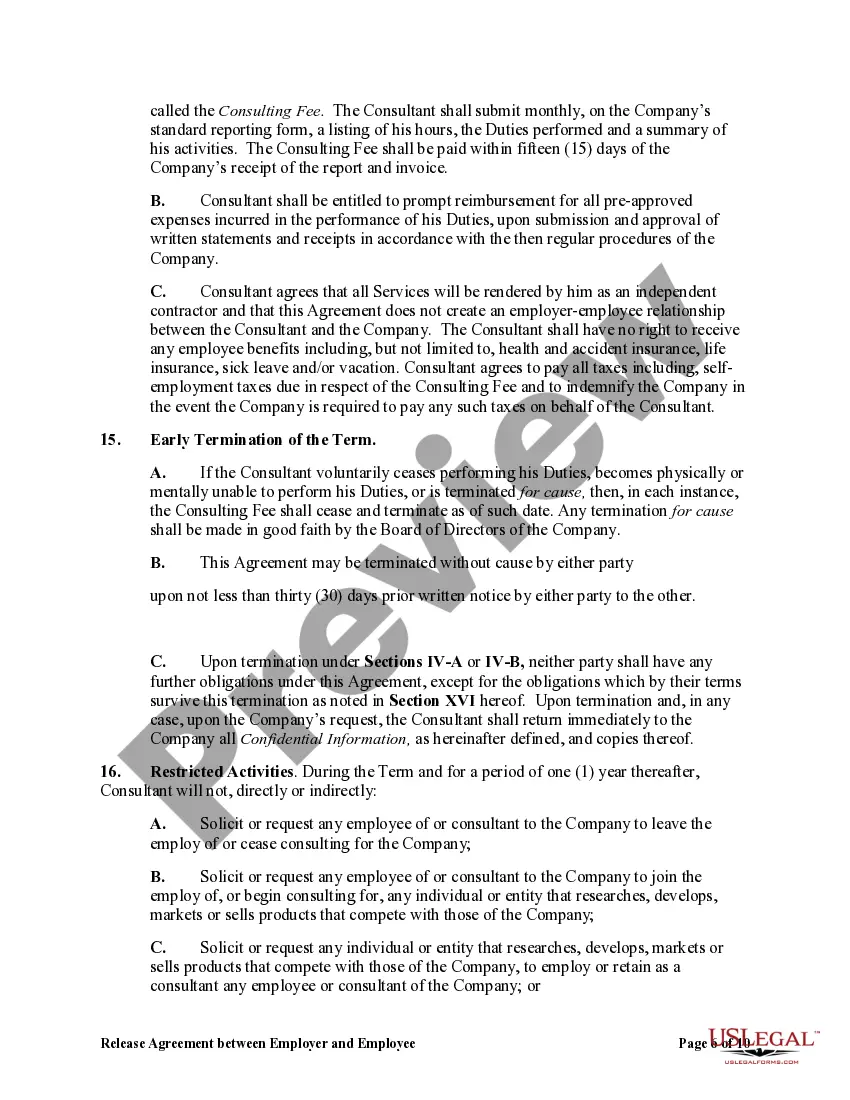
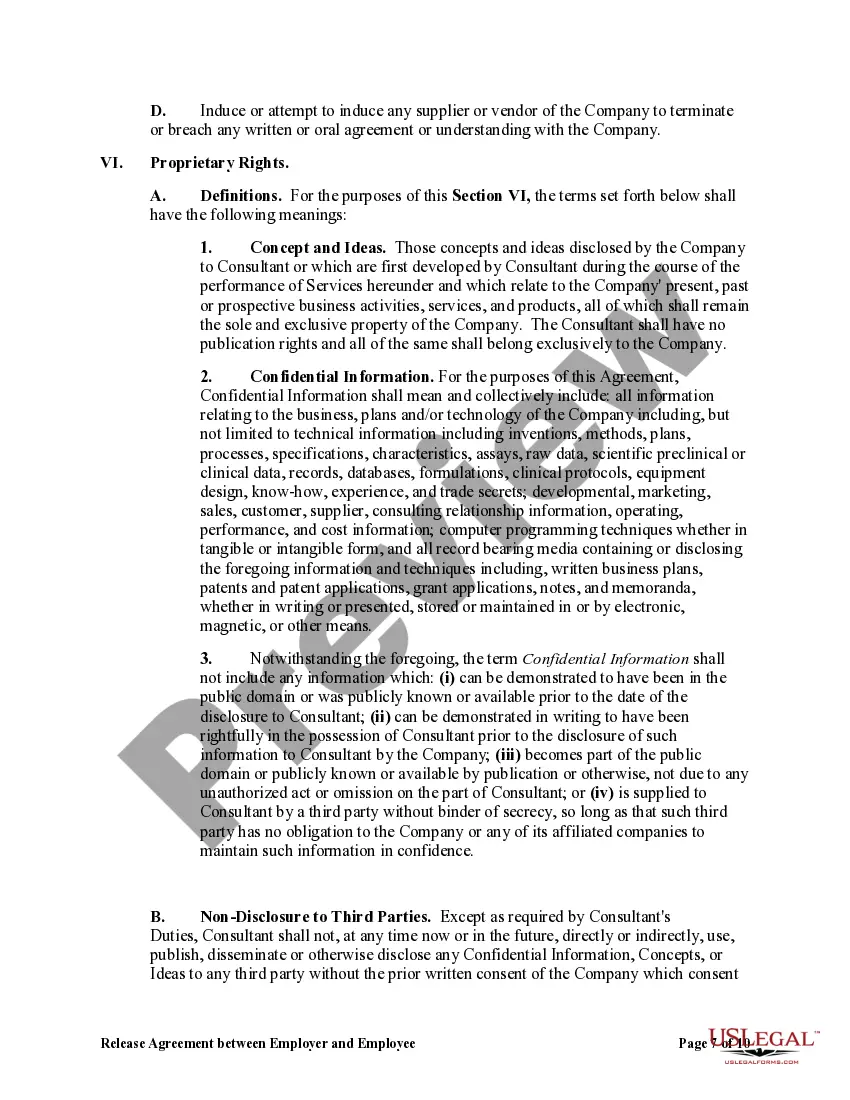
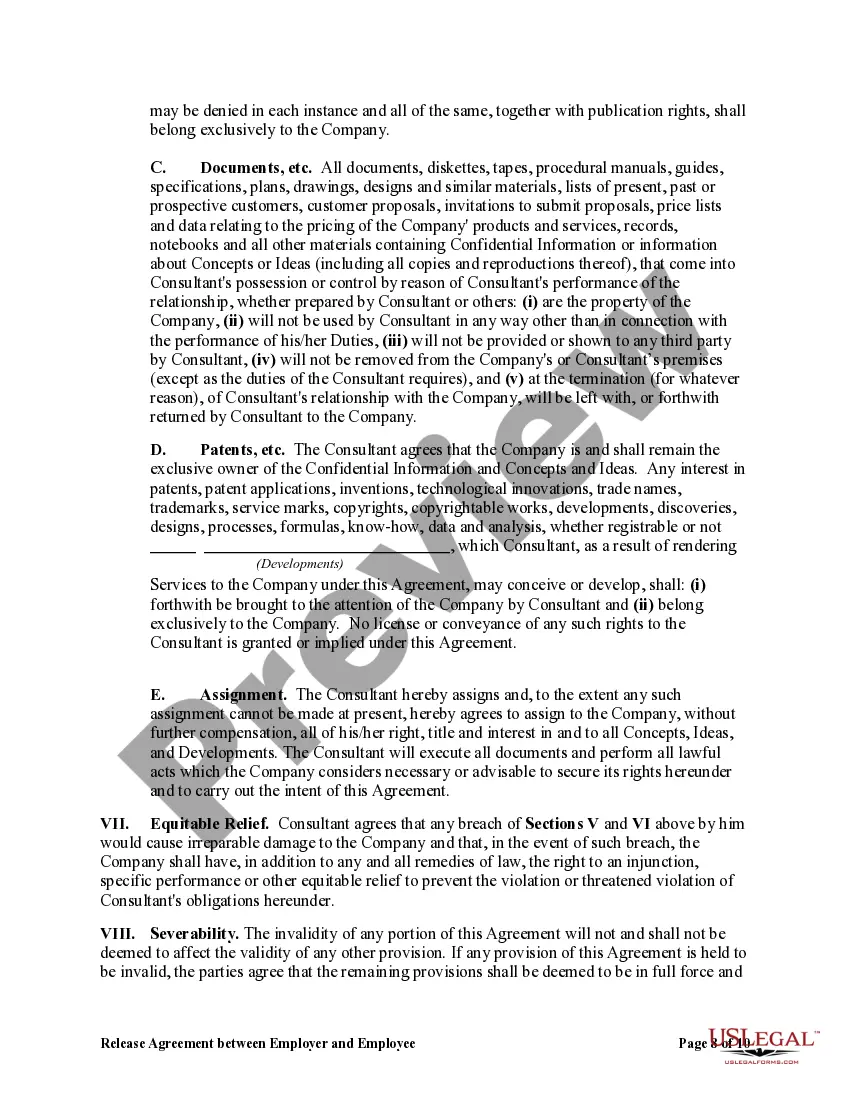
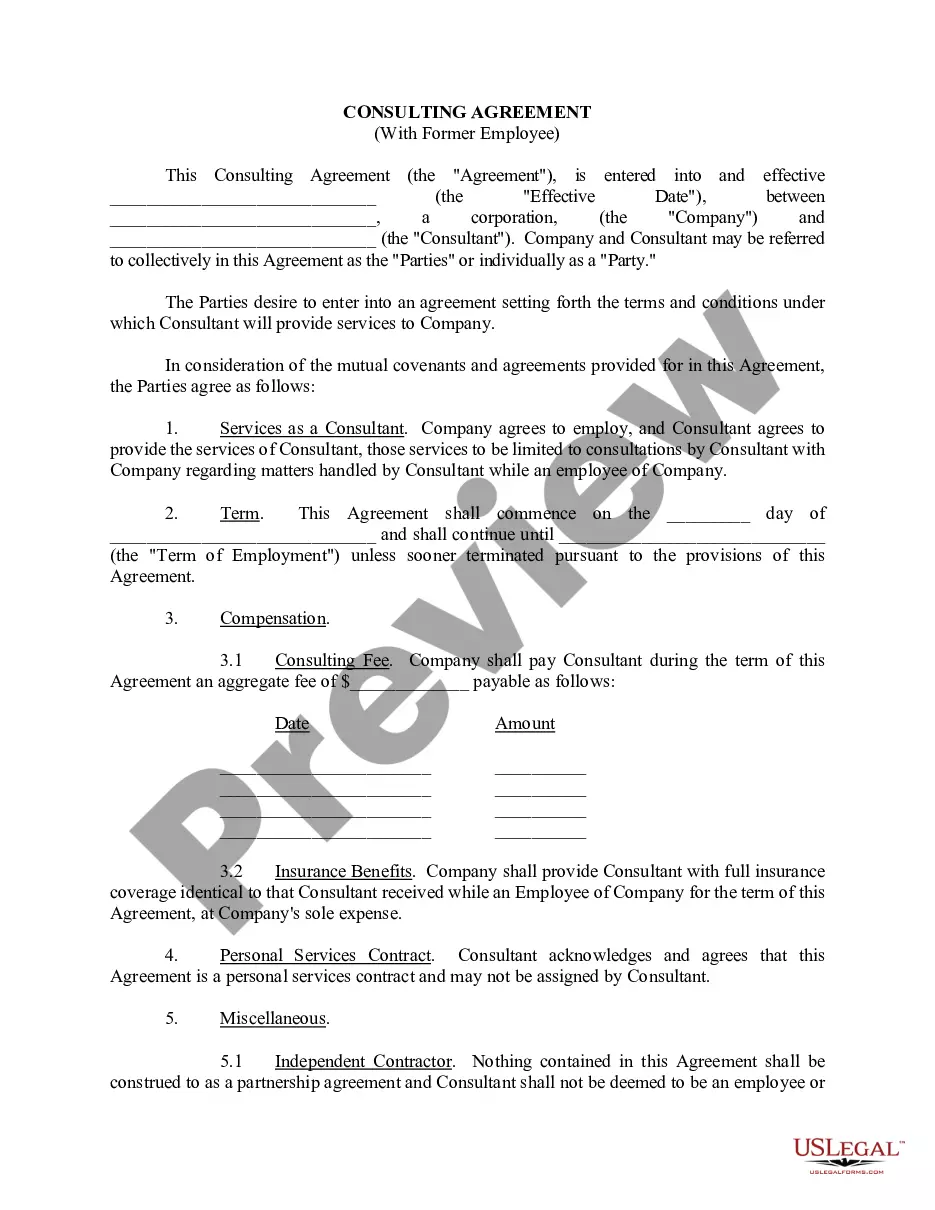
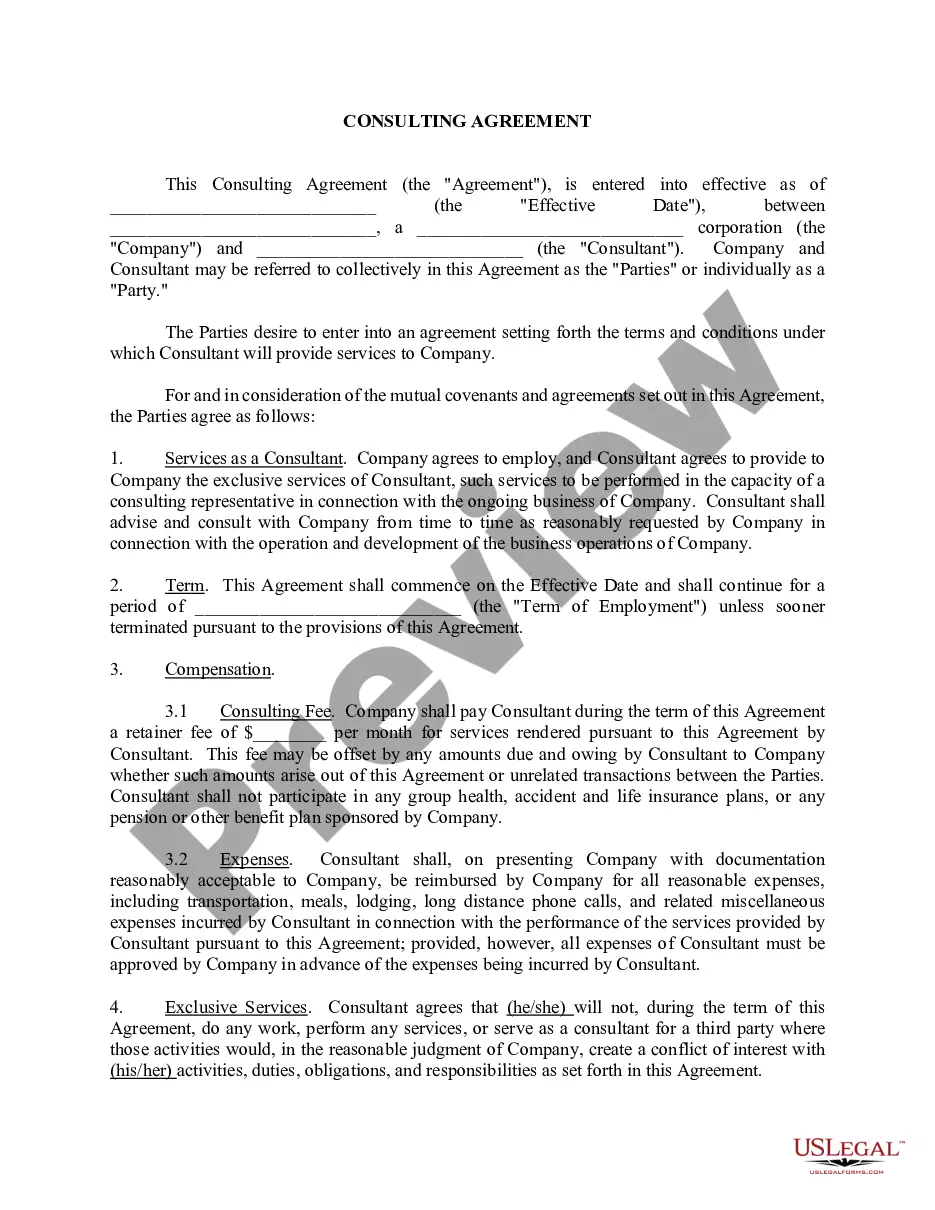
How to fill out Consultant's Agreement For Employee To Continue Providing Services?
- If you’re an existing user, log in to your account. Verify your subscription status and click the Download button to retrieve your required form template.
- If you are a new user, begin by reviewing the Preview mode and the description of your desired document. Confirm that it fits your requirements and complies with local jurisdiction regulations.
- In case you need a different template, utilize the Search tab to browse for alternatives that meet your needs, then proceed to the next step.
- Select your preferred subscription plan by clicking the Buy Now button to purchase the document. You will need to create an account before accessing the vast library.
- Enter your payment details using either your credit card or PayPal to finalize the purchase.
- Download your form to your device for completion. You can access it later in the My Forms section of your profile.
By following these straightforward steps, you can gain access to an extensive collection of over 85,000 legal forms tailored to meet your writing and editing needs.
Get started today to ensure that your legal documents are handled efficiently and accurately with US Legal Forms for all your employer-provided benefits.
Form popularity
FAQ
'Employer-provided benefits' refer to various forms of compensation and support given to employees outside their base salary. This can include health insurance, retirement plans, bonuses, sick leave, and other perks. These benefits are designed to enhance employee satisfaction and retention. Understanding what your employer offers can significantly impact your overall job experience.
Yes, you can decline employer health insurance and opt for your own coverage. Many employees choose this route to secure a plan that better fits their needs or to avoid higher premiums. However, you should consider the implications, such as losing any employer contribution benefits. Researching individual plans can help you find suitable alternatives.
Having healthcare coverage can present some disadvantages despite its benefits. For instance, you may encounter high premiums or out-of-pocket costs that strain your budget. Additionally, some plans may restrict your choice of doctors and healthcare providers, limiting your access to preferred services. Being aware of these potential drawbacks can help you select the right coverage for your needs.
One significant downside of employer-provided health insurance is the potential lack of flexibility in plan choices. Employees often must choose from a limited set of options dictated by the employer. Moreover, changing jobs can disrupt your coverage, leaving you vulnerable. It's vital to weigh these factors carefully before enrolling in a plan.
Employers are required to provide certain benefits to employees under federal and state laws. This typically includes unemployment insurance, workers' compensation, and, in some cases, health insurance. However, the specifics can vary depending on company size and location. Understanding these requirements can ensure that you receive the necessary support from your employer.
Employer-provided assistance refers to benefits and support that companies offer their employees to improve their well-being and job satisfaction. This can include health insurance, retirement plans, childcare support, or legal assistance. Such benefits help employees manage their personal and professional lives more effectively. Learning more about these options can aid in making informed decisions.
Employer-provided health insurance can come with several disadvantages. First, you may have limited options regarding plan selection, as you typically must choose from a few offerings. Additionally, these plans might have higher premiums, copays, or deductibles that could strain your finances. Lastly, if you change jobs, you may lose your coverage, which can create uncertainty.
An employer-provided document is any official paperwork given to you by your employer, detailing aspects of your employment. This can include contracts, handbooks, or insurance enrollment forms. Knowing what documents are employer-provided helps you stay organized and informed about your job requirements and benefits.
Employer-provided health insurance refers to the health coverage that your employer offers as part of your benefits package. This coverage can help offset the costs of medical care and often includes various plans for employees to choose from. Understanding this aspect of your employment benefits can significantly impact your financial health.
To provide documentation for employment, you typically submit required forms through online portals or in-person meetings. Ensure that all paperwork is filled out accurately, paying attention to both details and deadlines. Using platforms like USLegalForms can simplify this process by offering standardized forms that meet your employer's requirements.