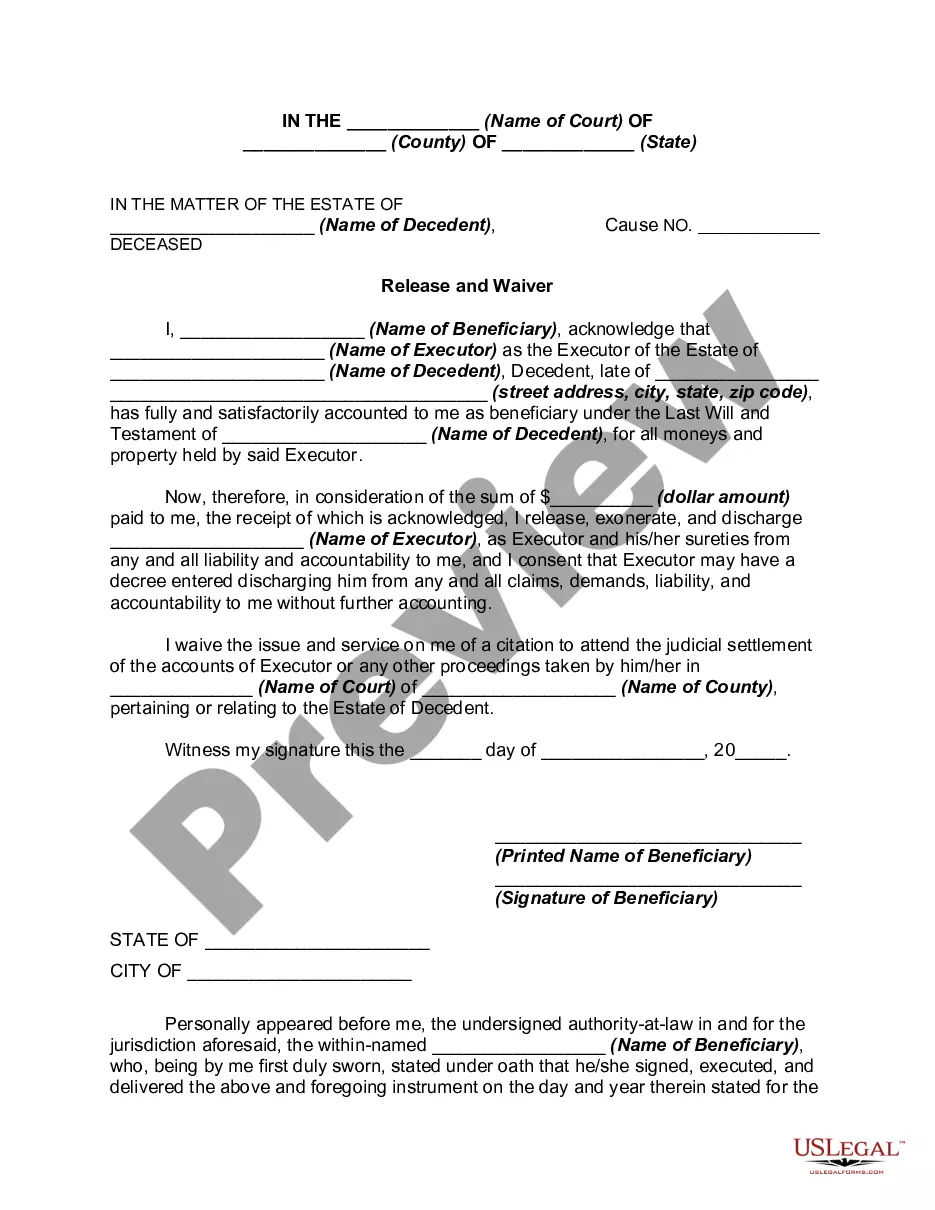
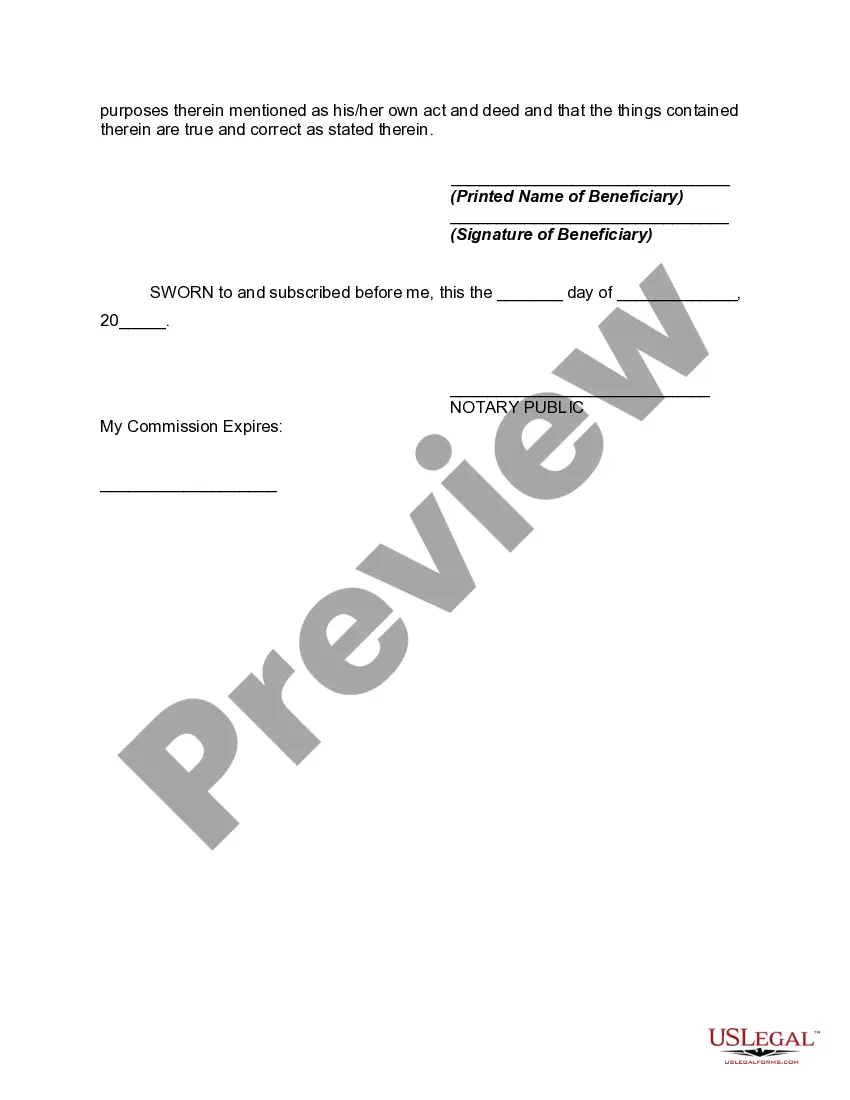
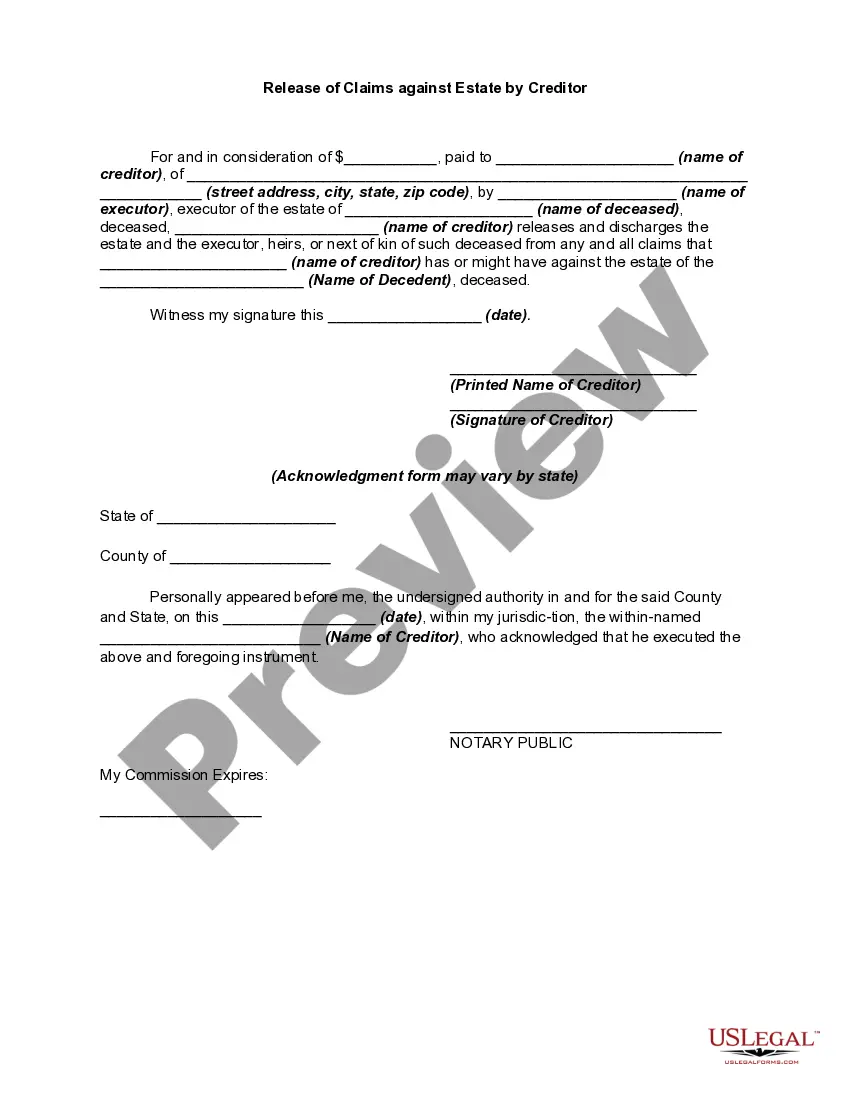
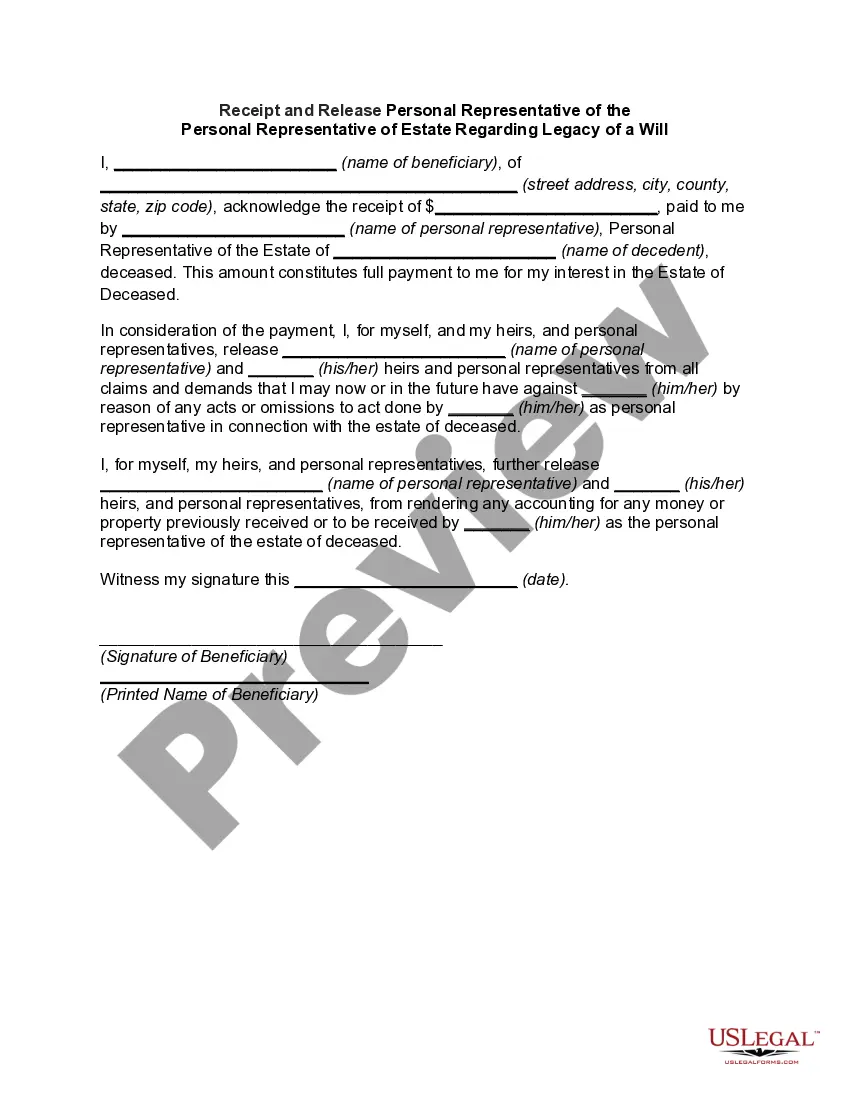
Name Beneficiary Executor Without Bond
Description
Get your form ready online
Our built-in tools help you complete, sign, share, and store your documents in one place.
Make edits, fill in missing information, and update formatting in US Legal Forms—just like you would in MS Word.
Download a copy, print it, send it by email, or mail it via USPS—whatever works best for your next step.
Sign and collect signatures with our SignNow integration. Send to multiple recipients, set reminders, and more. Go Premium to unlock E-Sign.
If this form requires notarization, complete it online through a secure video call—no need to meet a notary in person or wait for an appointment.
We protect your documents and personal data by following strict security and privacy standards.

Make edits, fill in missing information, and update formatting in US Legal Forms—just like you would in MS Word.

Download a copy, print it, send it by email, or mail it via USPS—whatever works best for your next step.

Sign and collect signatures with our SignNow integration. Send to multiple recipients, set reminders, and more. Go Premium to unlock E-Sign.

If this form requires notarization, complete it online through a secure video call—no need to meet a notary in person or wait for an appointment.

We protect your documents and personal data by following strict security and privacy standards.
Looking for another form?


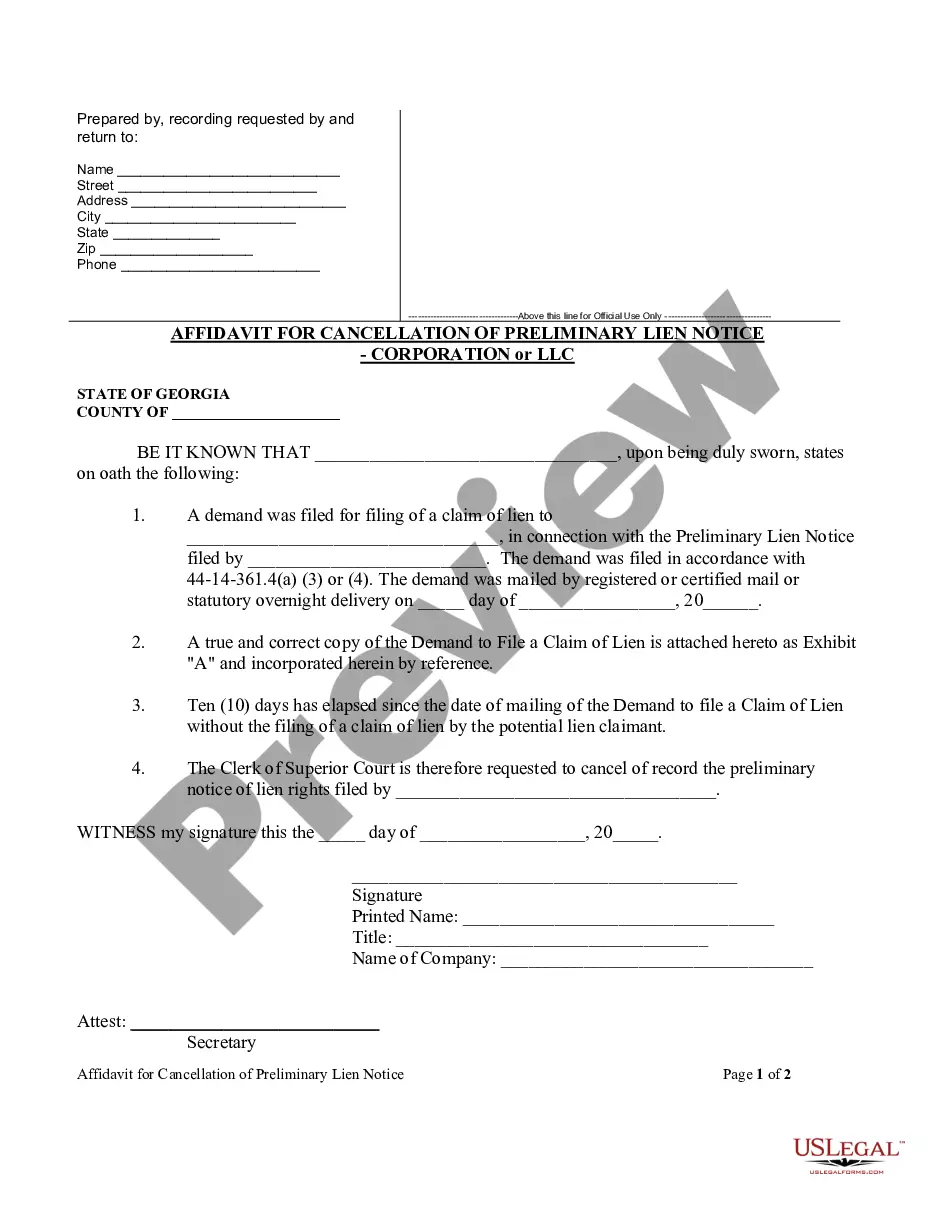





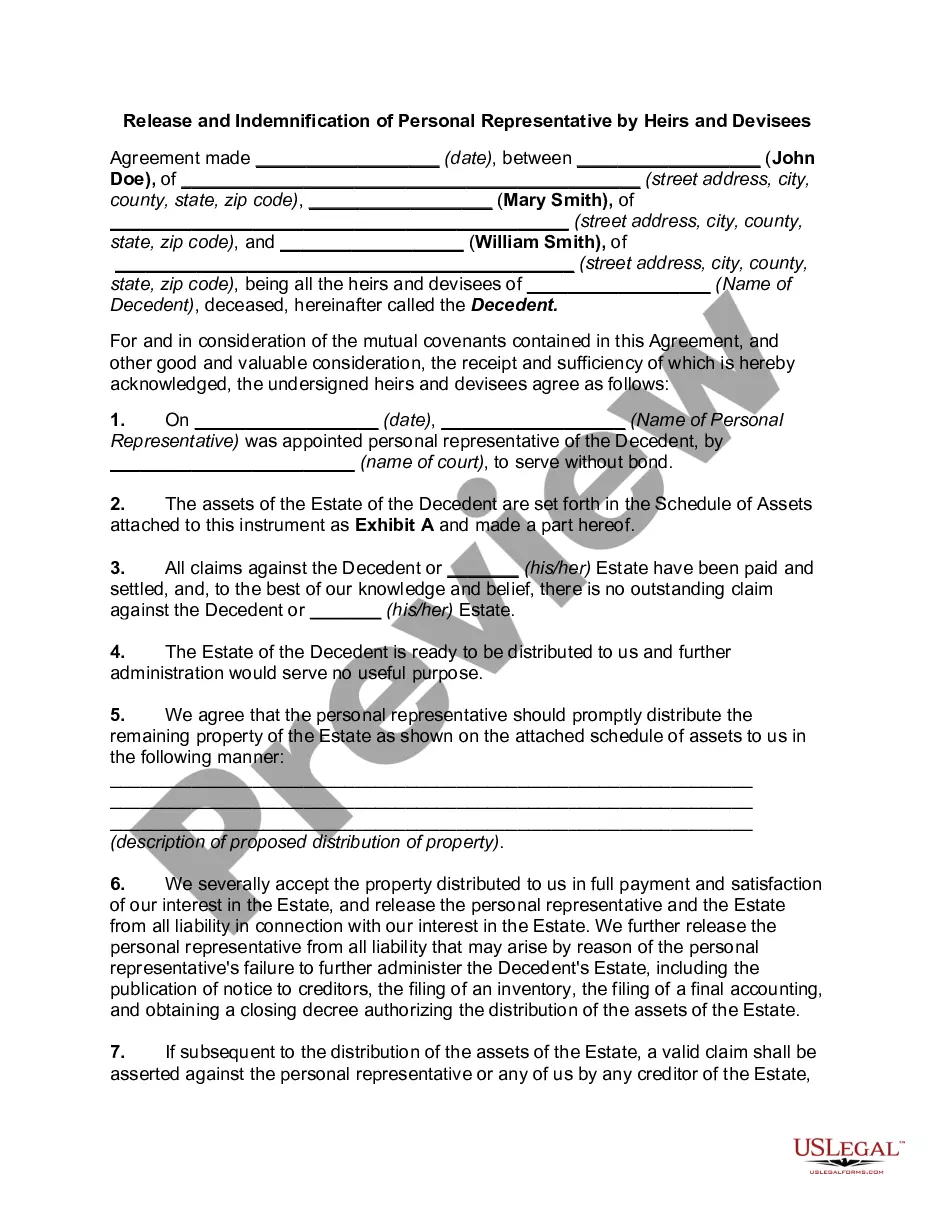
How to fill out Release And Exoneration Of Executor On Distribution To Beneficiary Of Will And Waiver Of Citation Of Final Settlement?
The Title Beneficiary Executor Without Bond displayed on this page is a versatile official template crafted by experienced attorneys in accordance with federal and local laws and regulations.
For over 25 years, US Legal Forms has offered individuals, businesses, and legal experts more than 85,000 validated, state-specific documents for any commercial and personal situation. It’s the fastest, easiest, and most dependable method to acquire the paperwork you require, as the service assures the utmost level of data security and anti-malware safeguards.
Choose the format you prefer for your Name Beneficiary Executor Without Bond (PDF, DOCX, RTF) and download the sample to your device.
- Search for the document you require and review it.
- Examine the file you searched and preview it or review the form description to confirm it meets your needs. If it does not, use the search feature to find the correct one. Click Buy Now when you have located the template you need.
- Register and Log In.
- Select the pricing plan that fits you and create an account. Use PayPal or a credit card to complete a quick payment. If you already possess an account, Log In and verify your subscription to proceed.
- Obtain the editable template.
Form popularity
FAQ
When you name your beneficiary, be specific. Most beneficiary designations will require you to provide a person's full legal name and their relationship to you (spouse, child, mother, etc.).
The process of transferring your bank account to a trust requires new signature and ownership cards that retitle your bank account to the trust so that the trust becomes its legal owner. When it's time to distribute your assets, the funds in the bank account will be paid into the trust.
Spouse, partner, children, parents, brothers and sisters, business partner, key employee, trust and charitable organization.
When you name your beneficiary, be specific. Most beneficiary designations will require you to provide a person's full legal name and their relationship to you (spouse, child, mother, etc.).
Yes, the executor and beneficiary can be named as the same person in the Will. It's perfectly normal and legal. It's actually a common approach because the executor should be someone you know and trust and it's common sense that your beneficiaries fall into that column.