Executor Of Estate With Will
Description
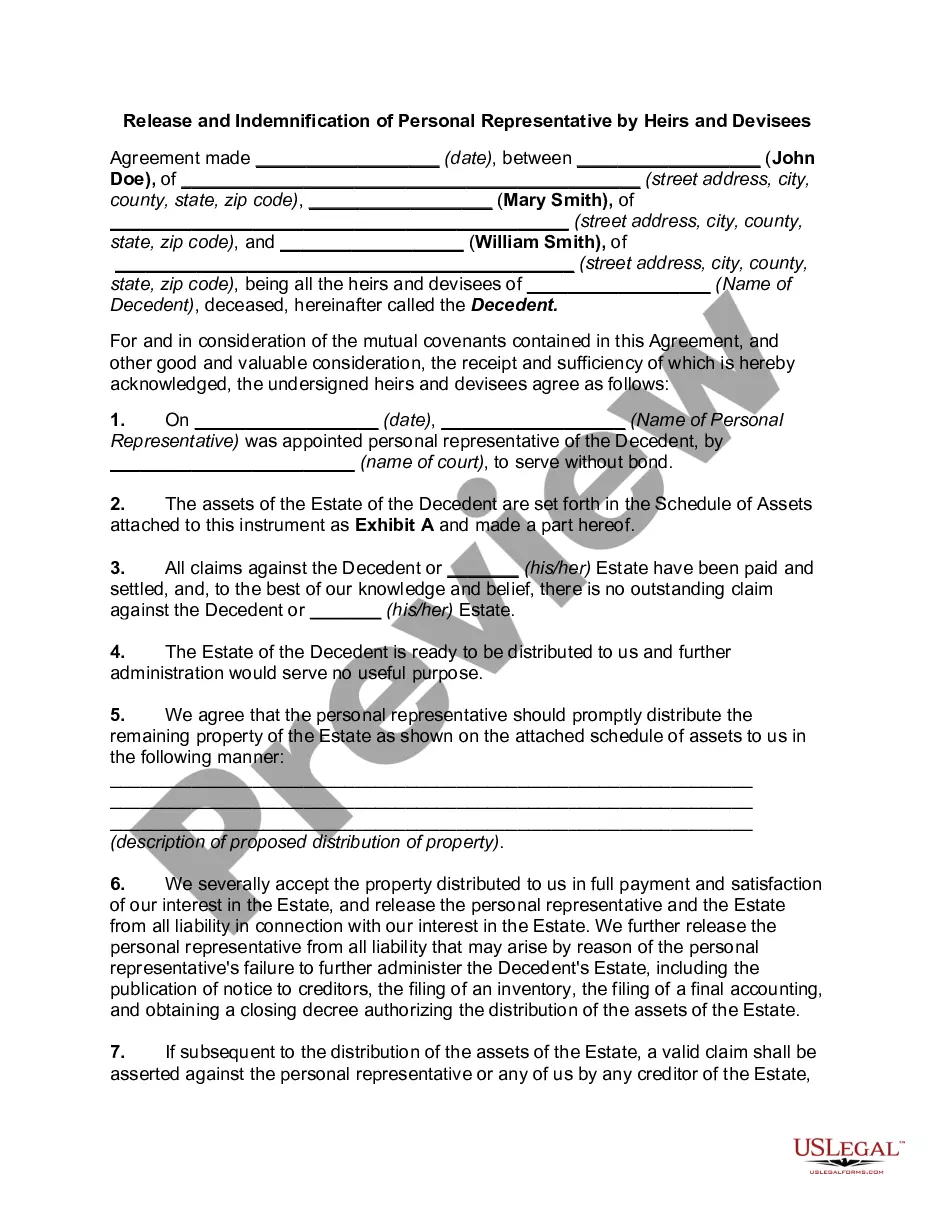
Get your form ready online
Our built-in tools help you complete, sign, share, and store your documents in one place.
Make edits, fill in missing information, and update formatting in US Legal Forms—just like you would in MS Word.
Download a copy, print it, send it by email, or mail it via USPS—whatever works best for your next step.
Sign and collect signatures with our SignNow integration. Send to multiple recipients, set reminders, and more. Go Premium to unlock E-Sign.
If this form requires notarization, complete it online through a secure video call—no need to meet a notary in person or wait for an appointment.
We protect your documents and personal data by following strict security and privacy standards.

Make edits, fill in missing information, and update formatting in US Legal Forms—just like you would in MS Word.

Download a copy, print it, send it by email, or mail it via USPS—whatever works best for your next step.

Sign and collect signatures with our SignNow integration. Send to multiple recipients, set reminders, and more. Go Premium to unlock E-Sign.

If this form requires notarization, complete it online through a secure video call—no need to meet a notary in person or wait for an appointment.

We protect your documents and personal data by following strict security and privacy standards.
Looking for another form?

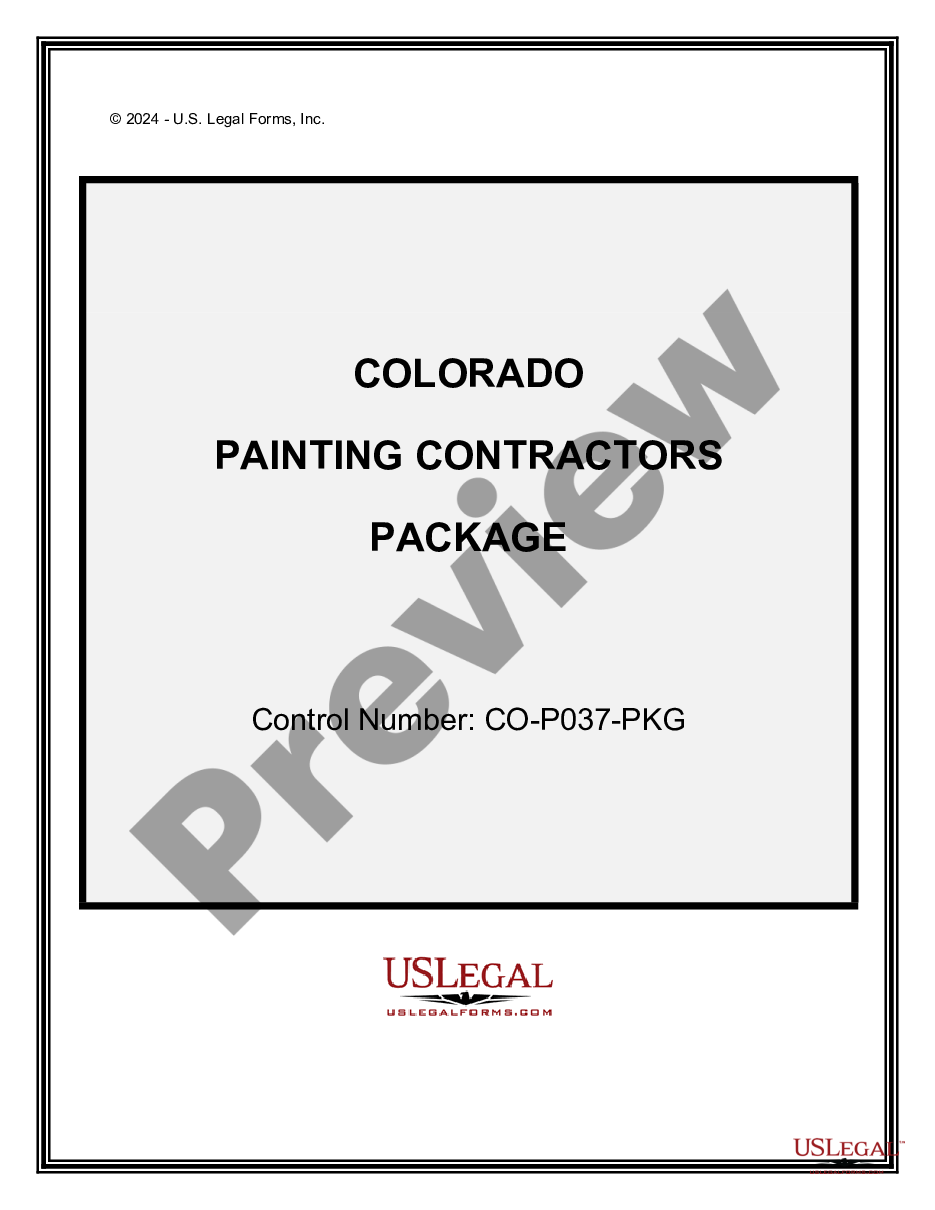






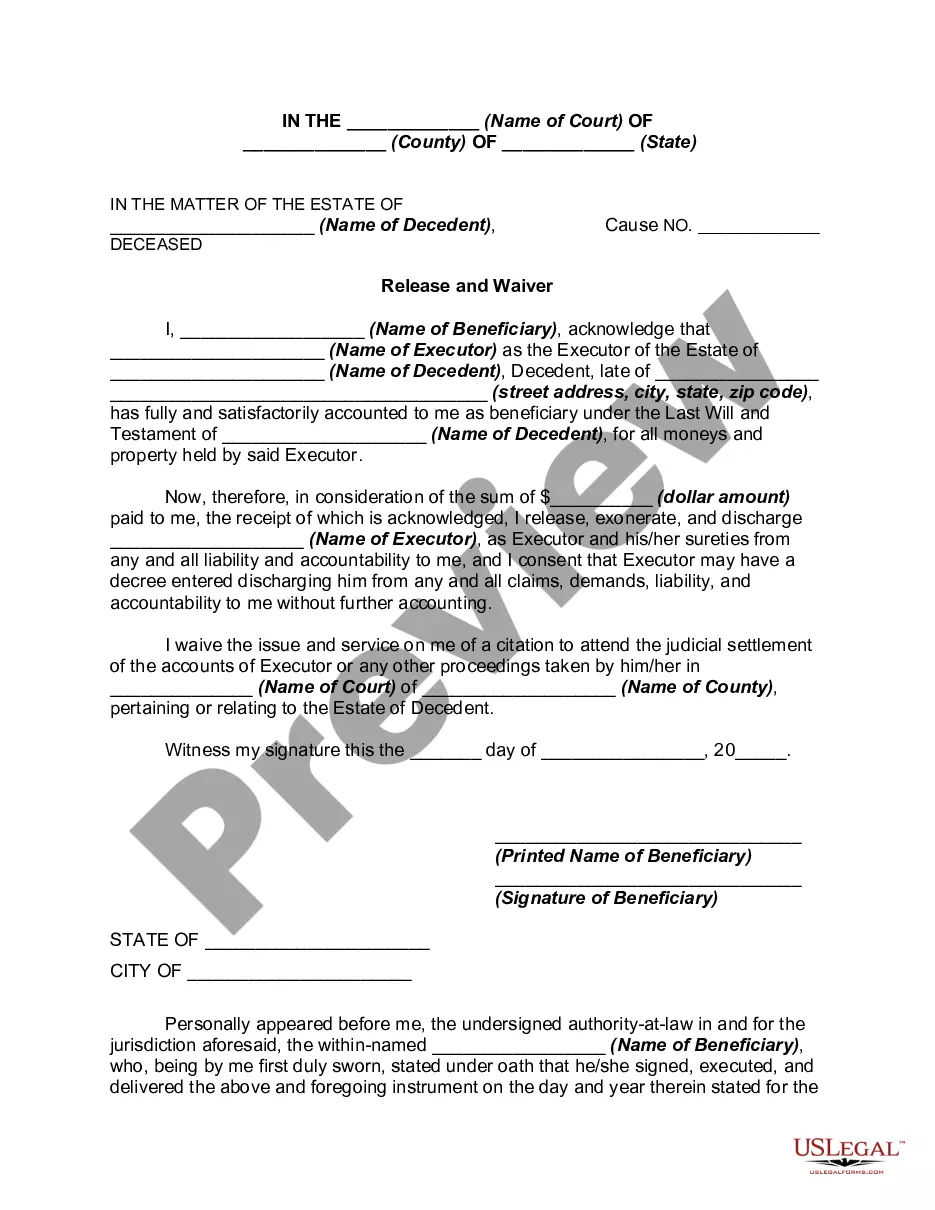
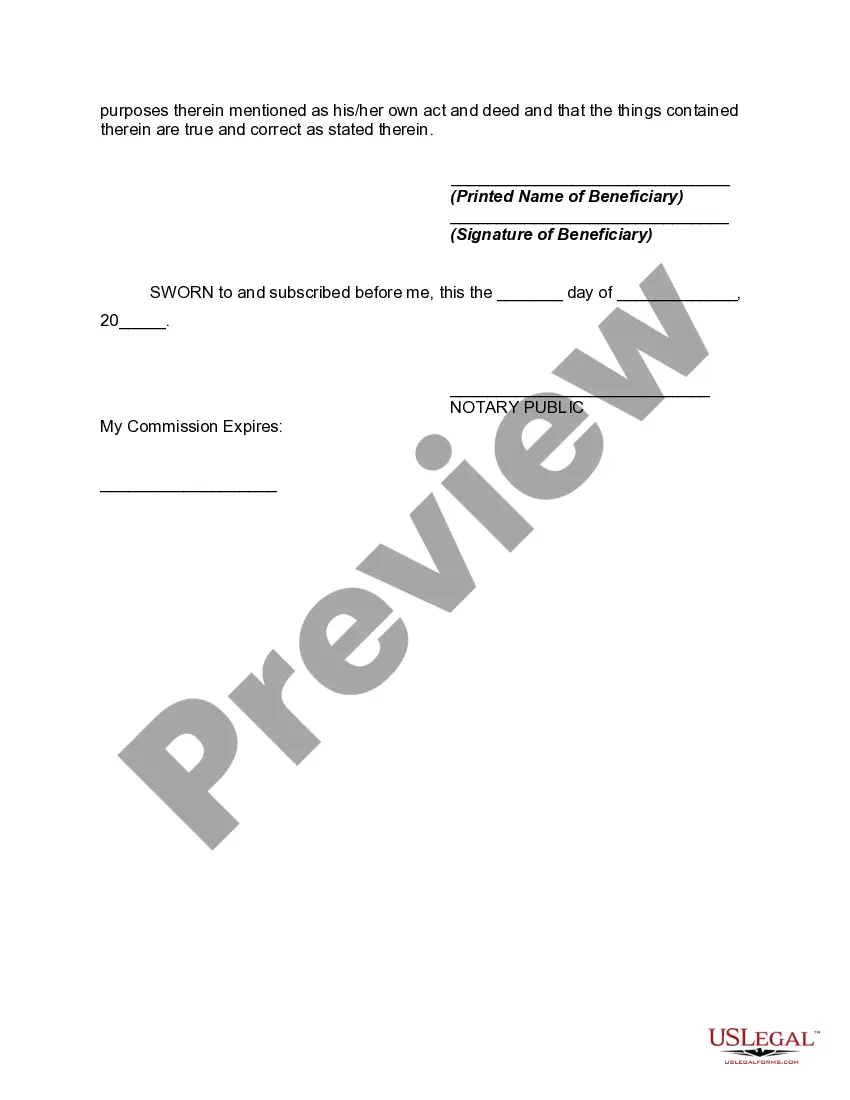
How to fill out Release And Exoneration Of Executor On Distribution To Beneficiary Of Will And Waiver Of Citation Of Final Settlement?
- Visit the US Legal Forms website and log in to your account if you are a returning user. If it’s your first visit, create an account to access the full range of legal documents.
- Explore the preview mode to review the form descriptions and confirm you have selected the correct legal form that adheres to your local jurisdiction's requirements.
- Utilize the Search feature to find any additional templates if needed. Verify that the document suits your specific needs before proceeding.
- Select your desired form and click the 'Buy Now' button to choose a subscription plan. Make sure to register for an account for full access.
- Complete your purchase by entering your payment details. You can choose to use a credit card or PayPal for convenience.
- Download the form directly to your device. You can access your purchased documents anytime from the 'My Forms' section of your account.
Following these steps will help ensure that you have all necessary documents at your fingertips, making your responsibilities as executor more manageable.
Experience the ease of legal form execution with US Legal Forms today! Sign up now to access our extensive library and get started.
Form popularity
FAQ
An executor of an estate with a will has limitations. They cannot act outside the authority granted by the will or the court. For instance, they cannot alter terms of the will or make personal decisions about distributions without beneficiary consent, ensuring fairness throughout the process.
An executor of an estate with a will has substantial power in managing the estate's affairs. They can make crucial decisions regarding the sale of assets and settlement of debts. However, this power comes with the obligation to act in good faith and adhere strictly to the will and law.
While it is not mandatory to have a lawyer to become an executor of an estate with a will, having legal guidance can be invaluable. A lawyer can help navigate complex issues that may arise during the estate settlement process. They can assist the executor in fulfilling their duties efficiently, ensuring compliance with state laws and minimizing potential conflicts.
An executor of an estate with a will cannot arbitrarily decide who receives what. They are obligated to distribute assets according to the will's specifications. This ensures that the wishes of the deceased are respected and beneficiaries receive what has been designated to them.
No, the executor of an estate with a will cannot take everything for themselves. Their primary duty is to follow the instructions laid out in the will. While they may receive compensation for their services, they must manage the estate's assets in accordance with the deceased’s wishes and legal guidelines.
The executor of an estate with a will holds significant authority. They manage the deceased's assets, settle debts, and distribute property according to the terms of the will. This role requires a strong sense of responsibility, as the executor must act fairly and in the best interest of all beneficiaries. Their decisions can shape the outcome of the estate.
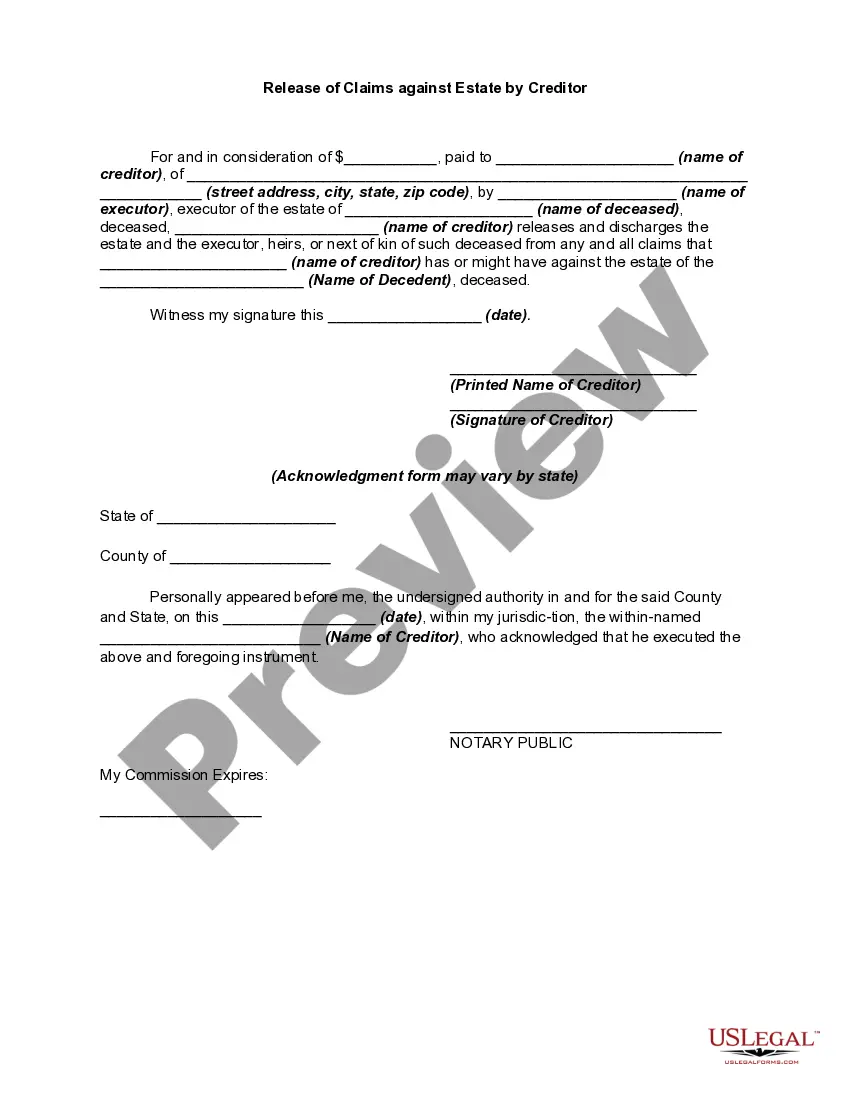
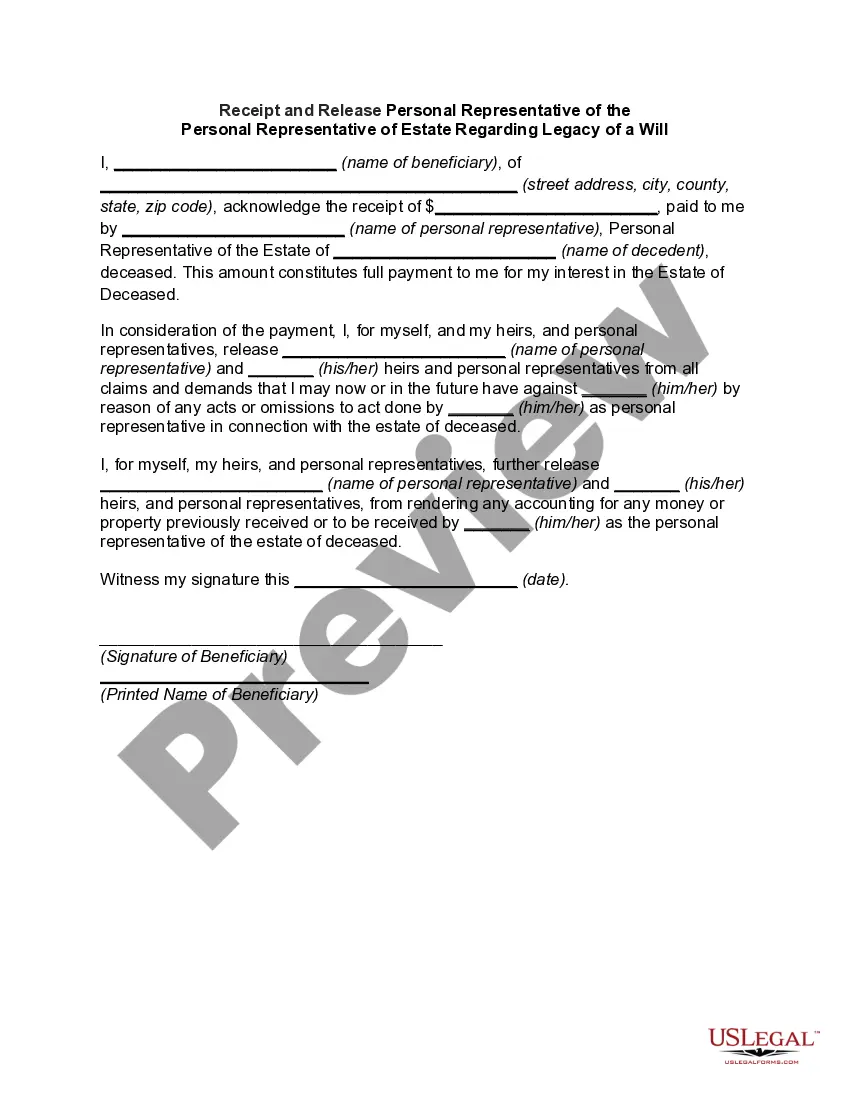
To get executor of estate paperwork, start by checking with your local probate court for the necessary forms. You may also benefit from online services like US Legal Forms, which provide easy access to executor paperwork tailored to your needs. It’s essential to ensure all documents are complete and accurate for a smooth probate process.
When there is no will, proving an executor requires court intervention. You need to file a petition for letters of administration, demonstrating your relationship to the deceased. Engaging legal resources can clarify this process and help you establish your role in managing the estate effectively.
To get proof of an executor of estate, you will need to obtain the court-issued letters testamentary. These documents formally appoint you as the executor of estate with a will, granting you the authority to manage the estate. This can typically be acquired through the probate court where the will is filed, and you may also find assistance on platforms like US Legal Forms.
The best person to appoint as an executor of a will is someone you trust to handle your affairs after you pass away. This person should be responsible, organized, and able to manage financial matters well. Consider friends, family members, or even professionals like attorneys for this pivotal role to ensure your estate is settled according to your wishes.