Waiver Right Of First Refusal
Description

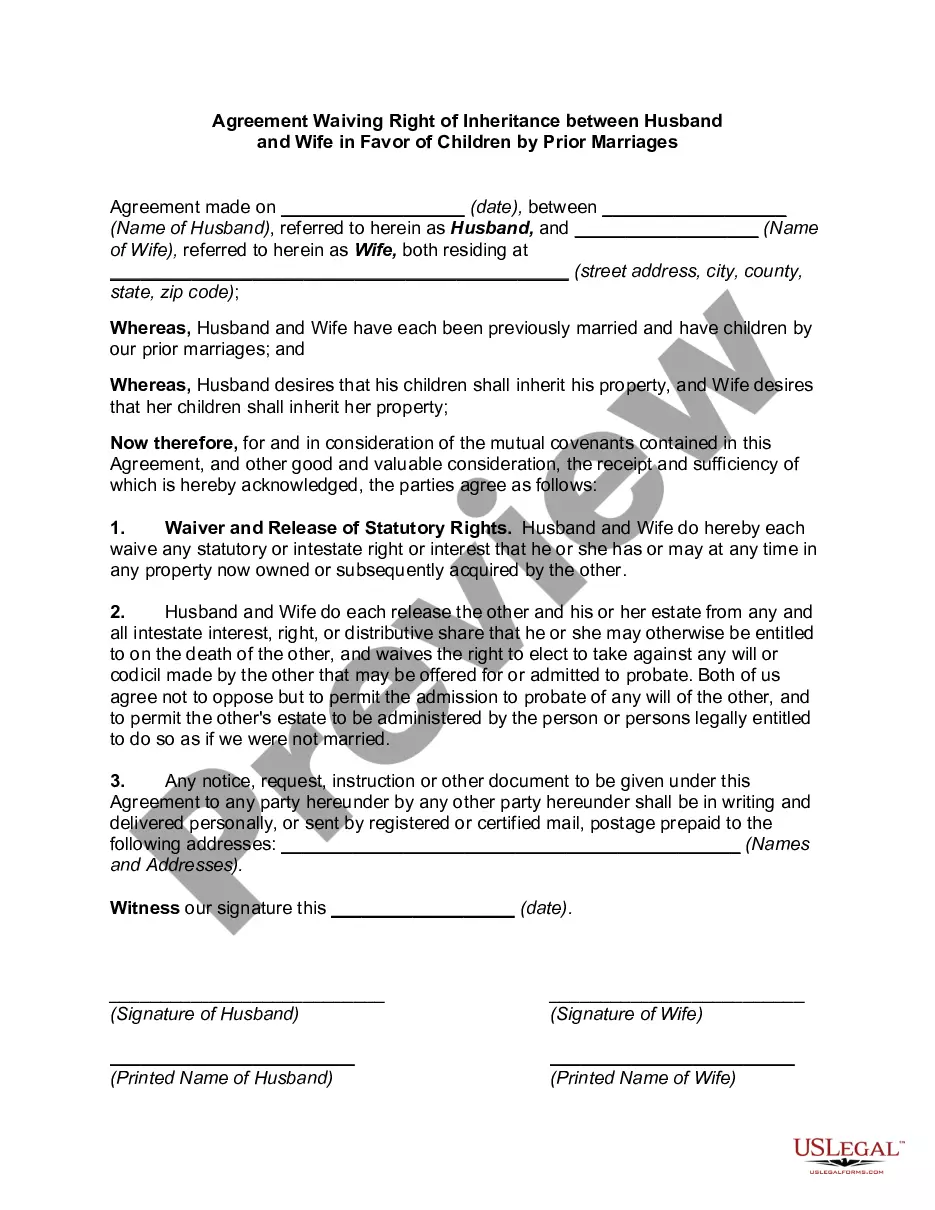
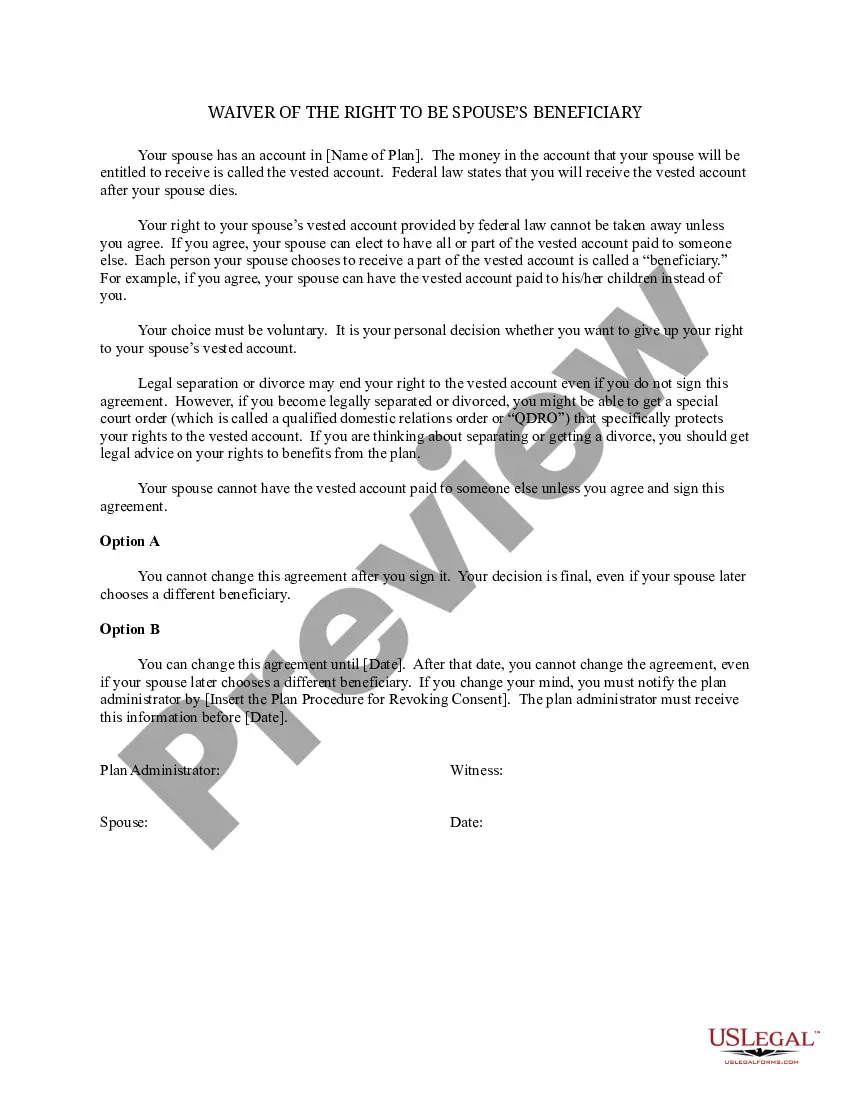
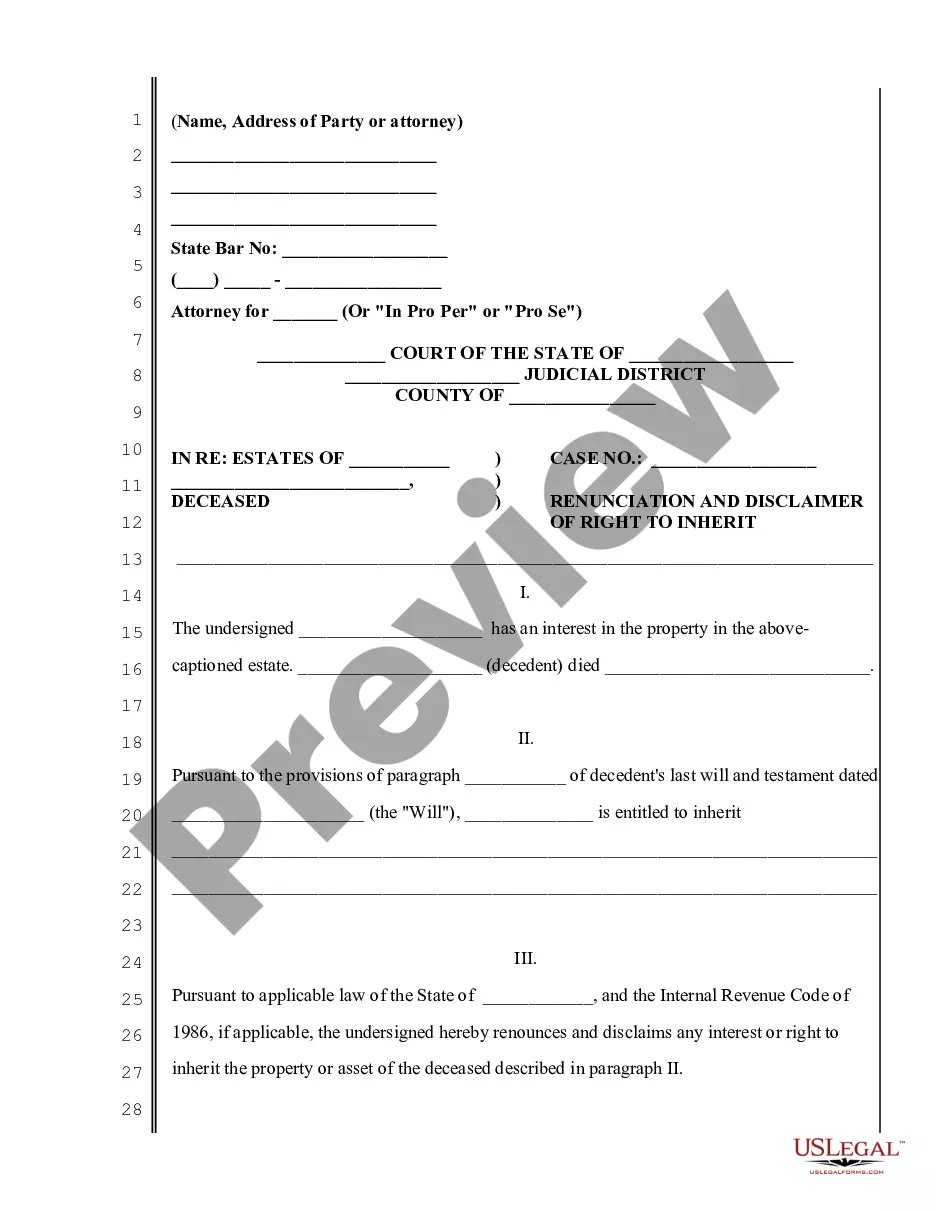
Get your form ready online
Our built-in tools help you complete, sign, share, and store your documents in one place.
Make edits, fill in missing information, and update formatting in US Legal Forms—just like you would in MS Word.
Download a copy, print it, send it by email, or mail it via USPS—whatever works best for your next step.
Sign and collect signatures with our SignNow integration. Send to multiple recipients, set reminders, and more. Go Premium to unlock E-Sign.
If this form requires notarization, complete it online through a secure video call—no need to meet a notary in person or wait for an appointment.
We protect your documents and personal data by following strict security and privacy standards.

Make edits, fill in missing information, and update formatting in US Legal Forms—just like you would in MS Word.

Download a copy, print it, send it by email, or mail it via USPS—whatever works best for your next step.

Sign and collect signatures with our SignNow integration. Send to multiple recipients, set reminders, and more. Go Premium to unlock E-Sign.

If this form requires notarization, complete it online through a secure video call—no need to meet a notary in person or wait for an appointment.

We protect your documents and personal data by following strict security and privacy standards.
Looking for another form?








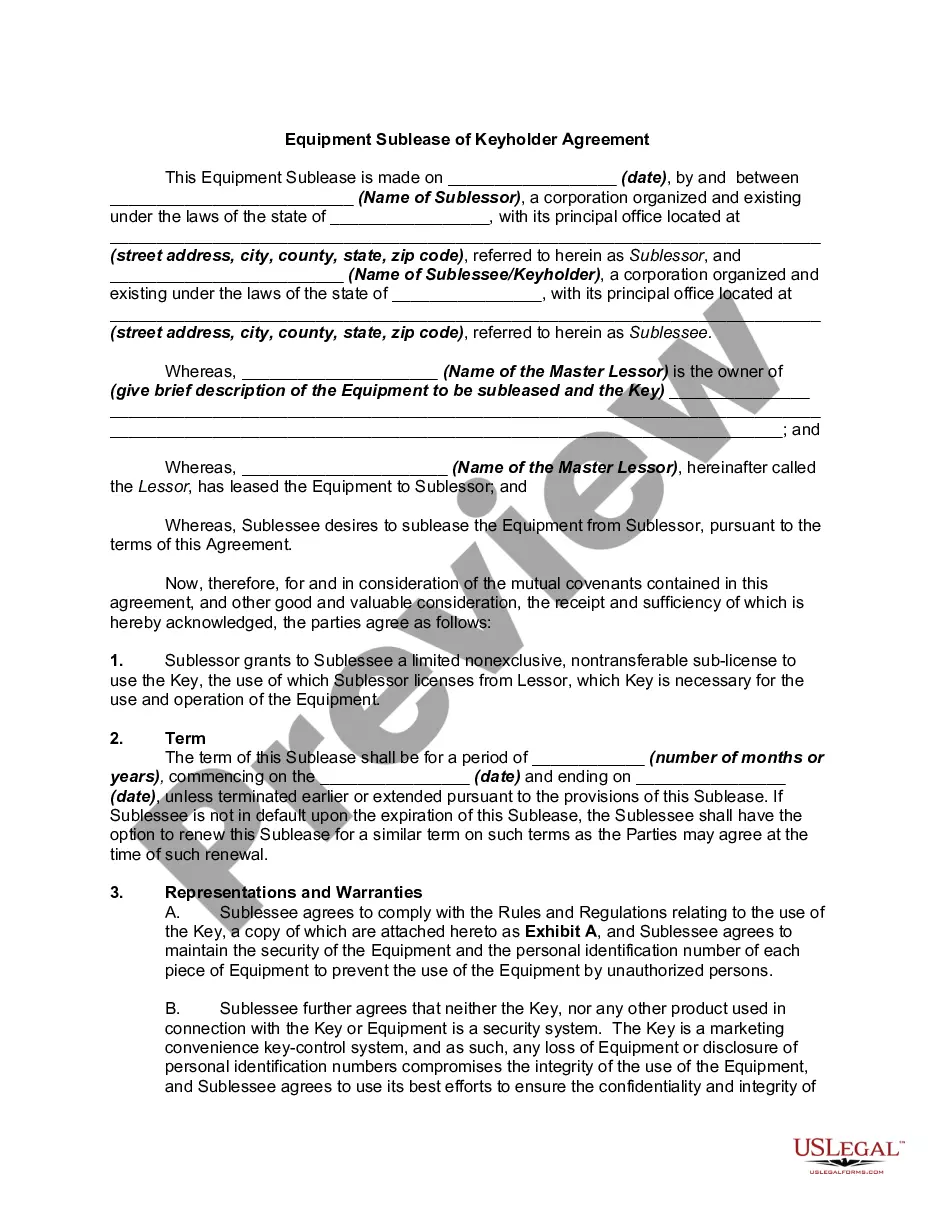

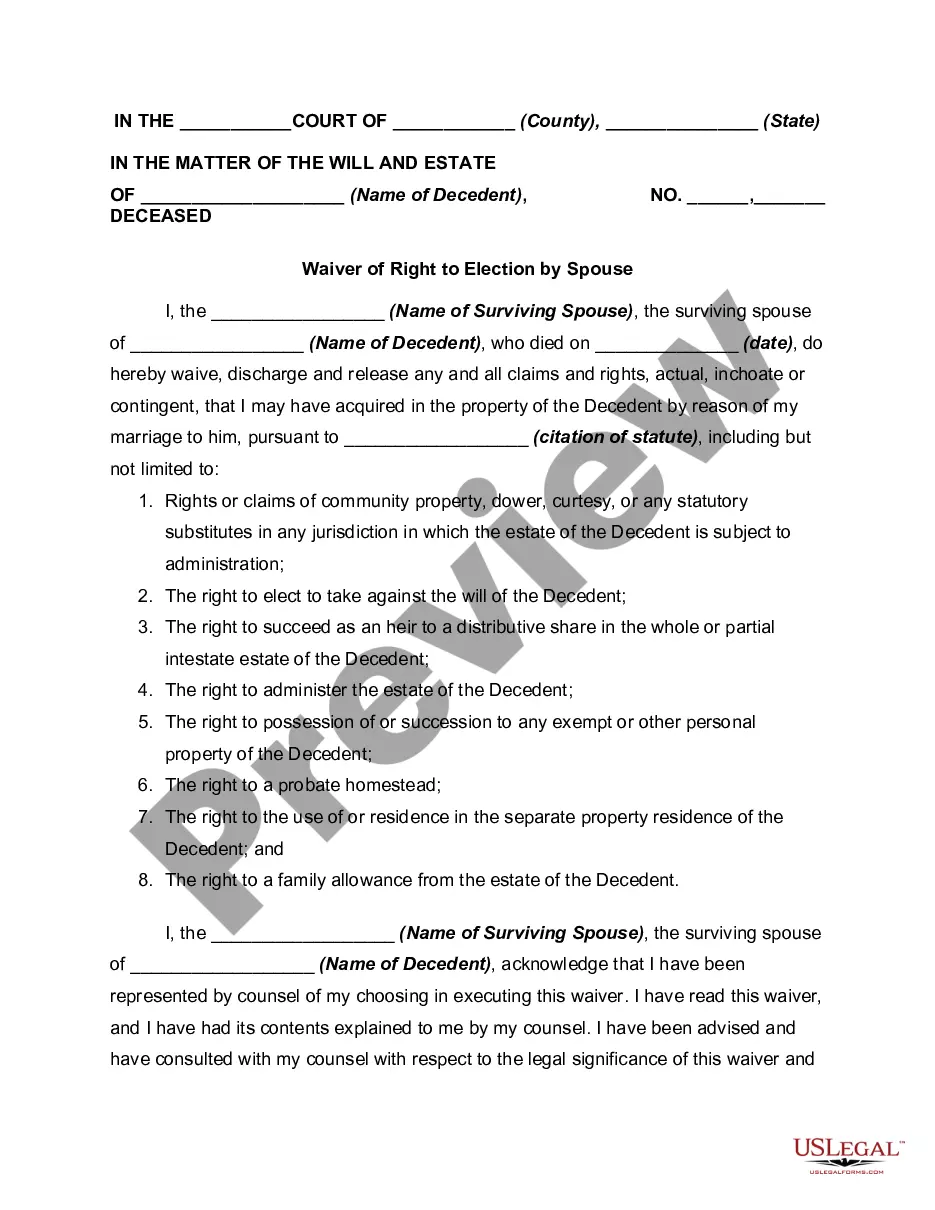
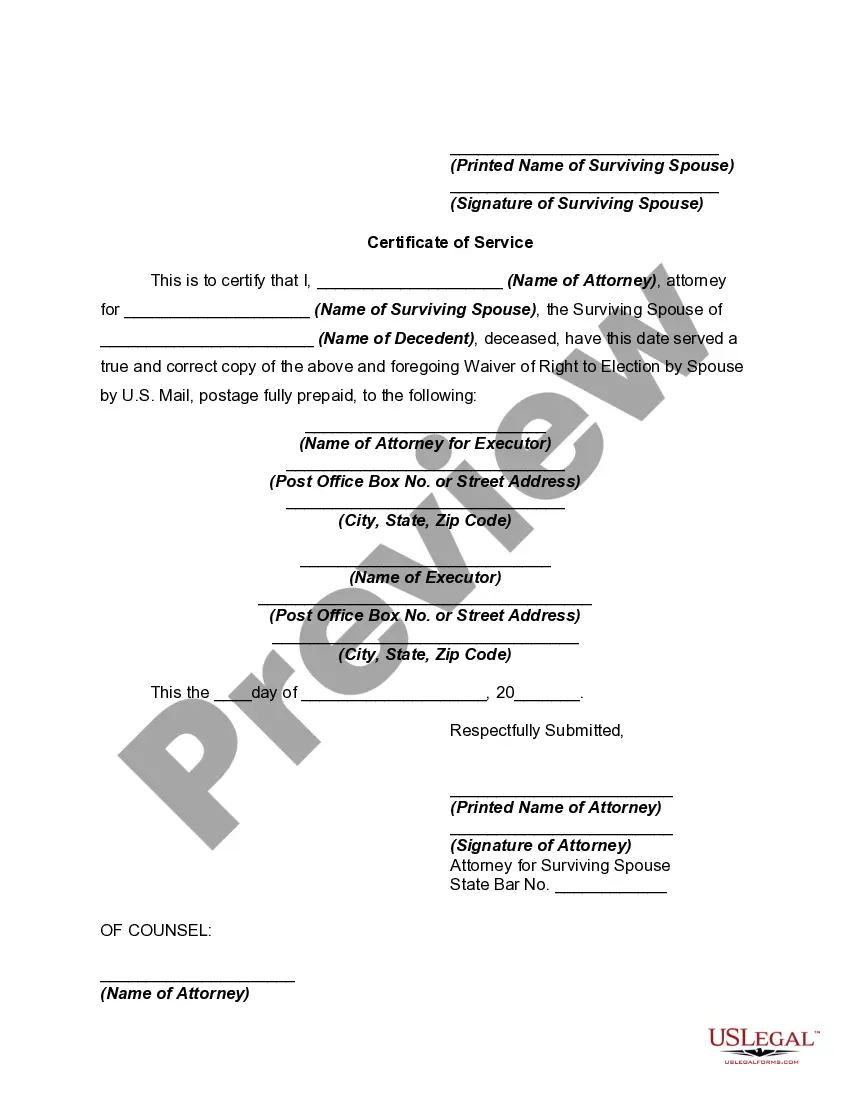
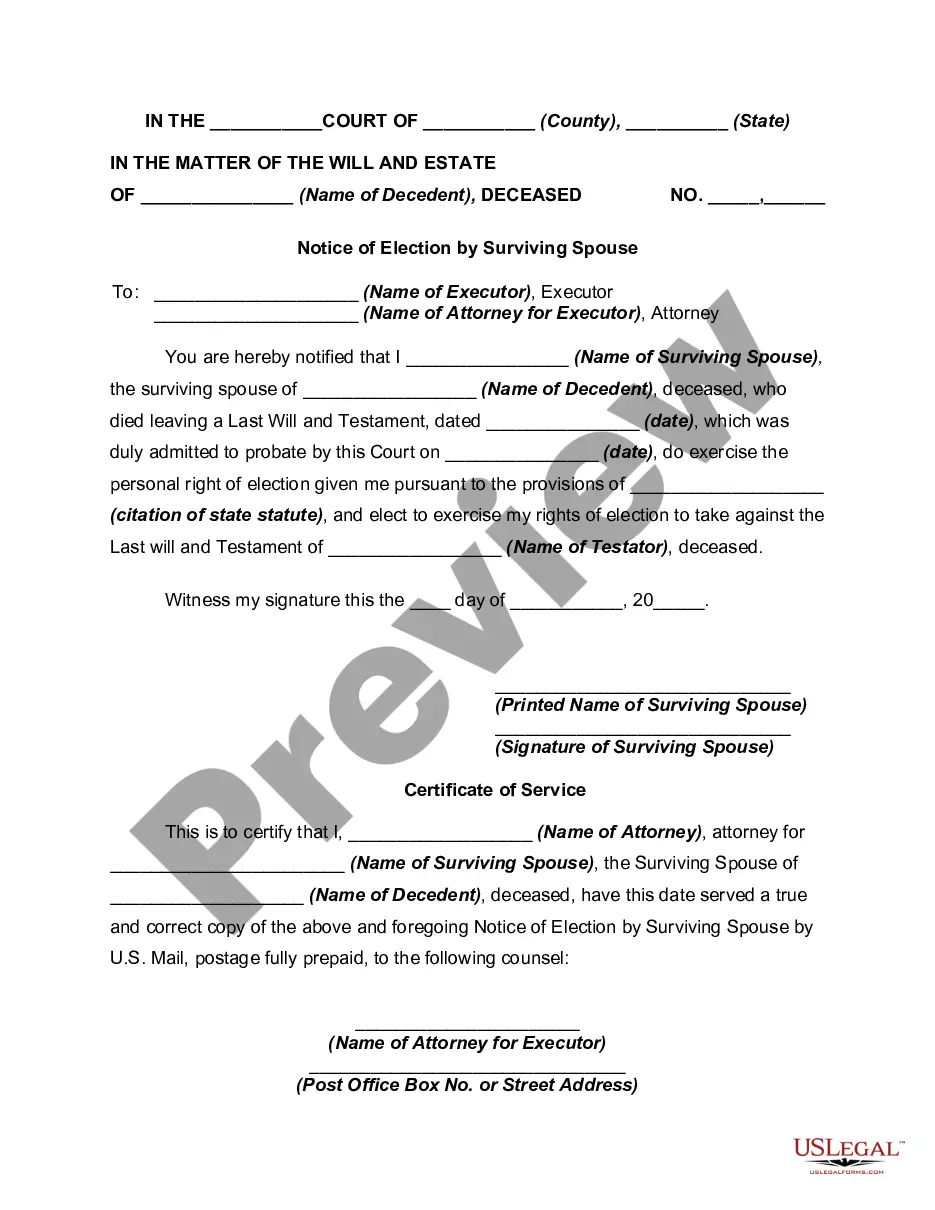
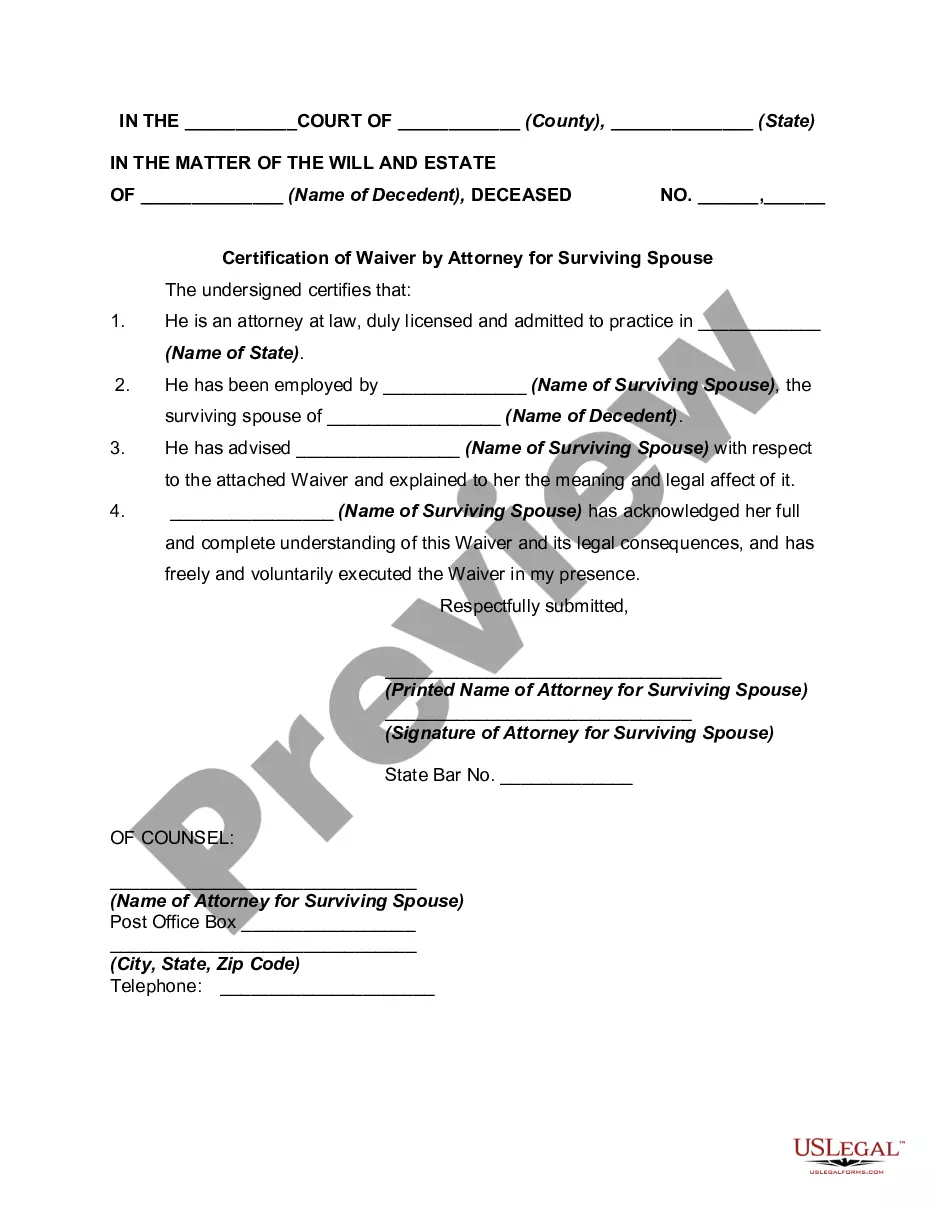
How to fill out Waiver Of Right To Election By Spouse?
The Waiver Right Of First Refusal displayed on this site is a reusable official template crafted by skilled attorneys in accordance with federal and local laws.
For over 25 years, US Legal Forms has supplied individuals, businesses, and lawyers with more than 85,000 validated, state-specific documents for any professional and personal circumstance. It’s the quickest, most direct, and most reliable method to acquire the forms you require, as the service ensures bank-grade data security and anti-malware safeguards.
Subscribe to US Legal Forms to have reliable legal templates for all of life's circumstances readily available.
- Search for the document you require and examine it.
- Choose the pricing plan that fits you and set up an account.
- Pick the format you prefer for your Waiver Right Of First Refusal (PDF, Word, RTF) and download the template to your device.
- Complete and sign the document. Print the template for manual completion or utilize an online multifunctional PDF editor to swiftly and accurately fill out and sign your form with a legally-binding electronic signature.
- Re-download your document when necessary. Access the My documents tab in your profile to retrieve any previously saved files.
Form popularity
FAQ
Fighting a right of first refusal can be challenging but not impossible. First, analyze the terms of your agreement to identify any potential loopholes. Then, gather evidence or consult with a legal professional to determine your best course of action. USLegalForms offers valuable resources that can aid in formulating a strong approach against enforcing this right.
To enforce your first right of refusal, you need to clearly outline the terms in your contract. Notify the relevant parties about your intention to exercise this right if the property becomes available. Keeping written documentation of all communications can help solidify your position. In case of disputes, consider legal advice to ensure the waiver right of first refusal is honored.
A legal document that creates a trust, giving a person or organization the right to manage money or property for someone else, and says how this should be done: The trust deed stated clearly what they were entitled to do with the property.
A "Short Form Deed of Trust" is a document that is used to secure a promissory note by using real estate as collateral. When filing a Deed of Trust, it places a lien against the property.
A simple example would be the situation in which one member of a family advances money to another and asks the second member to hold the money or to invest it for him. A more complicated example of an implied trust would be the situation in which one party provides money to another for the purchase of property.
The cost of setting up a trust in South Dakota varies depending on the complexity of the trust and the attorney's fees. A basic Revocable Living Trust generally ranges from $1,000 to $3,000. More complex trusts can cost several thousand dollars more.
What Is Included in a Trust Deed? The identities of the borrower, lender, and trustee. A full description of the property to be placed in trust. Any restrictions or requirements on the use of the property while it is in trust. The terms of the loan, including principal, monthly payments, and interest rate.
If you would like to create a living trust in South Dakota, you need to create a written trust agreement and sign it before a notary public. To make the trust effective, you must transfer your assets into it. A revocable living trust is a popular estate planning option. It may be an option that will work for you.
Public trusts in India require to be registered with the respective state authority (if required). The following laws regulate trusts: Trusts Act, 1882. Income Tax Act, 1961.
A deed of trust will include the same type of information stated in a mortgage document, such as: The identities of the borrower, lender, and trustee. A full description of the property to be placed in trust. Any restrictions or requirements on the use of the property while it is in trust.