Spouse Shares Blank With The Right
Description
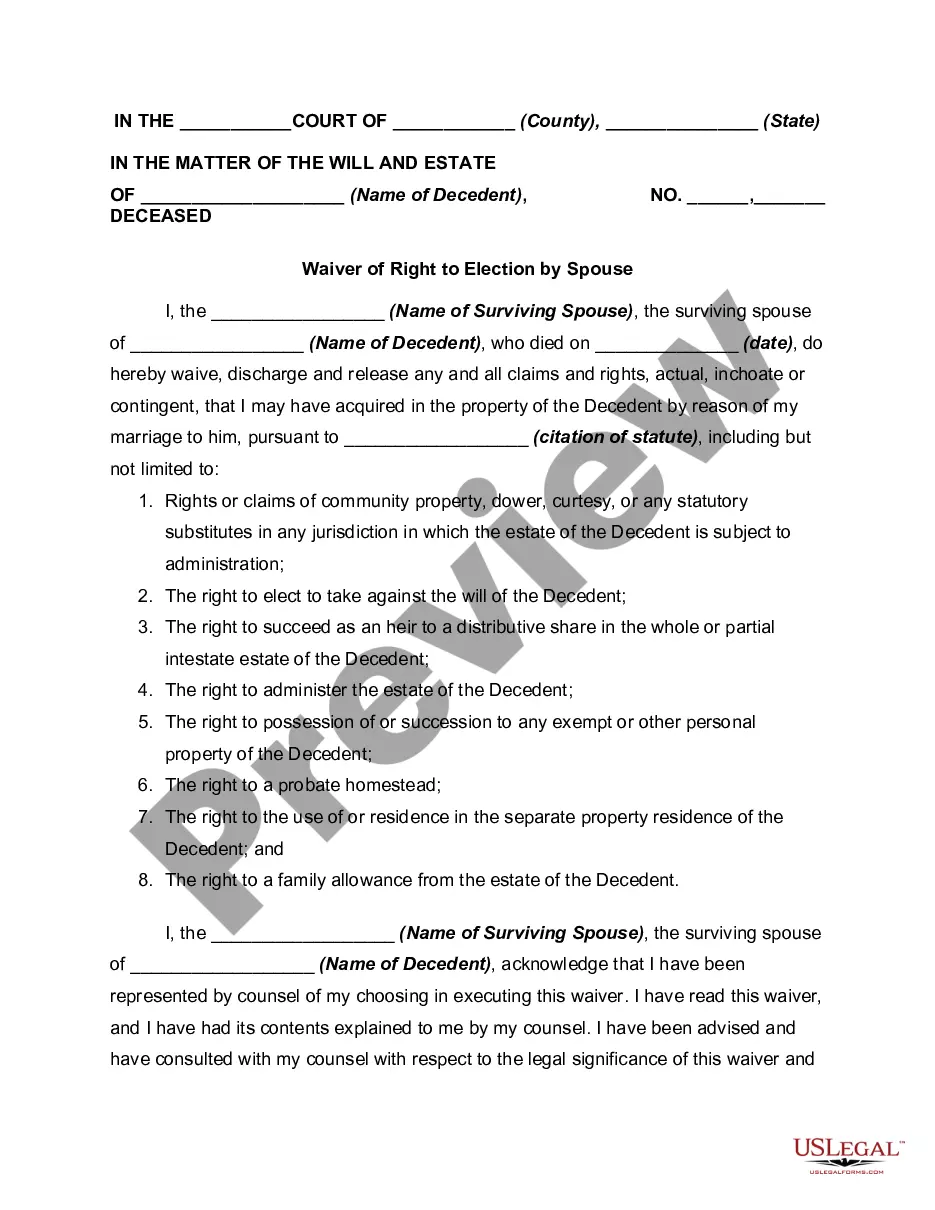
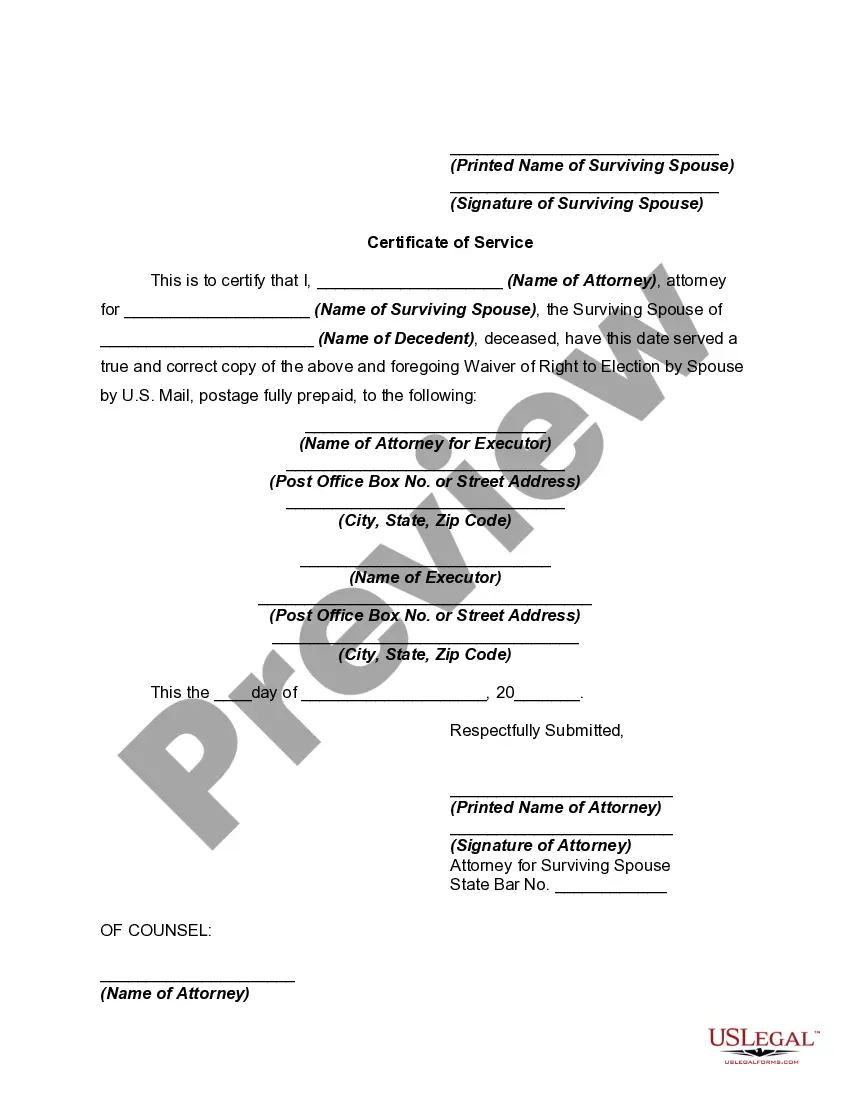

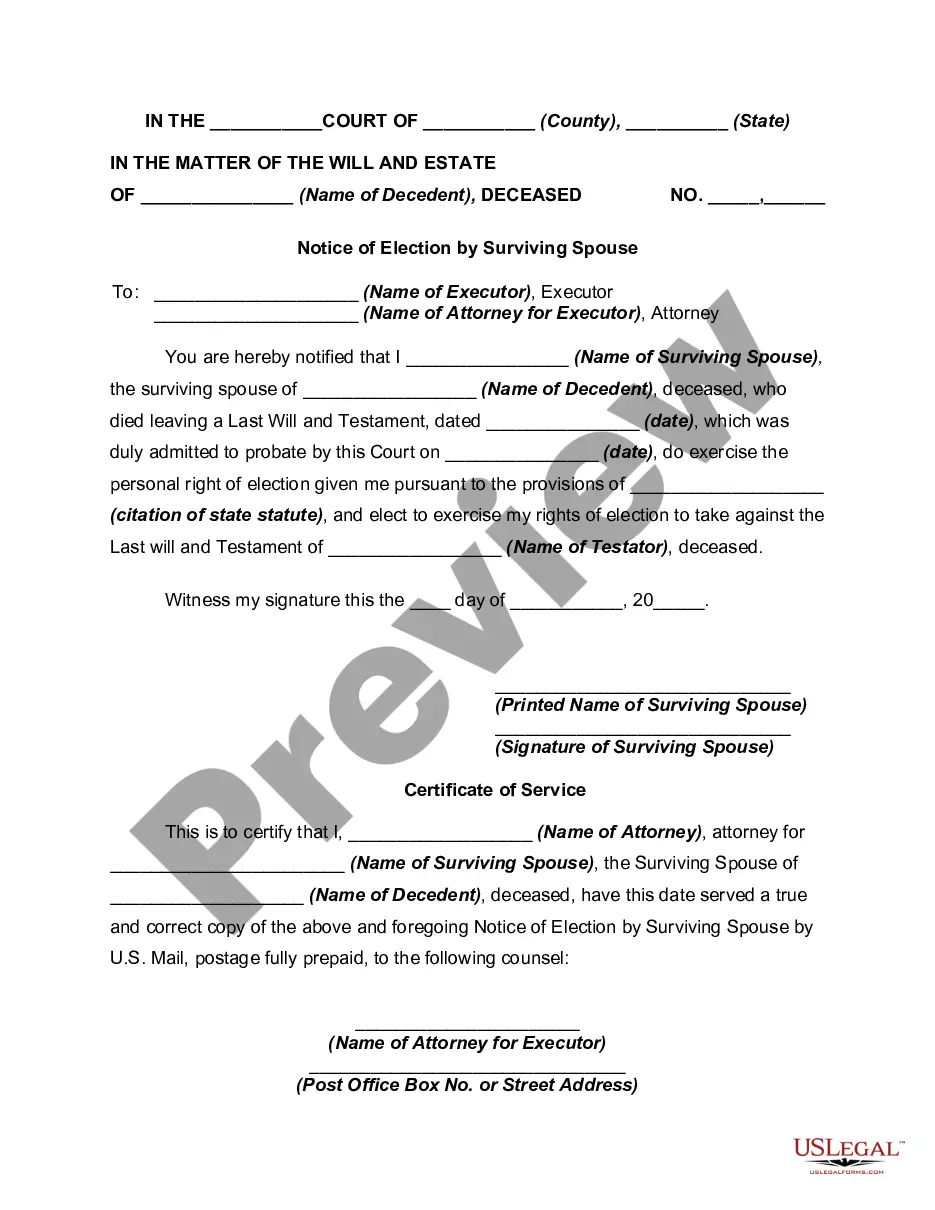
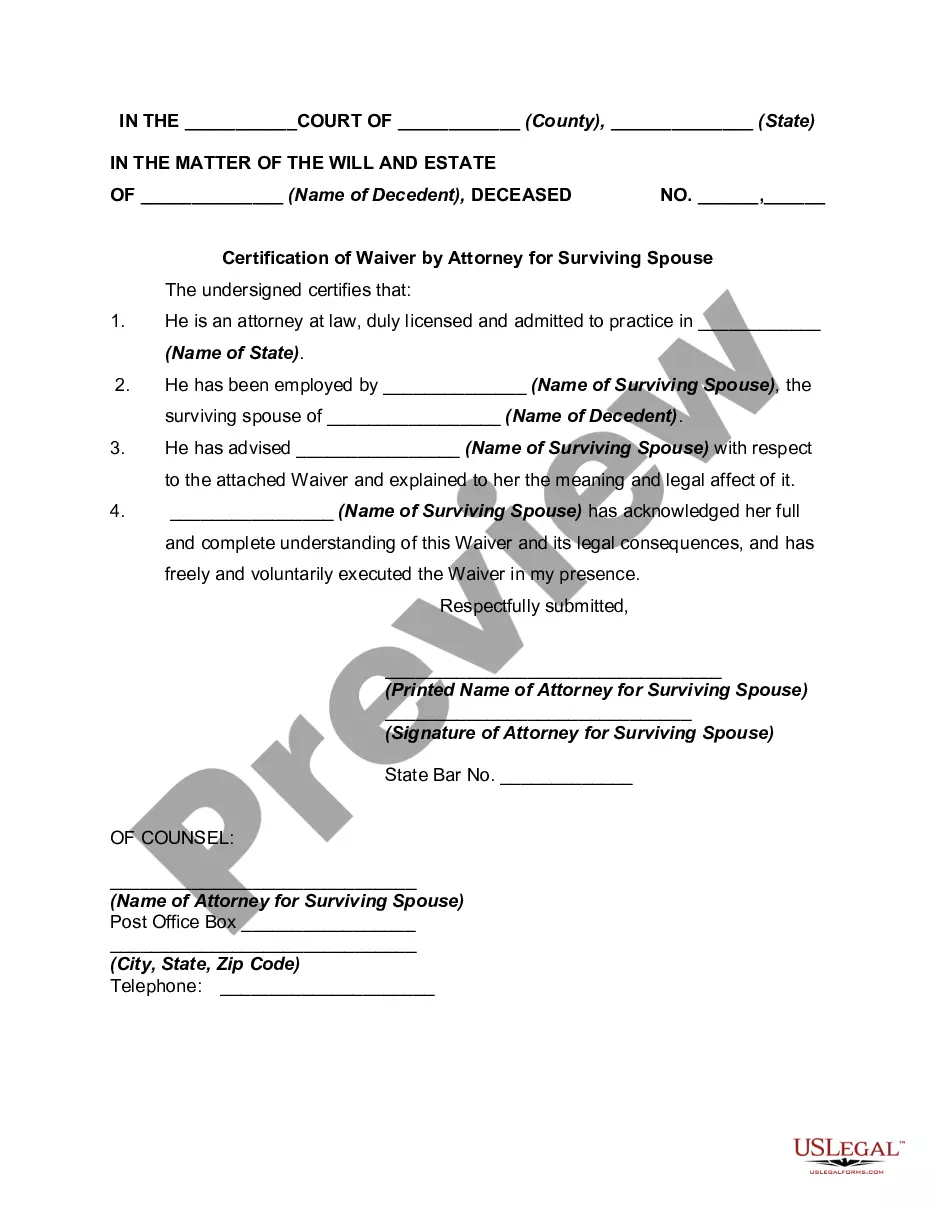
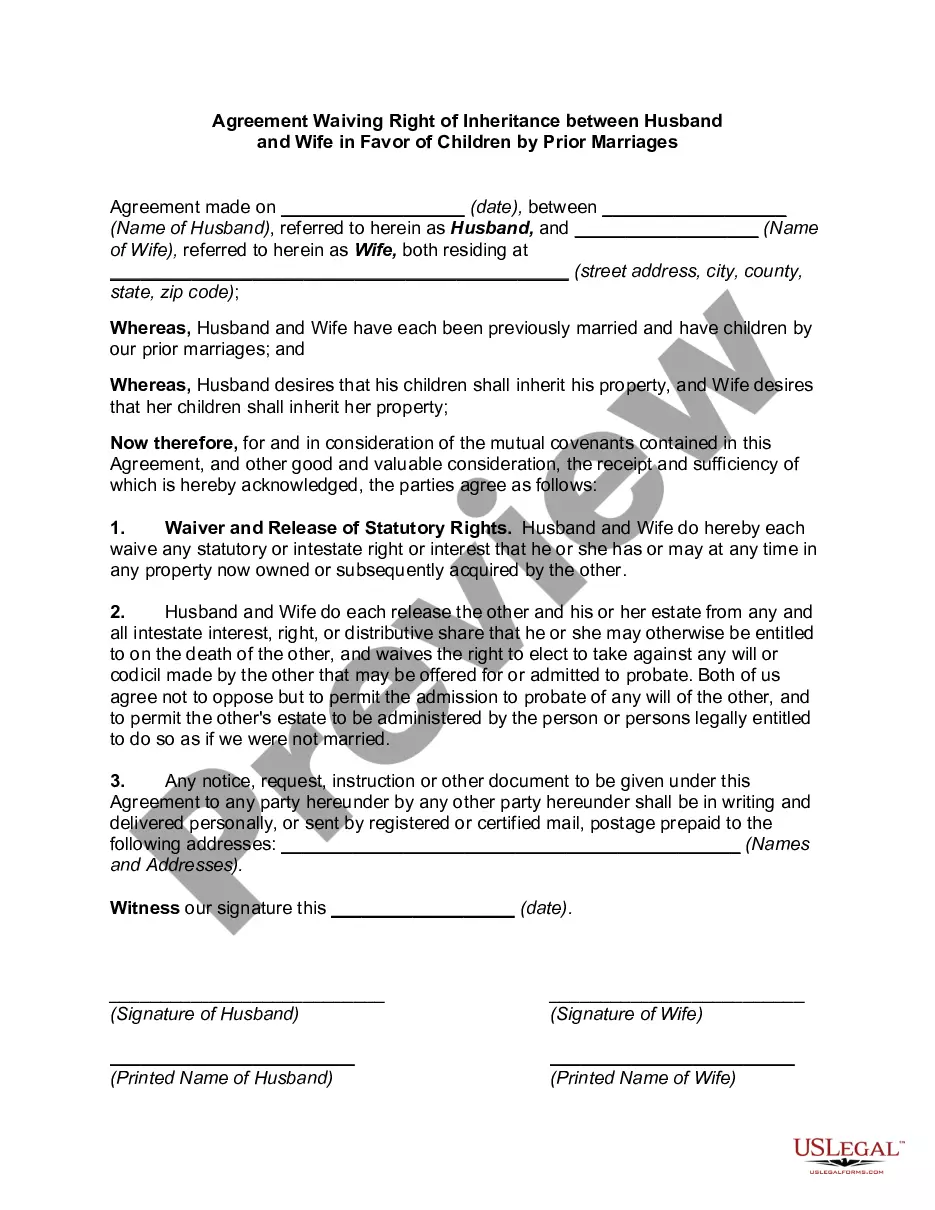
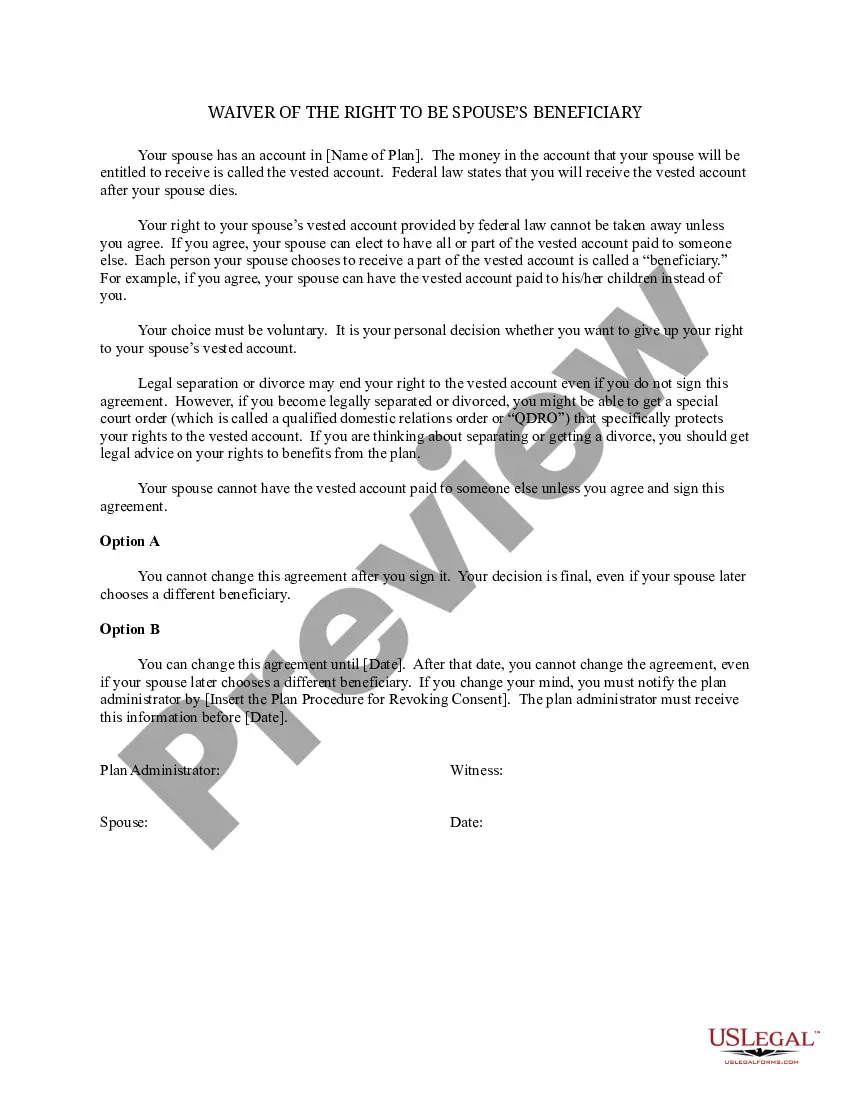
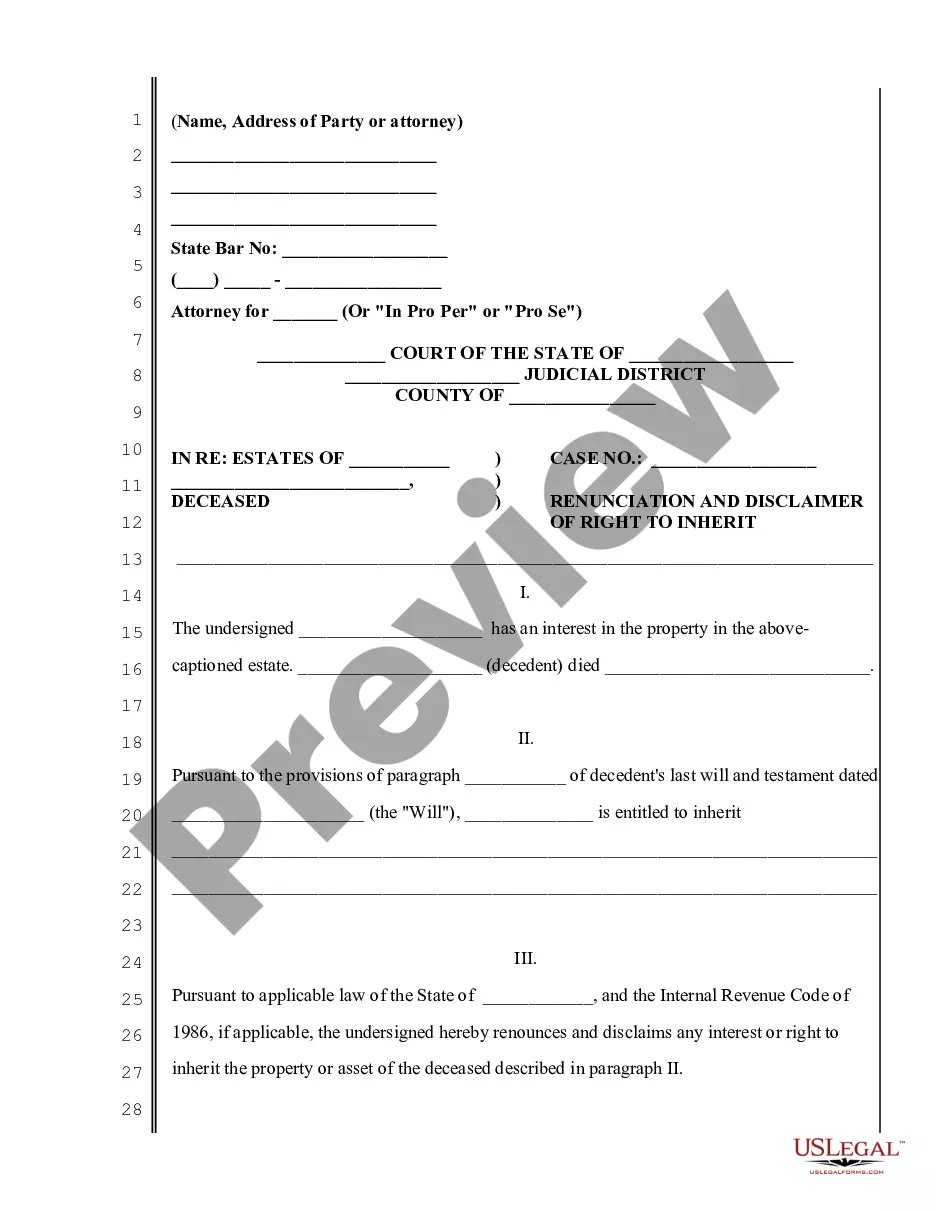
Get your form ready online
Our built-in tools help you complete, sign, share, and store your documents in one place.
Make edits, fill in missing information, and update formatting in US Legal Forms—just like you would in MS Word.
Download a copy, print it, send it by email, or mail it via USPS—whatever works best for your next step.
Sign and collect signatures with our SignNow integration. Send to multiple recipients, set reminders, and more. Go Premium to unlock E-Sign.
If this form requires notarization, complete it online through a secure video call—no need to meet a notary in person or wait for an appointment.
We protect your documents and personal data by following strict security and privacy standards.

Make edits, fill in missing information, and update formatting in US Legal Forms—just like you would in MS Word.

Download a copy, print it, send it by email, or mail it via USPS—whatever works best for your next step.

Sign and collect signatures with our SignNow integration. Send to multiple recipients, set reminders, and more. Go Premium to unlock E-Sign.

If this form requires notarization, complete it online through a secure video call—no need to meet a notary in person or wait for an appointment.

We protect your documents and personal data by following strict security and privacy standards.
Looking for another form?








How to fill out Waiver Of Right To Election By Spouse?
- If you're an existing user, log in to your account and locate your desired form template under 'My Forms.' Ensure your subscription is active; renew if necessary.
- For new users, start by browsing the extensive library and preview the form descriptions. Confirm that the form aligns with your needs and state requirements.
- If needed, utilize the Search tab to find alternative templates that suit your requirements. Make sure to check for any inconsistencies.
- After selecting your form, click the 'Buy Now' button and choose your preferred subscription plan. Creating an account is a prerequisite to access the full library.
- Proceed to checkout by entering your payment details, either through credit card or PayPal, to finalize your subscription.
- Once the purchase is complete, download your document directly to your device. You can access it at any time in the My Forms section.
US Legal Forms empowers users and professionals alike, boasting a robust collection of over 85,000 fillable and editable legal forms. With premium support available for completion assistance, you can ensure your documents are accurate and legally compliant.
Start using US Legal Forms today, and experience the ease of managing your legal documentation effectively. Don't wait—get your much-needed forms now!
Form popularity
FAQ
Yes, the IRS can potentially put a lien on your property if your ex-husband owes back taxes, especially if it was jointly owned during the marriage. If your name is on the property, you may face financial implications. However, you can explore options to protect your rights and interests. Legal structures offered by uslegalforms can provide clarity and assistance on how to proceed in such cases.
If you are not legally separated, you still have the option to file jointly or separately. Filing jointly might maximize your tax benefits, especially if one spouse earns significantly more than the other. Make sure to list all sources of income, and remember that both parties are equally responsible for the return. Consider professional guidance if needed, as uslegalforms can assist in navigating these complexities.
When you choose to file separately, you typically have limited liability for your spouse's tax debt. However, it is crucial to note that debts incurred while married may still affect you. To ensure clarity about your situation, consult with a tax professional. Consider using uslegalforms to review your rights concerning spouse shares blank with the right.
When only one spouse works, you can file jointly or separately. Filing jointly is often more beneficial, as it can increase your deductions and credits. Additionally, joint income allows you to take advantage of lower tax brackets. It is important to evaluate both options based on your financial situation.
If one spouse owes taxes, it can be complicated when filing together. Generally, the IRS can hold both spouses responsible for any tax debt incurred during the marriage, even if one spouse did not earn the income. To protect yourself, consider filing separately or exploring options to negotiate the debt. Using uslegalforms can help you understand your rights and responsibilities.
Filing jointly may yield significant tax benefits if your spouse has no income. Joint filing allows you to potentially claim more tax credits and deductions. Moreover, you can take advantage of lower tax rates. Ultimately, both spouses share the responsibility for the tax return.
To fill out line 16 on the 1040 form, you need to calculate your total income and any applicable adjustments. This will involve adding your wages, dividends, interest, and other sources of income. If you have spouse shares blank with the right, ensure you include any relevant information that might affect your final income calculation.
Section 4 of the W-4 employee's withholding certificate allows individuals to account for multiple jobs or a spouse's job to calculate appropriate withholding amounts. Completing this section accurately helps avoid owing taxes at the end of the year. It's vital to consider spouse shares blank with the right, as this can influence how to fill this section out.
Yes, you can give shares to your spouse, often as a gift or part of a shared investment strategy. This can be beneficial for tax purposes and estate planning. If you plan to transfer these shares, ensure that you understand the implications under the law, especially regarding spouse shares blank with the right.
On your employee's withholding exemption certificate, you should indicate the number of allowances the employee claims based on their financial situation. Be mindful of their unique circumstances, including any spouse shares blank with the right that may come into play. Using US Legal Forms can help ensure accuracy and compliance with these requirements.