Unlawful Detainer Term For Theft
Description

Get your form ready online
Our built-in tools help you complete, sign, share, and store your documents in one place.
Make edits, fill in missing information, and update formatting in US Legal Forms—just like you would in MS Word.
Download a copy, print it, send it by email, or mail it via USPS—whatever works best for your next step.
Sign and collect signatures with our SignNow integration. Send to multiple recipients, set reminders, and more. Go Premium to unlock E-Sign.
If this form requires notarization, complete it online through a secure video call—no need to meet a notary in person or wait for an appointment.
We protect your documents and personal data by following strict security and privacy standards.

Make edits, fill in missing information, and update formatting in US Legal Forms—just like you would in MS Word.

Download a copy, print it, send it by email, or mail it via USPS—whatever works best for your next step.

Sign and collect signatures with our SignNow integration. Send to multiple recipients, set reminders, and more. Go Premium to unlock E-Sign.

If this form requires notarization, complete it online through a secure video call—no need to meet a notary in person or wait for an appointment.

We protect your documents and personal data by following strict security and privacy standards.
Looking for another form?
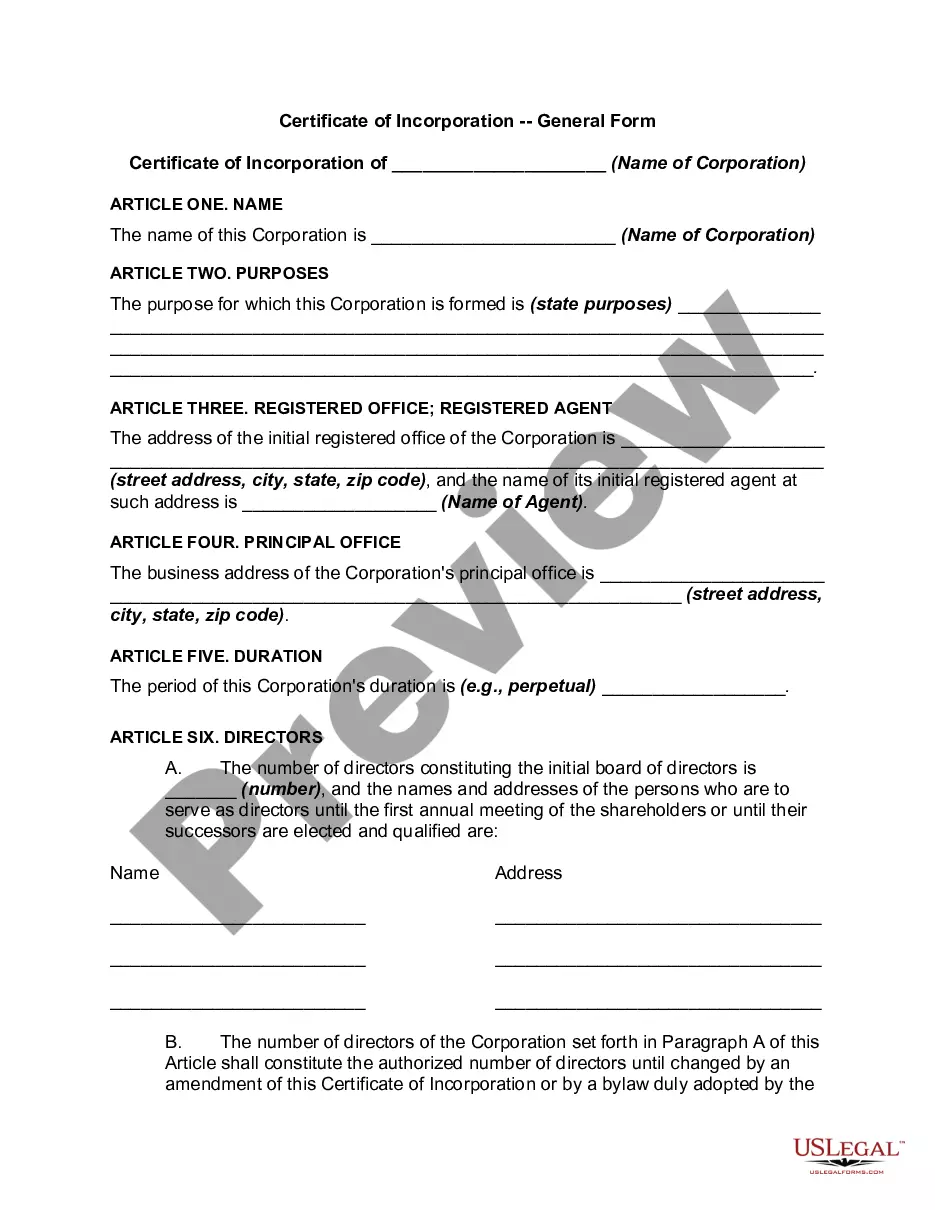




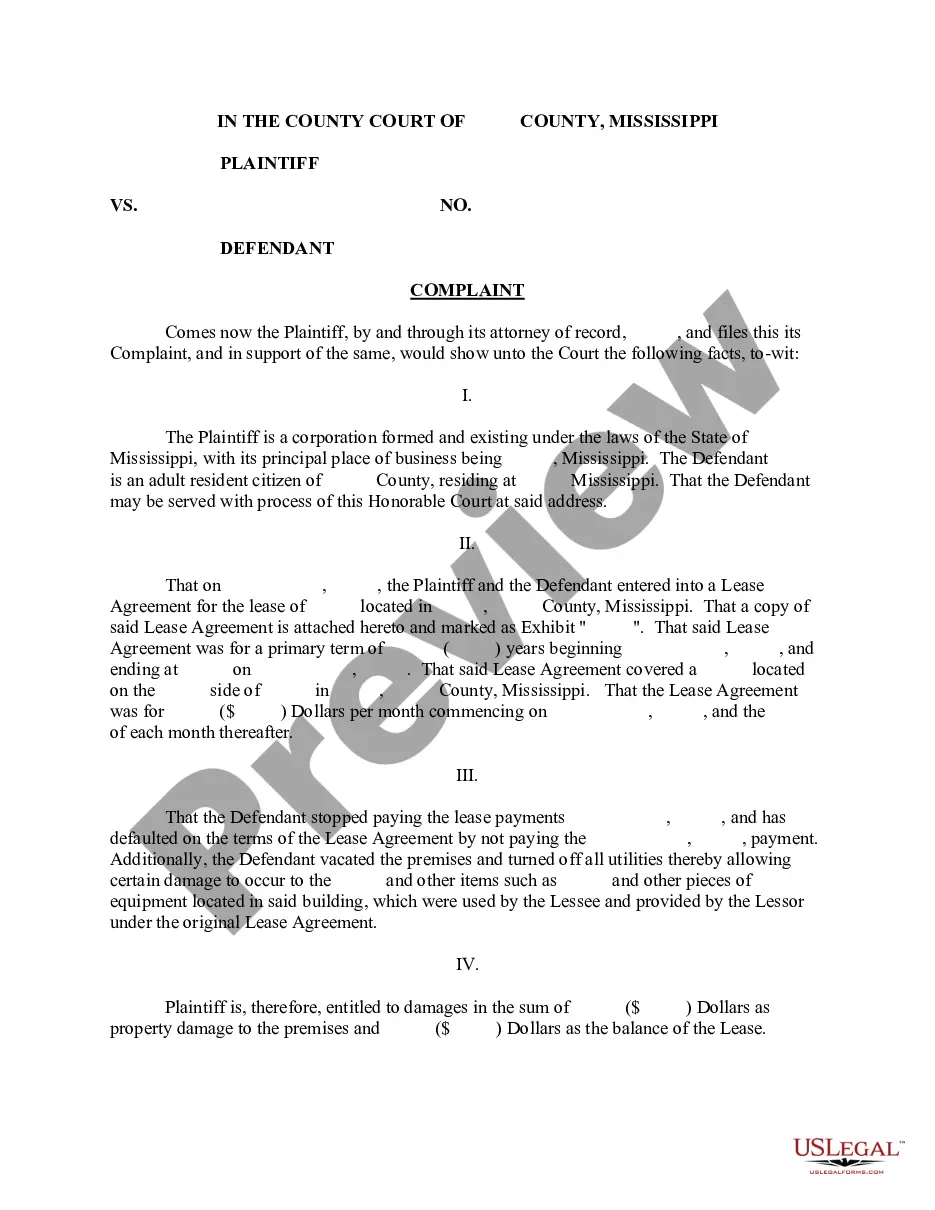


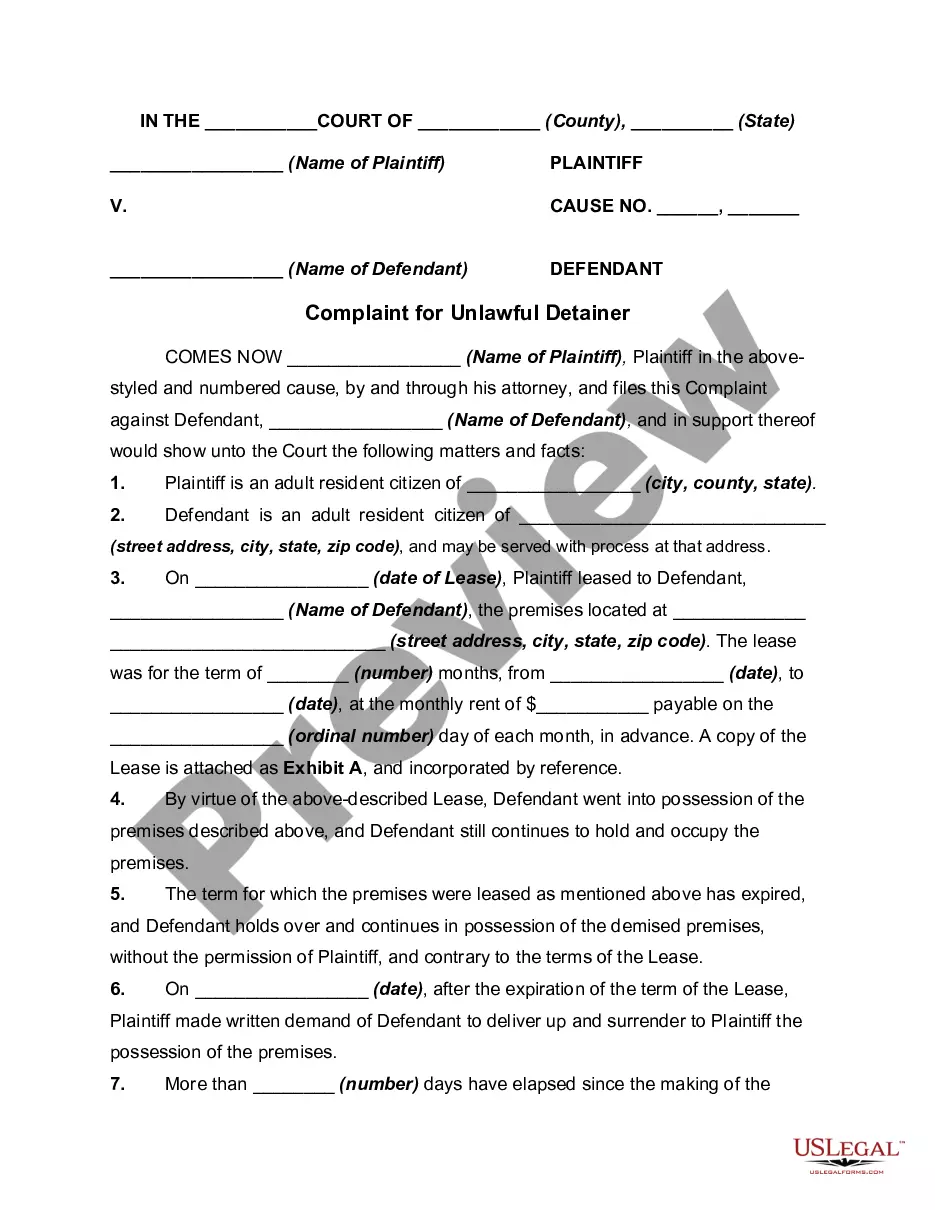
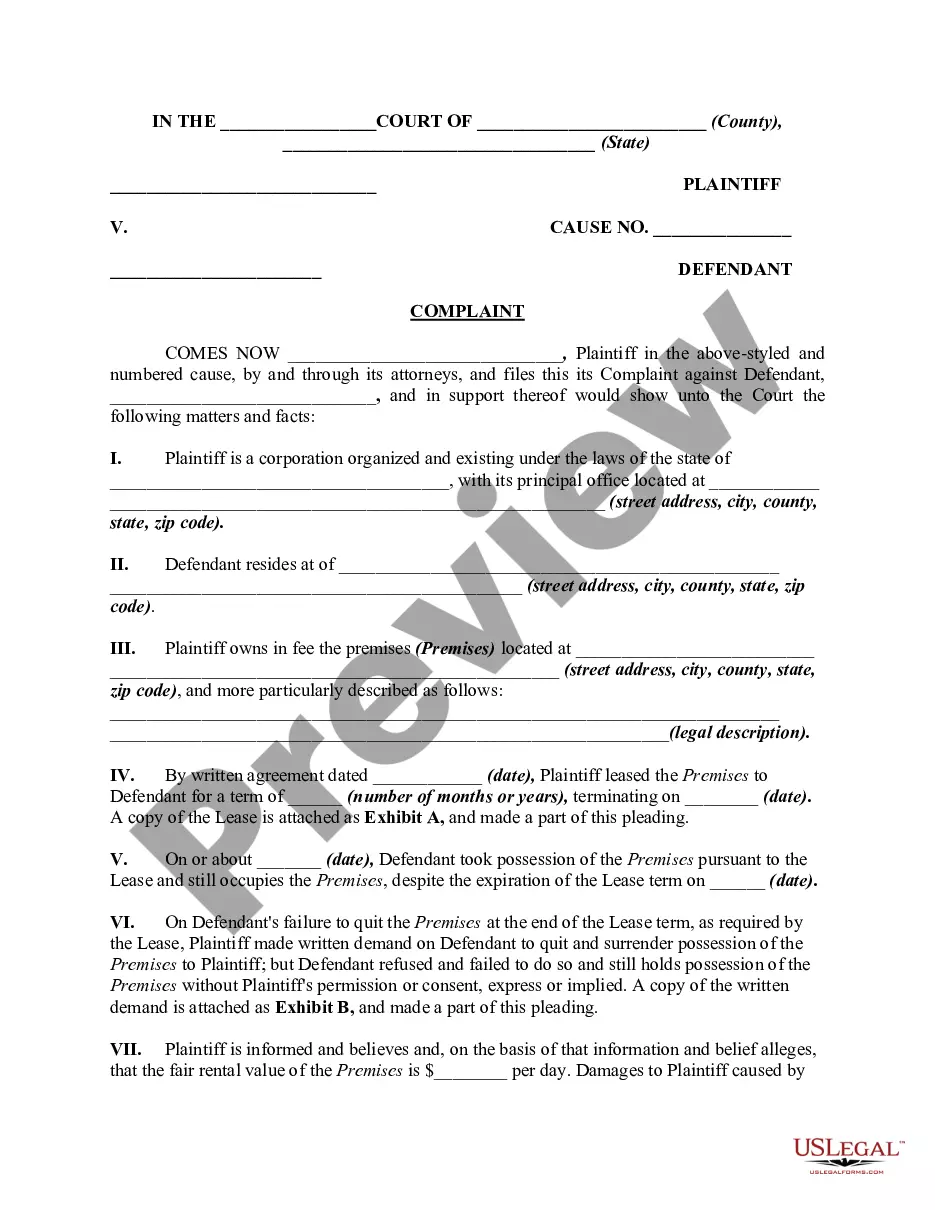
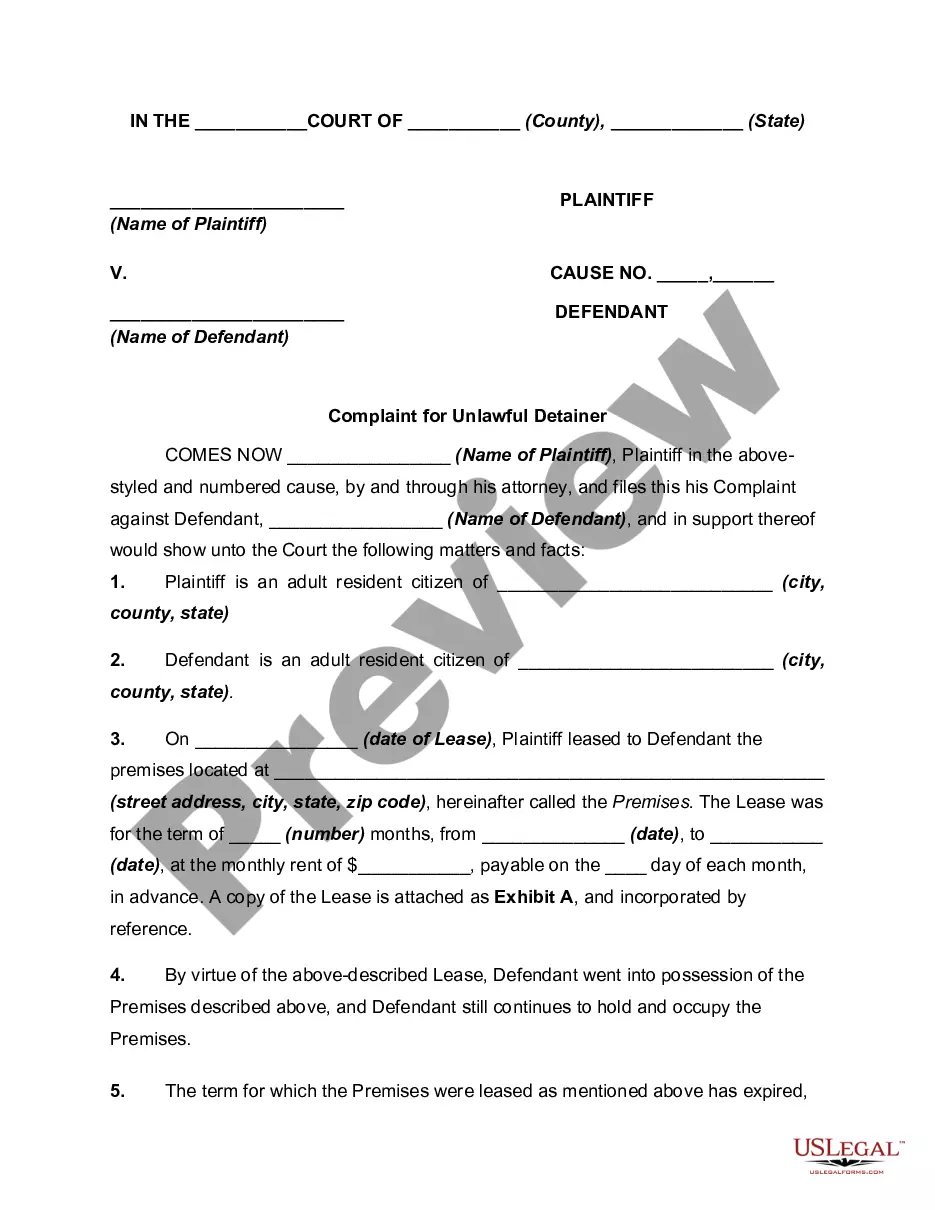
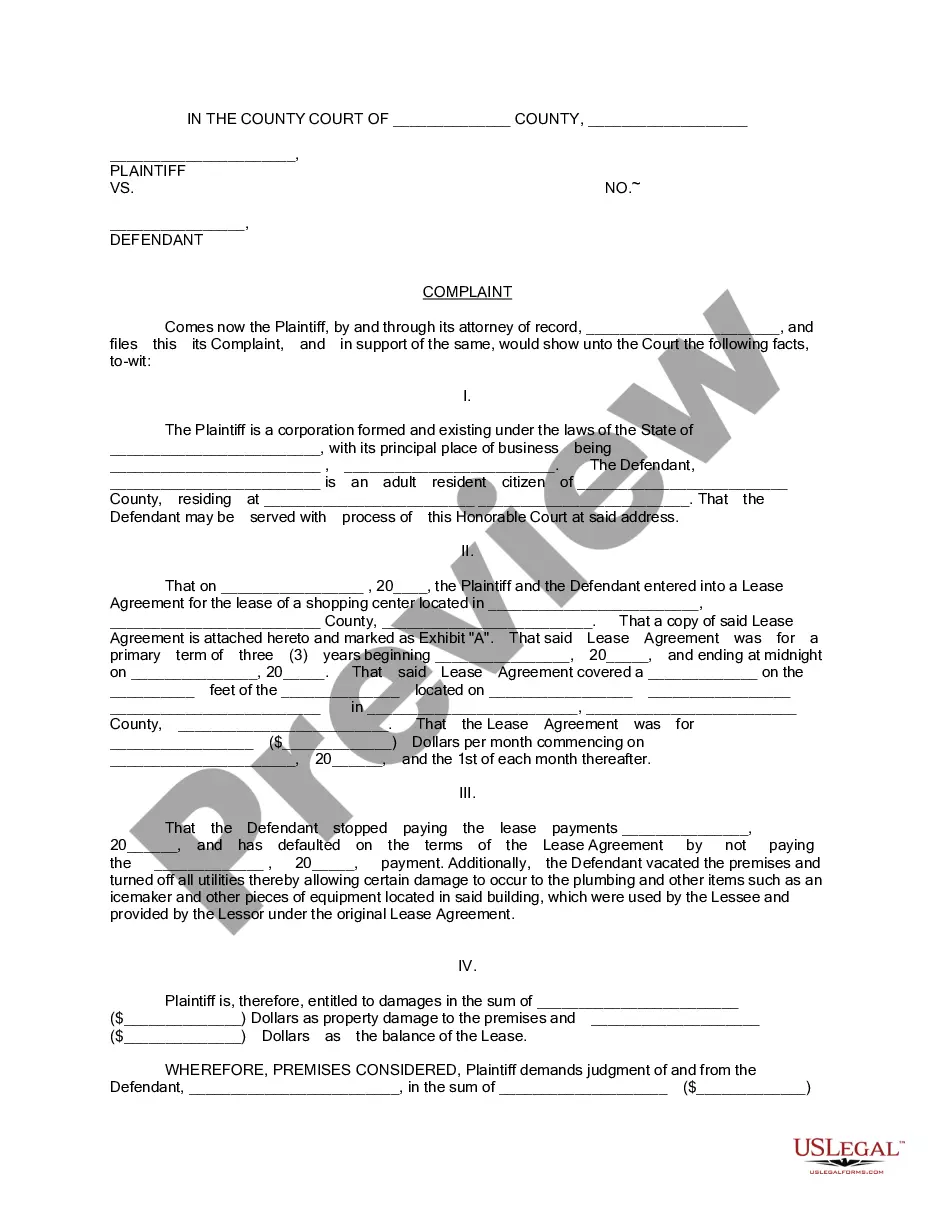
How to fill out Complaint For Unlawful Detainer - Tenant Holding Over After Expiration Of Term?
- Log into your US Legal Forms account to download your desired legal form. Ensure your subscription is up to date to access the full library.
- Preview the document and check its description to confirm it's appropriate for your needs and compliant with local jurisdiction.
- If adjustments are needed, use the search function to find a more suitable template.
- Select the document by clicking the 'Buy Now' button. Choose your preferred subscription plan and register for an account to gain access.
- Complete your purchase using your credit card or PayPal details.
- Download your selected template to your device and find it anytime in the 'My Forms' section of your profile.
In conclusion, US Legal Forms offers an extensive and user-friendly platform to access crucial legal documents quickly. Enjoy the benefit of expert assistance to ensure your forms are filled out correctly.
Take the first step towards streamlined legal documentation—visit US Legal Forms today!
Form popularity
FAQ
The timeline for an unlawful detainer in California can vary based on the circumstances, but it typically involves several key steps. After notifying the tenant, a court hearing may occur within a few weeks if the tenant contests the eviction. Knowing the unlawful detainer term for theft will help both landlords and tenants anticipate key dates and processes in their legal journey.
In California, the landlord generally has the burden of proof in an unlawful detainer case. They must provide evidence that a valid lease exists and that the tenant has violated its terms, such as through theft. It is essential for both parties to understand the unlawful detainer term for theft during legal proceedings.
Yes, you can sue someone for theft, especially if the stolen items have significant value. Your legal claim may proceed through civil court, depending on the situation. In some cases, it might also relate to an unlawful detainer action if the theft affects a rental relationship.
While you may feel justified in wanting to remove someone for stealing, proper legal process must be followed. Instead of taking matters into your own hands, you should seek an unlawful detainer action. This ensures that the eviction adheres to legal standards and respects the unlawful detainer term for theft.
Yes, stealing can be grounds for eviction in many states, including California. If a landlord proves theft occurred on the premises, they may initiate an unlawful detainer action. Familiarizing yourself with the unlawful detainer term for theft will guide you through your rights and obligations as a tenant.
Yes, you can evict someone for stealing, as theft violates the lease agreement. However, you must follow the legal process for eviction, which includes filing an unlawful detainer action in court. Knowing the unlawful detainer term for theft can help you establish a solid case if you need to take this step.
Yes, a tenant can win an unlawful detainer case in California if they present sufficient evidence to contest the eviction. In situations involving theft, the tenant may argue against the charges, potentially demonstrating that the claim lacks merit. Understanding the unlawful detainer term for theft is crucial for both landlords and tenants to navigate the legal process effectively.
Yes, you can still evict someone who hasn't signed a lease, as tenancy can exist even without a formal document. The situation may vary based on state laws, especially regarding the unlawful detainer term for theft. It's essential to document any arrangements or agreements, even if verbal. Consider using U.S. Legal Forms to assist you in preparing the right documents for your situation.
To remove someone who refuses to leave, first attempt to communicate and reach an agreement. If that fails, you may need to begin the unlawful detainer process, especially if you can cite the unlawful detainer term for theft. This legal action requires proper documentation and adherence to state laws. Using U.S. Legal Forms can help you navigate this process confidently and correctly.
If there is no formal contract, you may still have the right to remove someone, depending on the circumstances. Generally, verbal agreements can imply some level of tenancy, which can lead to complexity in legal situations. Engaging in unlawful detainer actions, especially regarding the unlawful detainer term for theft, may require legal advice to ensure compliance with local laws. U.S. Legal Forms can provide the necessary documents and guidance you need.