Unlawful Detainer Complaint Sample
Description
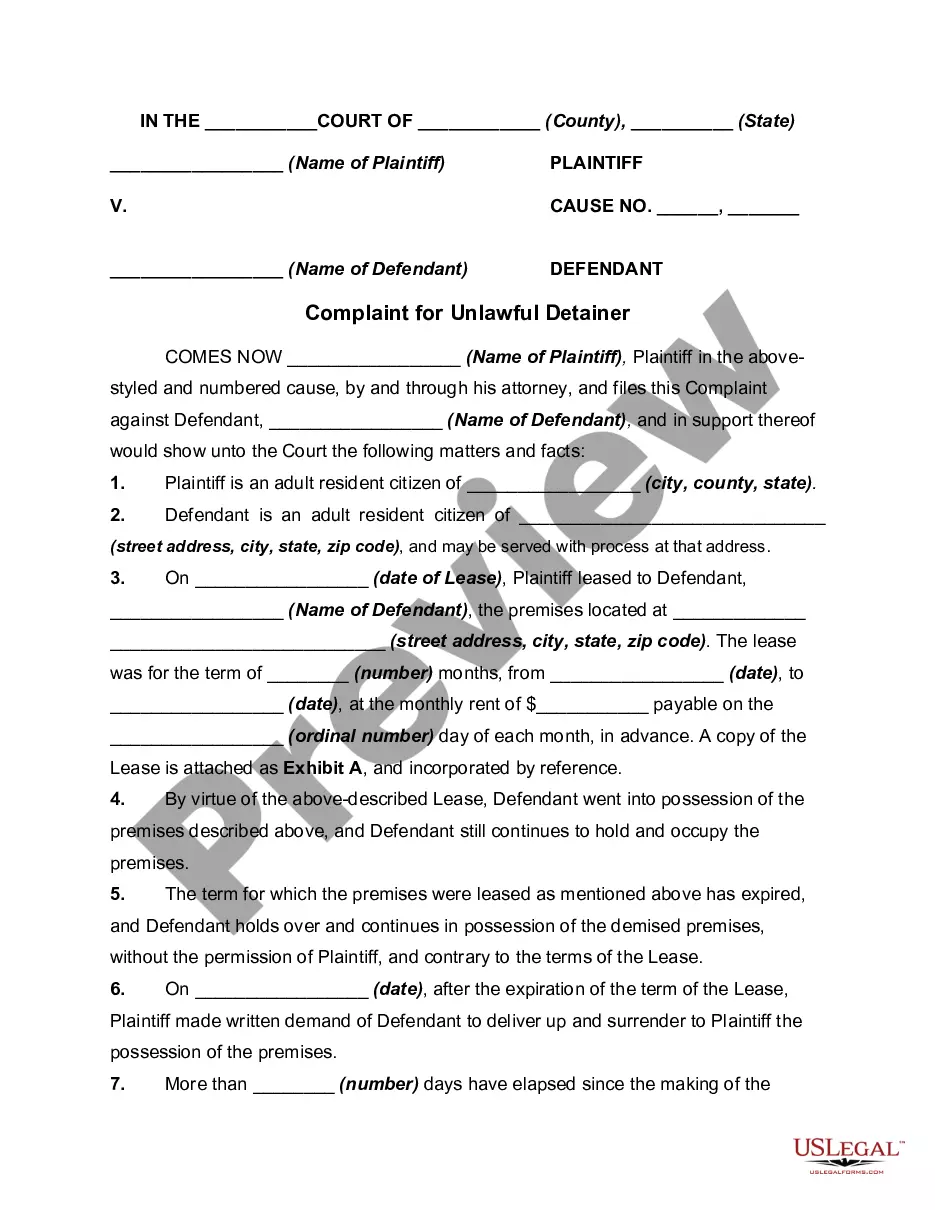

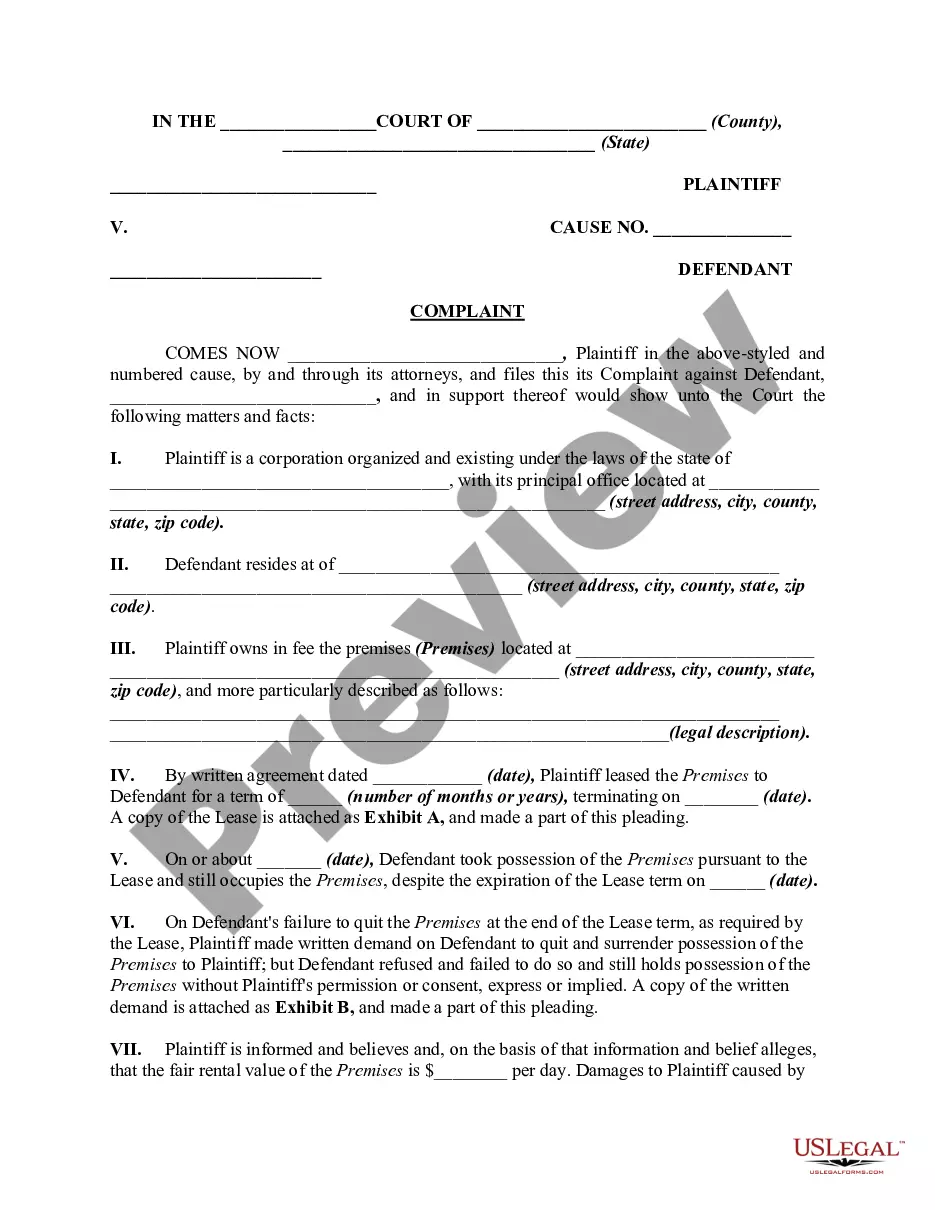
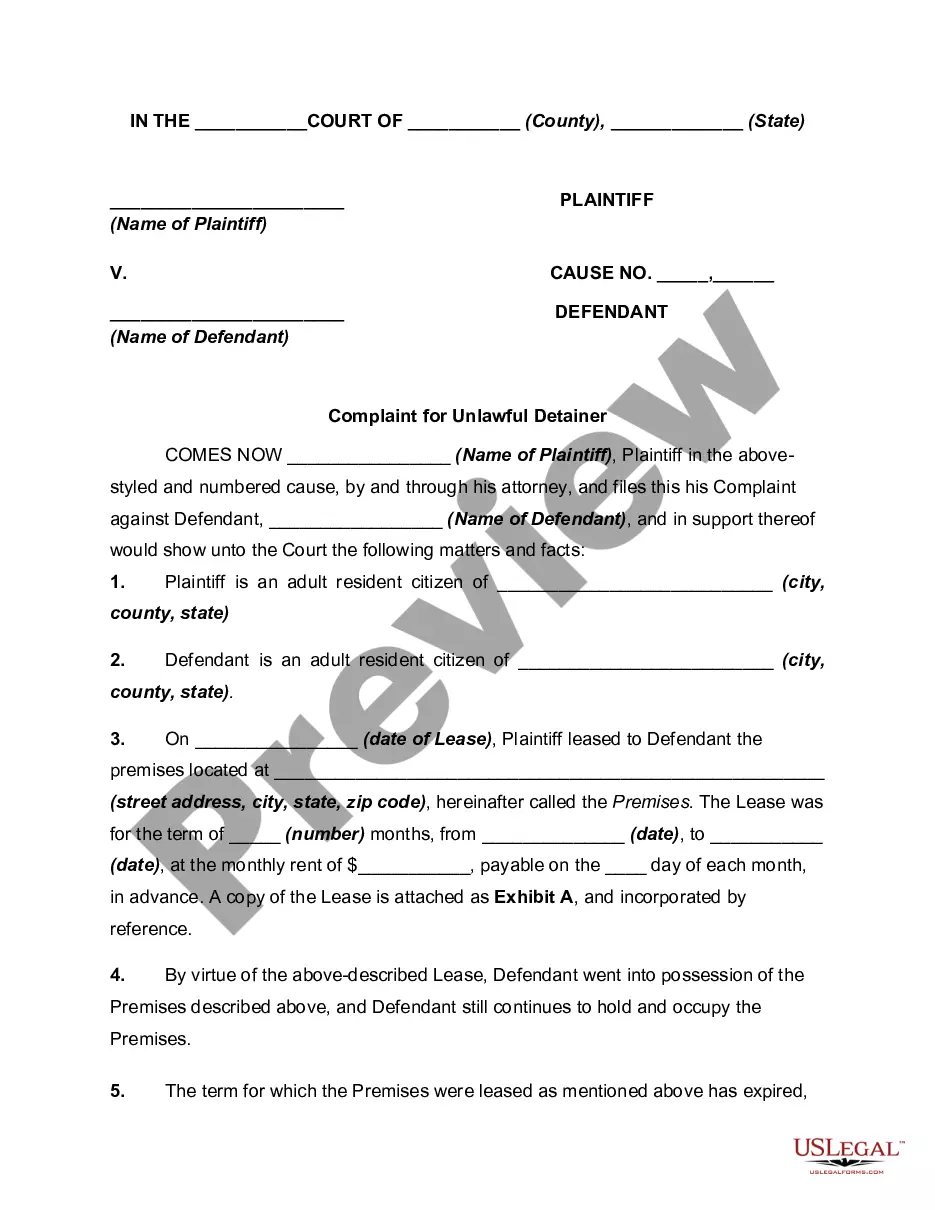
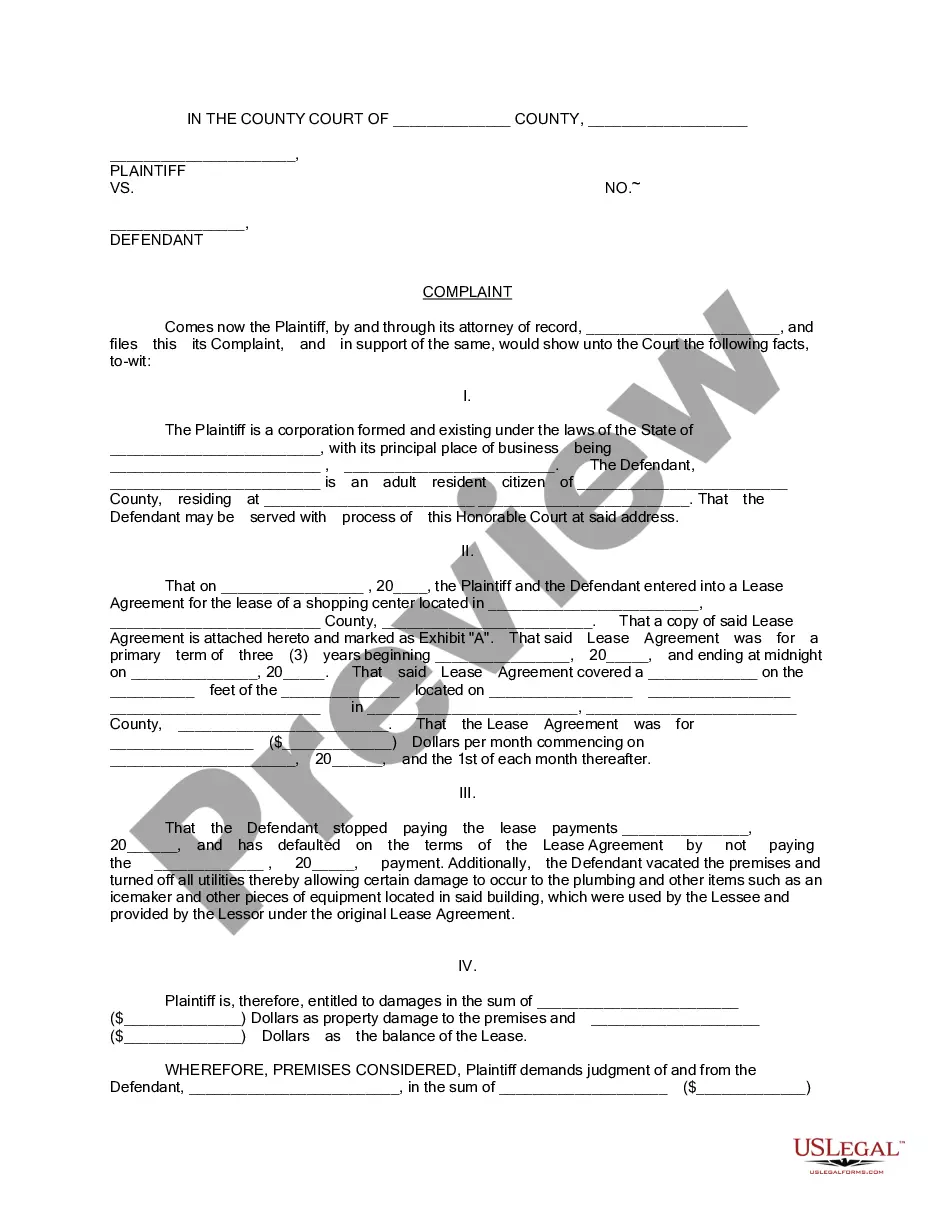
Get your form ready online
Our built-in tools help you complete, sign, share, and store your documents in one place.
Make edits, fill in missing information, and update formatting in US Legal Forms—just like you would in MS Word.
Download a copy, print it, send it by email, or mail it via USPS—whatever works best for your next step.
Sign and collect signatures with our SignNow integration. Send to multiple recipients, set reminders, and more. Go Premium to unlock E-Sign.
If this form requires notarization, complete it online through a secure video call—no need to meet a notary in person or wait for an appointment.
We protect your documents and personal data by following strict security and privacy standards.

Make edits, fill in missing information, and update formatting in US Legal Forms—just like you would in MS Word.

Download a copy, print it, send it by email, or mail it via USPS—whatever works best for your next step.

Sign and collect signatures with our SignNow integration. Send to multiple recipients, set reminders, and more. Go Premium to unlock E-Sign.

If this form requires notarization, complete it online through a secure video call—no need to meet a notary in person or wait for an appointment.

We protect your documents and personal data by following strict security and privacy standards.
Looking for another form?

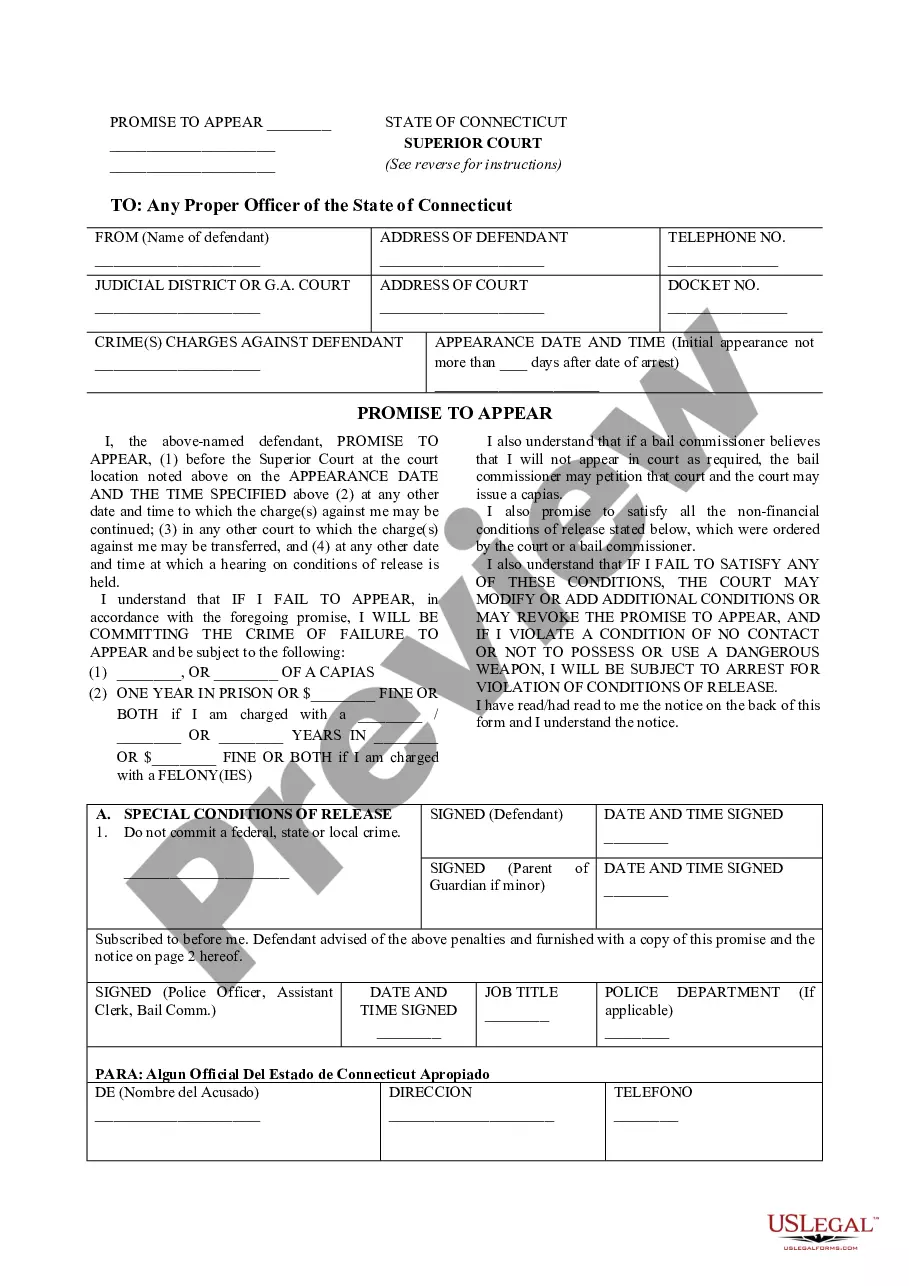





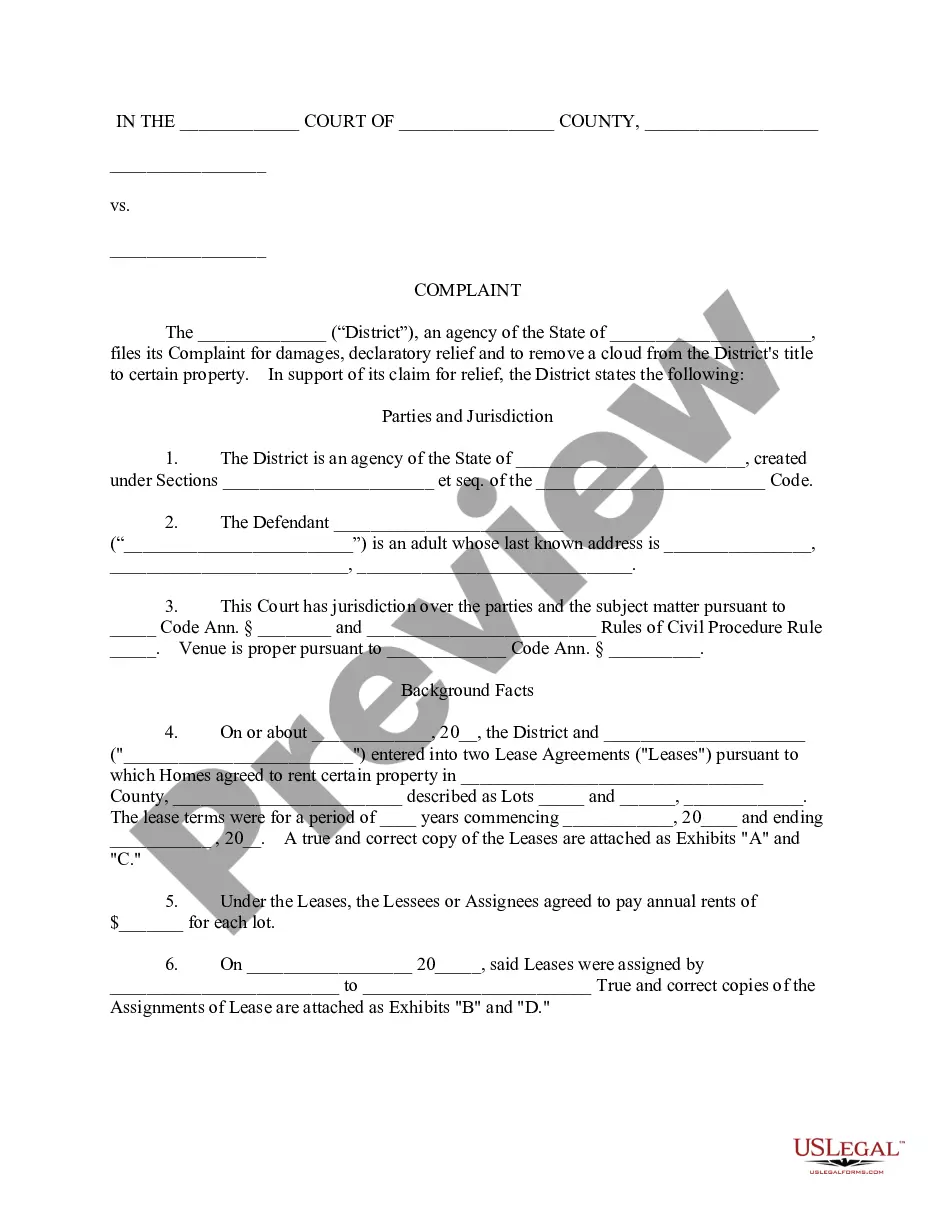
How to fill out Complaint For Unlawful Detainer - Tenant Holding Over After Expiration Of Term?
- If you're a returning user, log in to your account. Ensure your subscription is active and click the 'Download' button to save your template.
- New users should begin by browsing the available forms. Check the Preview mode and description to find the appropriate document tailored to your jurisdiction.
- If you encounter any inconsistencies, utilize the Search tab to locate the correct form that meets your needs.
- After identifying the right document, click on 'Buy Now' and select a subscription plan. You'll need to create an account to access all library resources.
- Complete your purchase by entering your payment details or signing in with your PayPal account.
- Finally, download your form to your device. Access it anytime from the 'My Forms' section in your profile for completion.
Using US Legal Forms empowers individuals and attorneys to navigate the complexities of legal documentation with ease. Their extensive library of over 85,000 templates and expert assistance ensures you're not alone in this process.
Don't hesitate—visit US Legal Forms today to get started on your unlawful detainer complaint sample and streamline your legal needs!
Form popularity
FAQ
An eviction notice is typically served by a process server, a sheriff, or a qualified individual who is not involved in the case. This ensures that service is carried out in accordance with the law, maintaining the legal standing of the eviction process. To navigate these procedures effectively, consider utilizing an unlawful detainer complaint sample that outlines the necessary steps and requirements for serving eviction notices.
To serve a summons for an unlawful detainer in California, begin by determining the correct method, either personal or substituted service. After successfully serving the documents, file the proof of service with the court to confirm that the summons was legally delivered. For a clearer understanding, reviewing an unlawful detainer complaint sample can provide valuable insights into the specific requirements and processes involved.
Proof of service for an eviction notice in California is a legal document that confirms the notice was properly delivered to the tenant. This document includes details such as the date and method of service, along with the recipient's information. Providing accurate proof of service is crucial in unlawful detainer cases, and referencing an unlawful detainer complaint sample can clarify how to create this important document.
In California, a summons must be served to the defendant either personally or through substituted service. Personal service involves delivering the documents directly to the tenant, while substituted service allows for delivery to someone at the tenant's residence or place of business, followed by mailing a copy. It's essential to adhere to these methods to comply with legal standards, ensuring a smooth process with the help of an unlawful detainer complaint sample.
In an unlawful detainer action in California, the plaintiff must prove their case by presenting sufficient evidence to establish that the tenant has violated the lease agreement. This generally includes demonstrating that the lease is valid, the tenant is in breach, and all notices have been properly served. Utilizing an unlawfully detainer complaint sample can effectively guide landlords through this process, ensuring they meet legal requirements.
To successfully beat an unlawful detainer in California, you should gather evidence that supports your case. This may include documentation like receipts or communication records. You can present strong defenses such as proving the lease was not violated or challenging the service of the complaint. Utilizing an unlawful detainer complaint sample can help you understand the process and prepare effectively.
To serve an unlawful detainer complaint in California, you must first file the complaint with the court. After that, provide a copy to the tenant. You can either hire a professional process server or enlist someone over 18 who is not involved in the case. Use an unlawful detainer complaint sample to ensure that all necessary forms and information are correct.
An eviction notice is a preliminary step, informing tenants that the landlord intends to reclaim the property due to specific violations. In contrast, an unlawful detainer is the legal action that follows if the tenant does not comply with the eviction notice. Knowing these distinctions is vital in understanding tenant rights and landlord responsibilities. You might find it helpful to review an unlawful detainer complaint sample for more insight.
Ejectment and unlawful detainer are two distinct legal processes in Washington State regarding property possession. Ejectment usually applies to situations where the tenant does not have any lease, while unlawful detainer applies when there is a lease in place. Understanding these differences is crucial for landlords. An unlawful detainer complaint sample can clarify this process for you.
The timeframe for an unlawful detainer in Washington State can vary based on several factors, including court schedules. Generally, the process takes two to three weeks from filing the complaint to the court's decision. If appeal processes are involved, it might take longer. To understand this timeline better, examining an unlawful detainer complaint sample can help.