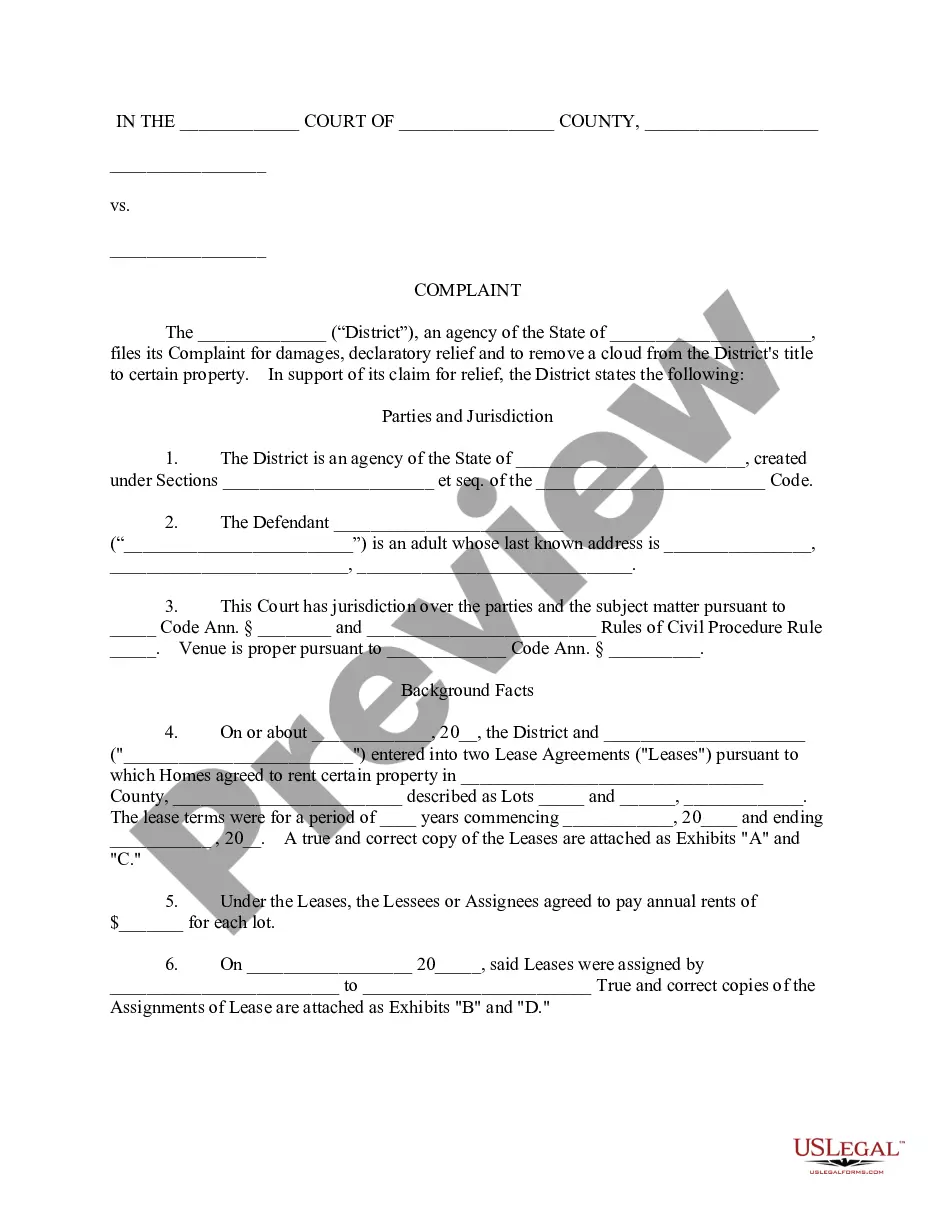
Unlawful Detainer Complaint
Description
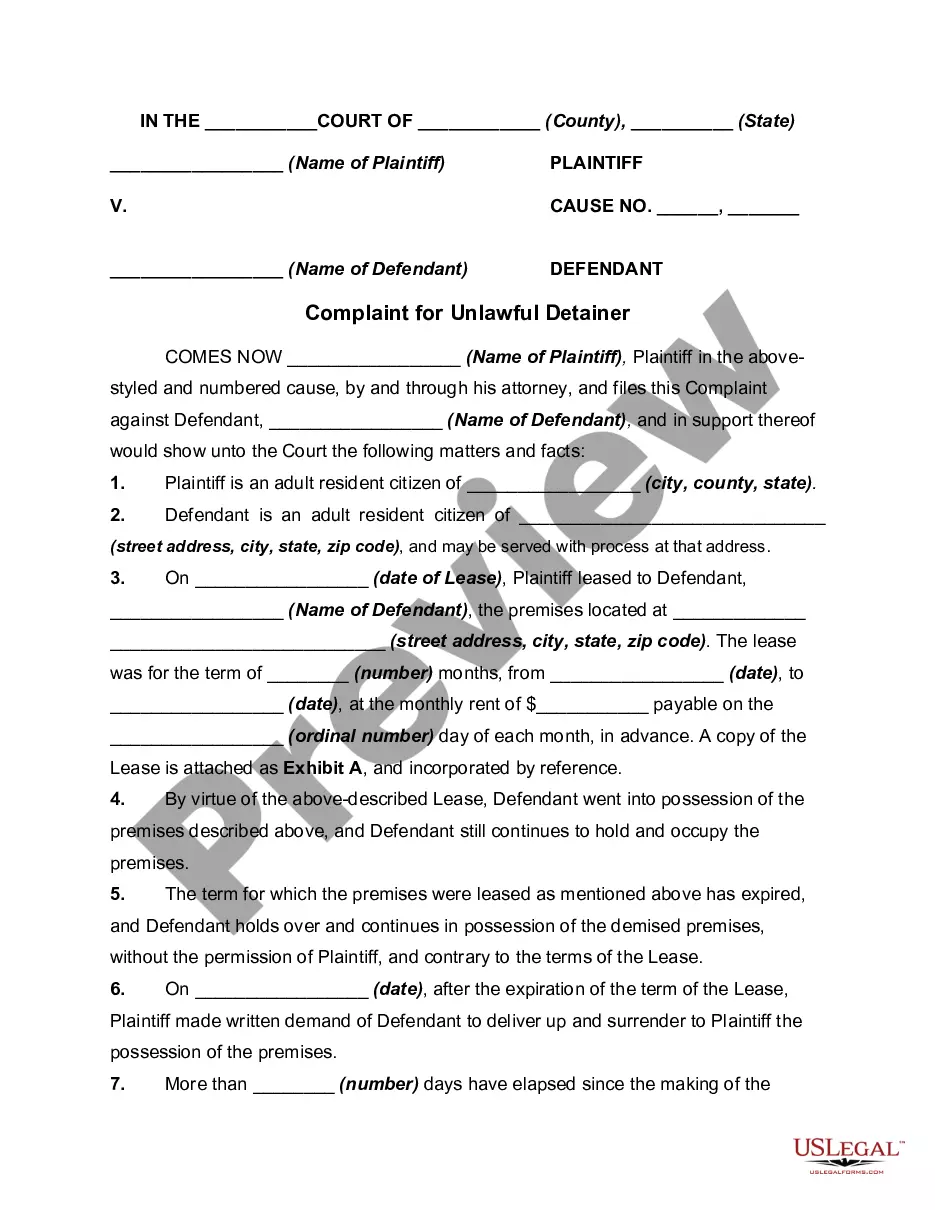

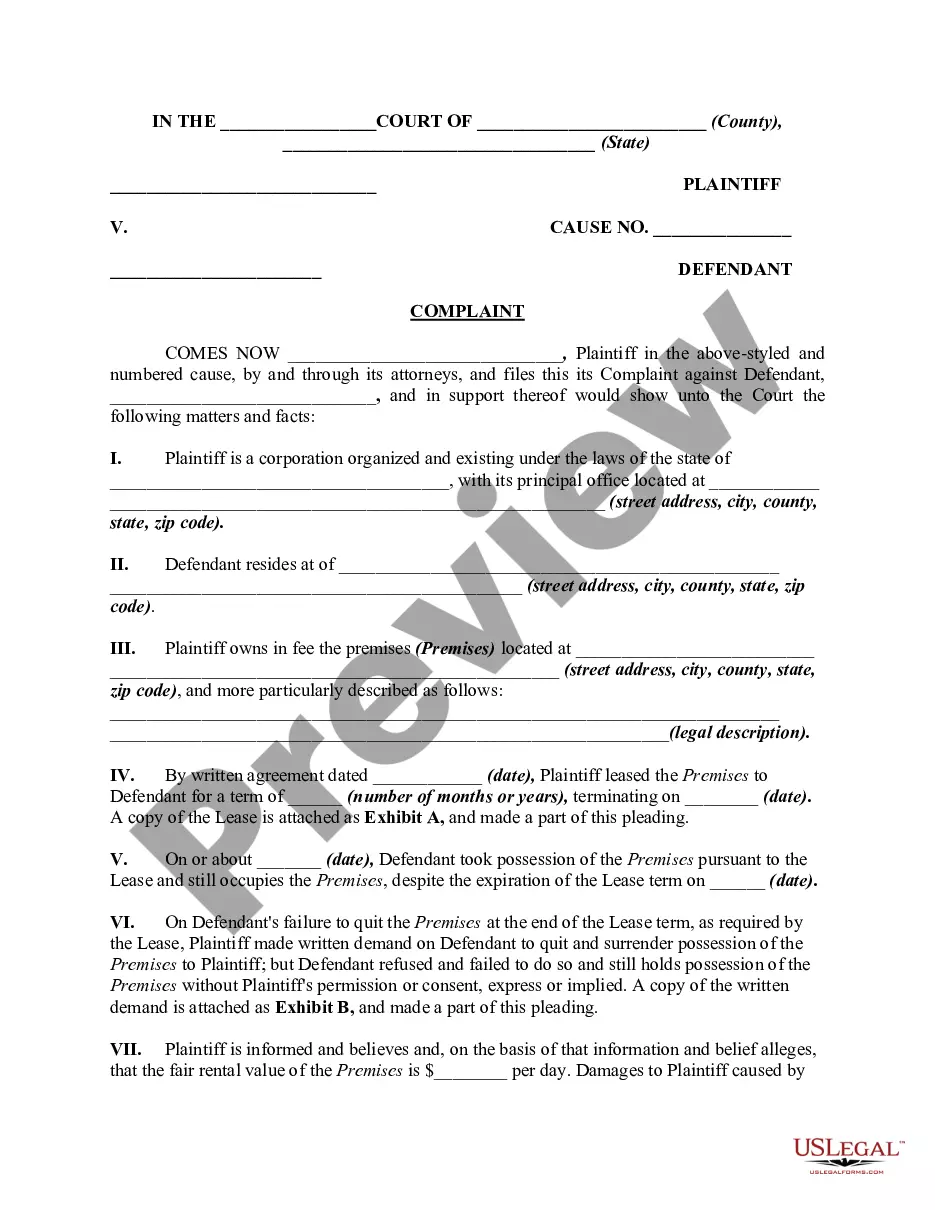
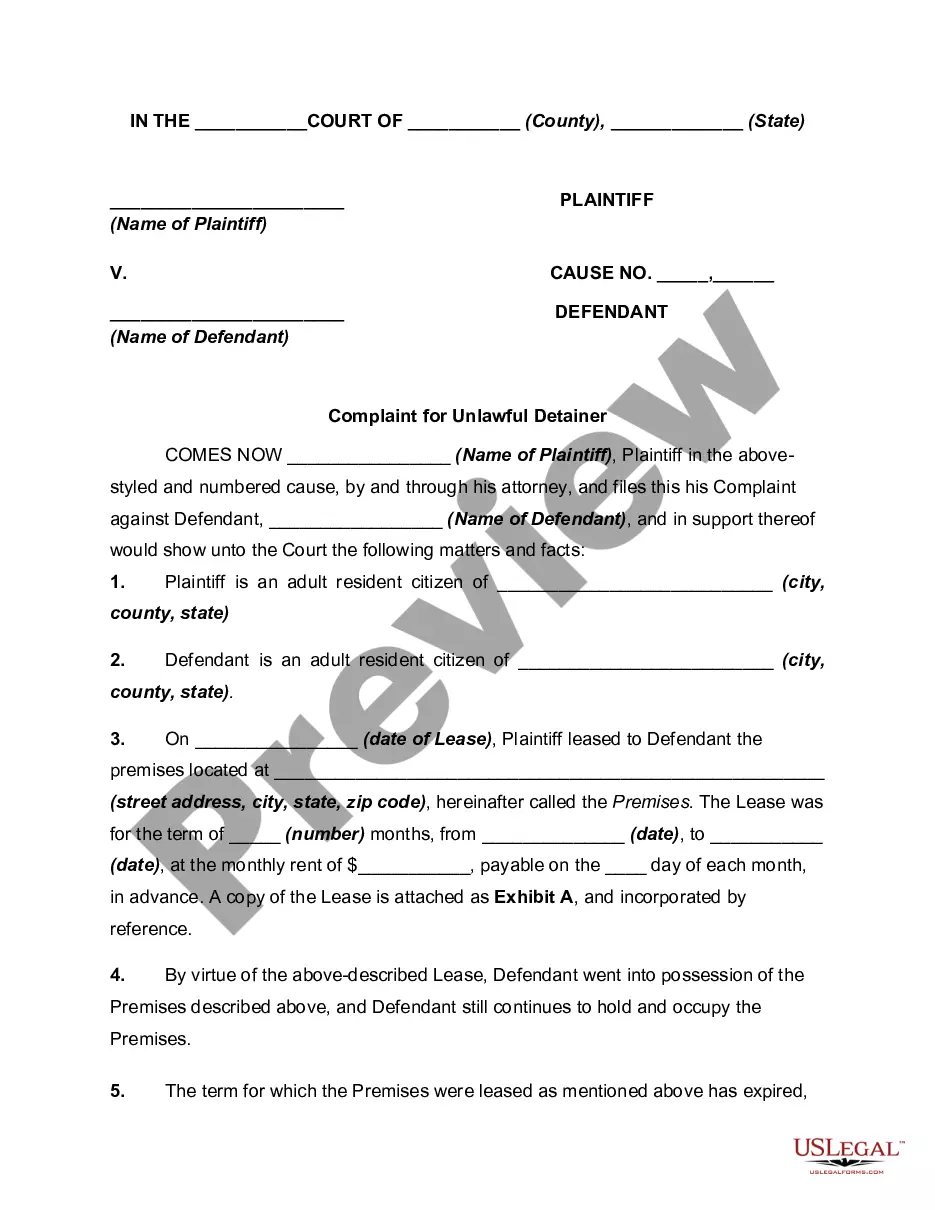
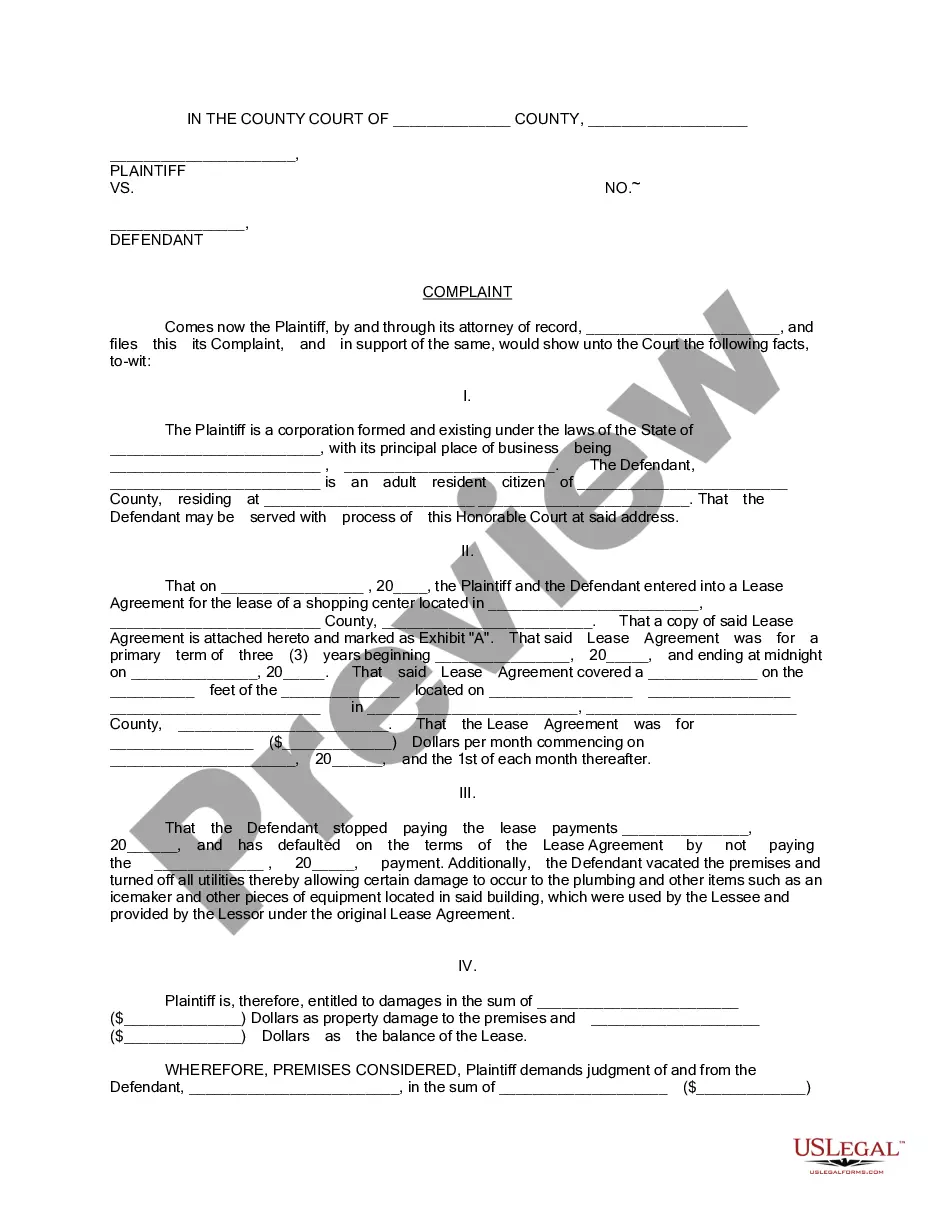
Get your form ready online
Our built-in tools help you complete, sign, share, and store your documents in one place.
Make edits, fill in missing information, and update formatting in US Legal Forms—just like you would in MS Word.
Download a copy, print it, send it by email, or mail it via USPS—whatever works best for your next step.
Sign and collect signatures with our SignNow integration. Send to multiple recipients, set reminders, and more. Go Premium to unlock E-Sign.
If this form requires notarization, complete it online through a secure video call—no need to meet a notary in person or wait for an appointment.
We protect your documents and personal data by following strict security and privacy standards.

Make edits, fill in missing information, and update formatting in US Legal Forms—just like you would in MS Word.

Download a copy, print it, send it by email, or mail it via USPS—whatever works best for your next step.

Sign and collect signatures with our SignNow integration. Send to multiple recipients, set reminders, and more. Go Premium to unlock E-Sign.

If this form requires notarization, complete it online through a secure video call—no need to meet a notary in person or wait for an appointment.

We protect your documents and personal data by following strict security and privacy standards.
Looking for another form?
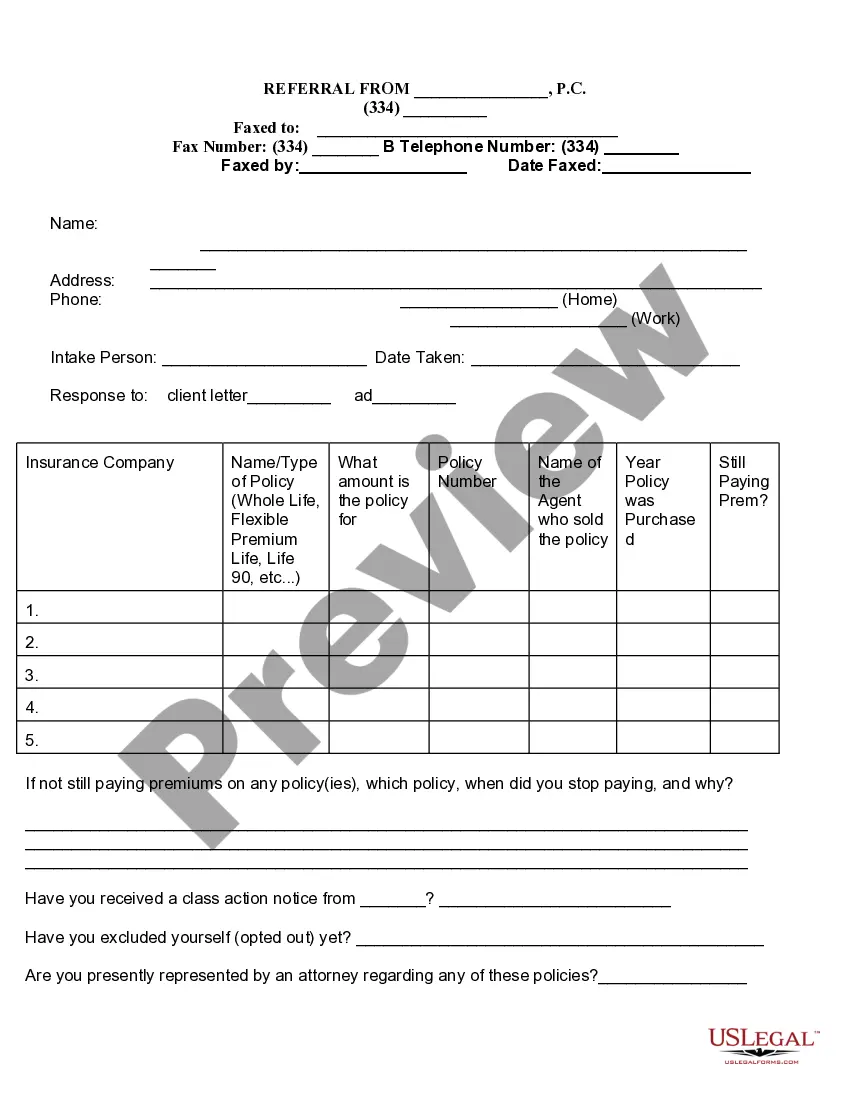




How to fill out Complaint For Unlawful Detainer - Tenant Holding Over After Expiration Of Term?
- If you're a returning user, log in to your US Legal Forms account and download the needed unlawful detainer complaint template directly by clicking the Download button, ensuring your subscription is active.
- For first-time users, begin by previewing available forms and descriptions. This allows you to confirm that you've selected the correct unlawful detainer complaint that meets local requirements.
- Utilize the Search tab if you need to explore alternative templates. Ensure any selected forms match your needs before proceeding.
- Purchase the document by clicking the Buy Now button and choosing a suitable subscription plan. Registration for an account is mandatory to unlock full library access.
- Complete your purchase by entering payment details or using your PayPal account, then finalize the subscription.
- Download the selected form to your device for completion. You can access it later in the My Forms section of your profile.
In conclusion, US Legal Forms is your go-to resource for accessing an extensive collection of legal documents, including unlawful detainer complaints. Their user-friendly interface and robust library equip you with the necessary tools for smooth legal proceedings.
Start your journey today by visiting US Legal Forms and discover how easy it can be to manage your legal needs!
Form popularity
FAQ
In Florida, an unlawful detainer complaint refers specifically to the legal action a landlord takes to evict a tenant. While the terms may be used interchangeably, unlawful detainer is a formal legal term used in the court system. Landlords must follow the lawful eviction process to ensure compliance with state laws, making it crucial to understand the nuanced differences. Utilizing resources like US Legal Forms can streamline this process for landlords seeking clarity.
The duration of the eviction process in Washington state can vary, but it typically takes about three to four weeks after filing an unlawful detainer complaint. Upon filing, the landlord must serve the tenant with a notice and, if necessary, attend a court hearing. If the court rules in favor of the landlord, the physical eviction may occur quickly, depending on the local sheriff's timeline. Being informed about this process can help both landlords and tenants prepare adequately.
In Minnesota, landlords must follow specific rules when filing an unlawful detainer complaint. They must provide proper notice to the tenant, highlighting the reason for eviction. The eviction process varies based on the reason, and landlords cannot proceed until receiving a court ruling. Understanding these rules is essential to navigate the eviction process smoothly and legally.
After an unlawful detainer complaint is filed, the court sets a hearing date. At this hearing, both parties present their case regarding the eviction. If the court rules in favor of the landlord, they may receive a judgment allowing eviction. Subsequently, the landlord can request law enforcement to carry out the eviction if the tenant does not leave voluntarily.
In Pennsylvania, you can report your landlord to the local housing authority or the Department of Consumer Protection. If you face unlawful practices, documenting your issues and considering an unlawful detainer complaint can strengthen your case. Seeking legal advice can also help you understand your rights and the appropriate steps to take.
The term often used for illegal eviction is 'constructive eviction.' This occurs when landlords create conditions that make living in the property impossible, thereby forcing the tenant to leave. If you believe you have faced constructive eviction, an unlawful detainer complaint may be a viable option to assert your rights.
Evicting someone in Pennsylvania involves navigating a legal process that can certainly be complex. Landlords must provide proper notice and cannot engage in self-help measures like shutting off utilities. Understanding the unlawful detainer complaint procedure can greatly assist landlords in ensuring the process goes smoothly while respecting tenant rights.
An illegal eviction in Michigan happens when a landlord evicts a tenant without following the state’s legal procedures. This includes not providing proper notice or attempting to evict the tenant through physical force. If you face such a situation, filing an unlawful detainer complaint can help protect your rights and restore your housing situation.
Unfair eviction refers to the removal of a tenant from a property without legal justification. It typically involves violating tenant rights and ignoring the established eviction process. The unlawful detainer complaint serves as a critical tool for tenants to challenge these unjust actions and seek legal remedies.
An unfair eviction occurs when a landlord tries to remove a tenant without following the legal process. This often involves actions like changing the locks or shutting off utilities. An unlawful detainer complaint can provide a formal way for tenants to contest such actions in court, ensuring their rights are protected.