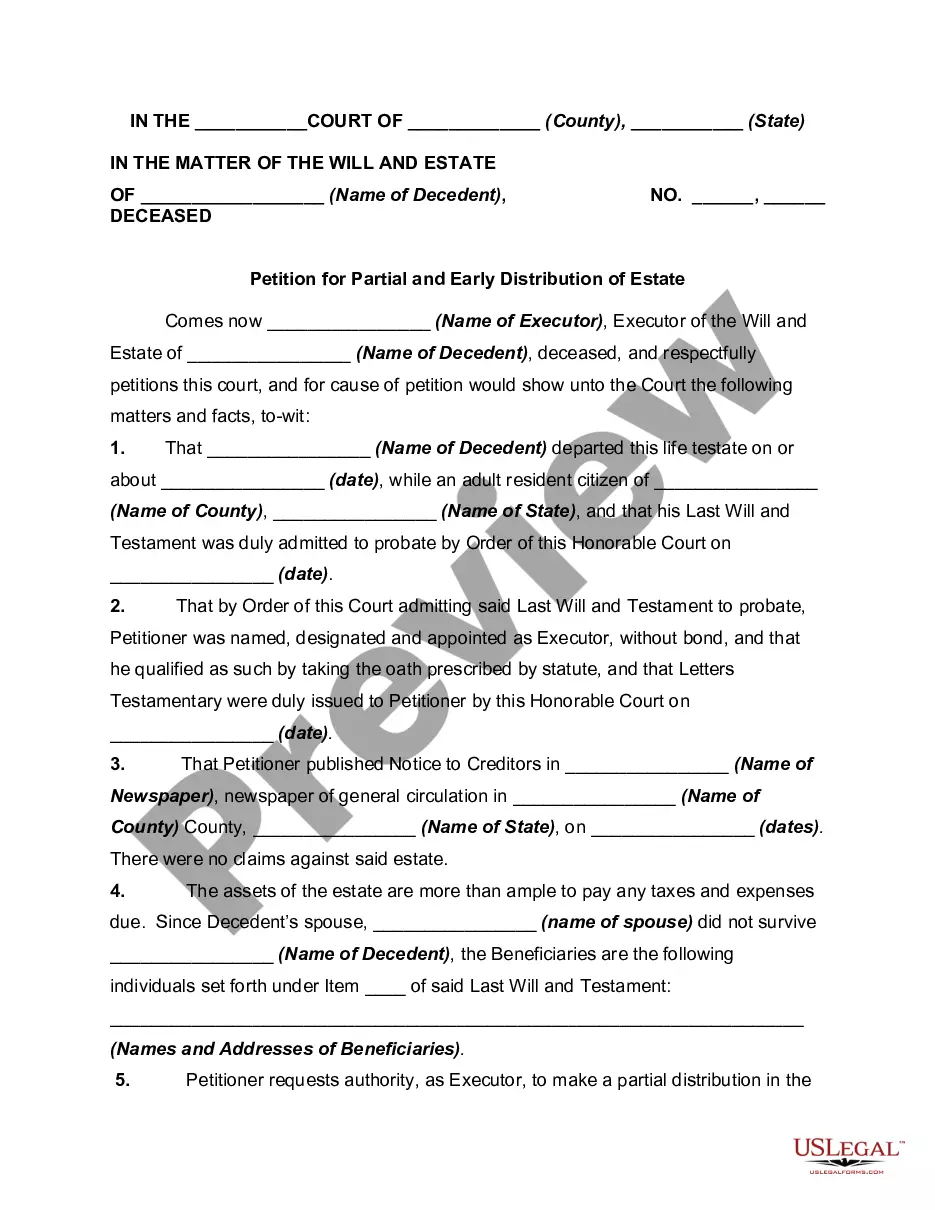
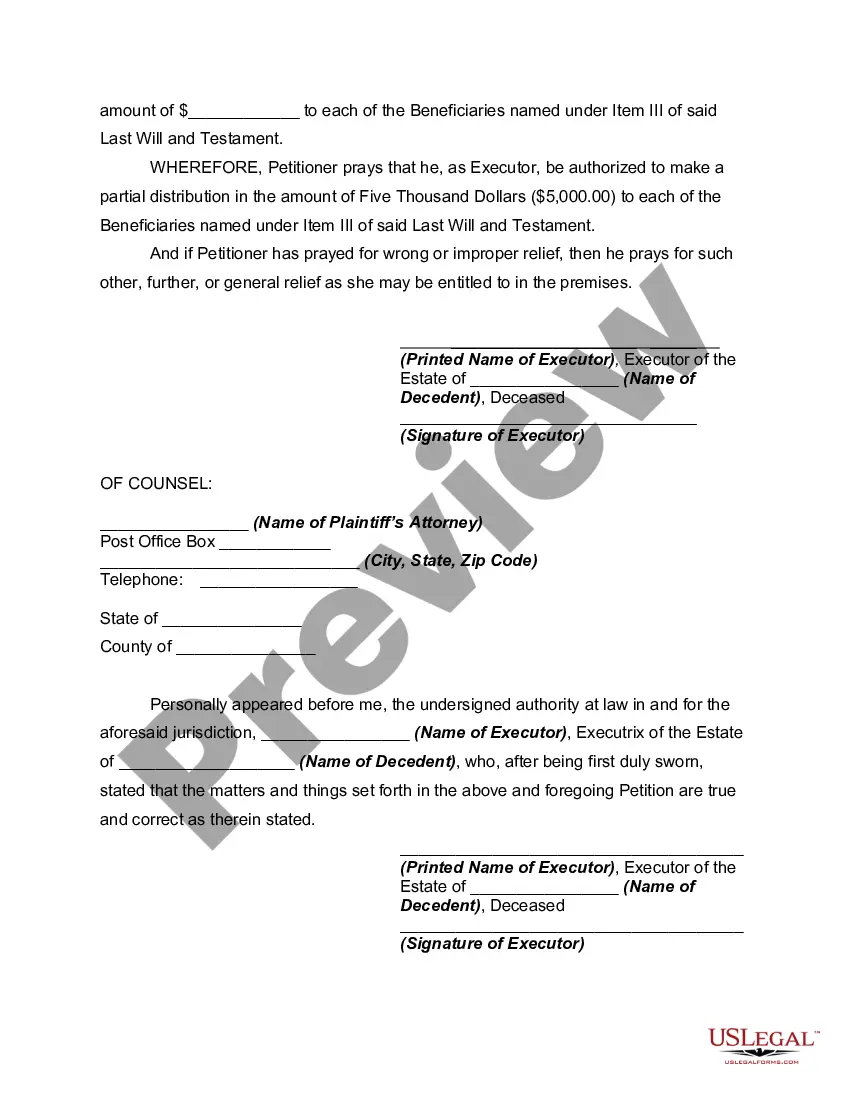
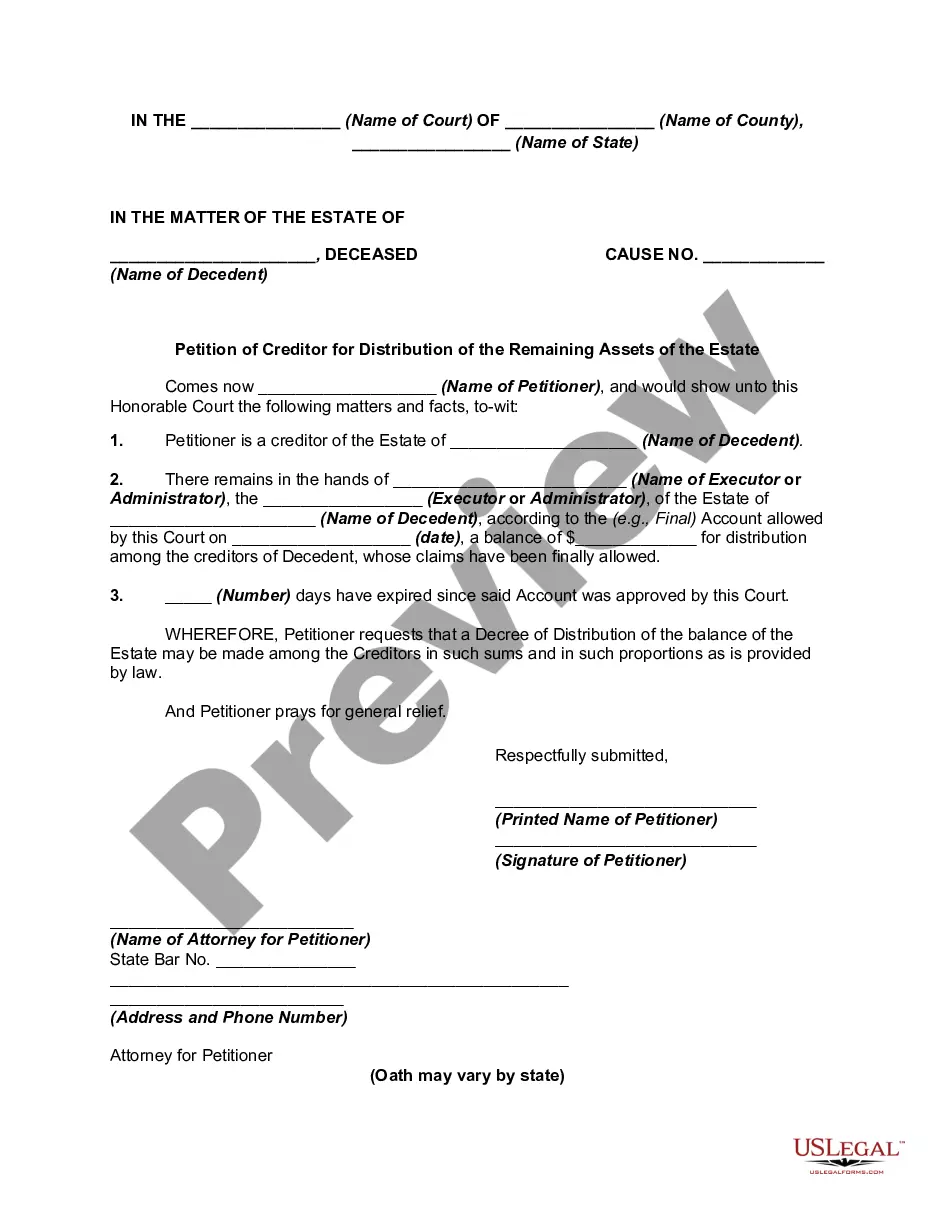
Executor Petition Estate With No Title
Description
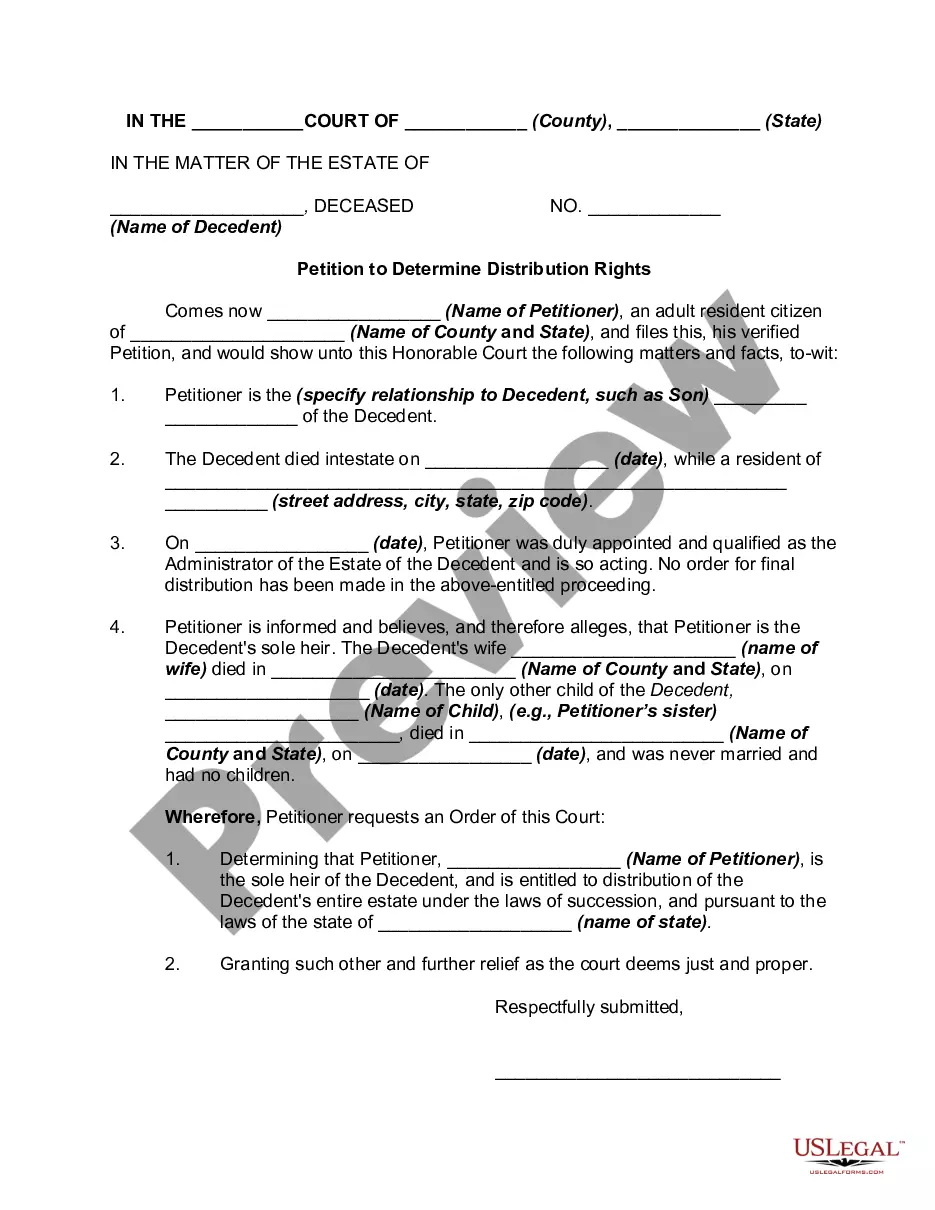
Get your form ready online
Our built-in tools help you complete, sign, share, and store your documents in one place.
Make edits, fill in missing information, and update formatting in US Legal Forms—just like you would in MS Word.
Download a copy, print it, send it by email, or mail it via USPS—whatever works best for your next step.
Sign and collect signatures with our SignNow integration. Send to multiple recipients, set reminders, and more. Go Premium to unlock E-Sign.
If this form requires notarization, complete it online through a secure video call—no need to meet a notary in person or wait for an appointment.
We protect your documents and personal data by following strict security and privacy standards.

Make edits, fill in missing information, and update formatting in US Legal Forms—just like you would in MS Word.

Download a copy, print it, send it by email, or mail it via USPS—whatever works best for your next step.

Sign and collect signatures with our SignNow integration. Send to multiple recipients, set reminders, and more. Go Premium to unlock E-Sign.

If this form requires notarization, complete it online through a secure video call—no need to meet a notary in person or wait for an appointment.

We protect your documents and personal data by following strict security and privacy standards.
Looking for another form?
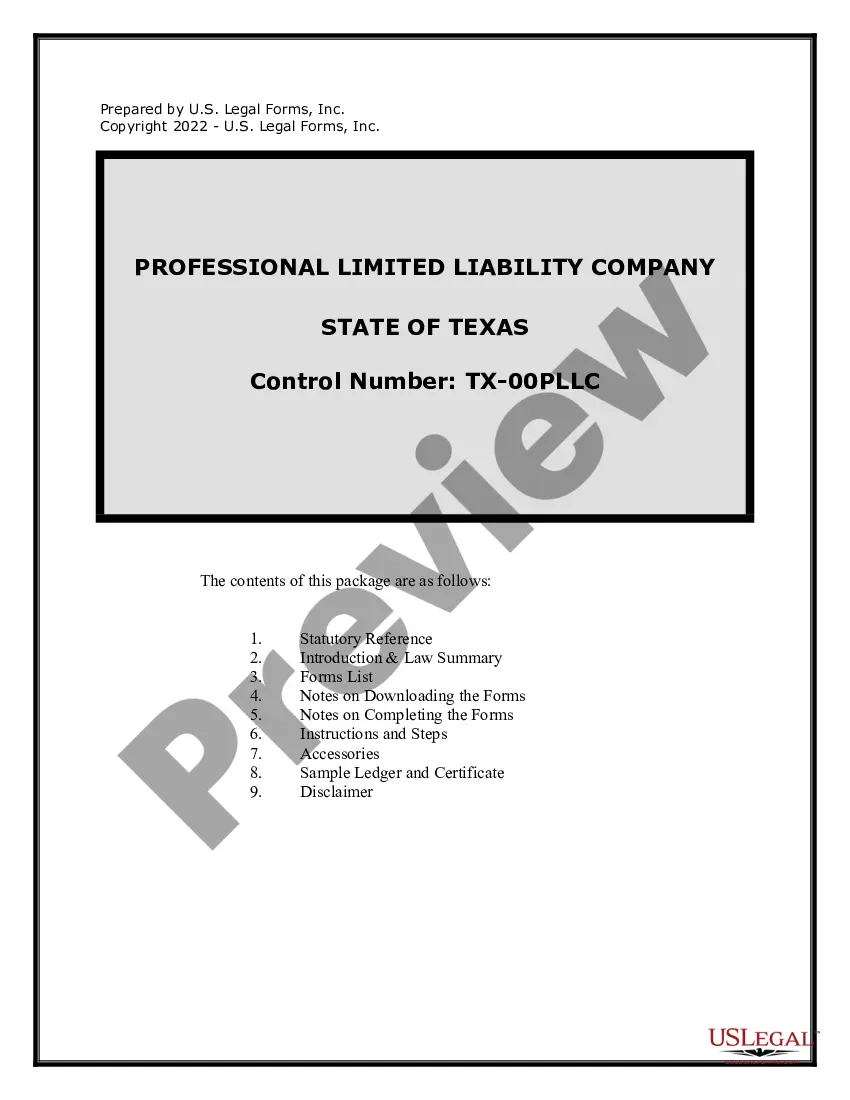




How to fill out Petition For Partial And Early Distribution Of Estate?
- Visit the US Legal Forms website and log into your account. Ensure your subscription is active; renew if necessary.
- Browse through the available templates. Check the Preview mode and form description to confirm that you’ve selected the correct document that aligns with your jurisdiction.
- Utilize the Search function if you don’t find what you need initially. This tool helps you locate the appropriate form quickly.
- Once you find the suitable document, click the Buy Now button and choose your desired subscription plan. You will need to register an account to access the full library.
- Complete your purchase by entering your payment information via credit card or PayPal.
- After the transaction, download your form and save it to your device for immediate use. You can also find it later in the My Forms menu of your profile.
US Legal Forms provides a robust collection of forms, with over 85,000 fillable and editable legal templates. Their service empowers both individuals and attorneys to quickly execute legal documents with confidence.
Start simplifying your legal process today with US Legal Forms! Access the reliable resources you need to ensure your documents are prepared accurately.
Form popularity
FAQ
Next of kin can sell a deceased person's car, but they may need to go through an executor, especially if the estate is in probate. It is necessary to verify ownership and resolve any debts related to the vehicle before the sale. Understanding the executor petition estate with no title can clarify the legal processes involved. Consider using US Legal Forms for assistance in preparing the required documentation.
If your mom passes away and the car is solely in her name, the car will likely be part of her estate. An executor will need to address how to transfer or sell the vehicle, which can involve probate unless there are alternative legal arrangements. Understanding how an executor petition estate with no title operates can be crucial in determining the next steps. Resources like US Legal Forms can simplify this process for you.
An executor may gift a vehicle if permitted by the will or the laws governing the estate. However, the executor's responsibility is to uphold the interests of all beneficiaries. Gifting a vehicle without proper authorization can lead to disputes among beneficiaries, so consult a legal resource like US Legal Forms to ensure compliant actions. Remember, all transfers should be documented meticulously.
In New Mexico, transferring property without probate often involves using a simplified process called a small estate affidavit, available for estates valued under a certain amount. You may also consider transferring assets through beneficiary designations or joint ownership. It is essential to understand the nuances of these options for an executor petition estate with no title. Platforms like US Legal Forms offer valuable guidance in understanding these alternatives.
An executor can gift property, but they must follow the instructions laid out in the will or adherence to the estate's laws. It is important to ensure that the property is not specifically designated for distribution to other beneficiaries. The executor must act in the best interests of the estate, which can sometimes exclude gifting property. Using resources like US Legal Forms can provide clarity on how to navigate these situations effectively.
When there is no will, the deceased's assets are distributed according to state intestacy laws. Generally, close relatives, such as spouses, children, or parents, are prioritized. If no direct heirs exist, distant relatives or the state may inherit. To understand the specific laws applicable to your situation, consider consulting US Legal Forms for accuracy.
To prove you are the executor, you must provide the probate court’s appointment documents. These documents establish your authority over the estate and outline your responsibilities. Additionally, you may need to present letters testamentary, which serve as official proof of your role. Using US Legal Forms can assist in preparing necessary documents.
An executor has considerable power, including managing, selling, and distributing estate assets. However, they must act honestly and in the best interests of the estate and its beneficiaries. Executors must follow court instructions and adhere to legal obligations. For detailed guidelines, US Legal Forms can provide essential resources.
In the absence of a will, an executor cannot decide distributions independently. They must adhere to intestacy laws governing asset distribution. This typically prioritizes relatives based on their relationship to the deceased. To ensure compliance, reviewing guidelines through US Legal Forms can be helpful.
An executor cannot arbitrarily decide who inherits without a will. In cases with no will, the executor must follow state intestacy laws to distribute assets fairly. These laws outline the hierarchy of heirs, ensuring the rightful heirs receive their share. For better understanding, consider using US Legal Forms.