Estate Document
Description
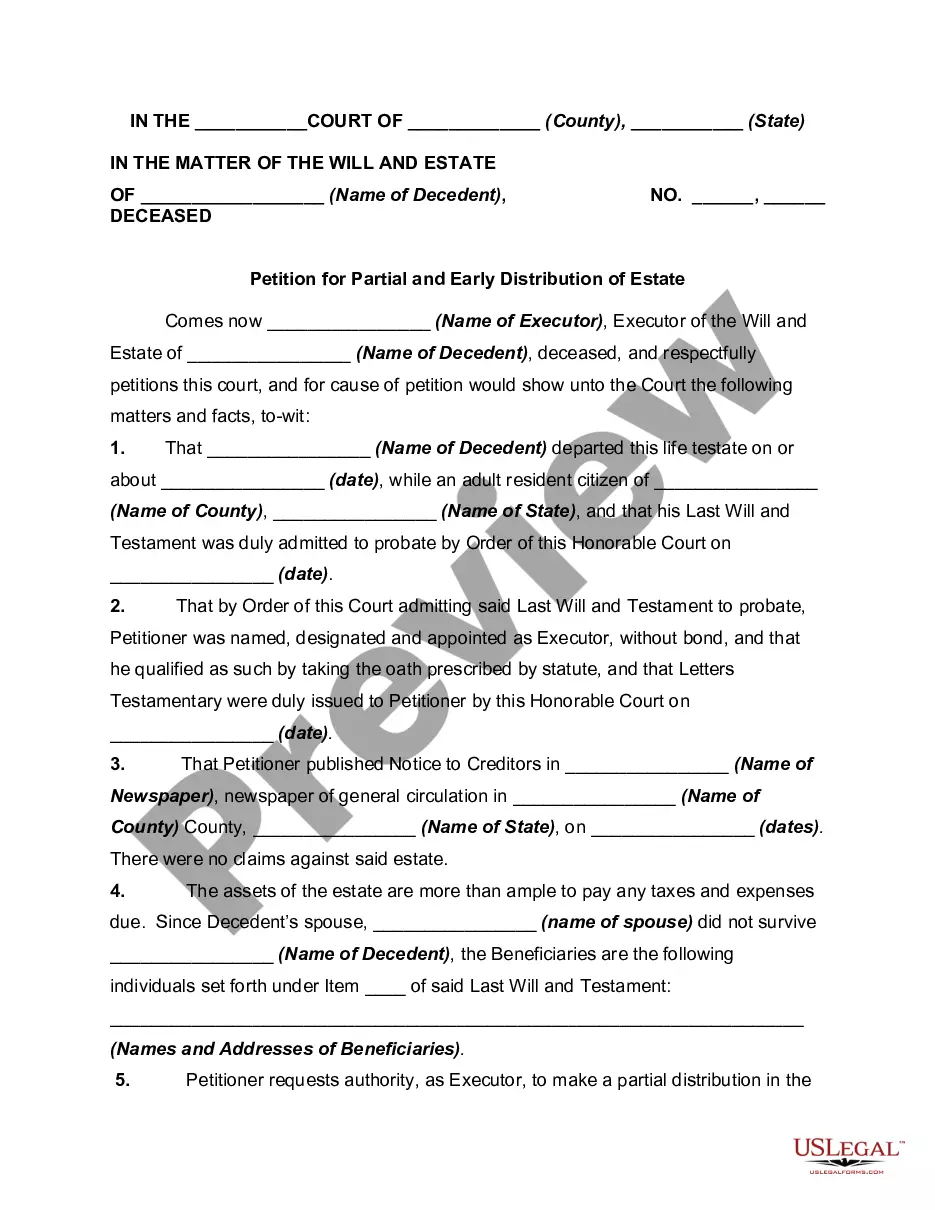
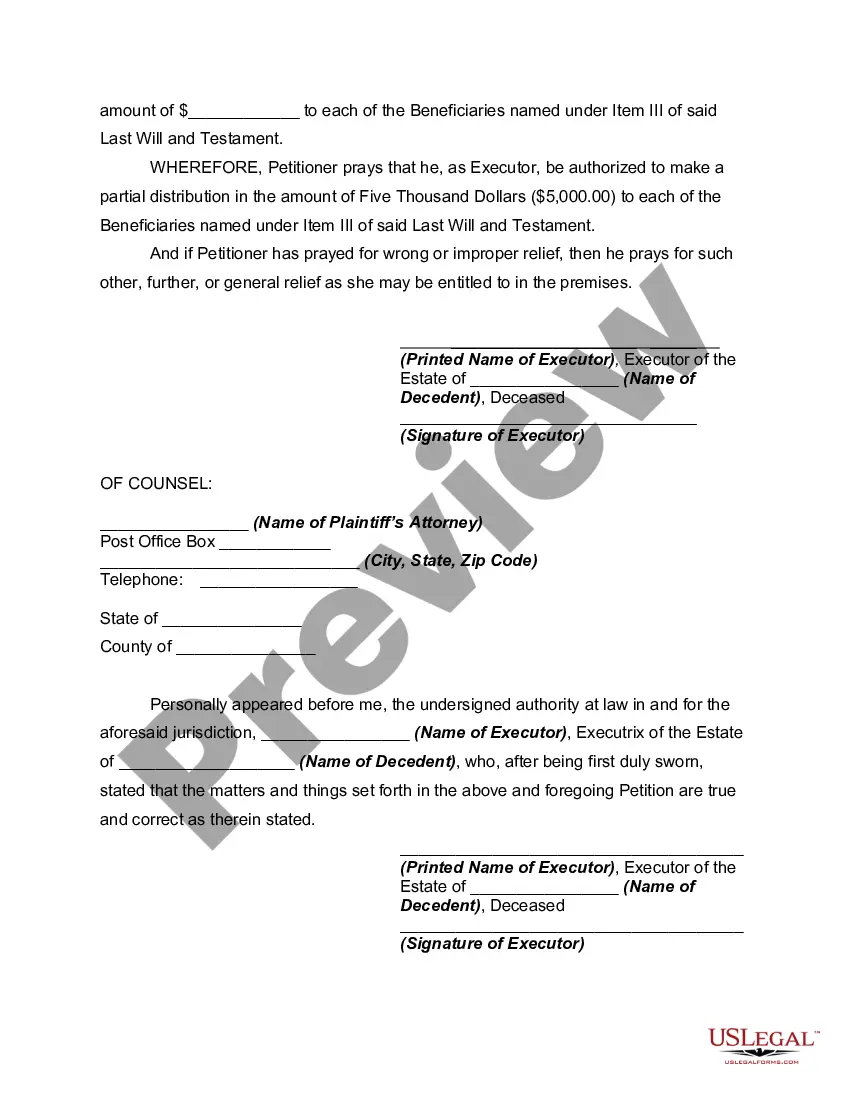
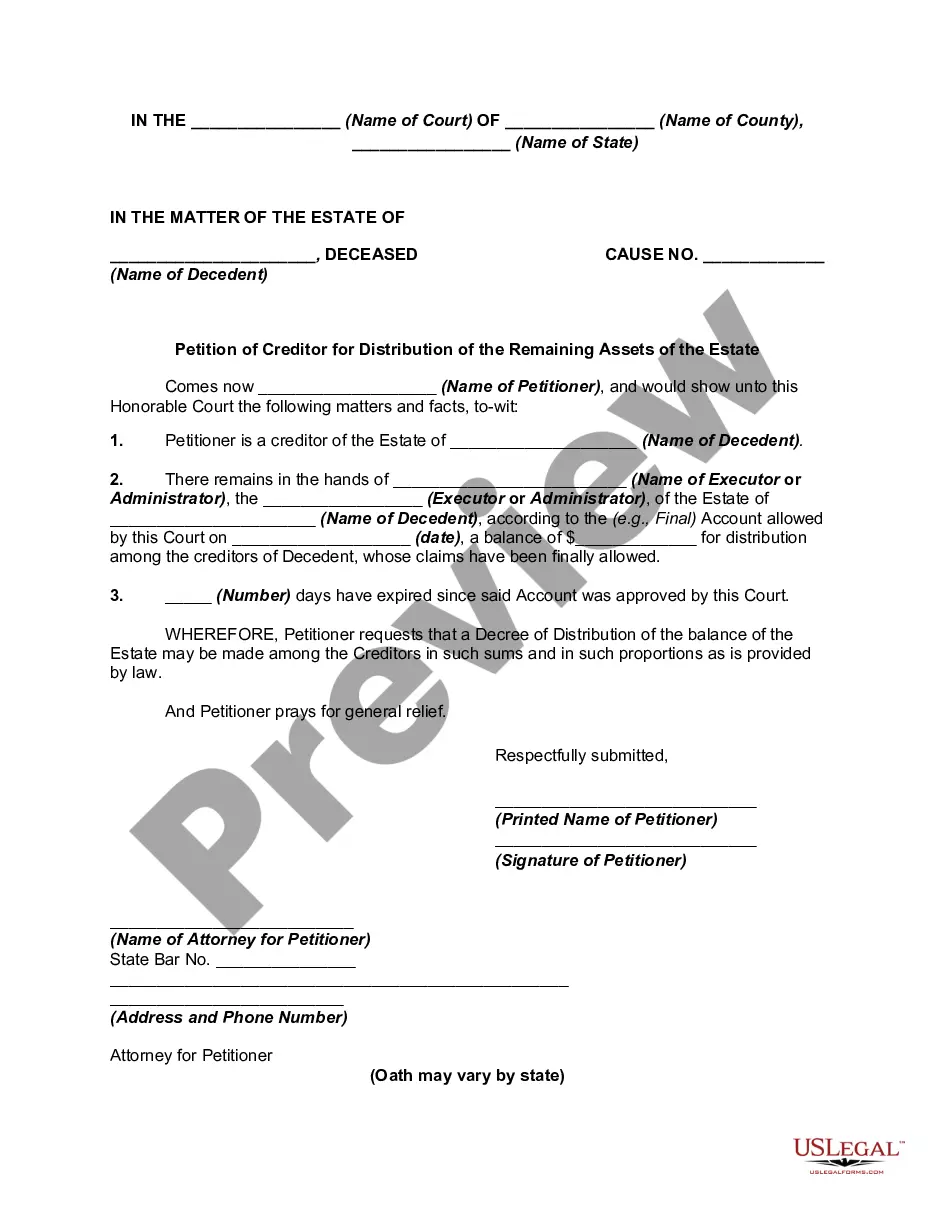
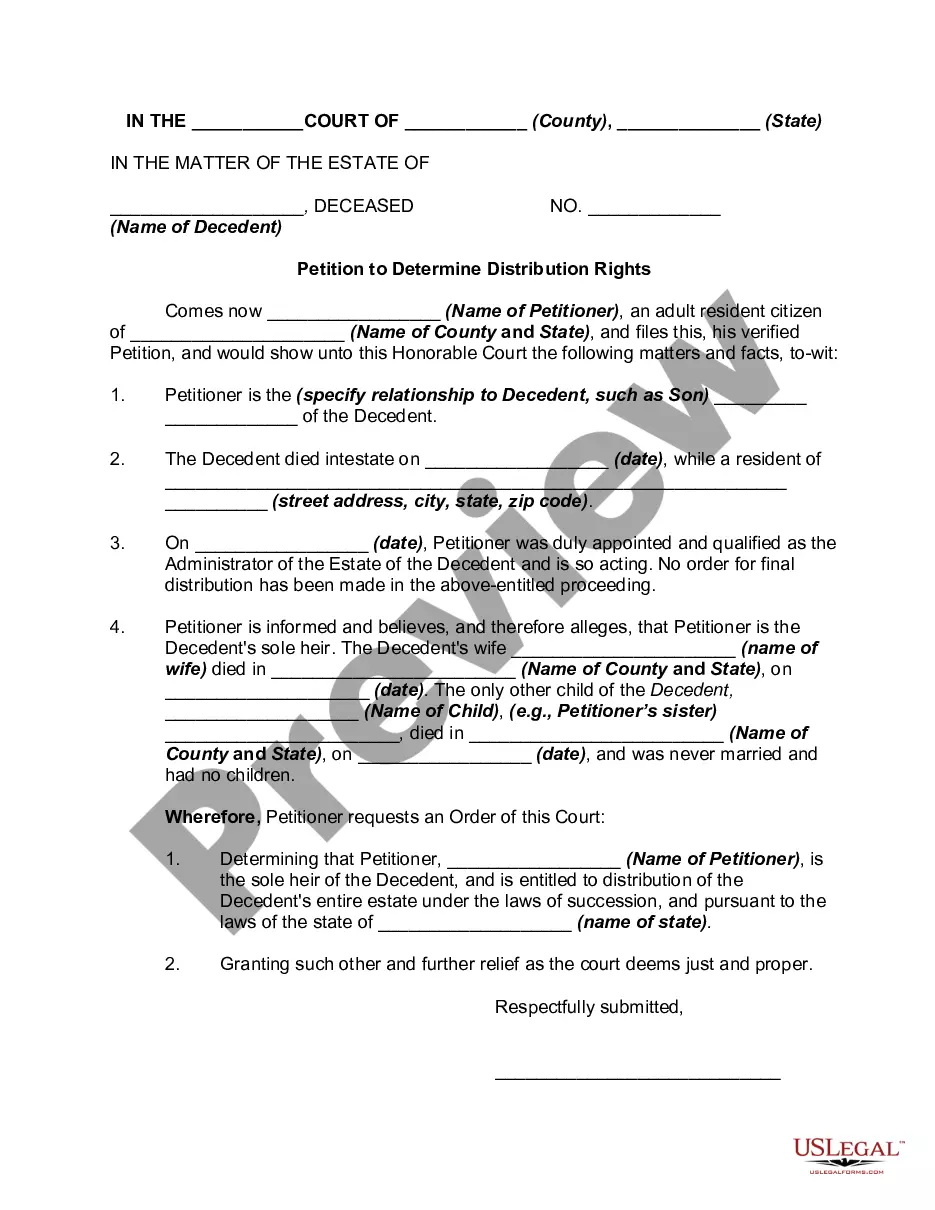
Get your form ready online
Our built-in tools help you complete, sign, share, and store your documents in one place.
Make edits, fill in missing information, and update formatting in US Legal Forms—just like you would in MS Word.
Download a copy, print it, send it by email, or mail it via USPS—whatever works best for your next step.
Sign and collect signatures with our SignNow integration. Send to multiple recipients, set reminders, and more. Go Premium to unlock E-Sign.
If this form requires notarization, complete it online through a secure video call—no need to meet a notary in person or wait for an appointment.
We protect your documents and personal data by following strict security and privacy standards.

Make edits, fill in missing information, and update formatting in US Legal Forms—just like you would in MS Word.

Download a copy, print it, send it by email, or mail it via USPS—whatever works best for your next step.

Sign and collect signatures with our SignNow integration. Send to multiple recipients, set reminders, and more. Go Premium to unlock E-Sign.

If this form requires notarization, complete it online through a secure video call—no need to meet a notary in person or wait for an appointment.

We protect your documents and personal data by following strict security and privacy standards.
Looking for another form?
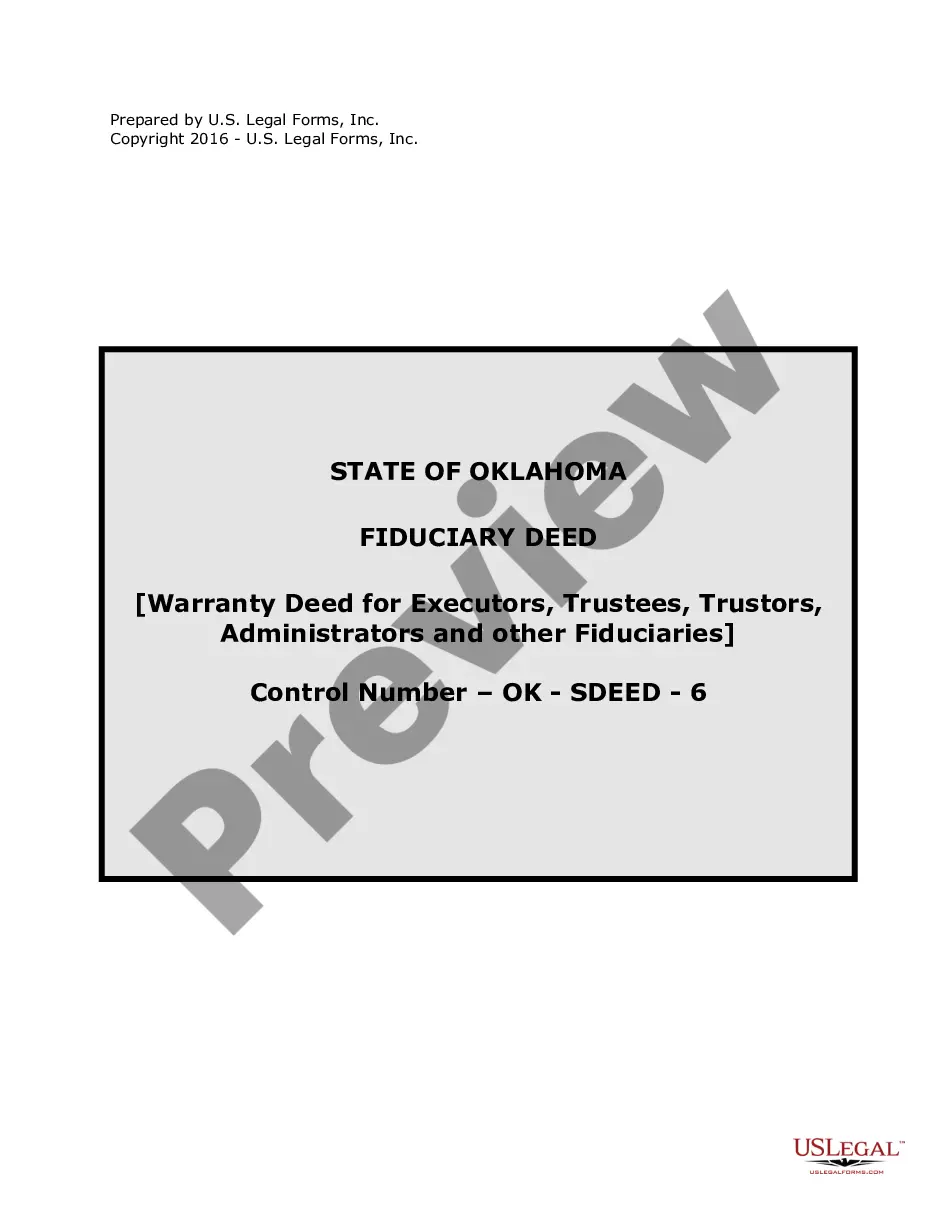


How to fill out Petition For Partial And Early Distribution Of Estate?
- If you're a returning user, log in to your account and ensure your subscription is active before accessing the required form.
- For new users, start by checking the Preview mode and read the description of the estate document to confirm it fits your needs and adheres to your local jurisdiction.
- If you notice discrepancies, utilize the Search tab to find another template that meets your requirements.
- Select the document that matches your needs, then click on the Buy Now button to choose your preferred subscription plan.
- Complete your purchase by entering your payment information, using either credit card details or your PayPal account.
- Finally, download the form to your device, making it accessible through the My Forms section of your profile at any time.
US Legal Forms stands out with its extensive library of over 85,000 legal templates, providing more options than its competitors at a similar cost.
In conclusion, obtaining your estate document through US Legal Forms is straightforward and efficient. Start simplifying your legal processes today!
Form popularity
FAQ
To prove you are the executor of an estate, you can present the official estate document known as the will or the order of appointment from the court. These documents verify your authority to act on behalf of the estate and manage its assets. If you need assistance in preparing or understanding these documents, US Legal Forms can be a valuable resource.
Beneficiaries generally do need to approve estate accounts before closures. This ensures that all transactions and distributions have been correctly handled and documented in the estate document. Approval from beneficiaries protects the executor as well and helps prevent future disputes. For clarity and efficiency, consider using resources from US Legal Forms to help organize and manage these approvals properly.
Yes, an executor must provide accounting to the beneficiaries of the estate document. This accounting should include income, expenses, and distributions made during the administration of the estate. It serves to ensure that beneficiaries are informed about the estate’s financial status and builds accountability. Leveraging US Legal Forms can streamline the preparation of these documents.
Typically, the beneficiaries of the estate document have the right to approve the estate accounts. The executor must provide a detailed accounting of all transactions, which allows beneficiaries to understand how finances were managed. This transparency is crucial for maintaining trust among all parties. If there are questions about this process, US Legal Forms offers templates and guidance to assist in these matters.
When beneficiaries cannot agree, the estate may face delays and complications. In such cases, the executor may seek to mediate a resolution or, if necessary, involve a court to help make a determination. It is essential that all actions taken document the decisions made to protect everyone’s interests. Resources from US Legal Forms can assist in managing these disputes efficiently.
An executor typically cannot sell estate property without getting approval from the beneficiaries. The law requires that beneficiaries are informed and often need to agree prior to significant actions involving the estate document. It helps maintain transparency and prevents potential conflicts. Utilizing platforms like US Legal Forms can simplify the process of documenting these agreements.
The executor needs various documents to effectively manage the estate, including the death certificate and the will. Other essential estate documents might include bank statements, real estate deeds, and any outstanding debts. Having these documents organized ensures the executor can meet their responsibilities efficiently.
A small estate refers to an estate that meets the specific value limit set by state law, allowing for a simpler probate process. In contrast, a probate estate encompasses all assets that must undergo the court's probate process, regardless of their value. Understanding the distinction can ease the estate administration process and help in choosing the right estate document.
Completing a small estate affidavit involves detailing the estate's assets and confirming the value is below the state's limit. Start with the required estate documents, such as ownership proof and debts owed. Ensure that all information is accurate, as inaccuracies may lead to delays in the settlement process.
To fill out a small estate form, first confirm that the estate's value meets your state’s small estate threshold. Then, gather necessary estate documents, including assets and debts, and accurately complete each section of the form. Following the guidelines provided by your state ensures that the small estate form is compliant, and you can find helpful templates at US Legal Forms.