Estate Distribution Account With Spouse
Description
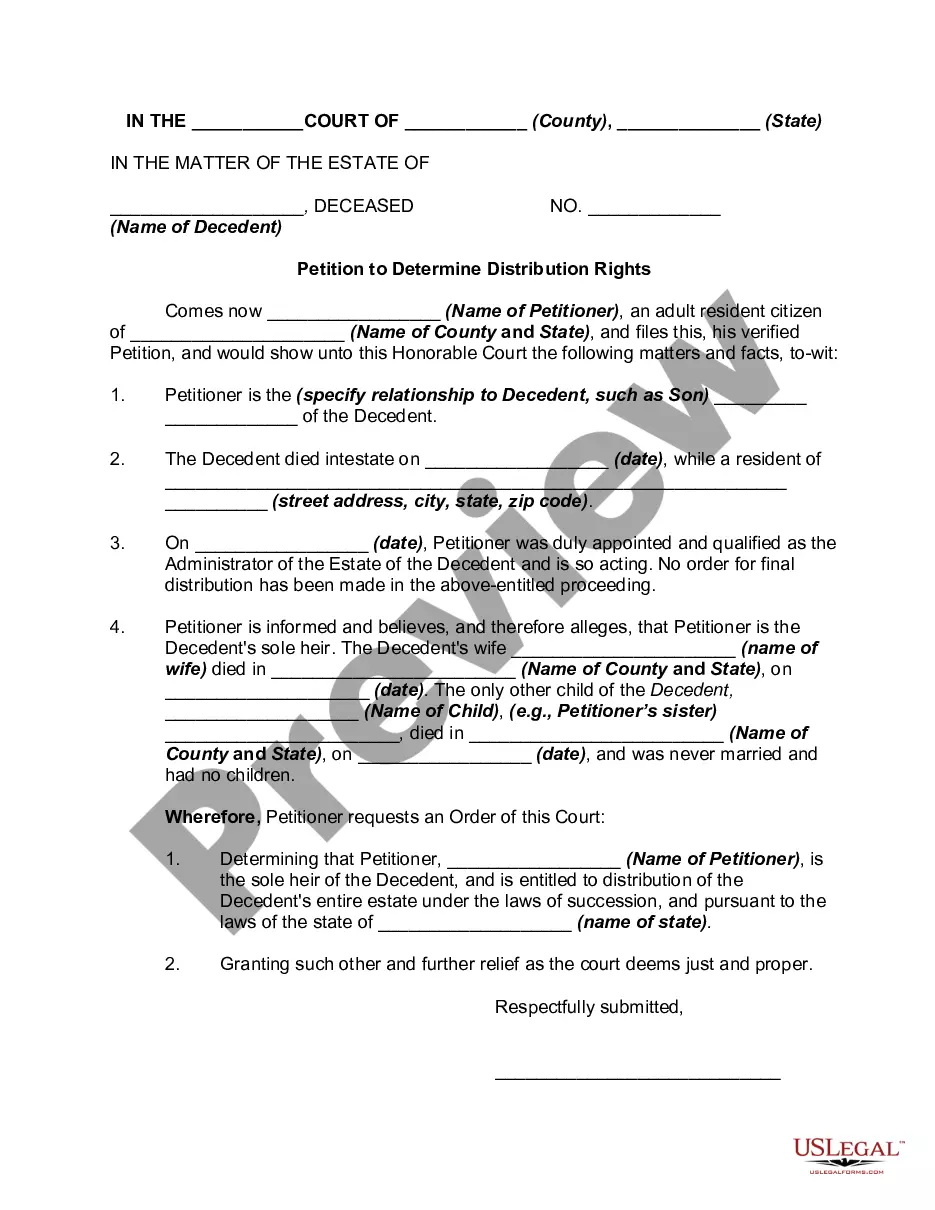
Get your form ready online
Our built-in tools help you complete, sign, share, and store your documents in one place.
Make edits, fill in missing information, and update formatting in US Legal Forms—just like you would in MS Word.
Download a copy, print it, send it by email, or mail it via USPS—whatever works best for your next step.
Sign and collect signatures with our SignNow integration. Send to multiple recipients, set reminders, and more. Go Premium to unlock E-Sign.
If this form requires notarization, complete it online through a secure video call—no need to meet a notary in person or wait for an appointment.
We protect your documents and personal data by following strict security and privacy standards.

Make edits, fill in missing information, and update formatting in US Legal Forms—just like you would in MS Word.

Download a copy, print it, send it by email, or mail it via USPS—whatever works best for your next step.

Sign and collect signatures with our SignNow integration. Send to multiple recipients, set reminders, and more. Go Premium to unlock E-Sign.

If this form requires notarization, complete it online through a secure video call—no need to meet a notary in person or wait for an appointment.

We protect your documents and personal data by following strict security and privacy standards.
Looking for another form?
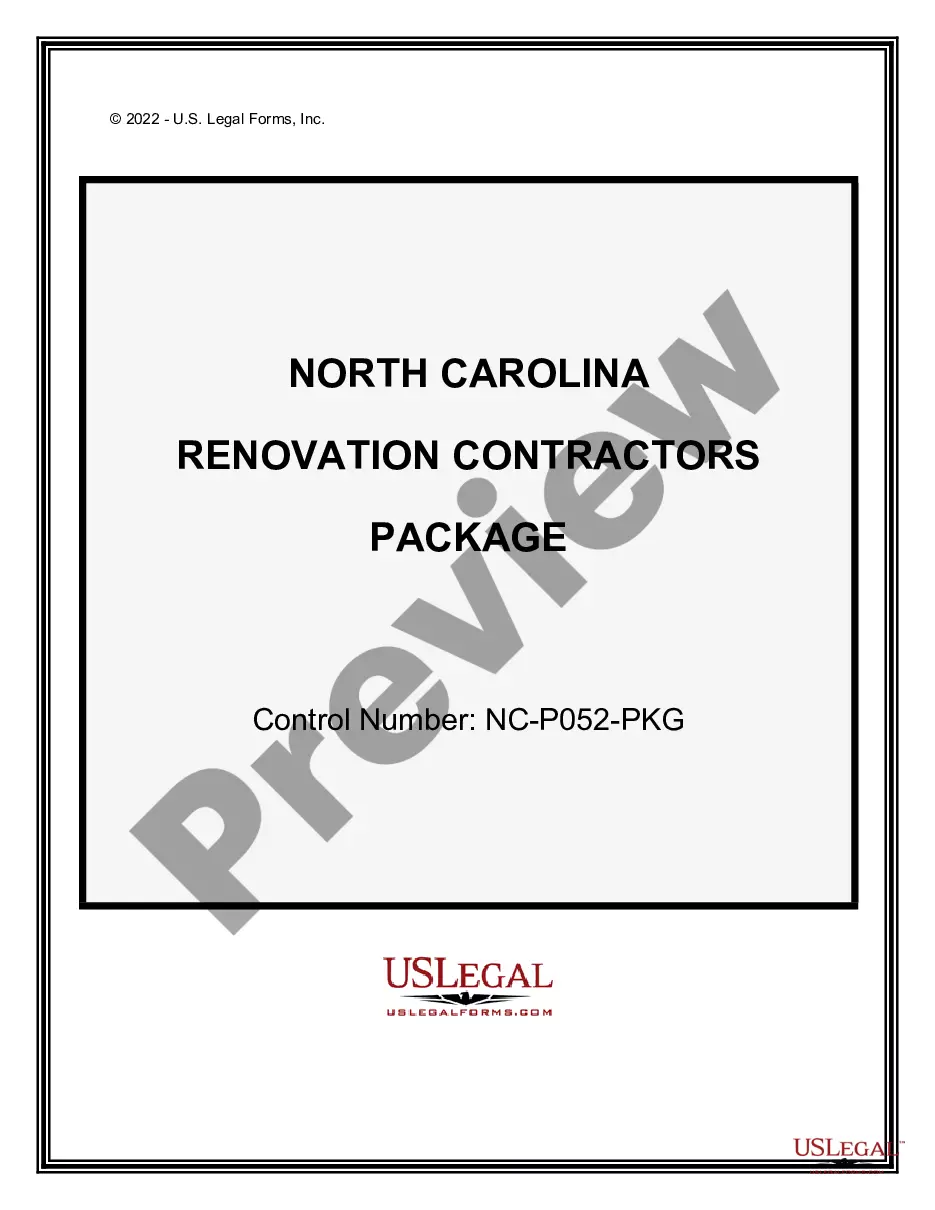



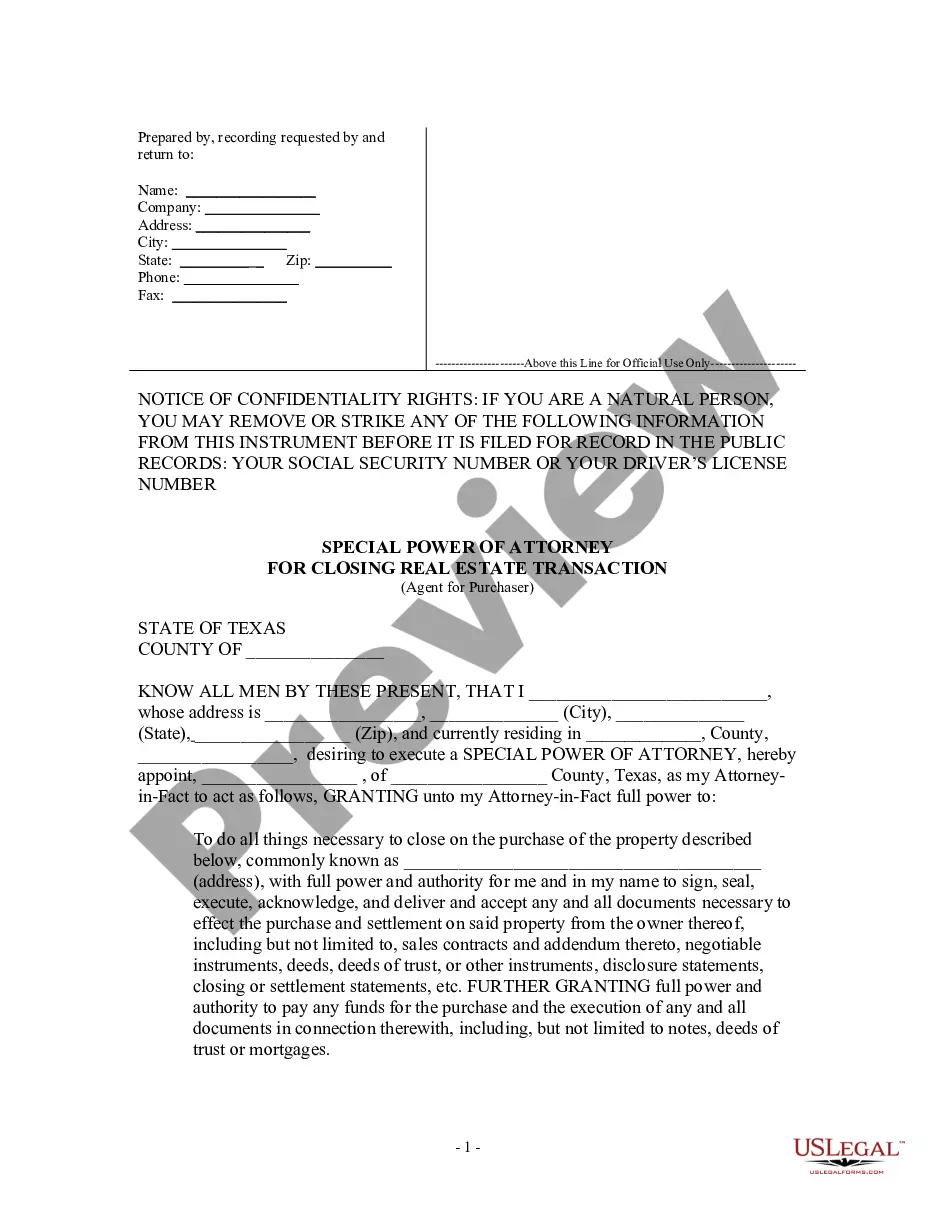


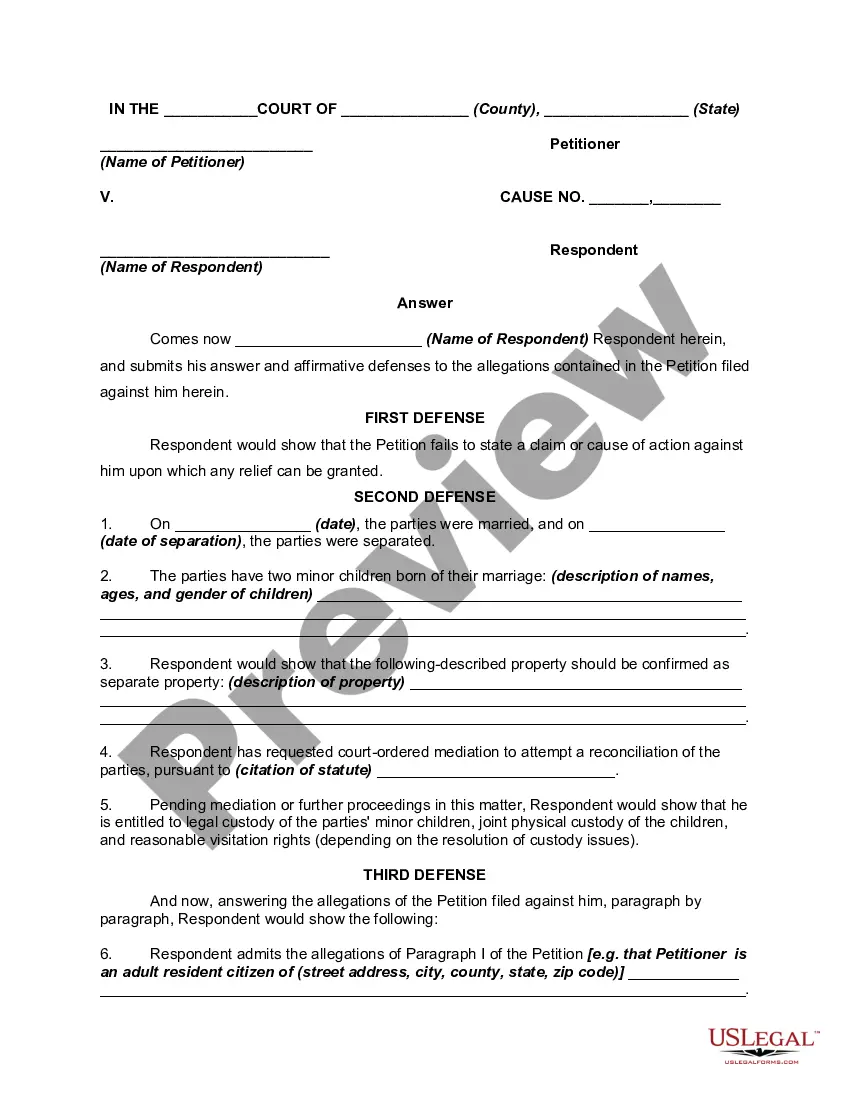
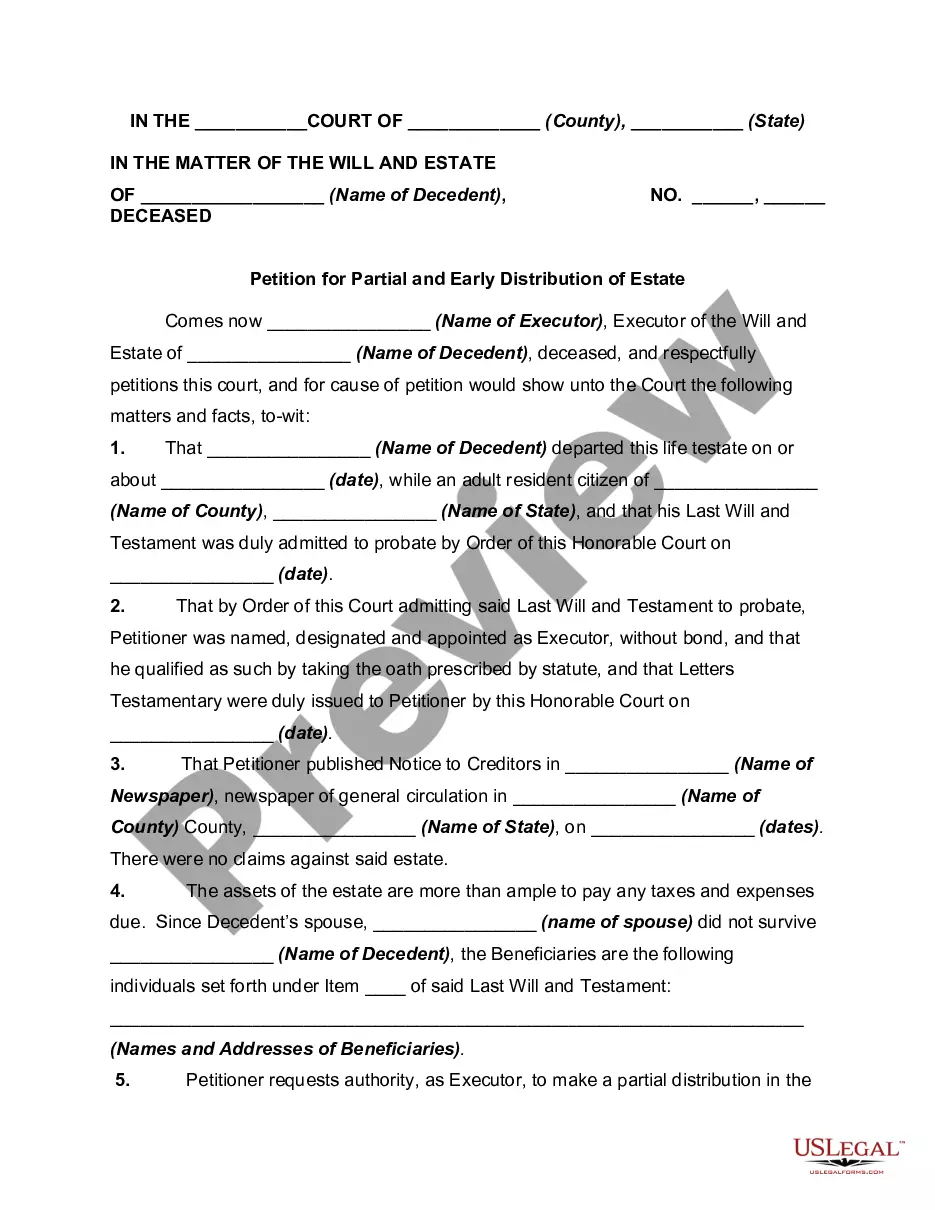
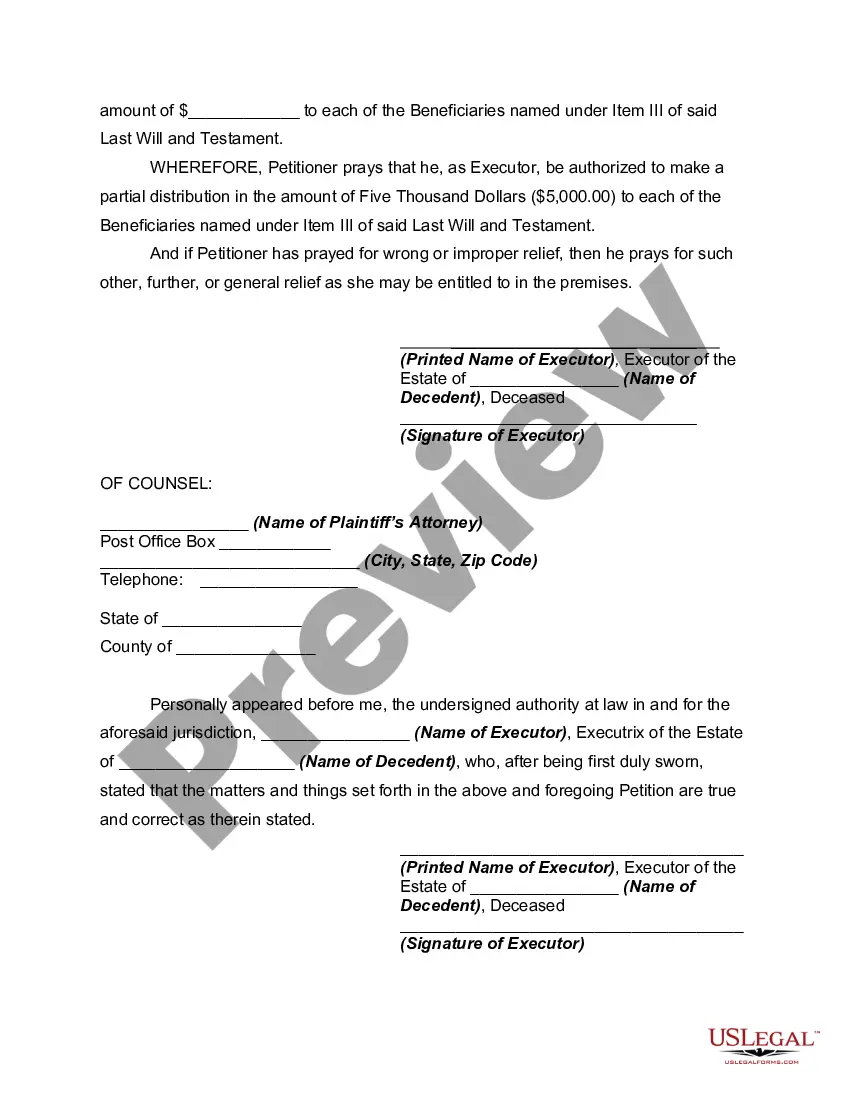
How to fill out Petition For Partial And Early Distribution Of Estate?
It’s well known that you cannot instantly become a legal expert, nor can you swiftly learn how to prepare an Estate Distribution Account With Spouse without having a specialized background.
Compiling legal documents is a lengthy process that demands specific training and abilities. So why not entrust the preparation of the Estate Distribution Account With Spouse to the experts.
With US Legal Forms, one of the most extensive libraries of legal templates, you can find everything from court documents to templates for internal business communication. We understand how essential compliance and adherence to federal and state regulations are. Therefore, all forms on our site are location-specific and current.
- Begin with our website to obtain the document you require in just a few minutes.
- Utilize the search bar at the top of the page to locate the form you need.
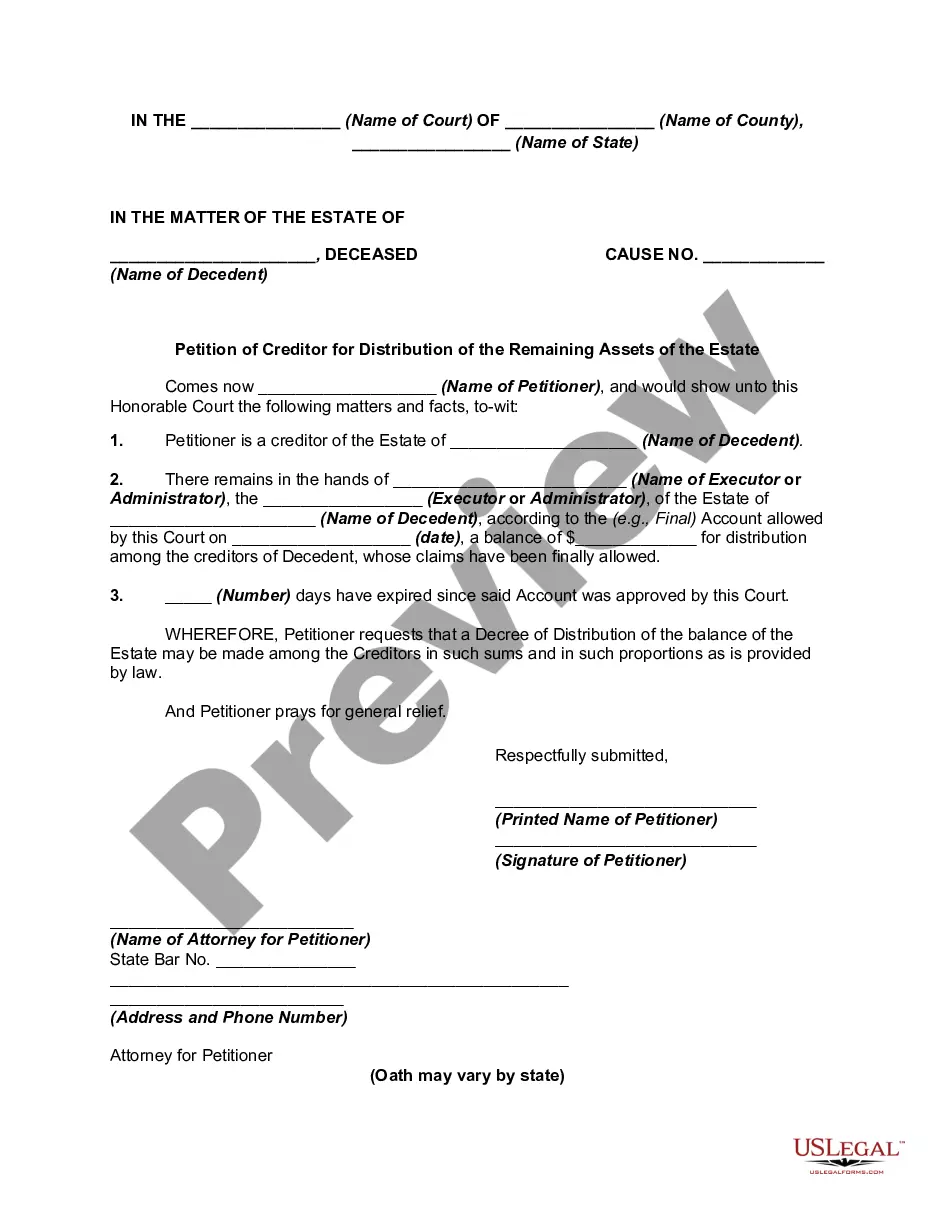
- If available, preview it and read the accompanying description to assess whether the Estate Distribution Account With Spouse meets your needs.
- If you require another template, restart your search.
- Create a free account and select a subscription plan to acquire the form.
Form popularity
FAQ
Automatic transfer of an estate to a spouse does depend on whether you have a will in place. If you pass without a will, state intestacy laws will determine how your estate is divided, often favoring the spouse. This is where having an estate distribution account with spouse becomes essential.
Yes, joint ownership of an account overrides a Will. The joint ownership will be effective over and supersede any directions in your Last Will and Testament regarding a specific account and how those assets are divided.
Report income distributions to beneficiaries and to the IRS on Schedule K-1 (Form 1041). For calendar year estates and trusts, file Form 1041 and Schedule(s) K-1 on or before April 15 of the following year.
The Spouse Is the Automatic Beneficiary for Married People A spouse always receives half the assets of an ERISA-governed account unless he or she has completed a Spousal Waiver and another person or entity (such as an estate or trust) is listed as a beneficiary.
Broadly speaking, if the account has what is termed the ?right of survivorship,? all the funds pass directly to the surviving owner. If not, the share of the account belonging to the deceased owner is distributed through his or her estate.
Joint Bank Account Rules on Death "The joint owner becomes the legal and equitable owner of all funds in a joint account at the instant of death," says Doehring. "It does not become part of the probate estate."