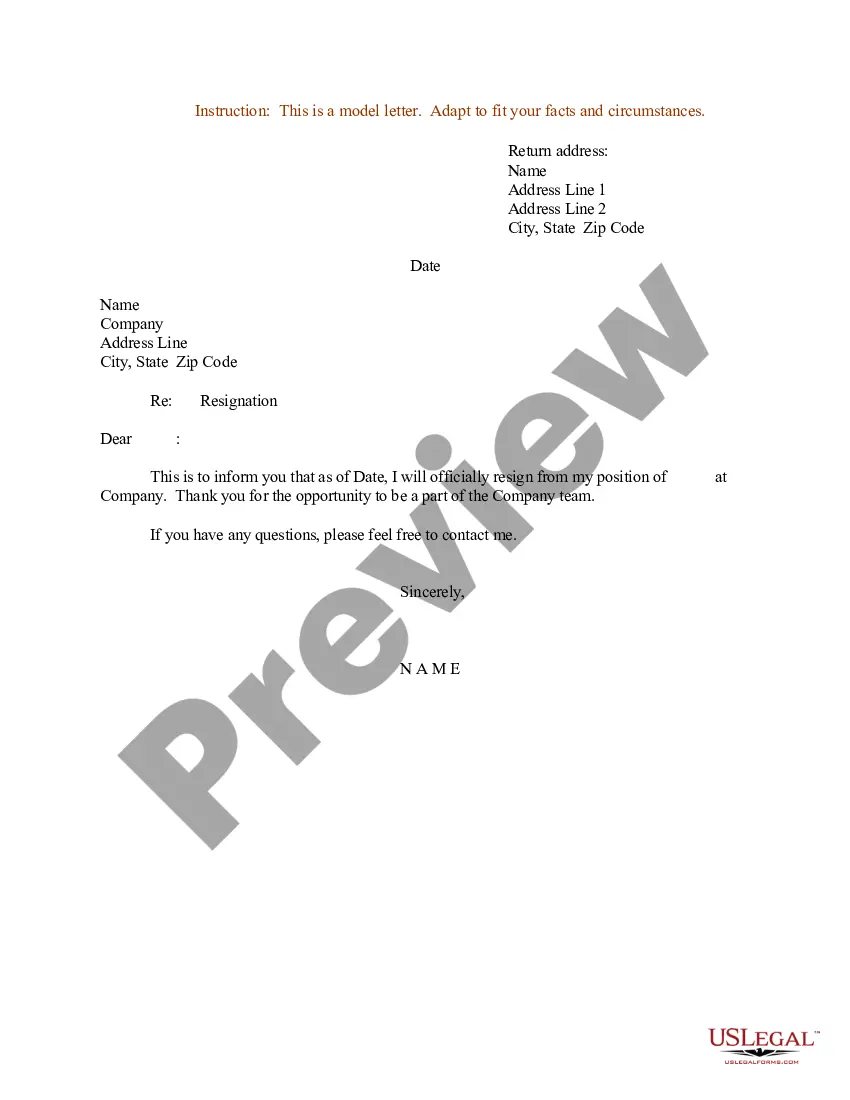
Resignation Letter for Constructive Dismissal
What this document covers
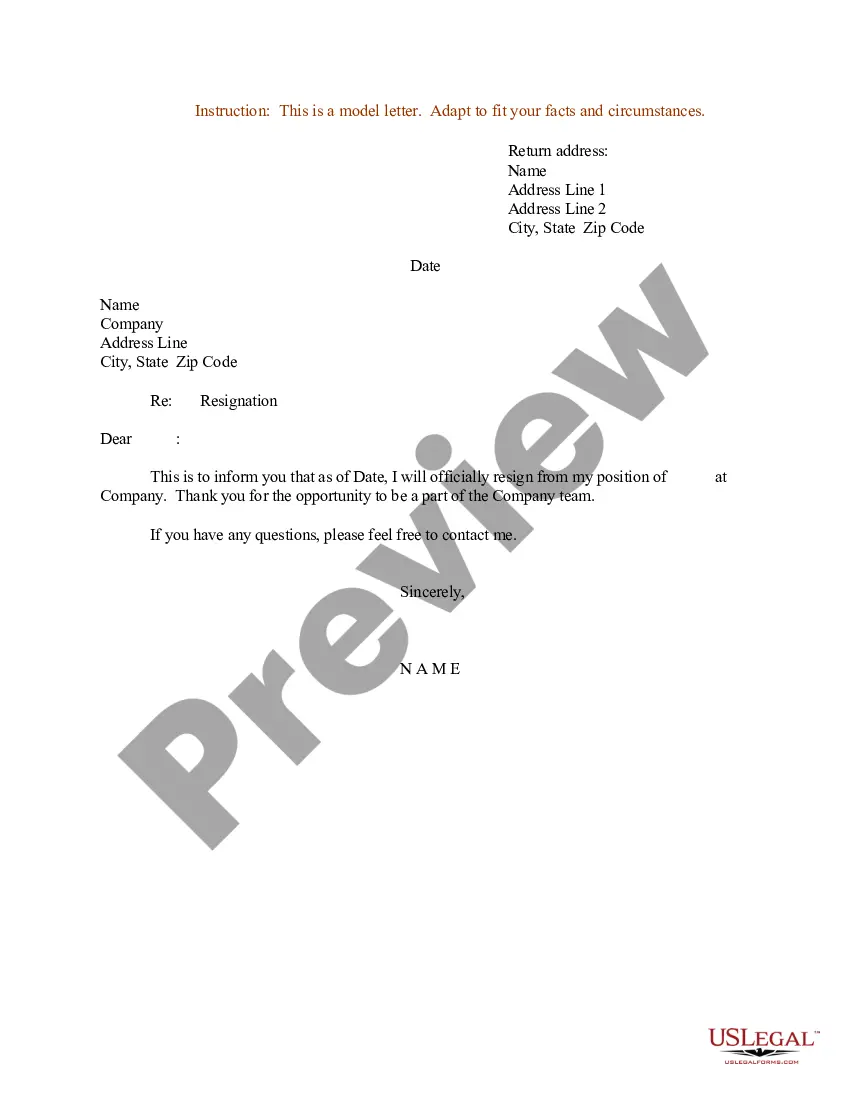
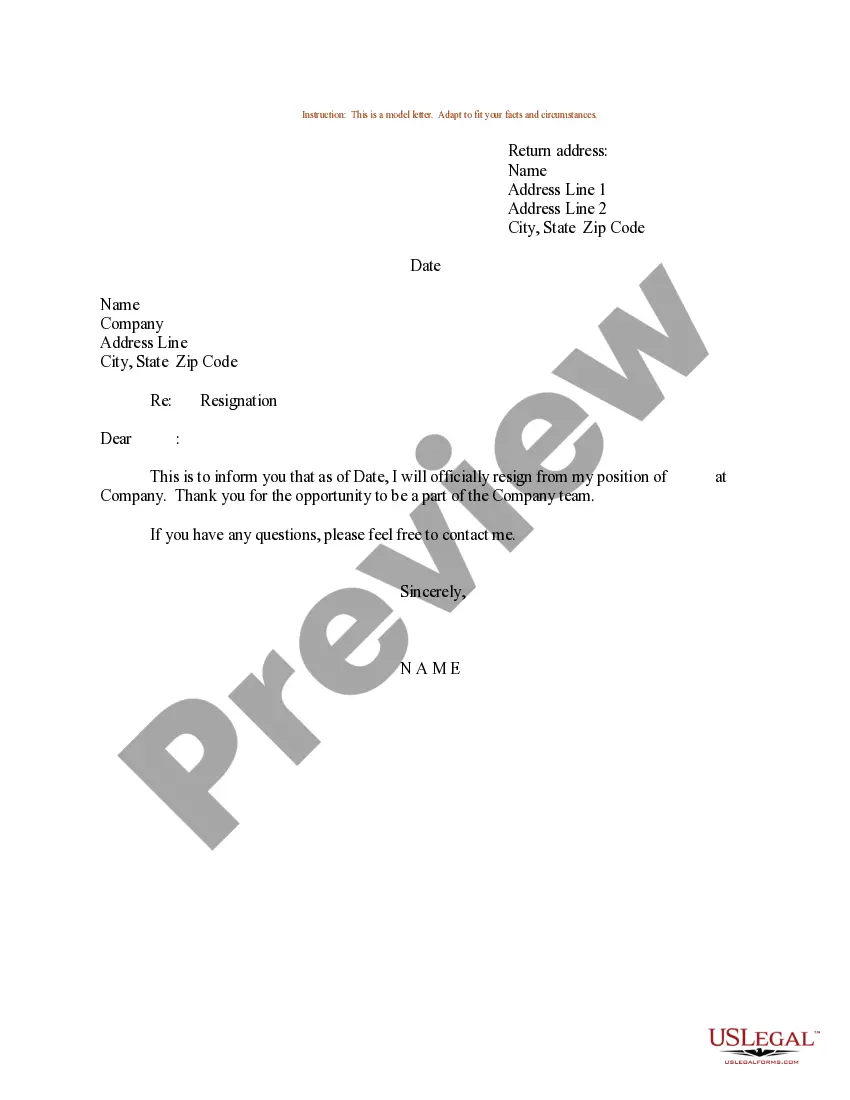
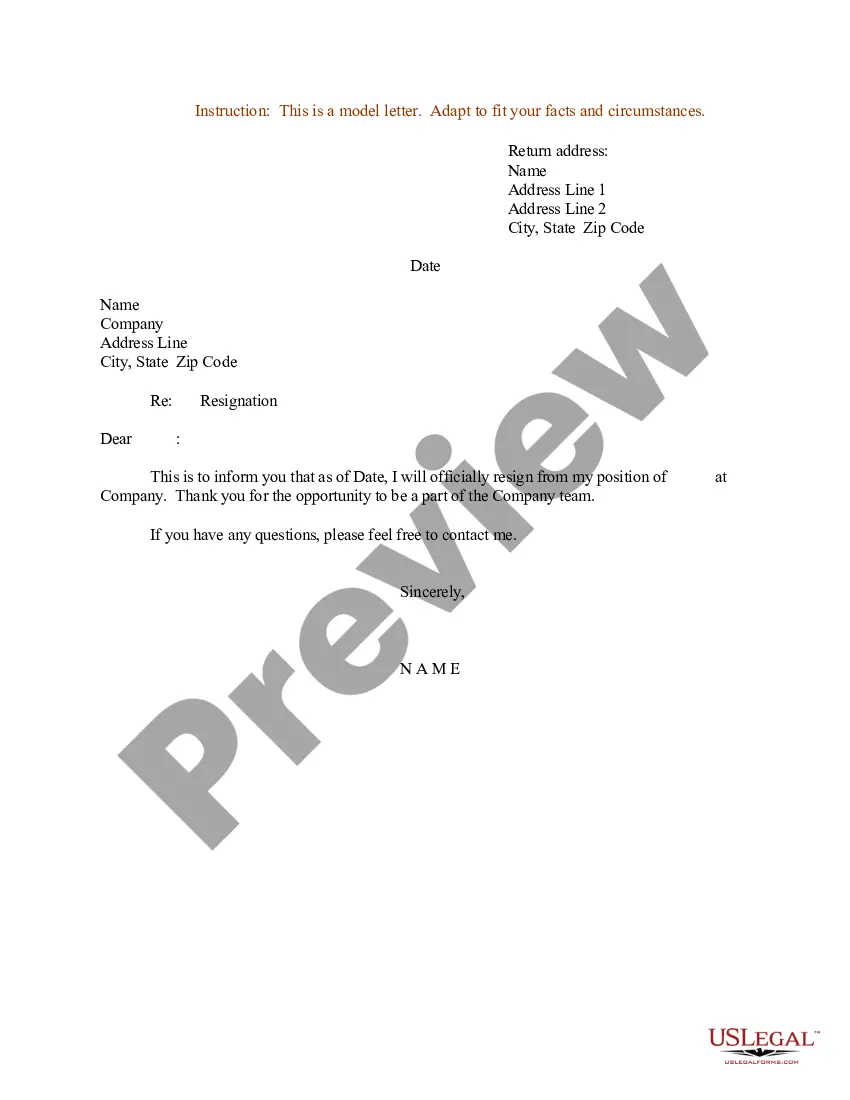
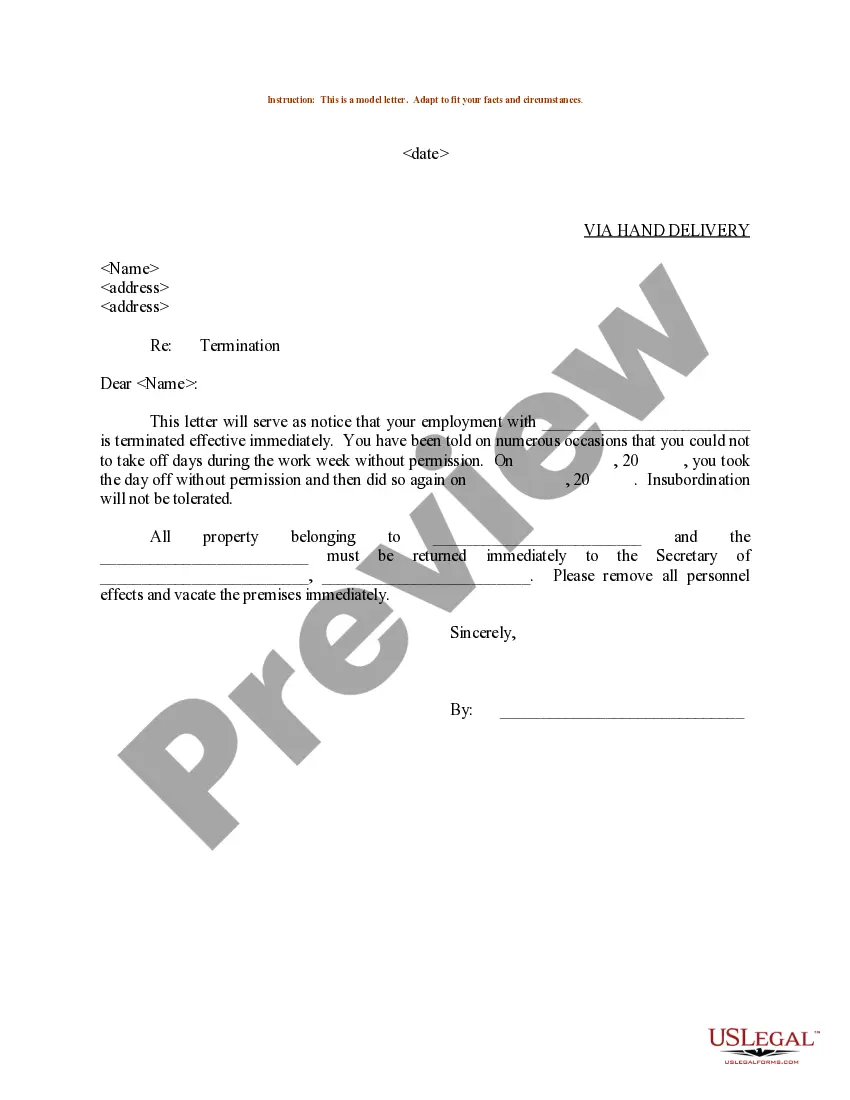
The resignation letter for constructive dismissal is a formal letter a resigning employee sends to their employer when they believe they have been forced to quit due to intolerable working conditions. This form addresses specific grievances and asserts the resignation as a response to those conditions, differing from a standard resignation letter, which typically does not include reasons for leaving.
Key parts of this document
- Return address: Includes the employee's address and date of the letter.
- Employer's address: The company name and address of the supervisor or HR representative.
- Subject line: Clearly indicates that it is a resignation letter.
- Explanation of resignation: A brief but clear statement of the reasons for the resignation based on constructive dismissal.
- Signature: Space for the employee's name and date to validate the letter.

When this form is needed
This form should be used when an employee feels they have no choice but to resign due to poor working conditions, harassment, or other forms of constructive dismissal. It is critical to document the reasons for resignation to support any future claims or legal actions regarding the employment situation.
Who can use this document
This form is intended for employees who:
- Believe they are facing constructive dismissal in their workplace.
- Want to formally communicate their resignation while citing specific grievances.
- Are seeking to protect their rights in relation to their employment termination.
How to complete this form
- Identify the parties: Fill in your name and address at the top, followed by the employer's name and address.
- Enter the date: Clearly write the date you are sending the letter.
- Specify the subject: Include a subject line that states this is a resignation letter.
- Explain your reasons: Clearly outline the reasons for your resignation based on constructive dismissal.
- Sign the letter: Include your name at the end to make the letter legally binding.
Does this document require notarization?
This form does not typically require notarization unless specified by local law. Ensure to check your jurisdiction for any additional requirements.
Get your form ready online
Our built-in tools help you complete, sign, share, and store your documents in one place.
Make edits, fill in missing information, and update formatting in US Legal Forms—just like you would in MS Word.
Download a copy, print it, send it by email, or mail it via USPS—whatever works best for your next step.
Sign and collect signatures with our SignNow integration. Send to multiple recipients, set reminders, and more. Go Premium to unlock E-Sign.
If this form requires notarization, complete it online through a secure video call—no need to meet a notary in person or wait for an appointment.
We protect your documents and personal data by following strict security and privacy standards.

Make edits, fill in missing information, and update formatting in US Legal Forms—just like you would in MS Word.

Download a copy, print it, send it by email, or mail it via USPS—whatever works best for your next step.

Sign and collect signatures with our SignNow integration. Send to multiple recipients, set reminders, and more. Go Premium to unlock E-Sign.

If this form requires notarization, complete it online through a secure video call—no need to meet a notary in person or wait for an appointment.

We protect your documents and personal data by following strict security and privacy standards.
Avoid these common issues
- Not stating the reasons clearly, which may weaken your position.
- Failing to keep a copy for personal records.
- Not sending the letter to the correct person or department.
- Ignoring formatting, such as proper addresses and salutations.
Why use this form online
- Convenient access to legally vetted templates that save time.
- Editability allows customization to suit individual circumstances.
- Reliability ensures that the letter meets legal standards and requirements.
Looking for another form?

Form popularity
FAQ
Clearly state that you are resigning. Outline your reasons for resigning. State the date on which your resignation is to take effect and, where this is not immediate, your reasons for any delay. Address any additional practical matters within the letter to avoid any further correspondence on these issues.
If your employer has done something that seriously breaches your contract, you might be able to resign and make a claim to an employment tribunal. This is called constructive dismissal. To be successful you'll need to prove your employer seriously breached your contract and that you resigned in response to it.
You will ordinarily receive: Five week's pay for each full year worked if you are under 22 years of age. One week's pay for each full year worked if aged between 22 and 41 years of age. Five week's pay for each full year worked if you are 41 years of age or older.
Unexpected reductions in pay, or not being paid when expected, without any reasonable explanation or notice. A sudden demotion without reason. Unfair and unfounded allegations of poor performance. Unreasonable disciplinary procedures; especially when they are for so-called offences not covered in any employee handbook.
The resignation letter of an employee looking to make a claim of constructive dismissal should include a statement in which the employee explains how they feel they have no other choice but to resign. It is also a good idea for an employee to give the employer clear reason(s) for their resignation.
Yes, you do. You must have terminated the contract by resigning. When you resign, you should spell out in your resignation letter that you are leaving your job because of the employer's fundamental breach of the employment contract.
Format and Content The most businesslike and formal constructive discharge resignation letter format will include a brief statement of your resignation with the exact effective date, contact details and an expression of your thanks for experience earned, if desired.
If you resign because your employer's behaviour towards you amounts to a fundamental (i.e. very serious) breach of contract, you could claim constructive dismissal.The treatment you have received must be so serious that a tribunal is likely to agree with you that it goes to the root of your employment contract.