Estate Distribution Account For Roughly
Description
Get your form ready online
Our built-in tools help you complete, sign, share, and store your documents in one place.
Make edits, fill in missing information, and update formatting in US Legal Forms—just like you would in MS Word.
Download a copy, print it, send it by email, or mail it via USPS—whatever works best for your next step.
Sign and collect signatures with our SignNow integration. Send to multiple recipients, set reminders, and more. Go Premium to unlock E-Sign.
If this form requires notarization, complete it online through a secure video call—no need to meet a notary in person or wait for an appointment.
We protect your documents and personal data by following strict security and privacy standards.

Make edits, fill in missing information, and update formatting in US Legal Forms—just like you would in MS Word.

Download a copy, print it, send it by email, or mail it via USPS—whatever works best for your next step.

Sign and collect signatures with our SignNow integration. Send to multiple recipients, set reminders, and more. Go Premium to unlock E-Sign.

If this form requires notarization, complete it online through a secure video call—no need to meet a notary in person or wait for an appointment.

We protect your documents and personal data by following strict security and privacy standards.
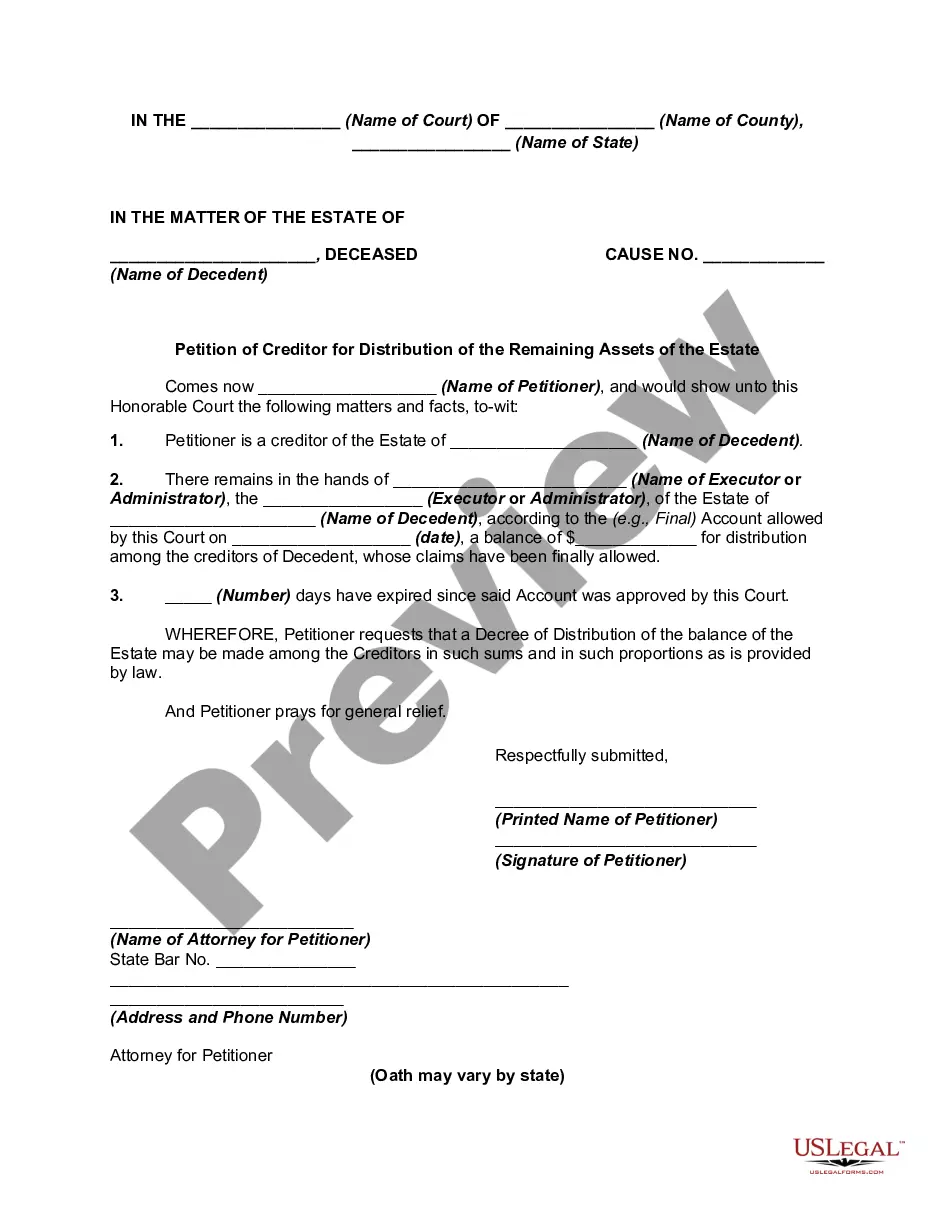
Looking for another form?



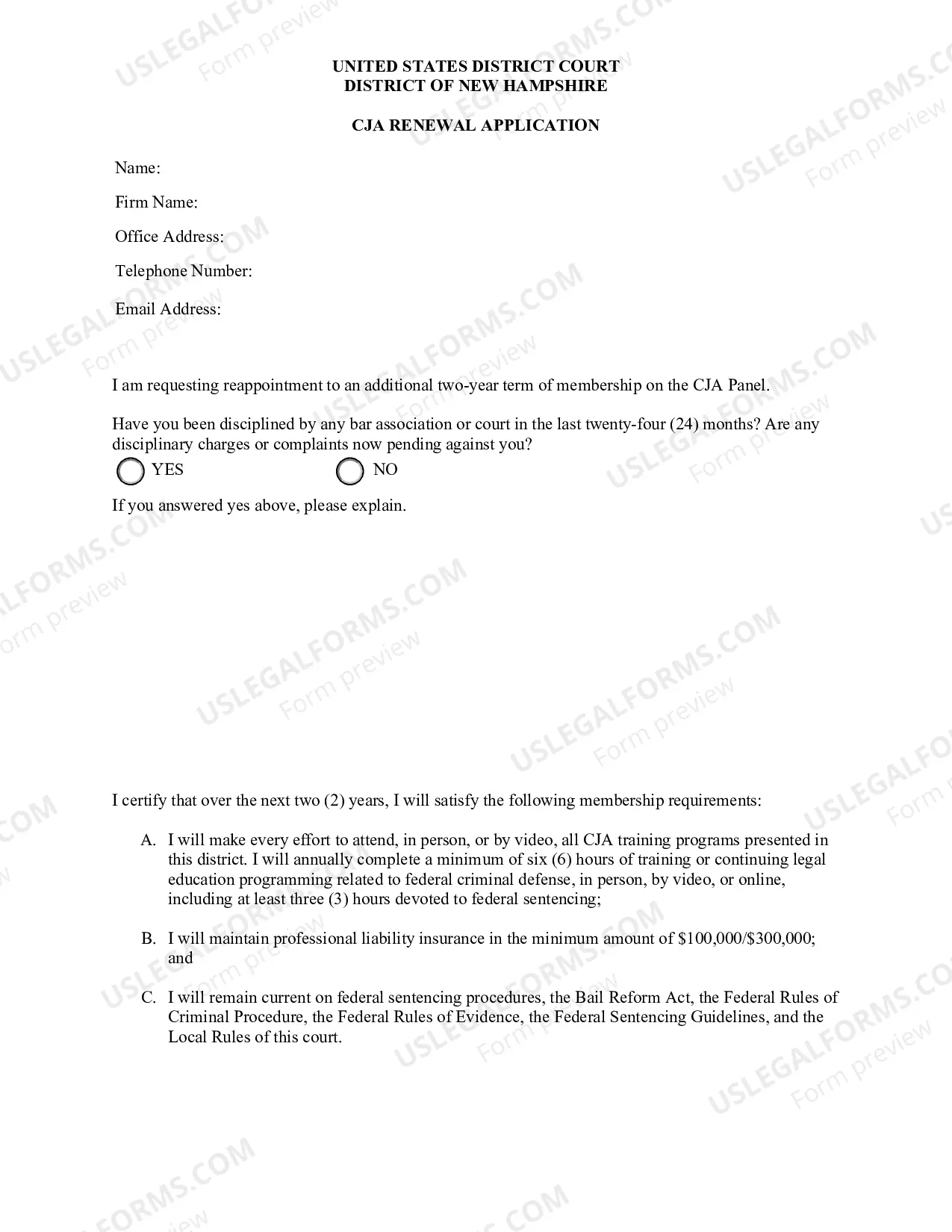




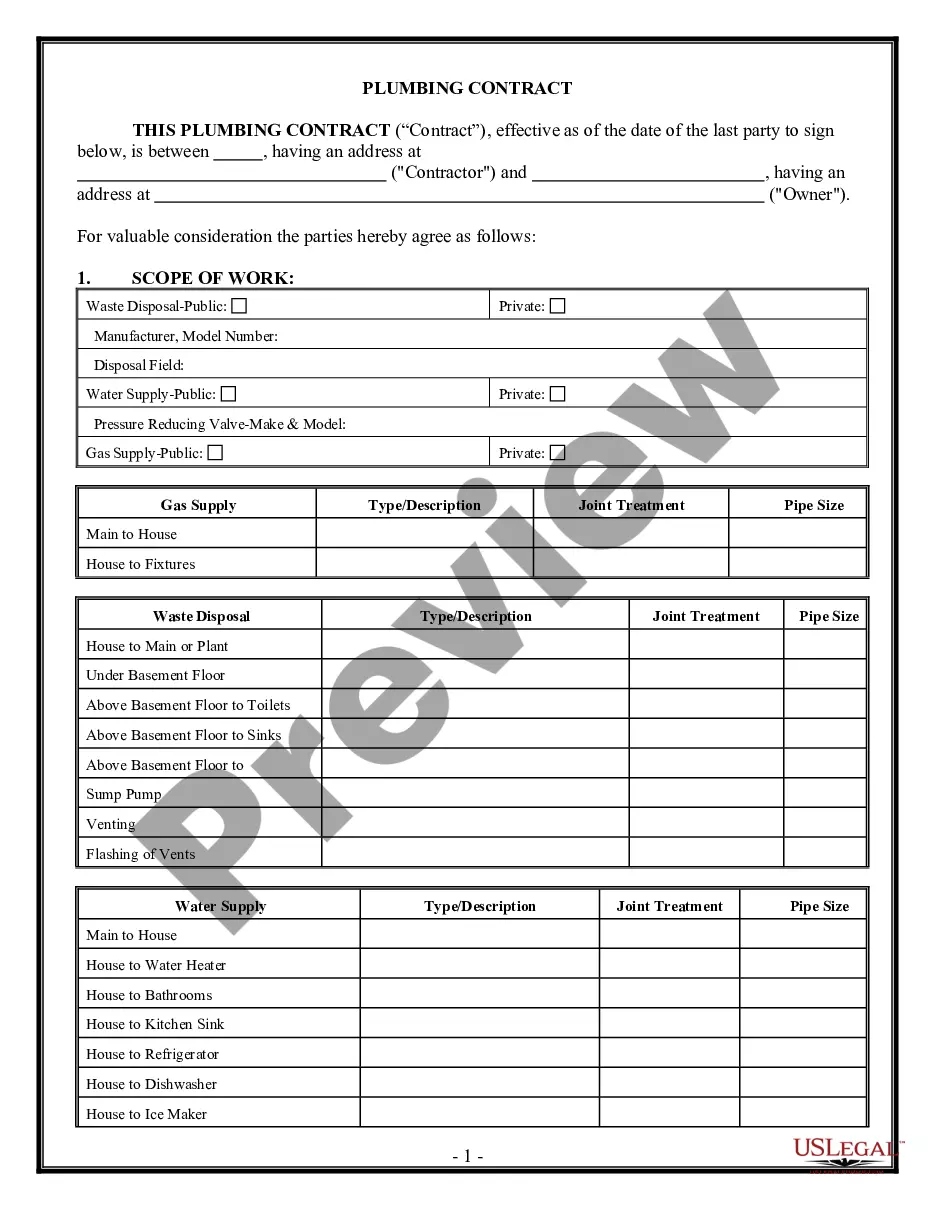
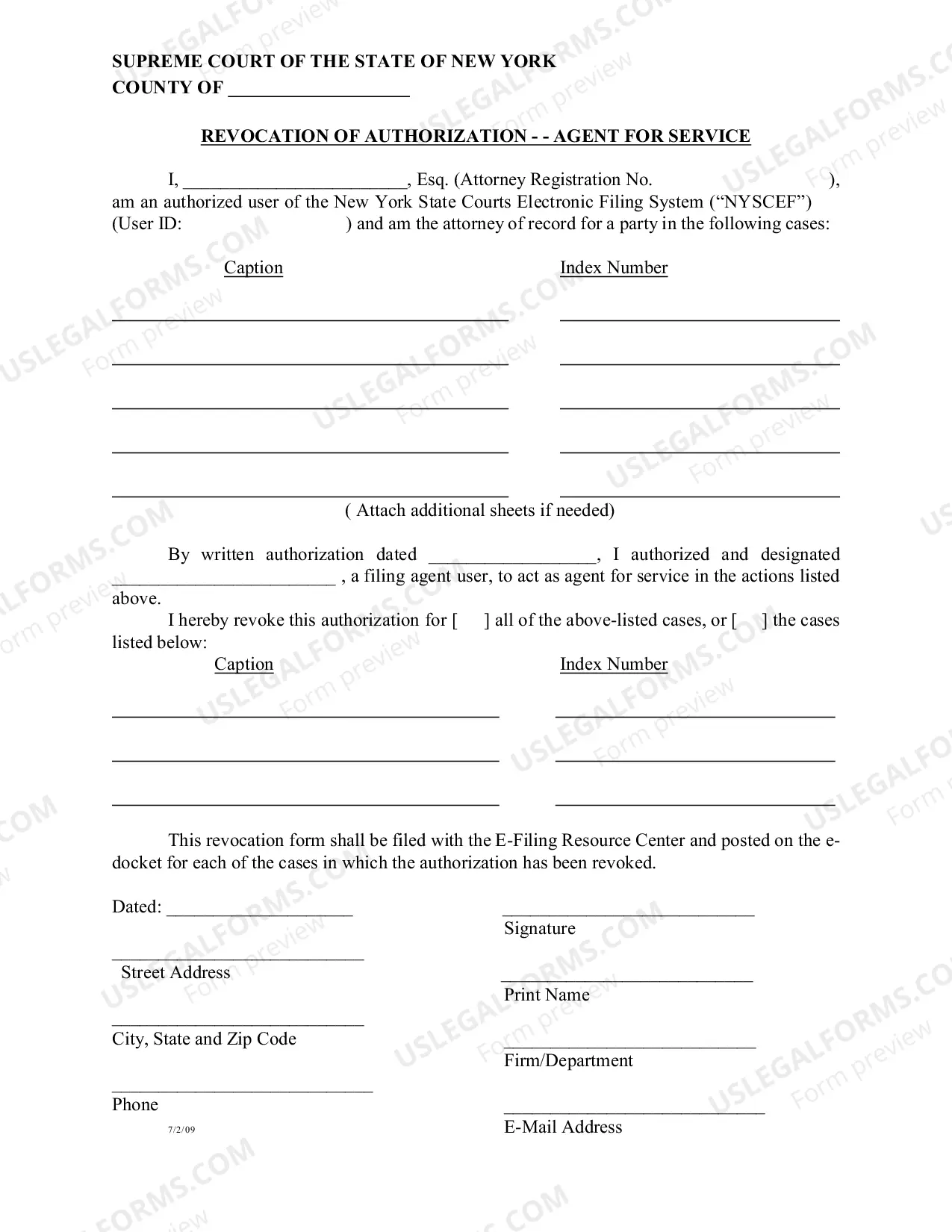
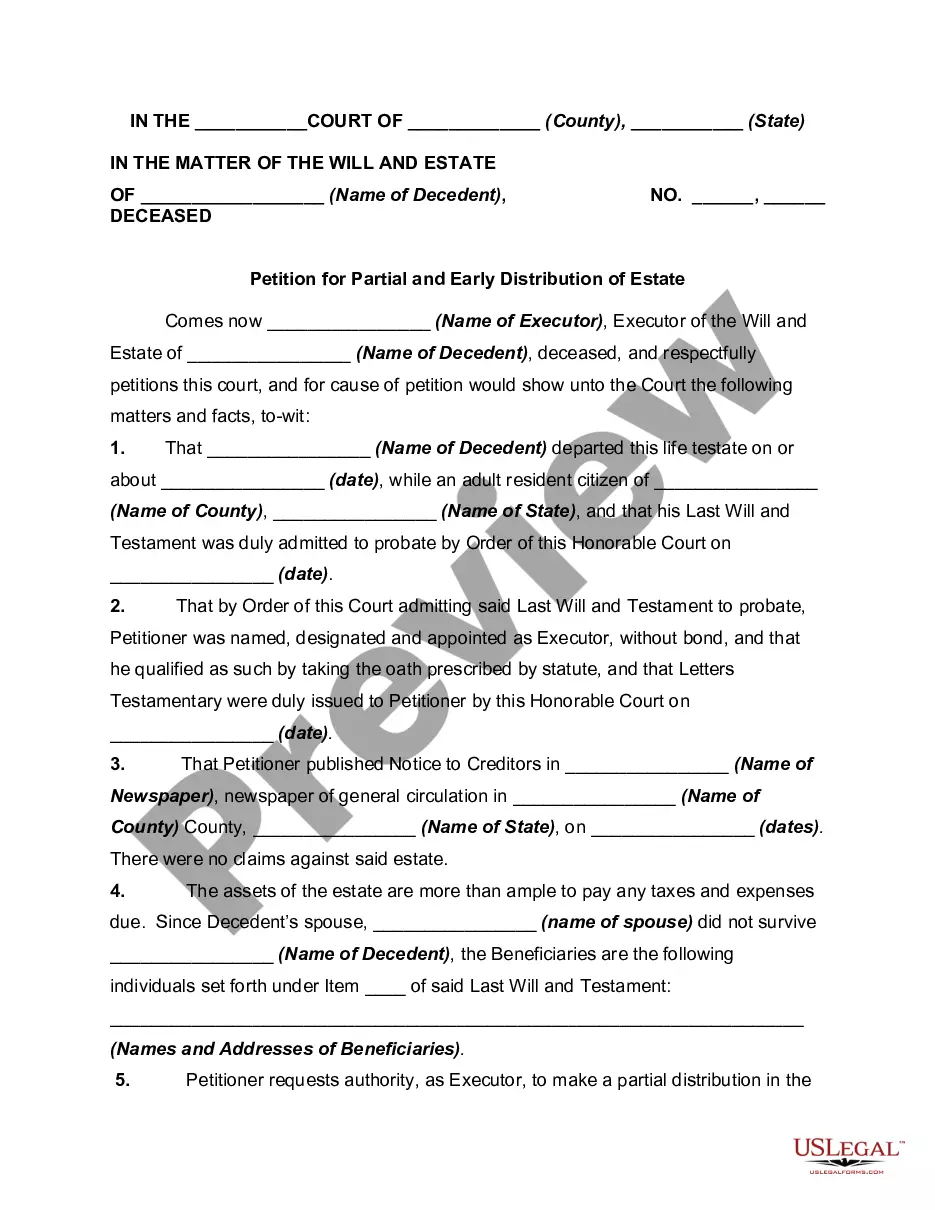
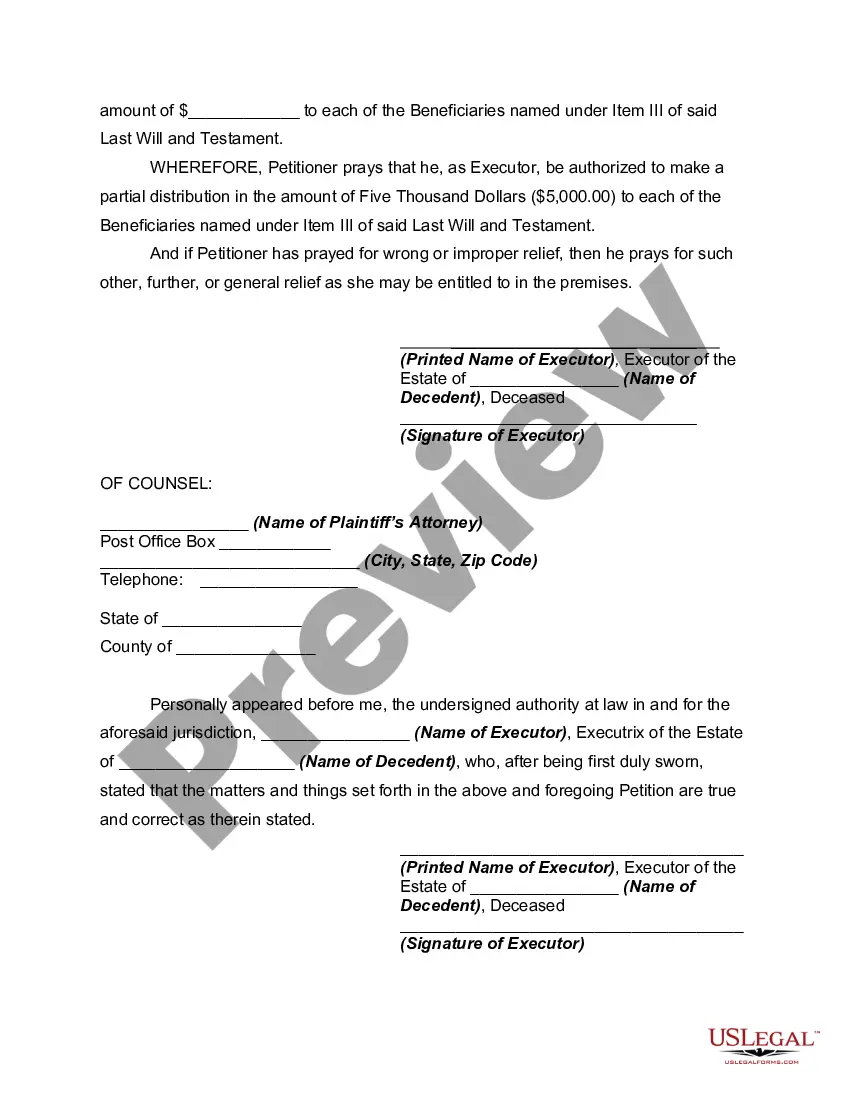
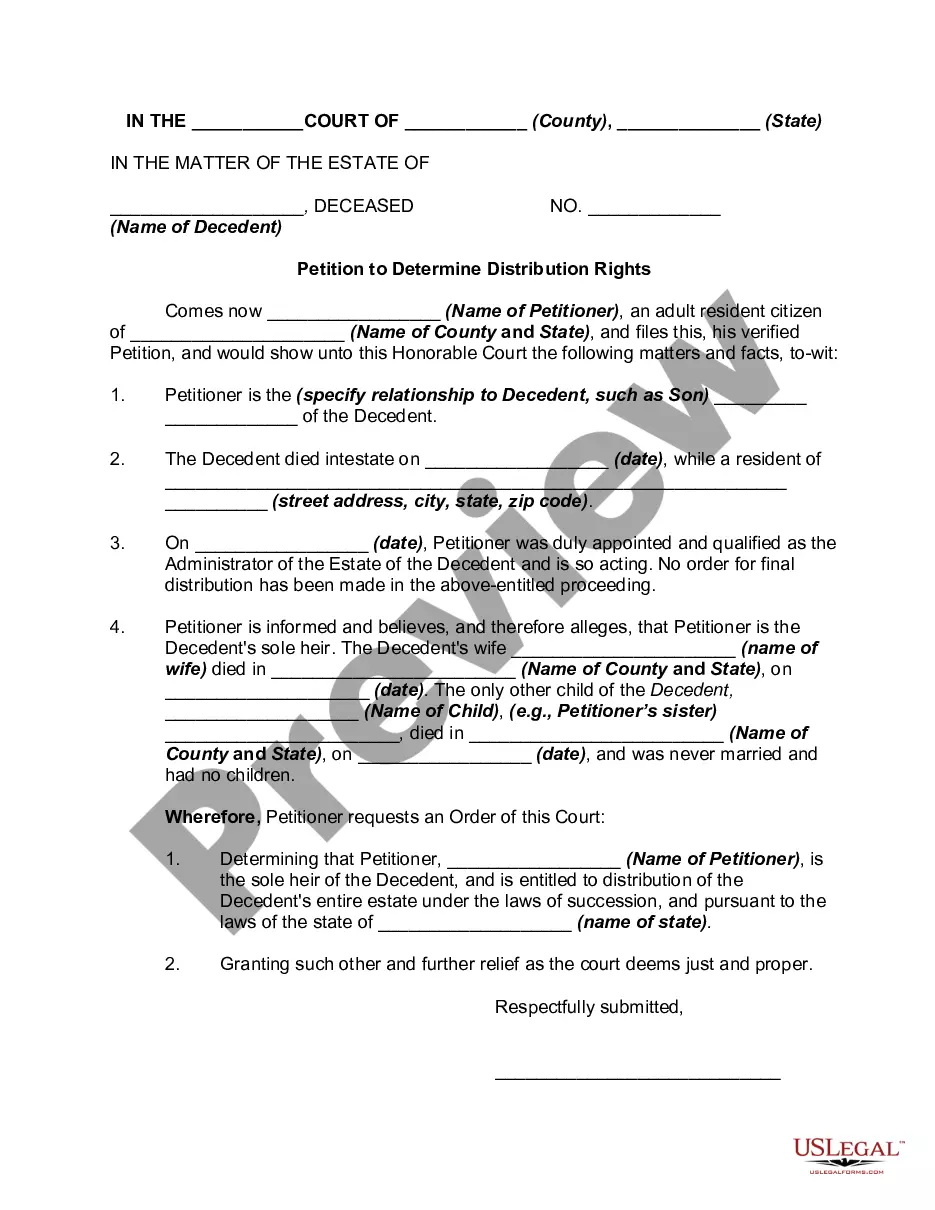
How to fill out Petition For Partial And Early Distribution Of Estate?
It’s widely acknowledged that you cannot swiftly become a legal professional, nor can you efficiently learn to prepare the Estate Distribution Account For Roughly without possessing a specialized foundation.
Drafting legal paperwork is a labor-intensive process that demands a particular level of education and expertise.
So why not entrust the preparation of the Estate Distribution Account For Roughly to the experts.
You can revisit your documents from the My documents section whenever you wish. If you’re an existing client, simply Log In to find and download the template from the same section.
Regardless of the intent behind your documents—be it financial, legal, or personal—our website is equipped to assist you. Experience US Legal Forms today!
- Find the document you need using the search bar located at the top of the page.
- Review it (if this option is available) and assess the accompanying description to determine if Estate Distribution Account For Roughly meets your requirements.
- Restart your search if you seek a different template.
- Create a complimentary account and choose a subscription plan to acquire the template.
- Select Buy now. Once the purchase is finalized, you can download the Estate Distribution Account For Roughly, fill it out, print it, and deliver it by mail or post to the appropriate persons or organizations.
Form popularity
FAQ
Completing an estate account involves gathering all financial information related to the estate, including income, expenses, and distributions. Start by documenting all estate assets and their values. Next, report any expenses incurred during the estate’s administration. Utilizing a professional platform like US Legal Forms can help you create an estate distribution account for roughly tracking these details and presenting them clearly to beneficiaries.
You have some options: Divide up assets based on their value. ... Instruct your executor to divide assets equally. ... Instruct your executor to sell everything and then distribute the proceeds to your beneficiaries equally.
Place your possessions into groups of items having approximately equal value, by your judgment. Then draw numbers among children or grandchildren to determine who gets which group or lot of goods. Children having received a group of items are free to trade or sell selected items to anyone else who may want them.
You should add together the totals for assets, changes, and income, then take away the totals for liabilities and expenses. This final figure should then be divided into the appropriate portions and then assigned to the list of beneficiaries.
Per stirpes. One of the simplest strategies for asset distribution among heirs, this method requires that the estate be divided equally among each branch of the family. So, if an heir (a child) should pass away before the parents, their share would be passed along in equal shares to their heirs (the grandchildren).
Most assets can be distributed by preparing a new deed, changing the account title, or by giving the person a deed of distribution. For example: To transfer a bank account to a beneficiary, you will need to provide the bank with a death certificate and letters of administration.