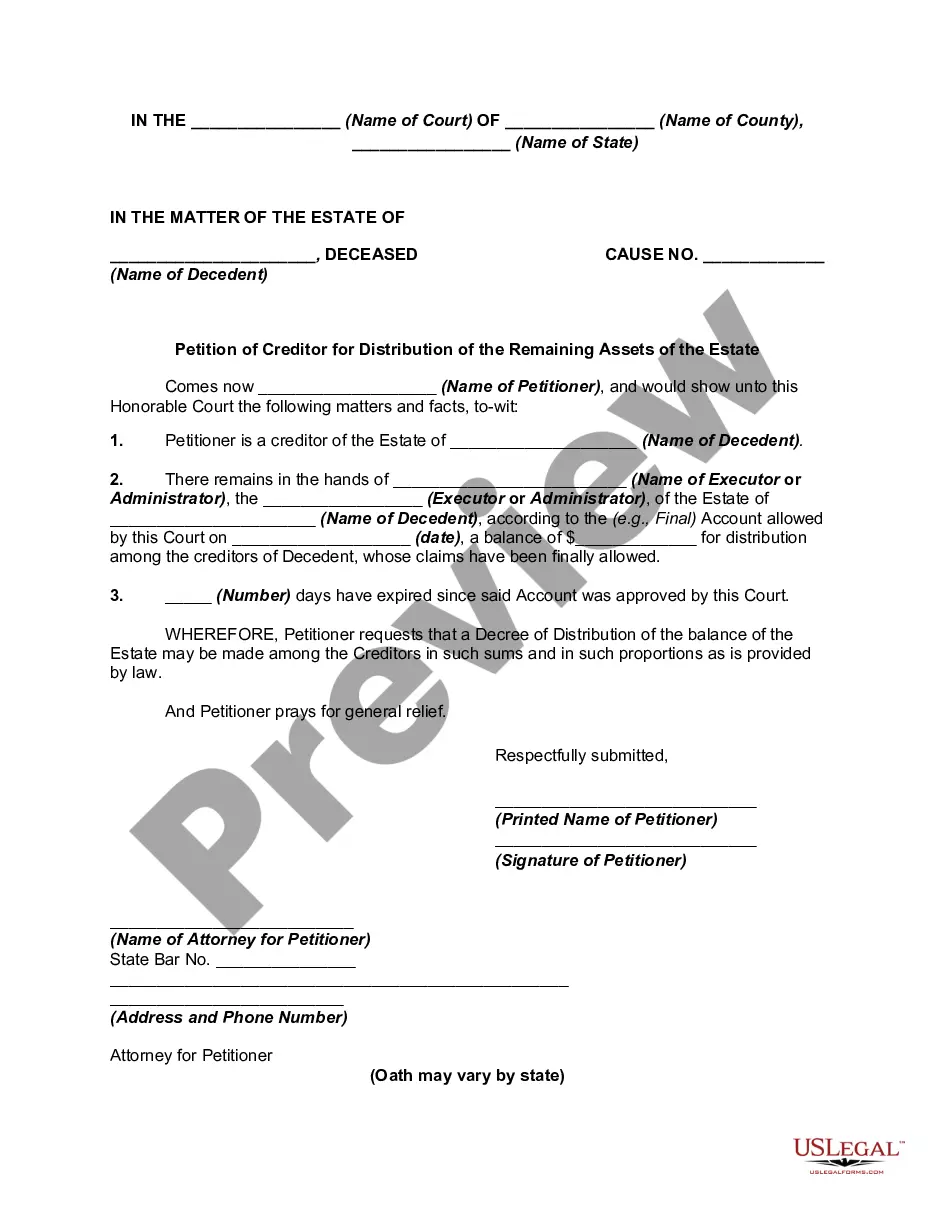
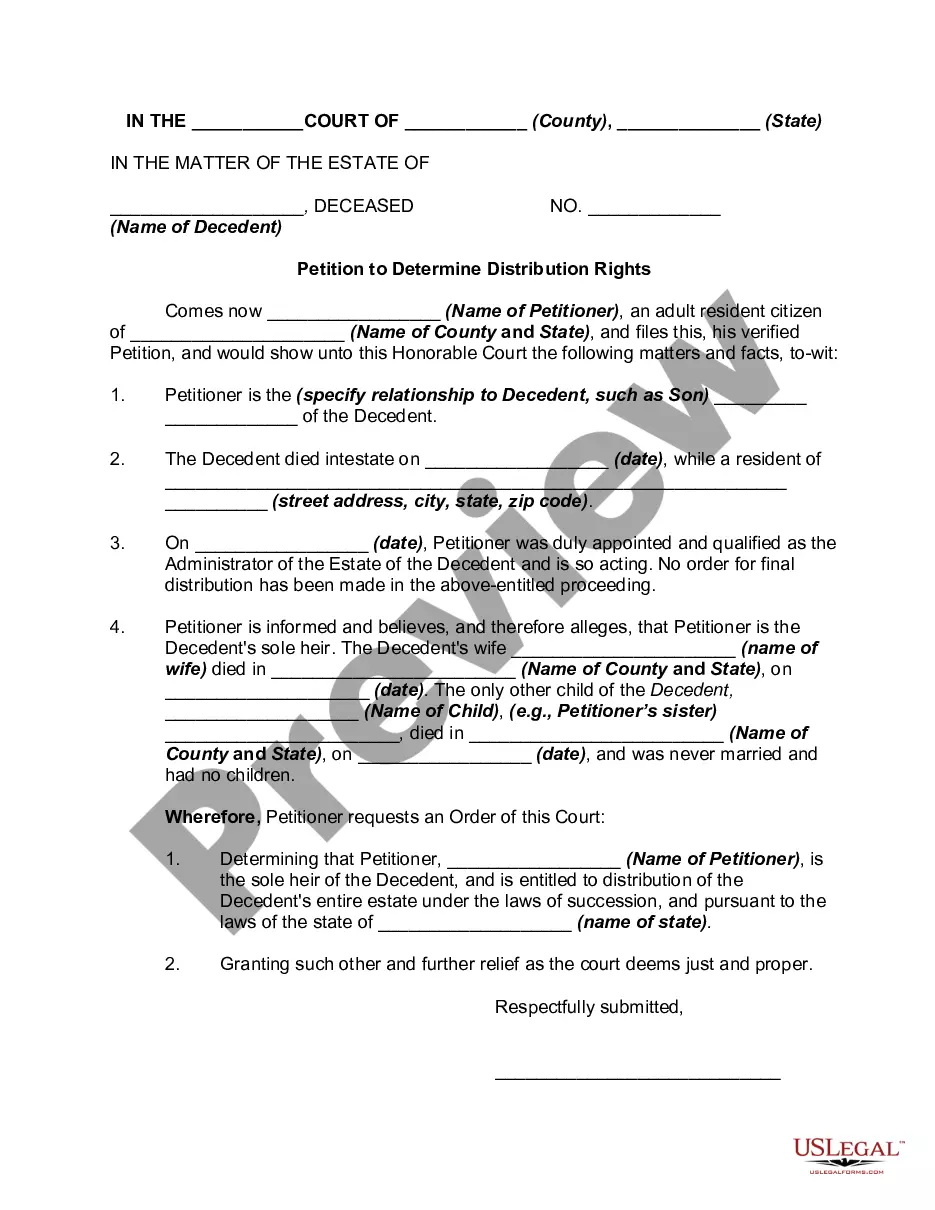
Distribution Probate For Each
Description
Get your form ready online
Our built-in tools help you complete, sign, share, and store your documents in one place.
Make edits, fill in missing information, and update formatting in US Legal Forms—just like you would in MS Word.
Download a copy, print it, send it by email, or mail it via USPS—whatever works best for your next step.
Sign and collect signatures with our SignNow integration. Send to multiple recipients, set reminders, and more. Go Premium to unlock E-Sign.
If this form requires notarization, complete it online through a secure video call—no need to meet a notary in person or wait for an appointment.
We protect your documents and personal data by following strict security and privacy standards.

Make edits, fill in missing information, and update formatting in US Legal Forms—just like you would in MS Word.

Download a copy, print it, send it by email, or mail it via USPS—whatever works best for your next step.

Sign and collect signatures with our SignNow integration. Send to multiple recipients, set reminders, and more. Go Premium to unlock E-Sign.

If this form requires notarization, complete it online through a secure video call—no need to meet a notary in person or wait for an appointment.

We protect your documents and personal data by following strict security and privacy standards.
Looking for another form?
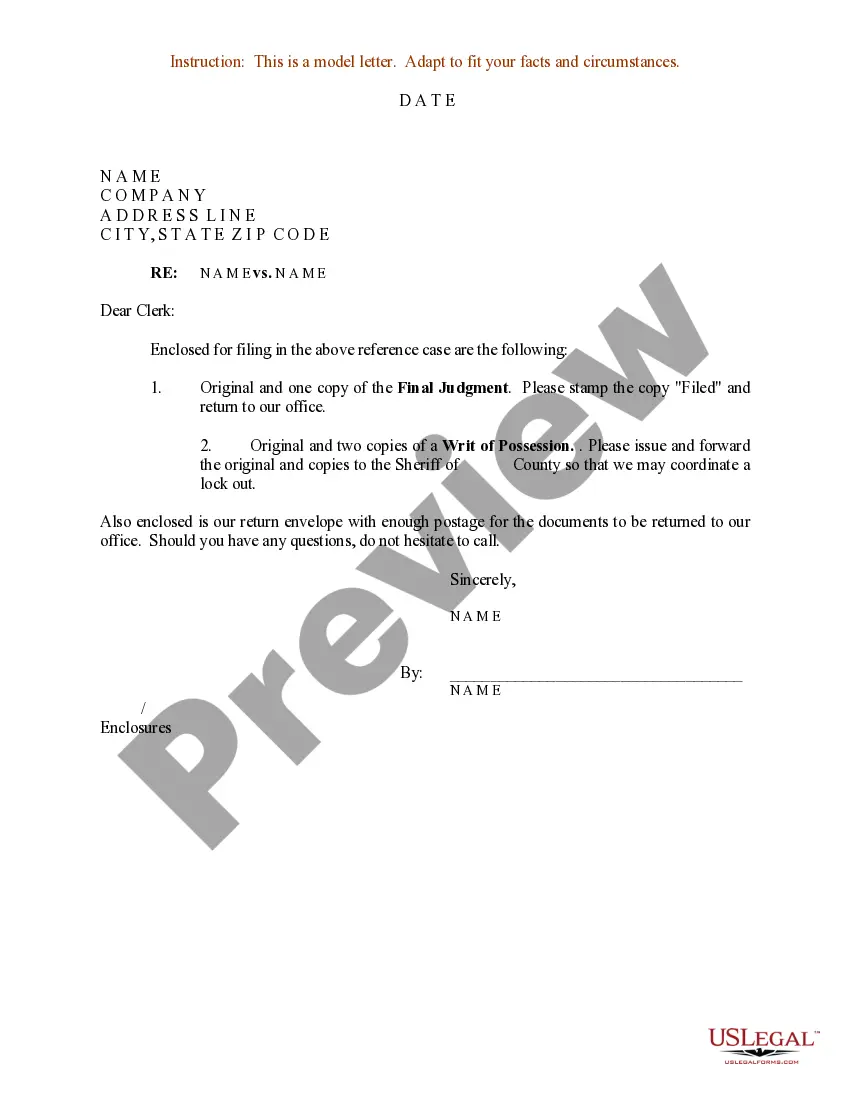
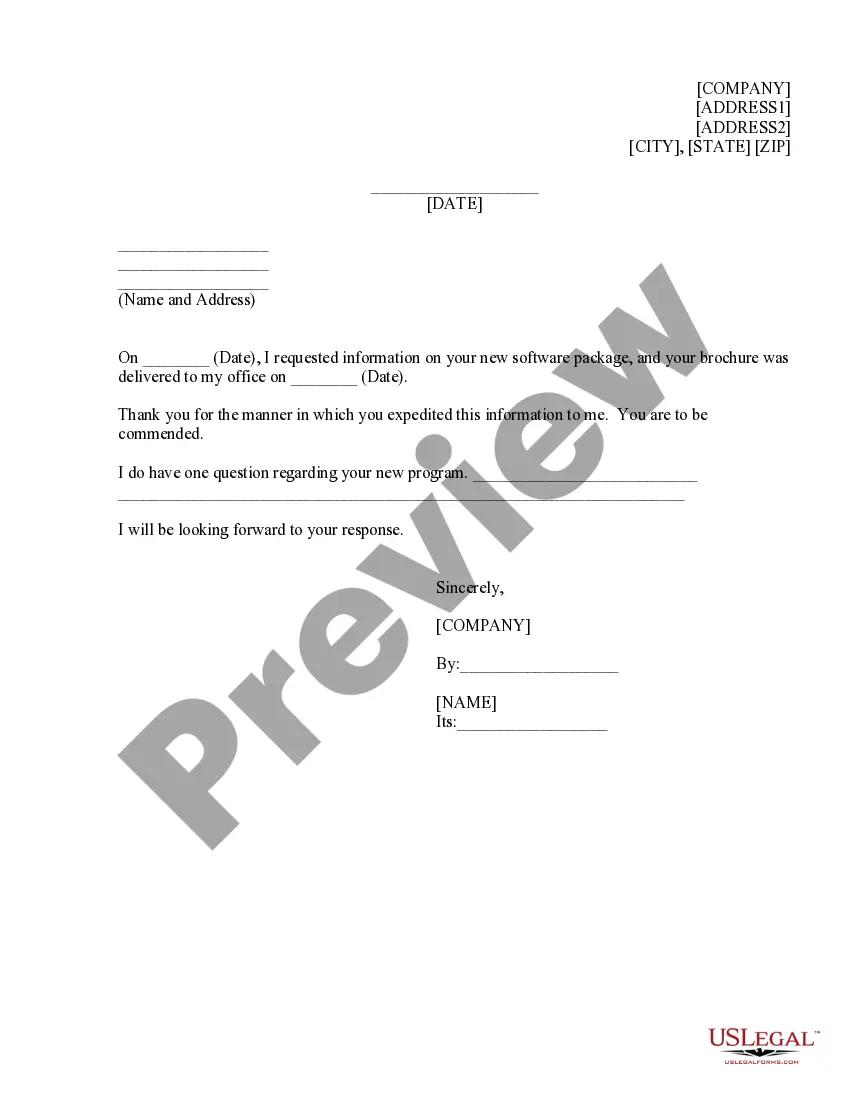
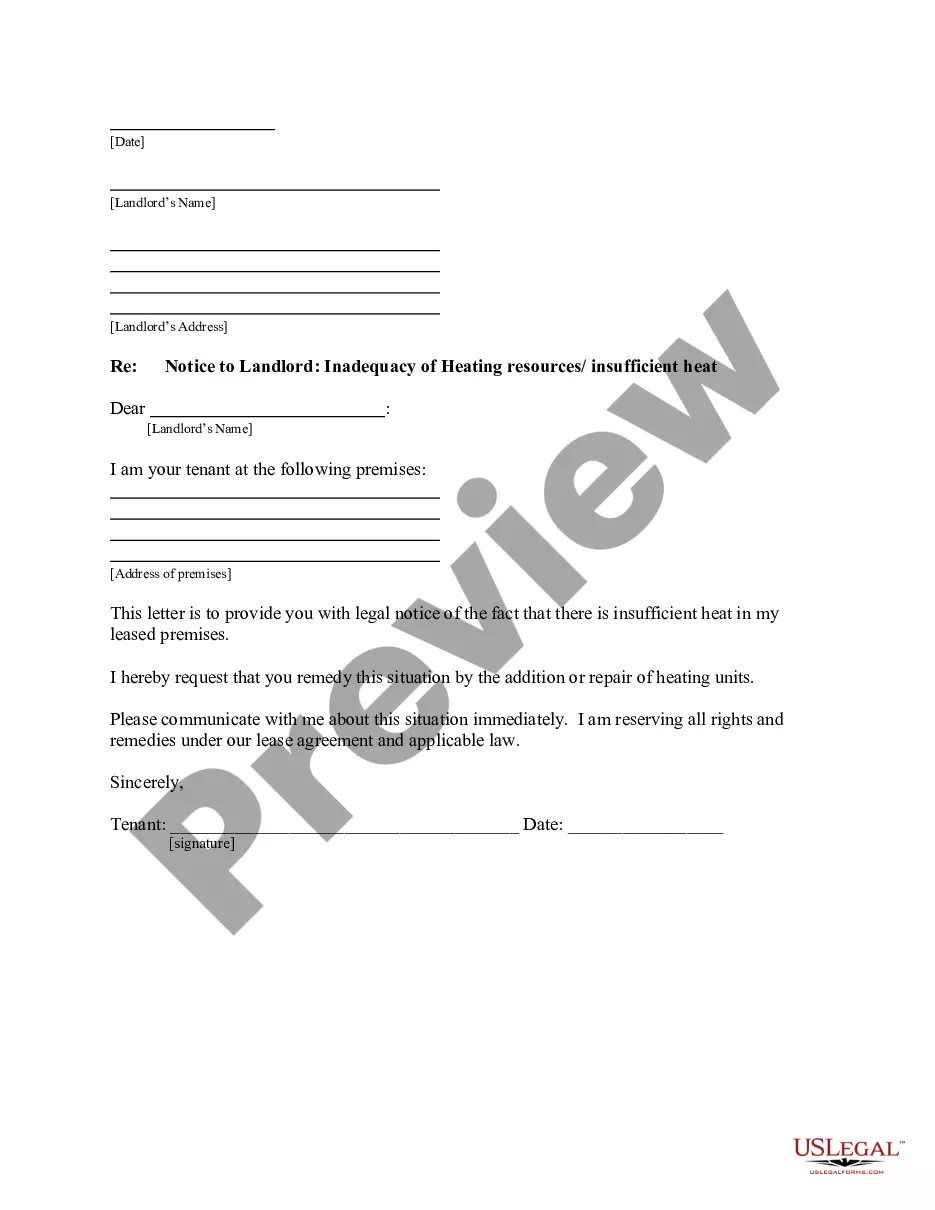



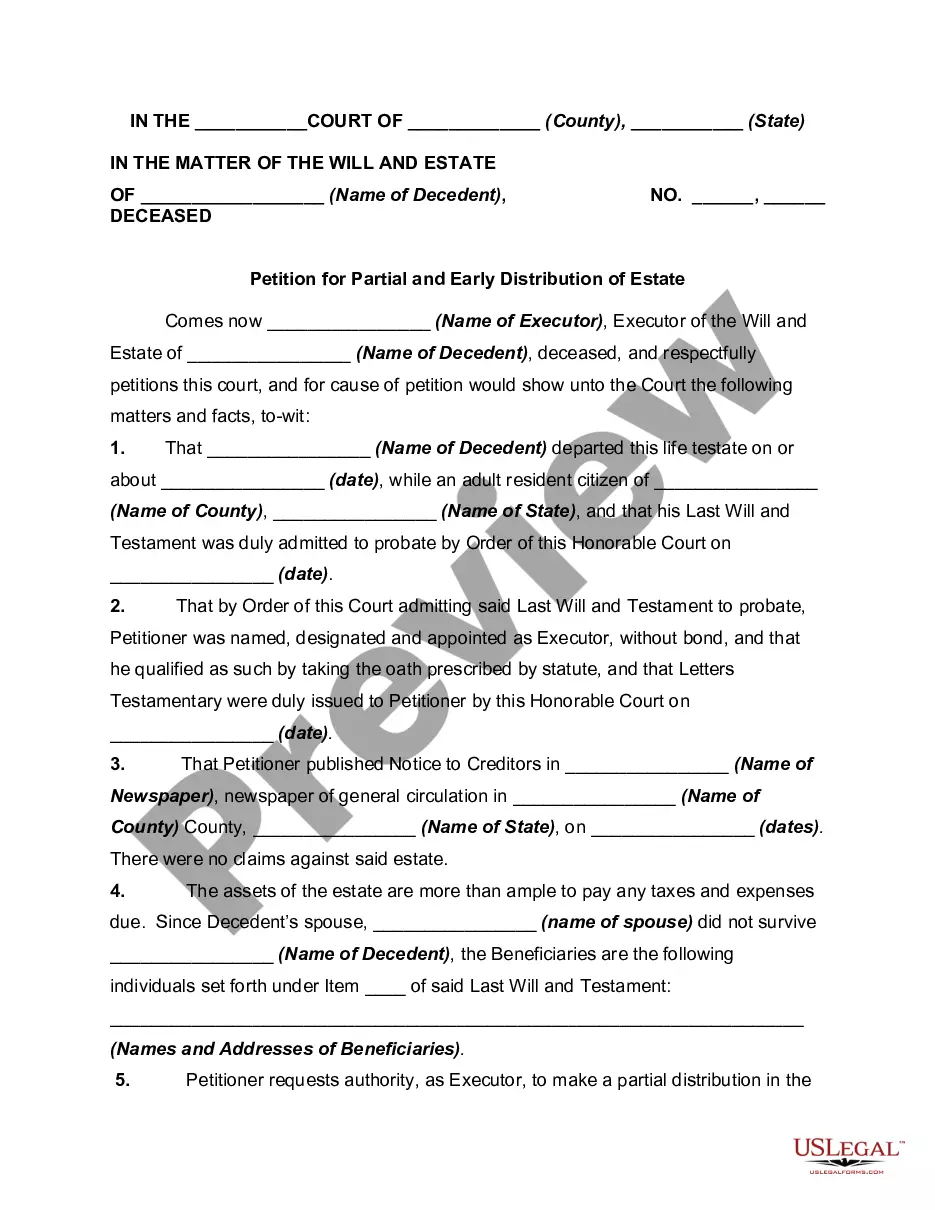
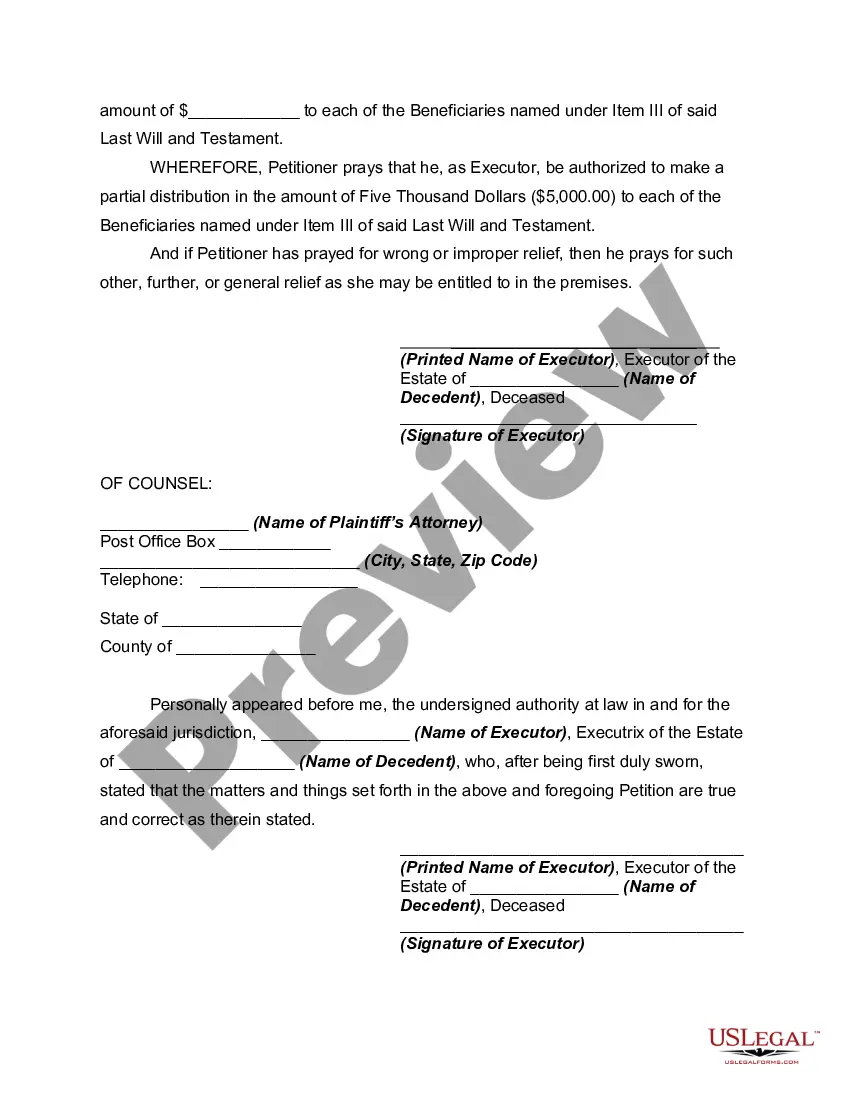
How to fill out Petition For Partial And Early Distribution Of Estate?
- Log in to your US Legal Forms account if you're a returning user. Ensure your subscription is active or renew it as needed.
- Browse through the extensive form library and use the Preview mode to confirm the document fits your specific needs and jurisdiction.
- If you need more options, utilize the Search feature to find alternative templates that may be more suitable for your situation.
- Select the desired document by clicking the Buy Now button. Choose the subscription plan that works best for you, and register for your account to unlock full access.
- Complete your purchase by entering your payment information, either via credit card or PayPal, to finalize your subscription.
- Download your selected form to your device, allowing you to complete it at your convenience. You can also access it anytime via the My Forms section of your profile.
Once you've obtained your distribution probate form, you can confidently move forward, knowing that you've chosen a solution designed for efficiency and accuracy.
Don’t hesitate; explore US Legal Forms today and empower yourself with the legal resources you need!
Form popularity
FAQ
To fill out a probate inventory, document each asset included in the estate along with its value at the time of death. List items as directed by the probate court, ensuring you are thorough and precise to avoid delays. This is crucial for successful distribution probate for each asset and increases transparency for all beneficiaries involved. Turn to uslegalforms for templates and guidance to streamline this task.
When preparing an estate inventory, start with a clear list of all assets and their estimated values. It's important to categorize items into types, such as real estate, personal property, or financial accounts. This organized approach not only aids in clear communication but also assists in efficient distribution probate for each asset. To ensure accuracy, consider leveraging uslegalforms to guide you through the process.
Filling out probate paperwork requires careful attention to detail. First, gather all necessary documents, including the will, death certificate, and a list of estate assets. Then, accurately complete the forms required by your state's probate court, ensuring you include relevant information for efficient distribution probate for each asset involved. Utilizing the resources provided by uslegalforms can simplify this process.
Certain assets avoid the probate process entirely. These include life insurance policies, retirement accounts, and properties held in joint tenancy. By having these assets designated to a beneficiary, you ensure that they transfer directly, streamlining the distribution probate process for each. Understanding these assets can help you plan more effectively.
Distributions from an estate are typically made after the probate process validates the will and determines the estate's total value. Executors or administrators manage the distribution, ensuring each beneficiary receives their share as specified in the will. Distribution probate aids in adhering to legal requirements, protecting both the estate and beneficiaries. Platforms like uslegalforms can provide templates and resources to assist in managing these distributions effectively.
To distribute items from an estate, start with a thorough inventory of all belongings. Identify the beneficiaries and refer to the will to determine who receives what. The distribution probate process can facilitate this by ensuring that distributions are lawful and orderly. Using uslegalforms can help you draft the necessary documentation for item distribution, reducing confusion.
The best way to distribute inheritance is through a clear plan outlined in a will. This plan ensures that each beneficiary knows their rights and what they will receive. Utilizing distribution probate helps streamline the process, making it easier to manage the estate’s assets. Consider using uslegalforms to create customized legal documents that simplify the distribution process.
The distribution of estate refers to the process of allocating the assets of a deceased person to their beneficiaries. This distribution probate process is governed by the instructions laid out in a will or by state law in cases where no will exists. Understanding how the distribution occurs can help beneficiaries prepare for what to expect. For a clearer insight into this process, platforms like USLegalForms can provide valuable resources.
Probate is generally split according to the decedent's will or state laws, depending on the situation. When a person dies with a will, their wishes dictate the distribution probate. If there’s no will, state law will guide how assets are allocated among legal heirs. It’s important to consult with a legal expert to understand how your state's probate laws will affect the division.
Divided by probate refers to how a deceased person's assets are allocated among beneficiaries during the probate process. This distribution probate determines which heirs receive specific portions of the estate, based on the will or state law if there is no will. Understanding this division can help families navigate their inheritance rights efficiently. Clear communication during this period can reduce misunderstandings and conflicts.