Who Should Have A Special Needs Trust
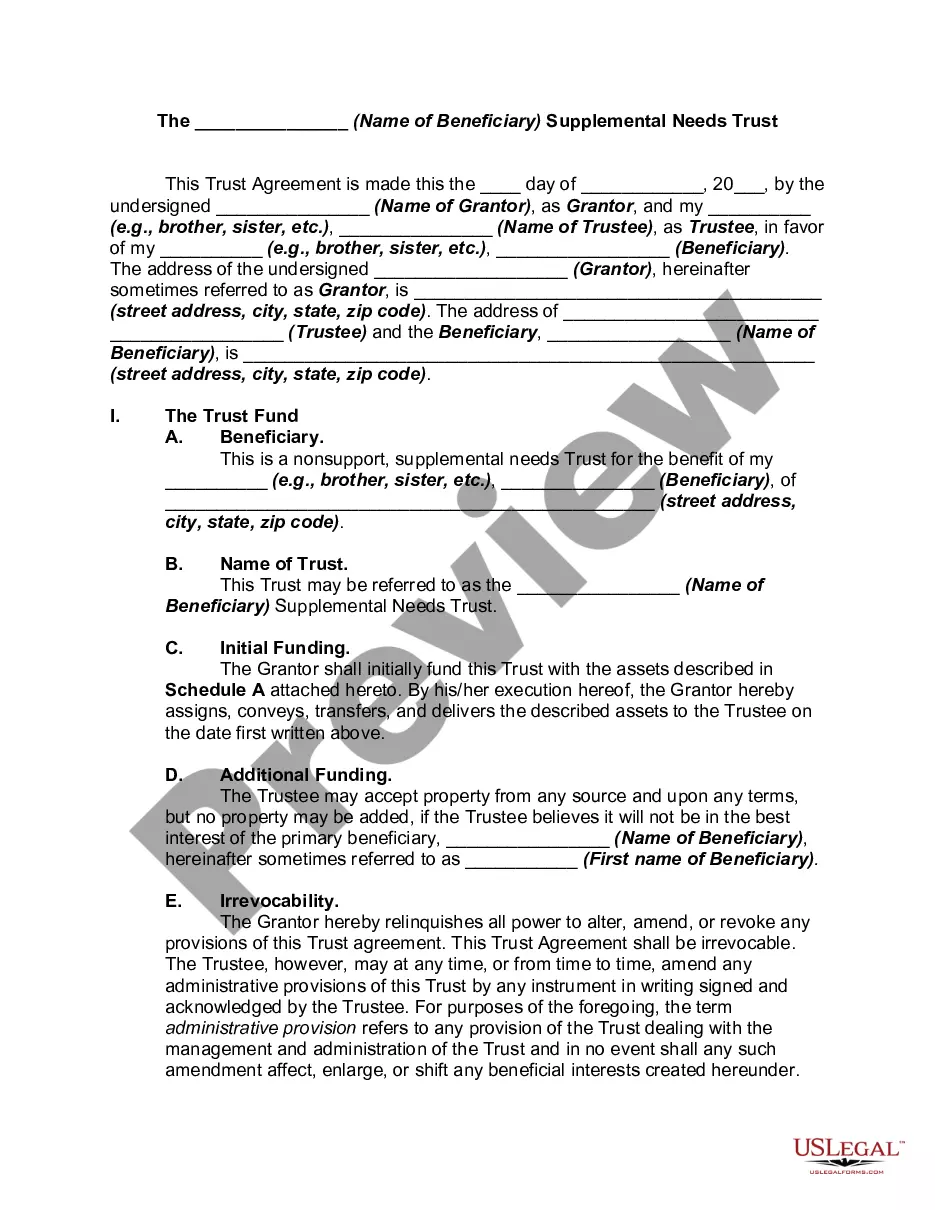
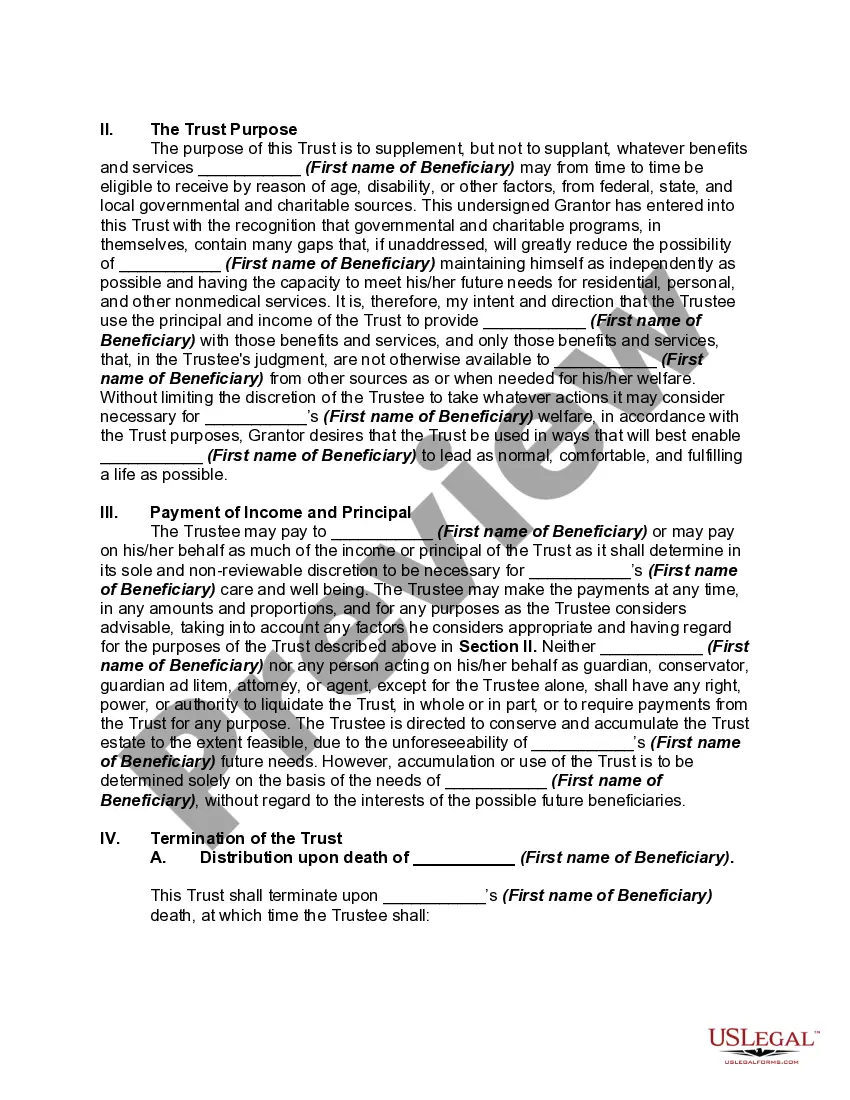
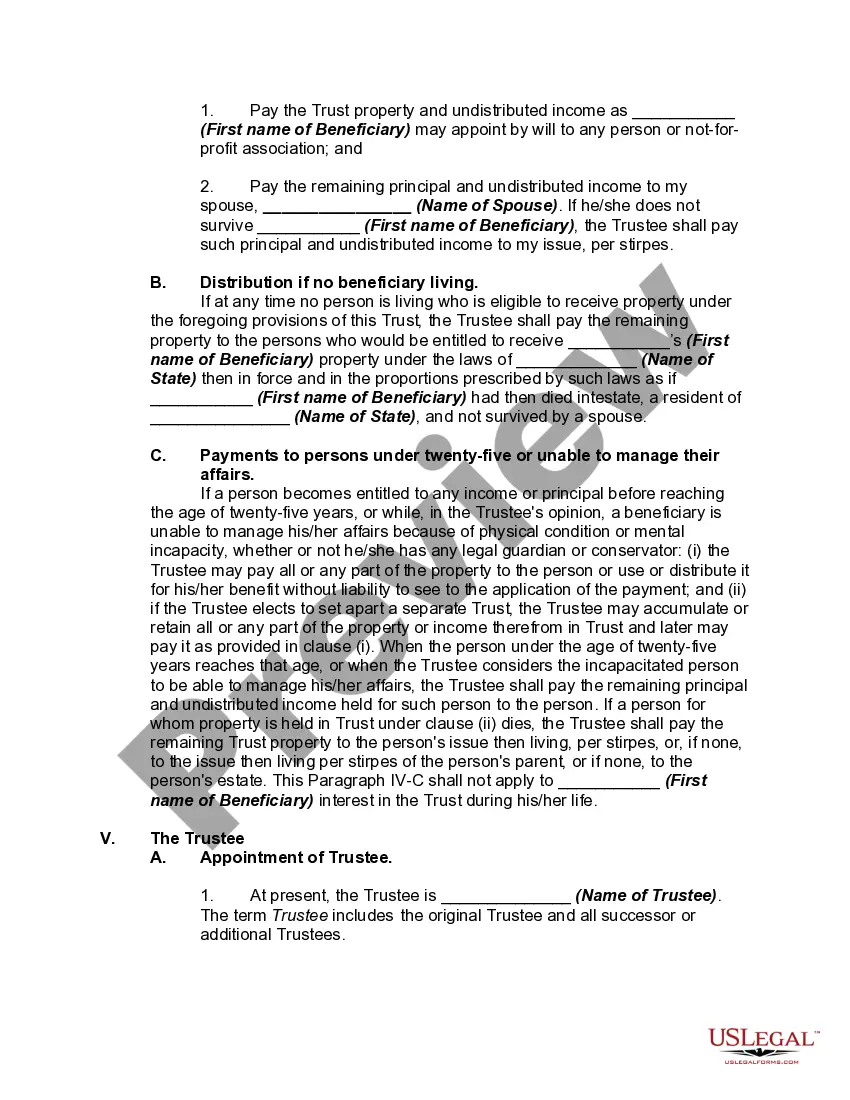
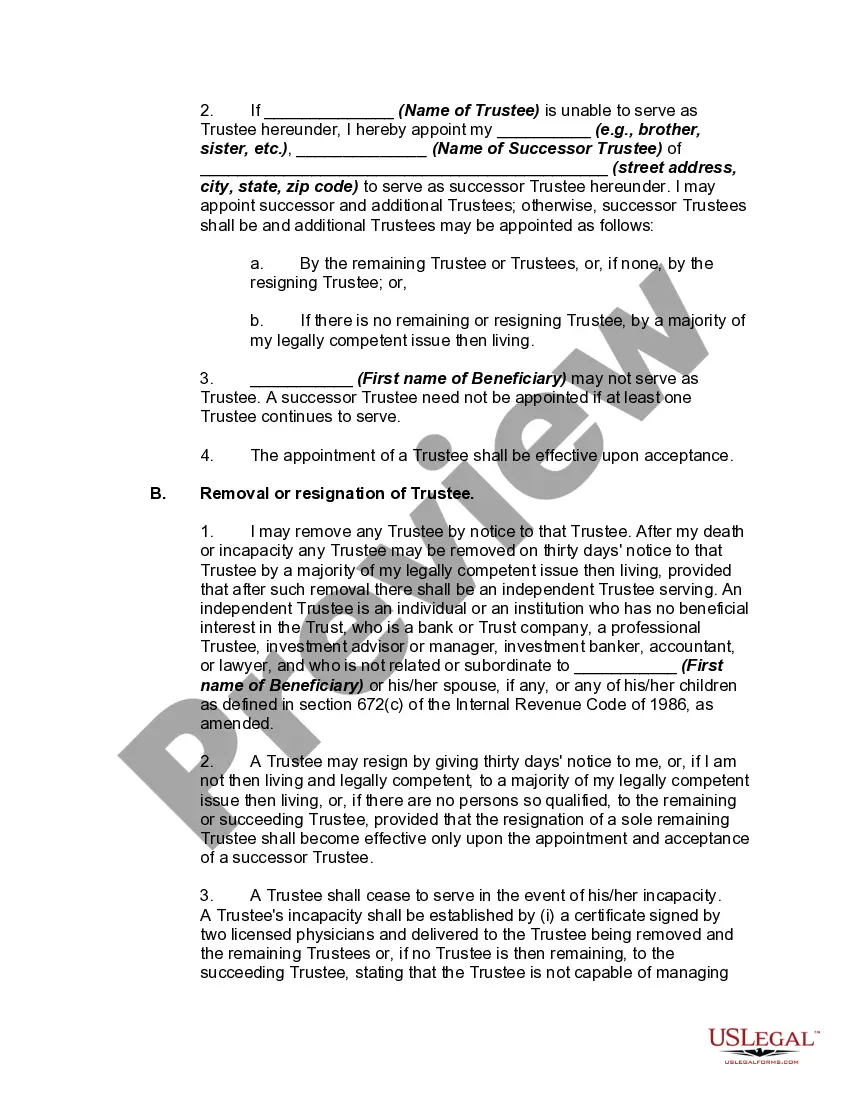
Description
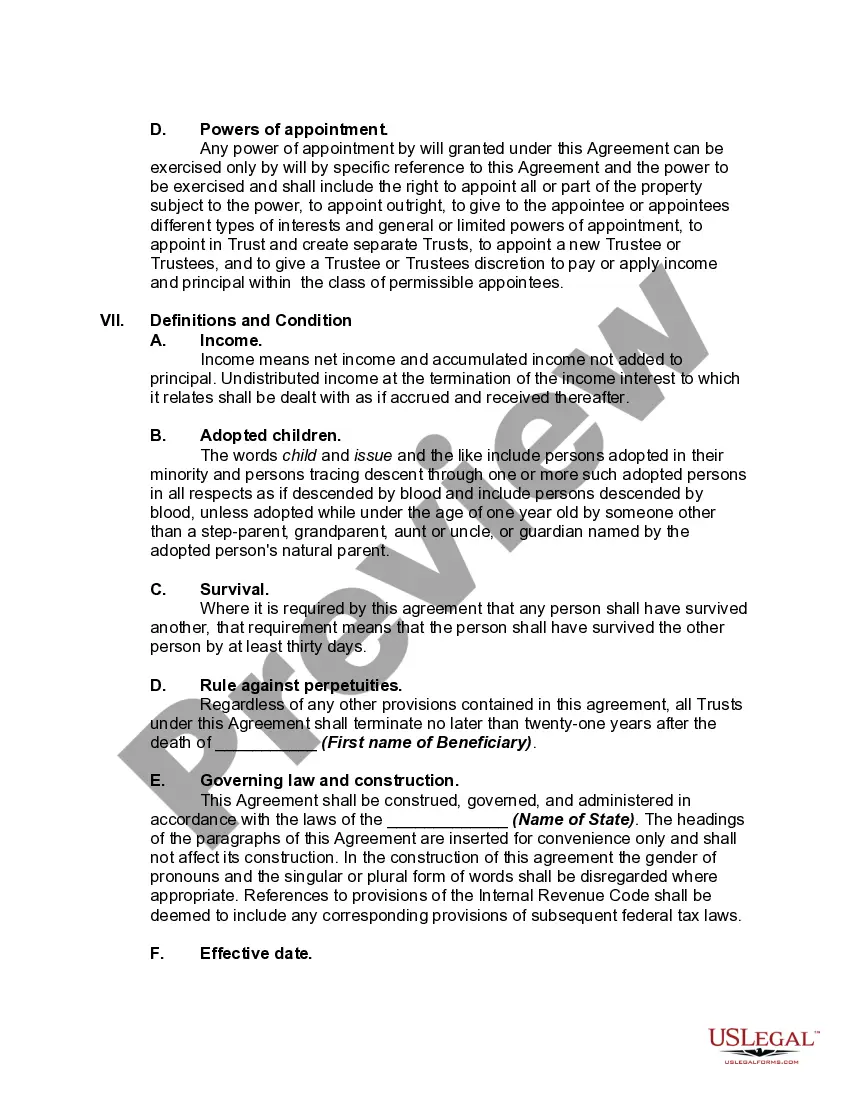
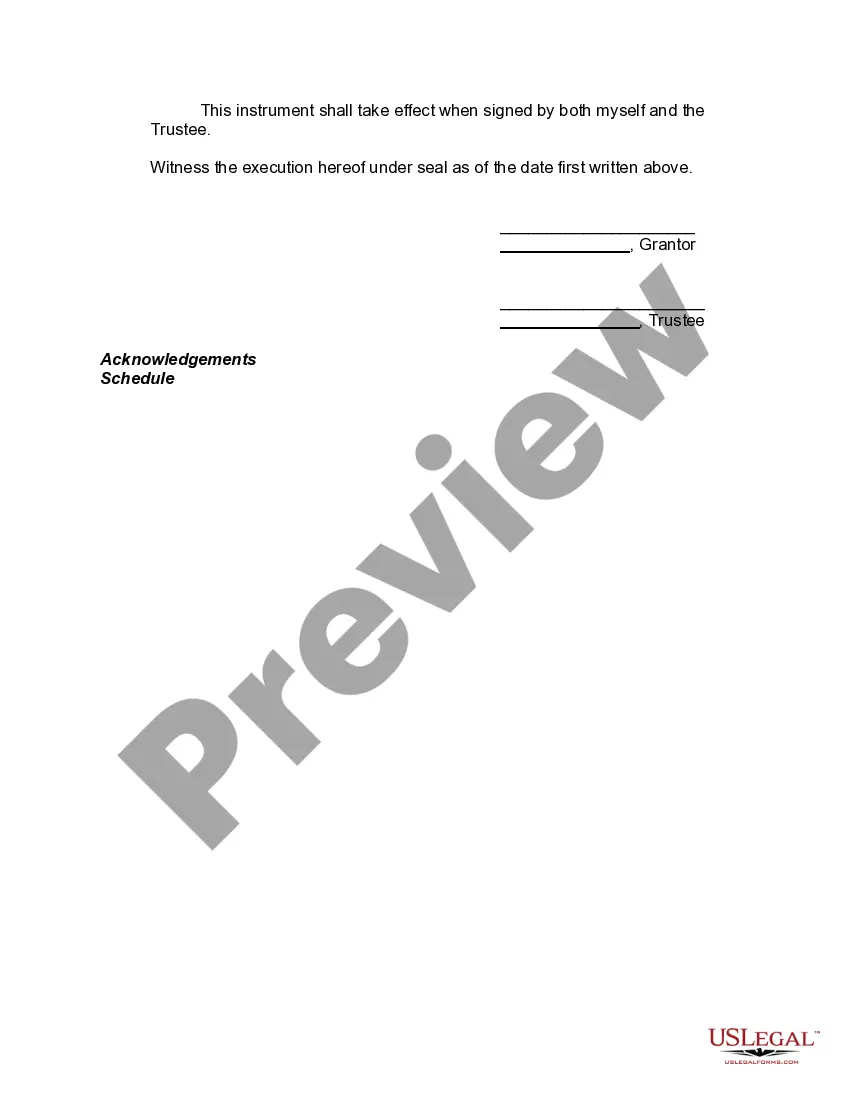

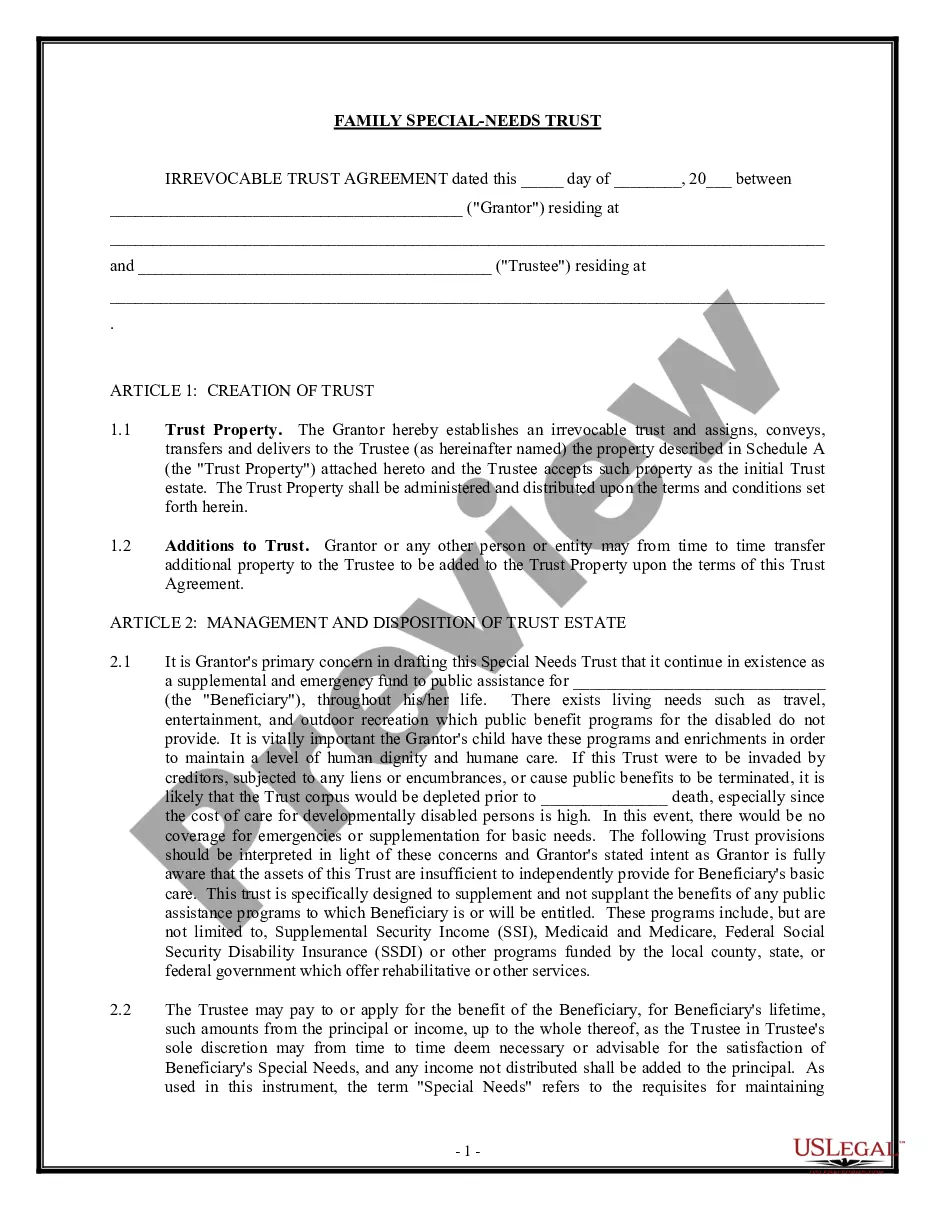
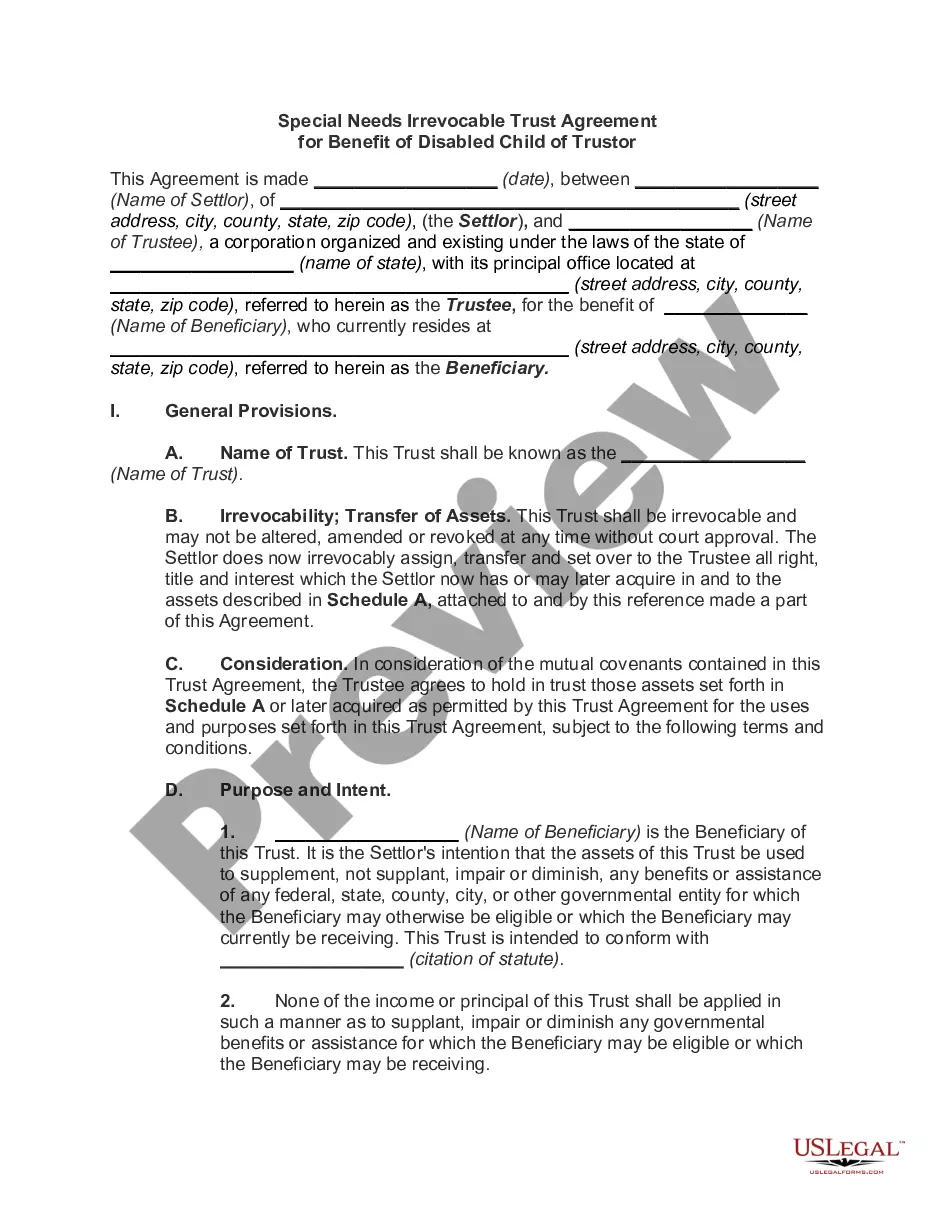
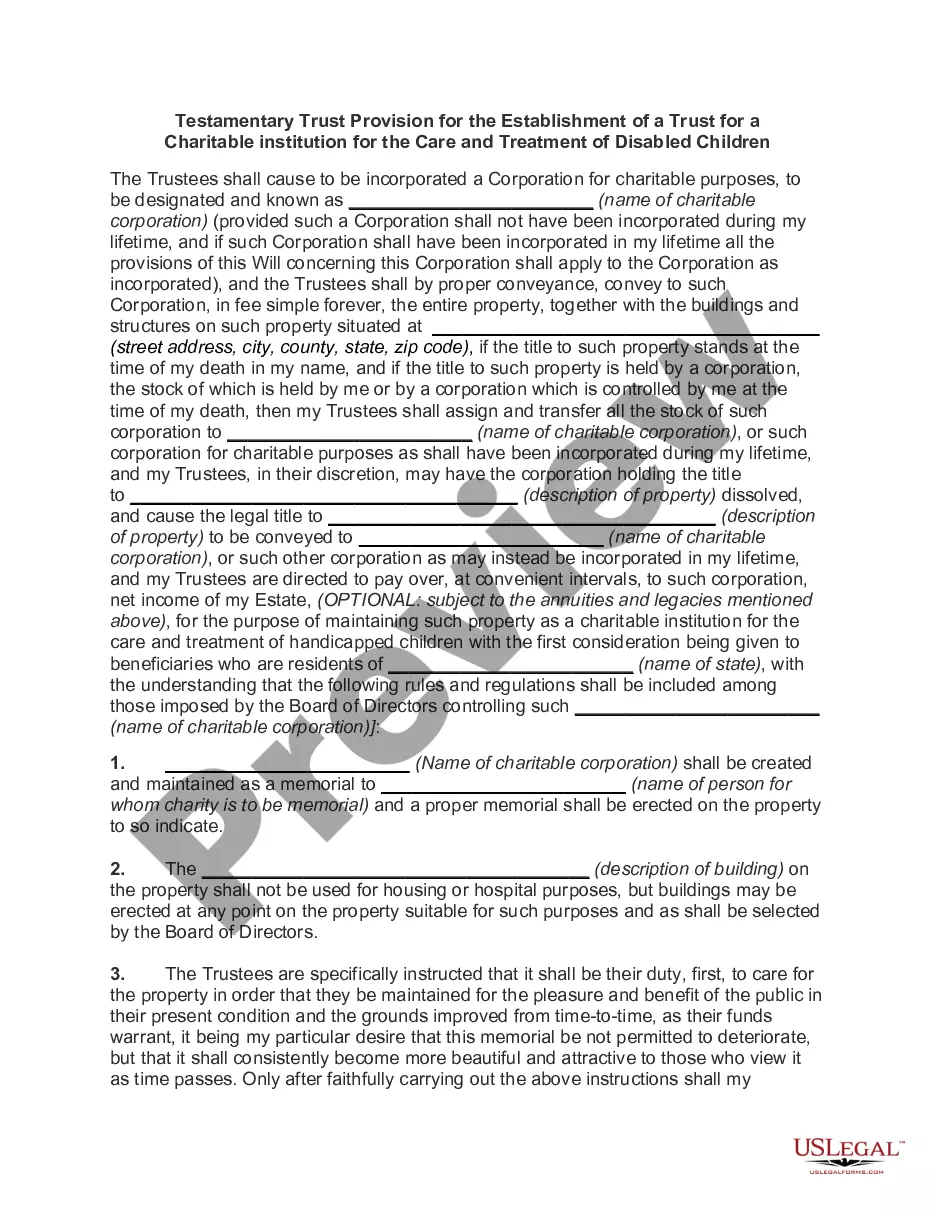
Get your form ready online
Our built-in tools help you complete, sign, share, and store your documents in one place.
Make edits, fill in missing information, and update formatting in US Legal Forms—just like you would in MS Word.
Download a copy, print it, send it by email, or mail it via USPS—whatever works best for your next step.
Sign and collect signatures with our SignNow integration. Send to multiple recipients, set reminders, and more. Go Premium to unlock E-Sign.
If this form requires notarization, complete it online through a secure video call—no need to meet a notary in person or wait for an appointment.
We protect your documents and personal data by following strict security and privacy standards.

Make edits, fill in missing information, and update formatting in US Legal Forms—just like you would in MS Word.

Download a copy, print it, send it by email, or mail it via USPS—whatever works best for your next step.

Sign and collect signatures with our SignNow integration. Send to multiple recipients, set reminders, and more. Go Premium to unlock E-Sign.

If this form requires notarization, complete it online through a secure video call—no need to meet a notary in person or wait for an appointment.

We protect your documents and personal data by following strict security and privacy standards.
Looking for another form?







How to fill out Supplemental Needs Trust For Third Party - Disabled Beneficiary?
- Log in to your US Legal Forms account if you are a returning user and download the required trust form by clicking the Download button. Ensure your subscription is active; renew if necessary.
- If you are a new user, first verify the form you need by utilizing the Preview mode and form description to confirm it meets your specifications and local legal requirements.
- If you need a different template, utilize the Search tab to locate an appropriate form that aligns with your needs.
- Proceed to purchase the correct document by selecting the Buy Now button and choosing your desired subscription plan. You will need to create an account to access additional resources.
- Finalize your purchase by entering your payment information, using either a credit card or PayPal to secure your subscription.
- After purchasing, download your legal form directly and save it on your device. You can access your document anytime through the My Forms section in your profile.
In conclusion, establishing a special needs trust is a vital step in protecting the future of individuals with disabilities. With US Legal Forms, you gain access to a vast library of customizable legal templates that makes this process straightforward and stress-free.
Take the first step today and ensure that your loved ones are cared for by exploring the resources available at US Legal Forms.
Form popularity
FAQ
The best choice for a trustee combines personal connection with professional knowledge. A family member or trusted friend who understands the beneficiary's needs can provide emotional support. Alternatively, a professional trustee can offer financial expertise and impartiality. When considering who should have a special needs trust, evaluate potential trustees based on these qualities.
The grantor of a special needs trust is the person who creates and funds the trust. This individual decides how the trust will operate and what assets will be included. Understanding the role of the grantor can help clarify the intentions behind the trust. If you're exploring who should have a special needs trust, identifying the grantor's responsibilities is essential.
Monitoring a special needs trust is usually the responsibility of the trustee. This individual ensures that the trust funds are used appropriately and for the benefit of the beneficiary. Regular reviews and updates to the trust’s management are essential for meeting the beneficiary's needs. As you think about who should have a special needs trust, remember the importance of ongoing monitoring.
Choosing a trustee involves evaluating candidates based on financial expertise and interpersonal skills. Look for someone who is reliable, trustworthy, and understands the complexities of special needs planning. Additionally, consider their ability to communicate with the beneficiary effectively. By reflecting on these aspects, you can confidently decide who should have a special needs trust.
The best trustee for a special needs trust is someone who understands the unique needs of the beneficiary. Ideally, this individual should have experience in financial management and a compassionate approach to caregiving. Family members, trusted friends, or professional fiduciaries can be suitable choices. Choosing the right trustee is critical for anyone considering who should have a special needs trust.
The beneficial owner of a special needs trust is the individual for whom the trust is created, often a person with disabilities. This person is the intended recipient of the trust's benefits, which can include financial support without jeopardizing government assistance. Understanding who this person is can help you clarify the trust's purpose. Many ask, who should have a special needs trust, and identifying the beneficiary is a key step.
The trustee plays a vital role in managing and distributing the trust's assets. This individual must ensure that the trust complies with legal requirements while making decisions that benefit the beneficiary. They also handle record-keeping and financial reporting, which are essential for transparency. If you are unsure about who should have a special needs trust, consider the qualities of an effective trustee.
The trustee of a special needs trust typically files taxes for the trust. This individual has the responsibility to report any income generated by the trust funds. It's essential to understand that the tax obligations can vary, so consulting with a tax professional is advisable. If you are considering a special needs trust, understanding tax responsibilities is crucial.
Yes, a special needs trust typically requires its own tax identification number (TIN). This TIN is necessary for the trust to file its tax return and to conduct financial transactions. When pondering who should have a special needs trust, remember that obtaining a TIN establishes the trust as a separate legal entity for tax purposes, which is vital for proper management.
Filing the tax return for a trust is generally the duty of the trustee. This individual is tasked with maintaining the trust's financial health, including tax compliance. If you're considering who should have a special needs trust, it's wise to select a trustworthy trustee who can efficiently navigate these obligations and ensure timely filing.