Trust For Handicapped Person
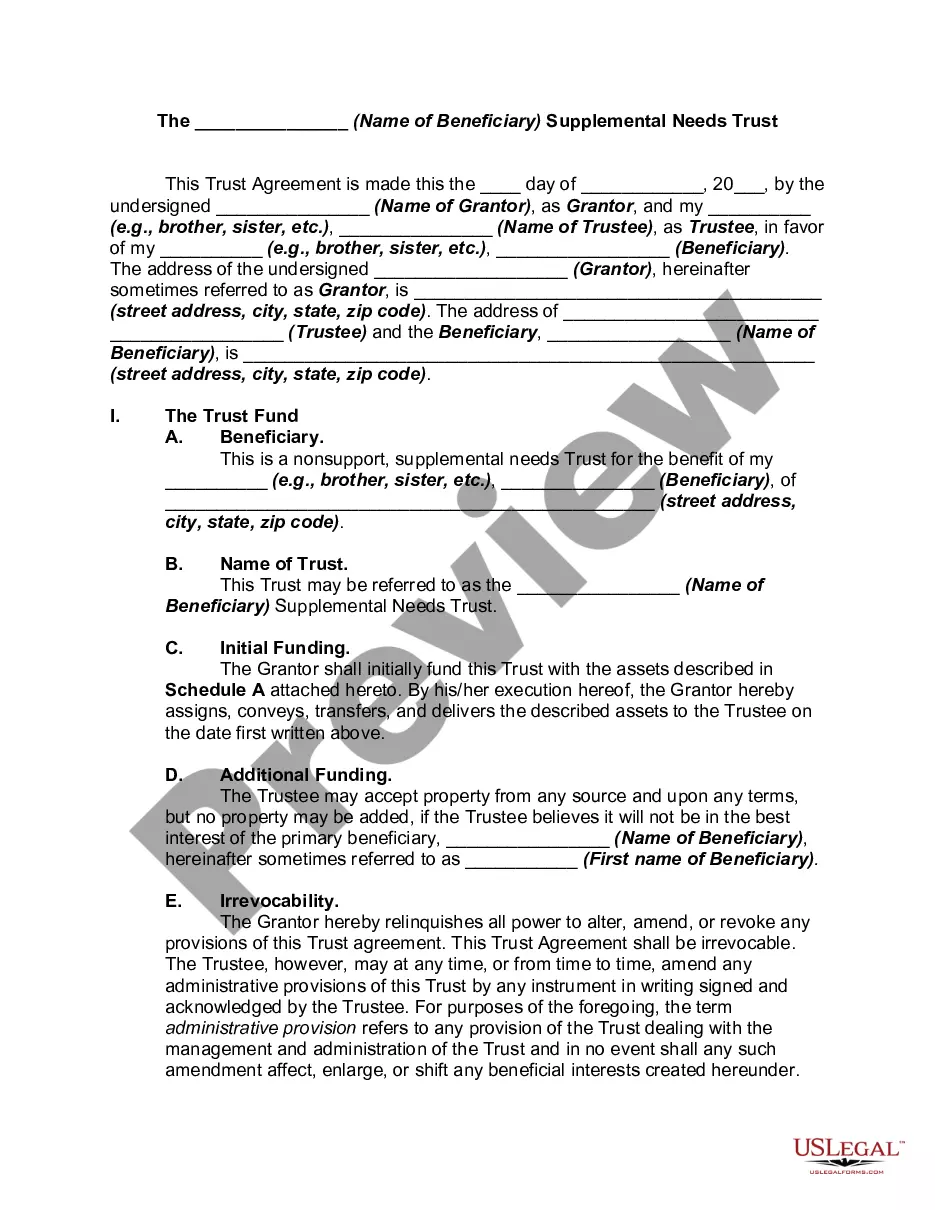
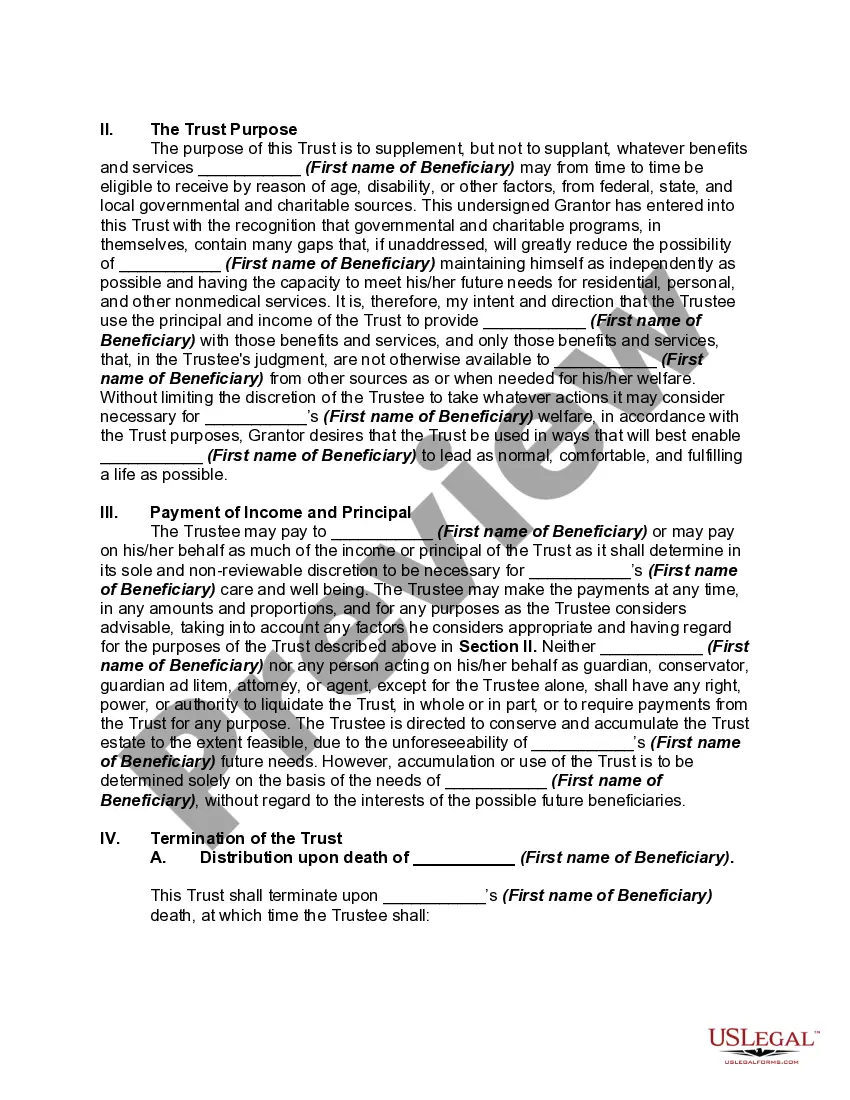
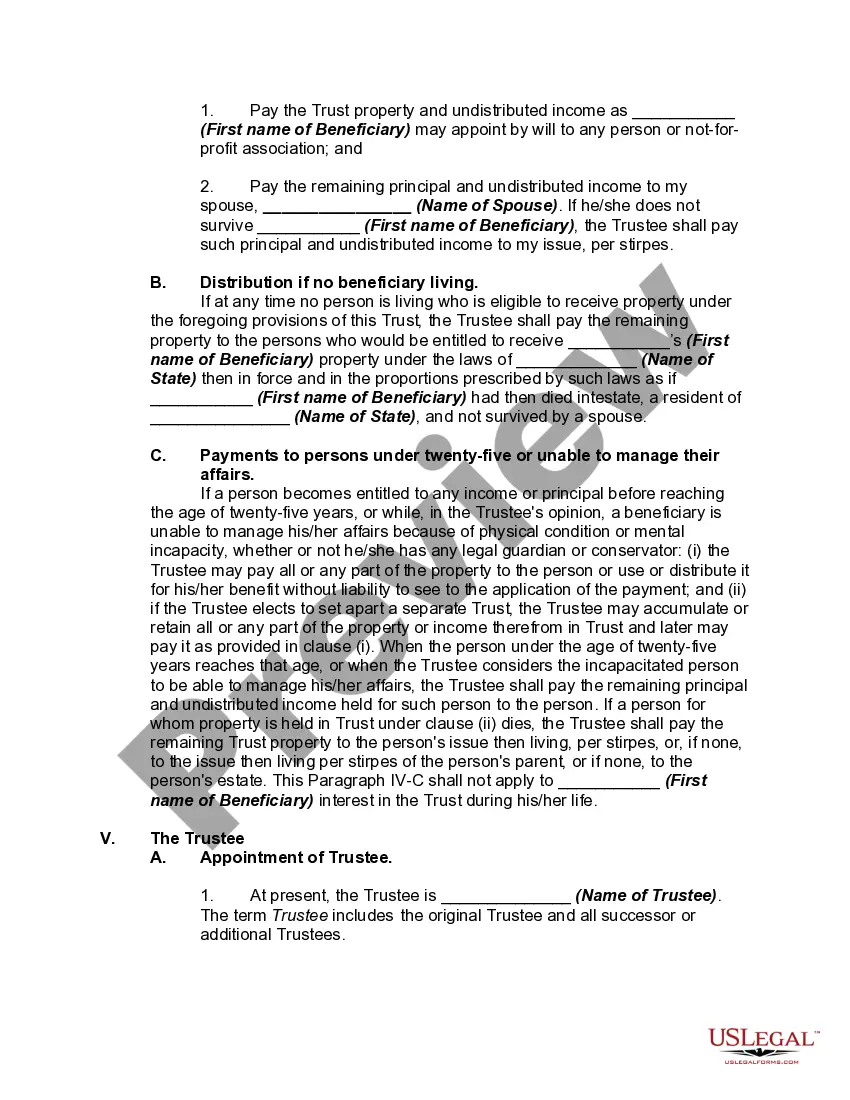
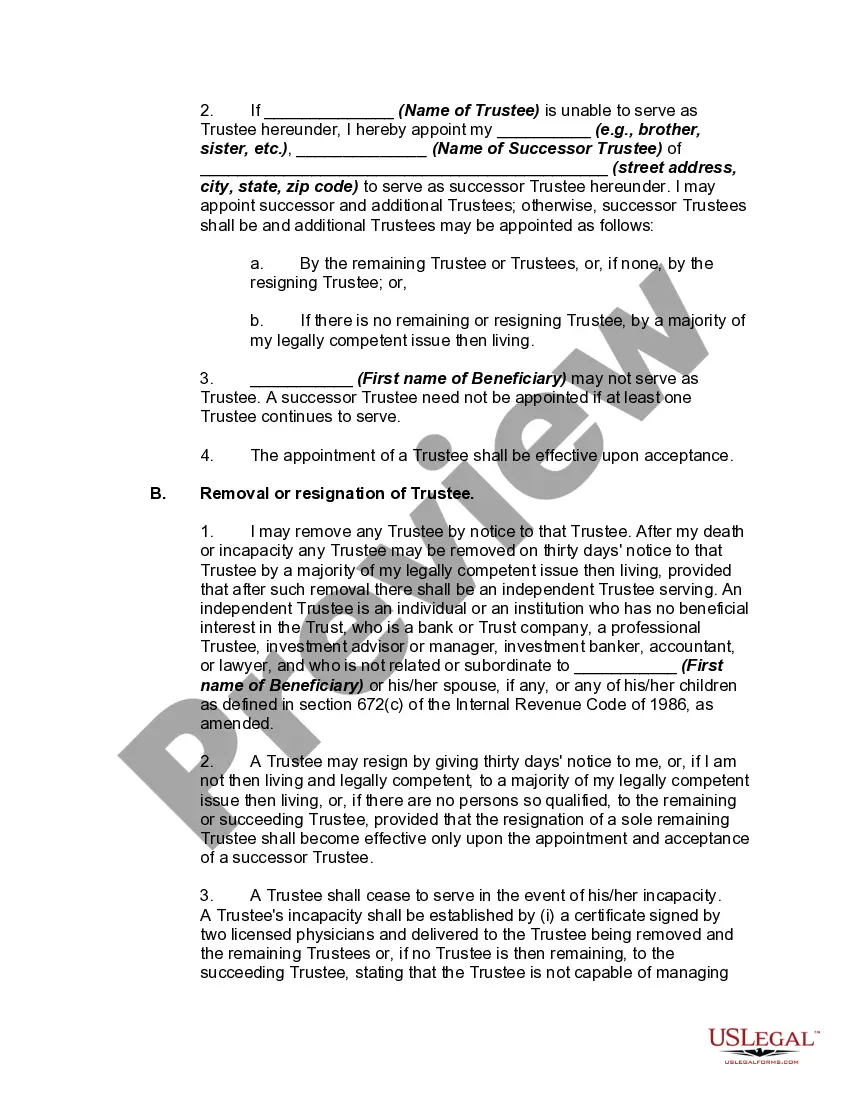
Description
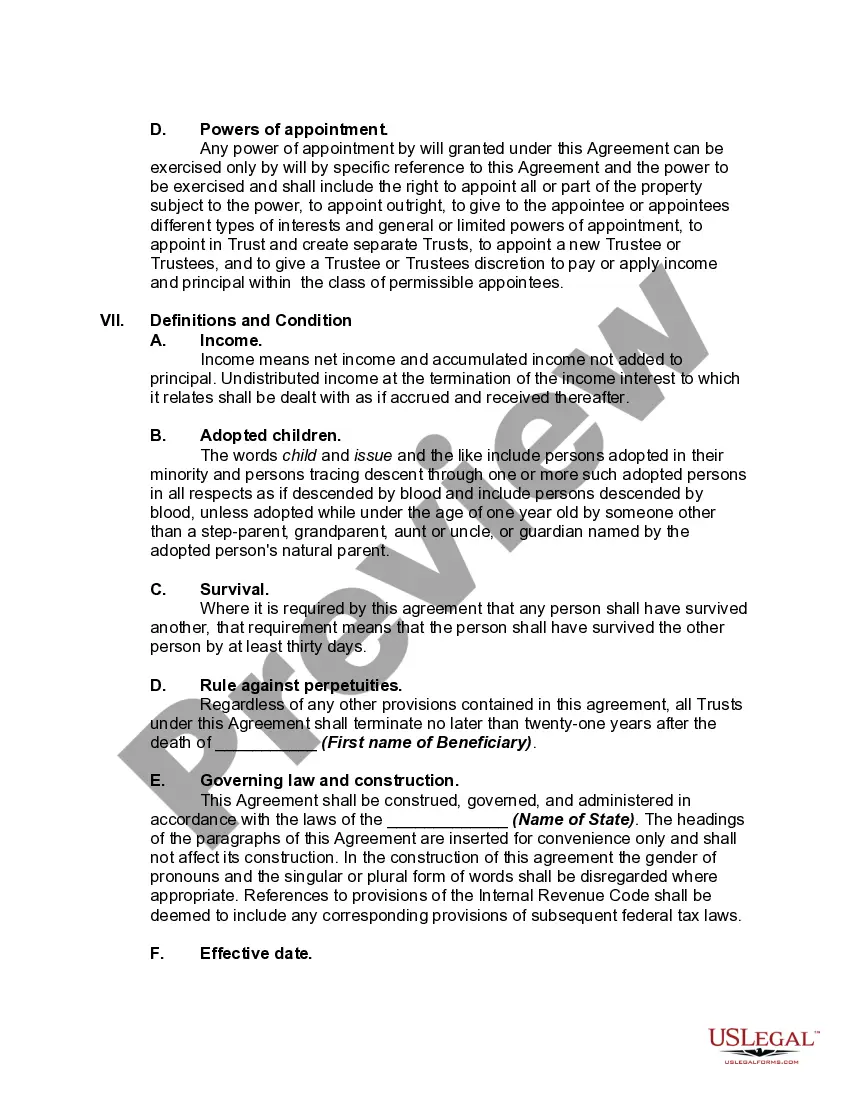
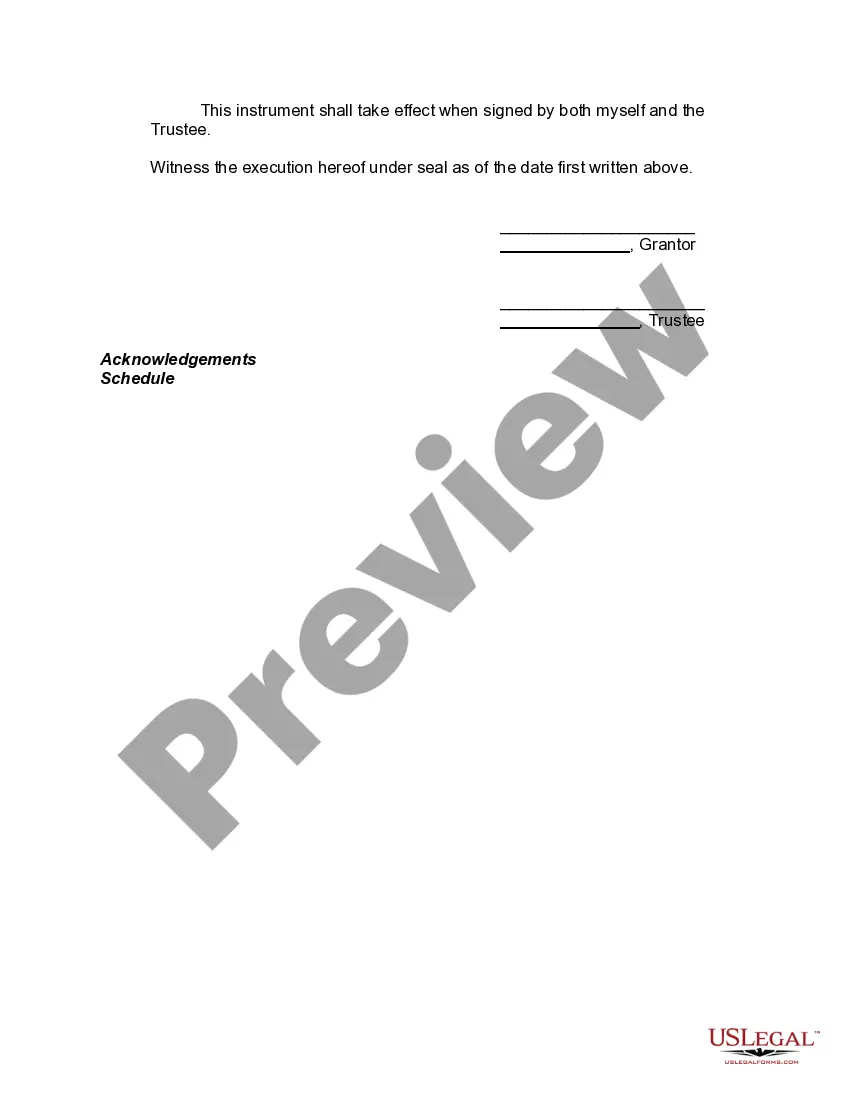

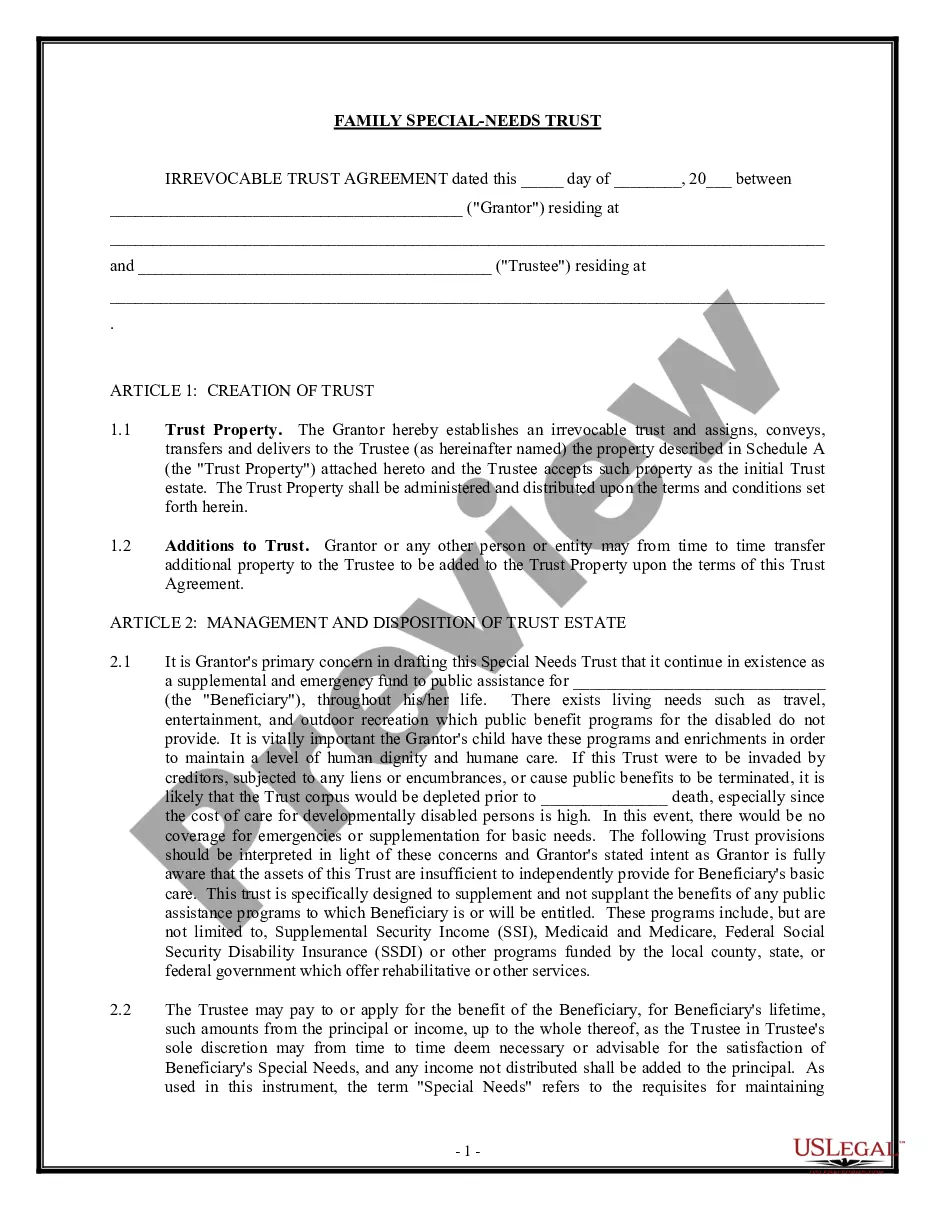

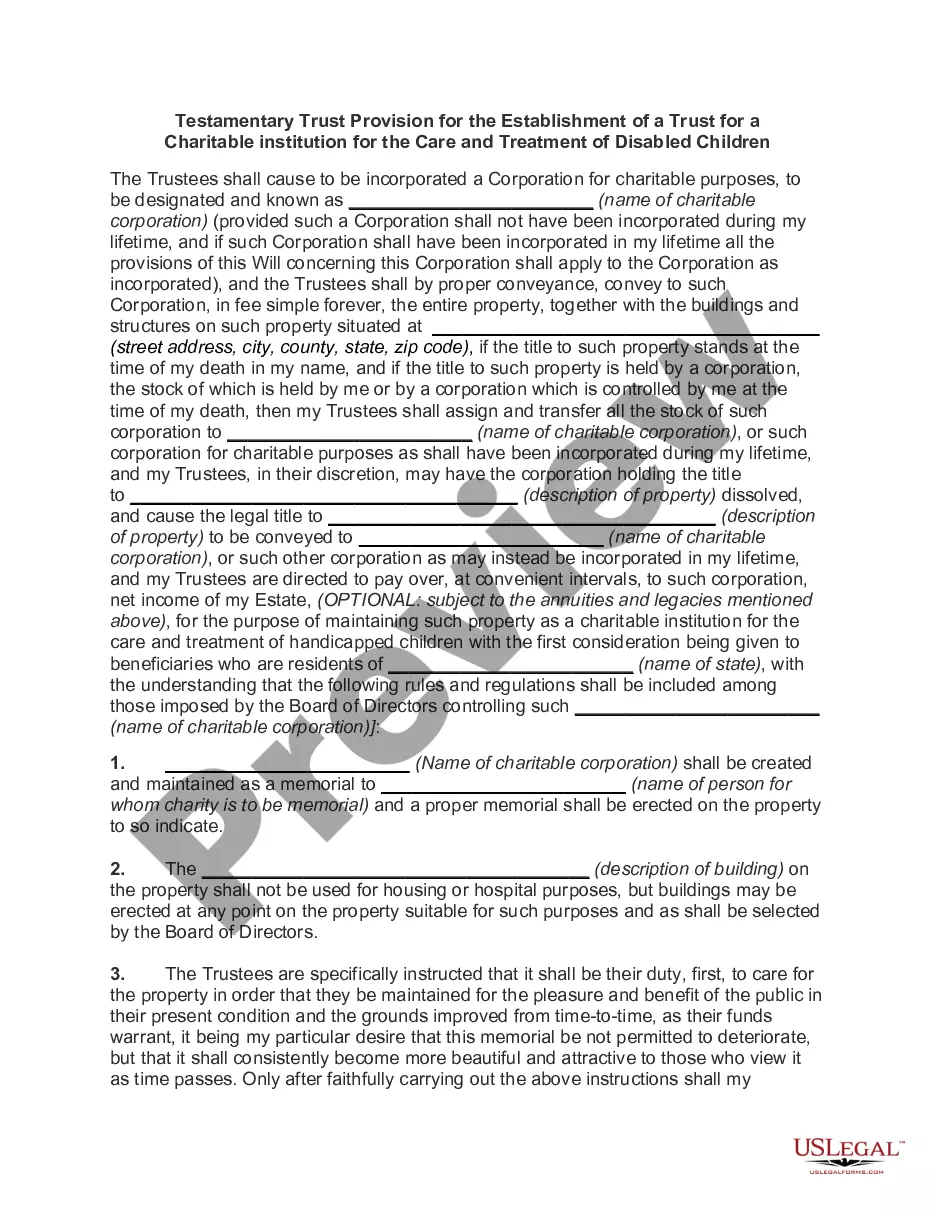
Get your form ready online
Our built-in tools help you complete, sign, share, and store your documents in one place.
Make edits, fill in missing information, and update formatting in US Legal Forms—just like you would in MS Word.
Download a copy, print it, send it by email, or mail it via USPS—whatever works best for your next step.
Sign and collect signatures with our SignNow integration. Send to multiple recipients, set reminders, and more. Go Premium to unlock E-Sign.
If this form requires notarization, complete it online through a secure video call—no need to meet a notary in person or wait for an appointment.
We protect your documents and personal data by following strict security and privacy standards.

Make edits, fill in missing information, and update formatting in US Legal Forms—just like you would in MS Word.

Download a copy, print it, send it by email, or mail it via USPS—whatever works best for your next step.

Sign and collect signatures with our SignNow integration. Send to multiple recipients, set reminders, and more. Go Premium to unlock E-Sign.

If this form requires notarization, complete it online through a secure video call—no need to meet a notary in person or wait for an appointment.

We protect your documents and personal data by following strict security and privacy standards.
Looking for another form?


How to fill out Supplemental Needs Trust For Third Party - Disabled Beneficiary?
Utilizing legal document examples that adhere to federal and state regulations is essential, and the internet provides a multitude of options to select from.
However, why waste time searching for the appropriate Trust For Handicapped Person template online when the US Legal Forms digital library has already gathered such documents in one location.
US Legal Forms is the most comprehensive online legal repository with over 85,000 editable templates created by attorneys for any business and personal circumstances.
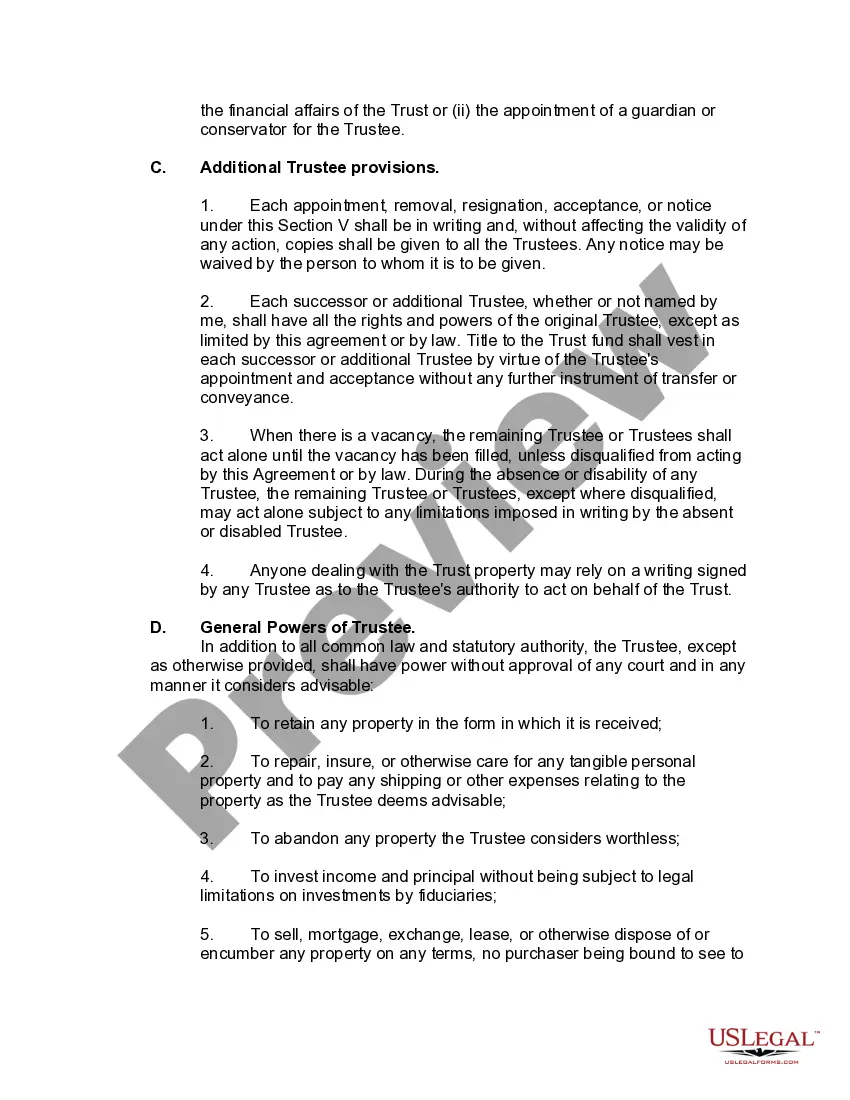
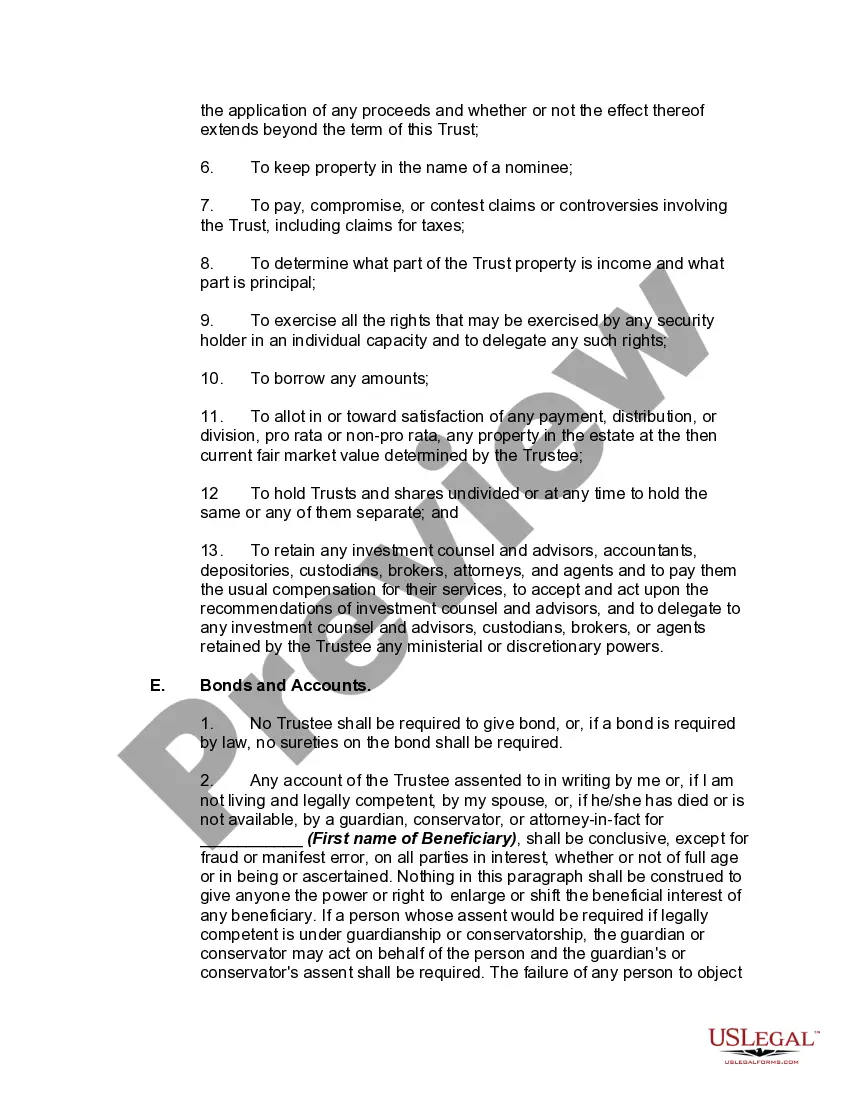
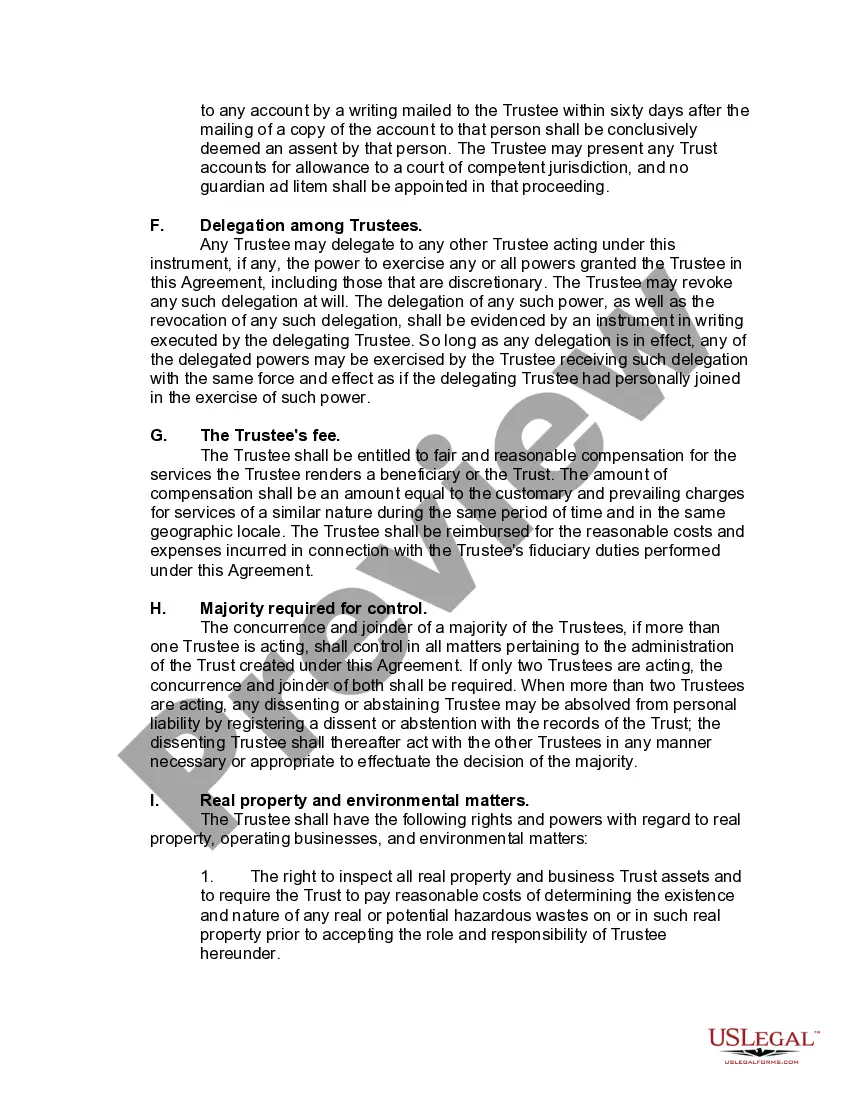
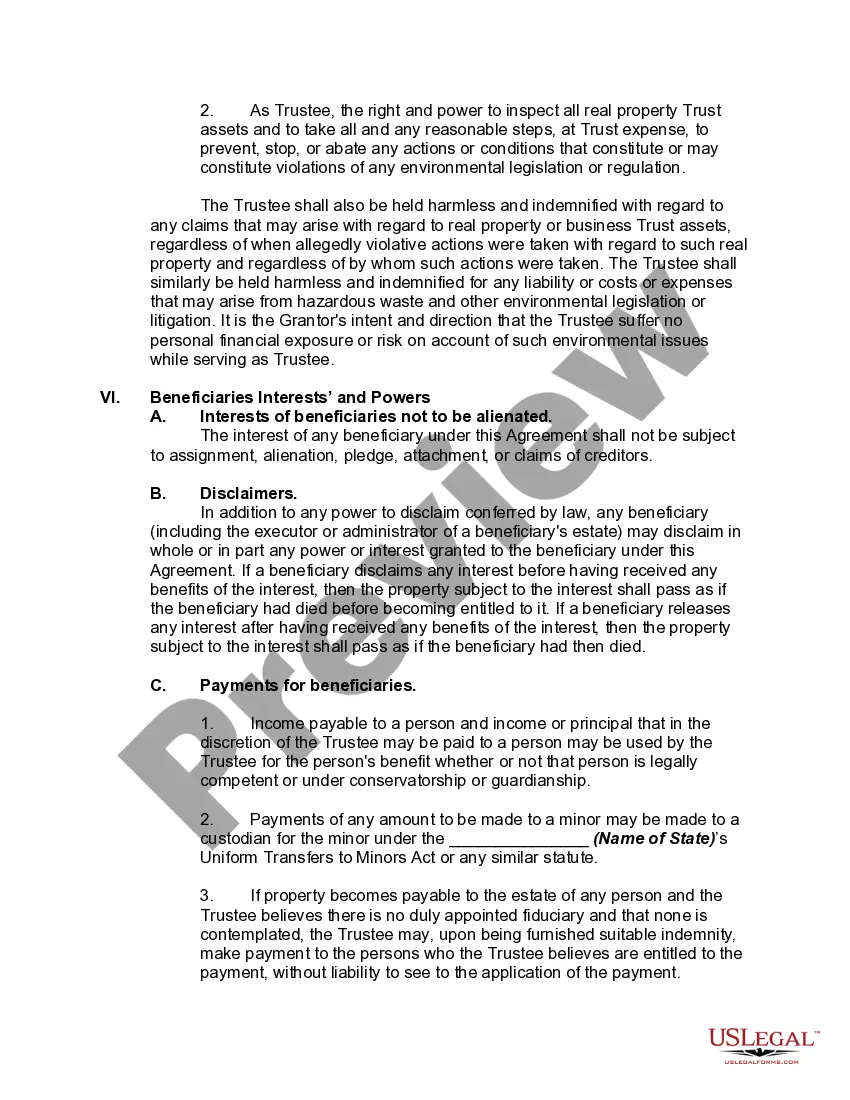
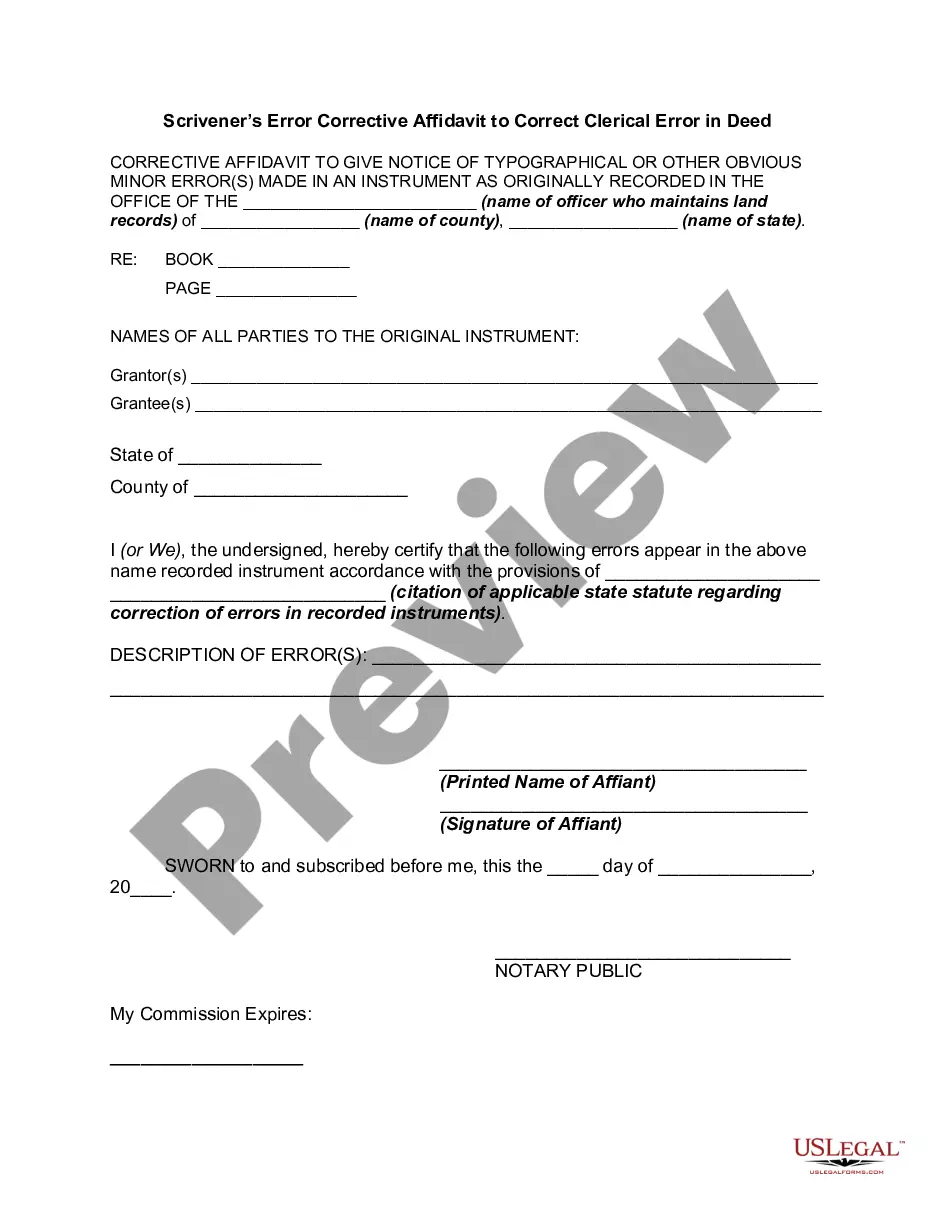
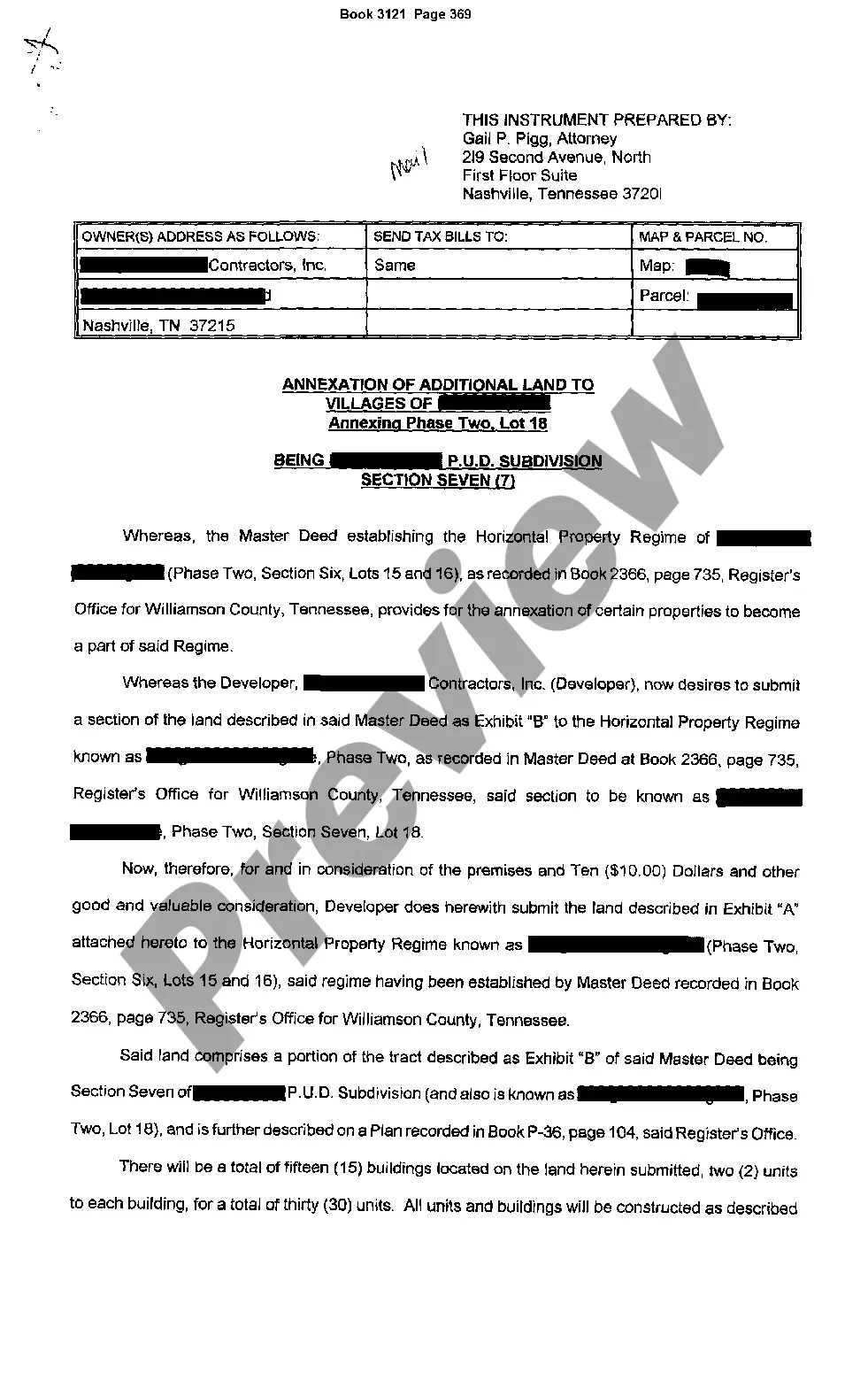
Review the template using the Preview feature or through the text outline to ensure it fulfills your needs.
- They are straightforward to navigate with all paperwork organized by state and intended purpose.
- Our specialists keep abreast of legislative updates, ensuring your documents remain current and compliant when obtaining a Trust For Handicapped Person from our site.
- Acquiring a Trust For Handicapped Person is simple and fast for both existing and new users.
- If you already possess an account with a valid subscription, Log In and download the document example you require in your chosen format.
- If you are new to our site, follow the steps outlined below.
Form popularity
FAQ
You can email the department at unclaimedproperty@mt.gov or call toll free 1-866-859-2254, or in Helena, 444-6900, to have the DOR do a search for you.
Montana Dormancy Periods Generally, most property types have a five-year dormancy period. Accounts are considered dormant if the owner of a property has not indicated any interest in the property or if no contact has been made by the owner for the allotted dormancy period for that property.
County Land Records The county recorder also has records of patents on timber and mining claims as well as real property assessment books and plat books. Copies of county land records can be found for many Montana counties in the FamilySearch Catalog under Montana>[County]>Land and property.
The most common types of Unclaimed Property are: Bank accounts and safe deposit box contents. Stocks, mutual funds, bonds, and dividends. Uncashed cashier's checks and money orders. Certificates of deposit. Matured or terminated insurance policies. Estates. Mineral interests and royalty payments.
814 - ABANDONED PROPERTY. (1) Property left unattended for more than 48 hours may be impounded, except where otherwise posted. Vehicles found abandoned are subject to 61-12-401, MCA.
Unclaimed funds are funds held by the court for an owner or recipient who is entitled to the money, but who has failed to claim ownership or who cannot be located and payment has been returned.
Search Unclaimed Money & Property | Montana . Montana.