Supplemental Needs Trust Allowable Expenses Withdrawal
Description
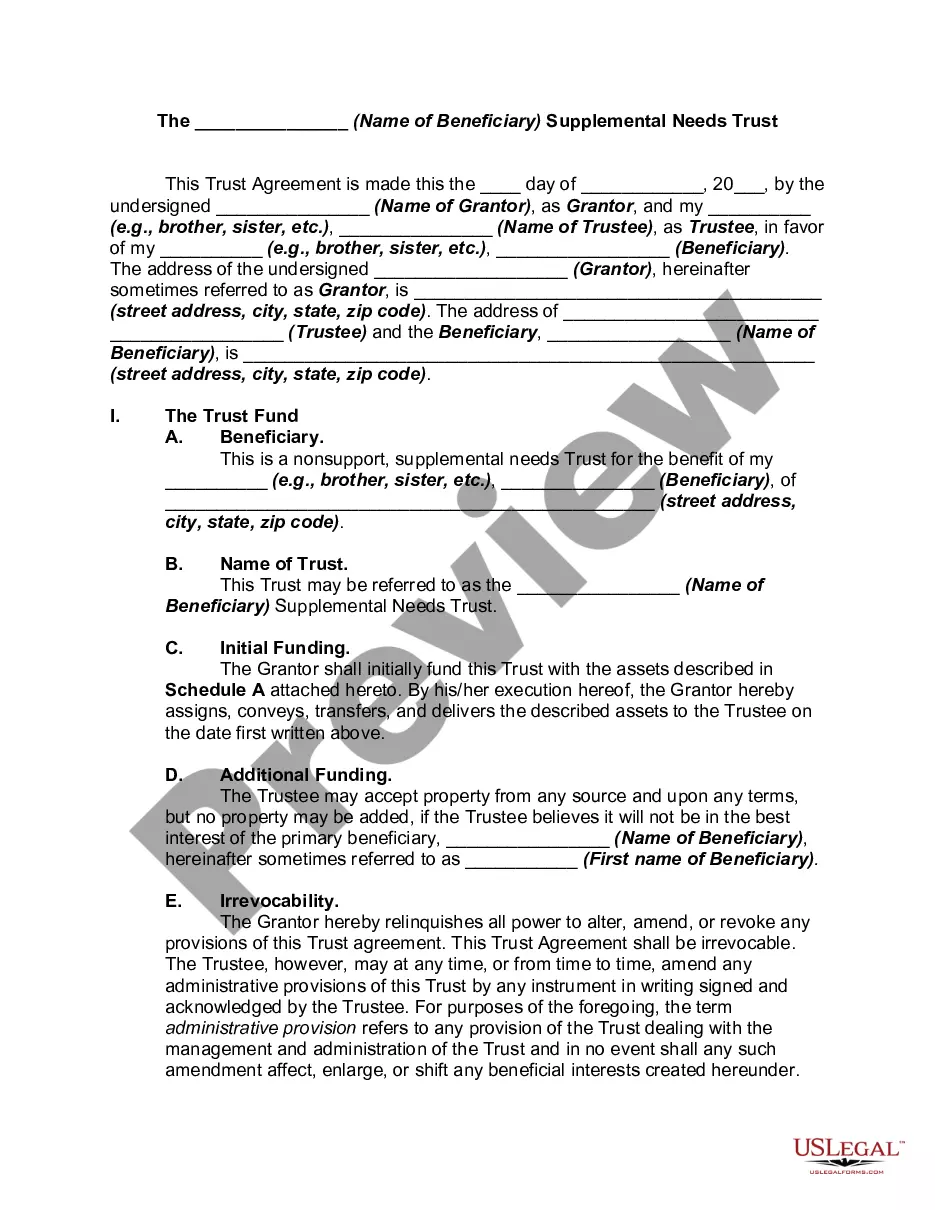
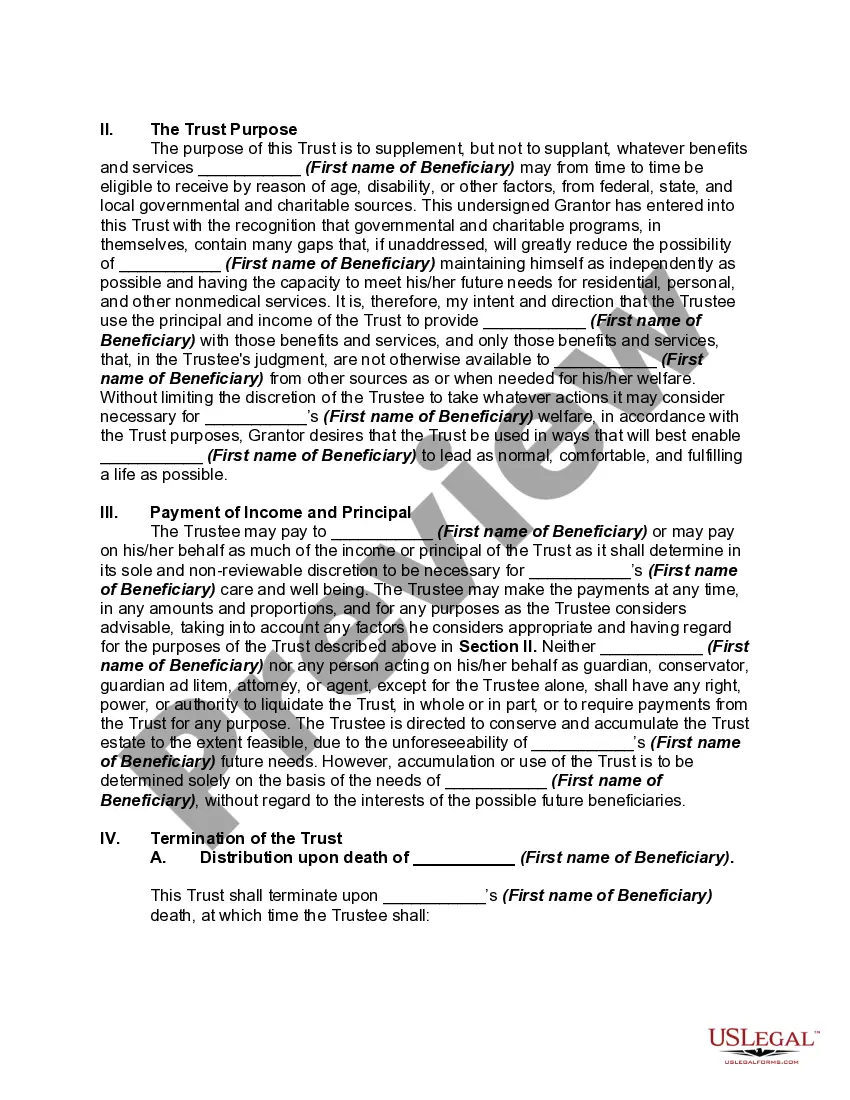
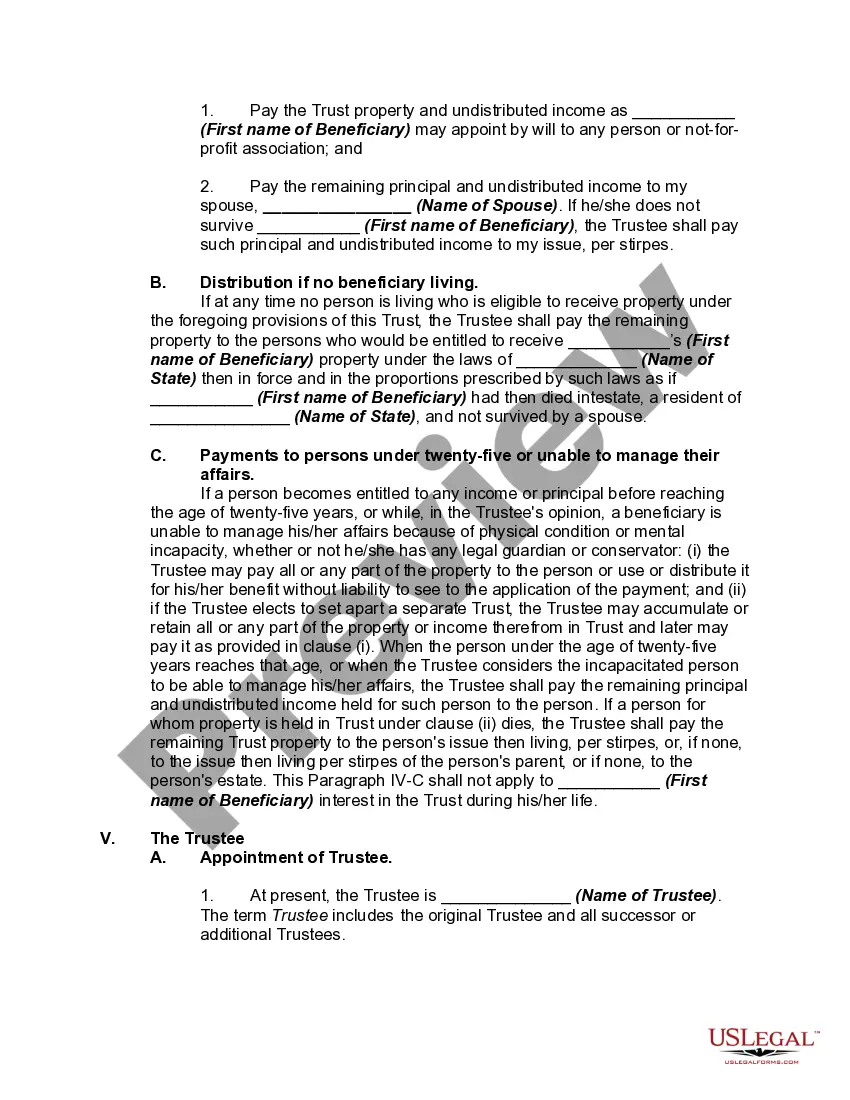
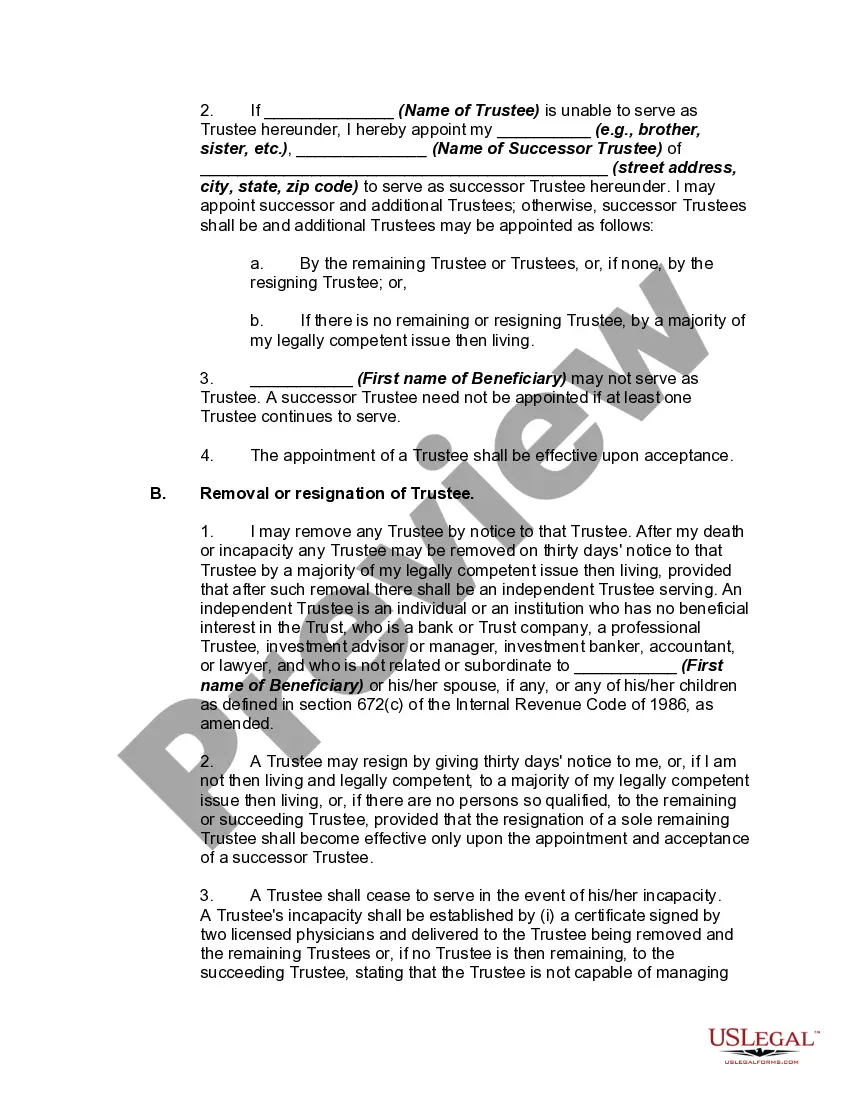
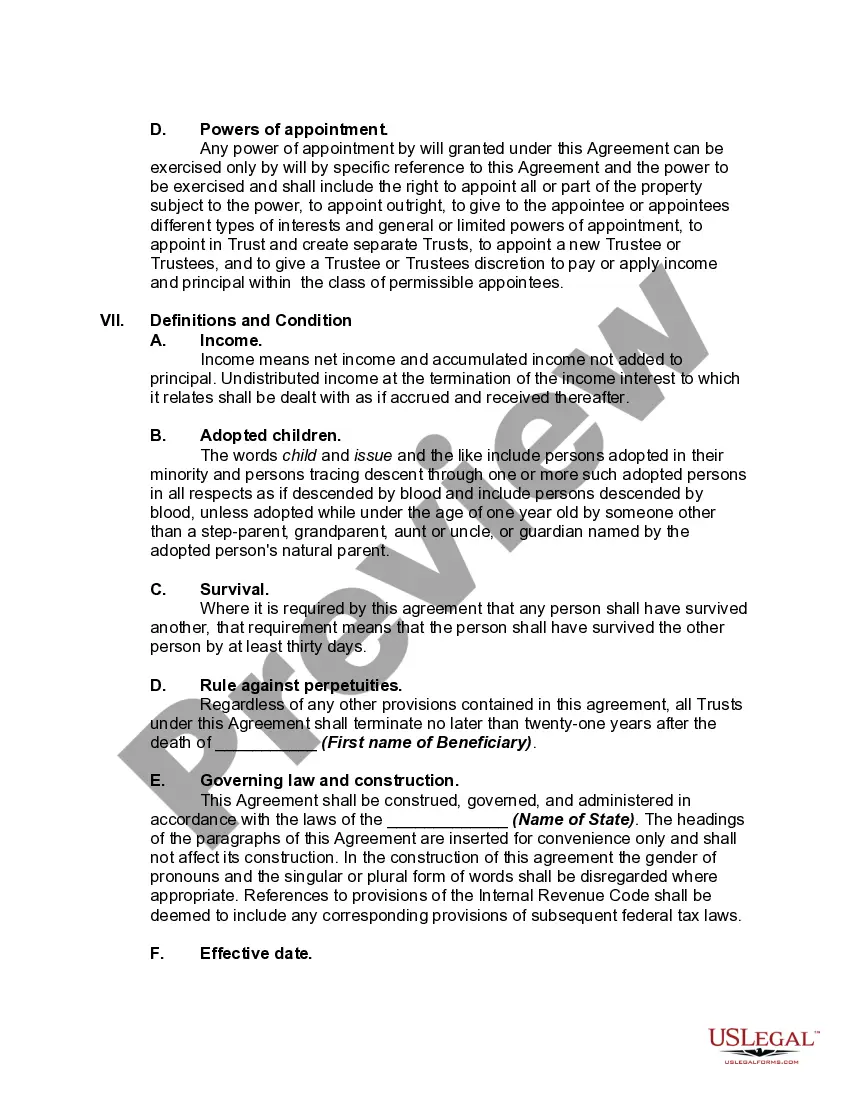
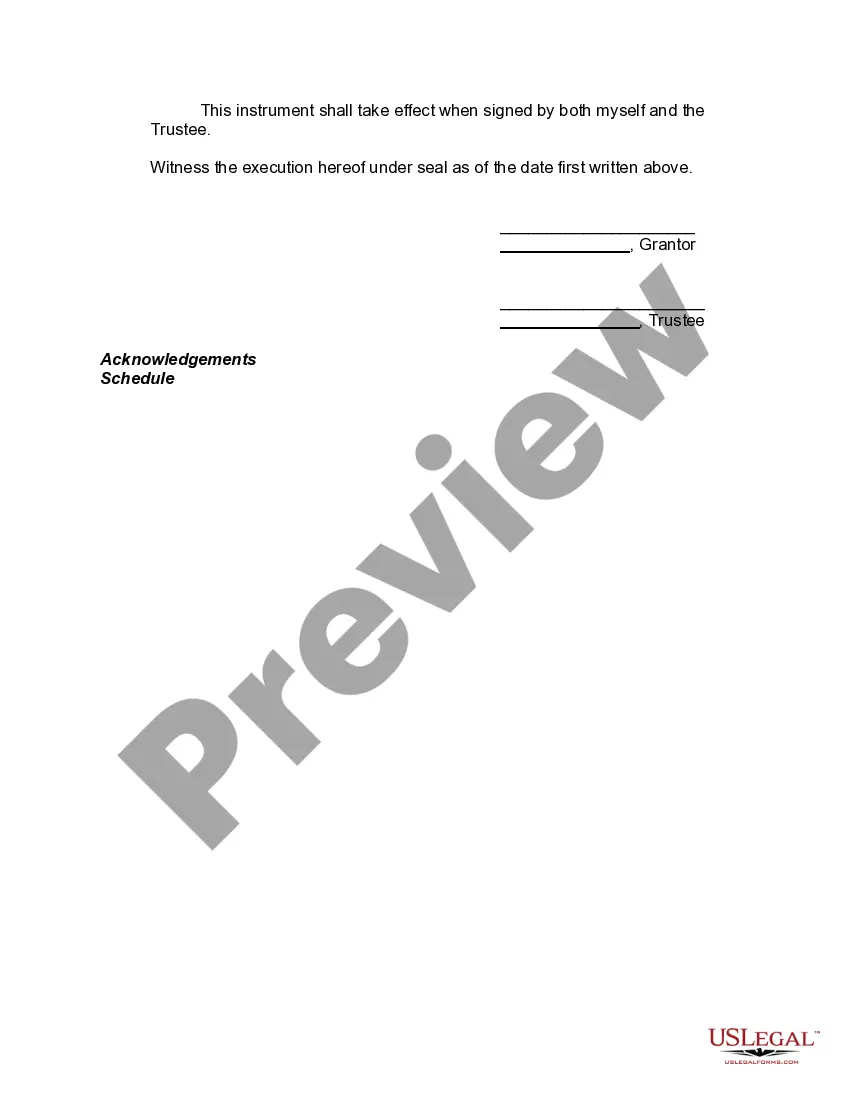

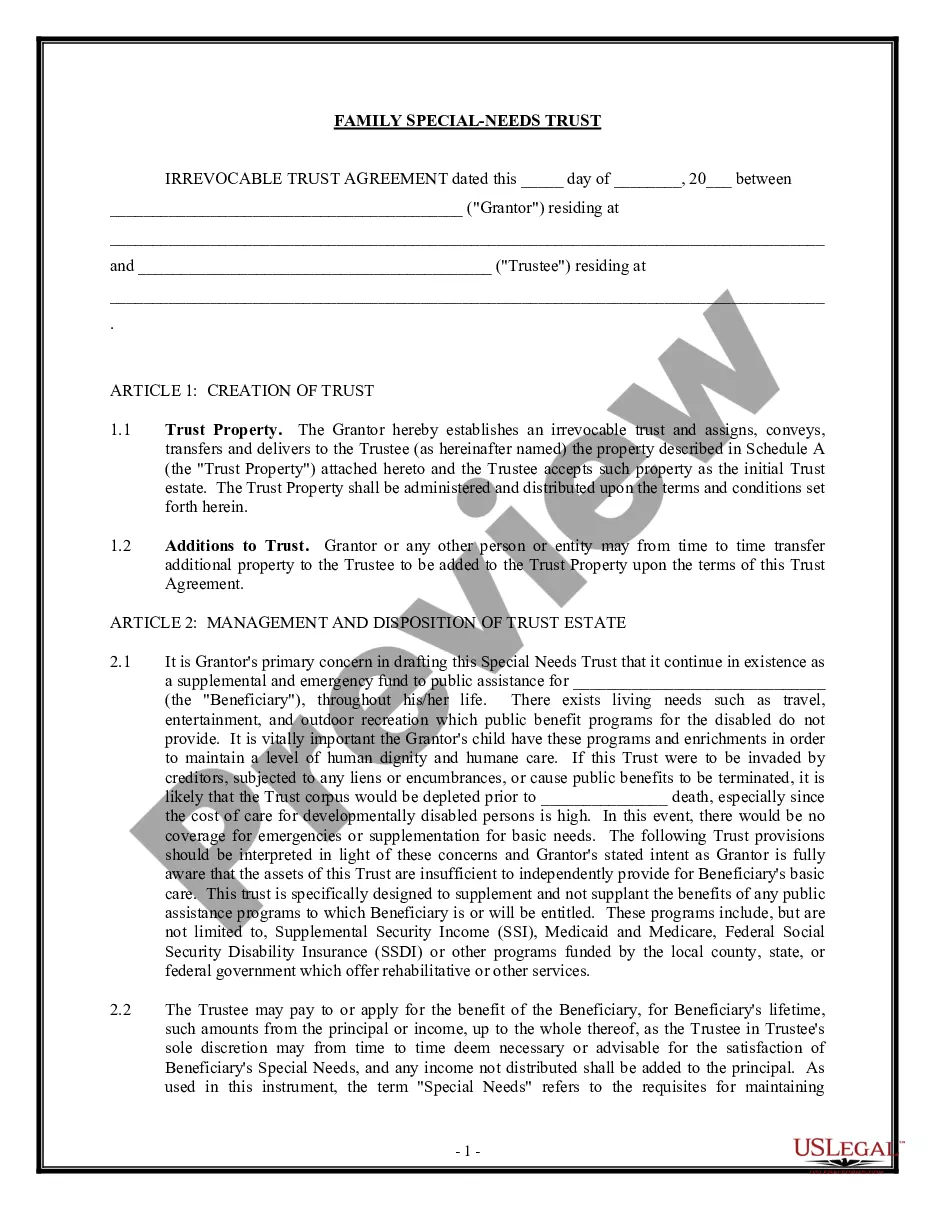

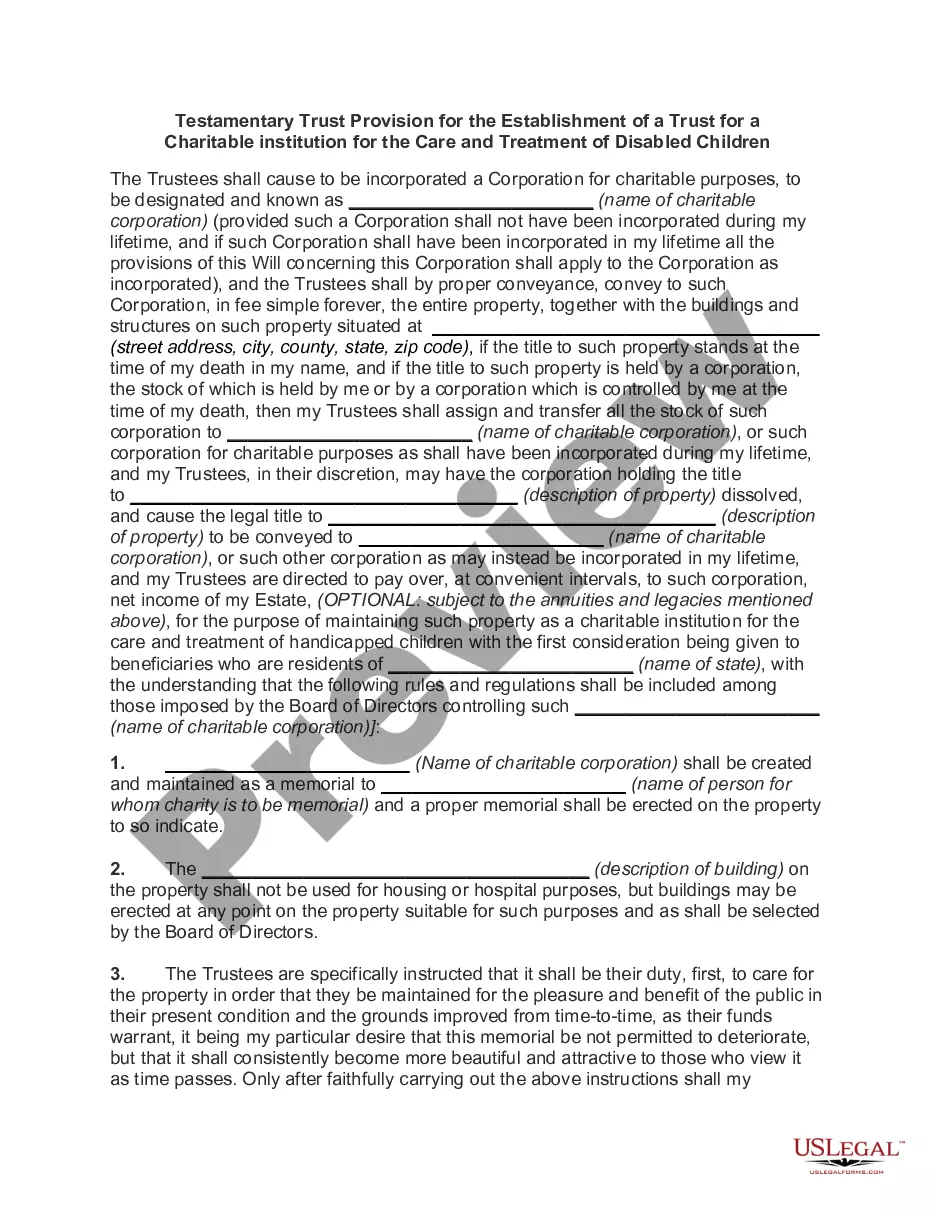
Get your form ready online
Our built-in tools help you complete, sign, share, and store your documents in one place.
Make edits, fill in missing information, and update formatting in US Legal Forms—just like you would in MS Word.
Download a copy, print it, send it by email, or mail it via USPS—whatever works best for your next step.
Sign and collect signatures with our SignNow integration. Send to multiple recipients, set reminders, and more. Go Premium to unlock E-Sign.
If this form requires notarization, complete it online through a secure video call—no need to meet a notary in person or wait for an appointment.
We protect your documents and personal data by following strict security and privacy standards.

Make edits, fill in missing information, and update formatting in US Legal Forms—just like you would in MS Word.

Download a copy, print it, send it by email, or mail it via USPS—whatever works best for your next step.

Sign and collect signatures with our SignNow integration. Send to multiple recipients, set reminders, and more. Go Premium to unlock E-Sign.

If this form requires notarization, complete it online through a secure video call—no need to meet a notary in person or wait for an appointment.

We protect your documents and personal data by following strict security and privacy standards.
Looking for another form?




How to fill out Supplemental Needs Trust For Third Party - Disabled Beneficiary?
Whether for business purposes or for personal affairs, everyone has to manage legal situations sooner or later in their life. Filling out legal documents requires careful attention, beginning from selecting the right form template. For instance, when you select a wrong edition of the Supplemental Needs Trust Allowable Expenses Withdrawal, it will be rejected once you send it. It is therefore crucial to have a dependable source of legal documents like US Legal Forms.
If you need to obtain a Supplemental Needs Trust Allowable Expenses Withdrawal template, follow these easy steps:
- Find the sample you need using the search field or catalog navigation.
- Examine the form’s information to ensure it suits your situation, state, and region.
- Click on the form’s preview to see it.
- If it is the incorrect document, get back to the search function to find the Supplemental Needs Trust Allowable Expenses Withdrawal sample you require.
- Get the file if it matches your needs.
- If you already have a US Legal Forms account, simply click Log in to access previously saved files in My Forms.
- In the event you do not have an account yet, you can download the form by clicking Buy now.
- Select the appropriate pricing option.
- Finish the account registration form.
- Choose your payment method: use a credit card or PayPal account.
- Select the document format you want and download the Supplemental Needs Trust Allowable Expenses Withdrawal.
- After it is saved, you can fill out the form by using editing software or print it and complete it manually.
With a vast US Legal Forms catalog at hand, you don’t need to spend time looking for the appropriate sample across the internet. Utilize the library’s straightforward navigation to find the appropriate template for any occasion.
Form popularity
FAQ
Some other examples of common trust purchases are a new TV for the Beneficiary's room, a hotel room rental on vacation, a class at a local community college, or non-government funded medical expenses such as massage therapy. Things may get a little bit more confusing when it comes to paying for food and shelter.
The trustee can write the beneficiary a check, give them cash, and transfer real estate by drawing up a new deed or selling the house and giving them the proceeds.
It depends on the terms of the trust. It may happen quickly or it could take years or even decades to distribute. It's important to point out that the longer it takes to distribute the assets, the more money it will cost to keep the trust active since you must pay for maintenance and trustee fees.
The trustee works in very close contact with the beneficiary and/or their caregiver to manage the trust and its financial distributions to pay for these things. The main takeaway regarding distribution of SNT funds is this: The beneficiary never sees the money directly, but the money is used to pay for their needs.
The grantor can opt to have the beneficiaries receive trust property directly without any restrictions. The trustee can write the beneficiary a check, give them cash, and transfer real estate by drawing up a new deed or selling the house and giving them the proceeds.