Sample Supplemental Needs Trust
Description
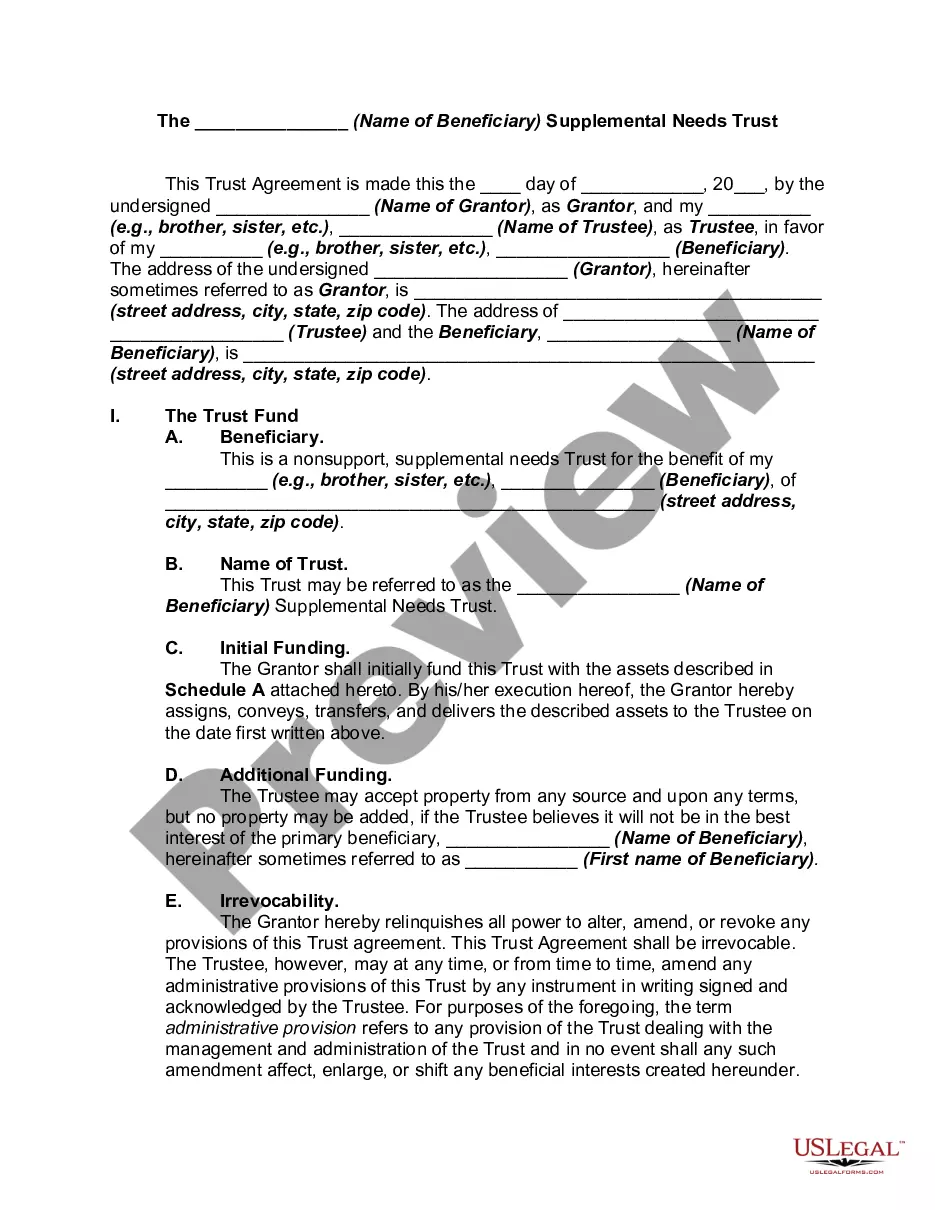
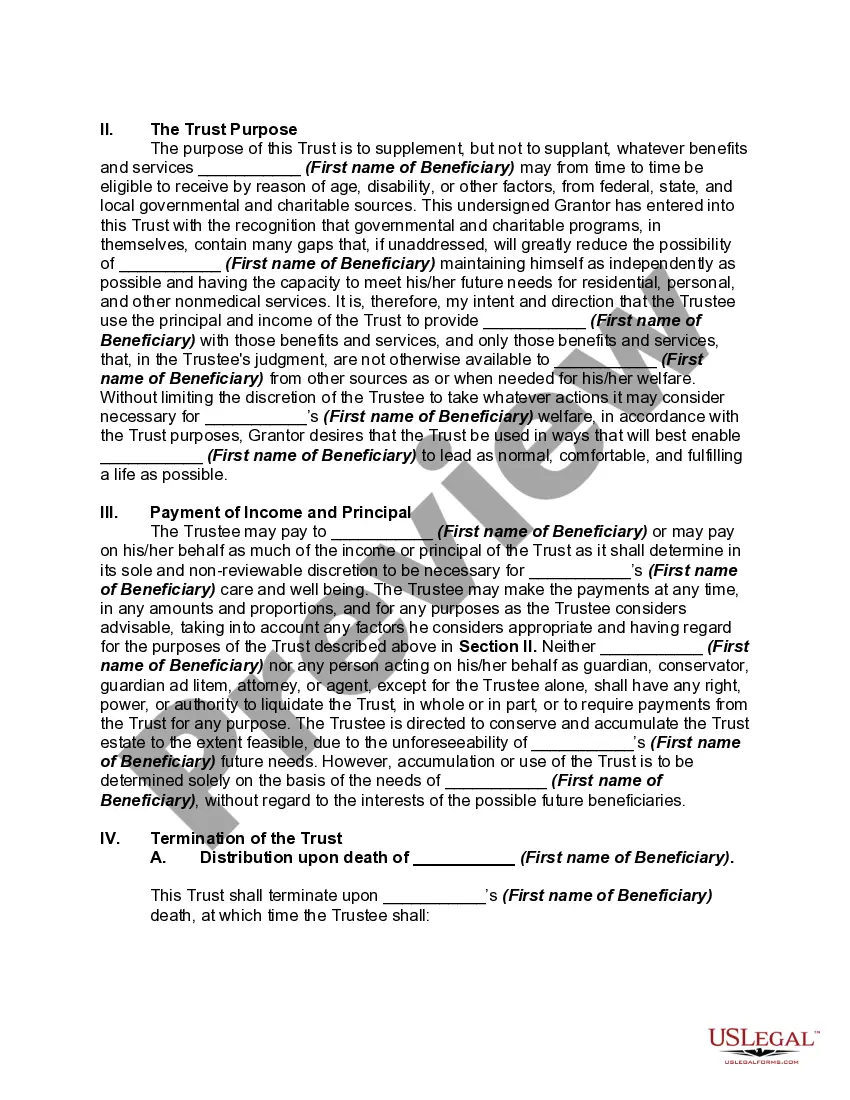
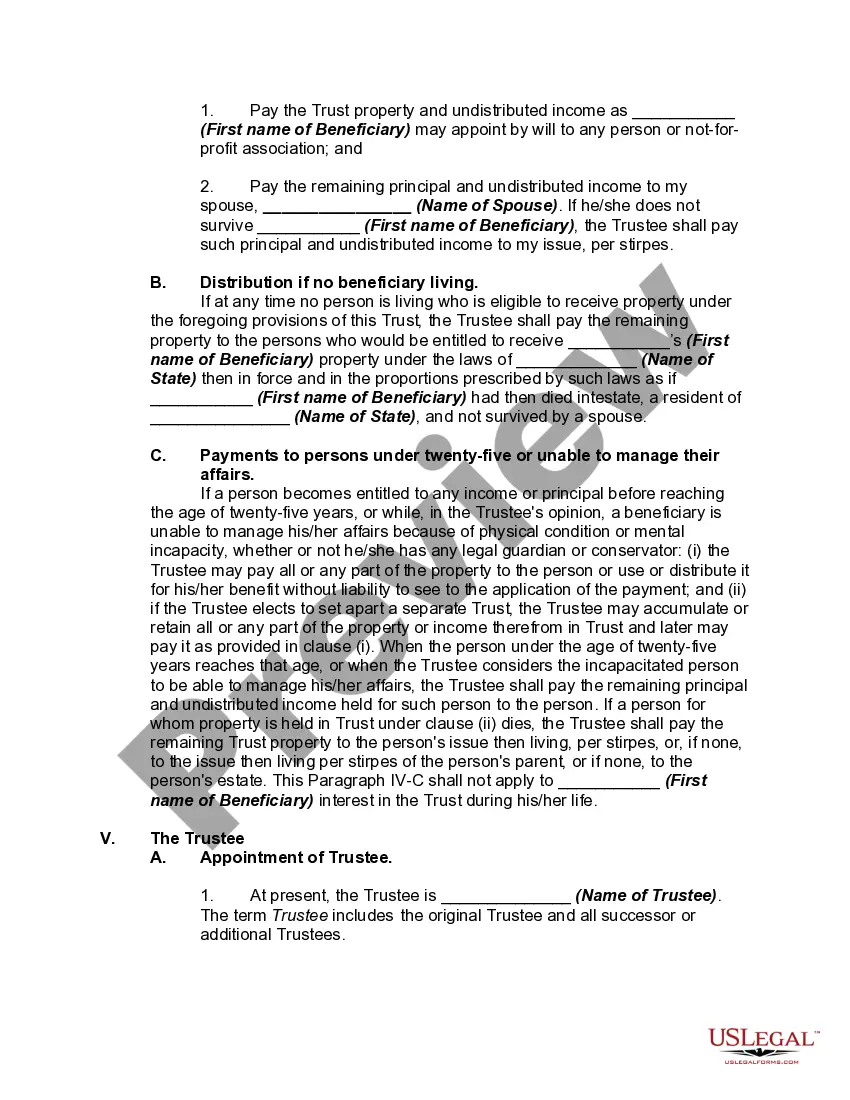
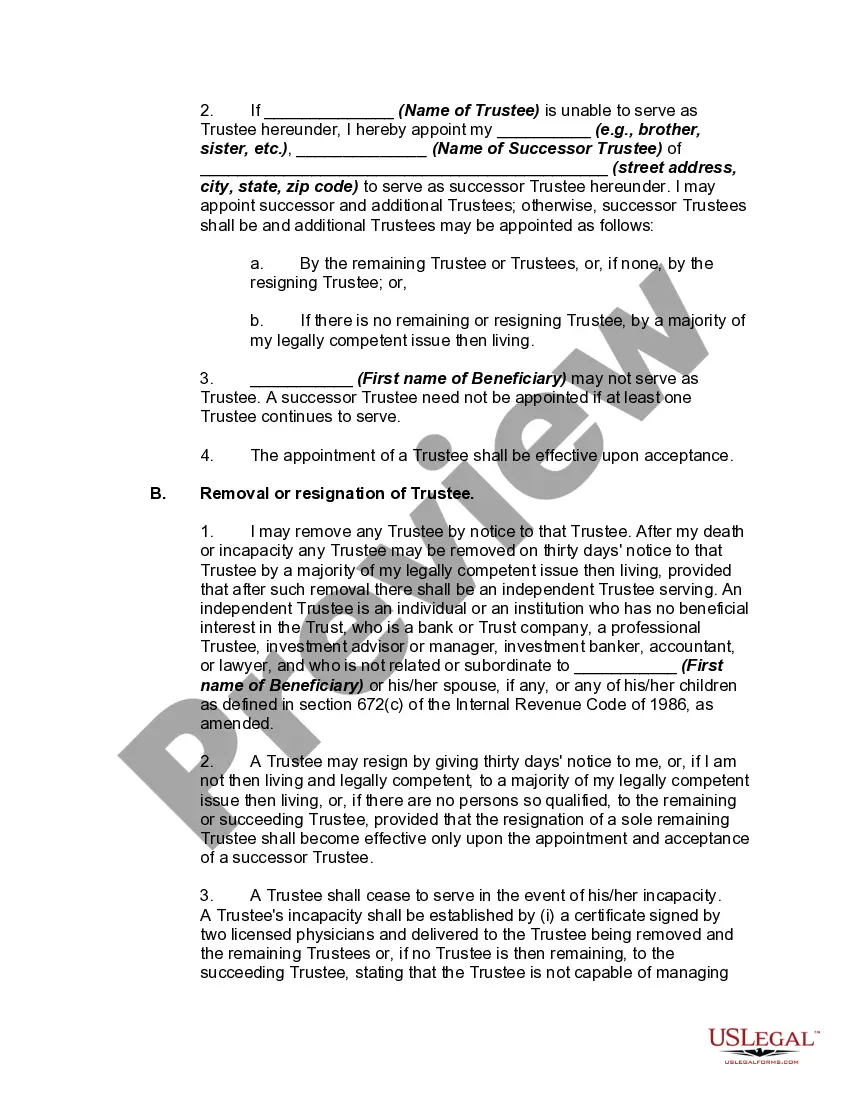
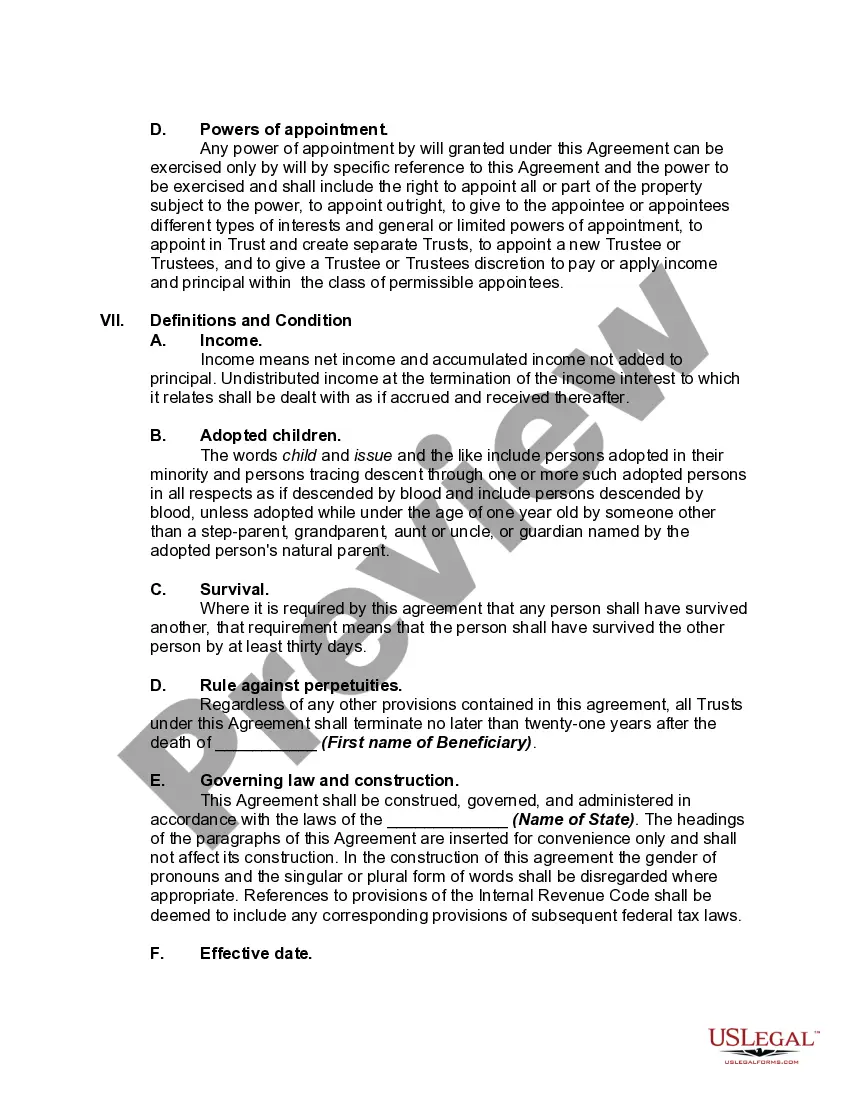
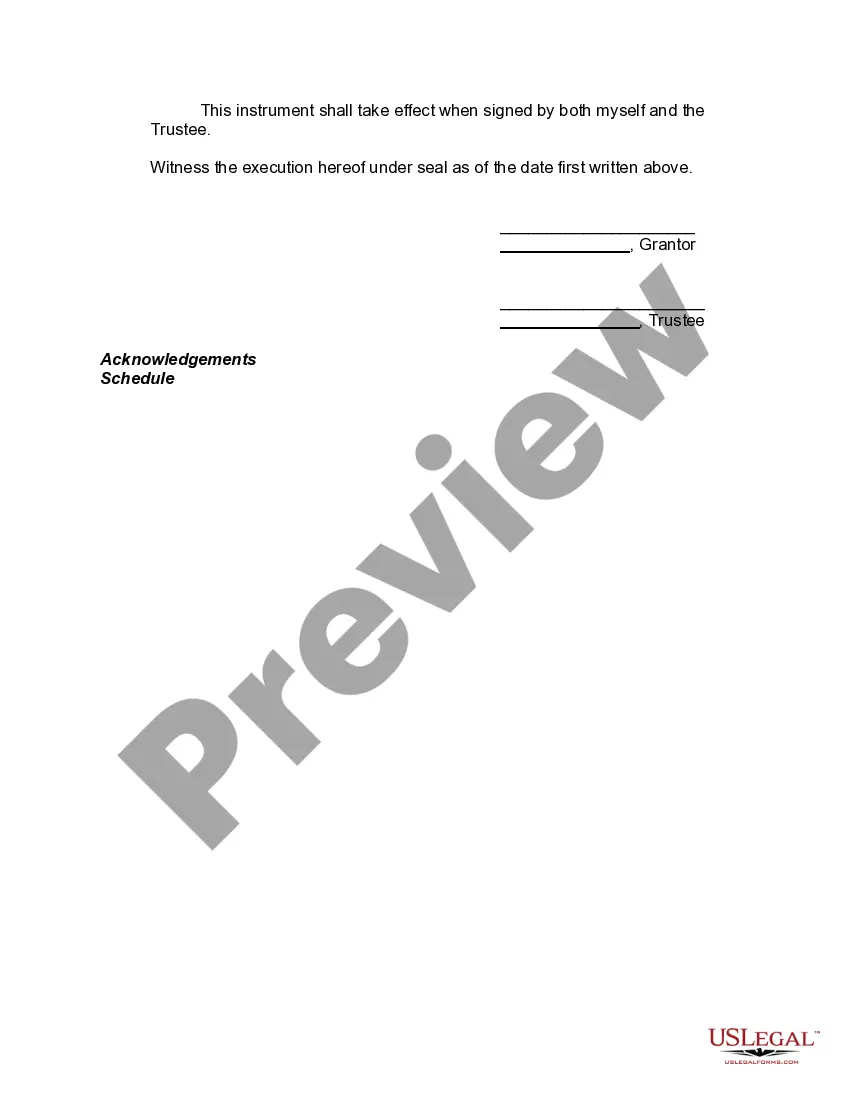

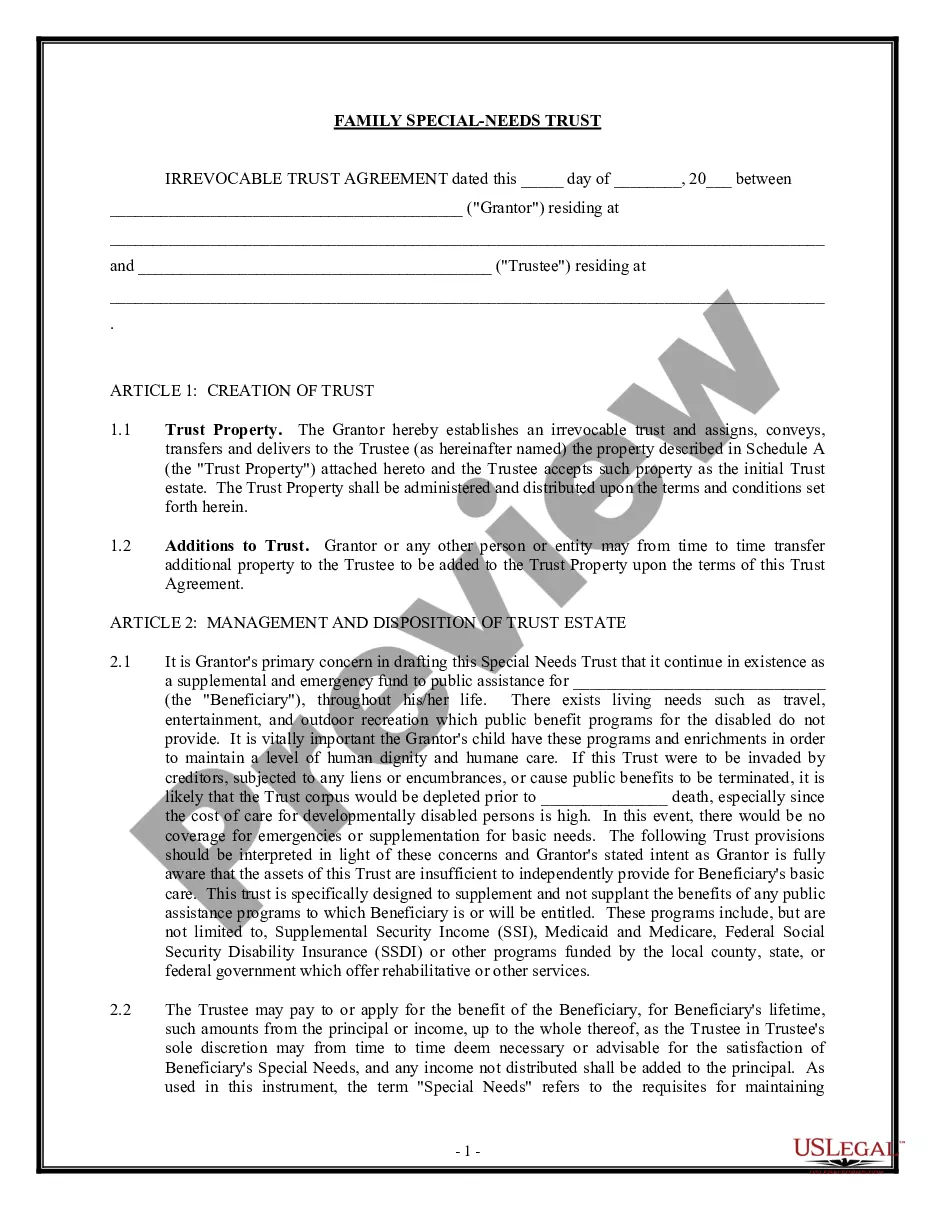
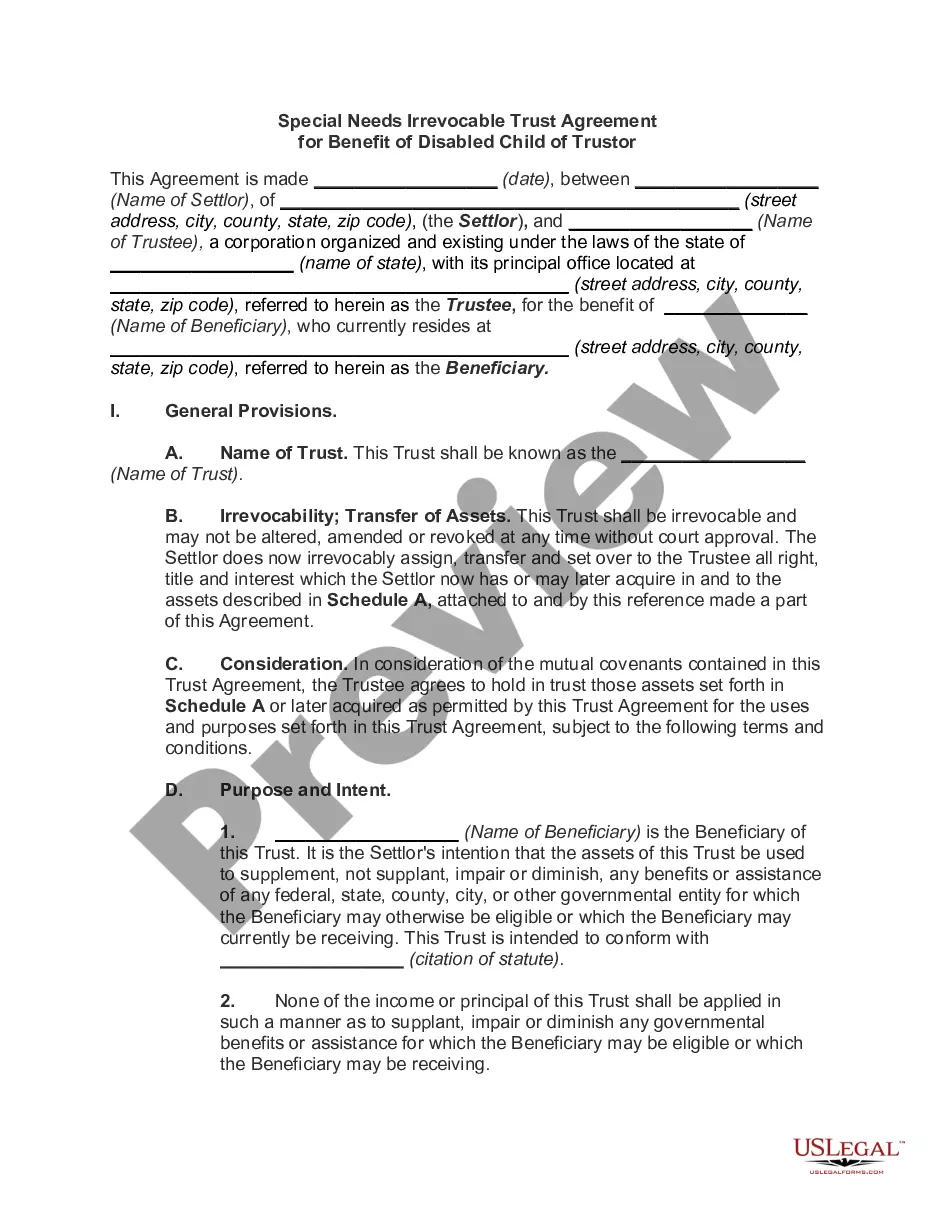
Get your form ready online
Our built-in tools help you complete, sign, share, and store your documents in one place.
Make edits, fill in missing information, and update formatting in US Legal Forms—just like you would in MS Word.
Download a copy, print it, send it by email, or mail it via USPS—whatever works best for your next step.
Sign and collect signatures with our SignNow integration. Send to multiple recipients, set reminders, and more. Go Premium to unlock E-Sign.
If this form requires notarization, complete it online through a secure video call—no need to meet a notary in person or wait for an appointment.
We protect your documents and personal data by following strict security and privacy standards.

Make edits, fill in missing information, and update formatting in US Legal Forms—just like you would in MS Word.

Download a copy, print it, send it by email, or mail it via USPS—whatever works best for your next step.

Sign and collect signatures with our SignNow integration. Send to multiple recipients, set reminders, and more. Go Premium to unlock E-Sign.

If this form requires notarization, complete it online through a secure video call—no need to meet a notary in person or wait for an appointment.

We protect your documents and personal data by following strict security and privacy standards.
Looking for another form?




How to fill out Supplemental Needs Trust For Third Party - Disabled Beneficiary?
- Log into your account on US Legal Forms if you've used our service before. Ensure your subscription is active to access the necessary forms.
- If you're a new user, begin by reviewing the form descriptions and Preview mode to select the right Sample Supplemental Needs Trust template that aligns with your local jurisdiction requirements.
- Should you need additional templates, utilize the search feature to find relevant documents. Select one that meets your needs to proceed.
- Purchase your selected document by clicking the Buy Now button and choose a subscription plan that works for you. You'll need to create an account for full access.
- Complete your purchase using your credit card or PayPal. Once your payment is processed, the document will be available for download.
- Download your form directly to your device. You can also find it at any time in the My Forms section of your profile.
By following these steps, you will have secured a robust legal document tailored to your needs. US Legal Forms simplifies the process, ensuring users have access to a comprehensive library of legal resources.
Start creating your Sample Supplemental Needs Trust today with US Legal Forms and experience the difference in getting your legal documents prepared efficiently!
Form popularity
FAQ
A supplemental needs trust and a special needs trust are generally considered the same, as both serve to protect the financial future of individuals with disabilities. However, some variations exist in usage and terminology based on jurisdiction. The key similarity is that both types of trusts allow individuals to receive benefits without losing eligibility for government assistance. When drafting a sample supplemental needs trust, clarifying these distinctions can add value to your overall estate planning.
You can set up a special needs trust by yourself, but it is wise to seek professional assistance to ensure that it complies with legal requirements. Creating a legally sound trust that serves its purpose effectively can be complex. Platforms like US Legal Forms offer templates to help you draft a sample supplemental needs trust, simplifying the process and ensuring you cover all necessary aspects.
Finding a trustee for a special needs trust requires careful consideration of the individual's qualifications and willingness to assume the responsibility. You may want to consider family members, close friends, or even professional trustees. It's crucial that the trustee understands the needs of the beneficiary and the specifics of a supplemental needs trust. A sample supplemental needs trust can provide guidance on what to look for in a good trustee.
In a supplemental needs trust, the owner is the person who establishes the trust, typically a parent or guardian of the individual with special needs. However, it is essential to note that the beneficiary, who is the person with special needs, does not own the trust assets. The trustee manages these assets on behalf of the beneficiary. Utilizing a sample supplemental needs trust can help clarify these roles in your documentation.
A supplemental needs trust works by holding assets for a beneficiary with disabilities without jeopardizing their eligibility for government benefits. The trust allows the trustee to manage the funds and provide for additional needs that government programs do not cover. Thus, it can enhance the quality of life for the beneficiary. You can create a sample supplemental needs trust that clearly defines how and when distributions are made.
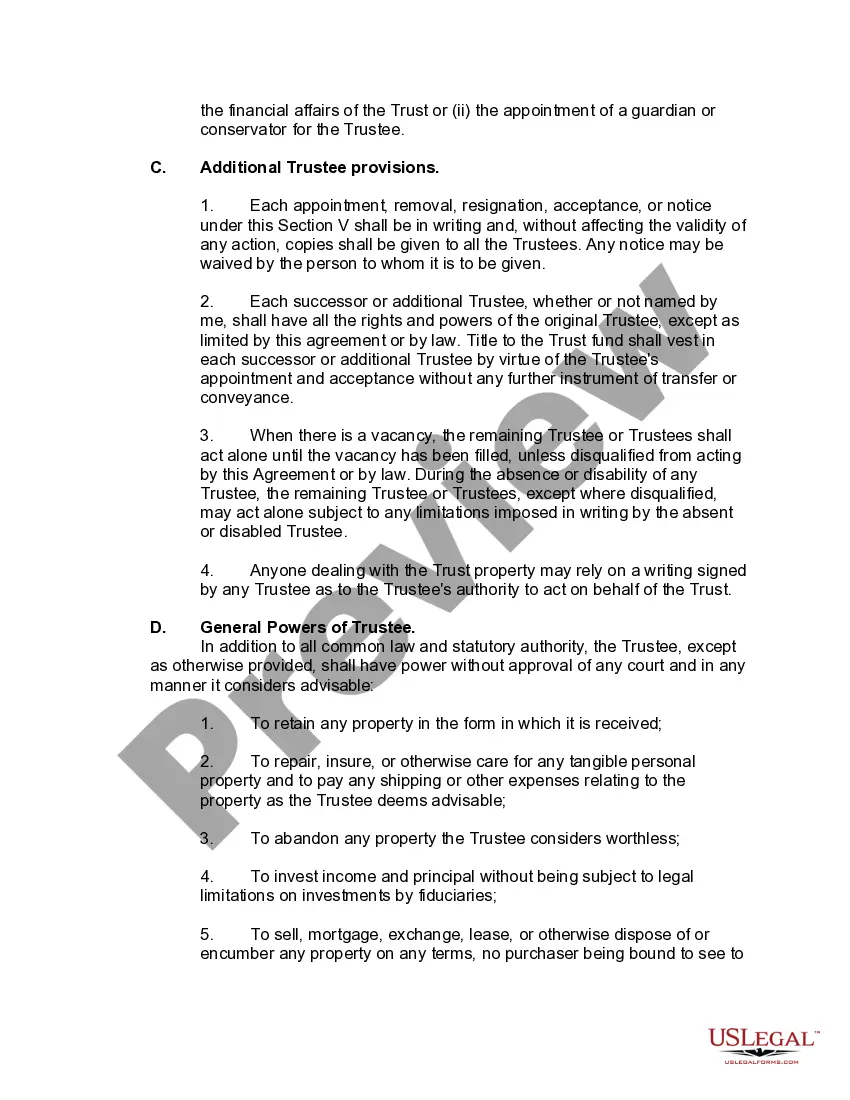
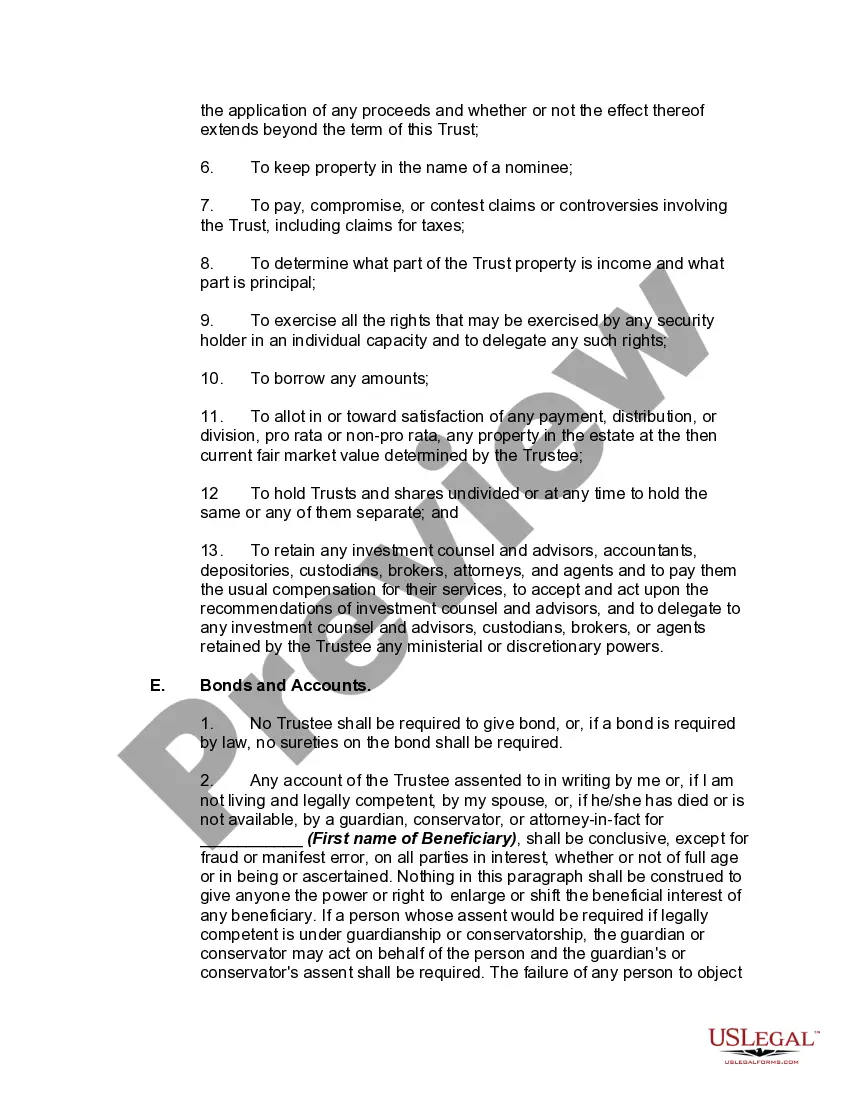
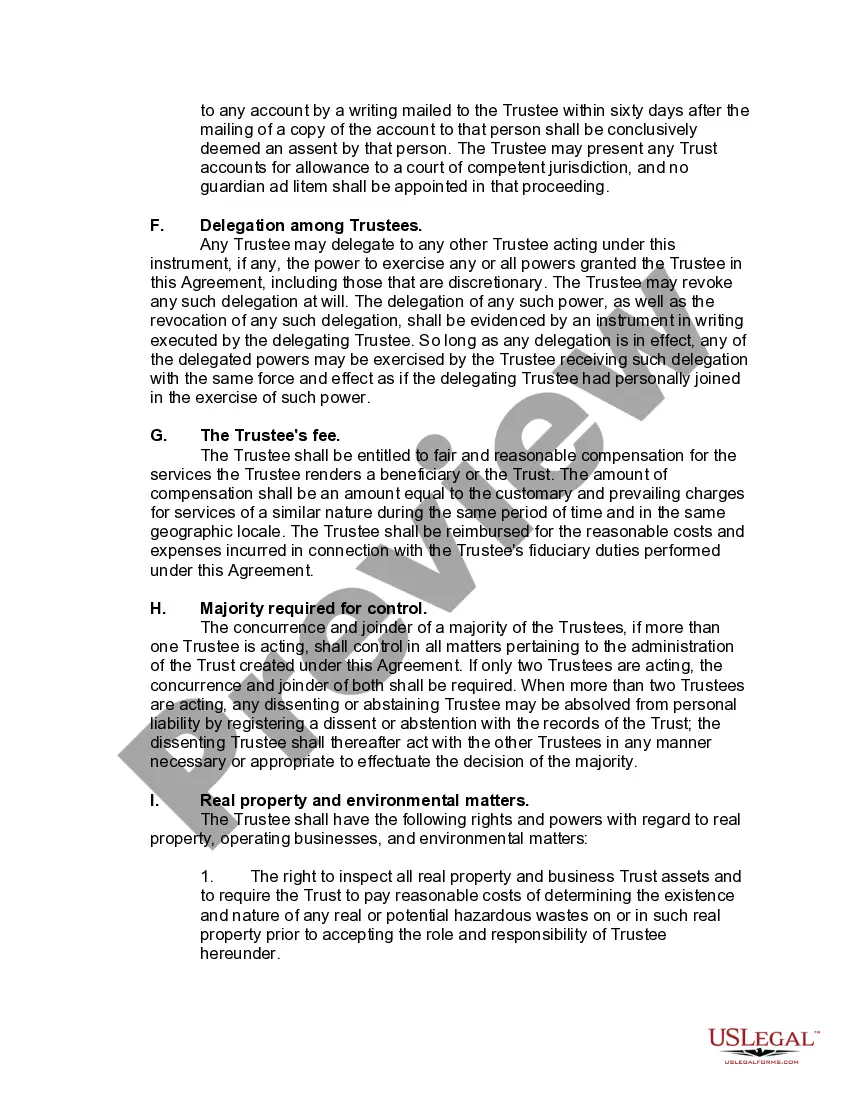
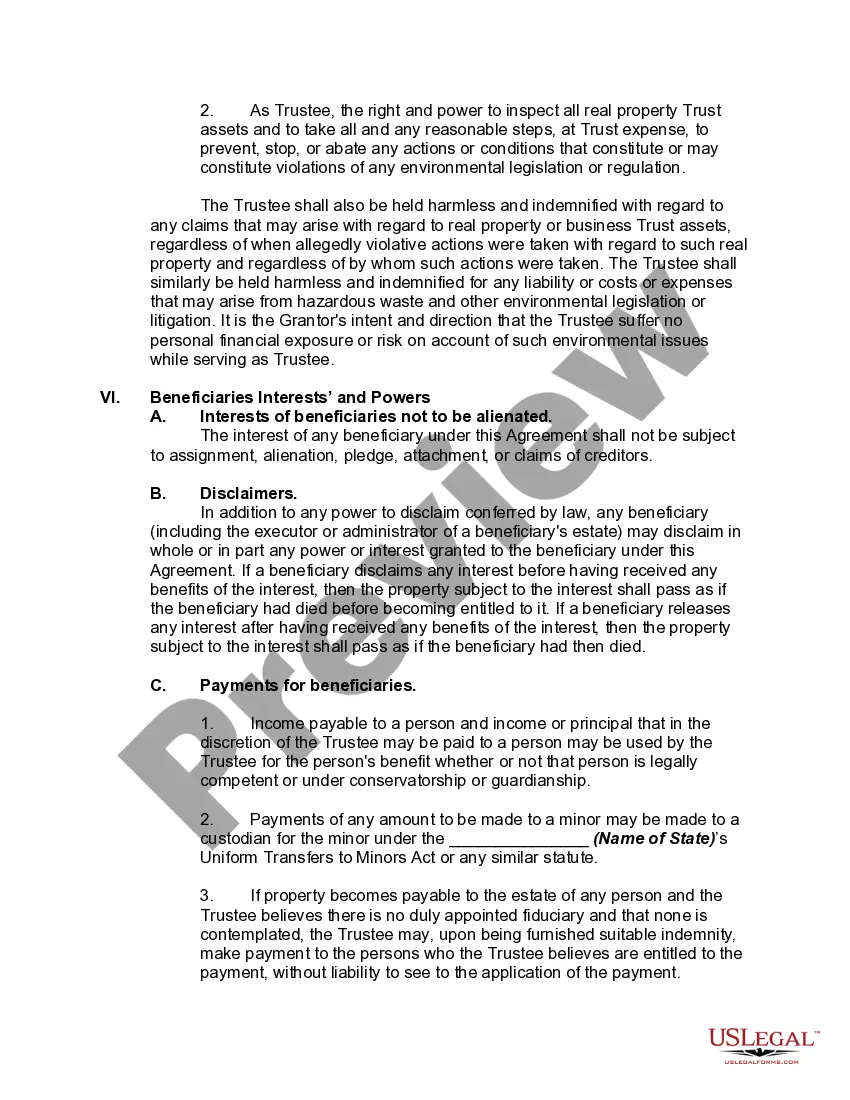
To establish a supplemental needs trust, you first must determine the trust's funding source. Typically, a parent or guardian sets it up to benefit a person with special needs. Once you have identified the assets, you must draft a trust document, either with the help of an attorney or by using platforms like US Legal Forms. This document will outline the terms of the trust and ensure compliance with relevant laws while using a template for a sample supplemental needs trust.
One disadvantage of a family trust is the potential for conflict among family members regarding the distribution of assets. Additionally, there can be tax implications and administrative burdens, which might not be immediately apparent. However, a family trust can also provide security and structured support, particularly through a sample supplemental needs trust. Engaging with a trust management professional can help mitigate these downsides.
Deciding whether your parents should place their assets in a trust depends on their financial and personal situation. A supplemental needs trust can be especially beneficial if they have a dependent with disabilities, providing a way to protect those assets while ensuring ongoing support. It's essential to discuss their goals and intentions to understand if this strategy aligns with their wishes. A sample supplemental needs trust can show how effectively this can work.
A common downfall of having a trust is that it can create complexities in terms of administration and compliance with both state and federal regulations. Trusts require ongoing management, which might necessitate professional help, leading to additional expenses. Nevertheless, many find that a sample supplemental needs trust helps simplify the support structure for loved ones. It’s worthwhile to evaluate your needs to determine if this kind of trust suits you.
A supplemental needs trust is a legal arrangement designed to benefit individuals with disabilities without jeopardizing their eligibility for government programs. By placing assets in this type of trust, beneficiaries can receive extra support for their needs while maintaining their public assistance. This flexibility often significantly improves their quality of life. Consider a sample supplemental needs trust for your situation to see how it can work for you.