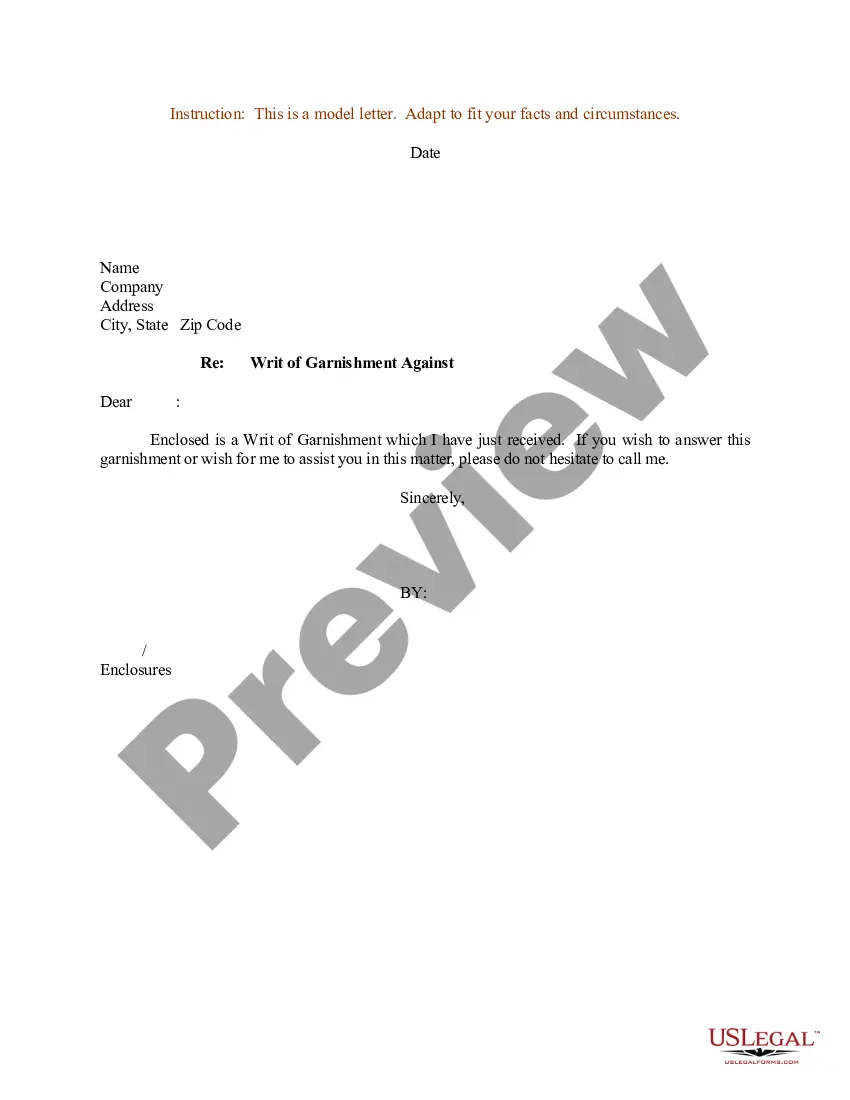
Writ In Legal Term
Description

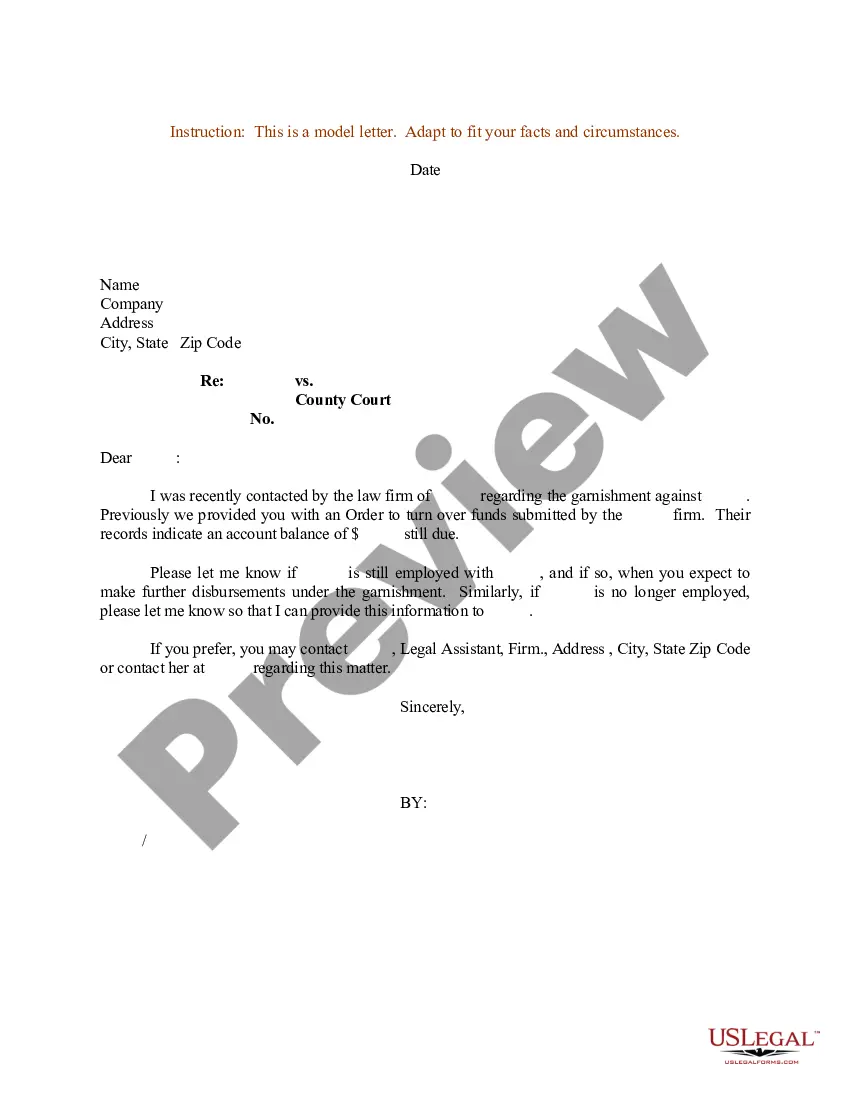

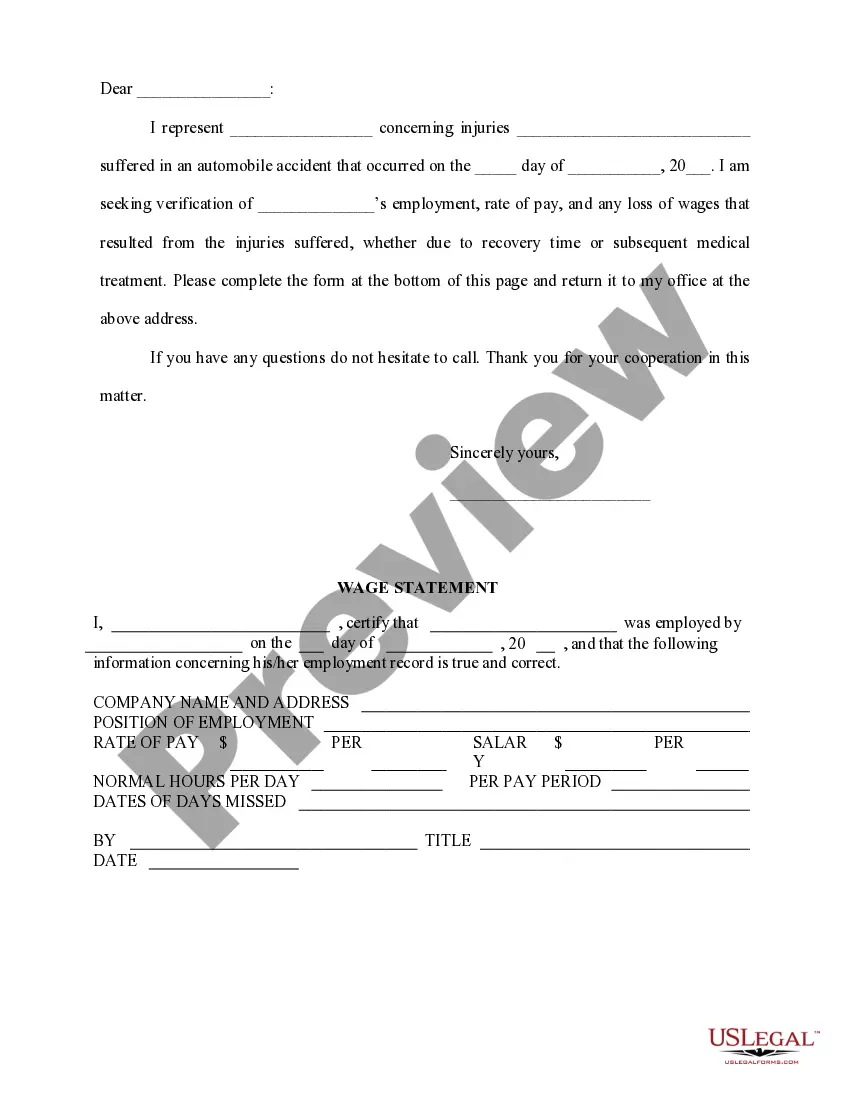
Get your form ready online
Our built-in tools help you complete, sign, share, and store your documents in one place.
Make edits, fill in missing information, and update formatting in US Legal Forms—just like you would in MS Word.
Download a copy, print it, send it by email, or mail it via USPS—whatever works best for your next step.
Sign and collect signatures with our SignNow integration. Send to multiple recipients, set reminders, and more. Go Premium to unlock E-Sign.
If this form requires notarization, complete it online through a secure video call—no need to meet a notary in person or wait for an appointment.
We protect your documents and personal data by following strict security and privacy standards.

Make edits, fill in missing information, and update formatting in US Legal Forms—just like you would in MS Word.

Download a copy, print it, send it by email, or mail it via USPS—whatever works best for your next step.

Sign and collect signatures with our SignNow integration. Send to multiple recipients, set reminders, and more. Go Premium to unlock E-Sign.

If this form requires notarization, complete it online through a secure video call—no need to meet a notary in person or wait for an appointment.

We protect your documents and personal data by following strict security and privacy standards.
Looking for another form?



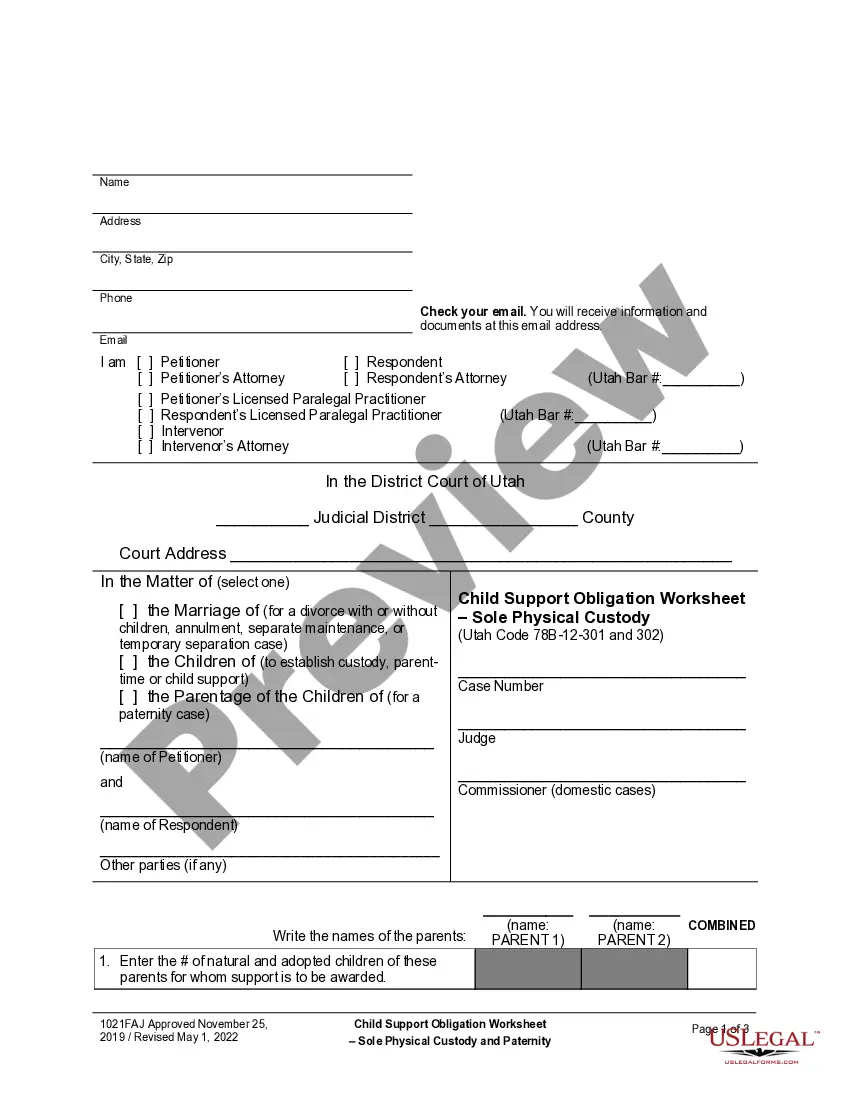





How to fill out Sample Letter For Writ Of Garnishment?
Legal administration can be exasperating, even for seasoned professionals.
If you are looking for a Writ In Legal Term and cannot find the time to dedicate to locating the correct and current version, the tasks can be taxing.
Access a valuable resource pool of articles, guides, manuals, and materials pertinent to your case and needs.
Save time and effort searching for the documents you require, and utilize US Legal Forms’ advanced search and Preview feature to find Writ In Legal Term and obtain it.
Enjoy the US Legal Forms online library, backed by 25 years of experience and reliability. Streamline your daily document management in a seamless and user-friendly manner today.
- If you possess a monthly subscription, Log In to your US Legal Forms account, search for the form, and acquire it.
- Check the My documents tab to see the documents you've previously downloaded and manage your folders as desired.
- If this is your first experience with US Legal Forms, create a free account and gain unlimited access to all platform benefits.
- After locating the form you desire, verify it’s the correct one by previewing and reviewing its description.
- Make sure the sample is valid in your state or county.
- Click Buy Now when you are ready.
- Choose a subscription plan.
- Select the file format you prefer, and Download, fill out, sign, print, and submit your document.
- Access state- or county-specific legal and business documents.
- US Legal Forms accommodates any demands you may have, from personal to business paperwork, all in one place.
- Utilize sophisticated tools to complete and manage your Writ In Legal Term.
Form popularity
FAQ
A writ is a formal legal document issued by a competent authority, often a court, that commands an individual or entity to perform or refrain from specific actions. In simple terms, it serves as a legal order that must be followed. The purpose of a writ is to enforce rights or administer justice under the law. Therefore, it is crucial to comprehend what a writ in legal terms entails when dealing with legal matters.
Another example of a writ is the writ of seizure and sale is one example of a writ. When this writ is drafted by a court, it gives the petitioning party the right to take over ownership of a piece of property from someone else.
A writ is a written document issuing a legal order. The word writ has been around since before the twelfth century and was first used to describe a written document needed to have a case heard at the royal courts of England during the Middle Ages.
Examples of cases in which a writ of execution may be filed: If a home buyer fails to make mortgage payments, the creditor (a bank, private party, or mortgage company) may petition the court for a judgment against the home buyer after making effort to collect those payments.
There are three main types of writs: writs of mandate (sometimes called ?mandamus?), writs of prohibition, and writs of review (sometimes called ?certiorari?).
A writ is a formal, legal document that orders a person or entity to perform or to cease performing a specific action or deed. Writs are drafted by courts or other entities with jurisdictional or legal power. Warrants and subpoenas are two common types of writs.