Tier Exception Letter Sample For Aetna
Description
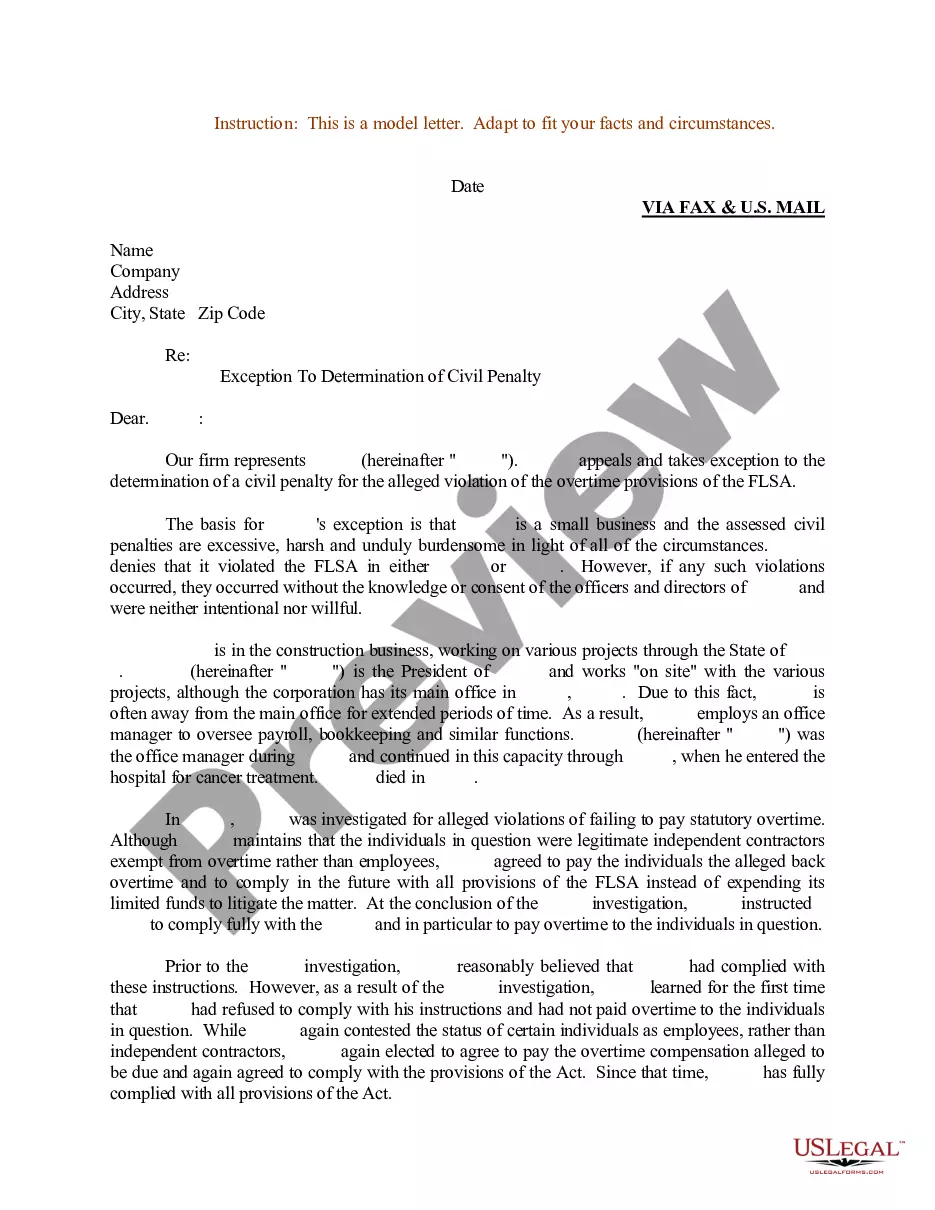
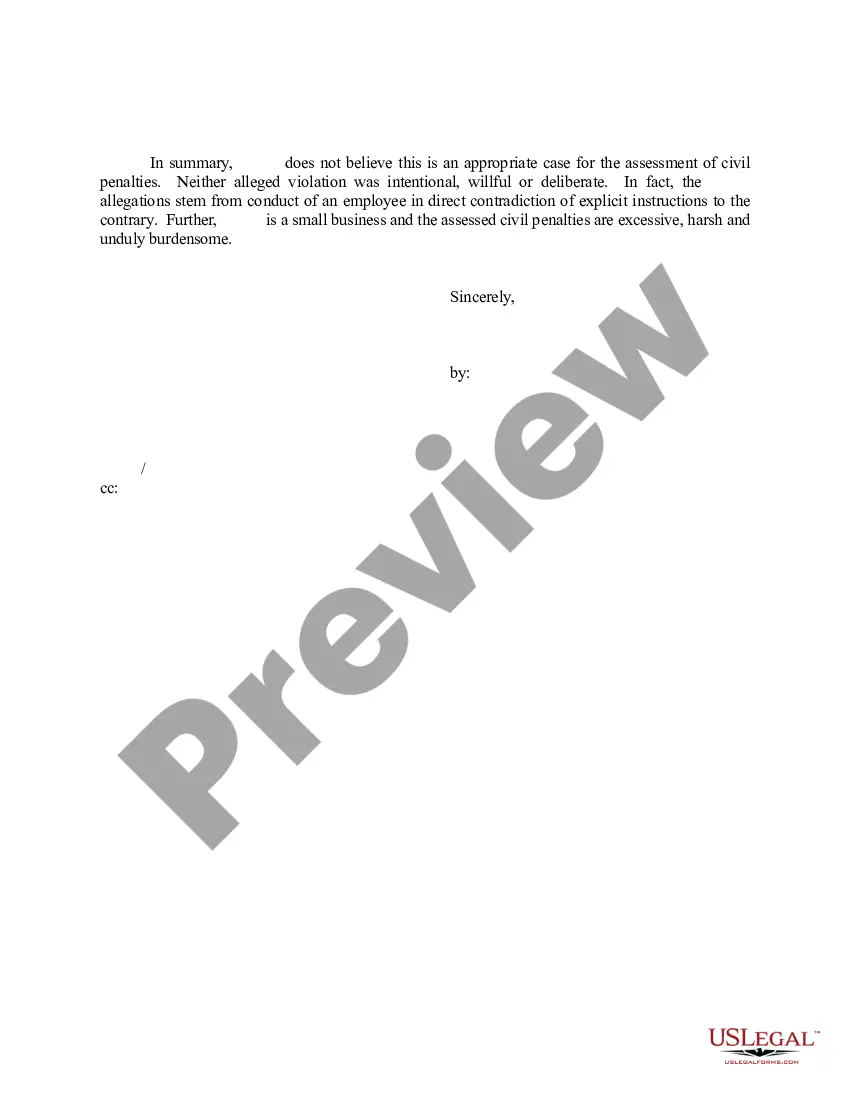
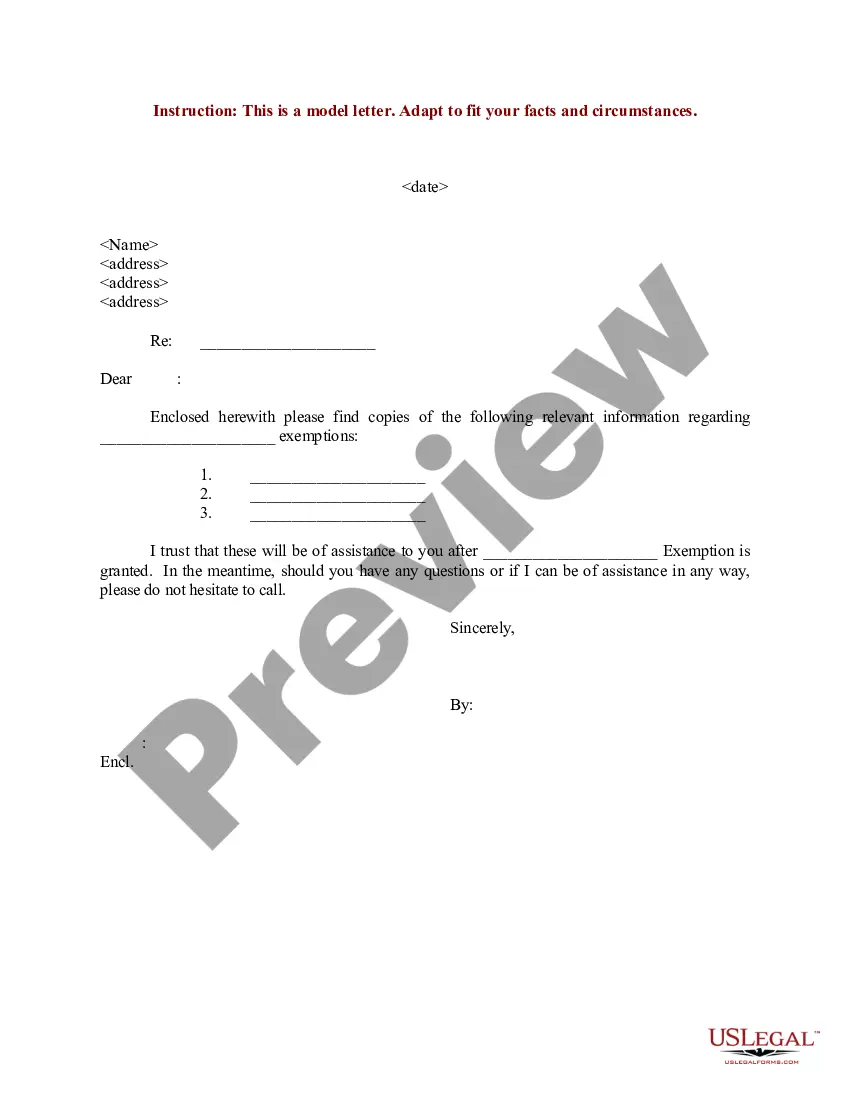
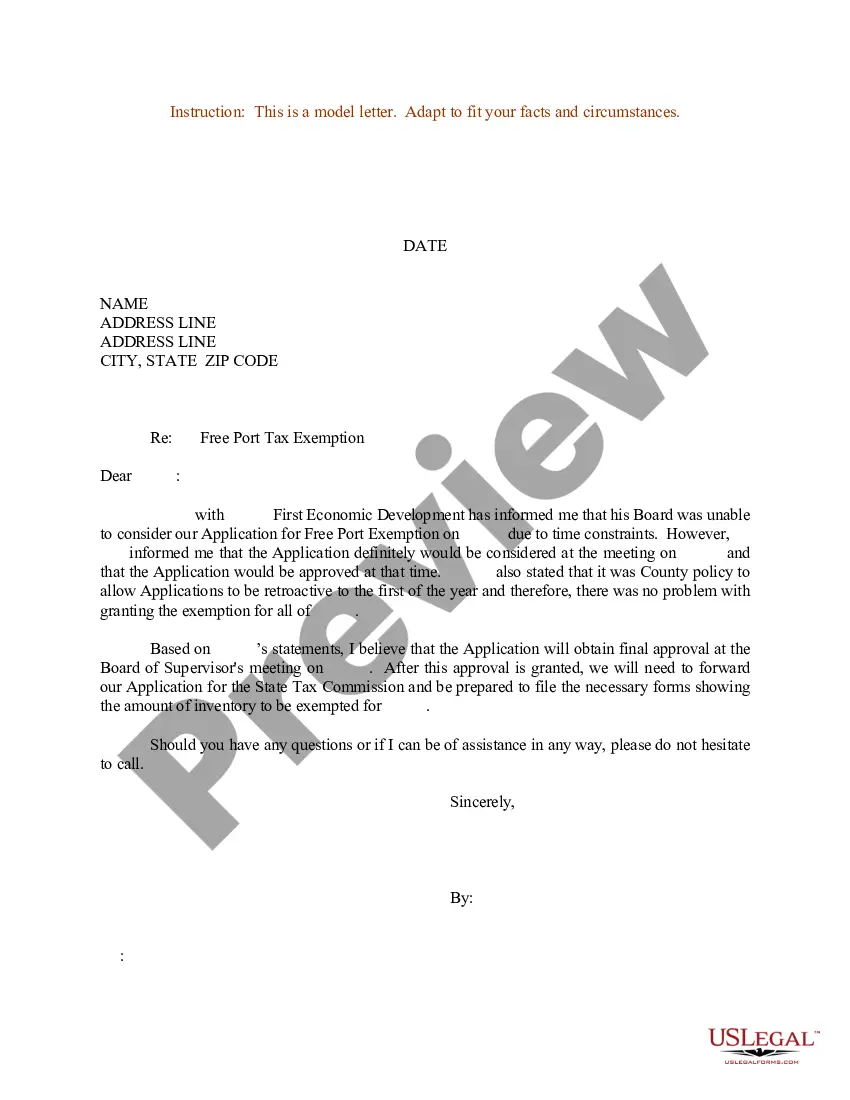
Get your form ready online
Our built-in tools help you complete, sign, share, and store your documents in one place.
Make edits, fill in missing information, and update formatting in US Legal Forms—just like you would in MS Word.
Download a copy, print it, send it by email, or mail it via USPS—whatever works best for your next step.
Sign and collect signatures with our SignNow integration. Send to multiple recipients, set reminders, and more. Go Premium to unlock E-Sign.
If this form requires notarization, complete it online through a secure video call—no need to meet a notary in person or wait for an appointment.
We protect your documents and personal data by following strict security and privacy standards.

Make edits, fill in missing information, and update formatting in US Legal Forms—just like you would in MS Word.

Download a copy, print it, send it by email, or mail it via USPS—whatever works best for your next step.

Sign and collect signatures with our SignNow integration. Send to multiple recipients, set reminders, and more. Go Premium to unlock E-Sign.

If this form requires notarization, complete it online through a secure video call—no need to meet a notary in person or wait for an appointment.

We protect your documents and personal data by following strict security and privacy standards.
Looking for another form?
How to fill out Sample Letter For Exception To Determination Of Civil Penalty?
Managing legal paperwork and procedures may be a tedious addition to your schedule.
Tier Exception Letter Example for Aetna and similar documents usually require you to locate them and comprehend how to fill them out accurately.
Therefore, whether you are addressing financial, legal, or personal issues, utilizing a comprehensive and user-friendly online repository of forms at your disposal will be greatly advantageous.
US Legal Forms is the leading online resource for legal templates, featuring over 85,000 state-specific forms along with various tools that facilitate the completion of your paperwork with ease.
Is it your first time using US Legal Forms? Register and create your account in minutes, and you’ll have access to the form library and Tier Exception Letter Example for Aetna. Then, follow the instructions below to finalize your document.
- Explore the extensive collection of relevant documents available to you with a single click.
- US Legal Forms provides you with state- and county-specific forms that are available for download at any time.
- Safeguard your paper management tasks with a high-quality service that enables you to prepare any document in just a few minutes without any additional or hidden fees.
- Simply Log In to your account, locate Tier Exception Letter Example for Aetna, and download it immediately from the My documents section.
- You can also access previously downloaded forms.
Form popularity
FAQ
Benefit Exception Inquiry: a formal written request completed by the member's assigned Care Coordinator or Care Coordination entity to request a service or item outside of the standard benefit set covered by the product, or request to exceed Department of Human Services (DHS) case mix cap for MSHO/MSC+ Elderly Waiver ( ...
An enrollee, an enrollee's prescriber, or an enrollee's representative may request a tiering exception or a formulary exception. A tiering exception should be requested to obtain a non-preferred drug at the lower cost-sharing terms applicable to drugs in a preferred tier.
A tiering exception is a type of exception request through the Part D appeal process. You can request lower cost-sharing for a prescription on a higher tier if you show that similar drugs on the formulary at lower tiers are ineffective or harmful for you.
For tiering exceptions, the prescriber's supporting statement must indicate that the preferred drug(s) would not be as effective as the requested drug for treating the enrollee's condition, the preferred drug(s) would have adverse effects for the enrollee, or both.
Ask your plan how to send your tiering exception request. It is usually helpful to include a letter of support from your prescribing physician. This letter should explain why similar drugs on the plan's formulary at lower tiers are ineffective or harmful for you.