Software Development Form Template With Source Code
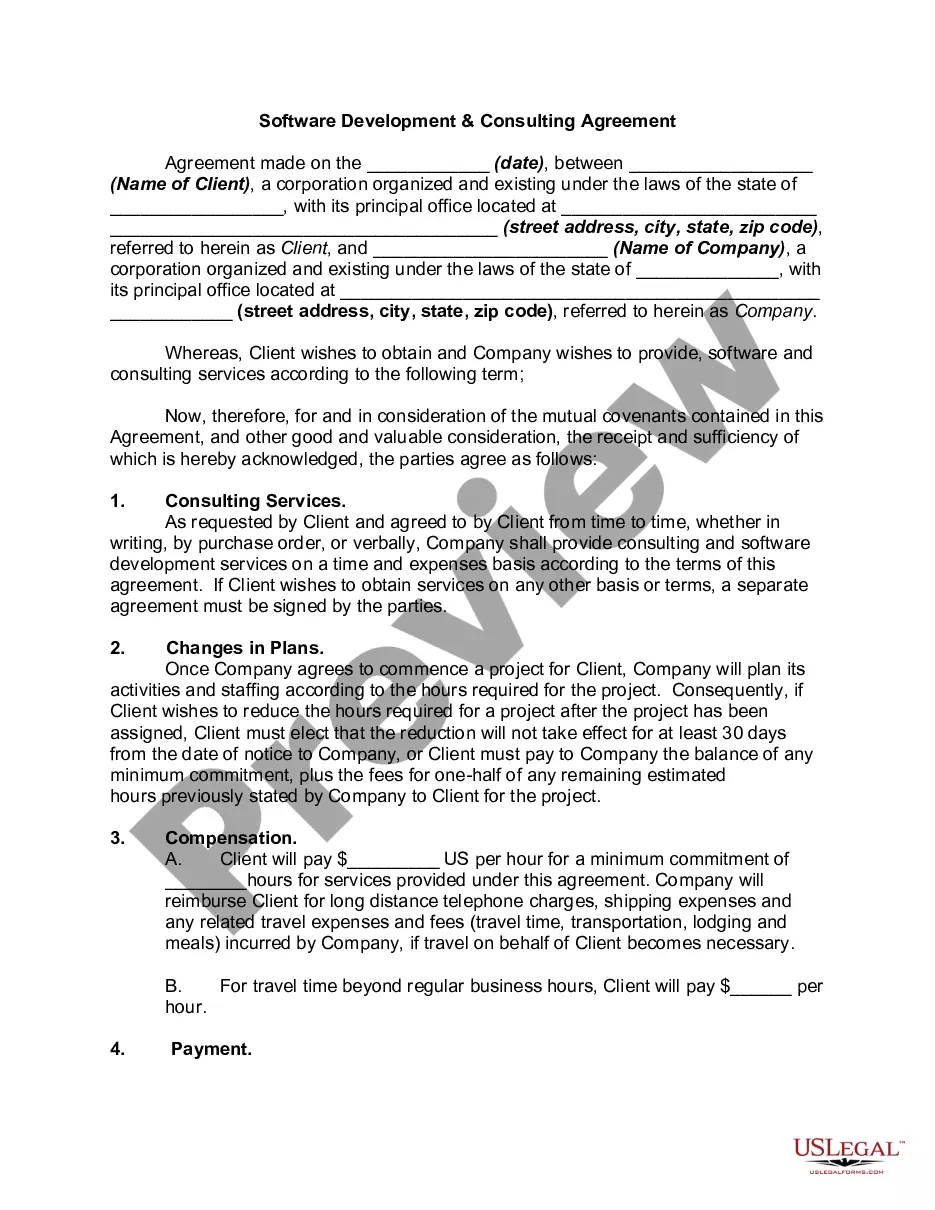
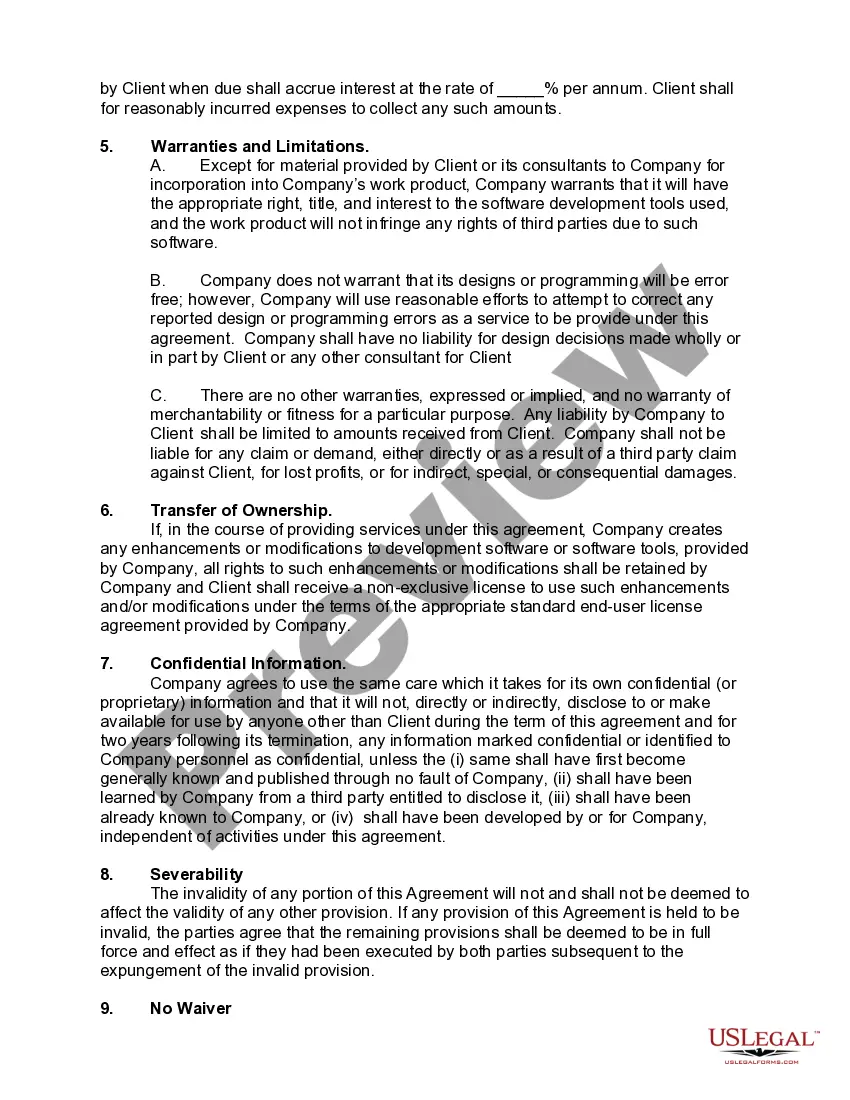
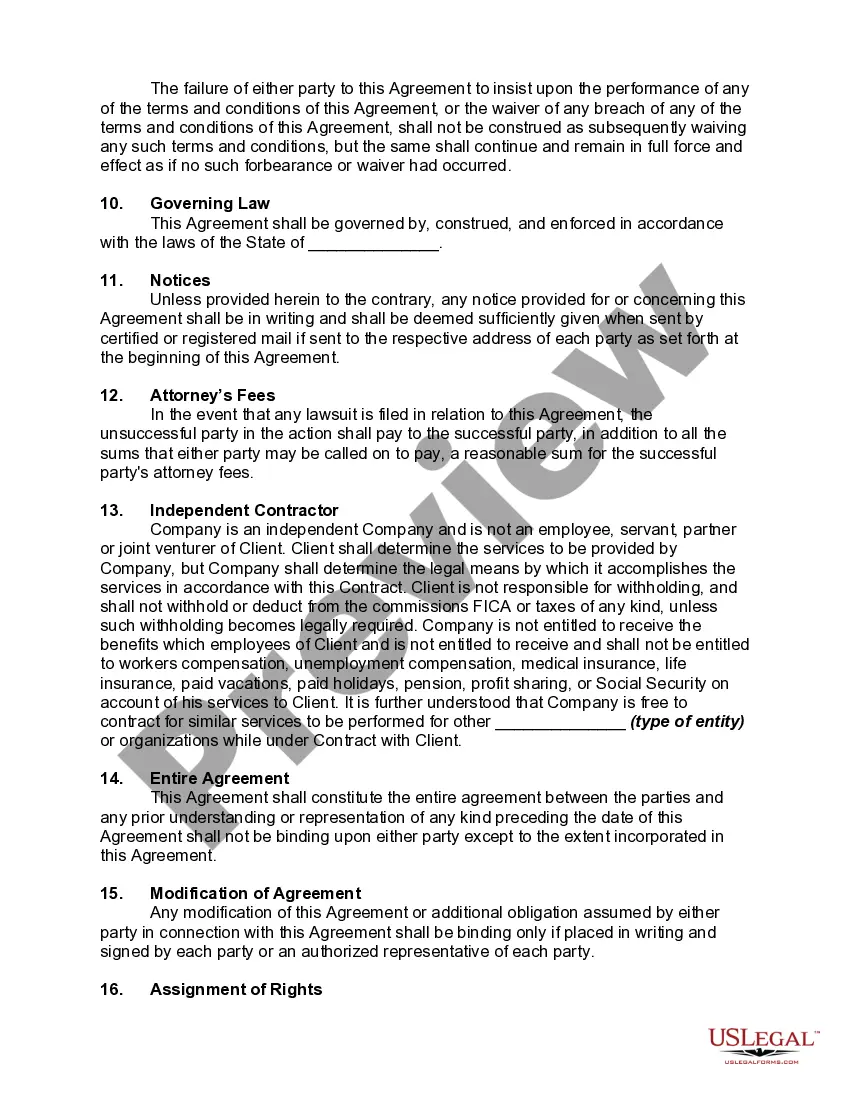
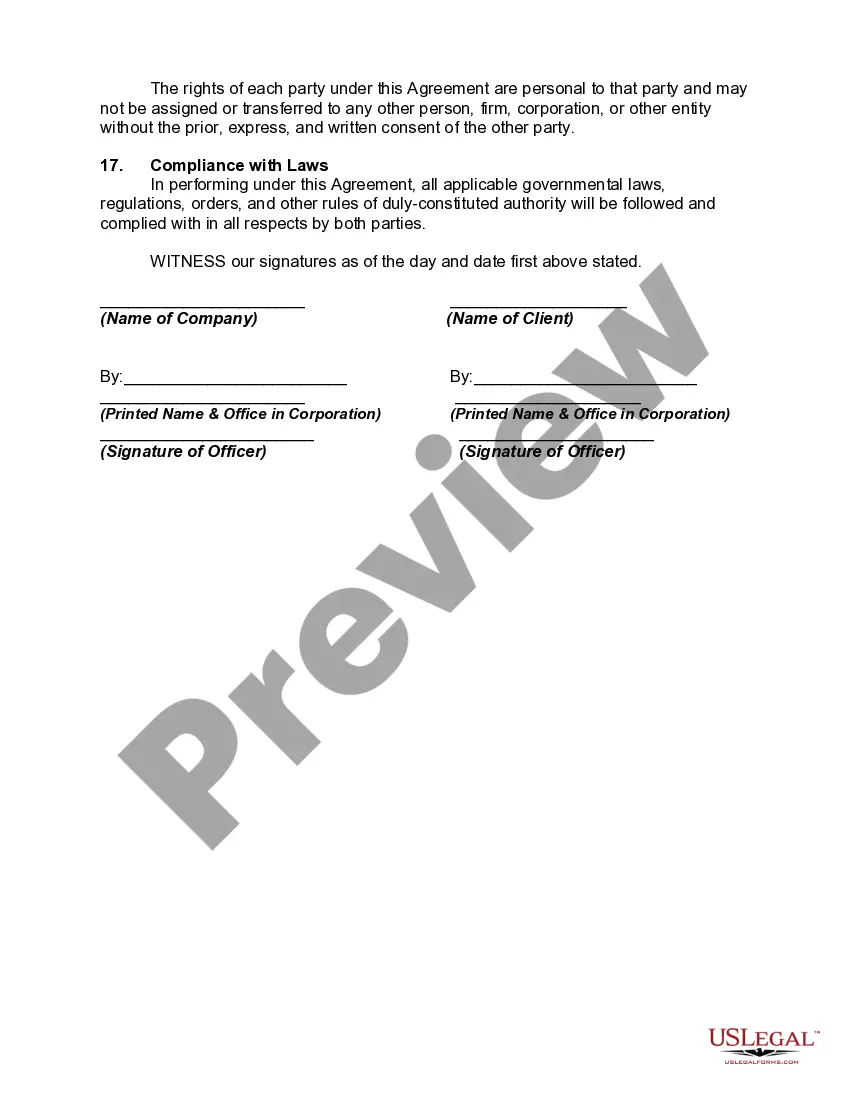
Description
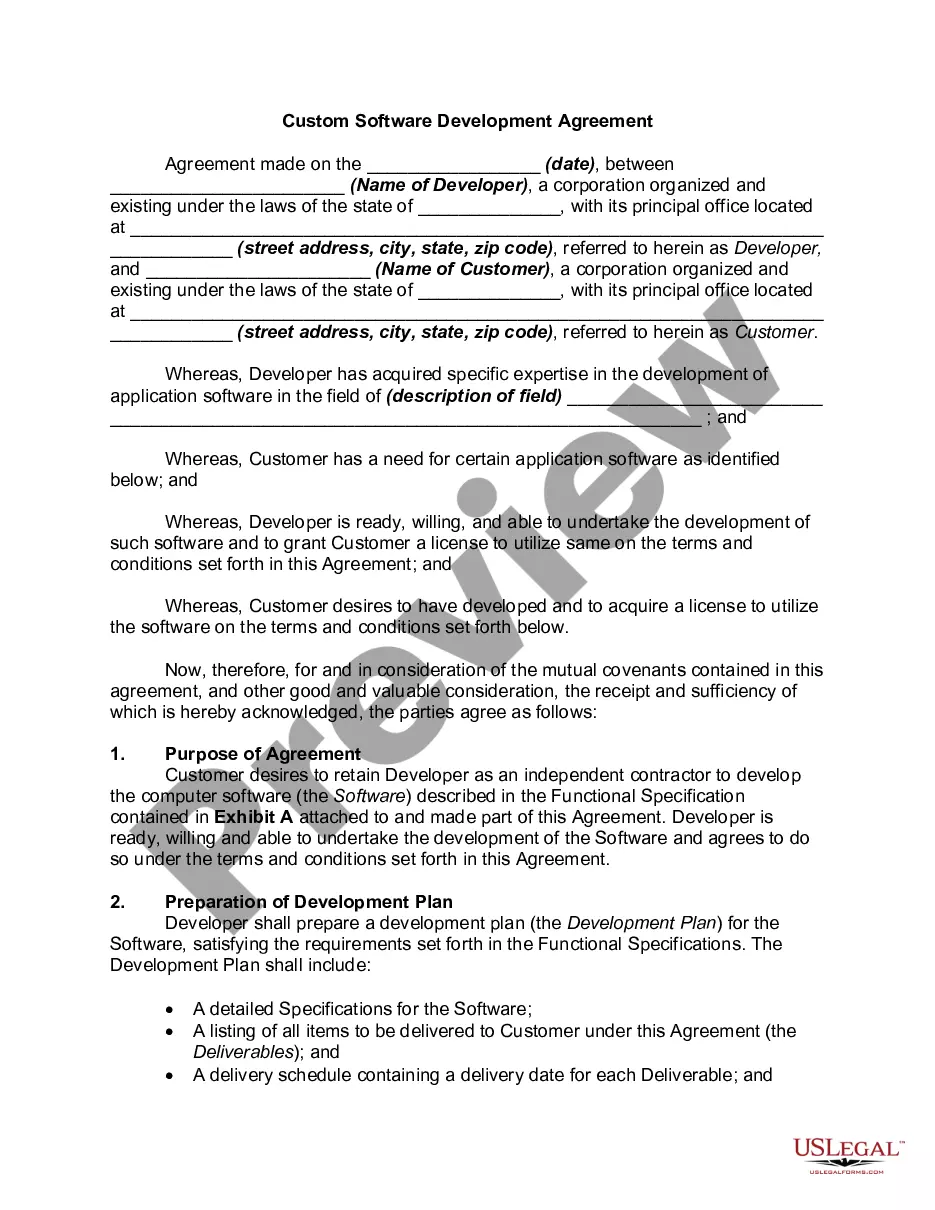
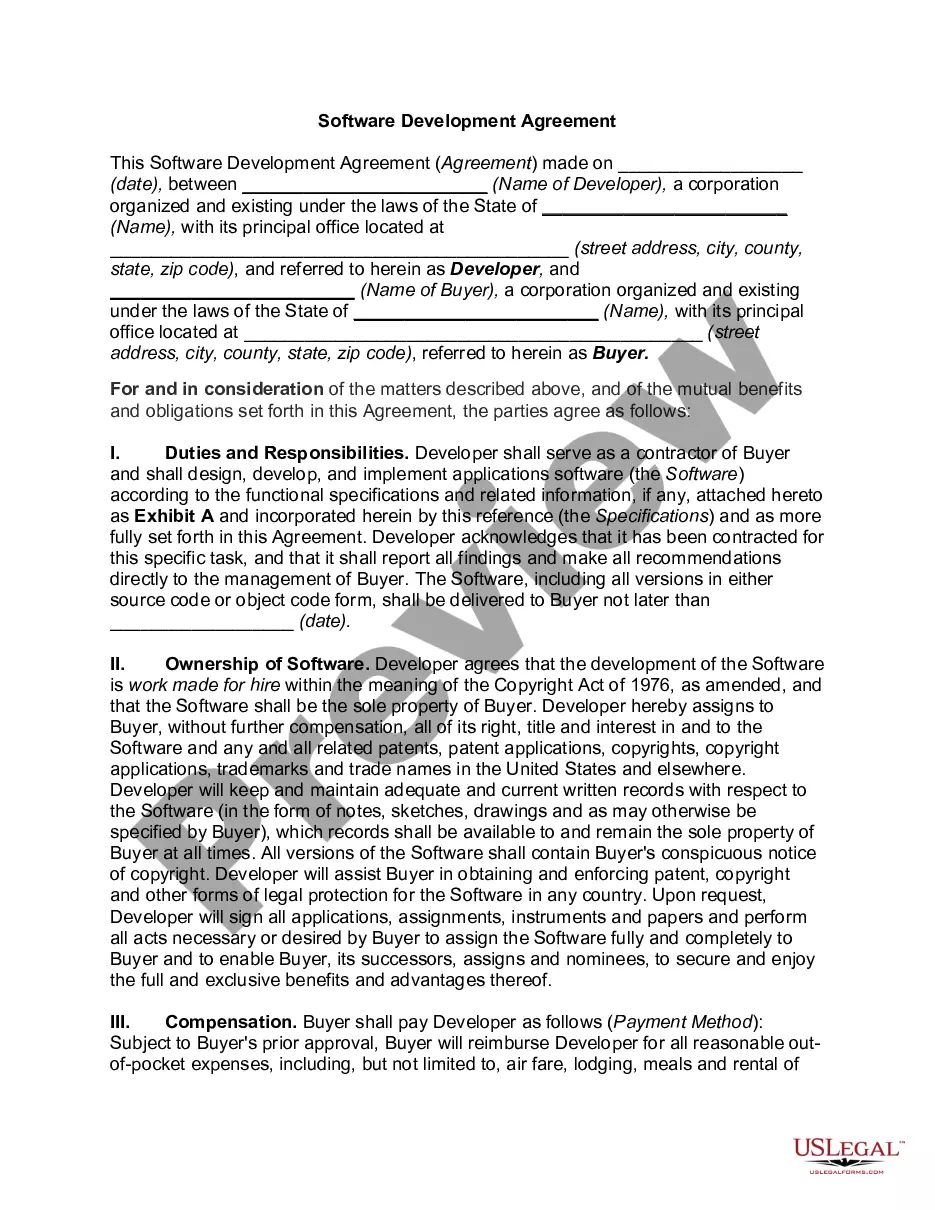
Get your form ready online
Our built-in tools help you complete, sign, share, and store your documents in one place.
Make edits, fill in missing information, and update formatting in US Legal Forms—just like you would in MS Word.
Download a copy, print it, send it by email, or mail it via USPS—whatever works best for your next step.
Sign and collect signatures with our SignNow integration. Send to multiple recipients, set reminders, and more. Go Premium to unlock E-Sign.
If this form requires notarization, complete it online through a secure video call—no need to meet a notary in person or wait for an appointment.
We protect your documents and personal data by following strict security and privacy standards.

Make edits, fill in missing information, and update formatting in US Legal Forms—just like you would in MS Word.

Download a copy, print it, send it by email, or mail it via USPS—whatever works best for your next step.

Sign and collect signatures with our SignNow integration. Send to multiple recipients, set reminders, and more. Go Premium to unlock E-Sign.

If this form requires notarization, complete it online through a secure video call—no need to meet a notary in person or wait for an appointment.

We protect your documents and personal data by following strict security and privacy standards.
Looking for another form?
How to fill out Software Development And Consulting Agreement?
Whether for commercial objectives or personal issues, everyone must confront legal circumstances eventually in their lifetime.
Completing legal documents requires meticulous care, starting from choosing the correct form template.
With an extensive US Legal Forms catalog available, you never have to waste time finding the suitable template online. Utilize the library’s straightforward navigation to discover the right template for any situation.
- Locate the template you need by using the search bar or browse the catalog.
- Review the form’s description to confirm it aligns with your situation, state, and county.
- Click on the form’s preview to review it.
- If it is not the correct form, return to the search function to locate the Software Development Form Template With Source Code sample you need.
- Download the file if it fulfills your requirements.
- If you already possess a US Legal Forms account, simply click Log in to access previously saved templates in My documents.
- If you do not have an account yet, you can obtain the form by clicking Buy now.
- Select the appropriate pricing option.
- Fill out the profile registration form.
- Choose your payment method: you can utilize a credit card or PayPal account.
- Select the document format you desire and download the Software Development Form Template With Source Code.
- After it is saved, you may complete the form using editing tools or print it and finish it manually.
Form popularity
FAQ
The Name form control uses an <input> element with a type attribute value of text , while the Email form control uses an <input> element with a type attribute value of email . Both the Name and Email form controls include the required Boolean attribute and a placeholder attribute.
On the Publish page, select the Embed option from the right-hand menu and then select the Source Code embed option from the list.
Listing 1. A simple HTML form with JavaScript <form> declares a new form: name="myForm" names the form. ... <input> starts an input element: type="text" defines the type of input. ... <input type="button"> defines a button object. ... The testResults() function is defined in our JavaScript.
To create an HTML form, we will use the HTML <form> element. It starts with the <form> tag and ends with the </form> tag. We can add the input elements within the form tags for taking user input. form elements, such as text box, textarea, etc.
To add a form to a page, we'll use the <form> element. The <form> element identifies where on the page control elements will appear. Additionally, the <form> element will wrap all of the elements included within the form, much like a <div> element.