Second Motion Examination Within
Description


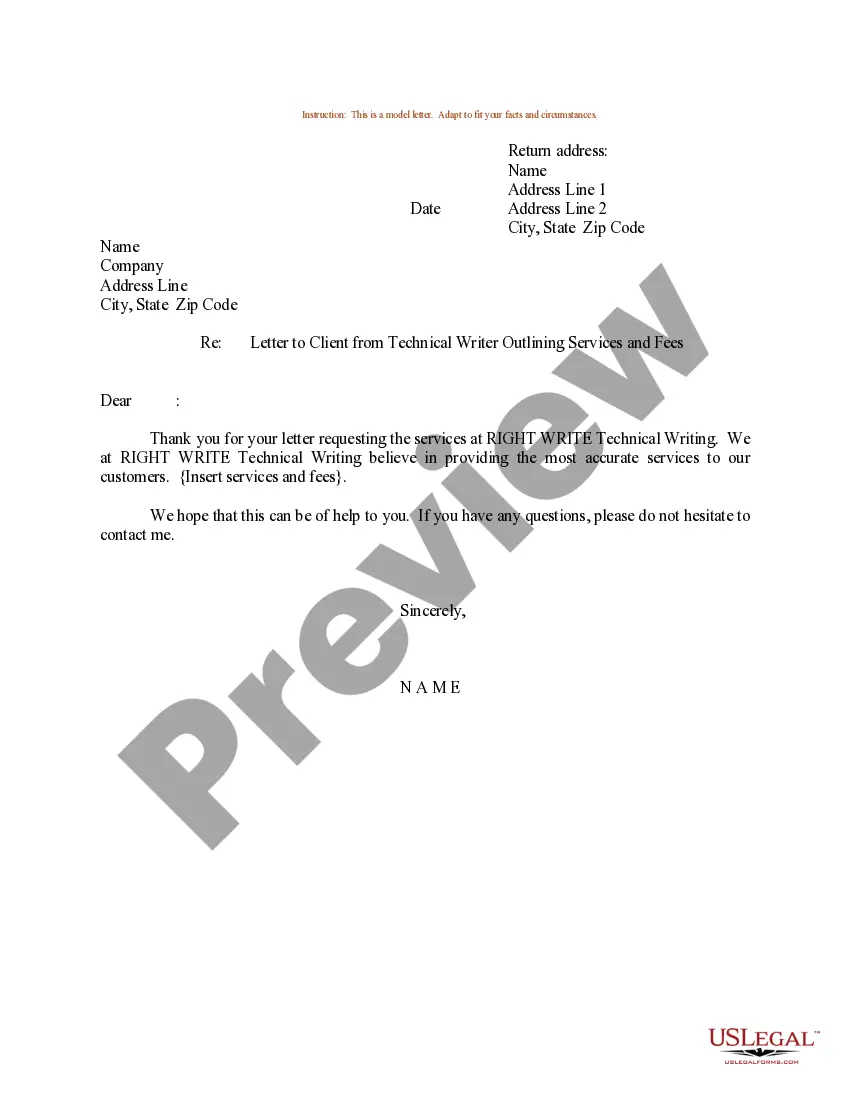
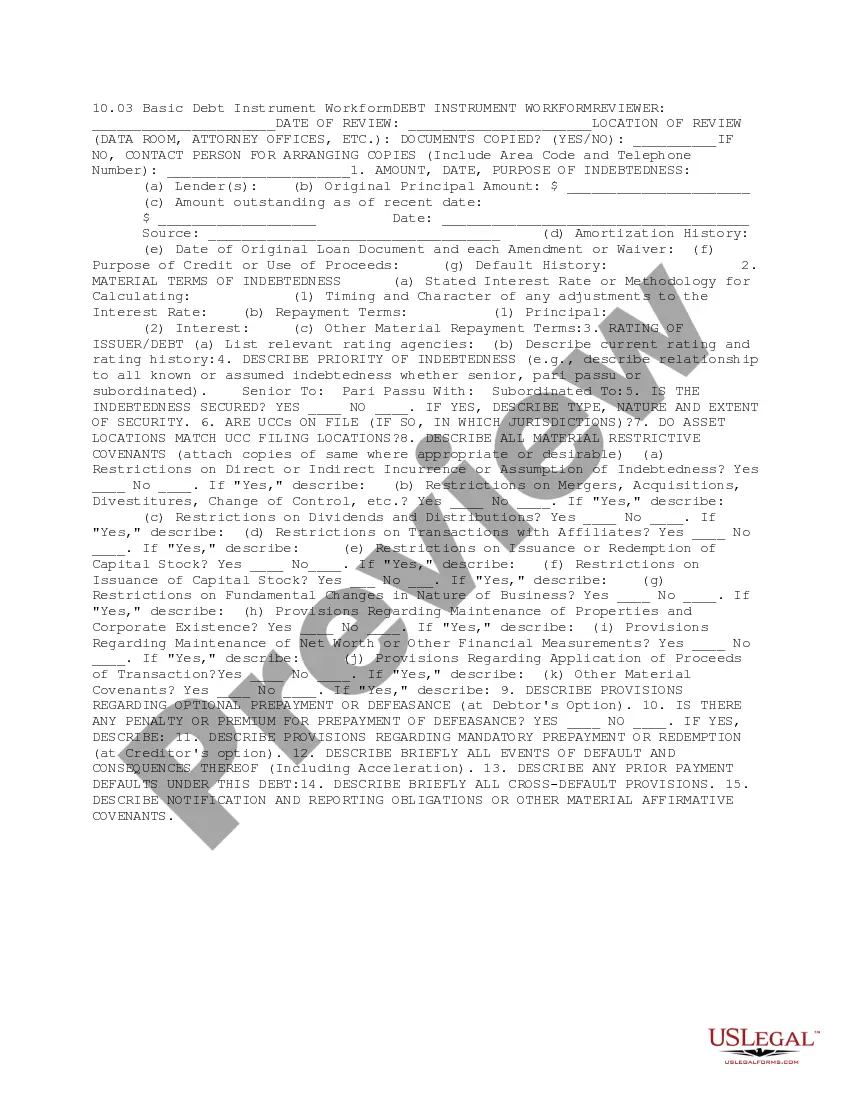
How to fill out Sample Letter For Second Motion For Examination Of Judgment - Debtor?
Creating legal documents from the ground up can frequently be intimidating.
Specific situations may require extensive research and significant financial investment.
If you’re seeking a more effortless and economical method to generate Second Motion Examination Within or any other documents without the hassle, US Legal Forms is always available to assist you.
Our digital library, containing over 85,000 current legal documents, covers nearly every facet of your financial, legal, and personal matters.
- With just a few clicks, you can immediately access state- and county-specific templates meticulously prepared by our legal experts.
- Utilize our platform whenever you require dependable and trustworthy services to swiftly locate and download the Second Motion Examination Within.
- If you’re familiar with our platform and have set up an account previously, simply Log In, find the form, and download it or re-download it later in the My documents section.
- Not registered yet? No problem. Registration takes little time, allowing you to explore the library. But before downloading the Second Motion Examination Within, adhere to these tips.
- Examine the form preview and descriptions to confirm you are looking at the correct form.
Form popularity
FAQ
You should say 'I second the motion' when you agree with a motion that has been made and wish to support its consideration. This action allows the discussion to proceed in meetings. Ensuring your support is clear helps streamline the second motion examination within, enabling effective decision-making.
A petition under the Hindu Marriage Act is a formal request filed in court for remedies related to marriage issues, including divorce. This petition addresses various matters such as divorce, maintenance, or child custody. When navigating these complex matters, understanding the second motion examination within this context can facilitate a smoother legal process.
File the original and 1 copy of your Motion, and the Certification, with the clerk's office in person or by mail. o To e-file, create an account with an e-filing service provider. Visit efile.illinoiscourts.gov/service-providers.htm to select a service provider.
We don't like Motions to Compel. Judges don't like them, and neither do the opposing parties we bring them against. But they are, sometimes, required to be brought in cases where you need information to make sure you know what facts, witnesses and documents are in a case prior to going to going to trial.
Significant, Unanticipated Change in Case Status Constitutes Good Cause for Continuance. The circumstances that may indicate good cause for a continuance include a significant, unanticipated change in the status of the case as a result of which the case is not ready for trial ( Cal. Rules of Ct., Rule 3.1332(c)(7)).
You can file a written response to the motion with the clerk of the appellate court. Generally, you must file the response within 5 days after you receive the motion by email or personal service, or 10 days after the motion was served on you by mail.
Be as persuasive as possible as you write your motion in a sequential, logical format. Express your ideas clearly, and make sure you outline what steps are necessary and how they will help your case. Use facts of the case whenever you can to avoid baseless emotional appeals.