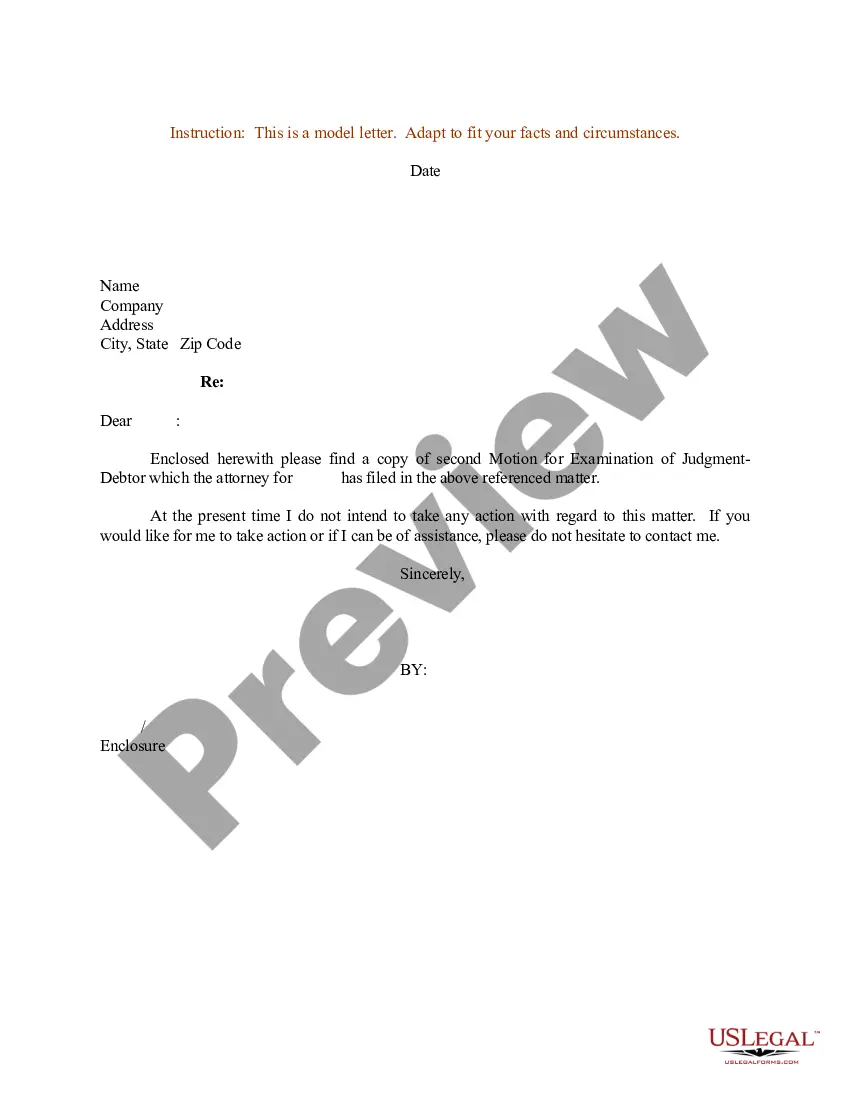
Second Motion Examination Format
Description

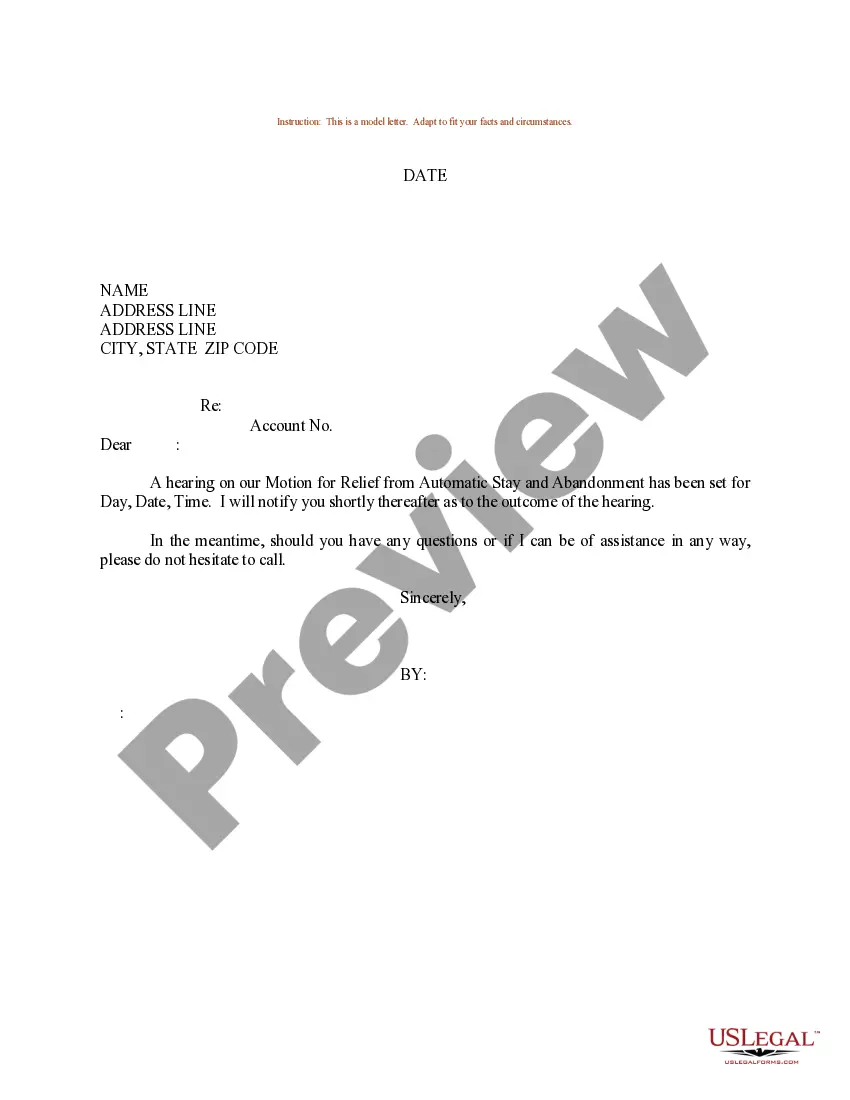

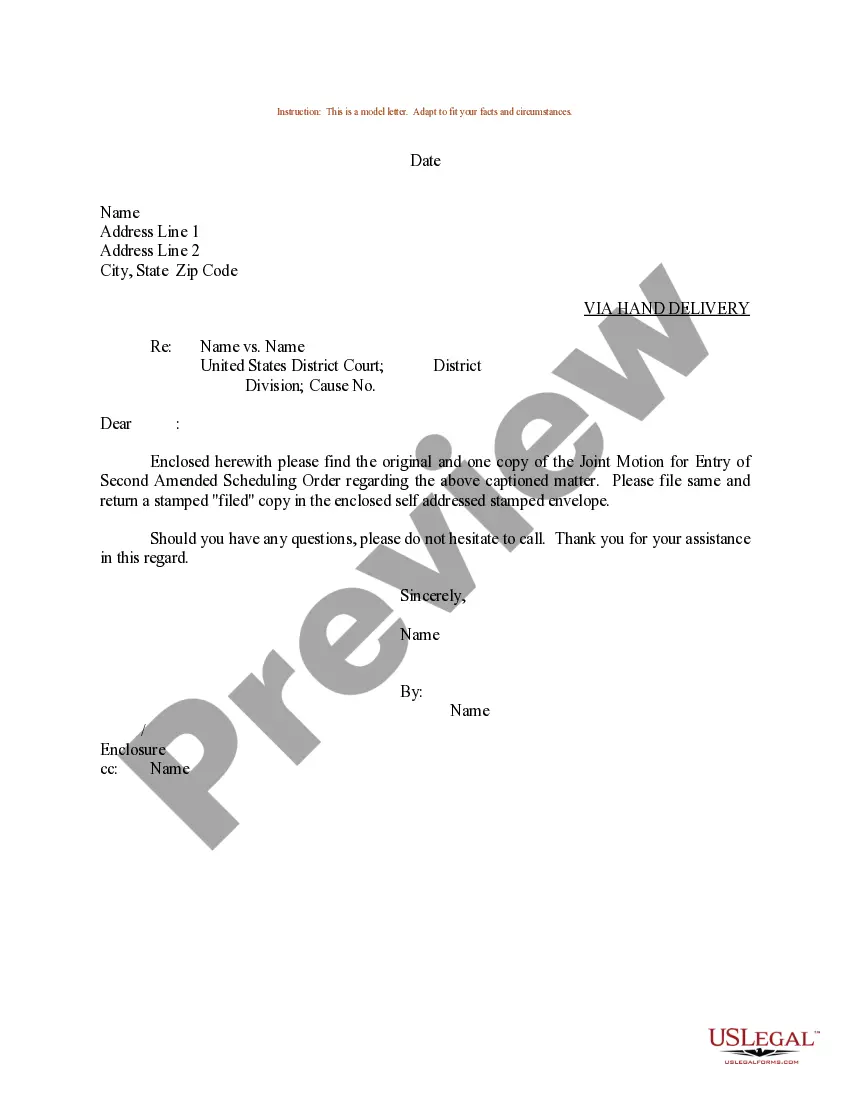

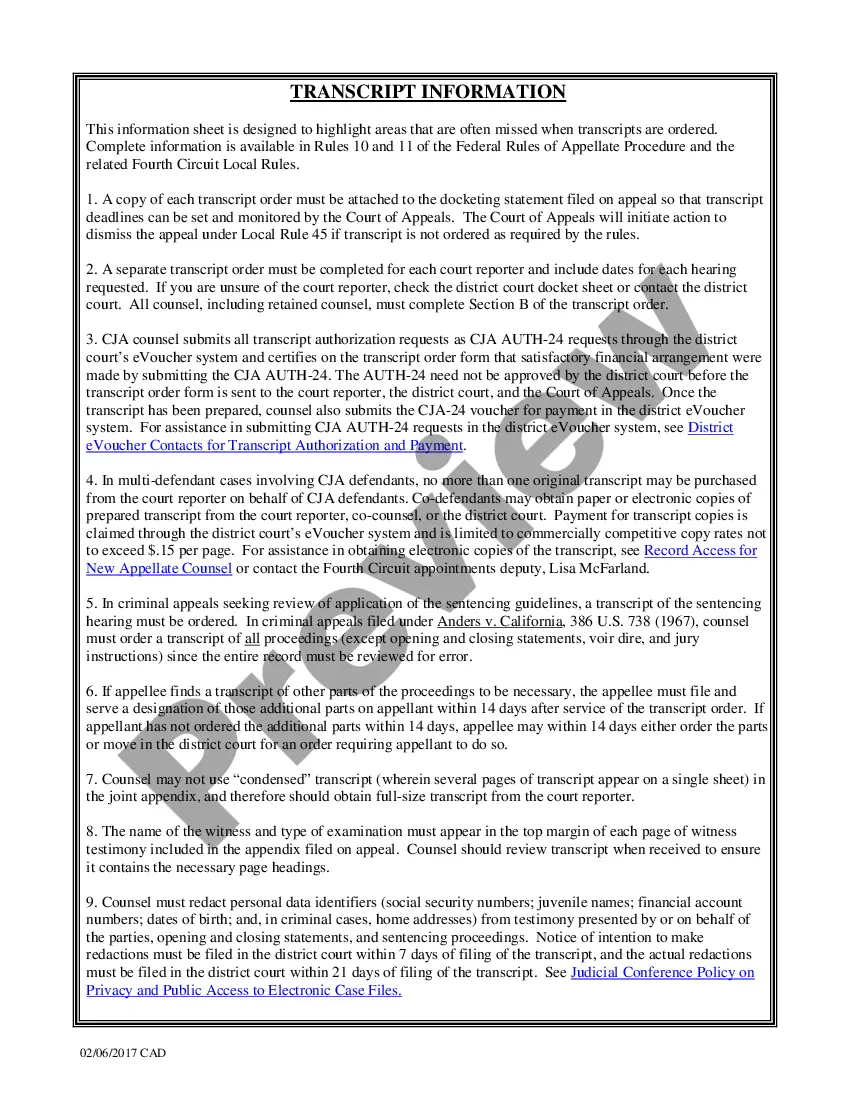
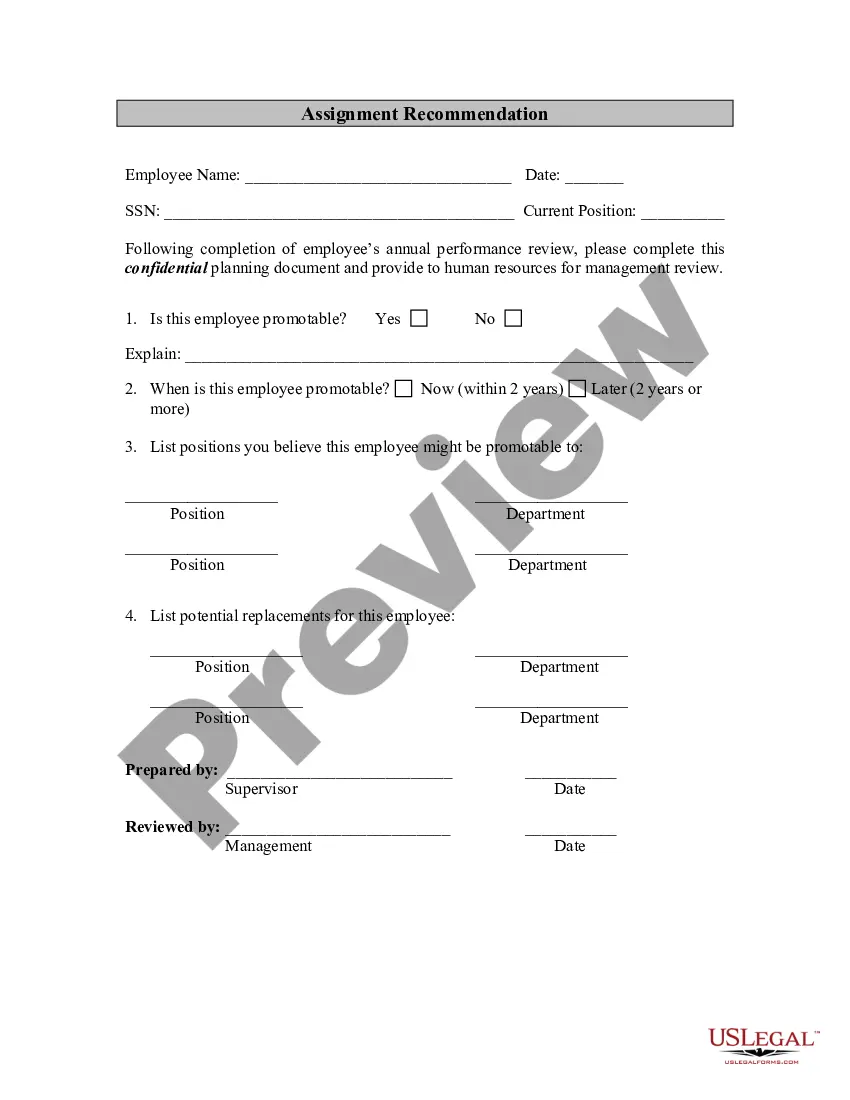
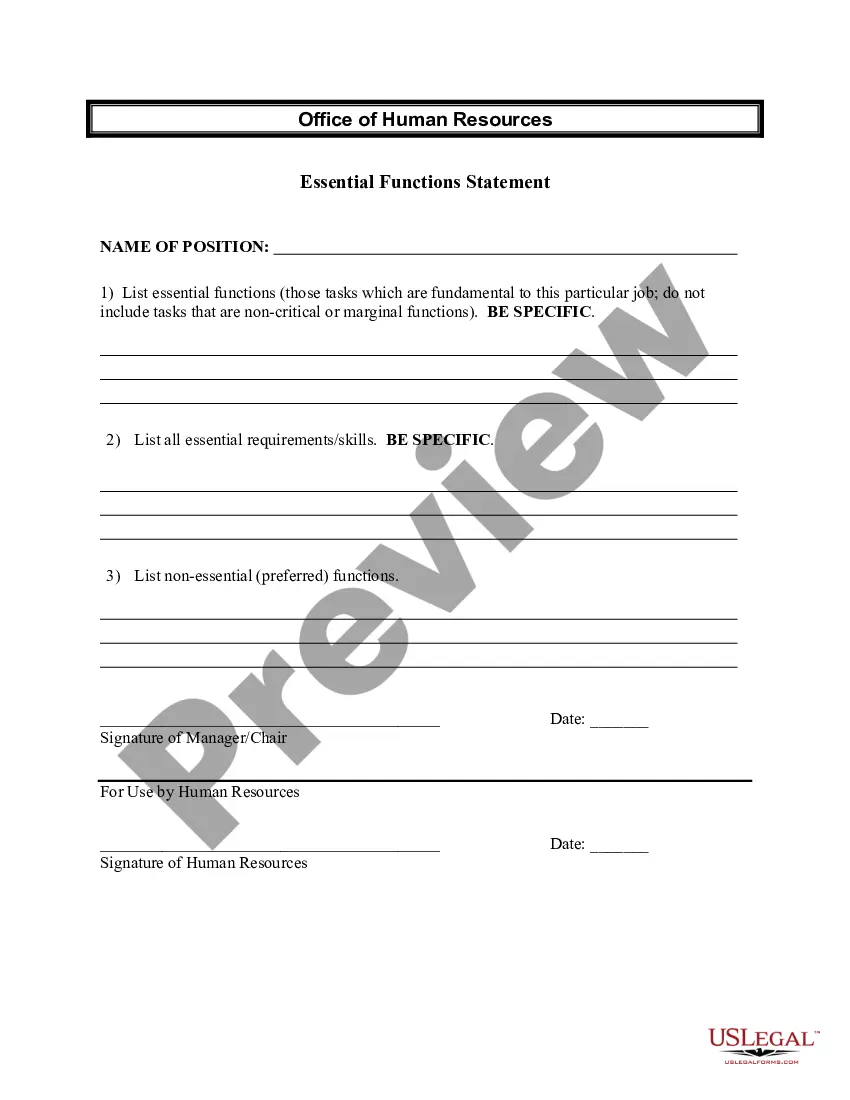
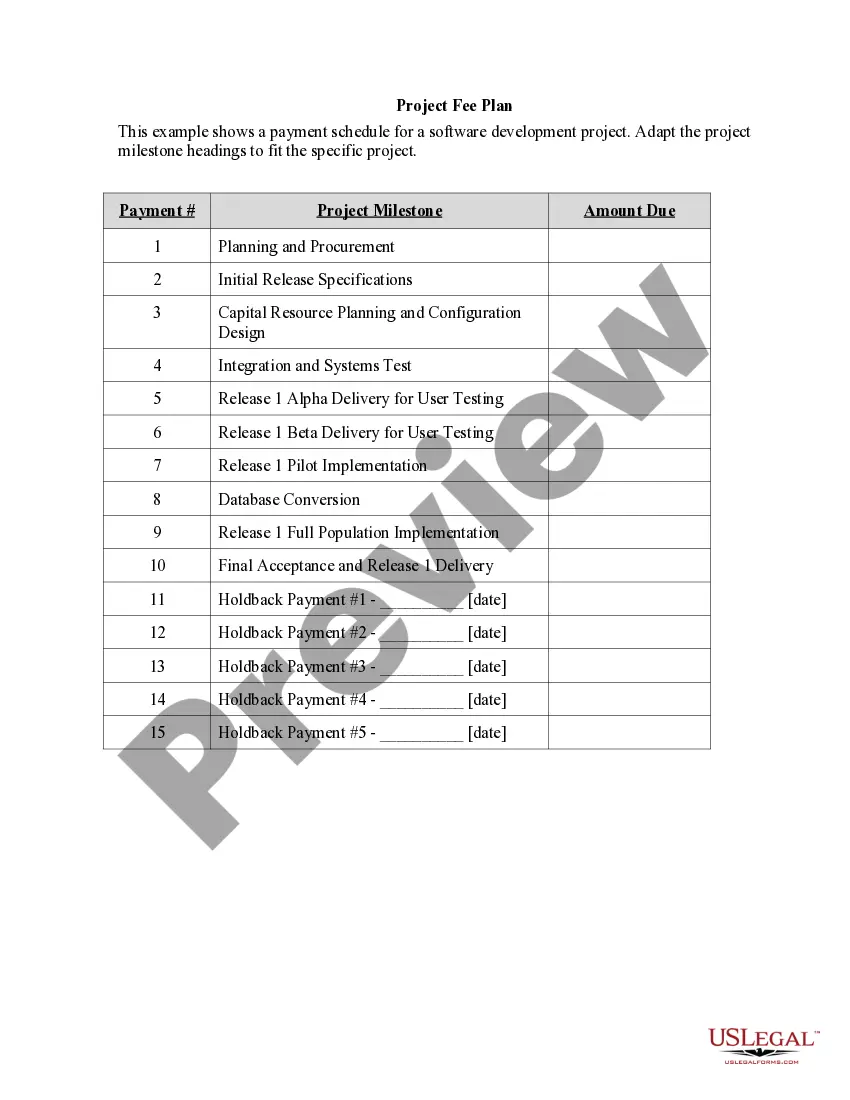
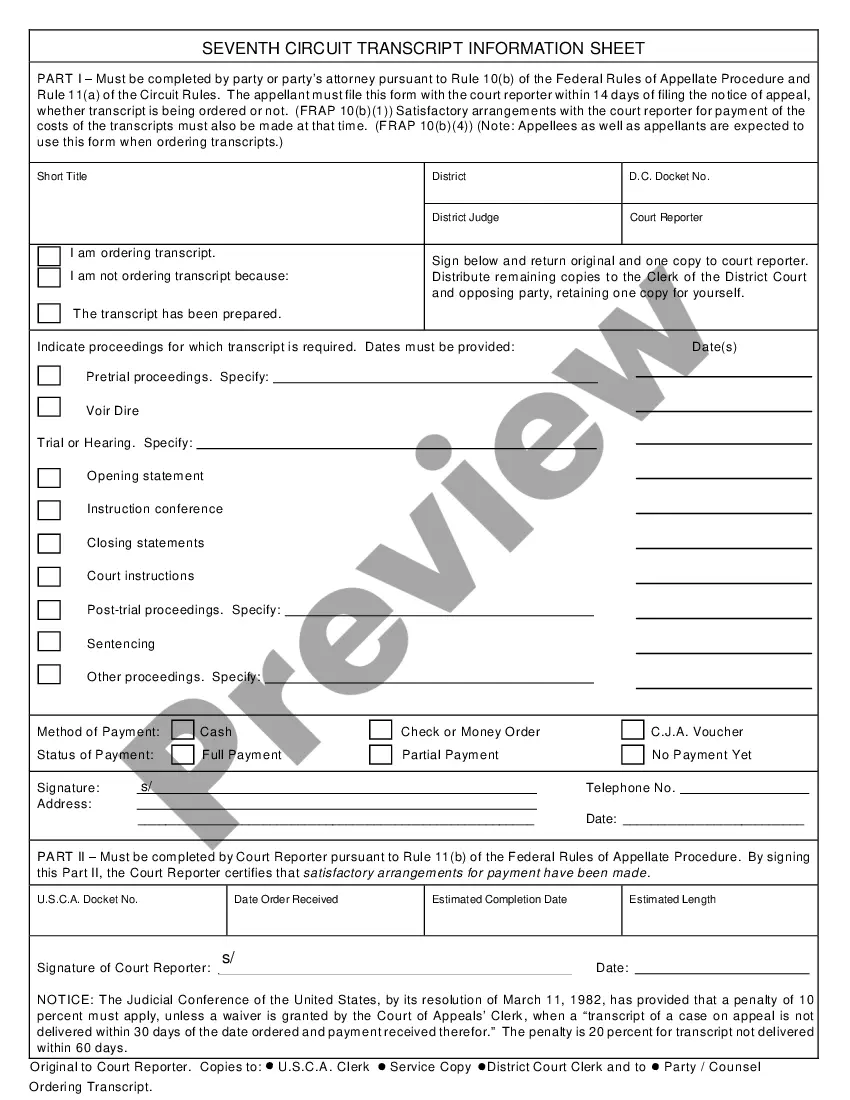
How to fill out Sample Letter For Second Motion For Examination Of Judgment - Debtor?
Legal management can be daunting, even for the most seasoned professionals.
If you are seeking a Second Motion Examination Format but lack the time to search for the correct and up-to-date version, the processes can be arduous.
US Legal Forms meets all your needs, from personal to corporate documents, in one spot.
Utilize cutting-edge tools to complete and manage your Second Motion Examination Format.
Here are the steps to follow after finding the form you need: Verify it is the correct form by reviewing it and considering its details.
- Access a wealth of articles, tutorials, and reference materials tailored to your case and needs.
- Conserve time and energy searching for necessary documents, and leverage US Legal Forms’ sophisticated search and Review feature to find and retrieve the Second Motion Examination Format.
- If you hold a membership, Log In to your US Legal Forms account, locate the form, and download it.
- Check the My documents tab to review the documents you have previously obtained and to organize your folders as desired.
- If you're new to US Legal Forms, register for a free account to gain unlimited access to the entire library's benefits.
- A robust online form repository can significantly alter the experience for anyone looking to navigate these circumstances effectively.
- US Legal Forms stands out as a leader in online legal documents, offering over 85,000 specific legal forms for various states available to you anytime.
- With US Legal Forms, you have access to localized legal and business documents.
Form popularity
FAQ
You should say 'I second the motion' immediately after the motion has been made by another participant. This phrase indicates your support and allows the meeting to proceed with discussion or voting. By adhering to the second motion examination format, you help streamline the process and maintain clarity.
Normal findings might be documented as: ?General tympany with scattered dullness heard in all quadrants. Dullness heard in upper right quadrant over the liver.? Abnormal findings might be documented as: ?Dullness heard in left lower quadrant with general tympany and scattered dullness in all other quadrants.?
Reflex tests show how well nerves between your spinal cord and muscles are working. Sensory nerves. The provider may test how well you can feel touch, hot and cold temperatures, vibrations, and pain. These tests involve gently touching part of your skin with different objects, such as a dull needle or a cotton swab.
Documentation of a basic, normal neuro exam should look something along the lines of the following: The patient is alert and oriented to person, place, and time with normal speech. No motor deficits are noted, with muscle strength 5/5 bilaterally. Sensation is intact bilaterally.
Assessing your patient's abdomen can provide critical information about his internal organs. Always follow this sequence: inspection, auscultation, percussion, and palpation. Changing the order of these assessment techniques could alter the frequency of bowel sounds and make your findings less accurate.
The neurologic examination is typically divided into eight components: mental status; skull, spine and meninges; cranial nerves; motor examination; sensory examination; coordination; reflexes; and gait and station. The mental status is an extremely important part of the neurologic examination that is often overlooked.