Second Motion Examination For New Trial
Description

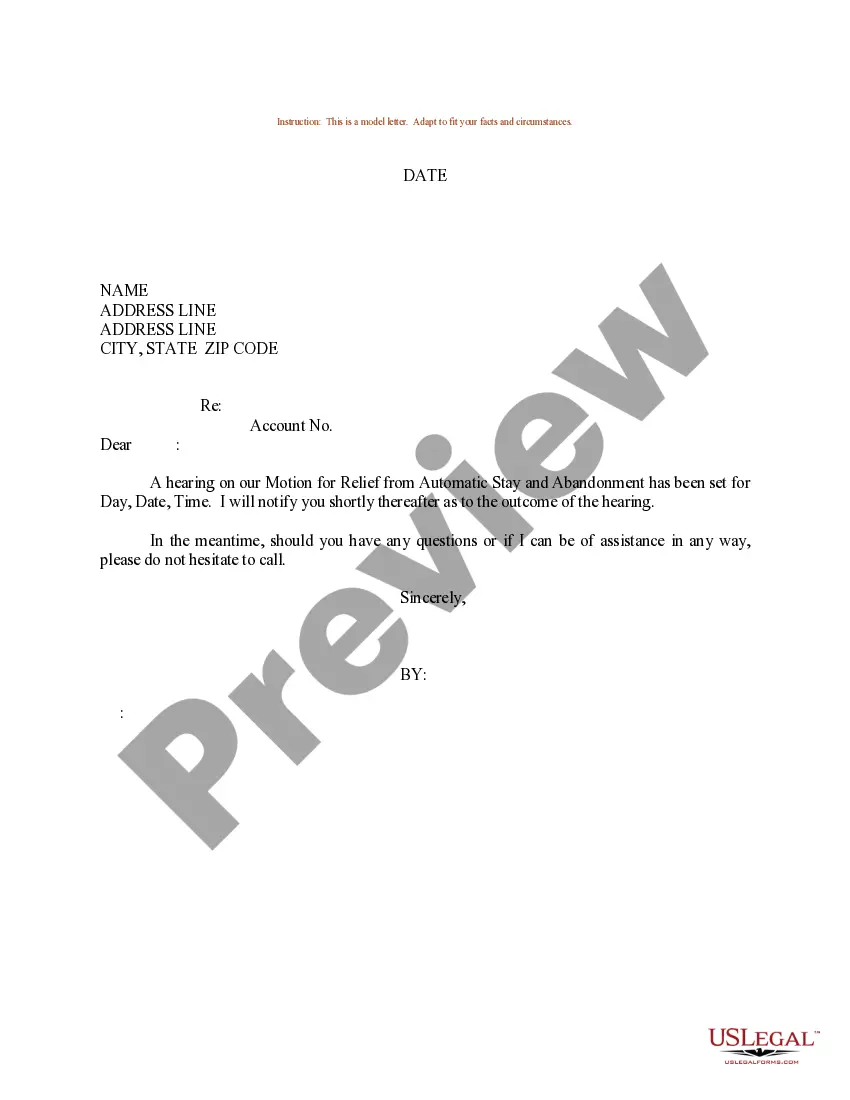


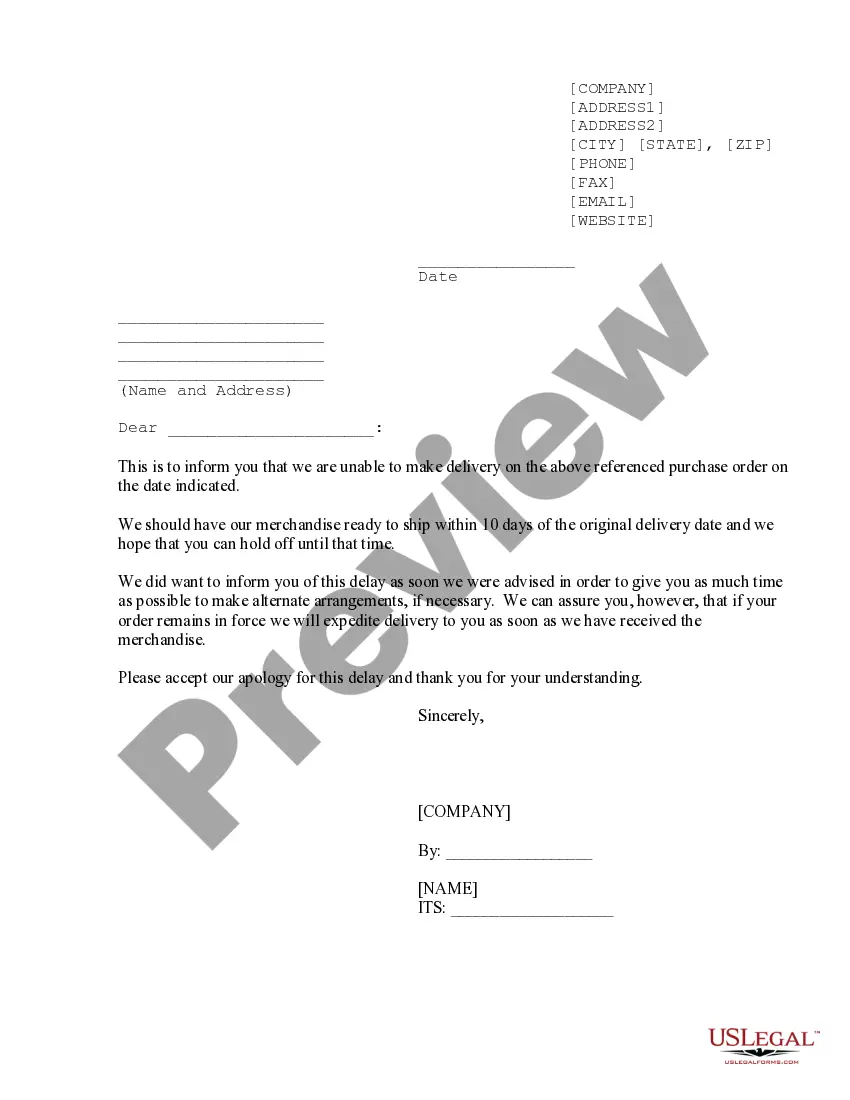
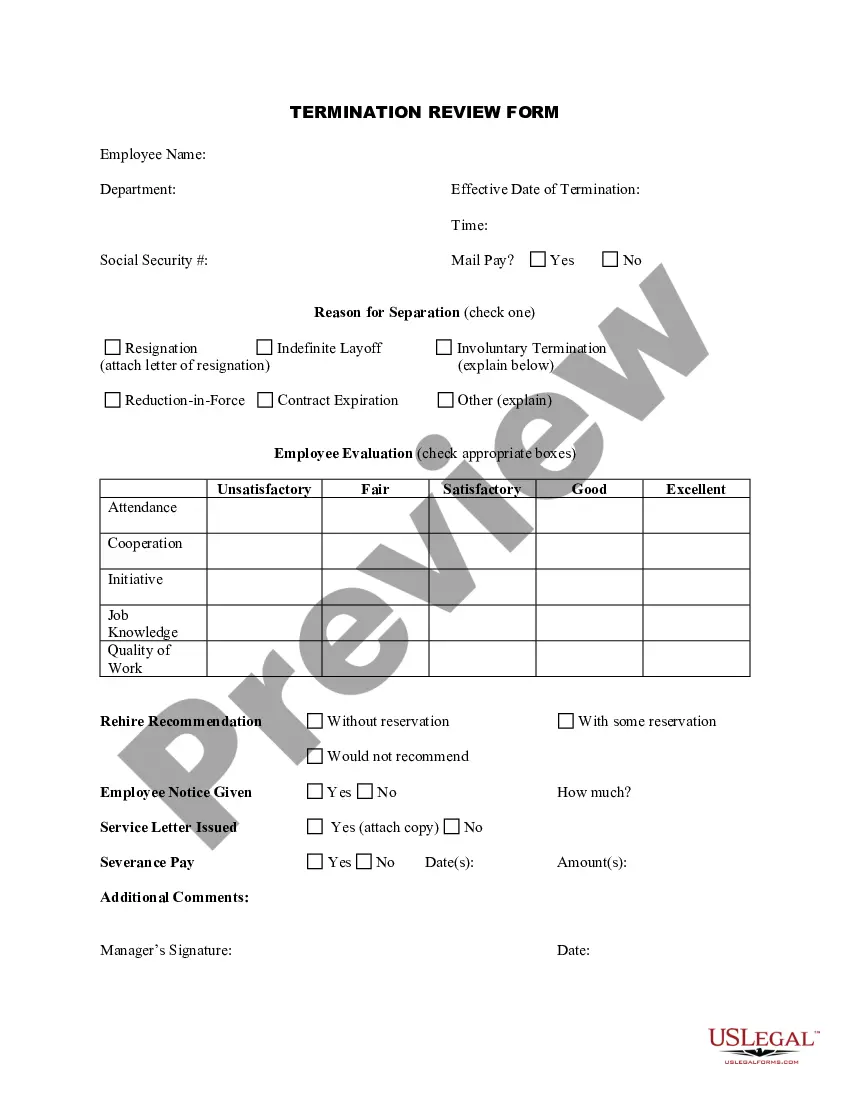
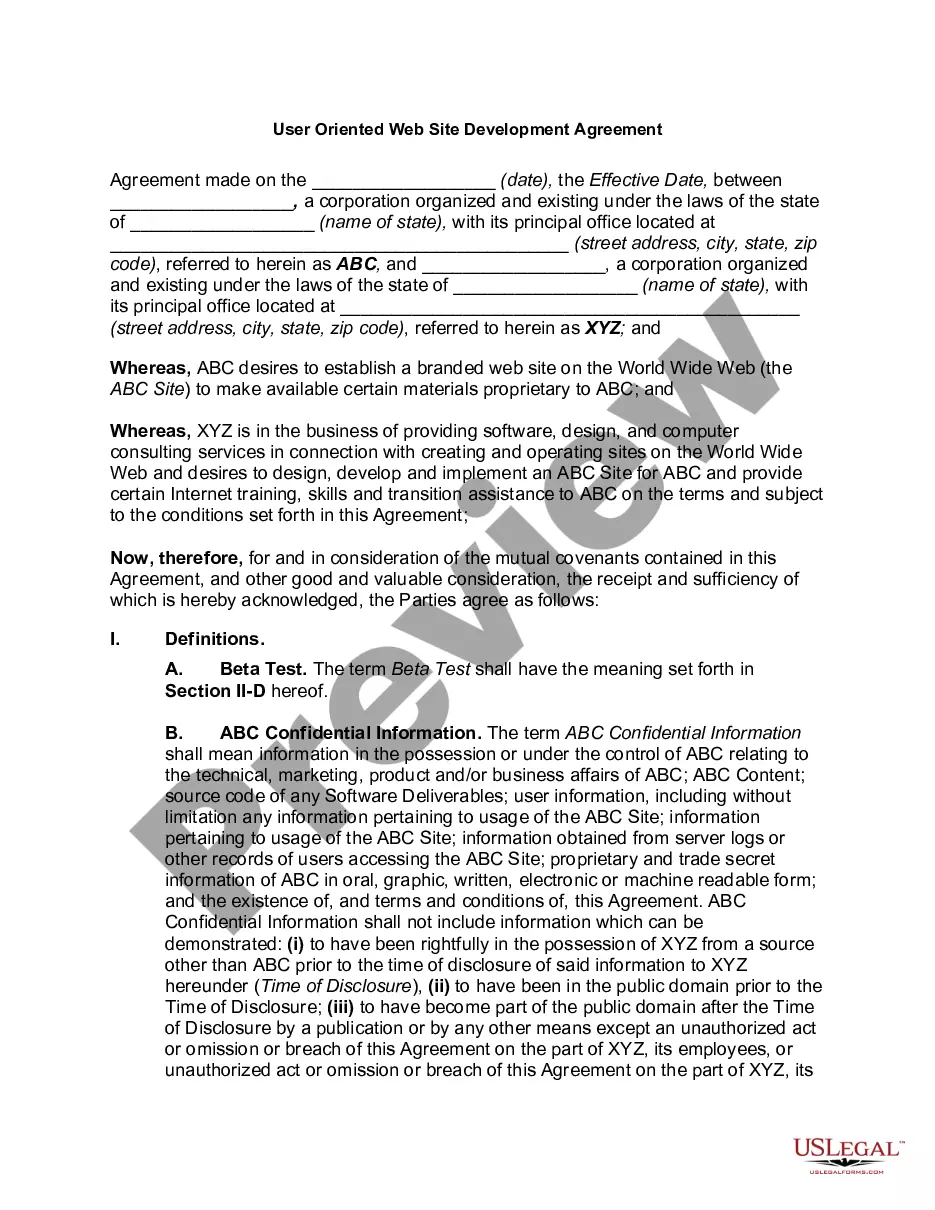
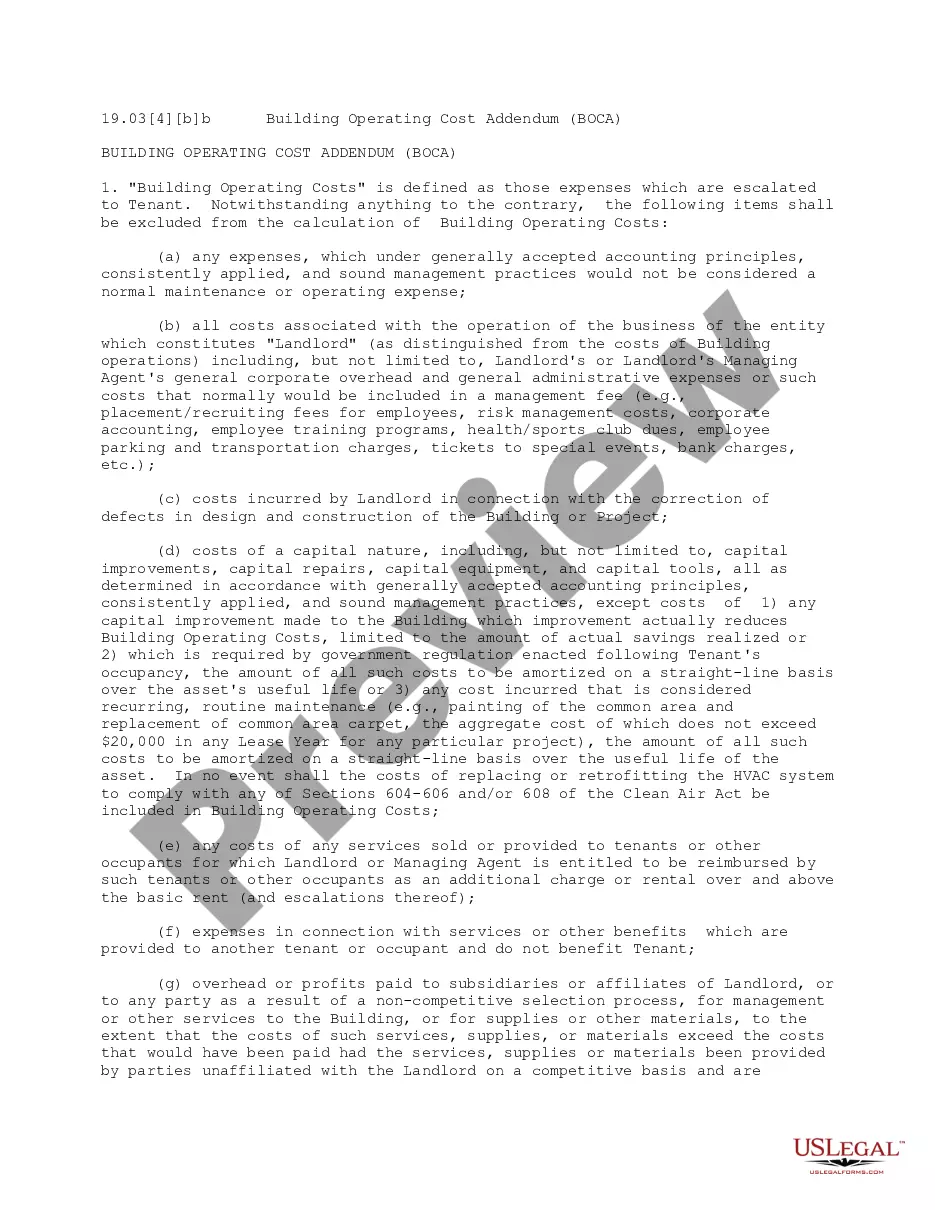

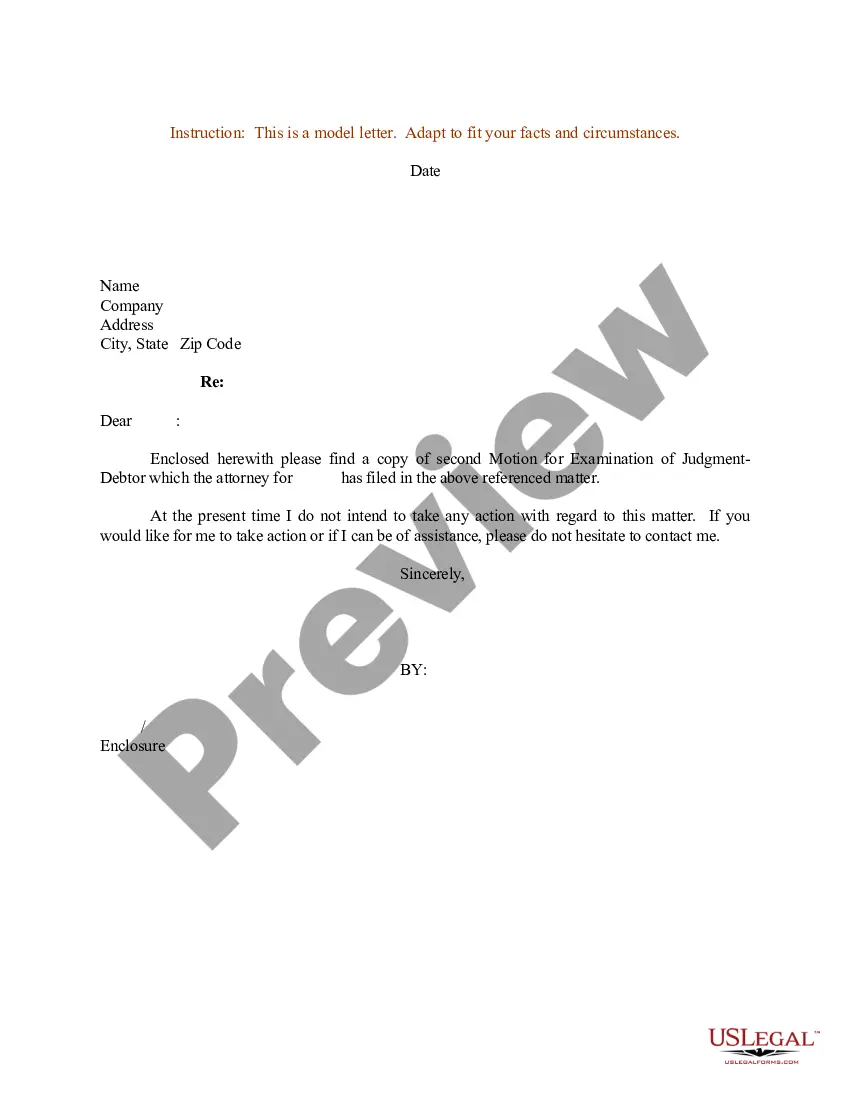
How to fill out Sample Letter For Second Motion For Examination Of Judgment - Debtor?
Whether for corporate aims or personal issues, everyone must cope with legal circumstances at some juncture in their lives.
Completing legal paperwork requires meticulous care, starting with choosing the right form example.
Once saved, you can complete the form using editing software or print it and fill it out by hand. With a comprehensive US Legal Forms catalog available, you will never have to waste time searching for the right sample online. Utilize the library’s simple navigation to find the suitable template for any circumstance.
- Locate the form you require by using the search bar or browsing the catalog.
- Review the form’s details to ensure it aligns with your case, state, and locality.
- Click on the form’s preview to inspect it.
- If it is the wrong document, return to the search feature to find the Second Motion Examination For New Trial sample you need.
- Download the template if it meets your criteria.
- If you possess a US Legal Forms account, simply click Log in to access previously saved templates in My documents.
- If you haven’t created an account yet, you can acquire the form by clicking Buy now.
- Select the correct pricing choice.
- Fill out the profile registration form.
- Choose your payment method: you can utilize a credit card or PayPal account.
- Select the document format you prefer and download the Second Motion Examination For New Trial.
Form popularity
FAQ
1 Raising a new issue on appeal creates problems for appellate courts. First, the courts are constrained by their own (judicially created) general rule of practice which states that no new issues may be raised on appeal.
Step 1: File the Notice of Appeal. Step 2: Pay the filing fee. Step 3: Determine if/when additional information must be provided to the appeals court as part of opening your case. Step 4: Order the trial transcripts.
If a trial court judge has not signed an order granting or denying a motion for new trial within 75 days after the date the final judgment was signed, the motion is generally overruled by operation of law.
There are several different types of post-judgment motions, but the most common are motions for new trial, motions to vacate, and motions to set-aside. Motions for new trial, motions to vacate, and motions to set-aside are the three most common post-judgment motions.
Appeals can be filed to the Supreme court by filing a petition with the court which enacted the decree, upon which the petition would be heard and disposed of within a period of sixty days. Petitions submitted for this purpose must state the grounds of appeal.